[stock-market-ticker symbols=" ^NYA;CRYPTO:BTC;CRYPTO:ETH;CRYPTO:USDT;CRYPTO:USDC;CRYPTO:BNB;CRYPTO:ADA;CRYPTO:XRP;CRYPTO:SOL;CRYPTO:DOGE " stockExchange="NYSENASDAQ" width="100%" transparentbackground=1 palette="financial-light"]

Home Blog Page 91

Bullish Outlook: How Energy Prices and Tech Investments Shape the Future

“We do believe that we’re going to see a little bit of a pullback. We’re actually anticipating that.” – 01:31

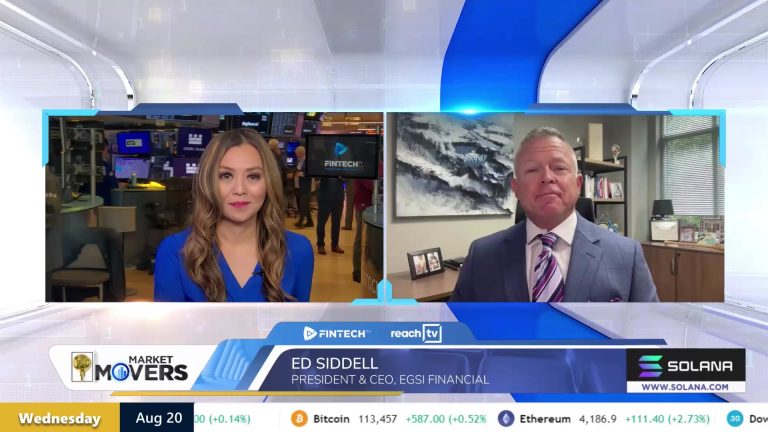
Ed Siddell, President & CEO of EGSI Financial, joins Remy Blaire to discuss the high-stakes environment surrounding Federal Reserve Chair Jay Powell as he prepares for his pivotal speech at the Jackson Hole Economic Symposium. With increasing pressure from former President Trump and dissent within the Federal Reserve, the stakes are higher than ever. The pair discuss the implications of Trump’s nominee, Steven Moran, who advocates for rate cuts and greater presidential influence over the Fed. If confirmed, Moran could join two existing dissenters, marking a significant shift in the Fed’s dynamics since 1988.

Ed shares his insights on the current market expectations regarding interest rate cuts. Ed expresses skepticism about the market’s anticipation of a 100 basis point cut, suggesting that a more realistic expectation would be a 50 basis point reduction. He believes that the market has already priced in this possibility and anticipates a negative reaction to Powell’s speech, which he expects to be pessimistic.

Ed argues that the Fed may be placing too much emphasis on employment figures while overlooking disinflationary trends, particularly the declining costs of energy. He emphasizes that the current inflation levels are lower than perceived, and the impact of tariffs is not as significant as some may think.
Retail Earnings Roundup: Insights on Home Depot, Lowe’s, and Target

“There’s nowhere for Target to go than for up.” – 03:07

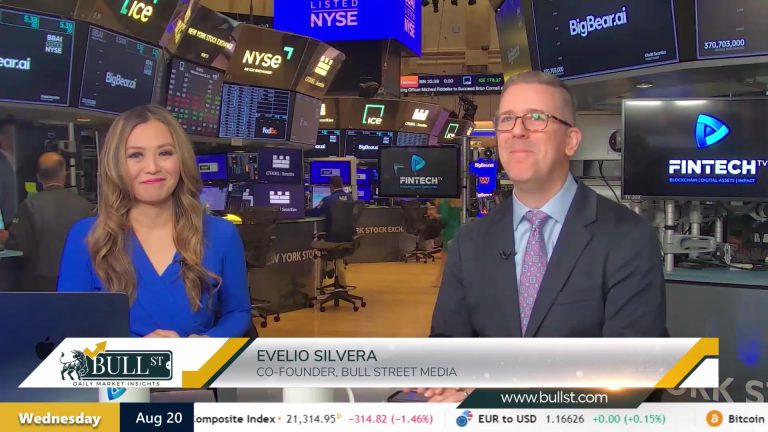
Evelio Silvera, Co-Founder of Bull Street Media, joins Remy Blaire to discus at the New York Stock Exchange to discuss the latest earnings reports from key retail players, with a particular focus on the mixed results emerging from the sector.

Evelio examines Home Depot’s recent earnings report, which fell short of Wall Street’s Q2 earnings estimates. Despite this, the company’s shares saw a jump due to a return to consistent same-store sales growth in the U.S. Evelio highlighted the resilience of bargain hunters in any economy, noting that TJX, the parent company of TJ Maxx and HomeGoods, reported a 5.1% year-over-year increase. Although they missed earnings per share estimates by a cent, the positive sales growth excited investors.

Evelio points out that Lowe’s topped earnings estimates with a 5.6% year-over-year rise, despite a slight revenue miss. This indicates strong margins and a successful pivot towards the professional market.

Target faced a significant pre-market drop of 10% following disappointing results. Evelio mentions the recent CEO announcement and the challenges Target is currently facing. He expresses cautious optimism that with the right investments and a return to their successful strategies from the pandemic, Target could find a way to improve.

Navigating Retail Earnings: Insights from the Trading Floor

“I would expect the central bank probably to cut.” – 02:07

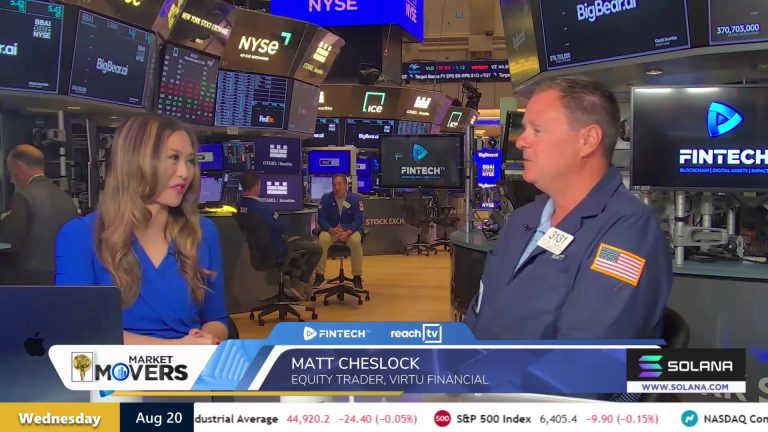
Matt Cheslock, Equity Trader at Virtu Financial, joins Remy Blaire at the New York Stock Exchange to discuss the current state of the retail market and the implications of upcoming monetary policy decisions. With a significant week for retail earnings upon us, we focus on how American consumers are spending and the broader economic landscape. The annual Fed Reserve Symposium in Wyoming is on the horizon, and we anticipate the release of the Fed Minutes from the July meeting, which could provide insights into future monetary policy.

Matt shares his expertise on the recent market movements. The pair discuss the recent pullback in big tech stocks and the implications for the retail sector, particularly in light of Target’s pre-market shares dropping by about 10% following its latest earnings report. Matt highlights the volatility in the market, suggesting that we may be witnessing a shift in investor sentiment as they react to earnings results.

Matt speculates that a quarter-point rate cut is likely, given the current economic indicators and political influences. He notes that a significant majority of market respondents expect this cut, which could further shape the market dynamics.

Tokenizing assets, Bitcoin falls, Google Terawulf, Crypto advocacy

0

In this episode, we dive into the latest CoinStreet headlines, including Andy Scaramucci’s plan to tokenize $300 million in assets, Bitcoin’s recent dip amid U.S. market pressures, Google’s significant investment in Bitcoin miner Terrewolf, and the launch of a new non-profit lobbying group aimed at educating U.S. policymakers on digital asset issues. Jane King has the latest from the NYSE.

Steve Forbes on AI, Stablecoins & Flat Tax Reform — Riding Bulls and Taming Bears

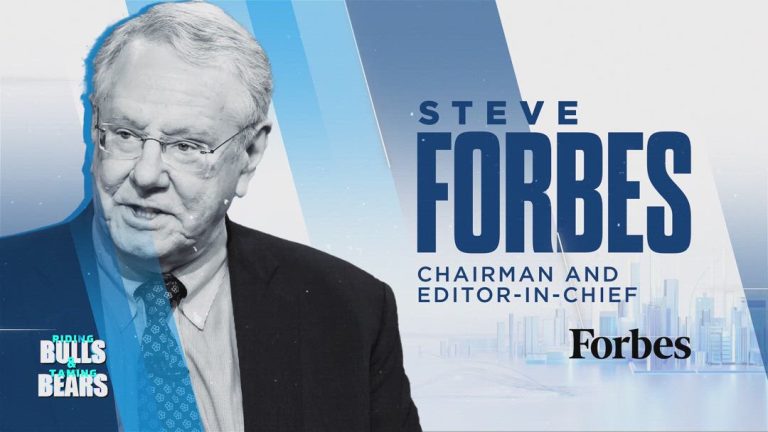
In the inaugural episode of “Riding Bulls and Taming Bears,” host David Stryzewski welcomes Steve Forbes, a renowned figure in business and economics. As the chairman and editor-in-chief of Forbes Media and a two-time presidential candidate, Forbes brings a wealth of experience and insight to the conversation.

The episode begins with Stryzewski highlighting the rich history of Forbes Media, which was founded by Steve’s grandfather in 1917 during World War I. Despite the challenging circumstances, Forbes’ grandfather had a vision centered on entrepreneurship and the belief that “the purpose of business is to produce happiness, not pile up money.” This ethos has guided the publication for over a century, allowing it to adapt and thrive through various economic changes.

Stryzewski and Forbes then delve into the current landscape of digital assets and FinTech. Forbes shares his thoughts on the transformative impact of artificial intelligence (AI) and digital currencies, emphasizing the importance of understanding the purpose behind these innovations. He discusses the potential of AI to revolutionize industries, particularly in healthcare, where it could significantly expedite drug approval processes. However, he cautions against over-regulation that could hinder innovation.

The conversation shifts to cryptocurrency, with Forbes asserting that while Bitcoin and other digital currencies have their merits, they currently lack the stability required to function as money. He advocates for the development of stablecoins that are transparent and backed by tangible assets, which could provide a viable alternative to government currencies.

Stryzewski and Forbes then discuss taxation, focusing on the recent passage of the “Big Beautiful Bill,” which Stryzewski likens to a Tax Cuts and Jobs Act 2.0. Forbes praises the legislative achievement while expressing hope for further tax reforms, such as a lower corporate tax rate and reduced capital gains taxes, which he believes would stimulate investment and economic growth. He passionately argues for a flat tax system, highlighting the inefficiencies and burdens of the current tax code.

As the episode concludes, Stryzewski engages Forbes in a rapid-fire segment, where Forbes shares his favorite book, a meaningful quote, and his biggest regret. His reflections on mentorship and the lessons learned from his father resonate deeply, providing listeners with personal insights into his values and experiences.

Ohio Senate, NFTs drop, Kalshi bettors, Novogratz prediction

0

In this episode of CoinStreet Headlines, we cover the latest developments in the crypto and political landscape. Former Ohio Senator Sharon Brown announces his candidacy for the U.S. Senate in 2026, while the NFT market experiences a significant decline, losing over $1.2 billion in value. We also discuss Gemini’s rise in the AI tech space, with bettors predicting its success, and Galaxy Digital CEO Mike Novogratz’s thoughts on Bitcoin’s future and its implications for the U.S. economy. Jane King has the latest from the NYSE.

Crypto Clarity: Insights from the Wyoming Blockchain Symposium

“There are a lot of institutional and retail investors who are trying to get exposure to crypto through the traditional equities markets.” – 01:36

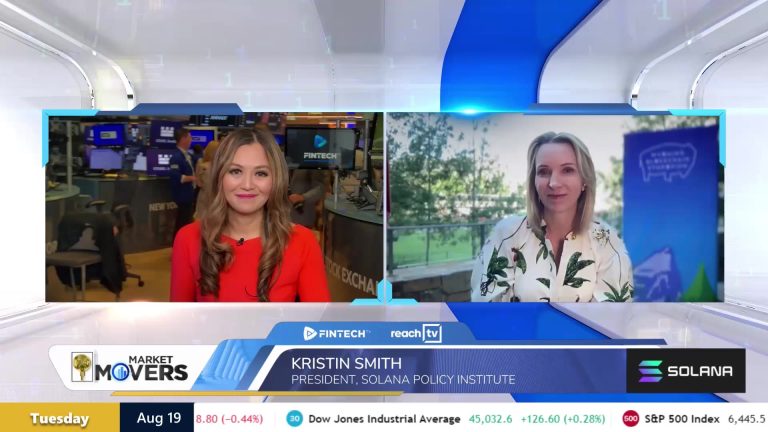
Kristin Smith, President of Solana Policy Institute, joins Remy Blaire to discuss the exciting developments happening at the Wyoming Blockchain Symposium, coinciding with the Federal Reserve’s annual symposium in Jackson Hole.

Kristin highlights the diverse mix of attendees, including key figures from both the crypto industry and traditional financial institutions. The symposium kicked off with a vibrant atmosphere, and Kristin mentioned her anticipation for interviews with notable guests like Anthony Scaramucci from SkyBridge and Arjun Sethi from Kraken. The discussions are centered around two main themes: the growing interest from institutional and retail investors in gaining exposure to crypto through traditional equity markets, and the rising importance of tokenization in upgrading financial systems.

We also delve into the status of Solana’s ETF applications, with Kristin expressing optimism about the SEC’s review of a generic listing standard that could pave the way for Solana ETFs to be available in the marketplace by September or early October. This potential development is seen as a significant opportunity for investors seeking more options in the crypto space.

The Future of Investing: AI, Interest Rates, and Financial Wellness

“I think the biggest swinger in terms of the markets is really going to be AI.” – 01:37

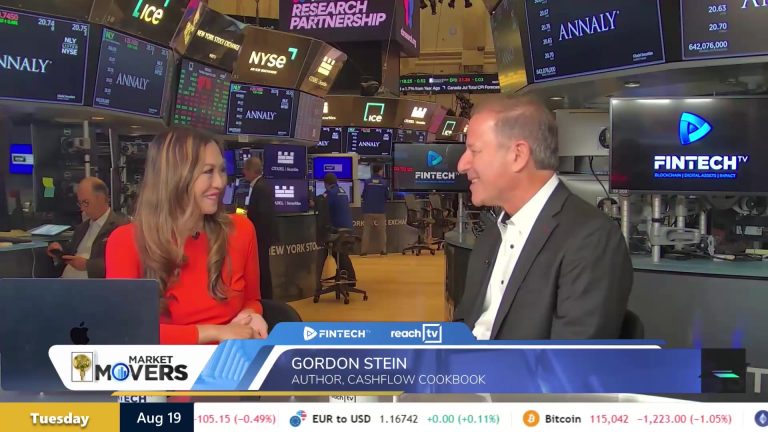
Gordon Stein, Author of Cashflow Cookbook, joins Remy Blaire to discuss the current economic landscape as the Federal Reserve prepares for its annual economic policy symposium in Jackson Hole, Wyoming. With the gap between short and long-term U.S. borrowing costs widening, we explore what this means for investors, especially as inflation shows signs of rising.

As we transition into the autumn months, the pair discuss the expectations surrounding interest rate adjustments and how they could impact investors. Gordon emphasizes the importance of the Fed’s tone and forward-looking comments, suggesting that the market’s reaction will depend significantly on these factors.

Gordon also touches on the traditional 60-40 investment portfolio and how investors should be rethinking their approach to risk in light of advancements in artificial intelligence (AI). Gordon highlights the potential of AI-driven companies and the importance of investing in those that can leverage AI to enhance their efficiencies and profitability.

Navigating Global Trade: Insights on Tariffs and Economic Impact

“When Prime Minister Modi is making these kinds of tax breaks for its own citizens to increase domestic consumption, it’s because of a fearful tariff environment.” – 01:48

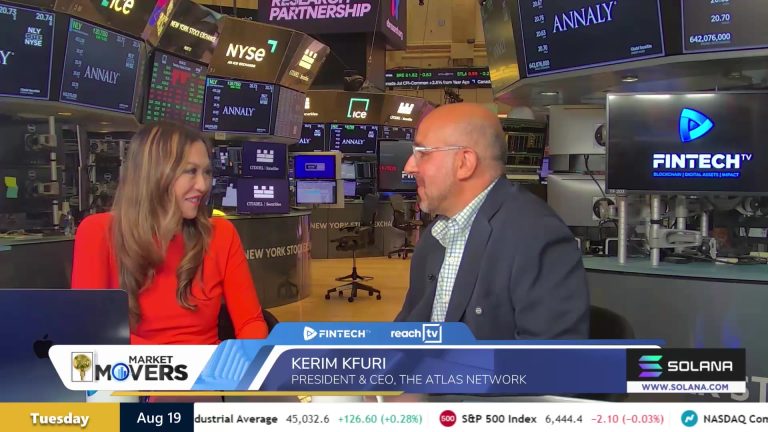
Kerim Kfuri, President & CEO of The Atlas Network, joins Remy Blaire at the New York Stock Exchange to discuss the evolving landscape of global trade and its implications for the U.S. economy.

The discussion begins by breaking down the recent trade agreements the U.S. has established with 20 countries, including major economies like the EU, Japan, and the U.K. However, the pair highlight the ongoing negotiations with China and Mexico, which are currently in a trade truce, while Canada faces significant challenges with a 35% tariff rate. The episode also touches on the visible effects of U.S. tariffs on macroeconomic data, including rising food prices as noted by Federal Reserve Chair Jerome Powell, and a notable drop in the U.S. trade deficit.

Shifting focus to India, Kerim explores how the country’s tax cuts aimed at boosting domestic consumption are impacting global supply chains. Kerim explains that while these measures may stimulate local buying, they could simultaneously hinder exports, leading to increased scarcity and rising prices in critical sectors such as pharmaceuticals, automotive, and agriculture.

Navigating the Housing Market: Insights on Rising Starts and Falling Prices

“I do think we’re going to get a cut in September.” – 02:06

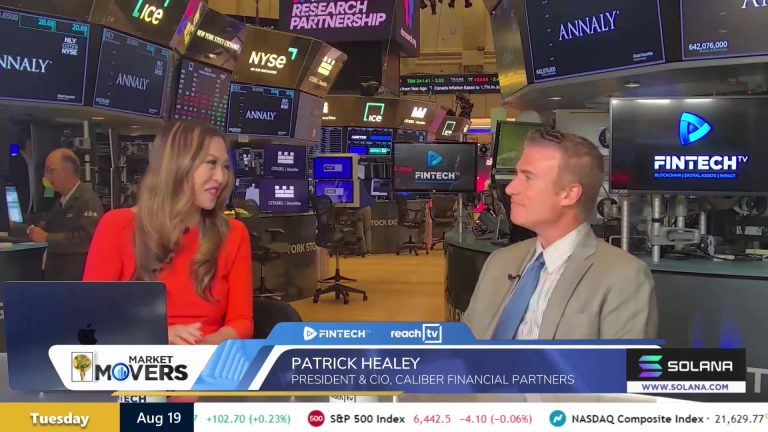
Patrick Healey, President & CIO at Caliber Financial Partners, joins Remy Blaire at the New York Stock Exchange to discuss the current state of the U.S. housing market and broader economic indicators.

The interview begins with Patrick breaking down the latest housing figures, noting a rise in U.S. housing starts, although building permits fell short of estimates. Despite builders facing pressure, new home sales saw a slight increase of less than 1% in June, with the median price dropping to just over $401,000—down nearly 5% year-over-year. A silver lining emerges as U.S. mortgage rates have decreased, with the average 30-year fixed rate now at 6.58%, down from nearly 8% last fall.

As we approach the Jackson Hole Symposium, all eyes are on Fed Chair Jerome Powell and the implications of recent economic data, including nonfarm payrolls and CPI/PPI figures. Patrick shares his perspective on the mixed data, suggesting that the Federal Reserve may consider a rate cut in September, especially given the political pressures they face.

The pair also explore the stock market’s performance, with the Nasdaq and S&P 500 reaching record highs. Patrick highlights the strong earnings season, with over three-quarters of companies beating expectations, which bodes well for equities as we move toward the end of the year. He emphasizes the potential for rate cuts to further support market growth.