[stock-market-ticker symbols=" ^NYA;CRYPTO:BTC;CRYPTO:ETH;CRYPTO:USDT;CRYPTO:USDC;CRYPTO:BNB;CRYPTO:ADA;CRYPTO:XRP;CRYPTO:SOL;CRYPTO:DOGE " stockExchange="NYSENASDAQ" width="100%" transparentbackground=1 palette="financial-light"]

Home Blog Page 92

Ethereum’s Evolution: The Future of DeFi and Institutional Adoption

“I think technology is really going to accelerate in the blockchain space driven by American builders.” – 06:20

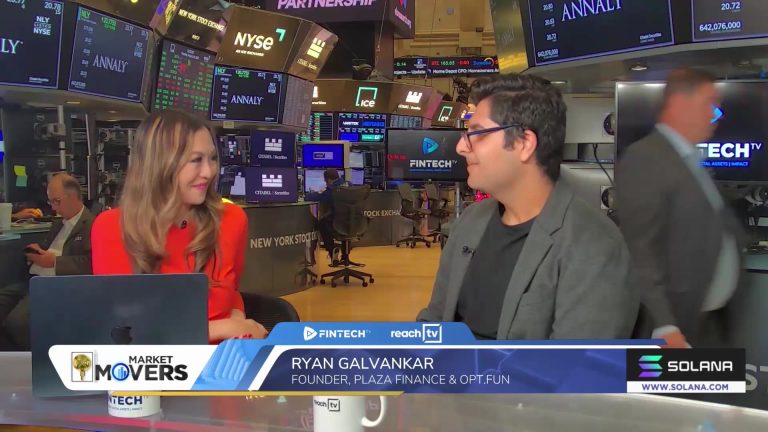
Ryan Galvankar, Founder of Plaza Finance& Opt.fun, joins Remy Blaire at the New York Stock Exchange to discuss the current state of Ethereum and its pivotal role in the decentralized finance (DeFi) landscape. 

Ryan elaborates on what makes Ethereum the go-to platform for innovating on traditional finance derivatives. He emphasizes Ethereum’s decentralization, its robust community of builders, and the advantages of its programming language, Solidity, which have established it as the backbone of global DeFi.

The conversation shifts to the importance of Layer 2 solutions, such as BASE, in facilitating institutional adoption. Ryan explains how these solutions help scale Ethereum by moving transaction logic off the core blockchain, thereby keeping transaction costs low and efficient. This scalability is crucial for Ethereum to compete with traditional financial networks like Visa.
BTC purchases, Program scrapped, Crypto ATMs, Japan stablecoin

0

In this episode of CoinStreet, we dive into the latest headlines shaping the cryptocurrency landscape.

Discover how MicroStrategy is preparing for another bitcoin purchase as BTC hovers around $115,000. Learn about the Federal Reserve’s decision to scrap its novel activities supervision program for banks involved in crypto and fintech, opting to integrate this oversight into regular bank operations. We explore the increasing regulatory pressure on crypto ATMs, once seen as a sign of crypto adoption, now facing bans and scrutiny due to their potential use in illicit activities. Get insights into Japan’s financial services agency’s approval of JPYC, the country’s first yen-pegged stablecoin, and how it could impact the demand for Japanese government bonds. Jane King has the latest from the NYSE.

Market Momentum: Analyzing the Broader Rally Beyond Tech

“We are setting ourselves up for a cut.” – 04:15

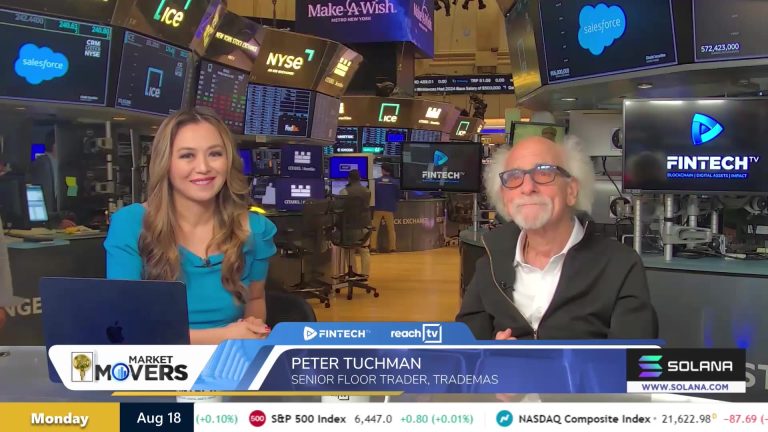
Peter Tuchman, Senior Floor Trader at TradeMas, joins Remy Blaire at the New York Stock Exchange to discuss the current state of the stock market and the broader economic landscape as we kick off a new trading week.

Peter starts by discussing the Dow Jones Industrial Average, which is nearing a record high, and how the market rally is expanding beyond just the tech sector, with small-cap stocks also tracking higher. A significant factor contributing to this rally is UnitedHealth’s stock surge following the news that Berkshire Hathaway, led by Warren Buffett, has taken a $1.6 billion stake in the healthcare giant.

Peter highlights that despite August typically being a weaker month for the markets, we are witnessing strong fundamentals and positive earnings reports. He notes that while tariffs and inflation have had some impact, the market seems to have disengaged from the volatility that previously accompanied tariff discussions. Instead, there is a sense of optimism as backdoor diplomacy appears to be yielding results.

Peter notes that European leaders are gathering with President Trump in Washington, D.C. He emphasizes that while political events can influence the market, the most critical factor this week is Federal Reserve Chair Jerome Powell’s upcoming speech in Wyoming. The market is anticipating potential interest rate cuts, with current probabilities suggesting an 82.9% chance of a cut on September 17th.

High Stakes Diplomacy: Trump, Putin, and Zelensky’s Summit Showdown

“The European Union hasn’t stepped up. In fact, the European Union is inadvertently funding the war by buying lots of Russian gas.” – 02:08

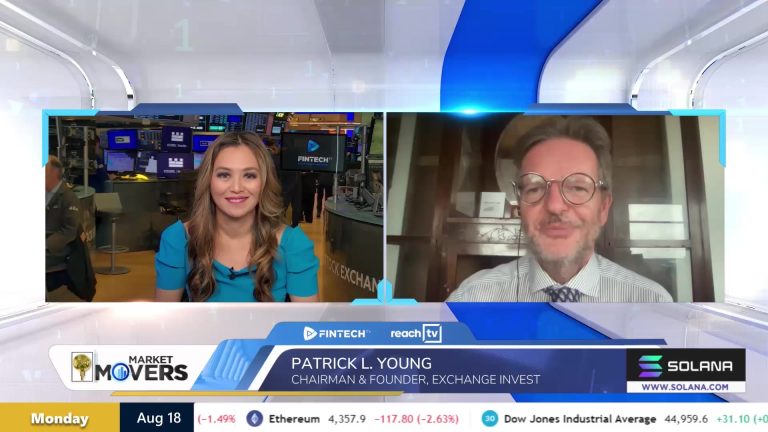
Patrick L. Young, Chairman and Founder of Exchange Invest, joins Remy Blaire to discuss the high-stakes geopolitical landscape following President Trump’s recent summit with Russian President Vladimir Putin in Alaska. Despite the full pageantry of the meeting, it concluded without any significant breakthroughs, leaving Trump to prepare for a crucial meeting with Ukrainian President Volodymyr Zelensky in Washington, D.C. on Monday. Zelensky’s recent travels to Brussels to engage with European leaders highlight the ongoing efforts to solidify support against Russia’s aggressive maneuvers.

Patrick emphasizes the perceived irrelevance of the European Union in this context, arguing that the real power dynamics lie between Trump and Putin. He points out the hypocrisy of the EU’s position, particularly in light of its continued purchase of Russian gas, which he believes inadvertently funds the conflict.

As the pair discuss the potential for a trilateral meeting involving Trump, Putin, and Zelensky, Patrick expresses skepticism, citing the challenges Zelensky would face in being in the same room as Putin. He suggests that neither party would gain anything from such a meeting in the short to medium term.

Retail Resilience: What to Expect from Walmart and Other Giants This Earnings Season

“To the extent that Powell delivers, you know, some cold water on the market, small caps can be a little more interest rate sensitive.” – 06:57

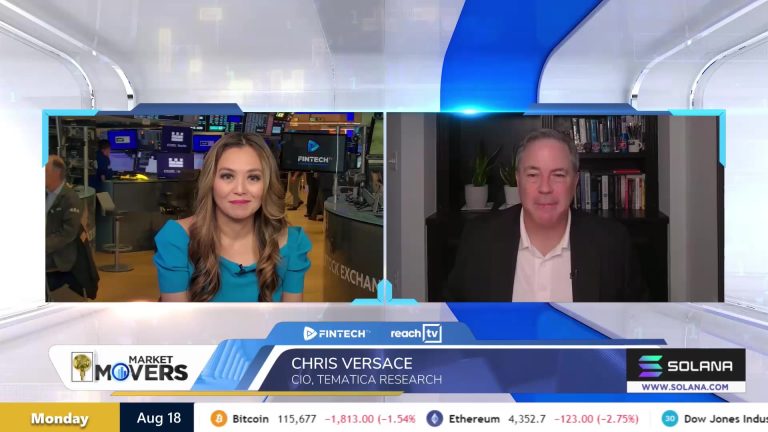
Chris Versace, CIO of Tematica Research, joins Remy Blaire to discuss the latest developments in the U.S. retail sector and the broader economic landscape as we approach a pivotal week for earnings reports and Federal Reserve commentary. 

The pair break down the recent rise in U.S. retail sales for July, which reflects a broad-based gain despite economists expressing caution due to a softening jobs market and weakening consumer sentiment. Chris highlights the acceleration of underlying inflation, particularly driven by services, and the modest rise in goods prices, which has eased some concerns about tariff-driven price spikes.

As Chris looks ahead, all eyes are on the upcoming earnings reports from major retailers, including Walmart, Home Depot, Target, TJX, and Ross Stores. Chris emphasizes Walmart’s impressive performance this year, outpacing not only its rivals but also some of the largest tech companies.

FEMA’s Future: The Impact of Flood Insurance Cuts on Homeowners and Municipalities

“It’s like a Jenga game… the main block that’s holding everything up has been FEMA.” – 01:08

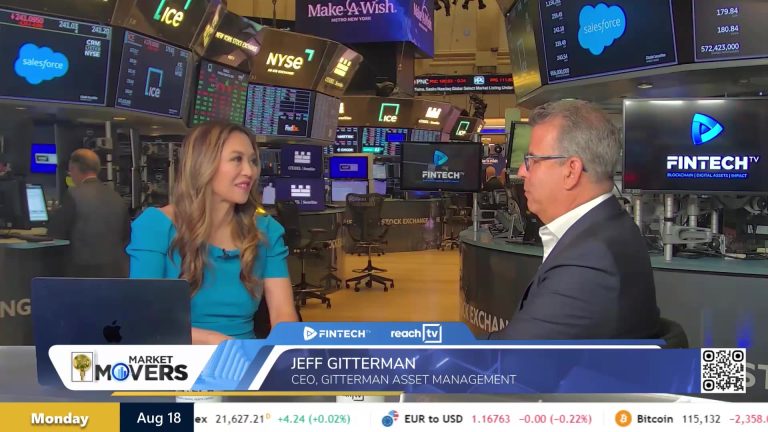
Jeff Gitterman, CEO of Gitterman Asset Management, joins Remy Blaire to discuss the report released by First Street, a climate risk research organization, which sheds light on alarming issues surrounding FEMA and the National Flood Insurance Program. The report reveals that nearly 13 million properties are at high risk of flooding, with a significant portion—about 10 million—being outside the officially designated high-risk flood zones. This situation raises concerns about the adequacy of insurance coverage for these properties, as many are either underinsured or completely uninsured.

Jeff breaks down the implications of potential cuts or the elimination of FEMA, which could severely undermine national resilience to flooding. Jeff likens the current state of flood risk management to a precarious game of Jenga, where FEMA serves as a crucial block supporting the entire structure. With recent announcements from the administration indicating a pullback on FEMA’s operations, the pair explore the cascading risks that could affect homeowners, banks, and municipalities alike.

The pair also touches on the role of the insurance industry in this landscape. Jeff argues for a radical overhaul of how homeowners insurance is structured, advocating for state-level adjustments to premiums based on risk and incentivizing homeowners to implement resilience measures. He points out that private insurers currently cover only a small fraction of flood risk, and without FEMA’s backing, many homes could become uninsurable.

Wall Street hires, Circle sales, Grok insight, Citi crypto

0

In this episode of Coinstreet headlines, we dive into the latest developments in the cryptocurrency world. Traditional financial giants like Charles Schwab and Fidelity are expanding into crypto, with Schwab hiring for key positions in crypto trading and on-chain experiences. We discuss Circle’s recent stock sale and its impressive market performance, as well as JPMorgan Chase’s role in facilitating this move.

Additionally, we explore how traders are utilizing Grok to analyze real-time sentiment in crypto trading, tracking trends and price movements in various tokens. Lastly, we highlight Citigroup’s exploration of cryptocurrency custody and payment services, focusing on stablecoin-backed assets. Jane King with the latest from the NYSE.

Blake Harris on What Successful People Do Before Trouble Hits

0

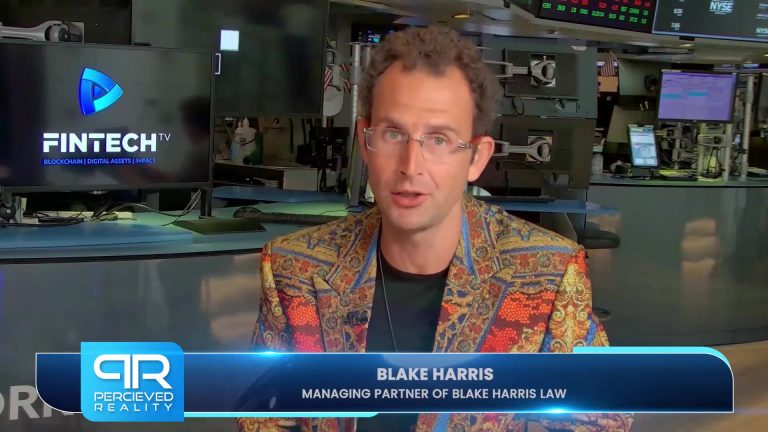
Blake Harris, attorney and founder of Blake Harris Law, has established his firm as the number one asset protection law firm in the United States, specializing in offshore strategies designed to safeguard wealth. In today’s environment, where America is considered the most litigious country in the world, protecting one’s assets has never been more crucial. With lawsuits and claims at an all-time high, Blake Harris provides his clients with proven legal structures that secure their hard-earned wealth against frivolous claims, creditors, and unforeseen threats. Through innovative offshore trusts and customized protection plans, he ensures his clients can preserve their financial legacy, maintain privacy, and achieve peace of mind knowing their assets are shielded.

ETH Season vs. Altcoin Season: What’s Driving the Crypto Market?

“Despite the initial shock, the administration’s pro-crypto stance is still clear.” – 01:08

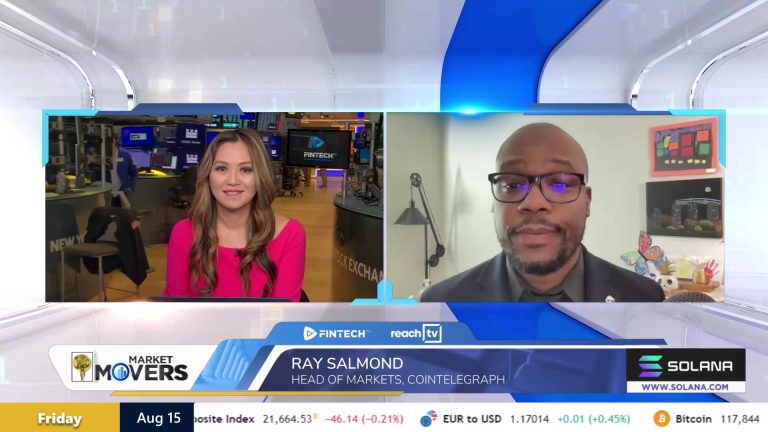
Ray Salmond, Head of Markets at Cointelegraph, joins Remy Blaire to discuss the current state of the cryptocurrency market, focusing on Bitcoin and Ethereum.

The discussion begins by addressing Bitcoin’s recent performance, which saw it reach an all-time high of over $124,000 before experiencing a pullback. This fluctuation was influenced by unexpected Producer Price Index (PPI) numbers and comments from Treasury Secretary Scott Bessent regarding the U.S. government’s plans for Bitcoin acquisitions. Initially, Bessent indicated that there would be no further purchases for the strategic reserve, but he later clarified that the administration remains committed to exploring budget-neutral pathways for acquiring more Bitcoin. Ray elaborates on the various funding options being considered, including the use of seized Bitcoin, tariff revenues, and even the potential for Bitcoin mining at federal levels.

Ray explains the ongoing debate between “alt season” and “ETH season,” highlighting the significant growth in the market cap of altcoins, which has risen from $700 billion to nearly $1.1 trillion. He attributes this growth to favorable regulatory developments, including the Genius Act and SEC clarity on decentralized finance (DeFi) and stablecoins. Ray emphasizes the positive impact these developments have had on DeFi tokens and the overall decentralized finance landscape.

Bitcoin’s Perfect Storm: Record Highs and Institutional Demand

“There was a huge shift in November of last year, getting an administration that is much more positive on Bitcoin.” – 03:40

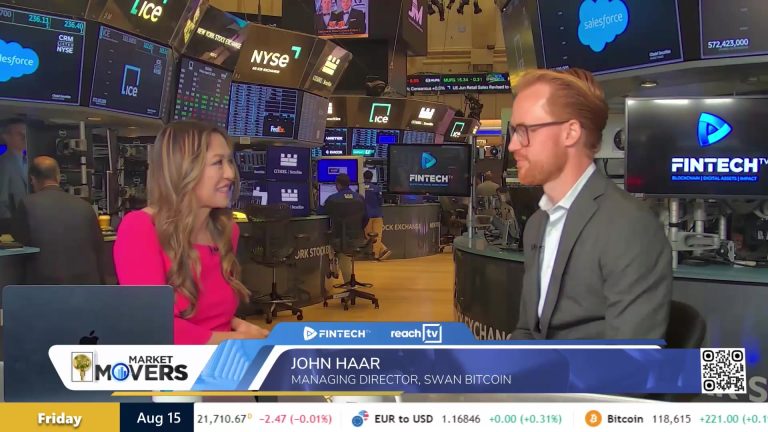
John Haar, Managing Director at Swan Bitcoin, joins Remy Blaire to discuss recent surge in Bitcoin prices.

Jon explains that the recent price fluctuations are typical for Bitcoin, but he believes the underlying thesis supporting its value remains intact. He discusses the concept of dollar debasement, emphasizing that the increase in Bitcoin’s price reflects the declining purchasing power of the dollar, driven by factors such as central bank policies, government deficit spending, and commercial bank activities.

on highlights the positive stance towards Bitcoin from the current administration, contrasting it with previous attitudes. He notes the appointment of a “crypto czar” in the White House and the government’s commitment to finding budget-neutral ways to accumulate Bitcoin, which has bolstered institutional interest in the asset.

Jon elaborates on the growing trend of institutional investment in Bitcoin, mentioning that major entities, including Harvard University, have begun to allocate substantial funds into Bitcoin ETFs. He points out that Bitcoin’s volatility has decreased since the launch of these ETFs, indicating a growing acceptance of Bitcoin as a legitimate asset class.