
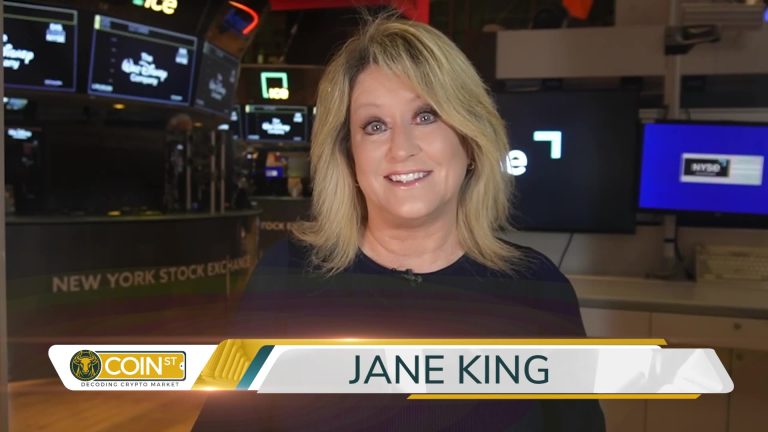
In this episode of CoinStreet, we dive into China’s potential shift towards stablecoins, the impact of Fed Chair Powell’s upcoming speech on Bitcoin and Ether, and a notable call from a Federal Reserve official advocating for crypto. Jane King has the latest from the NYSE.
How Ledger is securing over 20% of the world’s crypto assets with innovative hardware wallets
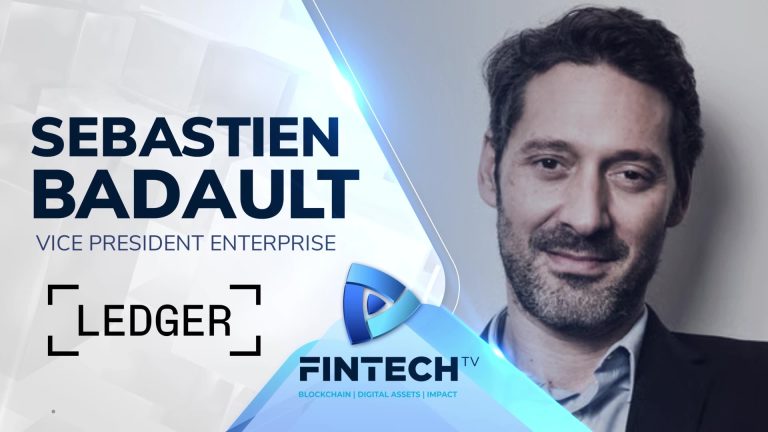
Join Vince Molinari as he welcomes Sebastien Badault, Vice President of Enterprise at Ledger, a leader in crypto security and hardware wallets. Sebastien shares insights into Ledger’s journey over the past 11 years, highlighting their role in securing over 20% of the world’s crypto assets with their innovative hardware wallets. The discussion dives deep into the evolving cryptocurrency landscape, focusing on the shift from retail to institutional adoption and the increasing interest from traditional financial institutions.
As they explore the convergence of traditional finance (TradFi) and decentralized finance (DeFi), Sebastian discusses the implications of recent regulatory changes. They also touch on the growing importance of crypto treasuries, the rise of stablecoins, and the critical role of security in safeguarding digital assets.
Harnessing the growing demand for AI across industries with CEO of SoundHound AI
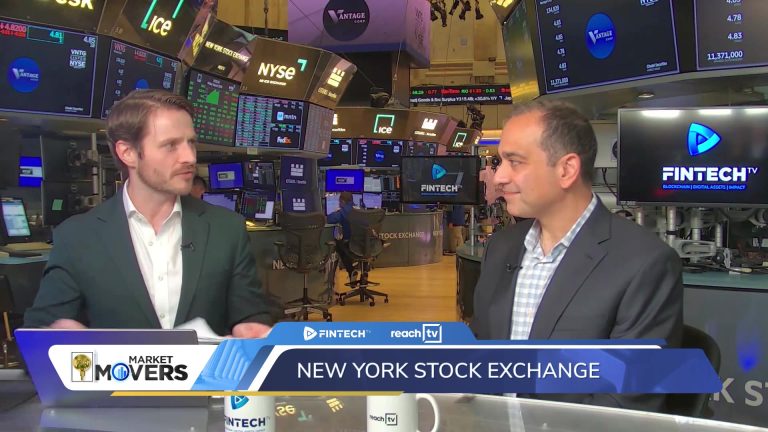
Join J.D. Durkin on this episode of Market Movers as he dives into the latest trends in the AI landscape with Keyvan Mohajer, the CEO of SoundHound AI. Discover how SoundHound, a small-cap voice AI company, achieved a record-breaking Q2 earnings report, with revenue up more than three times compared to previous periods.
Keyvan shares insights on the growing demand for AI across various industries, the importance of strategic partnerships, and the evolution of conversational AI technology. He reflects on his journey as a founder, the lessons learned, and the exciting yet overwhelming opportunities in the AI arms race among major players.
The Evolution of Investment: Why Private Equity and Crypto Matter in Today’s 401ks
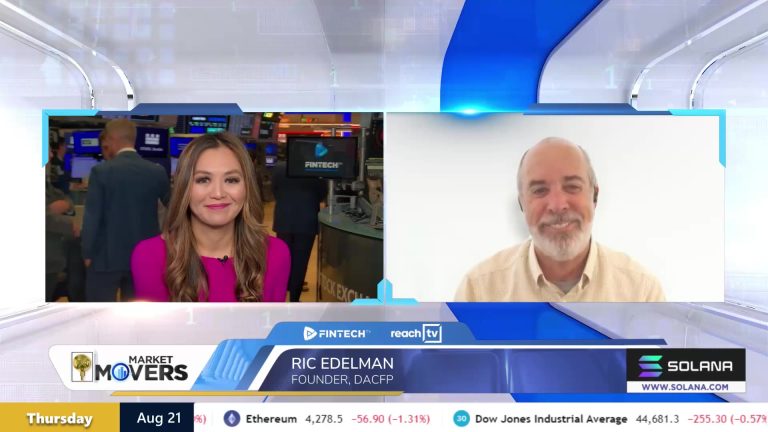
“If there was a major decline in Bitcoin, those institutional investors would jump in, they would see this as a buying opportunity.” – 02:50
Ric Edelman, Founder of DACFP, joins Remy Blaire to discuss Bitcoin’s current market position, hovering around $113,500 just a week after reaching a new all-time high of over $124,000. The conversation highlights the recent executive order from the U.S. government that allows digital assets to be included in 401(k) plans, which has contributed to Bitcoin’s surge. However, the cryptocurrency faces downward pressure due to unexpected increases in producer prices and ongoing discussions about the U.S. potentially purchasing Bitcoin for its strategic reserves.
Ric Edelman shares his insights on the significance of allowing private equity in 401(k) plans, emphasizing the decreasing number of publicly traded companies and the need for ordinary investors to access a wider array of investment opportunities. He points out that the landscape has changed dramatically, with institutional investors, including sovereign wealth funds and pension funds, now heavily involved in Bitcoin. This institutional engagement, he argues, is likely to prevent extreme sell-offs of 70% or 80% that have occurred in the past.
Navigating the Future of Finance: The Impact of the Clarity Act on Crypto and Banking
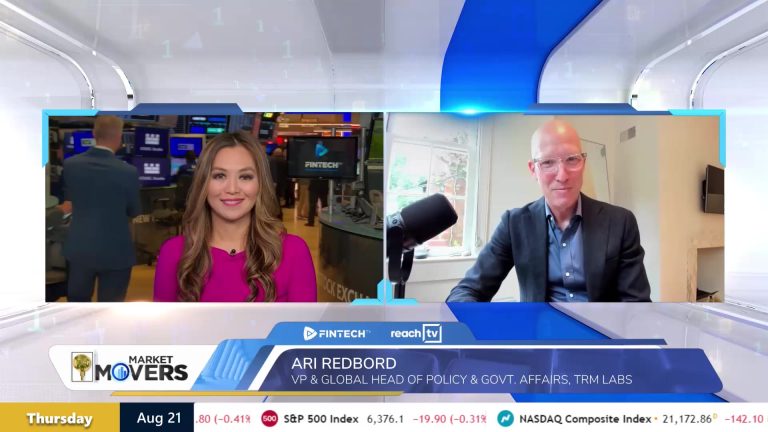
“Regulatory certainty is still an absolutely important piece to the puzzle.” – 03:03
Ari Redbord, VP & Global Head of Policy & Govt. Affairs at TRM Labs, joins Remy Blaire to discuss the rapidly changing landscape of finance as Congress prepares to return from its August recess.
Ari provides insights into the legislative developments affecting the crypto industry, particularly the Clarity Act, a House bill that aims to clarify the legal status of digital assets. He highlights the recent passage of stablecoin legislation and the ongoing discussions in the Senate regarding market structure, suggesting that a comprehensive market structure bill may emerge from the marriage of the House and Senate proposals in the coming months.
Ari emphasizes the importance of regulatory clarity for financial institutions, noting that conservative entities on Wall Street require clear guidance from lawmakers and regulators to engage with digital assets confidently. He discusses the challenges regulators face in defining digital assets, securities, and commodities, and how these definitions will be pivotal for the mass adoption of cryptocurrency.
Navigating Economic Uncertainty: Insights on Fed Rates and Market Trends
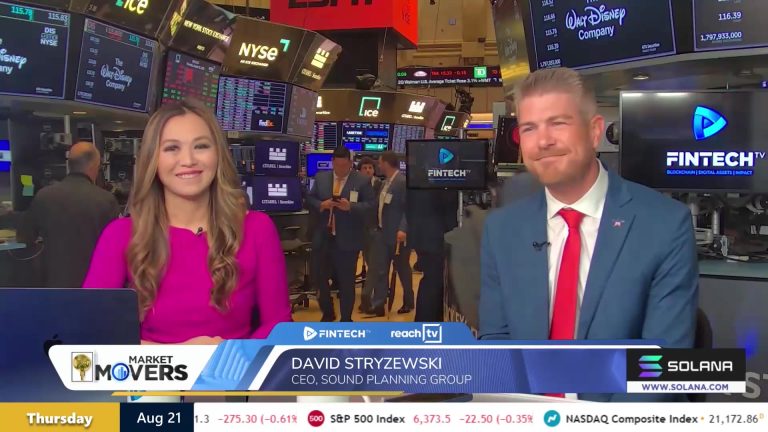
“I fully expect, though, about a 1% cut by the end of the year.” – 01:25
David Stryzewski, CEO of Sound Planning Group, joins Remy Blaire to discuss the current economic landscape and the implications of the Federal Reserve’s upcoming decisions on interest rates.
The segment opens with a discussion about the Fed’s potential rate cut, with Fed funds futures indicating a 79.2% chance of a cut in September. David explains that recent economic data, particularly regarding wholesale prices, suggests that inflation pressures are building, which may lead to a pause in rate hikes for the time being. He anticipates a 25 basis point cut soon, with a total of about a 1% cut expected by the end of the year, especially as challenging economic data is anticipated in the coming months.
As the conversation shifts to the equity markets, David notes the recent pullback in big tech stocks, despite the market hovering near all-time highs. He emphasizes that while big tech will continue to lead, other sectors, particularly metal mining, are poised for growth due to their essential role in AI and data centers. David highlights the importance of semiconductors and metals like silver in the ongoing technological evolution, suggesting that these sectors may see significant gains.
The discussion then moves to the bond market, where David expresses concerns about the junk bond sector. He warns that rising interest rates make it increasingly difficult for less creditworthy companies to survive, and he cautions listeners that bonds can be volatile and can lose value in multiple ways. He encourages consideration of alternative investments to mitigate risks.
Kevin O’Leary on Bitcoin, Ethereum, and the Rise of Collectibles
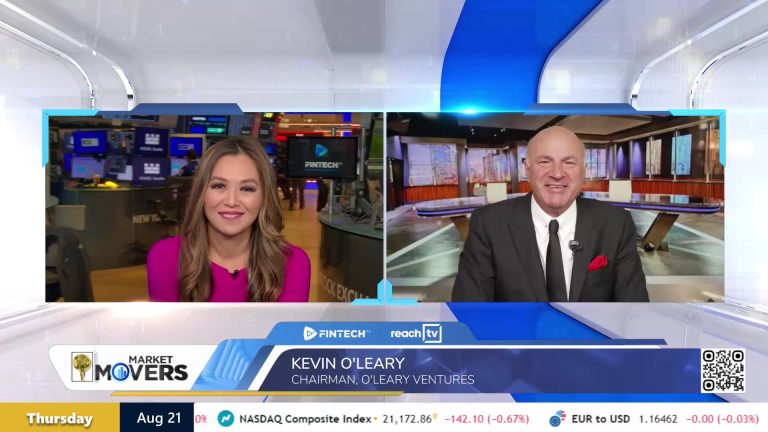
“If you believe it, not everybody does, is an alternative asset no different than gold.” – 03:05
Kevin O’Leary, Chairman of O’Leary Ventures, joins Remy Blaire to discuss whether Bitcoin yield is a smart investment strategy or a risky gamble.
The segment opens with an overview of Bitcoin yield, highlighting its appeal to investors seeking passive income and enhanced returns beyond mere price appreciation. While proponents argue that yield strategies can improve capital efficiency and attract institutional investment, critics raise concerns about the risks involved, including potential losses and conflicts with Bitcoin’s core principles of decentralization and security.
Kevin O’Leary shares his perspective on the challenges faced by investors as Bitcoin gains traction in institutional portfolios, often being viewed as “digital gold.” He discusses the volatility of Bitcoin’s price and the need for investors to find ways to make their holdings productive during periods of stagnation. O’Leary emphasizes that Bitcoin and Ethereum dominate the crypto market, capturing over 95% of its price volatility, which leads him to question the necessity of holding other assets.
The conversation shifts to the potential for generating yield from Bitcoin and Ethereum. O’Leary explains that there are various strategies available for investors to garner yield, including writing calls and derivatives. He argues that these strategies do not necessarily undermine Bitcoin’s decentralization, as they can be approached in a way that aligns with traditional financial services.
The segment also touches on the current state of the U.S. housing market, with O’Leary providing insights into the impact of mortgage rates on market recovery. He suggests that mortgage rates would need to fall to around 5.5% to 5.25% to stimulate the housing market, a scenario he considers unlikely given the prevailing economic conditions.
The Case for International Investing: Strategies and Risks Explained
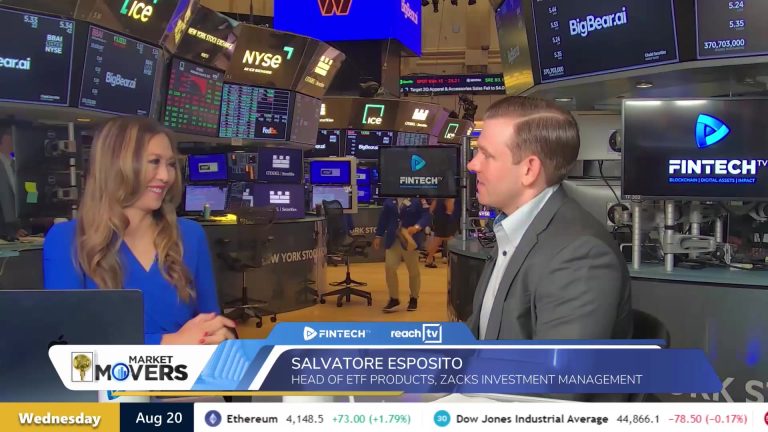
“We feel that there is a place for international allocations in portfolios.” – 01:58
Salvatore Esposito, Head of ETF Products at Zacks Investment Management, joins Remy Blaire at the New York Stock Exchange to discuss the intricacies of international investing, particularly in the context of U.S. investors who often focus primarily on domestic markets.
Salvatore begins by breaking down the common tendency among U.S. investors to overlook international markets, especially given the dominance of U.S. stocks in global indexes. Salvatore emphasizes the importance of excluding U.S. stocks from portfolios to correct imbalances and highlights the unique risks associated with international investing, such as currency fluctuations, political instability, and geographic risks.
Salvatore notes the mixed trading patterns in major U.S. stock averages and the recent pullback in big tech. He stresses the significance of focusing on individual companies rather than just indices when considering investments in international developed markets. With Zacks Investment Management’s long history in research, Salvatore explains their approach to identifying quality companies with durable earnings and consistent earnings estimate revisions.
NVIDIA’s Earnings: The Bellwether for AI Valuations and Market Movements
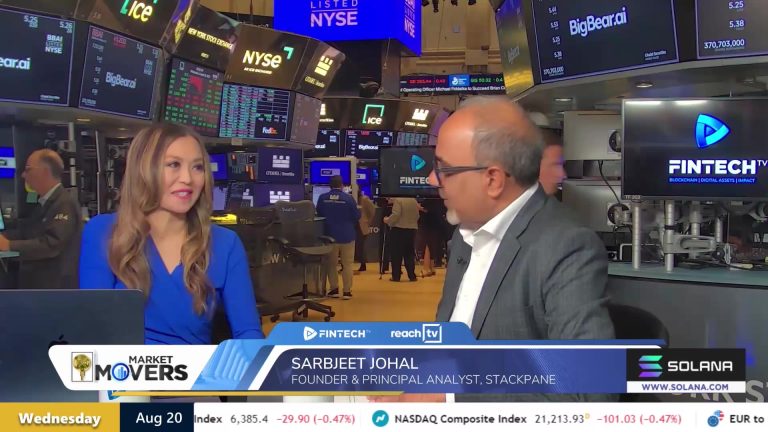
“NVIDIA numbers are going to be the bellwether for AI, right?” – 02:12
Sarbjeet Johal, Founder & Principal Analyst at Stackpane, joins Remy Blaire to discuss the current state of the AI industry and its implications for investors and tech giants.
Sarbjeet provides valuable insights into Altman’s concerns. Sarbjit emphasizes that while Altman’s alarm is significant, it should be taken with caution. He highlights the ongoing capital expenditures (CapEx) in the industry and the need for developers to create robust applications that can deliver deterministic outcomes, rather than relying on probabilistic models that may lead to inaccuracies.
Shifting focus to NVIDIA, a key player in the AI landscape, we discuss the upcoming earnings report and its potential impact on the market. Sarbjeet notes that NVIDIA’s performance will serve as a bellwether for the AI sector, with expectations that it could move the market significantly—by at least 5%—in either direction.
The Rise of Bitcoin Lending: Navigating Opportunities and Risks
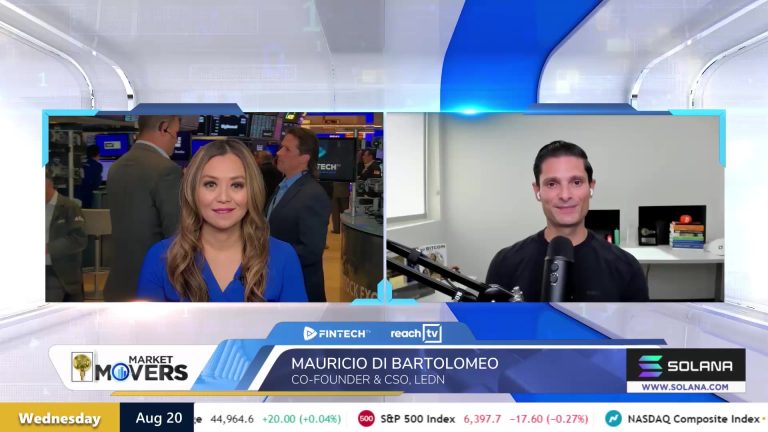
“This could be very beneficial from a tax perspective and it also allows you to keep the upside of the asset itself.” – 01:18
Mauricio Di Bartolomeo, Co-Founder & CSO of Ledn, joins Remy Blaire to discuss the rapidly expanding Bitcoin lending market and the evolving landscape of institutional adoption.
Mauricio breaks down the surge in Bitcoin-backed loans over the past 18 months, particularly following the change in administration in November. Mauricio explains how these loans allow Bitcoin holders to use their assets as collateral to borrow U.S. dollars, providing them with liquidity while retaining the potential upside of their Bitcoin investments. This practice has become increasingly popular as individuals seek to translate their digital wealth into real-life experiences, such as purchasing real estate or starting businesses.
However, the pair also delve into the skepticism surrounding Bitcoin lending, particularly from Bitcoin maximalists who prioritize decentralization and security. Mauricio acknowledges the lingering concerns stemming from past failures of lending platforms like Celsius and BlockFi, which engaged in risky, unsecured lending practices. He emphasizes that Ledn operates differently by ensuring that Bitcoin remains in custody at all times and is not rehypothecated, thereby protecting the interests of borrowers.