[stock-market-ticker symbols=" ^NYA;CRYPTO:BTC;CRYPTO:ETH;CRYPTO:USDT;CRYPTO:USDC;CRYPTO:BNB;CRYPTO:ADA;CRYPTO:XRP;CRYPTO:SOL;CRYPTO:DOGE " stockExchange="NYSENASDAQ" width="100%" transparentbackground=1 palette="financial-light"]

Home Blog Page 89

Market Reactions: Powell’s Dovish Remarks and Global Yield Trends

“Has he succumbed to political pressure? Of course, we’ll never know and he’ll always deny it, but it certainly looks that way.” – 01:12

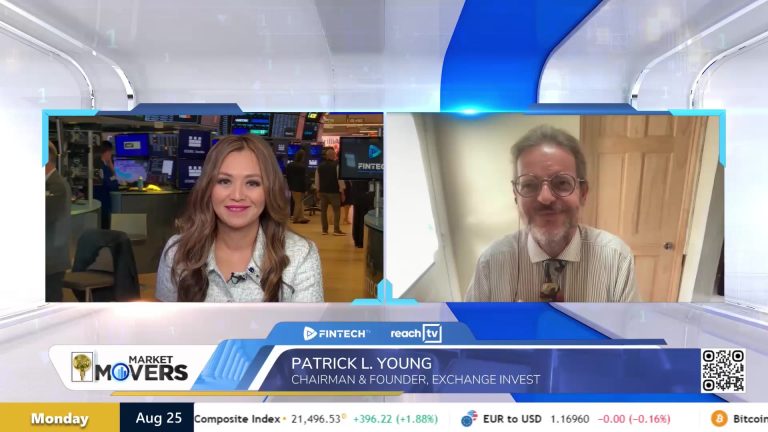
Patrick L. Young, Chairman & Founder of Exchange Invest, joins Remy Blaire to discuss the recent movements in Treasury yields and their implications for the U.S. and U.K. economies.

Patrick Young shares his insights on Powell’s remarks and the potential political pressures that may be influencing them. Young suggests that while Powell may deny succumbing to political pressure, the timing of his comments raises questions about the motivations behind them. He emphasizes that the focus on interest rates overshadows the more significant economic discussions that emerged from the recent Jackson Hole conference, particularly regarding the evolving nature of employment in the economy.

The conversation shifts to the U.K., where the rising two-year government bond yields have reached their highest levels since June. Young highlights the challenges facing the U.K. economy, including persistent inflation, high government debt, and a perceived lack of competent leadership. He draws parallels to the economic struggles of the 1970s, noting that the current government is viewed unfavorably by the public, which contributes to a negative outlook on the economy.
The Fed’s Shift: How Investors Should Prepare for Potential Rate Cuts

“The rate cut expectation for September was 83%, which is quite high.” – 03:25

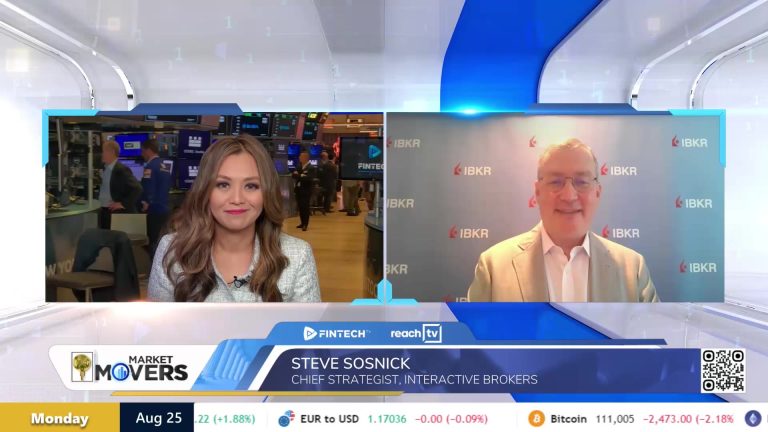
Steve Sosnick, Chief Strategist at Interactive Brokers, joins Remy Blaire to discuss the stock market’s lower opening on Monday, following a significant surge in stock averages the previous Friday. This surge was prompted by Federal Reserve Chair Jay Powell’s hints that the job market may be cooling enough to justify a potential rate cut as soon as next month.

The conversation delves into the Fed’s evolving approach to interest rates and monetary policy. Steve explains that the Fed is shifting its focus from merely monitoring the lower bound to actively considering inflation targets. He highlights that the Fed has firmly established a 2% inflation target, which is crucial for investors trying to balance inflation and growth.

Steve analyzes the market’s reaction to Powell’s speech, noting that many interpreted it as a signal to embrace risk. Steve points out that while the market experienced a rally, its overall performance for the week was modest, indicating a degree of risk aversion among investors. He emphasizes the psychological aspects of the market, discussing how expectations for rate cuts have changed and the impact of options trading on market dynamics.

As the discussion wraps up, Steve advocates for strategic risk management, suggesting that investors consider purchasing insurance against market volatility. He also underscores the significance of NVIDIA’s upcoming earnings report, which he believes will be a pivotal event for the stock market.

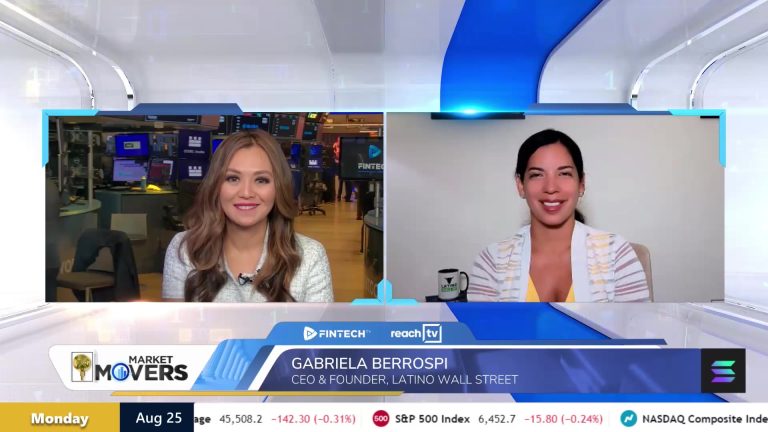
NVIDIA Earnings Preview: Can the Tech Giant Continue Its Record Growth?

“Nvidia is the number one company right now. The market cap is in the trillions of dollars and it’s bigger now than Apple and Microsoft.” – 03:50

Gabriela Berrospi, CEO & Founder of Latino Wall Street, joins Remy Blaire to discuss the current state of the U.S. stock market, which opens lower on a Monday morning with major stock averages down slightly over 0.1%. The conversation reflects on the recent rally that took place on Friday, where the Dow closed at a record high following dovish comments made by Federal Reserve Chair Jerome Powell at the Jackson Hole Economic Symposium. Powell’s monetary stance appears to prioritize stimulating economic growth and maximizing employment over controlling inflation, a shift that has significant implications for investors.

Gabriela highlights the fluctuating probabilities regarding a potential rate cut on September 17th, which had been projected at over 90%. Gabby emphasizes that Powell’s clear indication of a possible rate cut was surprising, especially given his previous tone and the ongoing tension with the administration.

Gabriela expresses her expectations for NVIDIA, which has demonstrated remarkable growth year over year and quarter over quarter, consistently exceeding market expectations. She discusses NVIDIA’s impressive market capitalization, which has now surpassed that of tech giants like Apple and Microsoft.

However, Gabriela also raises concerns about a recent agreement between NVIDIA and the government regarding a percentage of sales from China, which could potentially impact the company’s bottom line. With approximately 20% of NVIDIA’s chip sales coming from China, she questions whether the benefits received from the government will outweigh the financial implications of this agreement.

The importance of regulatory clarity for institutional engagement in the crypto space

0

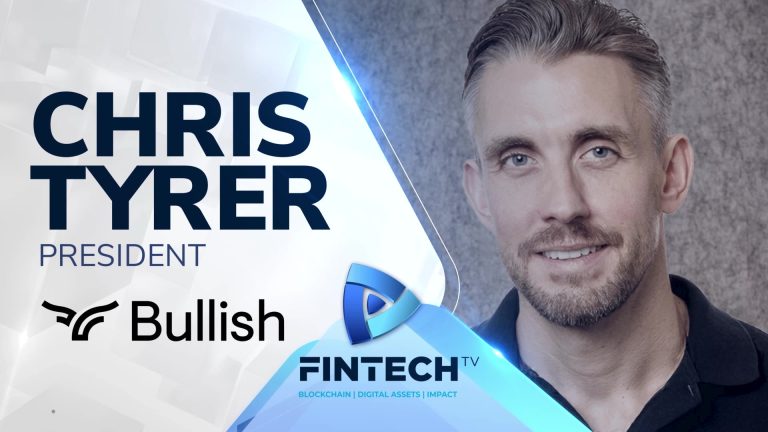
Join Vince Molinari as he engages Chris Tyrer, the president of Bullish, on a momentous day as Bullish goes public.

Chris shares insights into the journey of Bullish, founded in 2020 and launched in 2021, and discusses the importance of regulatory clarity for institutional engagement in the crypto space. He highlights the unique position Bullish holds in the market, combining traditional trading methods with innovative Automated Market Makers (AMMs) technologies to enhance liquidity.

Discover the potential of stablecoins and their role in transforming cross-border transactions, as well as the upcoming launch of options on the Bullish platform. Chris emphasizes the need for regulation and how Bullish is committed to operating within the highest standards.

Gemini Europe, Bitcoin prediction, Whale sells, Asia crypto

0

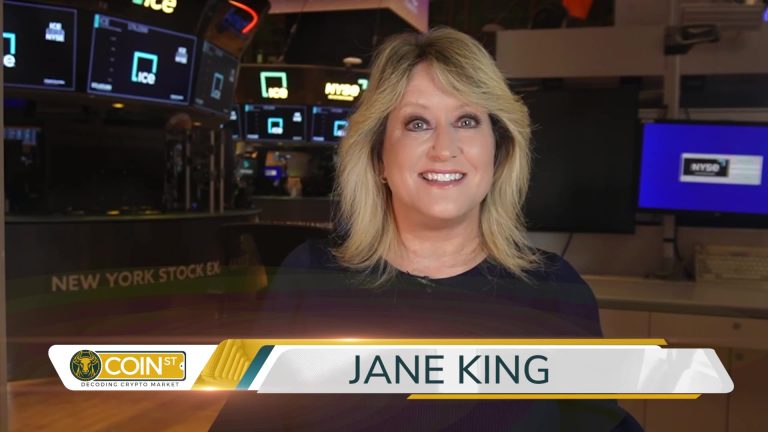
In this episode, we discuss Gemini’s new MICA license in Malta, Coinbase CEO Brian Armstrong’s Bitcoin predictions, and the latest moves from a major Bitcoin whale. Plus, find out how wealthy Asian families are increasing their crypto investments! Jane King has the Latest from the NYSE

AI in Investing: Robinhood UK Launches AI-Powered Assistant for Investors

“Robinhood has explained that it uses generative AI to review breaking news, analyst reports, technicals and Robinhood’s proprietary data.” – 03:09

Polly Jean Harrison, Features Editor of the Fintech Times, joins Remy Blaire to discuss significant developments in Europe and the Middle East.

The segment begins with a focus on a new partnership between Ecompay and Disability Inclusion Advocate Chris Sittes-Stevenson, aimed at enhancing the hiring, training, and upskilling of individuals with disabilities. Polly explains that Ecompay will conduct three weekly cohort sessions as part of the Disability Confidence Scheme, which encourages employers to recruit and develop disabled individuals and those with long-term health conditions.

The conversation then shifted to the realm of artificial intelligence, specifically discussing Robinhood UK’s introduction of an AI-powered investing assistant called Digests. Polly details how this feature, powered by Robinhood Cortex, utilizes generative AI to analyze breaking news, analyst reports, and proprietary data to provide users with clear and concise summaries of stock movements. This tool is designed to support investors of all experience levels, helping them make informed decisions with greater clarity and confidence.

Decentralized Infrastructure: The Future of AI and Energy Efficiency

“AI is about to unlock a whole new wave of creators on the immersive and 3D front.” – 05:19

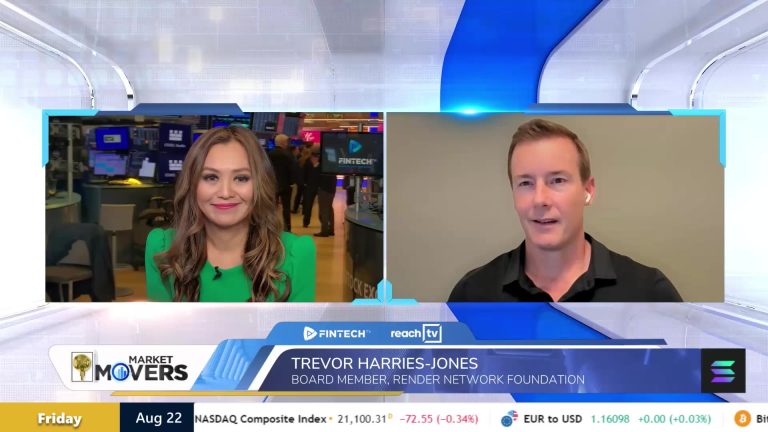
Trevor Harries-Jones, Board Member at Render Network Foundation, joins Remy Blaire to discuss the current state of the AI trade on Wall Street, highlighting a tough week for companies like Palantir, which, despite closing higher on Thursday, is still facing significant declines due to concerns over inflated valuations. However, many tech analysts remain optimistic, believing that the ongoing growth in AI spending will outweigh these short-term setbacks.

Trevor sheds light on the increasing strain that the AI race is placing on our power grid. He explains that the financial investment in centralized data centers has surged dramatically, now rivaling U.S. spending on office construction. With the demand for AI resources skyrocketing, Trevor emphasizes the need to tap into every available resource, including the millions of idle consumer GPUs that can be unlocked as technology evolves.

Retail Earnings Reveal: The Impact of Tariffs on Consumer Prices

“Investors maybe want to be prepared for some surprises.” – 02:29

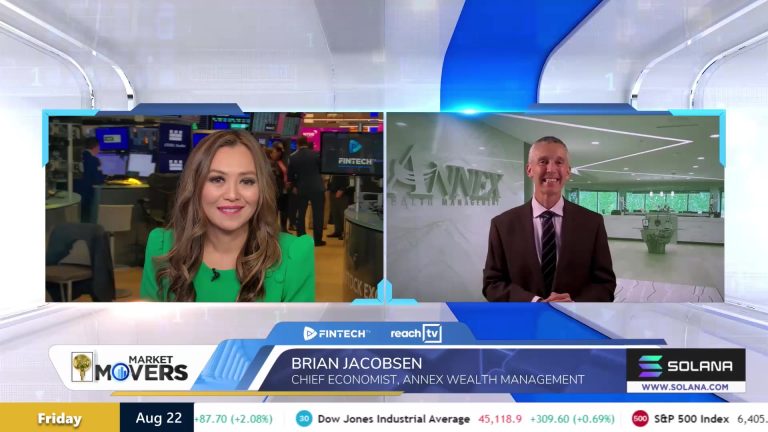
Brian Jacobsen, Chief Economist at Annex Wealth Management, joins Remy Blaire to discuss the current economic landscape as we await a crucial speech from Federal Reserve Chair Jay Powell.

Together, they explore the delicate balance the Fed must maintain amid political pressures, inflation concerns, and an uncertain economic landscape. As Powell prepares to speak, Brian anticipates that he will acknowledge the labor market’s current state, which has shown signs of weakness despite previous assumptions of strength. He suggests that Powell will likely convey that while the labor market remains solid, it is not as robust as initially thought, and the full effects of inflation from tariffs have yet to be fully realized.

The conversation shifts to the expectations surrounding a potential 25 basis point rate cut, with current market predictions hovering around 70%. Brian advises investors to be prepared for surprises, suggesting that the Fed may opt for a more aggressive 50 basis point cut in September, followed by a pause to assess the economic situation.

The discussion then turns to the recent retail earnings reports, which shed light on how consumers are adapting to changing shopping habits and the impact of tariffs on pricing. Brian emphasizes that inflation from tariffs is a gradual process, warning that the creeping costs will eventually affect consumer prices. He notes that while retailers have managed to absorb some costs initially, the full effects are beginning to surface, potentially leading to a challenging third-quarter earnings season.

Tech Turbulence: Analyzing the Recent Selloff in AI Stocks

“There was a multi-directional stream of bad news, or at least negative headlines that hit the really high-flying, AI-driven sector of the tech semiconductor chip market.” – 01:47

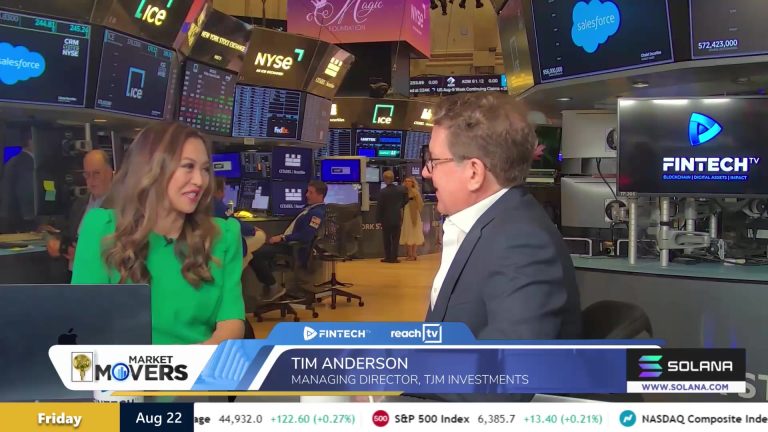
Tim Anderson, Managing Director at TJM Investments, joins Remy Blaire at the New York Stock Exchange to discuss the significant economic developments surrounding Federal Reserve Chair Jerome Powell’s highly anticipated speech at the Jackson Hole Economic Symposium. 

Tim shares his expectations for Powell’s speech, suggesting that the Fed Chair will aim for a neutral tone while indicating that more data is needed before the upcoming September meeting. He expresses his belief that a rate cut is warranted, even advocating for a 50 basis point cut, which would mirror the decision made last September.

The conversation then shifts to the stock market, particularly focusing on the recent selloff in the tech sector, especially among AI-driven companies. Tim explains that a series of negative headlines contributed to this downturn, including comments from Citron Research labeling Palantir as overvalued and a report from MIT questioning the profitability of AI investments. He draws historical parallels to the late 1990s internet bubble, emphasizing that while some companies may be overextended, firms like Palantir are well-positioned to benefit from the ongoing AI revolution.

Market Movements: Anticipating Jay Powell’s Jackson Hole Speech

“If Powell does strike a more hawkish tone, that could cool the rally.” – 00:41

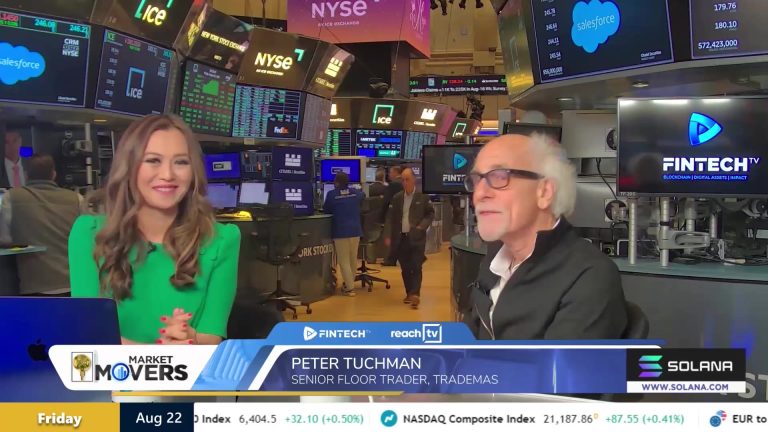
Peter Tuchman, Senior Floor Trader at TradeMas, joins Remy Blaire from the New York Stock Exchange to discuss the current dynamics of the U.S. stock market, highlighting a significant rally with the Dow and Nasdaq both experiencing triple-digit gains.

Tuchman expresses his expectation that Powell will set the stage for a potential rate cut, especially in light of disappointing economic data released since the last Fed meeting. He notes the unusual dissent among Fed governors during that meeting, suggesting that there is increasing pressure for a more accommodative monetary policy as economic indicators show signs of weakness.

The conversation shifts to the recent pressure on big tech stocks, which Tuchman interprets as a market rotation. He explains that while these stocks have been strong performers, investors often reposition themselves as the year comes to a close. Tuchman mentions a notable put bet in the options market on the Q’s, indicating that some investors are bracing for a market pullback. Despite this, he remains optimistic, pointing out that stocks like Palantir are already showing signs of recovery after a brief decline.