[stock-market-ticker symbols=" ^NYA;CRYPTO:BTC;CRYPTO:ETH;CRYPTO:USDT;CRYPTO:USDC;CRYPTO:BNB;CRYPTO:ADA;CRYPTO:XRP;CRYPTO:SOL;CRYPTO:DOGE " stockExchange="NYSENASDAQ" width="100%" transparentbackground=1 palette="financial-light"]

Home Blog Page 8

Global Markets Adjust to Trade and Political Realignment

India and the European Union have taken a major step in reshaping global trade with the announcement of a landmark free trade agreement, hailed by Indian Prime Minister Narendra Modi as a breakthrough for international commerce. The deal reflects a broader realignment in global trade relationships, unfolding at a time when geopolitical strategy and economic policy are becoming increasingly intertwined.

This backdrop coincides with recent moves by President Donald Trump, who pulled back from imposing tariffs on several European nations following negotiations linked to Greenland. After talks with NATO Secretary General Mark Rutte, President Trump outlined a framework for future trade cooperation with Europe, while simultaneously signaling that other nations, including China and South Korea, could face steep trade penalties. These developments come as Washington braces for a possible partial government shutdown, with the Senate preparing to vote on a major federal funding package.

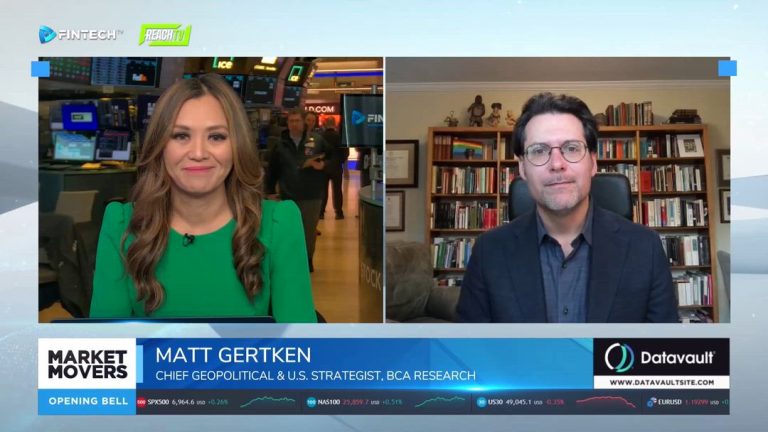
Providing context on these shifting dynamics is Matt Gertken, chief strategist for Geopolitical and U.S. Political Strategy at BCA Research. Gertken argues that many of the assumptions underpinning the post-World War II global order are now under pressure. While decades of economic integration once suggested declining geopolitical rivalry, the resurgence of great power competition, particularly involving Russia and China, has challenged that narrative.

Gertken notes that U.S. foreign policy ambitions are increasingly colliding with domestic realities. Recent fatal incidents involving federal agents in Minnesota have intensified scrutiny of immigration enforcement and border policy. In response, prominent corporate leaders, including executives from Cargill and Target, have publicly called for de-escalation, underscoring how political tensions are spilling into the business environment.

The intersection of trade policy, immigration enforcement, and economic strategy highlights the constraints facing presidential authority in a fragmented global system. Gertken compares the administration’s immigration agenda, including heightened deportation efforts and border controls, to the complexities seen in tariff implementation, where bold policy goals often encounter legal, economic, and political friction.

Attention is also focused on the Supreme Court, which is expected to rule on the legality of certain tariffs imposed by the administration. Gertken explains that an adverse ruling could trigger large-scale refunds and represent one of President Trump’s most consequential legal setbacks since returning to office. However, he cautions that the Court may avoid fully curbing presidential tariff powers, given the broad discretion traditionally granted under international emergency statutes.

Canada has also emerged as a critical player in this evolving landscape. Gertken points to Ottawa’s decision not to pursue a trade agreement with China, a move shaped by obligations under the USMCA. As articulated by Mark Carney, any Canadian trade deal with a non-market economy requires prior notification to Washington, underscoring the depth of Canada’s economic dependence on U.S. trade relations and the limits this places on its global strategy.

The conversation around Greenland further illustrates the geopolitical stakes at play. While U.S. access to Greenland’s resources and strategic positioning in the Arctic may offer economic and security advantages, Gertken warns that outright acquisition efforts could fracture NATO unity. Such a move could push European nations toward more independent defense postures, altering the balance of transatlantic security in ways that extend far beyond trade.

As global trade agreements, geopolitical strategy, and domestic political pressures converge, the international order is undergoing a period of profound recalibration. For investors and entrepreneurs, particularly those operating in sectors tied to cryptocurrency, blockchain technology, and sustainable finance, understanding these geopolitical undercurrents is becoming increasingly essential. The decisions made during this period will shape not only trade flows, but also the broader investment environment in the years ahead.
NYSE Advances Tokenized Securities With 24/7 Trading

0

Earlier this week, the New York Stock Exchange announced a major step forward in the evolution of global markets with plans to launch a tokenized securities trading platform. The new venue is designed to support continuous, 24/7 trading of tokenized stocks and exchange-traded funds, pending regulatory approval later this year. The initiative reflects a growing push to modernize market infrastructure and expand access for a new generation of investors.

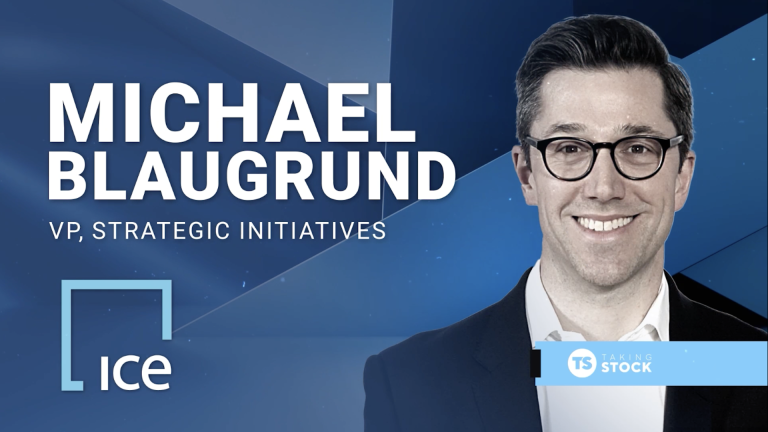
Michael Blaugrund, vice president of Strategic Initiatives at Intercontinental Exchange (ICE), the parent company of the NYSE, outlined how the platform will complement existing markets rather than replace them. The goal is to enhance accessibility while preserving the stability and protections that define traditional trading. By enabling round-the-clock transactions, the platform allows investors to trade outside standard market hours, aligning more closely with the always-on nature of digital asset markets.

Tokenization will also introduce greater flexibility for retail investors. Participants will be able to trade fractional shares based on dollar values rather than full share units, lowering barriers to entry. Settlement is expected to occur rapidly using stablecoins, creating a familiar on-ramp for investors already active in crypto markets while maintaining regulatory safeguards.

At its core, tokenization involves creating a digital representation of a security on blockchain infrastructure. Blaugrund explained that the NYSE plans to support both traditionally issued securities that are tokenized through the Depository Trust Company as well as assets managed by emerging digital transfer agents. This hybrid structure allows the exchange to leverage its existing infrastructure while incorporating new digital capabilities.

For market participants, the platform is designed to feel familiar. Current NYSE members will be able to access the tokenized venue without adopting new trading technology. Established investor protections such as limit up, limit down mechanisms and trading halts will remain in place to manage volatility and protect market integrity.

Issuers are also expected to benefit significantly. Large ETF providers, in particular, have expressed strong interest in using the platform to reach investors who primarily operate within digital asset ecosystems. The tokenized venue creates a bridge between capital held in crypto wallets and traditional investment products, opening new pathways for participation and growth.

ICE has emphasized its collaborative approach with regulators and industry participants throughout the development process. Broker-dealers are being engaged to align on execution models, market structure, and operational standards to ensure the platform meets regulatory expectations while delivering a seamless trading experience.

As the initiative moves closer to launch, the NYSE’s tokenized securities platform represents a meaningful convergence of traditional finance and blockchain technology. By combining trusted market infrastructure with modern digital capabilities, the exchange is positioning itself at the forefront of a transformation that could redefine how assets are traded, accessed, and settled in the years ahead.

BitGo IPO Signals New Era for Tokenized Equity

0

The crypto industry is entering a new phase of legitimacy and scale, underscored by BitGo’s historic public debut on the New York Stock Exchange in 2026. The digital asset infrastructure firm became the first crypto-native company to go public on the NYSE, marking a milestone that signals the growing maturity of blockchain-based finance and its expanding role within traditional markets.

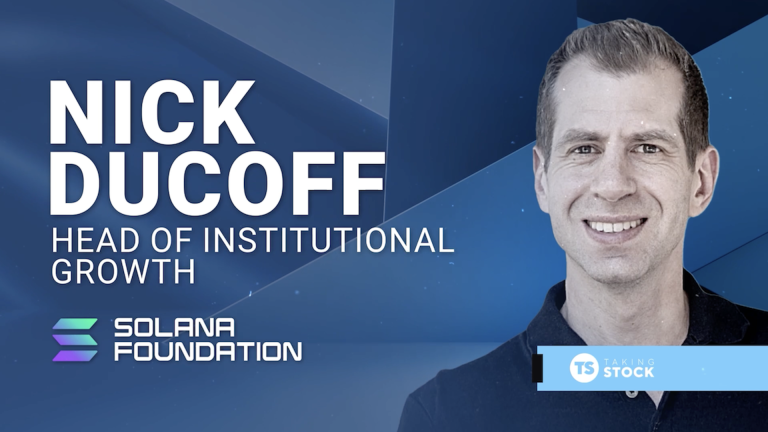
The discussion, hosted by FINTECH.TV’s Kristen Scholer, explored what this moment means for the broader ecosystem, including BitGo’s decision to bring its stock on chain via the Solana network. Nick Ducoff, head of institutional growth at the Solana Foundation, outlined why this move represents more than just a technological experiment. It reflects a structural shift in how financial assets can be accessed, traded, and owned globally.

BitGo’s IPO follows a wave of activity that has steadily pulled crypto infrastructure closer to public markets. Over the past year, firms such as Coinbase and Bullish have advanced their public market strategies, while tokenization-focused companies like Circle and Figure have gained momentum. BitGo’s successful listing reinforces the idea that blockchain is no longer a speculative corner of finance, but a sector capable of supporting multi-billion-dollar enterprises.

A key innovation tied to the IPO was Ondo Finance’s role in bringing BitGo stock on chain to the Solana platform. By launching tokenized BitGo equity on day one, investors were given immediate blockchain-based access to the asset. This approach broadens liquidity and introduces a new way for traditional equities to interact with decentralized markets, potentially reshaping how stocks trade over time.

Ducoff explained that Solana’s core mission is to make financial assets globally accessible. Unlike traditional brokerage systems, which restrict participation based on geography and infrastructure, tokenized equities on Solana can be traded by anyone with a crypto wallet. He pointed to Pakistan as a striking example, where only a few hundred thousand people hold brokerage accounts, yet roughly 40 million individuals have access to crypto wallets. Tokenization, in this context, becomes a gateway to financial inclusion.

Beyond BitGo, Ondo has announced plans to bring more than 200 tokenized stocks and ETFs to the Solana network, expanding the total number of tokenized equities on the platform to roughly 250. Partnerships with firms such as Kraken and Superstate are helping accelerate this rollout. While this figure represents only a fraction of the thousands of publicly listed securities worldwide, it hints at a future where tokenization could become the default format for financial assets.

BitGo’s IPO stands as a defining moment at the intersection of traditional finance and blockchain technology. The collaboration between BitGo, Ondo Finance, and Solana offers a glimpse into a market structure where equities, crypto, and global access converge. As tokenization gains traction and regulatory clarity continues to evolve, these developments may lay the groundwork for a more open, liquid, and interconnected financial system. Investors tracking blockchain, AI, and sustainability themes will likely see this moment as an early signal of how finance itself is being rebuilt.

Earnings Season Peaks as Fed Policy Takes Focus

The final week of January is shaping up to be a defining moment for global markets, as investors digest a packed slate of corporate earnings alongside a closely watched Federal Reserve policy decision. Results from major companies such as Apple, Meta, Microsoft, and Tesla are expected to offer critical insight into the trajectory of AI demand, data center investment, and corporate spending plans as the market looks ahead in 2026.

So far, about 13% of S&P 500 companies have reported fourth-quarter results, with analysts projecting a 2.2% increase in earnings per share. If that forecast holds, it would mark the 10th consecutive quarter of earnings growth, reinforcing the view that corporate America remains resilient despite lingering geopolitical and macroeconomic uncertainty.

To unpack what this means for investors, Brian Jacobsen, chief economic strategist at Annex Wealth Management, weighed in on the themes that matter most this week. Jacobsen stressed that the market’s attention is squarely on the largest companies, not just for headline numbers, but for what management teams reveal about future demand and spending behavior.

He noted that optimism among executives can be a powerful signal for the broader economy. As companies express confidence in forward-looking guidance, that often translates into higher spending on property, plant, and equipment, as well as increased hiring. Those signals are especially important as investors try to gauge whether momentum in the labor market can carry into 2026.

Market leadership is also shifting. Energy, materials, and industrials are currently leading gains within the S&P 500, a trend Jacobsen believes could persist. Portfolio positioning, he explained, is increasingly tilting toward these cyclical sectors, reflecting a growing focus on Main Street activity rather than the mega-cap, tech-driven growth that dominated the previous year.

The Federal Reserve meeting later this week adds another layer of significance. While no rate change is expected, investors will be parsing every word from Jerome Powell for clues about policy direction. Jacobsen expects the Fed to reaffirm its commitment to the 2% inflation target, with any nuance in messaging likely to influence market expectations for the rest of the year.

Meanwhile, broader market signals remain mixed. Gold has surged past the $5,000 level, driven largely by central bank buying, while the 10-year Treasury yield continues to hold above 4.2%. Jacobsen cautioned against assuming gold’s recent momentum will continue unchecked, emphasizing the importance of diversification and careful allocation, particularly when weighing corporate bonds against Treasuries.

As January draws to a close, the convergence of earnings results, Federal Reserve guidance, and sector rotation is setting the tone for the months ahead. While mega-cap earnings will dominate headlines, Jacobsen underscored that shifts in consumer confidence, business investment, and hiring intentions will ultimately play a decisive role in shaping economic growth in 2026. Investors who stay focused on those underlying trends will be better positioned to navigate what comes next.

Nuclear Energy Reenters Spotlight as Power Demand Surges

In the modern energy landscape, few sectors are evolving as rapidly as nuclear power and uranium. Global demand for reliable, low-carbon energy is accelerating, driven by electrification across transportation, industry, and digital infrastructure. Against that backdrop, nuclear energy and uranium markets are seeing renewed momentum, reshaping both sustainability conversations and investment strategies.

Joining Remy Blaire to examine these trends was Jeff Gitterman, managing director of Gitterman Asset Management. Gitterman pointed to the growing urgency for clean, scalable energy sources as a primary catalyst behind nuclear’s resurgence. Data centers, in particular, have become a major driver. As cloud computing, AI, and digital services expand, energy demand is surging, and major technology companies pursuing net-zero targets are increasingly turning to nuclear power as a dependable solution.

The electrification of transportation and the rising use of electric appliances further compound this demand. Renewable sources like wind and solar remain essential, but their intermittency has highlighted the need for baseload power that can operate continuously. Nuclear energy, with its low emissions and high output, is emerging as a critical complement in the clean energy mix.

On the commodities side, uranium supply dynamics are strengthening the investment case. Gitterman noted that global uranium demand is expected to more than double by 2040, while supply remains constrained. Production cuts and cautious output forecasts from miners in the U.S., Canada, and Australia have tightened the market. As uranium prices rise, previously shuttered mines are restarting, boosting profitability across the sector. Uranium-focused ETFs and mining equities have already posted strong year-to-date gains, reflecting this shift.

Geopolitics is also playing a meaningful role. Disruptions and tensions involving traditional suppliers such as Russia have pushed utilities and governments to seek more stable, politically aligned sources of uranium. This has increased interest in North American and Australian producers, reinforcing the long-term outlook for those markets.

Equally notable is the change in sentiment among sustainability advocates. Nuclear energy was once excluded from many green energy frameworks, but that perspective is changing. Gitterman emphasized that nuclear power is increasingly viewed as essential for achieving net-zero goals, particularly as climate realities demand practical, large-scale solutions rather than ideological ones.

Advances in nuclear technology are strengthening that case. Small modular reactors (SMRs) promise improved safety, efficiency, and flexibility compared to older reactor designs. Modern nuclear plants now operate under far more stringent safety standards, and statistically, nuclear energy remains one of the safest forms of power generation when compared with fossil fuels.

The conversation also touched on energy resilience at the local level. Recent winter storms affecting data centers in New York City have sparked discussions about whether large facilities could serve as backup power sources for surrounding communities. While conceptually appealing, Gitterman cautioned that balancingsuch arrangements require careful planning to avoid disrupting critical digital infrastructure, highlighting broader challenges around equitable energy distribution.

Overall, Gitterman’s insights underscore a pivotal moment for nuclear energy and uranium markets. Rising energy demand, geopolitical realignment, technological progress, and shifting sustainability narratives are converging to redefine nuclear power’s role in the global economy. As the pursuit of Sustainable Development Goals continues, the intersection of nuclear energy, renewables, and capital markets is poised to play a defining role in shaping a cleaner, more resilient energy future.

Global Power Balance Shifts Under New U.S. Strategy

Progress at the World Economic Forum in Davos last week marked a notable shift in global geopolitics, with President Donald Trump leaving Switzerland with a framework agreement on Greenland. Under the emerging deal, Greenland remains under the sovereignty of Denmark, while the U.S. is expected to gain expanded access to critical minerals and full sovereignty over existing U.S. military bases on the island. Following the announcement, Trump moved to drop planned tariffs against European countries, easing near-term trade tensions. Still, broader geopolitical risks remain in focus, including heightened pressure on Iran and renewed trade threats toward Canada.

To break down these developments, Remy Blaire spoke with Patrick L. Young, chairman and founder of Exchange Invest. Young framed the Greenland agreement as a pragmatic outcome centered on access to rare earth minerals and strategic positioning in the Arctic. As melting ice opens new shipping lanes and resource opportunities, the Arctic Circle has become increasingly important in countering both Russia and China. Young argued the deal could have been reached far earlier had European leaders taken a more practical approach, noting that U.S. defense commitments continue to underpin NATO security.

Attention then shifted to the Caribbean, following reports of U.S. military activity near Cuba. Young described a rapidly changing regional landscape, particularly after political upheaval in Venezuela reduced its role as an energy backstop for neighboring countries. He pointed to the presence of the USS George Washington near Cuba as a clear signal of U.S. pressure. With Secretary of State Marco Rubio, a Cuban American, playing a central role, Young suggested the region could be heading toward major political realignment, potentially including regime change in Havana.

The discussion then turned to the Middle East, where Trump announced the deployment of a naval armada amid escalating tensions with Iran. While Young stopped short of predicting direct military action, he described the buildup as a calculated show of force designed to apply maximum pressure. He suggested the U.S. strategy is aimed at destabilizing Iran’s ruling regime without triggering an outright conflict, noting widespread regional awareness that Washington is intensifying its stance toward Tehran.

North of the U.S. border, Trump’s warning of potential 100% tariffs against Canada added another layer of uncertainty. Canadian officials, including Prime Minister Mark Carney, have denied any intention of pursuing a free trade deal with China. Young characterized the situation as political posturing ahead of Canadian elections, arguing that while Canada remains a major global economy, it ultimately has limited leverage in a U.S.-dominated trade environment.

Finally, Young addressed Trump’s meeting with Volodymyr Zelensky in Davos and the outlook for the war between Ukraine and Russia. He contended that Ukraine is no longer a strategic priority for the U.S., placing the burden of leadership squarely on Europe. With European nations underprepared militarily and financially, Young suggested Zelensky faces diminishing prospects for continued American support, even as Trump looks to counter Russian influence elsewhere, particularly in the Arctic.

Taken together, the week underscored how quickly geopolitical narratives can shift. From Greenland and the Arctic to the Caribbean, the Middle East, and Eastern Europe, U.S. strategy under President Donald Trump continues to reshape global alliances, trade dynamics, and security priorities as markets and governments adjust to a rapidly evolving world order.

S&P 500 Leadership Broadens as Market Breadth Improves

The S&P 500 has delivered an extraordinary run between 2023 and 2025, posting a cumulative return of 86%. By comparison, the equal-weighted S&P 500 gained just 43% over the same period. That gap represents the largest divergence between the market-cap-weighted index and its equal-weight counterpart over a three-year span since 1971. The explanation is highly concentrated performance, with just seven stocks accounting for nearly half of last year’s total gains. So far this year, leadership has begun to broaden, with energy, materials, consumer staples, and industrials emerging as top-performing sectors within the S&P 500.

Joining FINTECH.TV to break down these dynamics was Larry Tentarelli, chief technical strategist of the Blue Chip Daily Trend Report, in a discussion with Remy Blaire. Tentarelli focused on market breadth and index-level risk, noting that roughly 61% of S&P 500 stocks are outperforming the index itself so far this year. He also pointed out that the equal-weight ETF is outperforming both the S&P 500 and the NASDAQ-100, signaling a healthy rotation into the other 493 stocks outside the largest names.

According to Tentarelli, this broadening participation reflects improving conditions for cyclical sectors such as industrials and materials, likely driven by market expectations for a prolonged Federal Reserve rate-cutting cycle. He emphasized that markets tend to price in economic conditions three to six months ahead, making sector breakouts a useful forward-looking signal. Energy stocks like ExxonMobil reaching new all-time highs and small-cap industrials breaking out of long-term ranges suggest strengthening economic momentum.

Tentarelli also highlighted the importance of upcoming economic data, particularly payroll reports. As long as major indexes and sectors remain above their 100-day moving averages, the intermediate-term uptrend remains intact.

The conversation then turned to mega-cap growth stocks, where performance has become increasingly uneven. While Alphabet has pushed to new all-time highs, stocks like Microsoft and Meta have fallen below their 200-day moving averages. This divergence points to a more selective market environment, where earnings results will play a decisive role. Tentarelli stressed that Microsoft’s performance is especially important, as it may shape expectations for AI-related software stocks across the market.

On the risk side, Tentarelli urged investors to watch key downside levels, particularly heading into earnings for major names like Apple and Microsoft. Holding the 200-day moving average will be critical in determining whether weakness remains contained or spills over into broader market pressure. While semiconductors and select tech segments continue to show relative strength, the broader Mag 7 remains in a wait-and-see posture.

Overall, the discussion underscored a shifting market landscape in early 2026, where leadership is expanding beyond a handful of mega-cap stocks. With sector rotation underway and earnings season approaching, breadth, technical levels, and macro data will be central in determining whether this rally can sustain itself as the year progresses.

Blockchain Tokenization Faces Interoperability, Regulatory Hurdles

Blockchain tokenization is rapidly reshaping how financial assets such as bonds and funds are traded. By converting these instruments into digital tokens, transactions can settle faster and at lower cost than traditional systems, opening the door to broader participation and improved liquidity. Yet the current ecosystem remains fragmented, with tokenized assets spread across public blockchains, private networks, and legacy financial infrastructure. This fragmentation introduces technical friction, data inconsistencies, and governance challenges that continue to slow adoption.

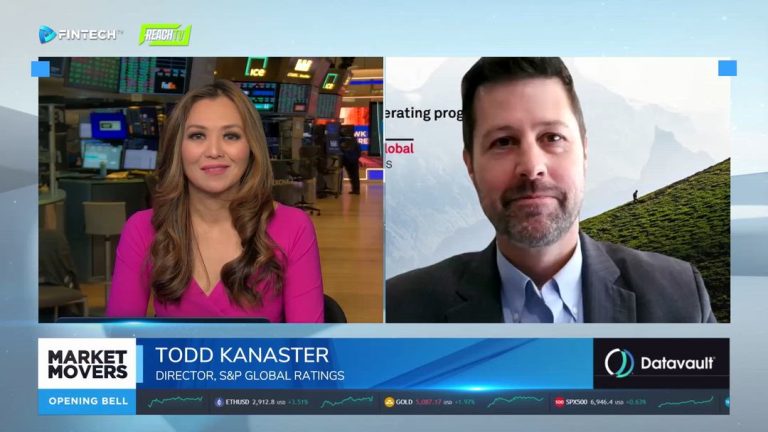
In a recent discussion with FINTECH.TV’s Remy Blaire, Todd Kanaster, a director at S&P Global Ratings in the Americas, addressed the importance of regulatory clarity and shared frameworks in supporting safe and scalable tokenization. He noted that as tokenization gains traction across decentralized finance, consistent standards and oversight are essential to reduce the risks created by isolated blockchain environments, particularly around liquidity and settlement.

Kanaster explained that interoperability remains one of the most critical issues facing tokenized markets. Public blockchains, permissioned networks, and traditional financial systems often operate independently, making secure connections between them necessary to unlock scale. Without interoperability, liquidity remains fragmented, limiting the ability of investors and institutions to participate efficiently across platforms.

He outlined three main forms of interoperability currently shaping the market. Atomic swaps allow peer-to-peer exchanges across different blockchains using time-locked smart contracts, reducing counterparty risk by ensuring transactions either complete in full or fail entirely. While effective, atomic swaps raise compliance questions, particularly around KYC and regulatory oversight.

Liquidity pools offer another approach, enabling participants to deposit assets and earn yield while automated systems manage pricing and fees. This model has proven efficient but carries programming and smart contract risks. Bridges serve as connectors between blockchains, allowing assets to move across networks, though they tend to be more expensive and have historically been vulnerable to security breaches. Ongoing development aims to improve both efficiency and safety.

Regulation was a central theme throughout the discussion. Kanaster emphasized that clearer regulatory guidance and standardized protocols are critical to building trust and encouraging institutional participation. As more capital flows into tokenized markets, well-defined oversight can help manage operational and systemic risks.

Interoperability also introduces new complexities. Maintaining accurate data across interconnected systems is essential to prevent delays and reconciliation errors. At the same time, expanded connectivity increases cybersecurity exposure, requiring strong safeguards and continuous monitoring.

As tokenization continues to evolve, the combination of regulatory clarity and technical interoperability will determine how quickly digital assets move into the financial mainstream. For organizations and investors, staying informed and adaptable will be key to capturing the benefits of blockchain-driven finance while managing its risks.

Grain Ecosystem Advances Waste to Value Energy Innovation

0

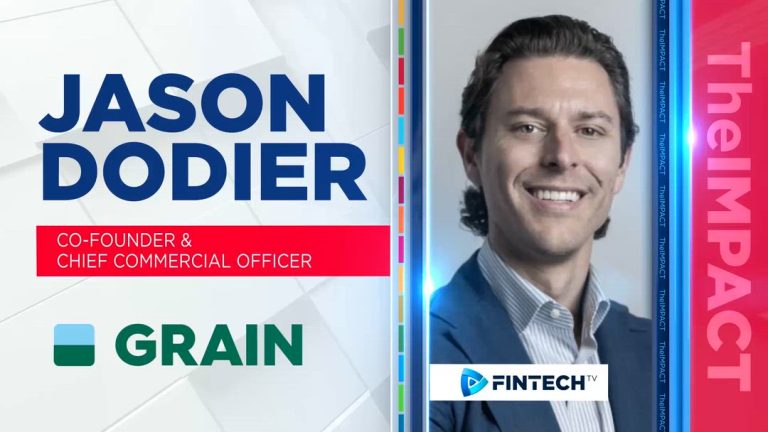
In an insightful conversation on FINTECH.TV’s TheIMPACT, host Jeff Gitterman welcomed Jason Dodier, co-founder and chief commercial officer of Grain Ecosystem, for a deep dive into how the company is reshaping environmental sustainability through waste-to-value innovation. The discussion centered on Grain Ecosystem’s mission to tackle energy constraints, waste management challenges, and carbon emissions by pairing advanced technology with community-focused infrastructure solutions.

Dodier’s path into sustainable entrepreneurship was anything but linear. Raised in a diverse environment and shaped by close relationships with people from different cultural backgrounds, he developed a strong sense of emotional intelligence and a focus on operational efficiency early on. His professional foundation was built during his time at American Power Conversion, a leader in critical power and cooling systems, later acquired by Schneider Electric in 2007. That experience gave Dodier a global lens on energy access and infrastructure gaps, ultimately steering him toward solutions that could deliver both environmental and economic impact.

At the core of Grain Ecosystem’s approach is biochar, a concept Dodier explained is often misunderstood. Biochar is produced by heating organic waste such as woody biomass and agricultural residue in low-oxygen environments, creating a stable form of carbon. The resulting material can be used for soil enhancement, water filtration, and long-term carbon sequestration. By turning waste into a durable asset, biochar becomes both a climate solution and a practical industrial input.

The conversation also addressed mounting pressure on global energy systems and commodity markets. Dodier emphasized that tightening regulations and resource constraints are forcing companies to rethink how they source and use energy. With net-zero targets increasingly centered around 2040, Grain Ecosystem positions itself as a strategic partner for industrial players seeking renewable, resilient alternatives. Its waste-to-energy platforms help organizations reduce inefficiencies while strengthening infrastructure reliability.

Dodier highlighted the bipartisan nature of carbon markets as another key tailwind. Voluntary carbon markets, particularly those tied to biochar projects, are delivering tangible results by aligning environmental benefits with viable profit models. He believes the relationship between carbon credits and business sustainability will continue to strengthen as companies search for credible pathways to reduce waste and emissions.

The name Grain Ecosystem itself reflects a deliberate branding choice. Dodier explained that the company intentionally avoided overused terminology like “carbon,” instead focusing on the idea of interconnected systems. Much like individual grains forming a larger structure, the company’s vision centers on building scalable platforms capable of supporting large-scale waste-to-energy projects, often requiring investments between $50 million and $75 million.

Looking ahead, Dodier expects demand for sustainable energy solutions to accelerate, particularly as AI-driven industries such as data centers place greater strain on power infrastructure. Automation and energy optimization will make integrated solutions like biochar increasingly valuable. In a global environment where energy security is becoming a national priority, Grain Ecosystem’s model addresses both sustainability and resilience.

Under Dodier’s leadership, Grain Ecosystem stands out as a compelling example of how innovation, infrastructure, and environmental responsibility can intersect. By transforming waste into value and aligning economic incentives with climate action, the company offers a blueprint for sustainable investment and long-term impact in an increasingly resource-constrained world.

Zeta Global Rings Closing Bell as Athena AI Platform Debuts

0

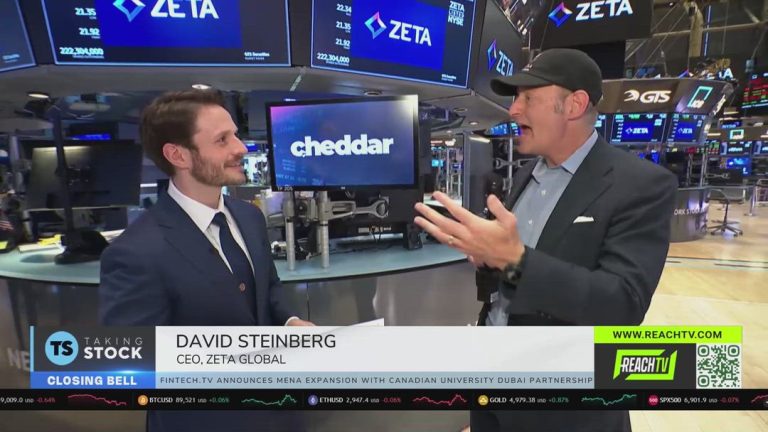
David Steinberg, CEO of Zeta Global, recently rang the closing bell at the New York Stock Exchange, marking a milestone moment for both the company and its leadership. For Steinberg, who grew up in New York City, the occasion carried personal significance. He described the experience as humbling and deeply meaningful, sharing the moment with his team as a reflection of years of work, growth, and perseverance.

Steinberg’s visit coincided with the launch of Athena, Zeta Global’s new conversational super intelligent agent built to simplify how humans interact with artificial intelligence. Athena is designed to remove much of the friction that typically accompanies AI use. Rather than relying on complex prompts or technical expertise, users are guided through intuitive conversations that help them unlock the full value of AI-driven marketing tools with greater speed and efficiency.

A central highlight of the launch was Zeta Global’s newly announced partnership with OpenAI. Widely regarded as a leader in artificial intelligence, OpenAI is collaborating with Zeta in what Steinberg described as one of the most important agreements the company has entered into. Through this partnership, Athena will serve as a foundational component within ChatGPT, allowing users to access its capabilities directly from their mobile devices whenever needed.

Steinberg explained that partnerships of this scale are built over time, not overnight. Zeta spent months laying the groundwork by integrating OpenAI’s API early and demonstrating Athena’s real-world potential. That early commitment helped showcase the value of Zeta’s technology and build confidence with OpenAI. Steinberg also noted that OpenAI’s approach of complementing, rather than competing with, enterprise software platforms made the collaboration a natural fit.

The launch of Athena reflects a broader shift across marketing and enterprise technology, where AI is becoming a core operational tool rather than a novelty. By lowering barriers to entry and making advanced AI more accessible, Zeta Global is positioning itself at the center of this transition. Tools like Athena aim to empower businesses of all sizes to improve performance without requiring deep technical expertise.

Steinberg also pointed to the wider implications of AI adoption across finance and digital marketing. As companies gain access to more powerful analytical tools, they are better equipped to make data-driven decisions that support efficiency, growth, and sustainability. AI’s ability to process and interpret large datasets opens new pathways for aligning business outcomes with long-term sustainability objectives, including progress toward the Sustainable Development Goals (SDGs).

The integration of AI into entrepreneurship, Steinberg emphasized, is about more than profitability. It is about building solutions that create lasting value and positive impact. Businesses that combine advanced technologies like AI and blockchain with a focus on sustainability and social responsibility are likely to define the next phase of innovation.

As Zeta Global continues to expand its AI capabilities and deepen strategic partnerships, the company is emerging as a key player in the evolving marketing technology landscape. With Athena’s rollout underway and strong alliances in place, Zeta is setting a forward-looking tone for 2026 and beyond. Steinberg’s journey underscores the role of collaboration, vision, and innovation in shaping transformative outcomes across technology, finance, and business.