[stock-market-ticker symbols=" ^NYA;CRYPTO:BTC;CRYPTO:ETH;CRYPTO:USDT;CRYPTO:USDC;CRYPTO:BNB;CRYPTO:ADA;CRYPTO:XRP;CRYPTO:SOL;CRYPTO:DOGE " stockExchange="NYSENASDAQ" width="100%" transparentbackground=1 palette="financial-light"]

Home Blog Page 7

Dale Smothers Breaks Down Key Sectors as AI, Travel, and Metals Reshape Markets

0

Dale Smothers, the President and CEO of RDS Wealth, appeared on Fintech TV at the New York Stock Exchange for an in-depth discussion on the evolving financial landscape, particularly across technology, travel, and precious metals. Smothers emphasized the need for strategic, disciplined investing during periods of volatility and offered clear guidance for entrepreneurs and investors navigating that environment.

During the broadcast, Smothers examined the intensifying competition among tech giants, explaining that the race wasn’t simply between Nvidia and Google but part of a wider “AI leapfrog” dynamic. He argued that Nvidia stood out as a compelling buying opportunity thanks to its favorable earnings ratio and its strong positioning as artificial intelligence continued to advance. His commentary proved especially timely for entrepreneurs and investors seeking clarity in the fast-moving AI sector.

He also highlighted the rising significance of CoreWeave, calling it an intriguing choice for investors willing to take on short-term turbulence in exchange for long-term potential. Smothers praised Palantir as well, referring to it as “the operating system of the world in AI.” His remarks underscored how blockchain and artificial intelligence were becoming foundational technologies reshaping industries and redefining the future of finance.

As the discussion broadened, Smothers turned to Royal Caribbean, pointing to it as an appealing option for investors prioritizing stability and income. He noted that the cruise industry was experiencing a cyclical growth period, positioning Royal Caribbean advantageously in a strengthening economy. His analysis resonated with investors focused on sustainable travel and experiences aligned with global initiatives such as the Sustainable Development Goals (SDG) aimed at promoting responsible consumption.

Another major theme was silver, which had reached record highs at the time. Smothers broke down the dual forces behind this surge: defensive demand amid economic uncertainty and growing technological demand given silver’s critical role in modern electronics. With interest rates declining, he explained that capital often gravitates toward precious metals, making silver a meaningful hedge against inflation and a forward-thinking play on technological innovation.

Smothers also addressed the utilities sector, which had demonstrated notable resilience and year-to-date growth. He highlighted the deepening connection between AI and utilities, emphasizing that the massive power requirements of expanding AI data centers were driving significant growth potential within the sector. He encouraged investors to consider companies leading in clean-energy production, pairing long-term profitability with responsible, sustainability-focused investing.

As the conversation concluded, Smothers stressed the value of optimism and strategic clarity during periods of widespread market pessimism. He reminded viewers that opportunity often emerges in uncertain times. “Scared money didn’t make money,” he said, urging investors to approach the market as though they were stepping into a “Black Friday sale.” His message resonated strongly with entrepreneurs and financial enthusiasts, reinforcing the power of innovation and the importance of remaining steady through market fluctuations.

Smothers’ insights offered a comprehensive snapshot of key sectors—from AI and travel to precious metals and utilities—along with practical guidance for investors preparing their portfolios for the future of technology and sustainability. In a world defined by constant disruption, he emphasized that embracing innovation while considering broader socio-economic impacts was essential. For those exploring cryptocurrency and blockchain, his commentary served as a reminder of how deeply interconnected these technologies were with broader financial trends and emerging opportunities.

Yogi Goel Explains How Maxima Uses AI To Fix Accounting’s Broken Systems

Yogi Goel, the CEO of AI startup Maxima, recently made headlines as his company raised an impressive $41 million from prominent investors including Redpoint Ventures and Kleiner Perkins. This funding round propelled the one-year-old San Mateo-based company to a valuation of $143 million. Maxima aims to revolutionize back-office accounting tasks that have long been dominated by legacy giants like SAP. Through the use of advanced artificial intelligence, Maxima seeks to cut costs and time involved in accounting processes. The firm plans to use this latest funding to enhance product development and expand its team, which currently consists of 31 employees.

In an engaging segment at the New York Stock Exchange, Goel elaborated on the broken systems in accounting and outlined how Maxima is positioned to solve these challenges. With over two decades of experience as an auditor and finance operator, Goel highlighted that the primary issue in accounting today is the disparate data spread across multiple systems. “You have to keep pulling data, comprehending what’s in the financials,” he explained. This fragmented approach necessitates repetitive tasks such as journal entries and reconciliations, making accuracy difficult to achieve. Goel believes that AI can streamline these processes significantly.

Traditionally, the accounting field relied heavily on human inputs, often resulting in inefficiencies and errors. Maxima’s unique approach introduces auditable AI agents that automate these tasks while ensuring 100% accuracy through a rigorous human review process. “We are blending this human-machine combine,” Goel stated, referencing how AI can identify anomalies before they become significant issues in financial reports. Given the highly regulated nature of the accounting industry, Goel’s assurance of error detection through AI offers a significant advantage.

The competitive edge of Maxima lies not just in its technological innovations, but also in Goel’s rich background and his team’s expertise. With prior experience at EY and major financial institutions, Goel possesses deep domain knowledge that informs the development of Maxima’s solutions. Furthermore, the technical team includes professionals who have built large-scale, accurate financial systems for notable companies, ensuring that Maxima’s offerings are both advanced and reliable.

As the new year approaches, Maxima has ambitious plans for the future. Goel emphasized the company’s goal to shift accounting processes to real-time, enabling CFOs to make informed decisions swiftly. With a fast-changing economic landscape – characterized by daily tariff shifts and market volatility – Maxima’s vision is to alleviate the burdensome tasks within finance teams, allowing them to focus on strategic initiatives such as research and development or sales and marketing.

Maxima is not just another AI startup in a crowded market; it stands at the intersection of artificial intelligence and accounting, with a mission that aligns with the principles of sustainable and impact investing. By automating mundane tasks and improving accuracy, Maxima is contributing to a more efficient financial ecosystem that could lead to responsible use of corporate resources. This aligns with the goals of various sustainable development goals (SDGs), where businesses are increasingly urged to operate transparently and responsibly.

The combination of AI and entrepreneurship can not only accelerate business processes but also set a precedent for how finance and accounting can transform through technology, culminating in improved decision-making and strategic agility. With the backing of notable VCs and a solid business model, Yogi Goel and Maxima exemplify how innovative companies can disrupt traditional sectors for the better, embodying the future of finance in an age of digital transformation and sustainability.

As the AI revolution in accounting continues to gain momentum, stakeholders across industries will be keeping a close eye on how Maxima evolves and impacts the broader landscape. The need for speed, accuracy, and efficiency in financial operations is more pressing than ever, and firms like Maxima are leading the charge towards a more streamlined and technology-driven future in finance.

Texas Makes History as Lee Bratcher Outlines Vision for Blockchain-Driven Public Finance

In a groundbreaking move, Texas has officially become the first state in the U.S. to allocate public funds for purchasing Bitcoin, having invested $5 million in BlackRock’s iShares Bitcoin Trust ETF. This pivotal decision not only positions Texas as a leader in cryptocurrency adoption but also underscores the state’s commitment to financial innovation and sustainability. As the chair of the Texas Blockchain Council, Lee Bratcher shared valuable insights into this initiative and its implications for the future of finance in the Lone Star State.

During a recent interview, Bratcher elaborated on the Texas State Legislature’s passage of Senate Bill 21, which allocated $10 million from the state budget specifically for Bitcoin purchases. This might seem modest, accounting for just 0.004% of the budget, but it represents an important step towards integrating digital assets into public finance. As the state explores options for Bitcoin self-custody, plans are underway to direct future investments into the cryptocurrency itself, utilizing renowned liquidity providers and custodians based in Texas.

Bratcher attributes Texas’s pioneering efforts to its historical role as a center for innovation. With plans to make Texas the nexus of the future of finance—supported by significant financial entities such as Yellow Street, NASDAQ, and the Texas Stock Exchange—the state is committed to harnessing the transformative potential of blockchain technology and digital assets. The motivation behind this rapid adoption is not only to secure financial futures but also to maintain Texas’s competitive edge in the evolving landscape of finance.

While states like Arizona and New Hampshire have implemented their own strategic reserves, Texas is taking bold strides in this arena. Bratcher noted the slowdown in strategic reserve initiatives across many states due to timing constraints, as legislative sessions vary widely across the country. Unlike most states, Texas meets for only six months every two years, making the approval of Senate Bill 21 a significant achievement, especially with the next legislative session not slated until the following year.

Recognized as the eighth-largest economy in the world, Texas is poised to leverage blockchain technology to transform its economic landscape. Bratcher emphasized that major financial assets will increasingly move “on-chain” as the technology matures. The introduction of stablecoins, tokenized bonds, and eventually tokenized equities signals a shift towards a more integrated and efficient financial system.

As Texas forges ahead with its Bitcoin treasury initiatives, this approach not only establishes the state as a frontrunner in cryptocurrency adoption but also reflects a broader trend towards adopting innovative financial solutions that align with sustainability goals. The potential of blockchain technology and digital assets to reshape economies and drive investment strategies is immense—transforming the way we think about finance and investing for the future. As Lee Bratcher and the Texas Blockchain Council continue to champion these advancements, Texas stands ready to lead the conversation on the future of finance and sustainable investing.

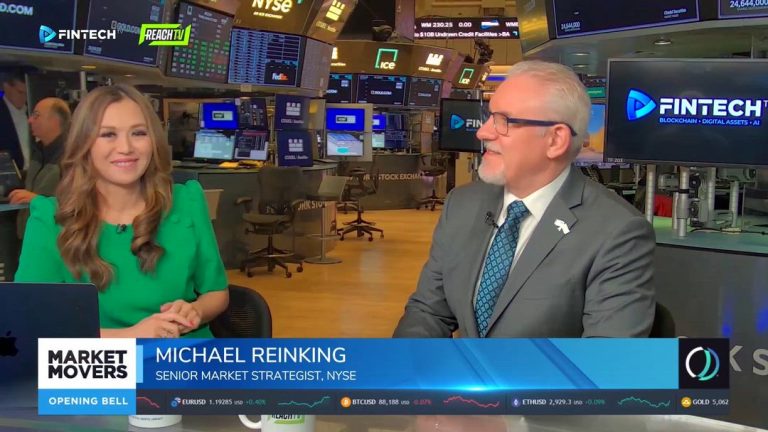
Michael Reinking Highlights Fed Uncertainty and Diverging Crypto Trends

The financial landscape has seen its fair share of turbulence as we head into December, with both equities and cryptocurrencies experiencing fluctuations. In a recent discussion, Michael Reinking, a Senior Market Strategist, shared his insights into the factors influencing the current market conditions, particularly in relation to traditional equity markets and the crypto sector.

As December kicks off, financial markets displayed a cautious demeanor, responding to various macroeconomic signals. Reinking observed that the first week of the month commenced with a notable pullback, reversing the trends of recent weeks when the S&P 500 experienced a rally of approximately 4%. This recovery led the index back to crucial technical levels, almost reaching its all-time high, illustrating a moment of resilience amidst volatility.

One of the critical drivers affecting market sentiment this December is the speculation surrounding the Federal Reserve’s interest rate decisions. Reinking highlighted that the anticipation of a 25 basis point rate cut has risen significantly, influenced by recent economic data. However, there is a caveat; contrasting economic indicators suggest that a rate cut may not be as straightforward as the market anticipates. This uncertainty is contributing to the ongoing volatility, emphasizing the intertwined relationship between economic expectations and market behaviors.

The crypto market, often viewed as speculative, has also faced its own challenges, with recent liquidation events marking a significant moment. Reinking indicated that cryptocurrency trends are starting to diverge from traditional equity performance, which could hint at an evolving landscape where investors need to pay closer attention to market dynamics across asset classes.

Looking beyond the immediate market fluctuations, Reinking introduced the importance of sector performance as we approach year-end and into 2026, a midterm election year characterized by traditionally muted returns. Identifying and focusing on sectors poised for growth will be vital for investors, particularly in anticipation of potential fiscal impulses from legislation aimed at stimulating the economy. Key levels to watch in the S&P 500 are around 3,680 and 3,690, as these points have historically indicated critical resistance and support.

December is often associated with seasonal trends favorable for stock performance; however, Reinking notes that recent years have shown inconsistent results. The traditional expectations of year-end rallies may not align with the current economic environment, making it essential for investors to adapt and monitor shifting market conditions closely.

As we close in on the end of 2023, the insights provided by Michael Reinking emphasize the necessity for investors to remain agile and informed. The interplay between equity markets, cryptocurrencies, and economic indicators will continue to shape investment strategies. By focusing on sector performance and responses to Federal Reserve policy, investors can better navigate the complexities of the current financial landscape. As the market evolves, a sustainable investing approach that considers long-term implications, combined with awareness of short-term movements, will prove invaluable.

In summary, understanding the broader context of investment decisions, especially in relation to cryptocurrencies and evolving market sectors, is paramount. With the growing intersection of finance and sustainability, alongside technological advancements presented by blockchain and AI, the future of investing lies in informed choices that align with both profitability and purpose.

Bitcoin plunges, Strategy ‘last resort’, Bitcoin mining, Fed cut?

0

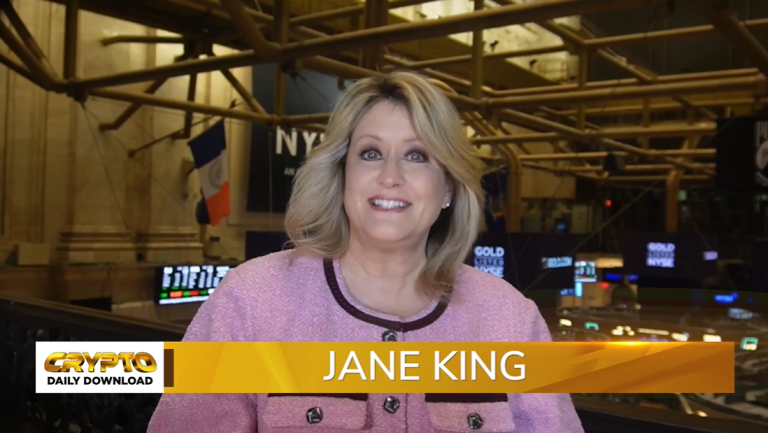
In this episode of Coin Street headlines, we dive into the latest developments in the cryptocurrency market as bitcoin and ether experience significant declines. With bitcoin dropping as much as 6% and Ether more than 7%, traders are on high alert for potential further downturns. We discuss the critical support level for Bitcoin at $80,000 and the implications of low inflows into bitcoin ETFs. Join us as we analyze the challenging month of November for the crypto industry, where Bitcoin’s price fell by 20% and the stablecoin market saw a $2 billion capitalization decrease. We also explore the insights from Strategy CEO Phong Le regarding Bitcoin’s stock performance and the potential need for Strategy selling if conditions worsen. Additionally, we cover the upcoming difficulty adjustment for bitcoin mining, projected for December 11, and the challenges facing the mining industry, including regulatory issues and rising energy costs. Finally, we highlight the recent rally in crypto-linked stocks, driven by increasing odds of a Federal Reserve rate cut, and the performance of U.S.-listed Bitcoin miners like Cleanspark, Riot Platforms, and Cipher Mining. Jane King with the latest from the NYSE.

CIBC’s Miracle Day Continues Legacy of Giving as Eric Price Rings the Closing Bell

0

On Monday, Fintech’s Taking Stock featured Eric Price, the head of US capital markets at CIBC, who recently had the honor of ringing the iconic closing bell at the New York Stock Exchange, marking a significant moment not only for him but also for the broader community involved in Miracle Day.

Eric Price’s experience at the New York Stock Exchange is a once-in-a-lifetime moment that he cherishes, especially as it aligns with CIBC’s commitment to philanthropy and social responsibility through Miracle Day. For 12 consecutive years, CIBC has participated in this unique initiative, which has grown significantly since its inception in 1984.

Miracle Day represents the spirit of community and charity, where CIBC donates all fees and commissions generated that day to children’s charities in the local area. This year marks the 41st anniversary of this impactful event. Initially started by a group of brokers who wanted to turn financial momentum into tangible benefits for underprivileged children, Miracle Day has evolved while firmly staying true to its core values. Eric points out that, more recently, the initiative has embraced greater celebrity support, adding notable figures to its roster of advocates, thereby amplifying its reach and impact.

The tangible benefits of Miracle Day are evident, as seen through the stories of impacted children and communities. One particularly poignant moment mentioned by Eric is the overwhelming gratitude expressed by children who benefit from the charities supported by CIBC. One charity builds bunks at summer camps, which are named after CIBC, and the children who utilize these facilities express their heartfelt thanks during their visits. Such connections not only illustrate the importance of Miracle Day but also reflect the spirit of giving that CIBC champions.

As Eric prepares to leave the exchange following the bell-ringing ceremony, he also shares his insights regarding broader market trends and the priorities for CIBC moving forward. Despite a slight downturn in the markets on the day of the closing bell, Eric remains optimistic about the trajectory of the economy and CIBC’s stock performance. With anticipated interest rate cuts on the horizon, Eric believes these changes will foster continued economic growth.

Eric Price’s role at CIBC exemplifies the intersection of finance and philanthropy. By leading initiatives like Miracle Day, he indicates the crucial role that financial institutions can play in promoting social good while simultaneously sustaining their business objectives.

In conclusion, Eric’s perspective emphasizes the importance of social responsibility in today’s financial landscape, particularly in the context of sustainability and impact investing. As we look ahead, CIBC’s commitment to initiatives like Miracle Day not only supports local communities but also sets a precedent for other organizations in the finance sector, underlining the potential for capital markets to drive real-world change.

Keith Grossman Details MoonPay’s Role in Merging Traditional Finance With Crypto

0


Keith Grossman, the president of MoonPay, recently shared insights on the evolving landscape of cryptocurrency during his appearance on Fintech TV. With a firm focus on bridging the gap between traditional finance and the crypto ecosystem, Grossman elaborated on the significance of MoonPay’s role—which he likened to PayPal, providing users a seamless entry and exit into the world of cryptocurrencies. As the conversation unfolded, Grossman discussed MoonPay’s recent achievement in acquiring a New York Trust charter, signifying compliance and regulatory adherence in a rapidly changing environment.

MoonPay serves as a critical platform in the cryptocurrency market, facilitating transactions in a variety of digital assets, including stablecoins, Bitcoin, and other cryptocurrencies. Grossman highlighted the importance of the recent regulatory clarity emerging in 2025, which he believes is heralding a “golden age” for crypto. This clarity is poised to provide stability and attract capital, which is vital for institutional adoption and overall market growth.

While discussing the volatility of cryptocurrency, notably in the context of recent price fluctuations—where Ethereum and Bitcoin saw significant declines—Grossman emphasized the long-term potential of investing in crypto. His candid comparison of personal health concerns while reacting to market downturns served to illustrate the high-stress environment of crypto trading. For those considering investments in this space, he noted the crucial differentiation between short-term trading tactics and long-term investment strategies.

As we move toward the end of 2025, Grossman elaborated on the unique nature of stablecoins within the digital finance ecosystem, categorizing them as a distinct vertical within the broader horizontal framework of digitization. Here, he drew analogies to technological advancements in telecommunications, suggesting that stablecoins could transform how we perceive and interact with money in the digital age.

This transformation paves the way for a new financial landscape, one where digital assets and finance are integrated seamlessly into everyday transactions. Grossman stressed that as stablecoins allow for real-world dollars to seamlessly enter the digital ecosystem, they represent a significant innovation in how financial transactions are conducted.

For entrepreneurs and investors alike, understanding the implications of these innovations is crucial. As we look toward 2026 and beyond, Grossman’s insights provide a foundation for comprehending the evolving dynamics of finance and cryptocurrency. The concept of embedded finance, powered by stablecoins, emphasizes the seamless convergence of traditional finance with digital assets, making it an area ripe for exploration and investment.

In addition, Grossman’s comments reflect a broader trend towards sustainability in the crypto space, as regulatory frameworks increasingly consider the implications of blockchain technology on sustainable development goals (SDGs). This presents exciting opportunities for conscientious investing, where the intersection of cryptocurrency, finance, AI, and sustainability can create impactful solutions for global challenges.

In conclusion, Keith Grossman’s discourse on MoonPay encapsulates the essence of today’s transformative financial landscape driven by cryptocurrency. As the convergence of digital assets with traditional finance continues, both investors and entrepreneurs are encouraged to explore innovative pathways that present sustainable and impactful investment opportunities. As we stand on the cusp of a new era in finance, the importance of understanding these concepts cannot be overstated.

End-of-Year Trading Heats Up as Peter Tuchman Shares Market Outlook

0

In a recent engaging discussion, Fintech welcomed renowned senior floor trader Peter Tuchman from TradeMas, who provided astonishing insights into the current financial landscape. With Thanksgiving in the rearview mirror, the conversation focused on seasonal trends, market behaviors, and profit dynamics as we transition into December—one of the busiest months for traders.

The month of November had been particularly volatile yet rewarding for investors. Tuchman highlighted the remarkable returns during a five-day bullish rally that characterized the latter part of November. Despite a brief downturn, attributed to the Federal Reserve’s comments regarding interest rate cuts, Tuchman expressed optimism, framing the November trading period as resilient rather than catastrophic.

As a senior trader, Tuchman possesses a deep understanding of how market sentiment and macro-economic factors can influence trading behavior. His comments reflect a balance of caution and hope, particularly in light of the Fed’s potential shift in interest rate policy. With an 85% probability of an interest rate cut looming, traders are presented with an opportunity for growth, especially in sectors that have struggled under higher rates, such as real estate and housing.

Looking ahead, Tuchman emphasized the importance of profit-taking strategies among high-performing hedge funds and family offices as they wrap up their financial books for the year. In December, the focus will shift to significant market events, including the S&P and Russell Rebalances, which often prompt heightened trading volume. Tuchman illustrated that this month would likely see active tax harvesting and profit-taking maneuvers as institutional players look to maximize their end-of-year returns.

Furthermore, he elaborated on the critical role of trading volume during this festive season. November showed some impressive numbers, inching above one billion shares traded daily. Tuchman highlighted that such indicators are essential for understanding market dynamics and investor behavior. A depth of understanding in advanced declines reveals broader trading patterns, pointing to potential sell-offs or position reallocations as traders strategize for the coming year.

What makes Tuchman’s insights even more compelling is his connection to emerging technologies such as blockchain, cryptocurrency, and artificial intelligence. These revolutionary tools are transforming financial markets, enhancing both trading efficiency and investor experience. As blockchain continues to integrate with traditional finance, Tuchman’s observations hint at an exciting future for sustainable investing and the utilization of cryptocurrencies like Bitcoin, which align with the Sustainable Development Goals (SDG).

Overall, the conversation with Peter Tuchman encapsulates a dynamic blend of immediate market trends and broader economic indicators. His perspective underscores the critical relationship between market psychology, institutional behavior, and emergent technologies. While navigating the complexities of market fluctuations, investors must remain astute and informed, balancing between short-term profit-taking and long-term sustainable investment strategies.

As we delve deeper into December, the focal point will undoubtedly remain on how monetary policy, trading volumes, and seasonal trends interact to shape investment outcomes. With experts like Tuchman at the forefront, the financial community can glean valuable insights into maneuvering through the ebb and flow of market cycles.

Patrick L. Young Breaks Down Global Tensions and Market Risks

In a recent discussion with Remy Blaire, economic expert Patrick L. Young, the chairman and founder of Exchange Invest, weighed in on key geopolitical topics affecting global markets. His insights shed light on the tense situation surrounding Venezuela, the evolving relationship between the U.S. and China, and underlying challenges in the UK and Ukraine. As global investors seek clarity amid uncertainty, Young’s perspectives provide valuable context for understanding shifting economic dynamics.

The U.S. government’s recent declaration of closure regarding Venezuelan airspace signals a potential escalation in its standoff with President Nicolás Maduro’s regime. Patrick Young pointed out that the signs suggest an endgame for Maduro, facilitating negotiations aimed at securing his safety and salvaging his legacy as he navigates the precarious situation. However, he remains skeptical about the necessity of U.S. military intervention, emphasizing that ongoing operations against drug trafficking could serve as pressure sufficient to force a regime change without direct military action.

Amid these developments in Venezuela, Young also noted a noteworthy shift in the diplomatic tone between the U.S. and China. Following a recent call between President Trump and President Xi Jinping, optimism appears to be gradually taking root. As Trump asserts the importance of exporting American agricultural products, including soybeans, it becomes evident that fostering a cooperative environment is essential for both nations in light of China’s slower-than-anticipated economic growth. Young remarked on the Chinese government’s strategic withdrawal of support for the Venezuelan regime, potentially as a conciliatory gesture towards the U.S.

The economic forecasting for the UK raises eyebrows, notably due to accusations against Chancellor Rachel Reeves regarding the transparency of the nation’s public finances. Young critiques the government’s excessive spending, suggesting that the imposition of substantial tax increases could lead to a loss of entrepreneurial talent as the wealthy seek opportunities elsewhere. This situation signals a potential downward spiral, exacerbating existing economic weaknesses in a state that has sought to manage continuing budget deficits without adequate reform or accountability.

The conversation further explored concerns surrounding Ukraine as President Volodymyr Zelensky faces increased scrutiny following the resignation of a key wartime official over corruption allegations. Young emphasized the long-standing issues plaguing Ukraine’s economy, suggesting that despite international sympathy during the conflict with Russia, systemic corruption remains a severe barrier to effective governance and reform. As the country battles internally and externally, Zelensky’s leadership faces significant challenges that could complicate peace processes and undermine efforts for stability.

Moreover, Young highlighted macroeconomic indicators, particularly Japan’s 10-year government bond yields reaching heights not seen since 2008. With Japan’s yields closely approaching levels offered by U.S. bonds, the potential for shifts in investment patterns raises flags for American financial markets. Young cautions that a reduction in demand for U.S. debt by Japanese investors could catalyze a broader crisis, reiterating the importance of vigilance in navigating these sudden changes in the global economy.

Patrick Young’s analysis delivers crucial insights into the nexus between geopolitics and economics, illustrating the interplay between U.S. foreign policy, trade relations, and domestic challenges faced by several nations globally. As investors assess these trends, the importance of understanding context and historical precedents is underscored, guiding strategies in the ever-evolving landscape of finance and international relations.

Crystal Foote: Why Holiday Branding Is Embracing Chaos and Authenticity

This holiday season, brand campaigns are evolving to reflect a more authentic portrayal of festive moments, steering away from the overly polished scenes we’re accustomed to. As nostalgia continues to reign supreme, brands are increasingly embracing chaos, messiness, and genuine human experiences that resonate more deeply with consumers. In an insightful discussion at the New York Stock Exchange, Crystal Foote, the founder and head of partnerships at Digital Culture Group, shared her perspective on how businesses can connect with their audiences during this pivotal shopping period.

With record-breaking sales numbers during the holiday weekend, Crystal emphasized the importance of authenticity in brand messaging. According to her, brands must take the time to understand their core consumers and speak to them in a way that resonates personally. She noted that in a world where every dollar counts, consumers are looking for brands that can enhance their lives and offer convenience, especially at this time of year.

The data reflects a shift in consumer behavior, with a reported need for brands to align more closely with the needs and realities of their customers. For Crystal, this means understanding what small actions or offerings can help consumers feel supported amidst their holiday shopping chaos. She pointed out that Thanksgiving, Black Friday, Small Business Saturday, and Cyber Monday open a plethora of opportunities for brands to make meaningful connections.

One of the key insights Crystal shared was the vital role small, community-rooted businesses play in this cultural landscape. Citing that these establishments are responsible for over 50% of employment in the country, she stressed the importance of supporting local businesses alongside larger retailers. Crystal’s argument is that small businesses are often the innovators within their communities, engaged in crafting products and services that reflect local values and needs.

As the conversation turned to cultural intelligence, Crystal highlighted the differences in sales and engagement strategies between small businesses and large retailers. She explained that small businesses focus on creating handcrafted, locally sourced items, which avoids many issues that arise from overseas production and tariffs. Crystal argued that shopping locally not only benefits the community but also supports entrepreneurs striving to provide for their families.

With the hosting backdrop of the New York Stock Exchange, Crystal underscored that all businesses—irrespective of size—are navigated by various external forces that affect their profitability. Tariffs and economic downturns certainly play a role, but there is also immense potential for growth and community support. For viewers looking to support local brands during this holiday season, Crystal’s advice extends to looking at nonprofit organizations that also require support. She shared a powerful example of a campaign run for Toys for Tots, which resulted in providing gifts for 12 million children across the country due to effective marketing efforts.

Crystal concluded with a call to action for shoppers this holiday season. She believes consumers must explore options beyond just larger retail giants, but also embrace the spirit of giving by supporting nonprofits and small businesses alike. The landscape of holiday shopping is shifting, and now more than ever, there are ample opportunities to make a positive impact.