[stock-market-ticker symbols=" ^NYA;CRYPTO:BTC;CRYPTO:ETH;CRYPTO:USDT;CRYPTO:USDC;CRYPTO:BNB;CRYPTO:ADA;CRYPTO:XRP;CRYPTO:SOL;CRYPTO:DOGE " stockExchange="NYSENASDAQ" width="100%" transparentbackground=1 palette="financial-light"]

Home Blog Page 74

Stablecoins and Tokenization: Edward Woodford on the Next Wave of Digital Assets

“We’re really looking forward to the continued momentum from a regulatory perspective across the world.” – 02:03

Edward Woodford, the founder and CEO of Zerohash, joins Remy Blaire to discuss the revelation that, within the next 18 to 24 months, most major banks are expected to offer crypto trading services, a significant shift in the financial landscape that was once deemed inconceivable.

Remy and Edward delve into the implications of the House Pass Clarity Act, which aims to provide essential regulatory clarity for the banking industry as it navigates the complexities of cryptocurrency. Edward shares insights into Zerohash’s three core offerings: a crypto-as-a-service product that allows firms like Interactive Brokers and Morgan Stanley to seamlessly integrate cryptocurrency into their services; a stablecoin product designed for various payment applications; and a tokenization service that enables the digital representation of assets, including stocks and currencies.

The discussion highlights the recent fundraising round for Zerohash, which has attracted significant strategic investors, including major banks and financial institutions. Edward expresses enthusiasm about the trust these partnerships instill in Zerohash and the potential for accelerated growth, especially in light of favorable regulatory developments.

As the conversation progresses, Edward emphasizes the role of stablecoins as a powerful alternative payment method, particularly for U.S.-based customers who are increasingly utilizing stablecoins for transactions. He provides examples of live implementations where users can fund their brokerage accounts with stablecoins, underscoring the growing acceptance and demand for these digital assets.

The State of Credit Markets: Are We Heading for a Recession?

“The story here has actually been mid-caps as opposed to the large caps.” – 02:08

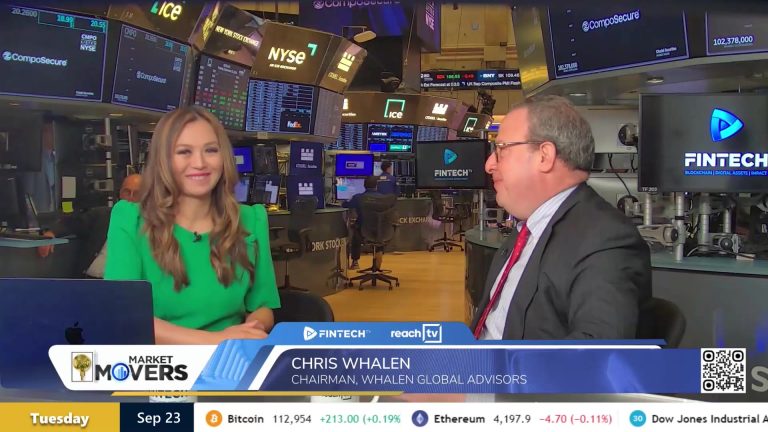
Chris Whalen, Chairman of Whalen Global Advisors, joins Remy Blaire at the New York Stock Exchange to discuss the current economic landscape and the banking sector.

As analysts express growing concerns about a slowing economy, the credit markets present a different narrative, showing no signs of an impending recession. Whalen notes that net credit losses in the U.S. banking industry have been declining since 2024, remaining stable despite multiple recession warnings over the past three years.

Whalen shares his insights on the banking sector, indicating that banks are currently underutilized and eager to increase lending. He highlights that deposits are growing at twice the rate of loans, leading to excess funds being funneled into securities. He raises concerns about the rapid growth of non-bank financial institutions, while reassuring listeners that the credit side of banks remains stable, with recent earnings reports reflecting a benign outlook.

The conversation shifts to the performance of the S&P 500, particularly within the financial services sector, where major banks have experienced significant year-to-date gains. Whalen emphasizes that American consumers now have a multitude of choices in consumer finance, thanks to the emergence of various platforms funded by private equity. He points out that mid-cap banks have outperformed larger institutions in the last quarter, with companies like SoFi and Lending Club making notable comebacks.

As the episode progresses, Remy and Whalen discuss the upcoming insights from Federal Reserve officials, including Jerome Powell. Whalen predicts a cautious approach to further rate cuts, emphasizing that the central bank is more focused on inflation than on the overall economy. He reassures listeners that the banking sector is not signaling a recession, as banks are not significantly increasing reserves for future losses.

Collaboration and Regulation: Shaping the FinTech Landscape in the Middle East

0

We sit down with Maha Alsadi, the Head of Regulatory Affairs of the QFC Authority, to discuss the exciting developments in the fintech landscape of Qatar and the broader Middle East region. Discover how Qatar is positioning itself as a hub for fintech innovation, with initiatives like the Qatar Investment Authority’s Fund of Funds program, which has allocated over a billion dollars to support startups and venture capital in the fintech space.

Maha also shares insights into the various fintech categories currently thriving in Qatar, including Buy Now, Pay Later, crowdfunding, insurtech, and the use of blockchain technology. We delve into the challenges regulators face in keeping pace with rapidly evolving technologies and how Qatar is adopting a collaborative approach with local and regional regulators to ensure a balanced regulatory framework. Learn about the importance of international standards and the principle-based, risk-based approach that Qatar is taking to foster innovation while ensuring consumer protection.

As we look to the future, we explore the potential impact of emerging technologies like AI and quantum computing on the financial services sector. Maha emphasizes the need for ongoing dialogue between regulators and the industry to navigate these changes effectively.

AVAX1: The New Frontier for Institutional Crypto Investment

“We’re building the Berkshire Hathaway for online, on-chain finance economy.” – 05:10

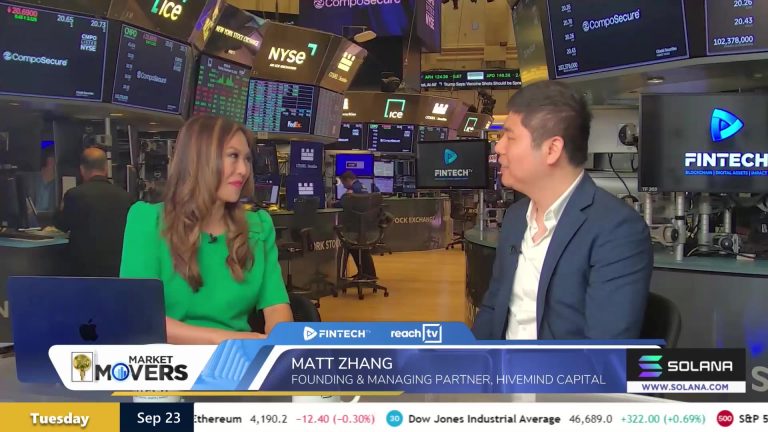
Matt Zhang, Founding and Managing Partner of Hivemind Capital Partners, joins Remy Blaire at the New York Stock Exchange to discuss HiveMind’s recent investment in a new company, set to be rebranded as AVAX1, which aims to raise $550 million to acquire AVAX tokens from the Avalanche blockchain. Previously known as AgriForce, the company is poised to make significant strides in the digital asset space.

Remy and Matt discuss the collaborative effort behind this venture, which includes notable figures like Anthony Scaramucci and over 50 institutional and crypto-native investors. Matt highlights the unique capabilities of the Avalanche network and its potential to meet the needs of institutional investors, especially in light of recent regulatory changes from the SEC that signal a new era of crypto adoption.

The conversation delves into the extensive screening process that Hivemind undertook to identify this opportunity, reflecting their commitment to finding institutional-grade investments. Matt shares his background in traditional finance, particularly his 16 years at Citigroup, and explains how this experience informs Hivemind’s strategy as they navigate the convergence of crypto and traditional finance.

Navigating the future of AI and Cybersecurity: A conversation with Mastercard’s Saud Swar

0

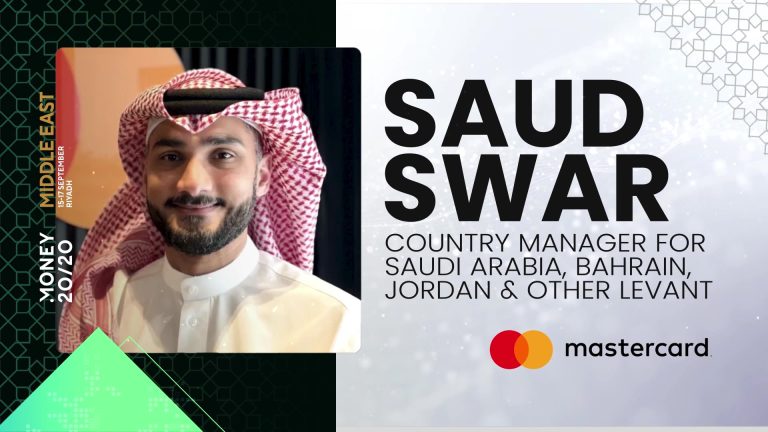
Saud Swar, the Country Manager for Mastercard in Saudi Arabia, Bahrain, Jordan, and other Levant sits down with Patricia Wu at the Money 20/20 Middle East event to discuss the pivotal role played by Mastercard at the inaugural Money 20/20 conference, where they are showcasing innovations in AI, cybersecurity, and tools for SMEs.

Saud shares insights on Mastercard’s commitment to cybersecurity, including the establishment of a Centre of Excellence in Riyadh aimed at addressing the growing challenges in this field. He discusses the importance of collaboration with local partners and the proactive measures being taken to enhance the resilience of the banking ecosystem.

They also delve into the pressing issue of women employment in the tech and fintech sectors. Saud highlights Mastercard’s initiatives, such as the “Her Voice” podcast and the “Girls for Tech” program, aimed at empowering women and equipping young girls with essential skills in technology and programming.

Finally, Saud offers his perspective on the exciting trends and innovations emerging from the Middle East, particularly in Saudi Arabia, as the region continues to lead in AI and financial services.

Solana Summer: Capitalizing on the Crypto Wave

“We do believe that the Solana network is going to be the infrastructure for all asset issuers and asset markets in the future.” – 01:56

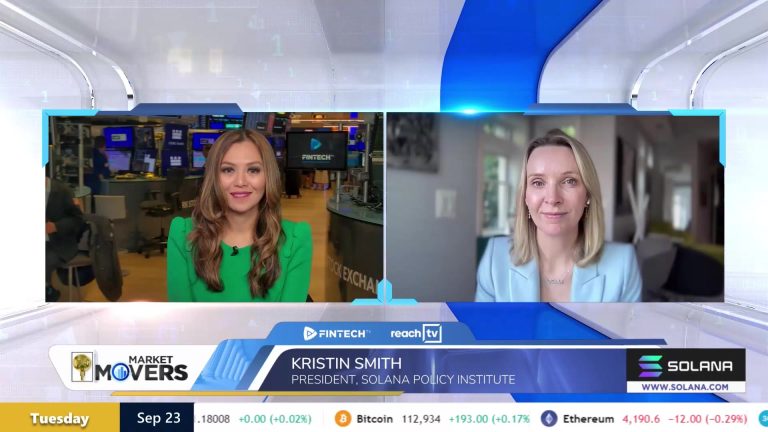
Kristin Smith, President of Solana Policy Institute, joins Remy Blaire to discuss the recent surge in interest surrounding Solana, a cryptocurrency that has experienced a significant 60% increase over the past three months. Remy highlights the growing trend of companies adopting Solana as a treasury reserve asset, mentioning notable organizations such as DeFi, DevCore, Upexy, Sol Strategies, Forward Industries, and Sharps Technology.

Together, they discuss the implications of major institutions investing in the Solana ecosystem and the emergence of innovative decentralized applications (DApps). Kristen emphasizes how these developments could enhance capital deployment efficiency and positively influence the broader crypto market.

The conversation shifts to a crucial regulatory update: the SEC’s approval of generic listing standards for commodity-based trust shares. Kristen explains how this change simplifies the approval process for crypto ETFs, making it easier for retail investors to access a wider range of digital assets, including Solana. She notes that this new framework allows assets to be included in ETFs without the previously required government approval, which is a significant step forward for the industry.

Remy and Kristin also delve into a national study conducted by the DeFi Education Foundation, revealing that nearly half of Americans believe the current U.S. financial system does not meet their needs. Kristin shares her insights on the shortcomings of existing financial services and the potential for blockchain technology to provide more efficient and cost-effective solutions for consumers.

Innovation and competition in Fintech: A conversation with Walid Hassouna

0

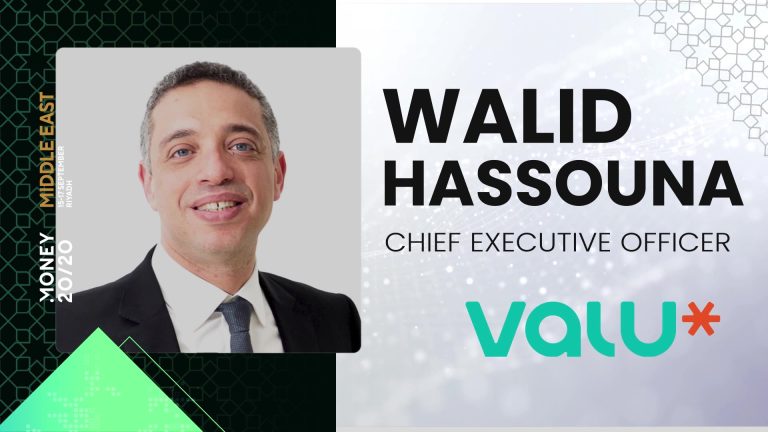
Walid Hassouna the CEO of Valu joins Patricia Wu at the Money 20/20 Middle East event at the Riyadh Exhibition and Convention Center to delve into the dynamic fintech landscape in the region, which has seen rapid growth since its early days focused primarily on payments. Walid highlights how the introduction of consumer lending, inspired by the global buy now pay later trend, marked a significant shift in the industry.

He emphasizes the importance of innovation and speed in product development, noting that Valu has managed to stay ahead of the competition by prioritizing customer feedback and maintaining a balance between banking expertise and technological advancement. With a youthful leadership team, they are well-positioned to connect with their target audience.

They also discuss the potential for exits in the fintech space, with Walid sharing his experience of a direct listing on the Egyptian Stock Exchange. He believes that this approach not only attracts attention from private equity and strategic investors but also positions companies favorably for future opportunities.

Walid offers valuable advice for founders, urging them to explore various exit strategies early on, including mergers and acquisitions, rather than viewing their startups as untouchable entities. He stresses the importance of keeping options open and listening to the market.

Empowering Women in AI: Bridging the Gender Gap in Technology

0

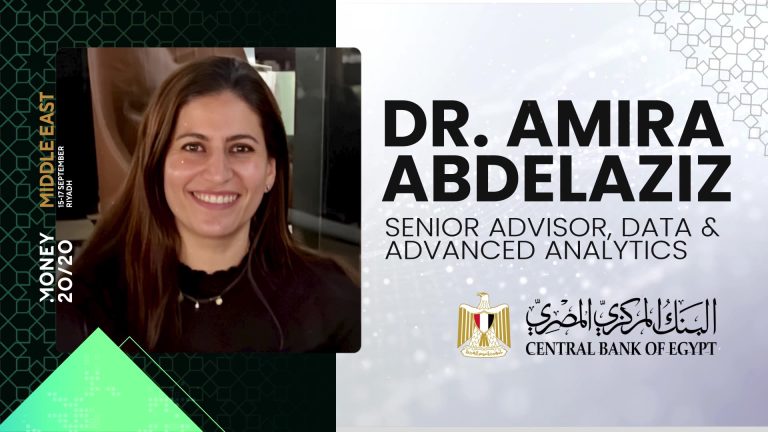
On this episode, We sit down with Dr. Amira Abdelaziz, Senior Advisor for Data Science and Advanced Analytics at the Central Bank of Egypt and a Council Member of Global Women in AI.

Dr. Abdelaziz discusses how the Central Bank of Egypt is leveraging artificial intelligence (AI) and data science to enhance monetary policy intelligence and economic stability. She shares fascinating insights into projects like GDP forecasting, inflation trends monitoring, and understanding the informal economy through advanced analytics.

We also explore the critical issue of gender representation in the AI workforce, where only 26% are women. Dr. Abdelaziz emphasizes the importance of support systems, mentorship, and continuous education for women in tech. She encourages women to engage with international communities and develop their skills to thrive in the rapidly evolving AI landscape.

Additionally, we delve into the significance of collaboration among central banks and financial institutions in leveraging AI and data science for better economic insights.

Revolut’s Bold Expansion: Insights from CEO Glauber Mota on Entering the UAE Market

0

In this episode, we sit down with Glauber Mota, the CEO of Revolut Brazil, to discuss the exciting expansion of Revolut into the UAE market and the rapid growth of their services in Brazil.

Glauber also shares insights into the competitive landscape of financial services in Brazil, the importance of credit in the local culture, and how Revolut is adapting to meet customer needs. We explore the innovative payment infrastructure in Brazil, including the PIX system, and how it serves as a model for financial inclusion.

Glauber also discusses the similarities and differences between the financial technology markets in Brazil and Saudi Arabia, the potential of blockchain and tokenization, and the lessons learned from various regions that can be applied locally.

Transforming Student Loans: How YELO Funding is Redefining Education Financing

0

In this segment, Remy Blaire, delves into the pressing issue of debt in America, highlighting the staggering national debt of over $37 trillion and the significant burden of individual debt, particularly in the realms of credit cards and student loans. With U.S. credit card debt reaching $1.21 trillion and student loan debt climbing to $1.81 trillion, the financial landscape for many Americans is increasingly challenging.

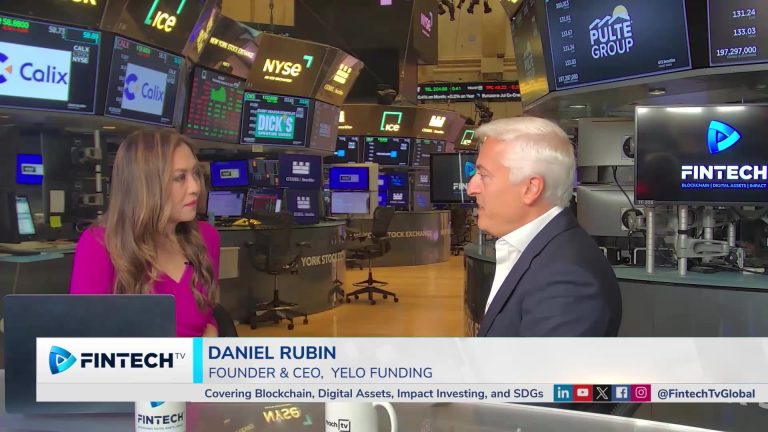
To address this, Remy Blaire welcomes Daniel Rubin, the Founder & CEO of YELO Funding, a fintech company that has been recognized as the Student Funding Company of the Year in 2025. Daniel shares insights into how YELO Funding is revolutionizing the student loan repayment process by offering a unique financing model. Unlike traditional loans, YELO Funding provides gap financing to college students after they have exhausted federal loans, scholarships, and grants. Their approach ties loan repayments to a percentage of a student’s future income, making payments more flexible and affordable.

Daniel explains that the current education financing system has created an unsustainable bubble, with tuition costs rising over 1,300% in the past 45 years. He emphasizes the disconnect between the cost of education and the expected income for graduates, which has led to a significant number of students defaulting on their loans. YELO Funding aims to break this cycle by assessing the return on investment (ROI) of various degree programs and financing students based on the potential value of their education rather than their socioeconomic background.

The pair discuss the implications of recent legislative changes in student financing, including caps on federal loans, which are expected to shift a substantial market share to private lenders. Daniel highlights how YELO Funding is well-positioned to take advantage of these changes by offering outcome-based financing that prioritizes the financial well-being of students.