[stock-market-ticker symbols=" ^NYA;CRYPTO:BTC;CRYPTO:ETH;CRYPTO:USDT;CRYPTO:USDC;CRYPTO:BNB;CRYPTO:ADA;CRYPTO:XRP;CRYPTO:SOL;CRYPTO:DOGE " stockExchange="NYSENASDAQ" width="100%" transparentbackground=1 palette="financial-light"]

Home Blog Page 73

The Rise of Bots: Understanding the Dead Internet Theory and Human Verification

“For the first time in the history of money, we’re able to basically have a financial transaction with anyone who has a laptop or a mobile phone.” – 03:00

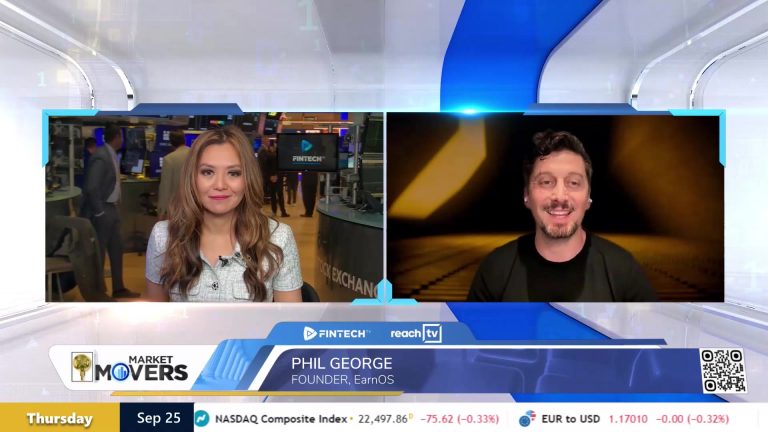
Phil George, the Founder of EarnOS, joins Remy Blaire to discuss the heavy presence of bots online and the ongoing efforts to combat this issue through human verification processes. Phil highlights the alarming statistics regarding the prevalence of bots, noting that for every human interaction, there are hundreds of bot interactions, particularly with the rise of large language models (LLMs) and chatbots. He emphasizes the importance of distinguishing between real human users and bots, especially in the context of financial transactions and advertising.

The conversation shifts to the role of stablecoins in human verification. Phil explains how stablecoins can be used to confirm a person’s identity during transactions. By linking Know Your Customer (KYC) processes to digital wallets, it becomes possible to ascertain that a wallet belongs to a verified human, even if their specific identity remains unknown. This capability is increasingly vital as the internet becomes inundated with bot activity.

Remy and Phil then discuss the future of stablecoins and their potential to become the “internet dollar.” Phil emphasizes the unprecedented freedom of movement that stablecoins offer, allowing anyone with internet access to create a wallet and conduct transactions without the traditional barriers imposed by banks. He argues that this minimal friction in financial transactions positions stablecoins to outpace central banks in terms of adoption and usage.

Navigating Monetary Policy: Insights from Fed Chair Powell and Economic Trends

“I’m expecting a few more rate cuts, but there’s a lot of division amongst the committee.” – 01:09

José Torres, Senior Economist at Interactive Brokers, joins Remy Blaire at the New York Stock Exchange to discuss the current state of the U.S. economy and the Federal Reserve’s monetary policy.

The segment opens with Remy highlighting the growing dissent among Federal Reserve officials regarding the future direction of monetary policy, particularly as signs of instability emerge in the labor market. Fed Chair Jerome Powell has reiterated a cautious approach to further rate cuts while leaving the door open for potential easing. He also describes stock valuations as fairly high, prompting a deeper examination of the implications for investors.

José shares his insights following the September Fed meeting, where a 25 basis point rate cut was implemented as expected. He anticipates additional rate cuts, despite the divisions within the committee, particularly concerning inflation driven by strong consumer demand in the services sector. The conversation shifts to the recent GDP revision, which shows a significant upgrade to 3.8%, and José emphasizes the role of robust consumer spending and business investment in indicating a re-accelerating economy.

As they look ahead, Remy and José discuss the implications for the American consumer. Jose expresses optimism, noting the stability of the labor market. While hiring is slowing, he points out that layoffs have not increased significantly, suggesting that the consumer remains in a strong position. He highlights the positive effects of strong capital markets on various income cohorts and predicts growth in the latter half of the year.

The discussion then turns to the looming government shutdown deadline, with predictions indicating a 60% chance of some form of shutdown on October 1st. José reflects on the historical impact of past shutdowns on the markets and the current political landscape, where bipartisan agreement appears difficult, particularly around contentious issues like Medicaid cuts and healthcare subsidies.

Navigating the Crypto Landscape: SEC Updates and Market Shifts

“October is typically a time of volatility in many asset classes.” – 03:08

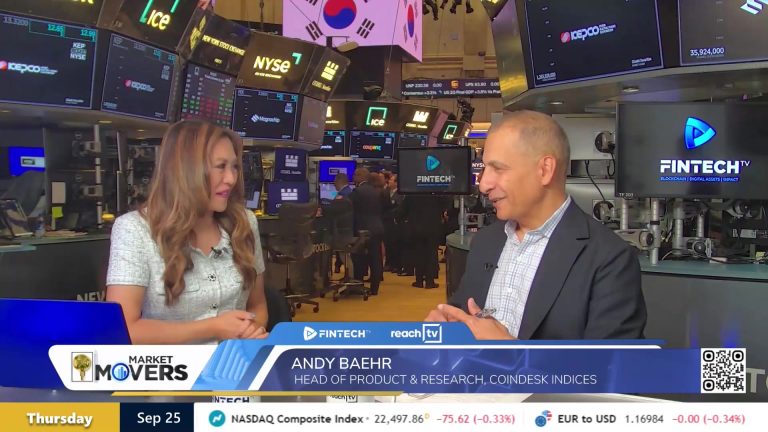
Andy Baehr, Head of Product & Research at Coindesk Indices, joins Remy Blaire to discuss the current dynamics of the cryptocurrency market, highlighting recent price movements and regulatory developments.

Andy explains how this change could simplify processes for crypto trading firms, eliminating the need to convert assets into dollars for collateral, which has been a significant hurdle. He emphasizes that this initiative, along with other regulatory advancements, could catalyze a more robust crypto market.

As they reflect on the past six months, Andy highlights the strong performance of the crypto market, characterized by a broad rally that included notable highs for both Bitcoin and Ethereum. However, he cautions that the market is currently in a phase of adjustment, suggesting that while there may be a temporary exhale, the potential for renewed positive sentiment remains.

With the fourth quarter approaching, Remy and Andy discuss the typical volatility associated with October and stress the importance of asset class allocation over attempting to time the market. Andy shares insights on the recent launch of the Grayscale Crypto CoinDesk Crypto 5 ETF, which offers investors a new way to engage with the crypto asset class through index funds.

Looking ahead, they touch on the upcoming conference season, with events such as Korea Blockchain Week and Token 2049 in Singapore on the horizon. Andy notes that the landscape for crypto is evolving, with the U.S. emerging as a more central player in the global narrative due to improved regulatory clarity and support.

Navigating the Future: How Global Regulations are Shaping the Gaming Industry

“Every region has their own rules. There are privacy laws in Europe. China… still has a mandate on the time played on games.” – 00:02:28

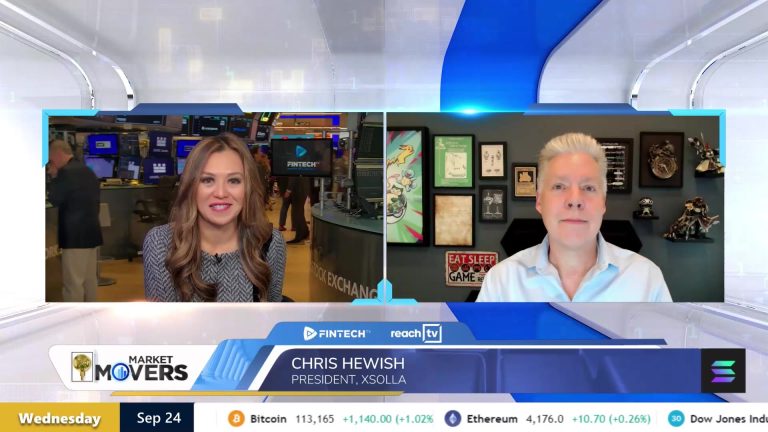
Chris Hewish, the president of Xsolla, joins Remy Blaire to provide valuable insights into the economic landscape of gaming and the impact of global tech regulations.

Remy and Chris begin by examining how regulations, such as the UK’s Online Safety Act and the European Union’s Digital Markets Act, are disrupting traditional game distribution and monetization strategies. Chris explains that these regulations, while challenging, also create significant opportunities for game developers. He highlights the shift towards alternative payment options, which allows developers to take greater control over their monetization strategies, resulting in increased profit margins and the ability to build direct relationships with players.

The conversation then shifts to the complexities of navigating diverse regulatory frameworks across different regions, particularly in countries like China, which imposes strict measures on game content and playtime for minors. Chris emphasizes that while compliance can increase costs and slow down game launches, it can also serve as a competitive advantage for studios that incorporate compliance into their design processes.

Remy and Chris delve into the implications of online safety laws on innovation and the necessity for real-time moderation in gaming. Chris discusses the role of AI moderation tools in creating safer online environments, which not only protect players but also enhance business outcomes for developers. He argues that companies should view safety as an opportunity rather than a mere regulatory hurdle, as it can lead to better player experiences and increased revenue.

As the segment progresses, Chris shares his thoughts on how the current regulatory landscape is fostering a more open and fair market for both consumers and developers. He highlights the potential for developers to establish direct relationships with players, gaining deeper insights into player behavior and preferences.

Navigating Market Trends: Insights on Tech Stocks and Economic Outlook

“Overall, the sentiment is that this market is strong, this economy is strong.” – 01:24

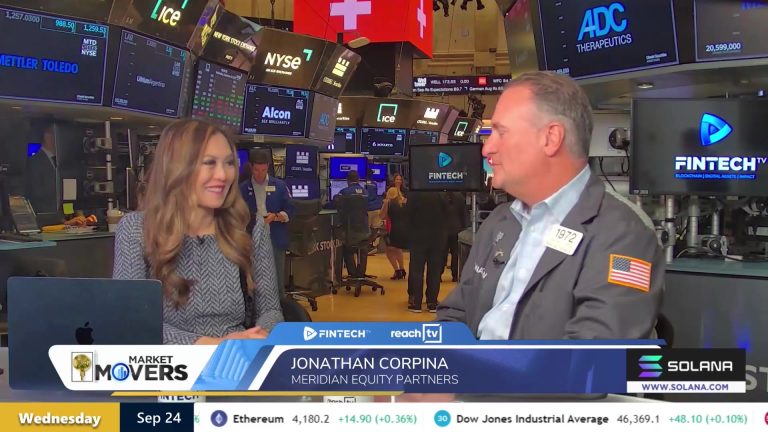
Jonathan Corpina of Meridian Equity Partners, joins Remy Blaire to discuss the current state of the stock market and economic conditions.

The segment opens with a recap of the recent pullback in tech stocks, which has affected the S&P 500 after three consecutive days of gains. Despite this dip, Jonathan highlights that many analysts remain optimistic about U.S. equities, even in the face of concerns regarding an AI bubble, high valuations, and investor exuberance. He notes that economic risks are mounting, particularly with the ongoing impacts of tariffs and the Federal Reserve’s shift towards easing, which introduces new uncertainties for investors.

As they examine stock futures, Jonathan points out that they are ticking higher, reflecting a resilient market sentiment. He explains that the market’s movements are currently driven by headlines as investors await significant data releases. With the end of the third quarter approaching, he anticipates a typical market run-up, driven by portfolio managers looking to enhance their quarterly statements. Historically, the fourth quarter has been profitable, and Jonathan expects this trend to continue, despite some potential volatility as interest rate discussions unfold.

Remy and Jonathan also discuss recent comments from Federal Reserve officials, including Jerome Powell and Myron, and how their insights will shape market expectations moving forward. Jonathan emphasizes the importance of sector performance, particularly in technology, where he notes that the anticipated rotation out of tech has not occurred. Instead, investment in tech continues to thrive, driven by companies eager to allocate their substantial cash reserves into infrastructure and personnel.

The conversation shifts to commodities, with a focus on the recent rise in gold prices. Jonathan identifies a disconnect in the market, where both equities and gold are trading higher simultaneously. He suggests that gold is evolving from a traditional safe haven to a core investment in portfolios.

As they delve into comparisons between the current AI enthusiasm and the tech bubble of the early 2000s, Jonathan acknowledges the similarities in investor euphoria and uncertainty about how these technologies will reshape industries. He cautions that while there is significant capital ready to be invested, it is essential to remain vigilant about potential market pressures.

In the closing mometns, Jonathan identifies key opportunities in the marketplace, highlighting real estate and financials as sectors to watch. He predicts that as interest rates decline, there will be increased transactional activity and M&A in the financial sector.

The Future of AI: Investment Strategies and Technological Innovations

“In the future, it’ll just be part of our lives. It’ll just be implemented into us, right?” – 05:21

Steven Orr, also known as Big Beat, the CEO and founder of Quasar Markets, Inc., joins Remy Blaire at the New York Stock Exchange to share his insights on the current state of AI and its integration into everyday life. Steven reflects on how discussions surrounding AI have transformed over the past three years, noting that it has become a central theme in technology and finance. He emphasizes the role of AI in the fintech space, explaining how it has revolutionized trading by making it more accessible and efficient for users.

The conversation shifts to the major players in the tech industry, including OpenAI, NVIDIA, and Intel. Steven articulates that these investments are not only about technological advancement but also encompass national security and data ownership. He points out that companies with vast amounts of data, such as Amazon and Facebook, are poised to lead the way in shaping the future of AI.

As they delve into the valuation of publicly traded companies in the AI sector, Steven predicts that many emerging companies will consolidate around the major players making substantial investments in AI. He also discusses the energy sector, highlighting how AI can optimize energy usage and improve safety in energy transmission, which is crucial for the future.

Looking ahead, Steven shares his vision for the future of AI, suggesting that it will become so seamlessly integrated into daily life that people may not even recognize when they are using it. He draws parallels to the early days of the internet, indicating that AI will soon be an inherent part of everyday routines. Additionally, he touches on the potential of quantum computing, with IBM emerging as a leader in this field.

Navigating the AI Landscape: Data Quality and Governance Challenges

“I hear CFOs out there saying, I am drowning in data but starving for insights.” – 00:02:40

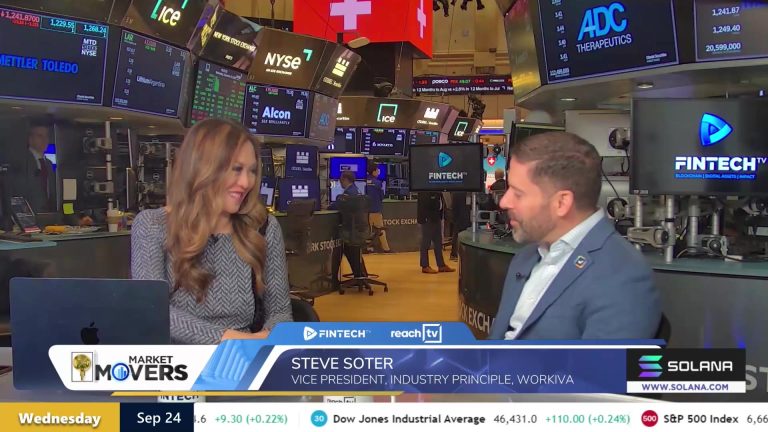
Steve Soter, Vice President of Industry Principle at Workiva, joins Remy Blaire to discuss the current state of artificial intelligence (AI) in organizations. The conversation is sparked by a recent survey revealing that nearly two-thirds of practitioners feel unprepared to effectively utilize AI due to a lack of high-quality data, security, governance policies, and role-specific training.

Remy highlights the survey’s findings, noting that while 74% of respondents use AI daily and 88% report increased value from AI compared to the previous year, the significant gaps in foundational elements signal potential challenges ahead. Steve elaborates on the pressures faced by CFOs in 2025, where the abundance of data comes with heightened expectations for rapid and reliable decision-making.

The discussion shifts to the implications for investors, as Remy asks Steve how they should interpret the current risks and opportunities in the market. Steve emphasizes the importance of narrative and confidence in corporate disclosures, suggesting that CFOs who effectively communicate their data-driven insights will gain the trust of investors. He also addresses the overwhelming volume of data available, stressing the need for CFOs to quickly extract actionable insights, particularly in response to changing tariffs and taxes.

As the conversation progresses, they explore the impact of AI on company valuations, especially in key sectors. Steve argues that role-specific AI can drive significant value, framing AI as a tool to enhance talent rather than replace it. He underscores the necessity of governance and security to build trust in the data used for decision-making.

Harnessing AI for Climate Resilience: The Future of Utility Infrastructure

“One of the things that AI can do, it can actually do storm damage assessments, which is something that we haven’t been very good at before.” – 06:11

Jeff Gitterman, CEO of Gitterman Asset Management, joins Remy Blaire to explore how utilities are adapting to the challenges posed by climate change and increasing energy demands.

The conversation begins with an overview of the significant rise in energy demand, which has escalated from a stable growth of 1-2% over the past few decades to predictions of 6-8% due to advancements in AI. Jeff explains that this surge necessitates a reevaluation of how utilities manage their infrastructure and prepare for extreme weather events. He highlights the innovative use of AI-driven tools that analyze real-time data from sensors, weather forecasts, and historical trends to identify vulnerabilities in the grid, particularly in the face of storms, heat waves, and wildfires.

Remy and Jeff delve into the regulatory challenges that utilities face while implementing resilience strategies. Jeff discusses the deployment of drones to assess vegetation risks that could lead to fires, allowing utilities to respond more quickly and effectively. He also notes the shift from traditional two-week weather forecasting to advanced seven-month predictive capabilities, which enable utilities to proactively manage energy supply and avoid outages during peak demand periods.

As they consider the scaling of resilience plans, Jeff emphasizes the need for interconnectedness among state-operated grids. He points out that many grids operate in silos, complicating cross-state support during crises. By anticipating potential grid failures months in advance, utilities can coordinate energy resources more effectively, including the deployment of battery storage to meet future demands.

The discussion also touches on the financial aspects of these investments, with Jeff noting that blue states like Massachusetts, New Jersey, and New York are leading the way in funding resilience initiatives. In contrast, red states are lagging behind, despite Texas’s significant advancements in renewable energy. Jeff underscores the importance of making strategic decisions about energy allocation, especially as demand increases from both residential needs and commercial entities like data centers.

Unlocking Value: Sharps Technology’s $400 Million Solana Treasury Strategy

“Bitcoin is digital gold, Ethereum is digital oil, and Solana is digital silicon.” – 03:21

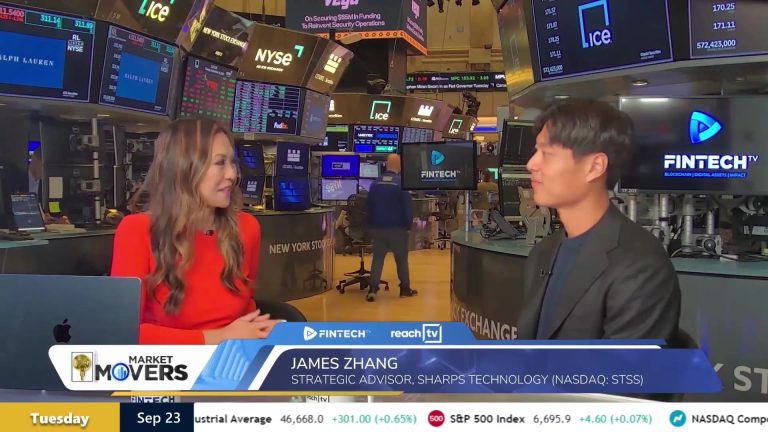
James Zhang, Strategic Advisor at Sharps Technology (Nasdaq: $STSS), joins Remy Blaire at the New York Stock Exchange to discuss the company’s innovative approach to building a digital asset treasury strategy centered around Solana. Sharps Technology recently closed a significant $400 million private placement, with plans to accumulate Solana tokens and generate reliable on-chain yields by tapping directly into the Solana ecosystem.

James provided valuable insights into the benefits of digital asset treasuries (DATS) compared to traditional investment vehicles like ETFs. He explained how Sharps Technology has fully deployed its capital into Solana, currently holding over two million SOL tokens. James emphasized that digital asset treasuries offer unique financial tools that can enhance shareholder value, such as the ability to generate Solana per share and manage stock volatility through strategic buying and selling.

The pair also delved into the recent influx of DATS for single assets, highlighting how they signify strong open market buying pressure. James noted that Sharps Technology’s entry into the market coincided with a significant increase in Solana’s price, driven by over a billion dollars in buying pressure from DATS. He drew parallels between Solana and other major cryptocurrencies, likening Bitcoin to digital gold, Ethereum to digital oil, and Solana to digital silicon—an essential building block for the future of the internet.

The conversation then shifted to ecosystem partnerships, particularly with Bonk, a major player in the Solana ecosystem. James explained how this partnership enhances yield for shareholders and increases liquidity for Bonk. They also discussed the collaboration with Pudgy Penguins, a community that has successfully transcended the crypto space into mainstream media, allowing Sharps Technology to reach a broader audience.

James shared his bullish outlook on Solana, citing impressive metrics such as Solana’s revenue outpacing Ethereum’s and its rapid growth in market capitalization. He provided a historical context for price movements in the crypto space, drawing comparisons between Solana’s trajectory and that of Ethereum in previous cycles.

Lastly, they touched on Sharps Technology’s global strategy, with plans for a roadshow across Asia to educate family offices and institutions about digital asset treasuries. James highlighted the importance of bridging the information gap in the region to attract more capital into the digital asset space.

The Evolution of Litecoin: Faster Transactions and Enhanced Privacy Features

“It’s battle-tested, really demonstrated use case of payments.” – 04:10

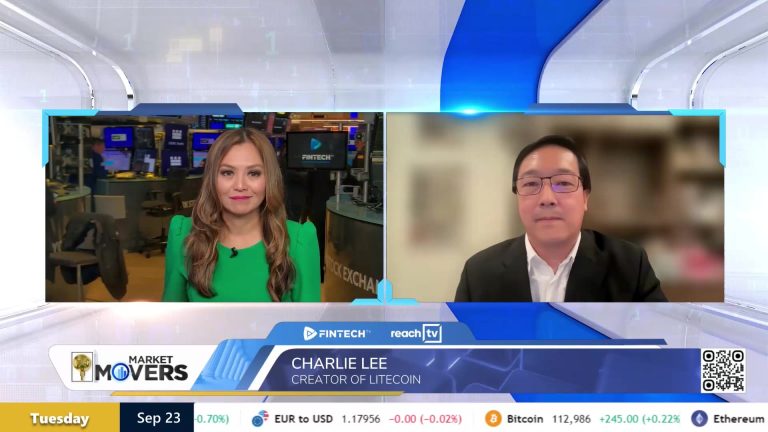
Charlie Lee, Creator of Litecoin, joins Remy Blaire to discuss Litecoin, a digital currency designed to be a faster and cheaper alternative to Bitcoin, while also incorporating optional privacy features.

Remy invites Charlie to share the foundational principles of Litecoin, where he likens money to a battery. Charlie explains that Litecoin was created primarily for payments, emphasizing its low transaction costs—less than a penny per transaction—and its goal to serve as sound money for the people, similar to gold and silver.

As the discussion progresses, Remy notes that Litecoin is approaching its 14th anniversary and asks Charlie about the plans for Litecoin funds. Charlie reveals the rebranding of MEI Pharma to LiteStrategy, which aims to hold over $100 million worth of Litecoin. He outlines the strategy to accumulate more Litecoin and explore mining opportunities as part of this initiative.

Remy then addresses the criticisms surrounding Litecoin, particularly regarding its innovation and competition in the crypto space. Charlie responds by discussing the recent addition of a privacy layer called MWeb, which enhances the fungibility and privacy of transactions. He emphasizes the importance of allowing users to maintain control over their wealth without exposing their financial information on the public blockchain.

The conversation shifts to Litecoin’s identity as the “people’s currency” and its adoption by public companies implementing crypto treasury strategies. Charlie underscores Litecoin’s fair launch, its battle-tested nature, and its proven use case in payments, noting that it has consistently been a top choice for transactions on platforms like BitPay.