[stock-market-ticker symbols=" ^NYA;CRYPTO:BTC;CRYPTO:ETH;CRYPTO:USDT;CRYPTO:USDC;CRYPTO:BNB;CRYPTO:ADA;CRYPTO:XRP;CRYPTO:SOL;CRYPTO:DOGE " stockExchange="NYSENASDAQ" width="100%" transparentbackground=1 palette="financial-light"]

Home Blog Page 72

Exploring investment opportunities: Insights from the CEO of the Mexican Stock Exchange

0

Jorge Alegria, the CEO of the Mexican Stock Exchange (Bolsa Mexicana de Valores, or BMV), joins Remy Blaire at the New York Stock Exchange to discuss the current state of the Mexican economy, which has shown resilience with steady growth, a stable exchange rate, and decreasing interest rates. Jorge highlights that the Mexican stock market has seen significant gains, with the main index increasing over 20% in peso terms and 30% in dollar terms, attracting international investors looking for diversification.

They explore the structure of Mexico’s financial markets, including the BMV’s operations in cash and derivatives trading, as well as their partnerships with major global exchanges like NASDAQ and CME Group. Jorge emphasizes the importance of innovation and technology in the exchange’s evolution, noting their early adoption of electronic trading and the introduction of co-location services for international players.

Additionally, they touched on the impact of U.S. policies on Mexico’s markets, with Jorge expressing confidence in Mexico’s strong position for global trading. He also shares insights on the exchange’s efforts to enhance global visibility and attract foreign investment, particularly in light of upcoming offerings.

easyGroup enters the crypto space with the easyBitcoin app: A conversation with Uphold’s Nancy Beaton

0

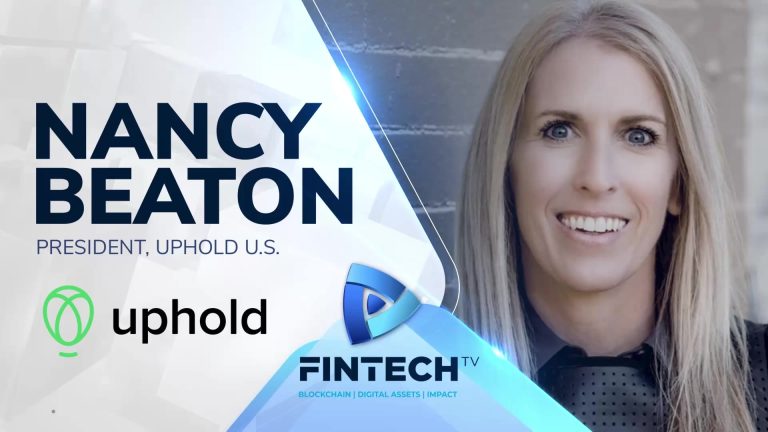
Remy Blaire is joined by Nancy Beaton, the President of Uphold U.S. to talk about the exciting launch of the easyBitcoin app by easyGroup. This partnership with Uphold, a platform that has facilitated over $63 billion in transactions since its inception in 2014, marks a significant step for easyGroup as they venture into the digital currency space.

Nancy explains that easyGroup is committed to making crypto trading simple and accessible, aligning with their brand’s values of innovation and inclusivity. The easyBitcoin app is designed for beginners, allowing users to easily download, verify their identity, and start buying bitcoin with as little as $10. The app also incentivizes users with bitcoin bonuses for setting up recurring purchases.

They also discuss the current demand for bitcoin, noting that while many people trust it as a long-term investment, a significant portion still finds it complex. Nancy emphasizes that the app aims to demystify the process and encourage more people to participate in the crypto market.

While the initial focus is on Bitcoin, Nancy highlights its proven track record as a savings technology, suggesting that it should be a part of everyone’s financial portfolio.

Economic Resilience: Analyzing Strong GDP Growth and Consumer Spending

“By and large, the domestic economy is continuing to hold up honestly, far better than people were thinking a few months ago.” – 01:19

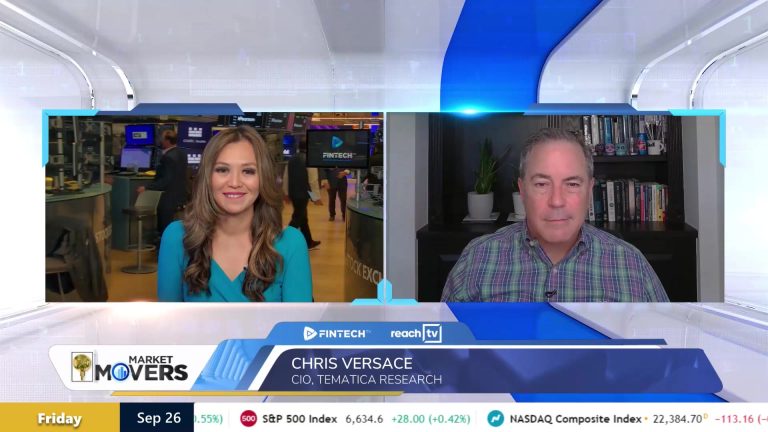
Chris Versace, CIO of Tematica Research, joins Remy Blaire to discuss the latest economic data and its impact on the U.S. stock market. The segment opens with a positive overview of the major U.S. stock averages, highlighting that the Dow Jones Industrial Average is up by 0.5%, while the Nasdaq and S&P 500 have also seen slight gains. Remy notes the recent slide in U.S. equities earlier in the week but emphasizes the stronger-than-expected second quarter GDP growth of 3.8%. She also mentions a decline in weekly jobless claims, indicating fewer Americans are filing for unemployment, and a rebound in monthly durable goods orders, primarily driven by a significant increase in aircraft orders.

Chris shares his perspective on the current state of the economy, suggesting that it is performing better than many had anticipated just a few months ago. He acknowledges some uncertainty in the employment picture but asserts that consumer spending and business investments are on solid ground, indicating a potentially stable economic environment.

The conversation shifts to the Federal Reserve’s recent communications, particularly the possibility of two more rate cuts before the end of the year. Chris explains how this development could positively influence market sentiment, especially in light of the latest core PCE price index data, which shows inflation is stabilizing. He suggests that the worst of tariff-related inflation may be behind us, further supporting a favorable outlook for the economy.

As they delve into the stock market, Remy and Chris discuss the recent performance of major U.S. stock averages, particularly the volatility experienced by big tech stocks. Chris addresses concerns about investment dynamics among tech companies but reassures listeners that the long-term outlook for AI and data center demand remains strong. He points out that earnings expectations for the latter half of 2025 and into 2026 are beginning to rise, which could bode well for market performance in the coming months.

Market Reactions: Analyzing PCE Inflation and GDP Figures

“Never bet against the U.S. consumer, because they continue to spend.” – 01:37

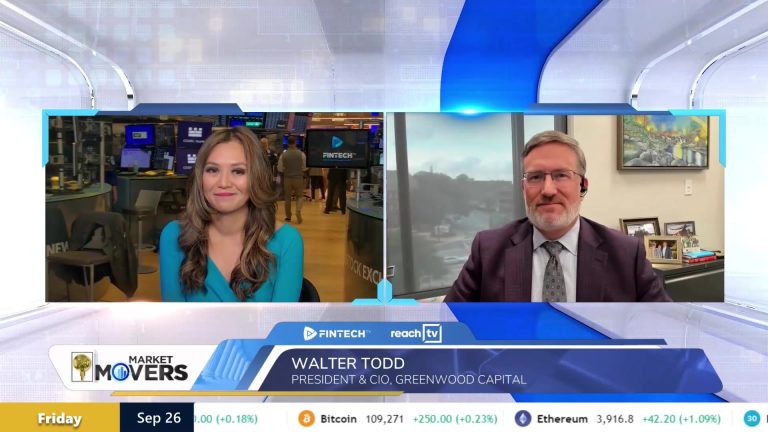
Walter Todd, President and CIO of Greenwood Capital, joins Remy Blaire to discuss U.S. stock futures, which are poised for a higher open as they aim to break a three-day losing streak. This optimism follows the release of the latest PCE inflation figures, which align with economists’ expectations.

Remy prompts Walter to share his insights on the implications of the recent PCE report and GDP growth of 3.8% in the second quarter. Walter explains that while the stronger economic data has been interpreted negatively by the market—decreasing the likelihood of the Federal Reserve cutting interest rates—the American consumer continues to show resilience in spending. He highlights the dual risks that Fed Chair Jerome Powell has mentioned: persistent inflation and a slowing labor market.

The conversation shifts to the topic of stock valuations, with Walter drawing a parallel to Alan Greenspan’s famous “irrational exuberance” remark from 1996. He notes that despite significant gains in the market since April, there are several risks on the horizon, including a potential government shutdown and geopolitical tensions. Walter expresses concern that the market appears to be priced for perfection, suggesting that a pullback could be imminent.

Crypto Tax Clarity: What the Senate Hearing Means for Bitcoin and Ethereum Users

“At the moment most people are pretty hesitant to spend crypto like they would their dollars knowing that it’s going to be pretty complicated when tax season comes around.” – 02:12

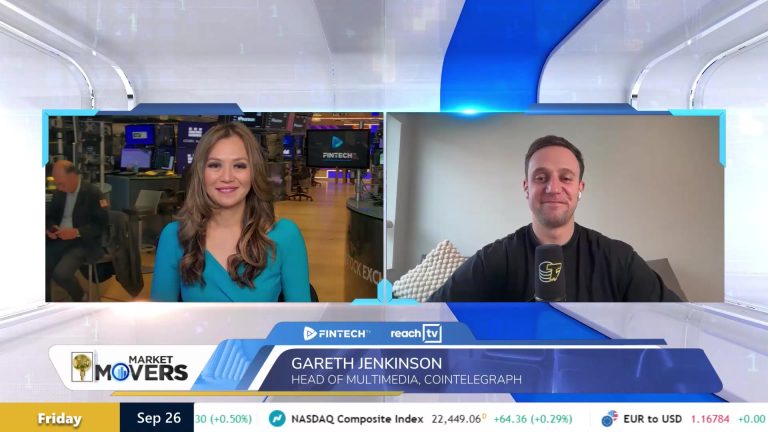
Gareth Jenkinson, Head of Multimedia at Cointelegraph, joins Remy Blaire to discuss the latest developments in the cryptocurrency market.

The segment opens with Remy providing an overview of the current market conditions, noting that Bitcoin is trading below $110,000 and Ethereum (ETH) is just under the $4,000 mark. She highlights an important upcoming event: the Senate Finance Committee’s hearing on crypto taxation scheduled for next Wednesday. Remy asks Gareth what the industry is specifically looking for from this hearing. Gareth explains that the primary concern is gaining clarity on how cryptocurrencies will be taxed in the United States. He elaborates on the similarities between cryptocurrency taxation and that of stocks and shares, emphasizing the need for legislation regarding de minimis tax payments. This legislation would allow users to make small purchases with cryptocurrencies—such as buying a cup of coffee—without incurring capital gains tax, which could encourage broader adoption of digital currencies.

The conversation then shifts to Tether, a significant player in the stablecoin market. Remy inquires about Tether’s recent fundraising efforts, and Gareth shares insights from Tether’s CEO, who has stated that the company is not pursuing an IPO but is instead looking to raise between $15 and $20 billion from private investors. This fundraising round could value Tether at an astonishing $500 billion, placing it in the same league as major companies like ChatGPT and SpaceX, despite having fewer than 100 employees. Gareth explains that Tether’s business model, which involves holding reserves in U.S. Treasury bills, has proven to be highly profitable, generating approximately $5 billion in interest quarterly. He expresses surprise that Tether is not seeking to raise even more capital, given the immense interest from investors.

Bitcoin vs. Gold: Is Bitcoin the 21st Century’s Digital Gold?

“Bitcoin is essentially gold, but more easily transportable, harder to seize, more easily divisible.” – 01:01

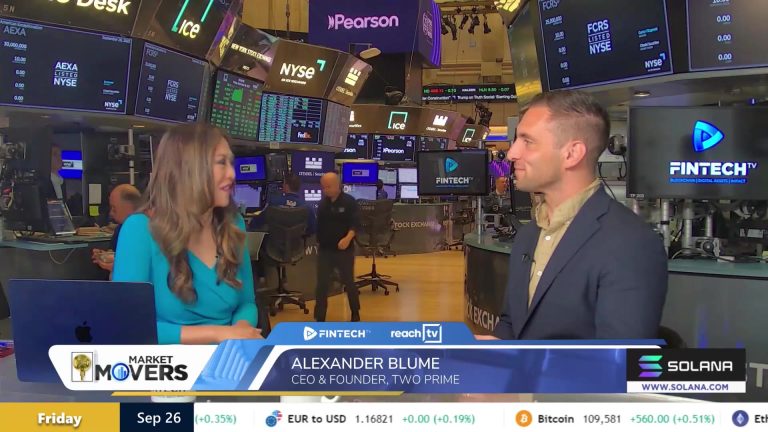
Alexander Blume, CEO & Founder of Two Prime, joins Remy Blaire at the New York Stock Exchange to discuss the current landscape of Bitcoin and gold. 

The segment opens with a focus on Bitcoin’s recent price struggles, marking its lowest point since the beginning of October, attributed to a combination of stop losses and concerns over a stronger dollar. In stark contrast, physical gold is experiencing a remarkable surge, recently hitting a record high above $3,800, driven by hopes for future rate cuts.

As they delve deeper into the performance metrics, Remy highlights that year-to-date, Bitcoin is up approximately 17%, while gold has soared over 40%. Alexander makes a compelling argument for Bitcoin as the “21st century gold,” emphasizing its advantages such as transportability, divisibility, and security, which he believes make it a superior asset in the digital age.

The conversation shifts to the macroeconomic factors influencing digital assets as they approach the final quarter of 2025. Alexander notes that Bitcoin currently lacks a strong narrative or major catalysts, but he expresses optimism for a robust Q4, citing loosening monetary policy and the potential for Bitcoin to be added to the S&P 500 as significant factors that could drive investment.

Remy and Alexander also discuss portfolio allocation strategies, with Alexander advocating for Bitcoin as a stable investment option. He reflects on Bitcoin’s historical performance, asserting that it has never been lower four years later and highlighting the improving regulatory environment that supports its growth.

Market Movements: Analyzing Economic Data and Fed Rate Cuts

“We’re coming to the end of the third quarter. We do know that we’re in the beginning of a rate-cutting cycle.” – 00:02:10

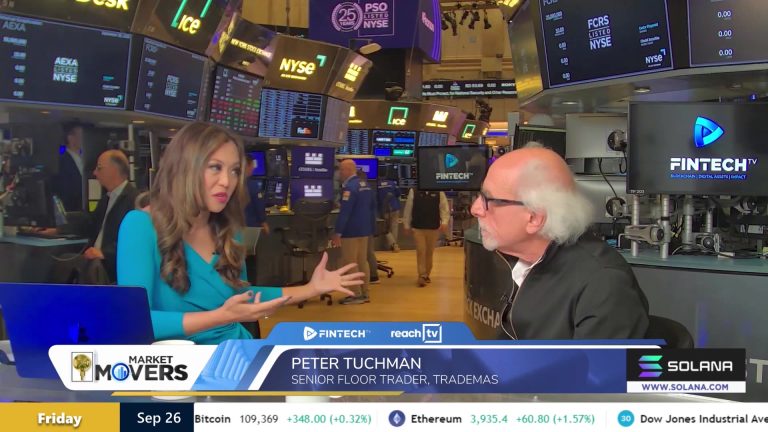
Peter Tuchman, Senior Floor Trader at Trademas, joins Remy Blaire at the New York Stock Exchange to share his insights on the complexities of the economic landscape and its implications for market behavior.

Remy begins by highlighting the recent record-breaking rally in the markets, noting that while there has been a pullback, major stock averages are showing signs of strength ahead of the market open. She points out that optimism regarding potential Federal Reserve rate cuts is beginning to wane, as divisions among policymakers cast doubt on the timing and likelihood of these cuts occurring this year and next.

Peter elaborates on the mixed economic data that has emerged, including better-than-expected GDP growth for the second and third quarters, as well as the PCE index coming in as anticipated. He emphasizes the multitude of factors influencing the market, such as new tariffs and developments related to TikTok, which complicate the overall market response. Despite some recent soft economic indicators, Peter notes that there are positive signs, including the core PCE aligning with expectations and GDP showing an upward trend.

As they analyze market behavior, Peter discusses the significance of shallow pullbacks and intraday reversals, particularly within the tech sector. He observes that many investors are actively repositioning their portfolios, especially those who missed out on earlier gains. The small-cap Russell index recently hit a record high, driven largely by AI-related stocks, before experiencing a slight pullback.

Revolutionizing Finance: Payhawk’s New AI Agents Transform CFO Operations

“The financial controller agent is intended to speed up the month-end closing process by automatically chasing receipts.” – 01:40

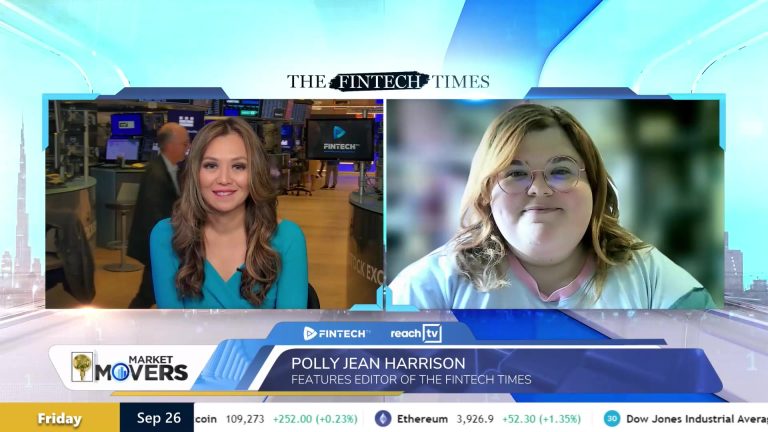
Polly Jean Harrison, Features Editor of the Fintech Times, joins Remy Blaire to discuss the latest headlines from Europe and the Middle East. The episode begins with an exciting announcement from Payhawk, which is rolling out its Fall 25 product edition. This new edition enhances its AI office of the CFO suite by introducing four integrated AI agents designed to streamline everyday finance tasks.

Polly explains how these AI agents assist employees in making requests using natural language, guiding them through processes while adhering to established company policies. This innovation aims to reduce manual effort and free up time for staff, ultimately making businesses operate more efficiently. Each AI agent has specific functionalities: the financial controller agent accelerates the month-end closing process by automating tasks such as chasing receipts and flagging anomalies; the procurement agent simplifies purchasing by gathering context and applying budget rules; the travel agent ensures bookings comply with company policies; and the payments agent serves as an automated help desk for transaction-related inquiries. Polly emphasizes the potential of these AI agents to transform workflows and enhance productivity within organizations.

The conversation then shifts to BitGo’s recent achievement in obtaining an extension of its license from Germany, allowing the company to expand its services to include regulated crypto trading for European institutional investors. Polly details how this extension enables access to BitGo’s over-the-counter trading desk and electronic trading platform, providing aggregated access to various liquidity sources. This development marks a significant step forward for BitGo, as it now offers a comprehensive suite of regulated crypto services, including custody, staking, transfer, and trading, all while ensuring that assets remain secure in cold storage.

Bridging the Gap: Understanding DeFi in a Distrustful Financial Landscape

“Nearly 75% of Americans are worried about cyber threats and are worried about things like AI.” – 04:07

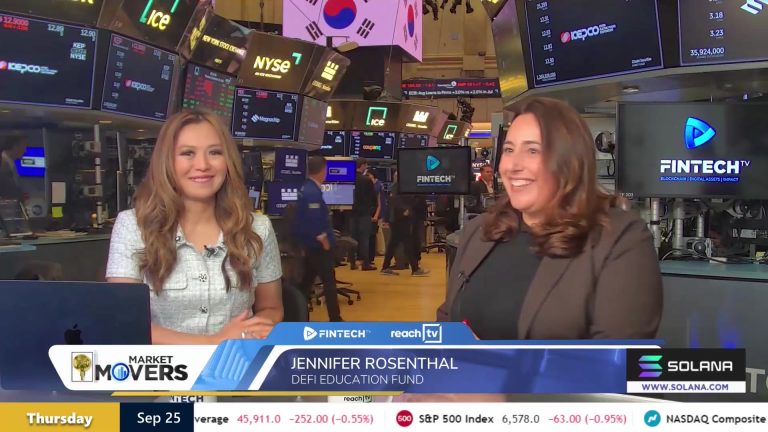
Jenn Rosenthal, the Chief Communications Officer at the DeFi Education Fund, joins Remy Blaire at the New York Stock Exchange to discuss the growing discontent among Americans regarding the traditional financial system. Less than half of the respondents feel that the U.S. financial system meets their economic needs, and only 25% believe that traditional finance (TradFi) is designed to benefit ordinary people. This dissatisfaction opens the door for decentralized finance (DeFi) to potentially gain traction among the public.

Jenn provides valuable insights into the study’s key takeaways, emphasizing that Americans are increasingly frustrated with traditional finance and are eager to take control of their own assets and data. The study reveals that while 18% of Americans have owned or used cryptocurrency, only 3% understand DeFi, indicating a significant gap in knowledge that the DeFi Education Fund aims to bridge through education and informed dialogue.

The pair explore demographic trends, noting that millennials are particularly engaged with crypto, with one in four having owned or used it. In contrast, older generations exhibit more reluctance towards this sector. Despite this, a notable 22% of Americans express interest in learning about decentralized finance, reflecting a desire for alternative financial solutions amidst declining trust in traditional institutions.

Jenn highlights the importance of blockchain technology and DeFi innovations, which empower individuals with self-ownership of their assets, allowing them to transact without intermediaries. This aspect is particularly appealing to those concerned about cyber threats and the security of their financial data.

Modernizing Capital Markets: The CFTC’s New Initiative on Tokenized Collateral

“Today’s generation of regulated stablecoins already bring millions of end-users, they’re open, they’re composable, they’re programmable.” – 04:21

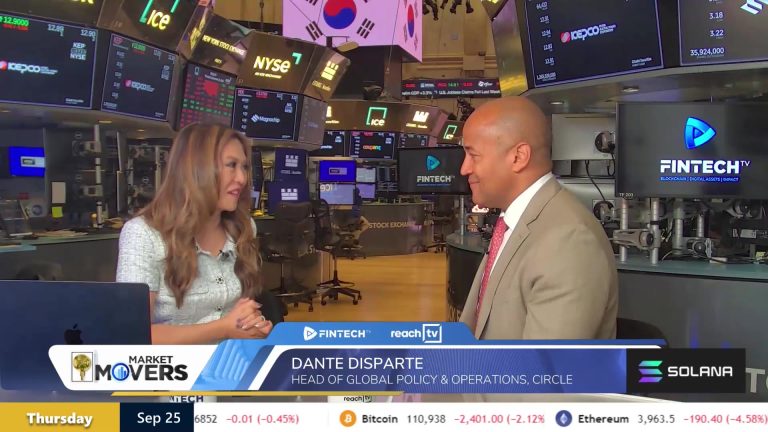
Dante Desparte, the Chief Strategy Officer and Head of Global Policy and Operations at Circle, joins Remy Blaire at the New York Stock Exchange to discuss the recent initiative launched by the Commodity Futures Trading Commission (CFTC) to allow tokenized collateral, including stablecoins, in derivatives markets. Acting Chair Carolyn Pham’s announcement marks a significant step in modernizing capital markets and providing clear guidance for crypto firms, aligning with the implementation of the Genius Act, the first crypto-specific legislation passed by Congress to regulate stablecoins.

Remy and Dante explore the implications of the CFTC’s initiative for derivatives markets, emphasizing the transformative potential of stablecoins beyond their traditional roles in payments and banking. Dante describes this initiative as a “transatlantic echo,” highlighting the recent collaboration between the U.S. and the U.K. to modernize markets and create harmonization across the Atlantic.

As the conversation shifts to the regulatory landscape in the U.S., Dante discusses the ongoing rulemaking process following the passage of the Genius Act. He notes that the Treasury Department is actively conducting consultations on financial crime compliance and the translation of the law into regulatory frameworks. This process is crucial for ensuring that stablecoin issuers operate on a level playing field with traditional financial institutions.

Remy raises the topic of institutional interest in stablecoins and the competitive landscape for the future of payments. Dante expresses skepticism about the viability of branded stablecoins, citing regulatory challenges and the advantages of existing regulated stablecoins that already serve millions of users. He likens the infrastructure supporting stablecoins to financial services shareware, allowing broader market participation without requiring companies to become stablecoin issuers themselves.

The discussion also touches on Circle’s recent expansion and the enthusiasm for regulatory harmonization in global markets. Dante emphasizes the importance of the U.S. taking a leadership role in regulating this novel market and the potential for international collaboration, particularly with countries like South Korea.

As the segment concludes, Remy and Dante reflect on the broader economic landscape and the optimism surrounding the future. Dante shares his excitement for the upcoming year, noting a shift in tone among global leaders and the potential for peace and progress in 2026.