[stock-market-ticker symbols=" ^NYA;CRYPTO:BTC;CRYPTO:ETH;CRYPTO:USDT;CRYPTO:USDC;CRYPTO:BNB;CRYPTO:ADA;CRYPTO:XRP;CRYPTO:SOL;CRYPTO:DOGE " stockExchange="NYSENASDAQ" width="100%" transparentbackground=1 palette="financial-light"]

Home Blog Page 75

Transforming Student Loans: How YELO Funding is Redefining Education Financing

0

In this segment, Remy Blaire, delves into the pressing issue of debt in America, highlighting the staggering national debt of over $37 trillion and the significant burden of individual debt, particularly in the realms of credit cards and student loans. With U.S. credit card debt reaching $1.21 trillion and student loan debt climbing to $1.81 trillion, the financial landscape for many Americans is increasingly challenging.

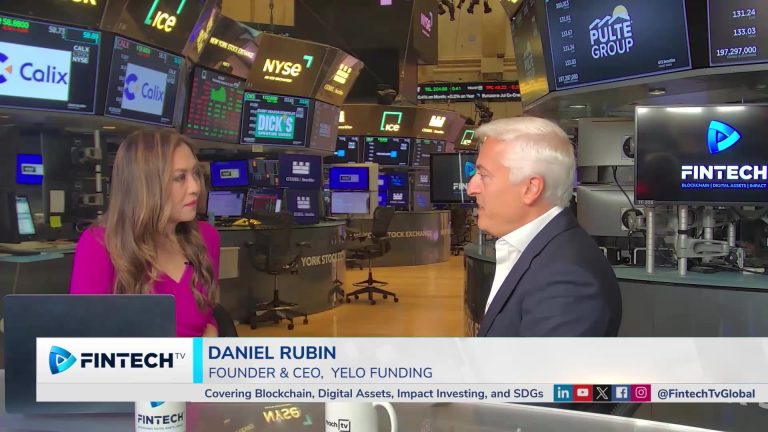
To address this, Remy Blaire welcomes Daniel Rubin, the Founder & CEO of YELO Funding, a fintech company that has been recognized as the Student Funding Company of the Year in 2025. Daniel shares insights into how YELO Funding is revolutionizing the student loan repayment process by offering a unique financing model. Unlike traditional loans, YELO Funding provides gap financing to college students after they have exhausted federal loans, scholarships, and grants. Their approach ties loan repayments to a percentage of a student’s future income, making payments more flexible and affordable.

Daniel explains that the current education financing system has created an unsustainable bubble, with tuition costs rising over 1,300% in the past 45 years. He emphasizes the disconnect between the cost of education and the expected income for graduates, which has led to a significant number of students defaulting on their loans. YELO Funding aims to break this cycle by assessing the return on investment (ROI) of various degree programs and financing students based on the potential value of their education rather than their socioeconomic background.

The pair discuss the implications of recent legislative changes in student financing, including caps on federal loans, which are expected to shift a substantial market share to private lenders. Daniel highlights how YELO Funding is well-positioned to take advantage of these changes by offering outcome-based financing that prioritizes the financial well-being of students.
Expanding horizons: Indrive’s plans for growth in the Saudi Market

0

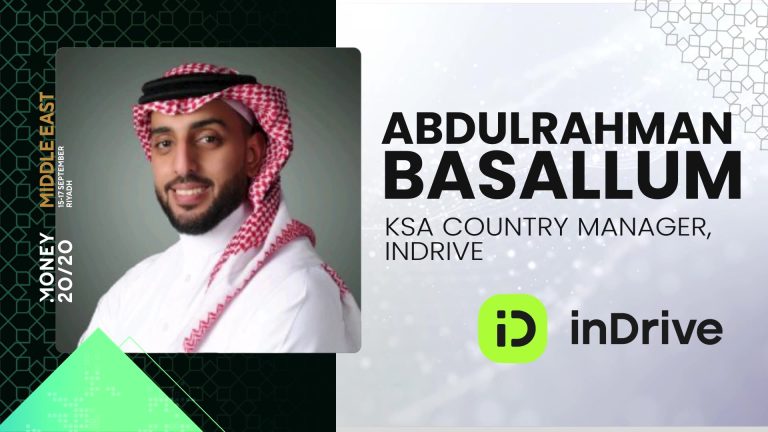
In this episode, we dive into the innovative world of Indrive, a global ride-hailing company that has recently launched in Saudi Arabia.

Join us as Patricia Wu chats with Abdulrahman Basallum, the Country Manager for Saudi Arabia, who shares insights about Indrive’s unique peer-to-peer service model. Discover how customers can negotiate prices and choose their drivers, making the ride-hailing experience more personalized and engaging.

We also discuss Indrive’s commitment to cashless payments, their impact on the local economy through job creation, and their plans for future expansion into other Saudi cities. Abdulrahman highlights the company’s focus on social responsibility and collaboration with government entities for non-profit initiatives.

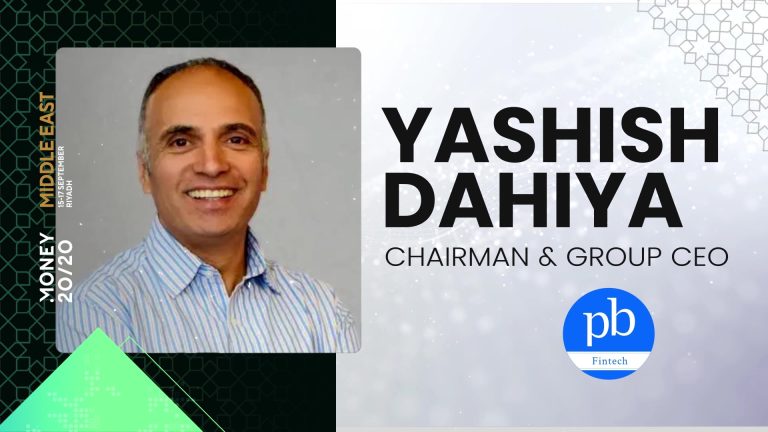
Navigating growth: Yashish Dahiya on expanding PB Fintech in the MENA region

0

Yashish Dahiya, the Chairman and Group CEO of PB Fintech joins Patricia Wu at the Money 20/20 Middle East event at the Riyadh Exhibition and Convention Center to share insights on expanding into the Middle East and MENA region.

Discover the unique challenges and opportunities that come with operating in a diverse market, the importance of building relationships, and how historical ties between India and the Middle East play a crucial role in business. Yashish also discusses the demographic advantages of the region and the evolving landscape of consumer expectations.

We dive deep into the impact of technology, particularly AI, on the insurance industry and how it can enhance decision-making and operational efficiency. Yashish emphasizes the importance of decentralization in adopting AI and the need for organizations to adapt to this rapidly changing environment.

Navigating the Saudi Fintech landscape: Insights from Tarabut’s CEO Abdulla Almoayed

0

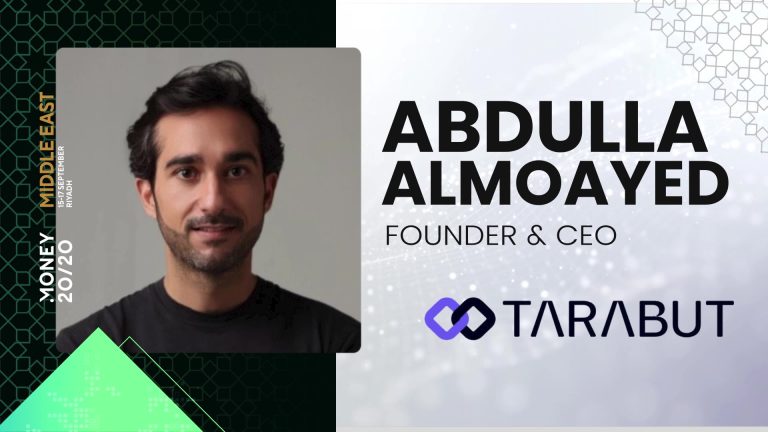
Join Scarlett Sieber as she interviews Abdulla Almoayed, the founder & CEO of Tarabut, from the Money 20/20 Middle East event in Riyadh, Saudi Arabia. In this episode, Abdulla shares insights into the thriving fintech landscape in Saudi Arabia, highlighting the unique opportunities presented by advanced regulations and digital infrastructure.

Discover how the Saudi market stands out with its fully banked population, digital identities, and the government’s commitment to financial inclusion and literacy. Abdulla discusses the importance of trust and resilience in the fintech sector and explains the innovative processes that make lending and financial services efficient in the region.

Learn about Tarabut’s journey through various regulatory environments, including Bahrain, the U.A.E., and Saudi Arabia, and what it takes to succeed in this dynamic market.

Unlocking Opportunities: Insights from Lu Zhou on wealth management in the Middle East

0

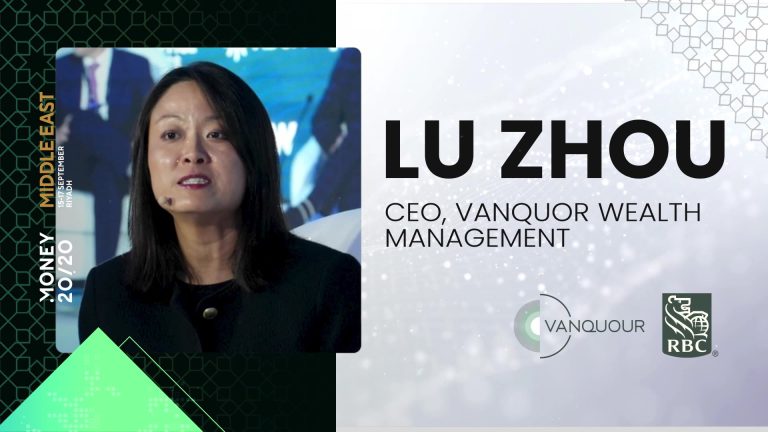
Patricia Wu is joined by Lu Zhou, the CEO of Vanquour Wealth Management at the inaugural Money 20/20 Middle East event at the Riyadh Exhibition and Convention Center to share her insights on the exciting developments in the region.

Lu highlights the robust economic policies in Saudi Arabia that support business growth and foreign investment. She emphasizes the importance of diversifying investment portfolios and points out the compelling sectors to watch, particularly infrastructure and renewable energy, which align with Saudi Arabia’s Vision 2030.

They also discuss the unprecedented transfer of wealth expected in the coming decades, with a significant portion passing to women. Lu stresses the importance of planning and education for female investors, noting that understanding their unique perspectives on investment is crucial.

Lu shares her optimistic outlook on the GCC region’s growth and its potential impact on the global economy. She encourages investors to pay close attention to the opportunities emerging from Saudi Arabia, especially with the anticipated IPOs of local companies.

Unlocking the Future of Finance: How Data and AI are Transforming Customer Experiences at Standard Chartered Bank

0

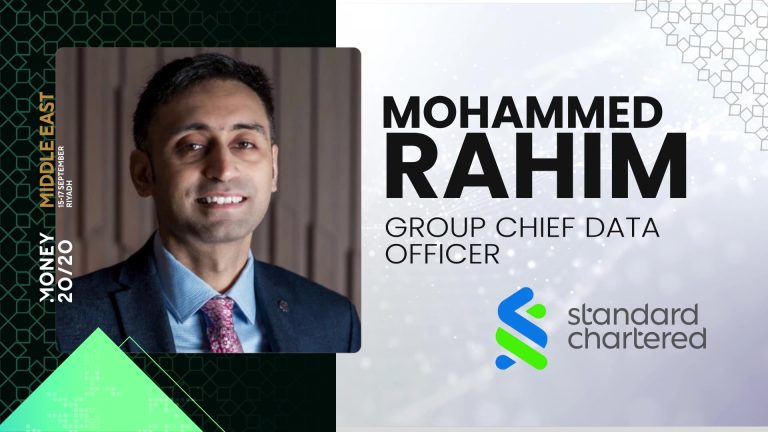
Host Patricia Wu sits down with Mohammed Rahim, the Group Chief Data Officer for Standard Chartered Bank, to explore the transformative power of data and AI in the financial sector. Discover how Standard Chartered is leveraging data storytelling to enhance customer experiences and drive industry insights.

Mohammed shares his perspective on the importance of context in data usage, emphasizing that data is only valuable when it tells a compelling story. He discusses the need for financial institutions to understand customer behaviors and the broader implications of spending patterns on the economy. As AI continues to evolve, he highlights the significance of human intelligence and the necessity for individuals to develop multi-domain skills to effectively interact with AI technologies.

The conversation also delves into the risks associated with AI adoption in financial services. Mohamed stresses the importance of education and awareness around AI risks, advocating for a cautious approach to innovation. As we look to the future, he predicts a shift in how customers will interact with their banks, moving towards more personalized and efficient AI-driven experiences.

China stablecoin, Internet economy, Flora Growth, Fourth turning

0

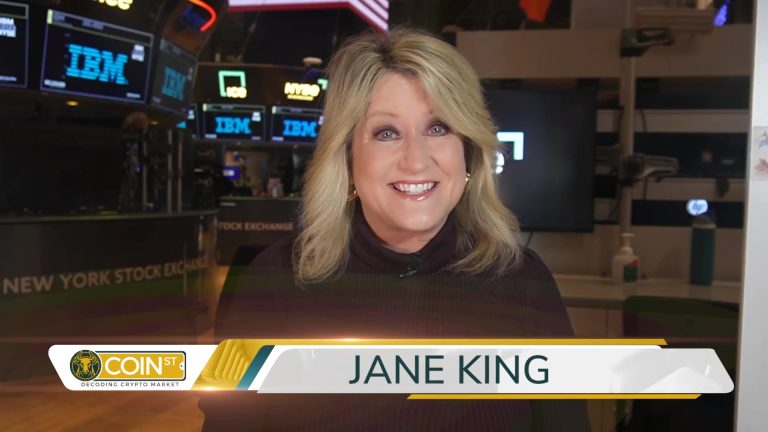
In this episode of Coin Street headlines, we dive into the latest developments in the world of cryptocurrency and the evolving financial landscape. Highlights include: The launch of the first regulated stablecoin tied to the international version of the Chinese yuan, marking a significant step in the global stablecoin race. Insights from Balaji Srinivasan, former Coinbase executive, on the transition from a traditional economy to an internet-first economy dominated by tech and digital platforms. Flora Growth’s ambitious $401 million Treasury initiative to support Zero Gravity, a blockchain project aimed at decentralized AI infrastructure. Market analyst Jordi Visser’s perspective on bitcoin’s potential for growth and adoption amidst a looming financial reset, as discussed in the context of the “fourth turning” theory. Jane King with the latest from the NYSE.

Transforming Private Markets: Zest Equity’s Innovative Digital Infrastructure

0

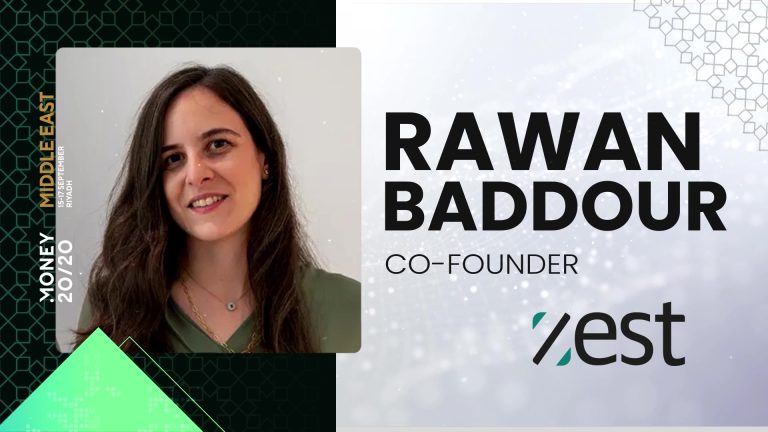
In this episode, host Scarlett Siebert is live from Money20/20 Middle East, where she sits down with Rowan Badur, the co-founder of Zest Equity. Zest Equity is revolutionizing the private market transaction landscape, particularly in emerging markets, by providing an end-to-end digital infrastructure that streamlines communication, governance, and workflow. With a focus on reducing friction in transaction processes, Zest aims to enhance efficiency and scalability for its clients.

Rowan shares insights into how Zest Equity has digitized over 175 million people across more than 150 transactions. He highlights the importance of back-end automation, particularly in compliance onboarding and KYC processes, which leverage AI to expedite and improve the onboarding experience. Additionally, Rowan discusses the robust data structure that Zest has built, allowing for complete traceability and auditability of every transaction on the platform. This innovative approach not only enhances operational efficiency but also positions Zest Equity to adapt as technology evolves.

As the conversation unfolds, Rowan emphasizes the balance Zest Equity strikes between flexibility and standardization in transaction flows. This unique combination allows clients to customize their experience while benefiting from a streamlined, automated process.

KULR Technology Group: Pioneering a Bitcoin-First Business Model

“We are a Bitcoin-first treasury company that builds a portfolio of frontier technologies ranging from high-performance energy system to AI robotics.” – 00:01:50

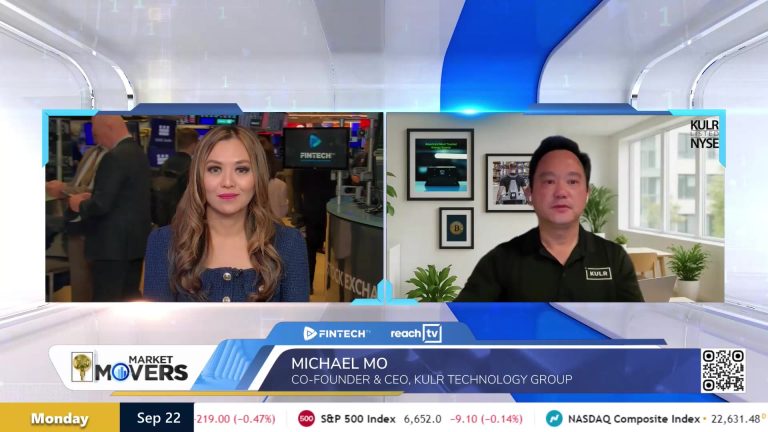
Michael Mo, Co-Founder & CEO of KULR Technology Group, joins Remy Blaire to discuss the company’s significant shift towards a Bitcoin-first business model. Since late 2024, KULR has committed up to 90% of its surplus cash to Bitcoin, successfully building a treasury that now holds over 1,000 Bitcoins. This strategic decision has not only strengthened the company’s financial position, boasting over $140 million in debt-free capital, but has also provided the flexibility to invest in frontier technologies, including artificial intelligence, robotics, and high-performance energy systems.

Remy and Michael explore KULR’s main business focus, which encompasses a diverse portfolio of innovative products. Michael highlights the KULROne energy storage system, designed for applications in the space industry, the Department of Defense, and various industrial sectors. He emphasizes the company’s long-standing partnerships with NASA and the DoD, detailing their contributions to significant projects such as the Mars rover and the International Space Station.

The conversation shifts to KULR’s advancements in robotics and AI, particularly the Axia exoskeleton, a seventh-generation product developed in collaboration with German Bionics. Michael explains how Axia is designed to assist workers in lifting heavy objects while preventing lower back injuries, addressing a common issue in workplace safety. Since its launch in the U.S. in June, the feedback has been overwhelmingly positive, indicating a strong market potential for this technology.

Looking ahead, Michael outlines KULR’s operational goals for 2025, which include expanding their battery platform into commercial applications and accelerating the deployment of the Axia exoskeleton across sectors such as logistics, retail, and healthcare. He expresses his enthusiasm for the intersection of AI, robotics, energy innovation, and Bitcoin, suggesting that KULR is just at the beginning of its growth journey.

NVIDIA’s Bold Bet on Intel: A Game Changer for the Chip Industry?

“Even the king of AI chips understands the importance of foundry diversification.” – 01:43

Evelio Silvera, Co-Founder of Bull Street Media, joins Remy Blaire to discuss the latest movements in the stock market, focusing on significant developments involving major players like NVIDIA and Intel, as well as the challenges faced by Cracker Barrel and Darden Restaurants.

The pair begin discussing the recent pullback of U.S. stocks from all-time highs, with a particular spotlight on NVIDIA’s impressive 20% spike last week. This surge is largely attributed to NVIDIA’s strategic $5 billion investment in Intel, acquiring a 4% stake at over $23 a share.

Evelio explores how this deal could enhance Intel’s competitiveness by integrating NVIDIA’s GPU technology into its chips, while also providing NVIDIA with greater access to Intel’s extensive business ecosystem. Evelio highlights the irony of NVIDIA, a leader in AI chips, recognizing the need for foundry diversification amidst its own sustainability questions and Intel’s manufacturing struggles.

Shifting gears, the pair turn their attention to Cracker Barrel, which has faced a significant decline of 20% over the past month. This downturn is primarily linked to the company’s controversial rebranding efforts and mixed fourth-quarter earnings, alongside expectations of falling restaurant traffic. Evelio provides insight into the broader food sector, noting that traditional casual dining is grappling with structural headwinds as consumer spending shifts towards experiences rather than sit-down meals. He emphasizes the challenges posed by rising labor costs and declining traffic, which are squeezing margins for nostalgic brands like Cracker Barrel.