[stock-market-ticker symbols=" ^NYA;CRYPTO:BTC;CRYPTO:ETH;CRYPTO:USDT;CRYPTO:USDC;CRYPTO:BNB;CRYPTO:ADA;CRYPTO:XRP;CRYPTO:SOL;CRYPTO:DOGE " stockExchange="NYSENASDAQ" width="100%" transparentbackground=1 palette="financial-light"]

Home Blog Page 35

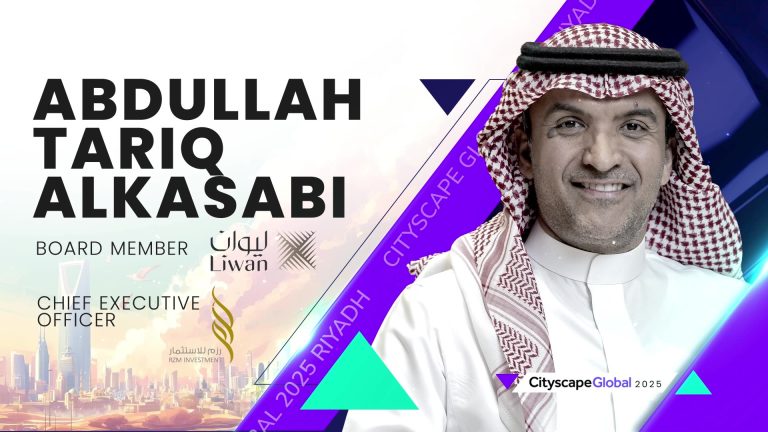
Building the Future: Real Estate Development in Saudi Arabia with Abdullah Tariq Alkasabi

0

Vince Molinari is joined by Abdullah Tariq Alkasabi, a board member of the Liwan Real Estate Development Corporation and the CEO of RZM Investments, to discuss the evolving landscape of real estate and venture capital in Saudi Arabia, particularly in light of the country’s Vision 2030 initiative.

Abdullah explains that Liwan is focused on building comprehensive communities rather than just individual buildings or small complexes. This shift reflects a broader trend in Saudi Arabia’s real estate market, moving towards larger developments that include essential amenities like parks, gyms, and retail spaces, enhancing the overall quality of life for residents.

They discuss the increasing interest from foreign investors in Saudi real estate, highlighting the demand from various stakeholders, including funds, family businesses, and individuals. Abdullah emphasizes the significant opportunities available in the market, especially for those looking to invest early.

Discover the role of technology in real estate, including PropTech and FinTech. Abdullah notes that regulatory bodies in Saudi Arabia are supportive of innovation, providing a conducive environment for startups and new technologies. This includes the potential for tokenization in real estate projects, which could revolutionize how properties are bought and sold.

The duo also touch on how Vision 2030 is intertwined with real estate development, focusing on improving the quality of life through better urban planning and regulation. Abdullah highlights the advancements in digital tools that allow potential buyers to explore properties remotely, making the process more accessible and efficient.

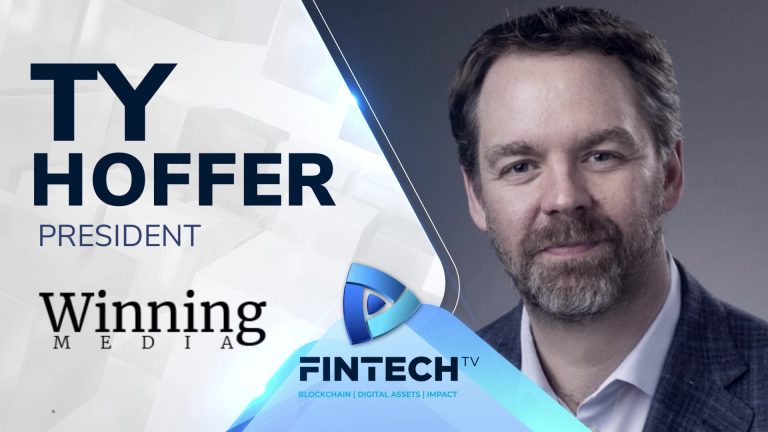
Cutting Through the Noise: Effective Digital Strategies for Investor Engagement

Ty Hoffer, president of Winning Media discusses the evolving landscape of investor marketing and the importance of effective digital strategies for public companies. With investors bombarded by an average of 4,000 ads daily, Ty emphasizes the need for companies to go beyond traditional methods like press releases and social media posts. He introduces the concept of retargeting, a strategy that helps companies maintain visibility and engage potential investors through multiple touchpoints, ultimately leading to better investment decisions.

Ty also highlights common pitfalls that companies face when raising capital, such as starting their marketing efforts too late or failing to allocate sufficient budget for these initiatives. He advises that setting aside around 10% of the total capital raised for marketing can significantly enhance a company’s visibility and competitive edge. As the conversation shifts to the impact of the COVID-19 pandemic, Ty explains how companies adapted to digital marketing strategies in the absence of traditional roadshows and conferences, while also navigating the challenges posed by ad network regulations and fraud.

Finally, Ty shares insights into the evolution of media buying and investor marketing over the past two decades. He discusses the importance of having a dedicated team to manage marketing budgets effectively, as well as the need for flexibility in campaign strategies to respond to market conditions. By leveraging their extensive experience, Winning Media aims to provide clients with tailored solutions that maximize return on investment.

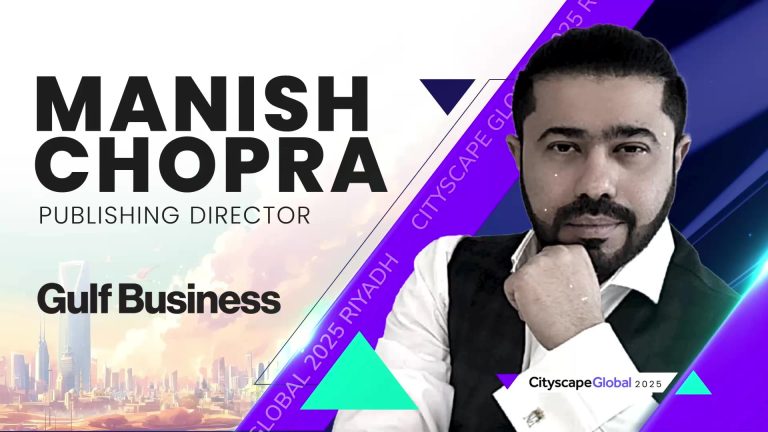
Exploring the Legacy of Gulf Business: Insights from Manish Chopra

0

Vince Molinari is joined by Manish Chopra, the Publishing Director of Gulf Business, a prominent media outlet in the region. Manish shares insights about Gulf Business, the oldest English business monthly in the area. As it approaches its 30th anniversary, the publication continues to see growth in circulation, highlighting the enduring appeal of high-quality print media.

They discuss the Gulf Business Awards, which Manish describes as a prestigious event recognizing top business leaders across various industries. The awards are backed by a credible third-party jury, emphasizing the authenticity and significance of the accolades.

Additionally, they explore the Gulf Business Saudi Summit, a pioneering initiative aimed at fostering engagement and dialogue around Saudi Vision 2030. This summit brings together key players and experts to discuss the future of Saudi Arabia’s business landscape.

Finally, Manish mentions Gulf Business’s strategic partnership with Tahaluf at Cityscape Global 2025, where they are the exclusive publishers of the official Cityscape magazine.

Atlantic Union Bank Blends 120 Years of Tradition With Modern Financial Innovation

0

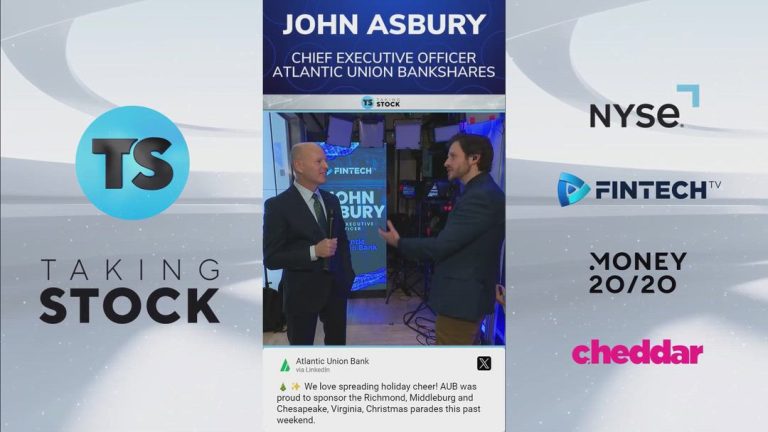
In the vibrant and bustling financial district of New York, John Asbury, CEO of Atlantic Union Bank, recently took part in a memorable ringing of the bell ceremony at the New York Stock Exchange. The event carries special significance during the holiday season when the city is full of energy and celebration. For Asbury and his team, participating in such an iconic moment underscores the bank’s longstanding dedication to service, innovation, and community.

Founded in 1902 in a small farming community, Atlantic Union Bank has spent more than a century evolving while remaining anchored in its core values. Asbury emphasized that adapting to meet the shifting expectations of customers is essential, and technology plays a pivotal role in this continuous transformation. Through modern solutions and a strong community focus, the bank strives to uphold its legacy while embracing the future.

Asbury captured the heart of Atlantic Union Bank’s mission when he remarked, “The answer always comes back to one thing, and that’s the people.” This people-first approach has shaped the bank’s success, fostering deep relationships with customers and communities. As customer needs evolve in a rapidly changing financial environment, the bank’s flexibility ensures it can deliver meaningful and relevant service.

Strategic growth has also been a defining theme for Atlantic Union Bank. One of the bank’s latest milestones is the acquisition of Maryland-based Sandy Spring Bank, finalized in April. This merger brings together two institutions aligned in their commitment to community-centric banking. By combining strengths, the banks can offer enhanced branch networks, expanded capital, and a greater variety of financial products to better serve customers across the region.

Looking ahead, Asbury shared his thoughts on the bank’s investor day scheduled for tomorrow. He emphasized transparency and steady progress as central to the bank’s communication strategy. “There’s no big reveal coming,” he said, signaling that the bank’s growth story reflects consistent performance rather than sudden shifts. Asbury expressed strong confidence in the bank’s position, noting that organic growth combined with strategic acquisitions has solidified their competitive edge.

Atlantic Union Bank represents a compelling model of how tradition and innovation can coexist within modern finance. As digital assets, Bitcoin, blockchain technology, and cryptocurrencies reshape financial services worldwide, institutions like Atlantic Union Bank face the challenge of integrating cutting-edge solutions while remaining grounded in trust and service. These efforts align with broader commitments to sustainability, responsible investing, and the UN’s Sustainable Development Goals.

Under Asbury’s leadership, Atlantic Union Bank has demonstrated that timeless values and forward-thinking strategy can create resilience in a rapidly changing sector. The bank’s story is one of enduring purpose, where customer relationships, community engagement, and innovation come together to drive both financial success and positive social impact.

As cryptocurrency continues to weave its way into the financial ecosystem, institutions must balance innovation with ethics and community responsibility. Atlantic Union Bank’s approach illustrates how meaningful change can happen when a financial institution embraces the future without losing sight of the principles that built its foundation.

As we look to the future of finance, leaders like John Asbury and institutions like Atlantic Union Bank will undoubtedly play a formative role in shaping conversations around fintech, sustainability, and community-driven banking.

Fed Cuts Could Ignite Crypto Rally, Bitcoin Momentum Signals New Highs

0

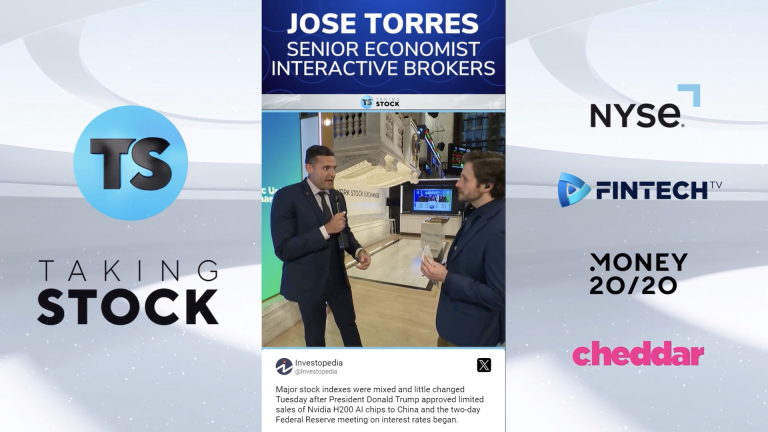
One of the standout segments in today’s financial discourse features insightful commentary from Jose Torres, a senior economist at Interactive Brokers. With clear, data-driven analysis, Torres walks viewers through the current economic environment, the Federal Reserve’s anticipated decisions, and the potential impacts across markets, especially in the rapidly expanding world of cryptocurrency.

As the market approaches a pivotal Fed decision day, which has increasingly become a central focus for investors, Torres highlights notable market moves. Bitcoin has surged above $94,000, reflecting strong momentum in digital assets. He also points to a new record in the Russell 2000 index, suggesting that small-cap stocks may benefit from upcoming monetary policy shifts. With a 93% probability of a Fed rate cut, Torres notes that these developments could unleash a wave of opportunities, particularly for investors positioned within crypto, blockchain technology, and related innovation sectors.

Discussing the potential implications of the Federal Reserve’s actions, Torres explains that while lower interest rates could signal progress in managing inflation, they might also reflect deeper concerns such as softening labor conditions. His review of recent labor market data, including ADP employment numbers, JOLTS openings, and small business sentiment, reveals a nuanced turnaround. He points out strengthening labor demand and rising expectations for hiring and sales, all of which may shape market responses as investors await clarity from the Federal Open Market Committee.

Torres also examines the importance of the dot plot, one of the Fed’s most closely watched forecasting tools. Although it does not always align with real-world economic activity, the dot plot outlines the Fed’s expectations going into the next year. Current projections suggest two potential rate cuts, which raises optimism for a possible year-end “Santa Claus rally.” This would be welcome news across a broad range of investments, from cryptocurrency and blockchain ventures to sustainable investing strategies.

A unique dimension of Torres’s analysis is his exploration of the overlap between traditional markets and emerging financial technologies. His view that the Russell 2000 could rally by 25% next year underscores a favorable environment for smaller firms that benefit from fiscal support and improving monetary conditions. This optimism resonates not only with equity investors but also with those focused on sustainability and impact investing, where fintech and blockchain innovations are driving new business models and economic opportunities.

Torres also broadens the scope by examining global dynamics. Central banks in Japan, Australia, and the European Central Bank are moving in directions that diverge from the Fed’s anticipated policy path. This highlights the independence of U.S. monetary policy and the external factors shaping global investor sentiment, which are especially relevant for participants in international finance and crypto markets.

Approaching the conclusion of his discussion, Torres underscores the importance of upcoming earnings reports from major companies such as Adobe, Oracle, and Broadcom. Strong expectations, backed by robust capital expenditure plans, suggest continued confidence in technology and enterprise investment. His projection that the S&P 500 could reach 7,000 by year’s end reflects a blend of optimism anchored in economic resilience and the potential of market momentum despite uncertainty.

In summary, the conversation with Jose Torres offers critical insights into the interplay of economic indicators, Federal Reserve actions, and market behavior. It also illuminates the powerful intersection of traditional finance with emerging technologies like cryptocurrency and sustainable investing. For entrepreneurs, investors, and innovators, understanding these dynamics is essential as they navigate an increasingly complex, opportunity-rich economic landscape. Staying attentive to these signals will position stakeholders, especially those engaged in blockchain and impact-driven finance, to make strategic and informed decisions as the market evolves.

Revolutionizing Housing: Khaled Abdel Moneim on Alupco’s Innovative Solutions

0

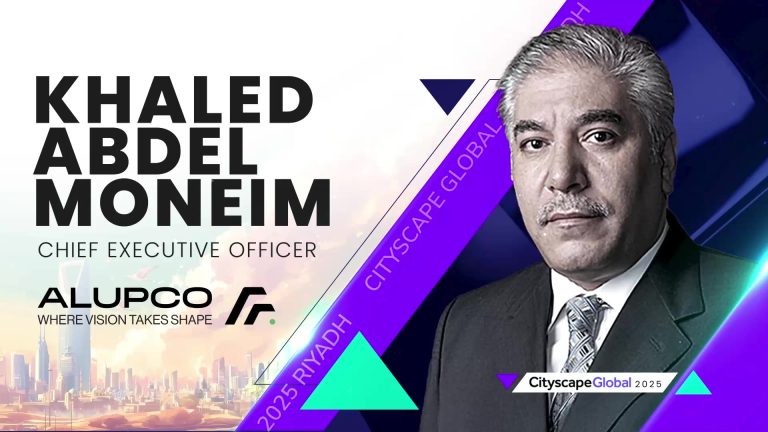
Vince Molinari is joined by Khaled Abdel Moneim, the CEO of Alupco, during Cityscape Global 2025 to discuss Alupco’s impressive journey from an aluminum extrusion company to a major player in the construction industry, serving clients in Saudi Arabia and 26 other countries.

Khaled shares exciting news about Alupco’s latest partnership with AluHouse, which aims to address the housing supply bottleneck in Saudi Arabia. By automating the construction process and building homes in a factory setting, Alupco plans to deliver houses much faster—within just one week on-site—by utilizing modular construction techniques. This innovative approach not only enhances quality but also streamlines the entire building process.

Finally, they discuss the growing demand for housing globally, driven by population growth and changing consumer preferences for modern designs. Khaled emphasize the importance of Saudi Arabia’s Vision 2030, which aims to increase home ownership from a low percentage to 85%, and how Alupco is contributing to this goal by providing efficient and high-quality housing solutions.

Unified Security Operations: A Deep Dive into Saudi Arabia’s Comprehensive Emergency Response

0

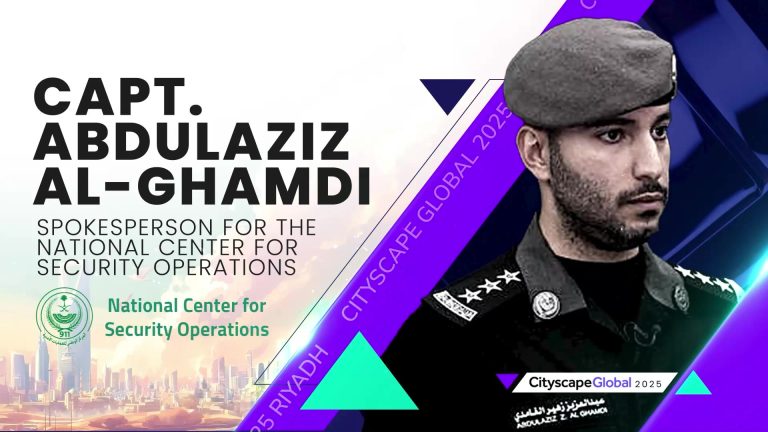
Vince Molinari is joined by Captain Abdulaziz Al-Ghamdi, the Spokesperson for the National Center for Security Operations at Cityscape Global 2025, to discuss the advanced technologies and systems in place to ensure the safety and security of Saudi Arabians.

Captain Abdulaziz provides insights into the Unified Security Operations Center, which operates 911 services across four regions in Saudi Arabia: Mecca, Medina, Riyadh, and the Eastern region. He highlights the impressive response time, with calls being answered in under two seconds and reports dispatched to specialized security entities in less than 45 seconds. This rapid response is supported by advanced technology, but Captain Abdulaziz emphasizes the importance of having qualified personnel who can effectively utilize these systems.

They also discuss the multilingual capabilities of the 911 centers, which cater to Arabic, English, and French speakers, with ongoing training for staff to learn additional languages. The conversation reveals that the 911 service is not limited to emergency calls; it also includes monitoring CCTV feeds and coordinating with various public and security sectors to provide comprehensive services.

Captain Abdulaziz explains the role of the Crisis Management Hall, which is crucial for managing large events like Cityscape Global, ensuring safety and smooth operations.

Reimagining the Nile: The Jirian City Project and Its Impact on Egypt

0

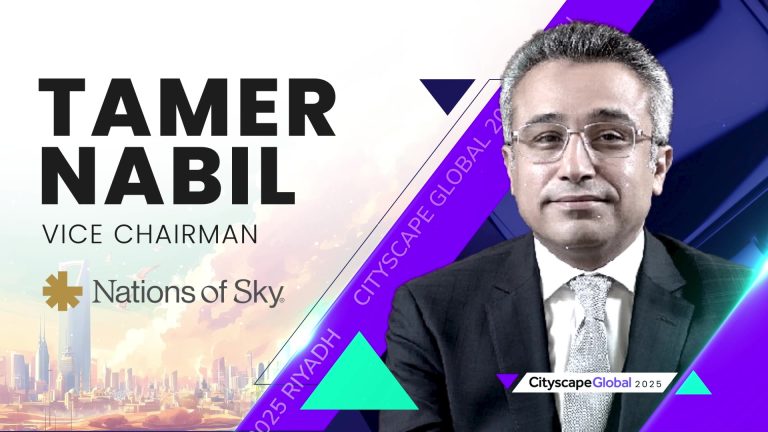
Vince Molinari is joined by Tamer Nabil, the Vice Chairman of Nations of Sky, to talk about the ambitious Jirian City Project located just outside Cairo. This mega project is strategically positioned, being only 15 minutes from Sphinx Airport and the Grand Egyptian Museum. It aims at building 30,000 residential units along with various non-residential components such as hospitality, medical, and educational facilities.

One of the most fascinating aspects of the project is its connection to the River Nile. Tamer explains how they are reintroducing the River Nile into the heart of the West Bank, which not only extends the life of this vital water source but also taps into the deep emotional connection Egyptians have with the Nile, a relationship that dates back to the pharaohs.

Jirian City is part of a larger national initiative called the Future of Egypt, which aims at irrigating 2.2 million acres of desert land. The project involves lifting water from the Nile through six lift stations to support agricultural development, showcasing a significant infrastructure effort.

Tamer shares his hopes for the project, emphasizing its potential to create 250,000 job opportunities and provide housing for 30,000 families. Additionally, the inclusion of a special economic zone is designed to attract investors from across the Arab region.

Alpheya CEO Predicts Rapid Shift to AI-Driven Wealth and Trading Tools

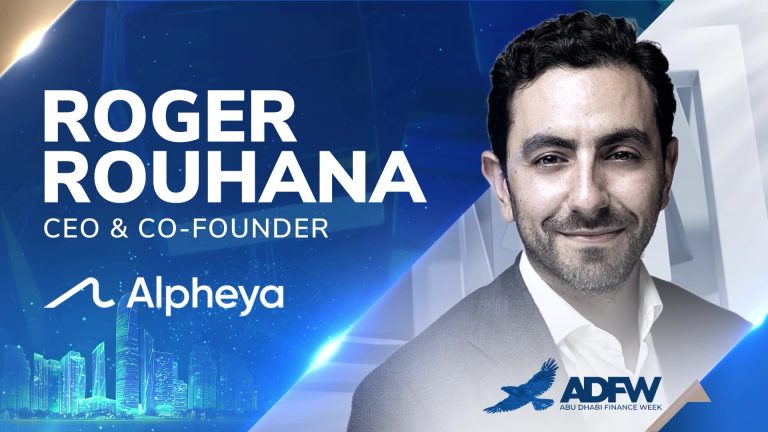
As the world rapidly shifts toward technological innovation, the integration of artificial intelligence within financial sectors is becoming increasingly essential. At the recent Abu Dhabi Finance Week (ADFW), Roger Rouhana, CEO and co-founder of Alpheya, shared his insights on the pivotal role AI plays in wealth and trading solutions. Alpheya positions itself as a leading software provider tailored for banks, private banks, family offices, and investment companies, serving as a one-stop shop for advanced financial services.

During the interview, Rouhana highlighted a significant challenge across the industry: the widening gap between client expectations and institutional adoption of AI technologies. A recent survey revealed that 70% of clients are comfortable receiving advice from AI. Despite this enthusiasm, many financial institutions remain slow to deploy AI-driven advisory tools. Rouhana emphasized that client expectations are being shaped by their experiences in other sectors, such as e-commerce and social media, and financial institutions must accelerate innovation to keep pace.

Bridging this adoption gap is essential. Rouhana stressed that the first step is building strong foundations for AI integration in financial advisory services. Alpheya aims to support relationship managers with AI-enhanced tools designed to deliver smarter, more accurate insights. At this stage, early AI implementations within institutions focus on improving information synthesis rather than replacing human advisors entirely.

When discussing the timeline for AI adoption, Rouhana offered an optimistic yet measured projection. He believes that reliable AI systems capable of efficiently assisting or even taking over advisory responsibilities may be 18 to 24 months away. Full-scale institutional adoption, however, may take an additional three to five years. In the meantime, he expects ongoing momentum surrounding AI innovation, accompanied by early examples of AI-enhanced customer service operating under strict regulatory and ethical guidelines.

Reflecting on Alpheya’s first two years, Rouhana observed dramatic changes in client attitudes toward AI. He noted that clients have undergone a steep learning curve, becoming increasingly comfortable with AI’s role in finance. The rise of sophisticated automated advisors, chatbots, and predictive financial tools has created a cultural shift where AI integration is no longer a bonus but an expectation.

Rouhana’s insights highlight broader implications for sustainability-focused investing and ethical financial innovation. The convergence of AI and finance aligns closely with the UN’s Sustainable Development Goals, supporting responsible decision-making and efficient capital allocation. These trends underscore how technological progress in financial services can simultaneously promote transparency, impact-driven investment strategies, and long-term economic stability.

As the crypto ecosystem evolves alongside AI, the intersection of blockchain technology and intelligent advisory tools is expected to redefine the future of finance. Innovations within cryptocurrency continue to expand opportunities for enhancing trust, transparency, and operational efficiency. Rouhana’s projections suggest that both traditional finance and digital asset markets are on the brink of a significant transformation fueled by AI.

In conclusion, the insights shared by Roger Rouhana at ADFW illuminate the dynamic and rapidly shifting relationship between AI and finance. As institutions move toward full AI integration, their ability to adapt to client expectations and technological advancements will determine their competitiveness in the coming years. By embracing AI responsibly and proactively, financial institutions can improve operational efficiency while also supporting a more sustainable and inclusive global financial landscape.

The accelerating momentum toward AI adoption represents a pivotal shift that investors, entrepreneurs, and global decision makers should closely watch. It carries far-reaching implications for sustainable investing, next-generation trading solutions, and the future of impactful financial innovation.

VEON Expands Mission to Empower 500 Million Through Digital Services

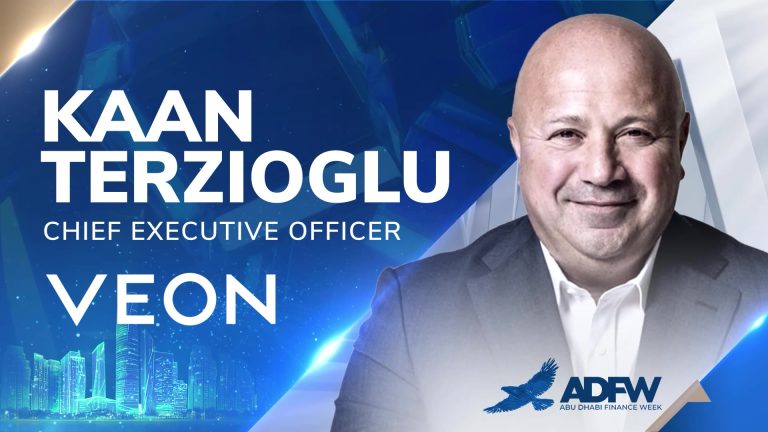
In the ever-evolving landscape of finance and technology, one voice stands out: Kaan Terzioglu, CEO of VEON, who passionately champions the vision of borderless finance. Recently, he shared insights at the Abu Dhabi Finance Week (ADFW), emphasizing the profound impact of financial technology on underserved populations.

Terzioglu describes VEON’s mission as a transformative journey focused on empowering 500 million individuals who currently lack access to essential services such as financial, healthcare, and education. “Our superpower is to create superheroes from our customers,” he asserts. By delivering these services at a fraction of traditional costs, VEON drives change while creating sustainable livelihoods.

Based in the UAE, a nation widely recognized for its progressive approach to responsible capitalism, VEON thrives within this supportive environment. Terzioglu notes that the UAE has become a global model, offering companies exceptional opportunities in talent acquisition, capital access, and logistics. “If somebody gives you so much power, it’s impossible to fail,” he said, crediting VEON’s decision to establish its headquarters in Dubai as pivotal to the company’s growth.

However, with opportunity comes a set of challenges. As Terzioglu explains, leaders must navigate conflicting objectives such as eradicating poverty while also delivering shareholder value. The path forward, he believes, lies in leveraging advanced technologies. “Poverty cannot be eradicated unless you give people access to financial services,” he emphasized. VEON’s use of AI, which he describes as augmented intelligence, is central to the company’s strategy for delivering essential services.

Terzioglu elaborated on how AI enables remote connectivity to deliver healthcare solutions to regions often overlooked by traditional infrastructure. Reaching people in Pakistan, Bangladesh, and Uzbekistan provides critical assistance where medical access is limited. This approach demonstrates how technology, when aligned with local needs, can form a sustainable business model that uplifts communities while enabling long-term corporate growth.

VEON’s achievements can be seen in both its community impact and financial performance. The company reported strong growth, with stock values rising from 7.5 to 50 in just four years. Terzioglu highlighted the scale of VEON’s customer reach: “Out of 500 people in our countries today, 1 out of 3 is our customer. Every morning we wake up and find another person using our financial services, healthcare services, or education services.” This engagement fuels economic activity in these markets while fostering deep customer loyalty.

Looking ahead three to five years, Terzioglu envisions a world where terrestrial and satellite networks are seamlessly integrated, providing universal connectivity. “When satellite networks and terrestrial networks work in one, that means we have 100% coverage,” he predicted. With widespread access to smart devices, individuals across all demographics will gain the ability to influence meaningful change in their lives.

Terzioglu’s vision extends beyond profit. It is rooted in empowering individuals to shape their own futures. He urges companies to embrace available technologies and remain adaptable as industries evolve. “Stay hungry, stay foolish,” he said. His message serves as a call to action for organizations seeking to make meaningful contributions in a world increasingly shaped by technology and social responsibility.

As finance and technology continue to converge, VEON’s model highlights the extraordinary potential of inclusive innovation. Kaan Terzioglu is not merely leading a company; he is redefining financial access for millions. His approach underscores the essential dual mission of advancing community welfare while delivering shareholder value. The future of finance, he believes, rests in our ability to connect, empower, and uplift every member of society.