[stock-market-ticker symbols=" ^NYA;CRYPTO:BTC;CRYPTO:ETH;CRYPTO:USDT;CRYPTO:USDC;CRYPTO:BNB;CRYPTO:ADA;CRYPTO:XRP;CRYPTO:SOL;CRYPTO:DOGE " stockExchange="NYSENASDAQ" width="100%" transparentbackground=1 palette="financial-light"]

Home Blog Page 34

Stablecoins Pass $1 Trillion a Month as Blockchain Payments Overtake Visa

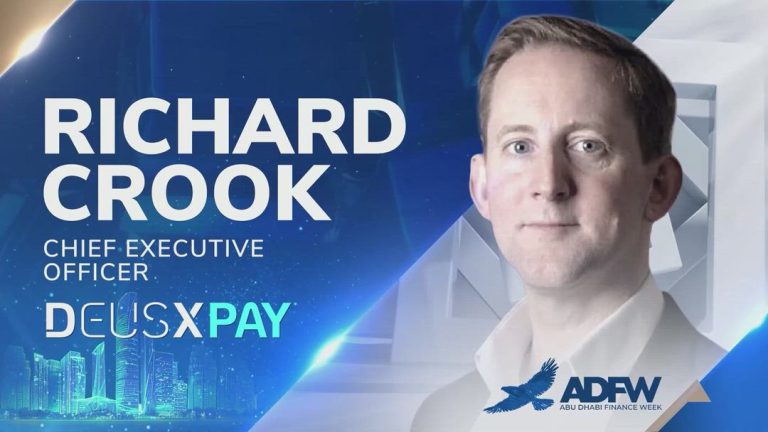
During the recent Abu Dhabi Finance Week (ADFW), major conversations unfolded around the evolution of stablecoins and their expanding role in the global financial ecosystem. Reporting from the event, Lawrence Wintermeyer spoke with Richard Crook, chief executive officer of Deus X Pay, who provided deep insight into the rapid growth and transformative potential of stablecoins in today’s economy.

Stablecoins, which originated within the cryptocurrency sector, have moved far beyond their early use cases and now play a significant role in real-world financial transactions. Crook highlighted a striking milestone: monthly stablecoin transaction volume now exceeds $1 trillion. This figure surpasses processing levels of legacy payment networks such as Visa, signaling a fundamental shift in how consumers and businesses move capital across borders.

The appeal of stablecoins stems from their ability to deliver faster, cheaper, and more secure transactions. Crook pointed to long-standing inefficiencies within the traditional banking system, where cross-border payments are often slow, expensive, and opaque. By contrast, stablecoins enable near-instant global transfers, available 24/7 without the delays imposed by intermediaries and conventional clearing mechanisms.

Crook also addressed the regulatory challenges that come with this growth. Because cross-border payments are subject to strict anti-terrorism financing (CTF) and anti-money laundering requirements, regulators carefully assess the sector. He noted that stablecoins must meet many of the same compliance standards as traditional financial institutions. However, blockchain technology gives stablecoins a unique advantage: far greater transparency.

Unlike traditional payments that may pass through multiple intermediaries, stablecoin transactions can be verified in a single step via blockchain analysis. This provides clear, immutable records of transaction origins and movement, improving compliance efficiency and accelerating reconciliation processes. For regulators and institutions alike, this transparency represents a significant leap forward in oversight and security.

The rise of stablecoins highlights a broader trend in financial innovation as global markets seek solutions to long-standing inefficiencies in the traditional system. Entrepreneurs and technology leaders are increasingly focused on tools that promote transparency, accessibility, and financial inclusion. The shift is not solely about cryptocurrency but about building a more efficient and equitable financial infrastructure that aligns with sustainable development goals (SDGs).

Recent advancements in blockchain, digital assets, and AI continue to expand financial access for individuals and businesses worldwide. As new systems emerge, the potential for innovation within cryptocurrency and fintech remains immense, supporting both sustainable investing and impact-driven entrepreneurship.

Under Crook’s leadership, Deus X Pay is positioning itself as a major contributor to this ecosystem. The company aims to meet the rapidly growing demand for stablecoin solutions and to enhance user experience within this evolving financial landscape. “Deus X Pay is here to serve,” Crook said, underscoring the firm’s commitment to advancing practical and scalable financial technology.

As the broader financial industry adapts to changing technologies, stablecoins appear poised to play a defining role in shaping a more interconnected and sustainable economic future. With increasing regulatory clarity, expanding global adoption, and deepening institutional interest, stablecoins are set to overcome traditional barriers and transform international finance.

In conclusion, market participants across crypto, finance, and investment sectors should closely follow these developments as the stablecoin revolution accelerates. The convergence of blockchain innovation, regulatory frameworks, and real-world utility signals a new chapter for global financial infrastructure—one driven by transparency, efficiency, and long-term growth.


New Fed Leadership Could Supercharge Risk Assets, Says Trajan Wealth

0

David Busch, the co-CIO of Trajan Wealth, recently discussed the impact of the anticipated interest rate cut by the Federal Reserve on major market indices, including the S&P 500 and Dow Jones. In a dynamic conversation, he offered perspective on the current financial climate, investor sentiment, and how new leadership at the Fed could reshape the policy landscape.

As markets hover near record highs, Busch emphasized the strong tailwind that lower rates typically provide for risk assets. Historically, interest rate cuts stimulate investor confidence by reducing borrowing costs and encouraging growth-oriented activity. Within hours of the announcement, investors rotated into higher-risk positions, reflecting widespread expectations that a favorable monetary policy backdrop will support further gains in U.S. equities.

Busch also addressed the Federal Reserve dissenters, noting the three committee members who opposed the proposed rate cuts. While all agreed on the need to control inflation, diverging views on labor market resilience and unemployment trends created division. These internal dynamics often influence market reactions, especially as investors evaluate how unified the Fed is in steering the economy.

The discussion shifted to upcoming changes within the central bank, following President Trump’s indication that a more dovish successor could soon lead the Fed. Busch predicted that a new chair may adopt an accommodative stance, keeping rates low as part of a broader effort to sustain economic momentum. He raised concerns about the Fed’s heavy reliance on data at a time when crucial economic indicators were disrupted by the recent government shutdown, making decision-making more challenging.

Looking ahead, Busch expressed optimism about sectors positioned to benefit from continued monetary easing. He highlighted large-cap technology companies, particularly those tied to artificial intelligence, as well as businesses driving AI infrastructure spending. While the AI boom presents strong growth potential, Busch encouraged investors to maintain balance by holding dividend-paying, value-oriented stocks as protection against volatility.

On valuations, Busch acknowledged the heightened scrutiny surrounding major tech giants, especially companies like Tesla. Elevated valuations raise reasonable questions about whether earnings growth can keep pace with soaring share prices. He argued that while long-term earnings expansion may justify valuations over time, investors must prepare for short-term turbulence in capital expenditure and shifting market sentiment.

In closing, Busch’s insights underscore the complex interplay between fiscal policy decisions, market performance, and investor behavior. With the Fed navigating internal disagreements, uncertain data, and pending leadership changes, investors must closely monitor the shifting landscape. His remarks reinforce the importance of adaptability amid constant change in interest rates, inflation expectations, and sector-specific performance.

For entrepreneurs and investors, including those involved in cryptocurrency, blockchain innovation, and sustainable finance, understanding these broader economic forces is essential. Strategic positioning in an environment shaped by AI, fintech, and evolving policy frameworks can greatly influence long-term outcomes.

David Busch’s perspective serves as a reminder that financial markets are never static. Success requires foresight, diversification, and the ability to recognize emerging opportunities as the next phase of economic transformation unfolds.

U.S. Markets Attracting European IPOs Despite Regulatory Hurdles

0

In the dynamic world of finance and investment, few voices carry the weight of those tied to major financial institutions. Recently, Mike Bienenfeld, the co-head of SEC Compliance at Linklaters, shared his insights on the rising interest in Initial Public Offerings (IPOs) in the United States, particularly among European companies seeking to tap the deep capital pools of Wall Street. His perspective offers a window into the shifting landscape of international listings, regulatory environments, and the influence of monetary policy on long-term investment strategies.

With over 26 years of experience as a U.S. securities lawyer based in London, Bienenfeld has a unique vantage point on global markets. He has observed a growing trend of European companies considering New York for their primary listings. This shift is fueled by several factors, including improved access to capital, increased visibility among U.S. analysts, and the potential for higher valuation multiples. As international companies look to elevate their profiles, the appeal of the U.S. market continues to strengthen.

Although regulatory burdens in Europe are often cited as a major reason behind this migration, Bienenfeld asserts that the real story is more nuanced. He acknowledges that the U.S. market is not without regulatory hurdles, but companies weigh a broader collection of considerations. These may include their operational footprint, expected investor interest, sector focus, and strategic goals. Many firms ultimately choose dual or even triple listings, allowing them to maximize liquidity and broaden their investor base across multiple regions.

Bienenfeld points to successful listings by companies such as Carnival Cruises, as well as the steady stream of Canadian firms that have long embraced U.S. markets, as examples that encourage others to follow suit. The ability to access the world’s largest and most sophisticated capital market, combined with the expertise of seasoned U.S. analysts, creates a compelling environment for companies looking to scale.

Monetary policy is another influential force shaping IPO considerations. Recent signals from the Federal Reserve hinting at potential easing of borrowing rates have sparked interest across the investment community. However, Bienenfeld cautions that these shifts are unlikely to be the primary deciding factor for companies contemplating a U.S. listing. While lower rates can temporarily boost stock performance, firms tend to take a long-term approach, focusing on broader economic policies rather than short-term changes in borrowing conditions.

Looking ahead to 2026, enthusiasm for the IPO market continues to grow. Bienenfeld believes we are only at the early stages of a meaningful shift in how international firms think about going public. With regulatory frameworks evolving and valuation opportunities expanding, the U.S. is expected to remain a key destination for companies seeking growth through public markets. The intersection of global finance, technological innovation, and cross-border investor engagement will play a central role in shaping the IPO environment over the next several years.

For those interested in sustainable investing, blockchain applications, and the increasing overlap between cryptocurrencies and traditional markets, the rise of international listings opens the door to new opportunities. These trends reflect a broader movement toward interconnected global financial systems that support both innovation and long-term value creation.

In summary, Mike Bienenfeld’s perspective on the IPO market offers a compelling look at the future of international listings and their significance for both companies and investors. Regulatory considerations, capital market dynamics, and monetary policy all play a part in shaping the decisions of firms eager to access the advantages of the U.S. market. As globalization and technology continue to influence corporate strategies, the U.S. market is likely to remain a powerful magnet for international IPOs.

Digital Asset Demand Surges as Zodia Custody Expands Across Europe, Middle East, and Asia

The landscape of digital assets is evolving at a rapid pace, and the demand for secure custody solutions has never been more crucial. As the cryptocurrency market expands, institutional investors and banks are prioritizing trusted platforms that can manage tokenization, compliance, and security with precision. During the busy Abu Dhabi Finance Week (ADFW), Julian Sawyer, CEO of Zodia Custody, shared key insights into how his firm is meeting these needs.

Zodia Custody, backed by SE Ventures, is a digital asset custody platform that recently expanded into the Asia Pacific region with a new office in Sydney. The firm is dedicated to delivering institutional-grade custody solutions that support the successful execution of digital asset strategies as they move from experimentation to real-world adoption. Sawyer stressed the foundational importance of custody in the digital asset ecosystem, noting that if custody is built correctly, every other component of the system can follow.

Addressing security and regulatory compliance, Sawyer explained that Zodia Custody operates under strict regulations across Europe, the Middle East, and Asia. This multi-regional oversight enables the company to serve as a trusted third-party custodian while upholding the highest security standards. Zodia also provides proprietary software as a service, giving large financial institutions additional control over their digital assets through advanced backend technology.

Tokenization continues to capture attention in 2025, especially among banks and asset managers. However, Sawyer acknowledged that progress is not without obstacles. Regulatory inconsistencies and the lack of unified industry standards remain major challenges. As a key player in this early phase of development, Zodia Custody is working closely with partners and regulators to build long-term solutions that support sustainable and scalable tokenization practices.

At ADFW, Sawyer participated in panels on next-generation custody solutions and the expanding role of stablecoins. He noted the emergence of new stablecoin issuers, including banks and central banks. These new entrants suggest broader applications for stablecoins, potentially extending to trade finance and remittance processing rather than remaining confined to cryptocurrency exchange activity.

Looking ahead to 2026, Sawyer expects a major shift in institutional engagement with digital assets. The move from early adoption to mainstream acceptance is already gaining momentum, especially with BlackRock’s recent ETF launch. Regulatory progress, particularly in hubs like Abu Dhabi, is creating fertile ground for innovation. Sawyer believes that real-world problem solving through blockchain, tokenization, digital currencies, and sustainable finance will shape the next stage of market maturity.

As firms like Zodia Custody advance the technological and regulatory frameworks needed for secure digital asset management, they are paving the way for institutions to engage confidently in this fast-changing environment. The combination of robust compliance practices and innovative technology is essential to overcoming the unique challenges within the digital asset space. As we approach 2026, collaboration will be central to helping financial institutions adopt sustainable investment strategies that incorporate digital assets, including Bitcoin and stablecoins, into their broader financial architecture.

Why Businesses in UAE Are Turning to Stablecoins for International Transactions

In the fast-evolving world of finance and digital currencies, stablecoins are emerging as a vital solution for businesses managing the complexities of international transactions. At Abu Dhabi Finance Week (ADFW), Patricia Wu explored this transformation in a conversation with Konstantins Vasilenko, co-founder of Paybis, a crypto infrastructure company dedicated to simplifying digital asset transactions for businesses around the world.

Paybis has positioned itself as a leading infrastructure provider designed to ease the integration of cryptocurrencies into everyday business operations. Konstantins explained that the core mission of Paybis is to streamline the use of crypto for both retail users and global enterprises. By addressing long-standing inefficiencies in cross-border payment systems, Paybis is helping pave the way for mainstream adoption of stablecoins. In a region like Abu Dhabi, where traditional banking processes can sometimes slow commercial activity, stablecoins present a crucial advancement.

Vasilenko noted a sharp rise in interest from companies in the Emirates seeking to transact globally. As businesses expand across the region, the demand for smoother, faster payments becomes increasingly important. “The traditional banking system is great, but it’s sometimes too slow and maybe too unpredictable,” he said. The limitations of legacy systems give companies a strong reason to explore stablecoins, which promise consistent transaction speeds and improved reliability.

The speed of transactions is a defining factor in today’s competitive environment. Traditional banking methods can hold funds for days, disrupting operations and reducing financial flexibility. Stablecoins, however, reduce settlement times to minutes, allowing businesses to deploy capital more efficiently and improve cash flow. “Businesses can transact faster, negating the need for extensive cash reserves,” Vasilenko noted.

Despite widespread curiosity, Konstantins emphasized that the biggest obstacle is not interest but infrastructure. He compared the current state of crypto adoption to the early days of electric vehicles, when limited charging networks hindered growth. “Once the infrastructure is in place—such as businesses being able to accept crypto and the ease of converting fiat to crypto—the true adoption will take off,” he explained.

Looking forward, Vasilenko envisions a dramatic shift in global payments. He predicts that within five years, 90% of invoices between businesses will be paid in stablecoin. This transformation would fundamentally change the mechanics of international finance. “I bet on this change,” he said, underscoring the potential impact stablecoins may have on global liquidity and operational efficiency.

As companies around the world weigh the transition toward stablecoins and blockchain-based financial systems, the insights from ADFW and Vasilenko serve as a roadmap. Paybis’ focus on building strong crypto infrastructure reflects the urgent need for businesses to adapt to a shifting financial landscape. Those who embrace these innovations will gain a competitive advantage and contribute to a more inclusive global economy defined by fast, reliable, and efficient transactions.

In this rapidly changing digital environment, staying informed and strategically prepared is essential. Businesses must recognize the potential of blockchain and stablecoins and actively participate in shaping the next era of global commerce.

Building the Future: How PaceRobotics is Transforming Construction Efficiency

0

Vince Molinari welcomes Srinivas Pai, the Co-Founder and CEO of PaceRobotics, a pioneering construction robotics startup based in Bangalore, India. The conversation centers around the innovative solutions that Pace Robotics is introducing to the construction industry, particularly during the building finishes phase, which includes tasks such as wall, floor, and ceiling finishing.

Srinivas provides an overview of how PaceRobotics designs, develops, and manufactures robots that can perform these finishing tasks at a remarkable speed—up to ten times faster than human workers. He explains that this efficiency leads to an 80% reduction in labor requirements. For instance, where 12 workers were previously needed to complete 50,000 square feet of work in a month, only two workers are now necessary. This shift results in a threefold decrease in costs in India and has the potential to reduce costs by up to five times in regions with higher labor costs, such as Saudi Arabia.

Vince and Srinivas discuss the critical need for robotics in construction, emphasizing that cost savings are just one aspect of the equation. Srinivas highlights the current labor shortage in the industry and the challenge of attracting younger generations to physically demanding jobs. He articulates a vision for making construction a safer and more appealing work environment while also enhancing predictability in project timelines and costs.

The discussion delves into the efficiency gains brought by robotics, with Srinivas noting that their robots can complete approximately 2,000 square feet of work in a day, compared to the 200 square feet that a traditional team can manage. He addresses the scalability of their technology, indicating that the Indian and Middle Eastern markets present significant opportunities, with an estimated need for 20,000 robots in these regions, a number that could double in the coming years.

Srinivas also shares how PaceRobotics has validated its business model through extensive trials and partnerships with seven of the largest real estate companies in India. With over 100,000 square feet of internal trials and 30,000 square feet of pilot projects completed, the feedback has been overwhelmingly positive, confirming that their robots are five to seven times faster than manual labor and meet high-quality standards.

As the segment concludes, Srinivas offers his insights on the Saudi and broader Middle Eastern markets, highlighting the rapid growth and development in the region. He points out that labor costs in these markets are significantly higher than in India, which enhances the value proposition of their robotic solutions. Srinivas expresses confidence that achieving the ambitious construction goals in Saudi Arabia will be challenging without the integration of robotics.

Transforming Real Estate: Insights from Yazeed Alghamdi at Cityscape Global

0

Vince Molinari welcomes Yazeed Alghamdi, the Director of Emerging Technologies at Roshn Group, during the bustling Cityscape Global event at the Riyadh Exhibition and Convention Center in Saudi Arabia. The conference, which brings together global leaders from the real estate industry, serves as a backdrop for an engaging discussion about innovation and transformation in the sector.

Yazeed begins by providing an overview of Roshn Group, a key player in Saudi Arabia’s Vision 2030 housing program. He highlights the company’s ambitious goal of constructing over 400,000 housing units in the coming years, emphasizing their commitment to enhancing the quality of life in the region.

The conversation shifts to the PropTech Hackathon, an initiative founded by Yazeed and his team, which aims to foster innovation within the real estate industry. This year marks the third iteration of the hackathon, attracting over 150 participants competing for a prize of 1.3 million Saudi Riyals. Yazeed shares insights into the impressive turnout and the wealth of ideas generated.

Vince and Yazeed then discuss Roshn’s digital sales journey, which has transformed the traditional home-buying process into a hybrid and digital experience. Since launching their platform at the end of 2023, Roshn has sold over 3,400 units and generated more than 7 billion SAR in sales. Yazeed explains how the platform not only facilitates online purchases but also fosters a sense of community among residents.

The discussion delves into the features of Roshn’s app, described as a “super app.” Yazeed outlines its various components, including access to local amenities, sustainability initiatives powered by AI, and gamification elements designed to encourage community engagement and healthy living.

As the segment concludes, Yazeed shares his vision for the future, emphasizing the importance of integrating ideas from the hackathon into real-world applications. He recounts a success story of a previous hackathon winner whose idea has evolved into a $20 million company, showcasing the potential for innovation in the real estate sector.

Concrete Solutions: Enhancing Durability and Sustainability with DMAT’s Technology

0

Vince Molinari welcomes Paolo Sabatini, the Co-Founder and CEO of DMAT, a pioneering concrete technology company. The discussion centers around DMAT’s innovative approach to making concrete a more sustainable and durable material, addressing significant environmental concerns associated with traditional concrete production.

Paolo begins by providing context on the scale of concrete usage worldwide, noting that 33 billion tons are produced annually, which represents 1% of the global GDP. He highlights the environmental impact of concrete, specifically its contribution to 8% of global CO2 emissions. This sets the stage for DMAT’s mission to enhance the sustainability of concrete, which is a fundamental material in modern society.

The conversation shifts to the specifics of DMAT’s technology. Paolo explains that cement, the primary ingredient in concrete, is essential for strength and longevity. DMAT’s innovation lies in its ability to reduce the amount of cement used without compromising performance. By incorporating a proprietary mineral filler, DMAT optimizes concrete’s composition, leading to improved durability. Paolo emphasizes that their concrete can react with water to prevent cracks, a common issue that leads to costly repairs. The goal is to create concrete that can last for centuries, significantly reducing maintenance costs and environmental impact.

Vince and Paolo discuss the concept of deep technology, which DMAT exemplifies as it seeks to innovate within the traditional construction industry. Paolo elaborates on the challenges of integrating new technologies into established processes, particularly the importance of certification and consistency in their products. He shares that DMAT is currently operational in Europe and is preparing to expand into the U.S. market, with additional opportunities in Saudi Arabia and Dubai.

As the episode progresses, Paolo explains his presence at Cityscape Global 2025 in Riyadh. He underscores the importance of understanding new markets and cultures, especially in the construction sector, where collaboration across the supply chain is crucial. Building relationships with key decision-makers is essential for the successful launch of DMAT’s technology in new regions.

Building the Future: Mohammad Albuty on NHC’s Role in Saudi Arabia’s Vision 2030

0

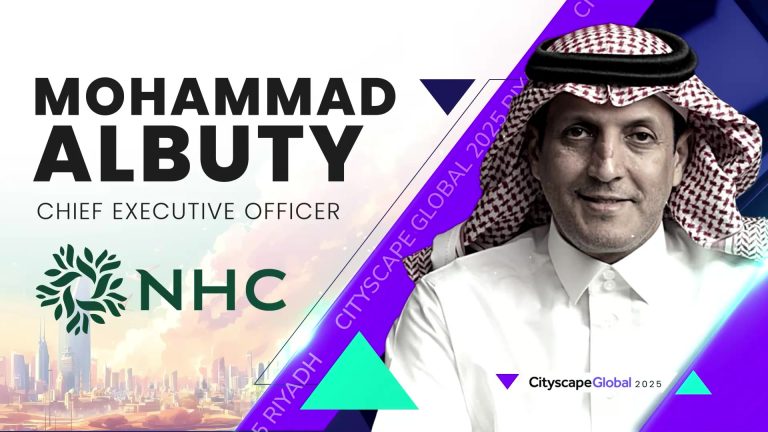
Vince Molinari welcomes Mohammad Albuty, the CEO of the National Housing Company (NHC), the largest real estate developer in Saudi Arabia to discuss the rapid growth of NHC since its establishment in mid-2017 as part of Saudi Arabia’s Vision 2030 initiative, which aims to increase home ownership from 47% to 70%. NHC has already achieved a home ownership rate of 65% ahead of the 2025 target.

Mohammad shares insights into NHC’s role as a master developer, focusing on creating livable communities rather than just developing land. With operations in 17 cities and a target to supply 300,000 housing units by the end of the year, NHC has already sold over 137,000 units, with a current portfolio valued at approximately 250 billion Saudi Riyals. By 2030, they aim to reach half a trillion Saudi Riyals in residential investments.

They also explore NHC’s innovative approach to integrating advanced technologies and data analytics into their operations, enhancing everything from master planning to marketing. Their partnership with South Korea’s Naver highlights their commitment to developing smart cities and data centers.

Building the Future: Real Estate Development in Saudi Arabia with Abdullah Tariq Alkasabi

0

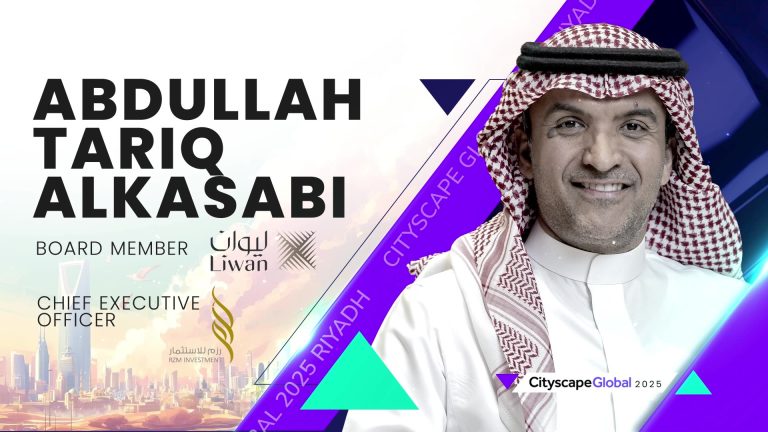
Vince Molinari is joined by Abdullah Tariq Alkasabi, a board member of the Liwan Real Estate Development Corporation and the CEO of RZM Investments, to discuss the evolving landscape of real estate and venture capital in Saudi Arabia, particularly in light of the country’s Vision 2030 initiative.

Abdullah explains that Liwan is focused on building comprehensive communities rather than just individual buildings or small complexes. This shift reflects a broader trend in Saudi Arabia’s real estate market, moving towards larger developments that include essential amenities like parks, gyms, and retail spaces, enhancing the overall quality of life for residents.

They discuss the increasing interest from foreign investors in Saudi real estate, highlighting the demand from various stakeholders, including funds, family businesses, and individuals. Abdullah emphasizes the significant opportunities available in the market, especially for those looking to invest early.

Discover the role of technology in real estate, including PropTech and FinTech. Abdullah notes that regulatory bodies in Saudi Arabia are supportive of innovation, providing a conducive environment for startups and new technologies. This includes the potential for tokenization in real estate projects, which could revolutionize how properties are bought and sold.

The duo also touch on how Vision 2030 is intertwined with real estate development, focusing on improving the quality of life through better urban planning and regulation. Abdullah highlights the advancements in digital tools that allow potential buyers to explore properties remotely, making the process more accessible and efficient.