[stock-market-ticker symbols=" ^NYA;CRYPTO:BTC;CRYPTO:ETH;CRYPTO:USDT;CRYPTO:USDC;CRYPTO:BNB;CRYPTO:ADA;CRYPTO:XRP;CRYPTO:SOL;CRYPTO:DOGE " stockExchange="NYSENASDAQ" width="100%" transparentbackground=1 palette="financial-light"]

Home Blog Page 33

Harlem Globetrotters Mark 100 Years of Joy, Innovation, and Global Impact

0

The Harlem Globetrotters have long been synonymous with joy, entertainment, and a distinctive blend of sportsmanship and showmanship. As the organization celebrates its 100 year anniversary, the milestone offers an opportunity not only to reflect on a storied history but also to recognize the lasting impact the Globetrotters have had on sports, culture, and entertainment worldwide. This celebration extends beyond achievements and accolades, focusing instead on the joy, hope, and inspiration the team has delivered to generations of fans across the globe.

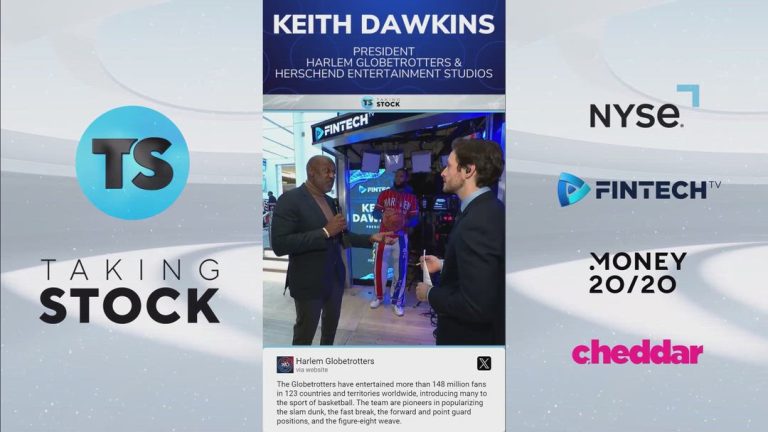
At the core of the Harlem Globetrotters’ legacy is their ability to transcend traditional boundaries of sport. Founded in 1926 by Abe Saperstein, the Globetrotters pioneered a new form of basketball that blended elite athleticism with theatrical entertainment. Through dazzling ball handling, comedic timing, and an unwavering commitment to inclusivity, they transformed basketball into a global spectacle. This spirit was highlighted by Keith Dawkins, president of the Harlem Globetrotters, and Mark “Splash” Blount, one of the team’s iconic players. Dawkins captured the essence of the organization when he stated, “100 years of excellence, 100 years of joy and possibilities of hope.”

Marking the centennial at the New York Stock Exchange carries symbolic weight. As the financial capital of the world, the NYSE represents influence and longevity, qualities the Globetrotters themselves embody. Their presence there underscores that they are more than a basketball team. They are a cultural institution that has shaped entertainment, challenged norms, and connected audiences across continents. As Dawkins noted, the Harlem Globetrotters serve as global ambassadors of joy, using basketball as a universal language that resonates with people from all backgrounds.

Adaptability and innovation have been central to the Globetrotters’ enduring success. The introduction of new uniforms designed by renowned designer Jeff Hamilton reflects this balance of honoring tradition while embracing the present. The return to the classic red, white, and blue color palette signals a nod to the team’s origins, while modern design elements ensure continued relevance. Historical references such as the five stars representing the original Savoy Five further connect the team’s past to its present, celebrating both legacy and evolution.

Inclusion and barrier breaking have also defined the Globetrotters’ mission. Dawkins emphasized that the organization was ahead of its time in merging sports and entertainment long before such crossover became mainstream. The team’s history includes signing the first woman to a professional men’s basketball team, a groundbreaking moment that expanded opportunity and reshaped perceptions within sports. Through these actions, the Globetrotters demonstrated that basketball could serve as a platform for storytelling, representation, and social progress.

Looking ahead, the Harlem Globetrotters are preparing for a 2026 Global Tour that will carry their centennial celebration to audiences around the world. The tour will continue their long standing mission of spreading joy, unity, and connection through sport. Fans can expect a dynamic mix of elite basketball, humor, and community engagement as the Globetrotters bring their signature experience to new and familiar venues alike.

In conclusion, the Harlem Globetrotters’ 100 year journey stands as a testament to the power of joy, resilience, and innovation. From humble beginnings to global cultural icon status, the organization has consistently broken barriers and brought smiles to millions. As they mark this historic milestone, the Globetrotters remind the world of the enduring ability of sports to unite, inspire, and uplift. Their legacy is not simply about basketball. It is about creating joy and hope that will continue to resonate for generations to come.
Blueprint Finance Scales DeFi Lending as Institutions Enter Crypto Markets

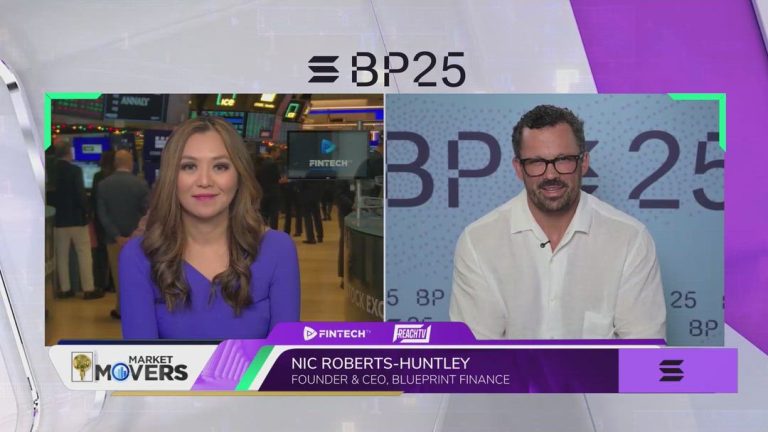
Startups are rapidly reshaping how individuals and institutions generate returns from digital assets, and Blueprint Finance is emerging as a notable player in that transformation. Founded by Nic Roberts-Huntley, the New York-based firm raised $9.5 million earlier this year to scale its decentralized finance platforms and capture a growing share of the crypto lending market, which now exceeds $36 billion. As traditional financial institutions increase their exposure to digital assets, opportunities for yield generation and impact-oriented investing in crypto are coming into sharper focus.

Speaking at Solana’s Breakpoint conference in Abu Dhabi, Roberts-Huntley highlighted how the UAE has established itself as a global hub for digital assets. He pointed to regulatory clarity at the state level, particularly within the Abu Dhabi Global Market and the Dubai International Financial Centre, as a major draw for institutional investors and global exchanges seeking a stable operating environment. These frameworks have helped position the region as a center for innovation in blockchain finance.

A central theme of the discussion was the convergence of regulation and yield generation in digital assets. Roberts-Huntley emphasized that upcoming regulatory developments, particularly around stablecoins, could unlock a new wave of yield-oriented opportunities. For large financial institutions, the ability to recognize and account for gains from digital assets is critical. Clear regulatory treatment, he argued, is essential for institutions seeking to generate yield through both traditional money markets and decentralized lending strategies.

As institutional interest accelerates, Roberts-Huntley identified a key challenge facing the sector: balance sheet representation and compliance. “Money markets or traditional DeFi lending are commonplace,” he said, but integrating these instruments into regulated financial systems requires navigating complex Know Your Customer and Anti-Money Laundering requirements. Without standardized frameworks, scaling institutional participation remains difficult.

Roberts-Huntley framed institutional yield as more than a passing trend, describing it as a structural shift in capital allocation. Large financial partners are increasingly focused on mitigating risk while generating reliable cash flows. However, deploying capital at scale remains a constraint. Opportunities capable of absorbing more than $1 billion in a single venue are rare, underscoring the need for deeper liquidity and more mature market structures within DeFi.

The discussion also turned to blockchain infrastructure, with Roberts-Huntley pointing to rising enthusiasm around Layer 2 solutions and the Solana network. Known for its speed and reliability, Solana continues to attract developers and capital. He noted that debates between Ethereum and Solana proponents are becoming less relevant, as both ecosystems demonstrate complementary strengths suited to different financial use cases.

Looking ahead, Roberts-Huntley anticipates increased merger and acquisition activity across the digital asset sector. He cited compressed returns in traditional finance and a limited talent pool in crypto as key drivers. “Digital assets seem to be an interesting area of exploration,” he said, adding that acquiring specialized teams and proven protocols will become a strategic priority for firms seeking to scale efficiently.

As the digital asset ecosystem matures, Roberts-Huntley stressed the importance of separating meaningful innovation from market noise. With heightened activity across custodians, exchanges, and infrastructure providers, adaptability will be critical. While challenges remain, advances in blockchain technology continue to create opportunities for sustainable and impact-driven investment strategies.

In conclusion, Nic Roberts-Huntley’s insights underscore the evolving role of decentralized finance in global capital markets. With Blueprint Finance expanding within the $36 billion crypto lending market, institutional yield, regulatory clarity, and scalable infrastructure are becoming defining themes of the next phase of digital asset adoption. Startups like Blueprint Finance are not only participating in this evolution but are actively shaping its direction.

Solana Foundation Sees Rapid Growth in Blockchain-Based Payments

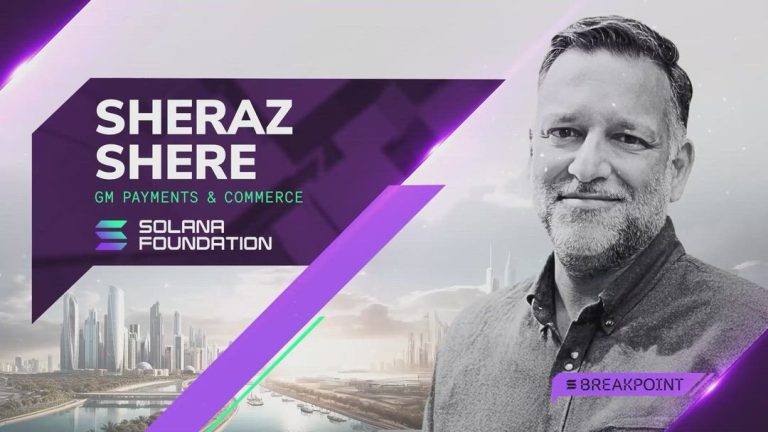
Day two of Solana Breakpoint 2025 in Abu Dhabi underscored the growing convergence of traditional finance and blockchain technology, as institutional adoption of stablecoins and on-chain payments continues to accelerate. On the ground at the event, FintechTV contributor Rachel Pether spoke with Sheraz Shere, General Manager of Payments at the Solana Foundation, about how recent regulatory developments are reshaping the global payments landscape.

Shere pointed to the passage of stablecoin legislation in the United States as a major catalyst. Over the past six months, institutional interest has shifted from experimentation to active deployment. Companies are now building real infrastructure on blockchain networks, particularly in remittances and payment processing. According to Shere, remittance providers, embedded finance firms, and payment processors are increasingly using stablecoins to move money across borders more efficiently, reflecting a growing confidence in blockchain as a core financial rail.

Stablecoins are now driving a wide range of real-world payment use cases. Shere outlined several dominant applications, including peer-to-peer consumer remittances, marketplace payouts to contractors, and business-to-business transactions. He also noted an emerging trend toward offering credit products directly on blockchain platforms, expanding the role of stablecoins beyond simple transfers and into broader financial services.

As adoption deepens, use cases are becoming more sophisticated. Shere explained that banks are beginning to explore tokenized deposits, signaling a new phase of institutional engagement with blockchain technology. At the same time, competition is intensifying as established corporations such as Pfizer and Western Union launch stablecoins on the Solana blockchain. These companies are seeking greater control over the assets that power their payment flows while strengthening customer acquisition and retention strategies.

For issuers entering the blockchain payments space, Shere emphasized the importance of choosing the right layer one network. Solana’s design prioritizes performance, offering fast, scalable, and low-cost transactions. The network is capable of settling transactions in approximately 400 milliseconds and can process hundreds of thousands of transactions per second at minimal cost. A key differentiator, according to Shere, is Solana’s token extensions, which allow regulated institutions to embed compliance and regulatory controls directly at the asset level. This feature addresses long-standing concerns around public blockchains while maintaining the oversight financial institutions require.

Regulatory momentum continues to support adoption, particularly in the United States. Shere noted that while foundational stablecoin regulations are now in place, incremental improvements could further accelerate institutional participation. Legislation such as the GENIUS Act has already helped unlock innovation by providing clearer guardrails for blockchain-based payments and financial infrastructure.

The discussion at Solana Breakpoint 2025 reflects a payments ecosystem undergoing rapid transformation. Collaboration between established financial institutions and blockchain-native platforms is paving the way for faster, more secure, and more accessible digital finance. As major players commit to stablecoins as core payment instruments, the sector is moving closer to mainstream adoption.

This evolution also signals broader implications for sustainability and impact-focused finance. As blockchain infrastructure matures, its ability to improve efficiency, transparency, and access positions it as a powerful tool in shaping the next generation of global financial systems. For institutions, entrepreneurs, and policymakers alike, the developments unfolding at Solana Breakpoint highlight how blockchain technology is becoming an integral part of the future of payments.

Kraken Moves Deeper Into Tokenized Assets With Backed Finance Deal

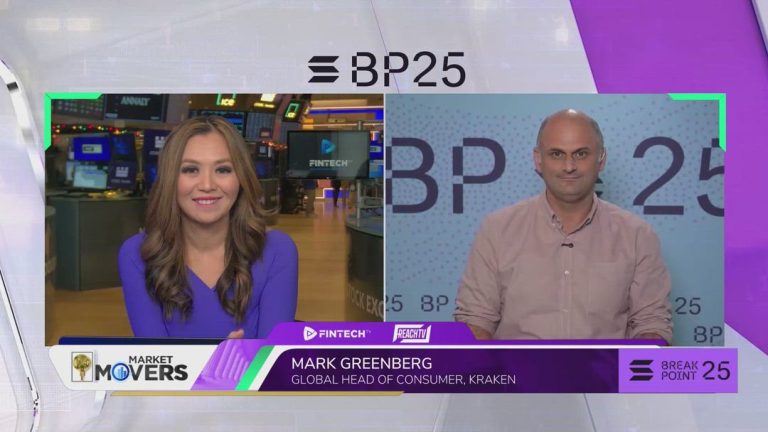
At the Solana Breakpoint conference in Abu Dhabi, Kraken Global Head of Consumer Mark Greenberg outlined the company’s latest strategic move as tokenized assets gain momentum across global markets. Kraken, one of the world’s largest cryptocurrency exchanges, has agreed to acquire Backed Finance, the issuer behind the rapidly growing xStocks platform. The acquisition signals Kraken’s deepening commitment to tokenized equities as demand accelerates among retail and institutional investors alike.

xStocks has quickly emerged as a major force in tokenized securities, surpassing $12 billion in total trading volume. According to Greenberg, nearly $2 billion of that activity has taken place on-chain in just 135 days since launch. The platform’s core objective is to simplify equity trading by making it as accessible as cryptocurrency trading. Tokenized equities on xStocks provide permissionless, round-the-clock global access, allowing users to trade equities 24/7 across multiple marketplaces, including integrations within the Telegram app in regions such as Uzbekistan, South America, and Europe.

Kraken’s acquisition of Backed Finance reflects a broader strategy focused on scalability and product innovation. Greenberg emphasized that the deal is designed to strengthen Kraken’s position in tokenized securities while expanding functionality for users. With more than 80,000 wallets already participating, the combined ecosystem is expected to unlock additional use cases, including using tokenized equities as collateral, participating in lending markets, and earning yield on-chain.

Beyond tokenized equities, Kraken is also expanding its presence in consumer payments. The company recently launched the Krak Card, a multi-asset payment product now available across the UK and EU. The Krak Card enables users to spend fiat, stablecoins, and cryptocurrencies seamlessly in everyday transactions. Greenberg described the product as an early step toward a future where any asset can function as money, reshaping how users interact with their financial portfolios.

Looking ahead to 2026, Greenberg expects tokenization to become a core focus for investors as the divide between on-chain and off-chain markets continues to narrow. The convergence of traditional finance and decentralized finance is expected to create more efficient capital flows and new market structures. Greenberg anticipates a future where crypto assets become routine components of the financial system, reducing the relevance of distinctions between digital and traditional assets as interoperability improves across markets.

In summary, Kraken’s acquisition of Backed Finance and the expansion of products like the Krak Card underscore the accelerating shift toward tokenized finance. As blockchain adoption advances, tokenized equities, digital payments, and decentralized infrastructure are reshaping how capital moves globally. These developments not only enhance financial access and efficiency but also open new pathways for sustainable finance and innovation, aligning with broader global efforts to modernize financial systems.

Fundstrat Strategist Says Broad Gains Signal Further Market Upside

0

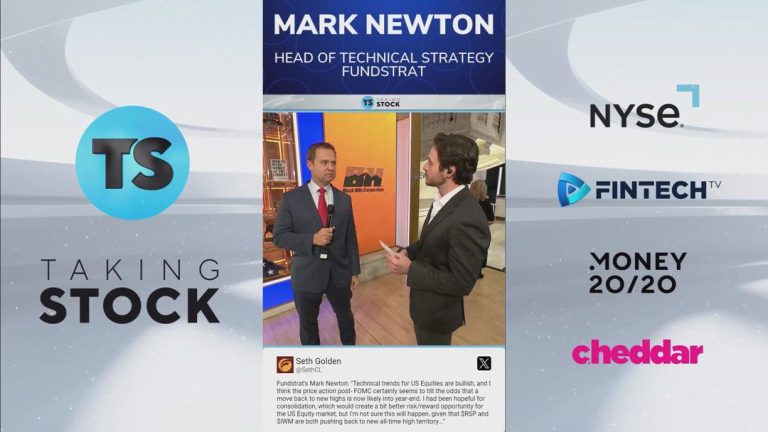
FintechTV recently featured Mark Newton, head of technical strategy at Fundstrat, who provided an in-depth look at market momentum, sector leadership, and what investors should watch as the year comes to a close. With holiday trading in full swing, Newton highlighted several major developments that point to a shifting and increasingly optimistic market environment.

Newton opened the conversation by noting a historic milestone. The Dow Jones Industrial Average closed at an all-time high, a welcome resurgence after months of muted performance. He emphasized that this was not a narrow rally driven by a handful of mega-cap technology names. Mid-cap indices and small-cap stocks have also shown notable strength, signaling a broad-based advance. According to Newton, the improving market breadth and consistent upward momentum create a strong case for the S&P 500 and Nasdaq to push toward new highs as well.

The interview then shifted to defensive sectors, an area that traditionally sees increased inflows during turbulent markets. Newton explained that utilities, healthcare, and consumer staples have underperformed in recent weeks, which is unusual at a time when many investors might expect caution. Instead, leadership has emerged from financials and industrials. Both sectors have surged back to new highs, reflecting a clear risk-on tone and renewed economic confidence. Transportation stocks have also joined the rally, a development Newton considers important, as it supports both Dow theory principles and broader market stability.

One of the most notable areas of strength is small-cap equities. Newton attributes their recent outperformance to the Federal Reserve’s dovish pivot, including signals of potential interest rate cuts in the coming year. He noted that small-cap companies, which often carry higher levels of debt, tend to benefit disproportionately when borrowing costs decline. Newton’s view is that further easing from the Fed could support a sustained rotation into small caps, especially as they begin to outpace some of the largest technology names.

Throughout the discussion, Newton integrated classical technical frameworks with contemporary market analysis to present a holistic view of sector performance. His perspective on the synchronized rise of industrials and transportation stocks suggests that improving economic fundamentals are helping restore balance across market sectors. For investors navigating the end-of-year landscape, the alignment of these indicators could help set expectations for the first quarter of 2026.

Newton’s insights extend beyond traditional equities. He acknowledged the increasing intersection of financial markets with emerging technologies, including cryptocurrency, blockchain infrastructure, and advancements in artificial intelligence. These innovations, combined with the growing relevance of sustainable investing and the global focus on the Sustainable Development Goals, are reshaping how investors interpret risk, opportunity, and long-term value.

As the year draws to a close, Newton encouraged investors to remain attentive to these evolving trends. A blend of sector rotation, supportive monetary policy, and technological disruption is creating a financial environment unlike any previous cycle. This shift underscores the need for informed strategy, adaptability, and a broader understanding of both market mechanics and global economic forces.

In summary, the conversation with Mark Newton offered essential guidance for investors preparing for the new year. His analysis of market breadth, sector leadership, small-cap momentum, and the integration of new technologies provides a roadmap for navigating a rapidly changing financial landscape. As the global economy continues to transform, insights from experienced strategists will remain invaluable for those seeking sustainable and strategic investment opportunities.

ARMR Sciences Advances Immunogen Technology to Counter Fentanyl Crisis

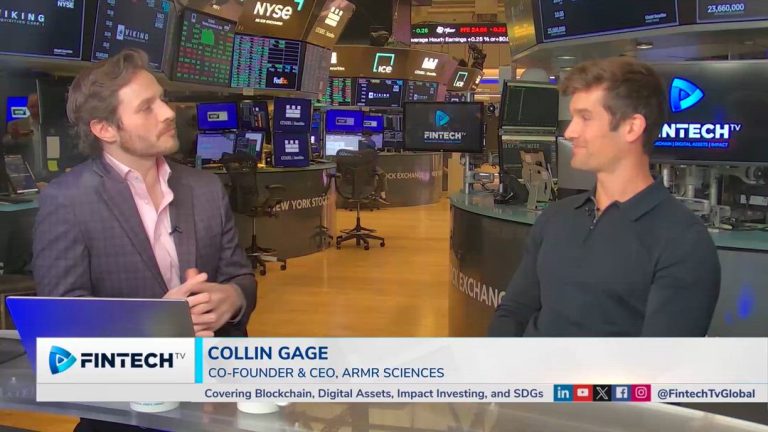
The fentanyl crisis in the United States has escalated to catastrophic levels, claiming an estimated 70,000 lives each year. In a recent interview, Collin Gage, co-founder and CEO of ARMR Sciences, highlighted how this crisis reaches far beyond public health and intersects with national security, geopolitics, and the stability of American communities. According to Gage, the urgency of the situation demands a coordinated response that includes both government leadership and private sector innovation.

The conversation began with President Donald Trump’s latest foreign policy focus, which includes a renewed strategic push into South America in an effort to disrupt fentanyl trafficking. The U.S. government has taken unprecedented action by conducting targeted strikes on boats moving fentanyl from Mexico and Colombia. This escalation reflects a core belief that the fentanyl epidemic is not simply a public health emergency but a deliberate threat against American lives. Gage pointed out that the data is devastating. Twenty-two high school students die each week due to fentanyl overdoses, and hundreds of thousands of Americans have lost their lives to the drug in recent years. Framing the crisis as a national security issue underscores the need for a powerful and sustained response.

A major revelation in the discussion was the recent disclosure of a secret memo from the U.S. Justice Department, which classifies fentanyl as a potential chemical weapon. This designation provides a legal foundation for military action against those who manufacture or distribute fentanyl. Gage described this as a significant turning point. He argued that the crisis is “not accidental” but instead represents a calculated attack on the American population that must be countered decisively.

The threat itself is evolving. Gage warned that new iterations of synthetic opioids, referred to as fentanyl 2.0, 3.0, and beyond, are already emerging from bad actors south of the border. These next-generation narcotics are even more dangerous and difficult to detect, posing heightened risks for civilians and law enforcement. ARMR Sciences is developing preventative immunogens to counteract these synthetic chemical threats. Their research aims to produce long-lasting protection for civilians, military personnel, and first responders who are increasingly exposed to these hazardous substances.

Ethical and legal considerations around targeted military strikes were also addressed. Although some critics point to due process concerns, Gage argued that the actions are justified because individuals involved in the trafficking of fentanyl knowingly participate in a lethal enterprise. He characterized the strikes as necessary defensive measures against a coordinated assault on American citizens. This viewpoint supports the broader need for a comprehensive strategy that combines enforcement, security operations, and advanced biomedical defenses.

In closing, the fentanyl epidemic has become one of the gravest public health and national security challenges facing the United States. With hundreds of thousands of fatalities and new synthetic variants entering the market, the need for innovative solutions has never been greater. As Gage explained, ARMR Sciences is advancing the development of protective immunogens designed to trigger an immune response against fentanyl and similar chemical threats. These breakthroughs aim to safeguard first responders, military personnel, and the wider population. The evolving crisis demands bold action, and the integration of scientific innovation with strategic defense efforts may provide a critical path forward.

This segment is powered by ARMR Sciences.

Solana Ecosystem Expands as Middle East Becomes Key Digital Asset Hub

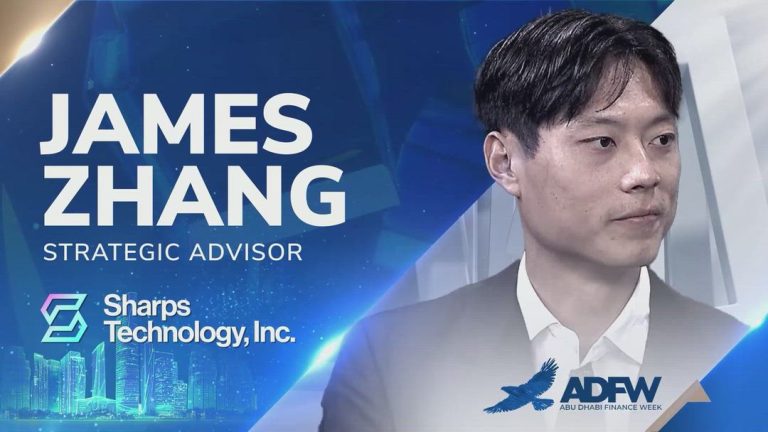
Abu Dhabi Finance Week (ADFW) once again served as a global meeting point for innovators and strategic thinkers in finance, offering a deep look into the accelerating evolution of digital assets. Among the standout voices was James Zhang, strategic advisor for Sharps Technology, who outlined why the Middle East is emerging as a pivotal force in the next chapter of digital finance.

Zhang emphasized that the Middle East, along with Asia and the United States, has become one of the three essential hubs shaping future capital markets. The region’s rapid regulatory advancements have created fertile ground for digital asset innovation, attracting companies like RockawayX and Solmate whose recent expansions and acquisitions reflect the momentum building in local ecosystems. These developments signal the Middle East’s increasing influence as a global competitor in the digital asset arena.

The dialogue shifted to market sentiment, which Zhang described as having taken a bearish turn in recent months. While some view this downturn as a setback, Zhang noted that it presents a compelling opportunity for digital asset treasuries (DATs). He explained how the industry is transitioning from the DA 1.0 era of basic strategies and passive yield toward a DA 2.0 environment centered on active management, enhanced financial tools, and diversified revenue streams. Upcoming earnings reports, Zhang added, will reveal how effectively DATs are adapting to this more sophisticated operational model.

Given current volatility, Zhang outlined practical strategies DATs can employ to strengthen investor confidence. Among these tools is selling potential assets per share, which can bolster shareholder trust and support incremental increases in stock prices. This proactive approach reflects a broader requirement for transparent and dynamic management tactics to meet investor expectations and elevate share value.

The conversation also highlighted the growing importance of decentralized finance (DeFi), particularly within the Solana ecosystem. Zhang expressed optimism about Breakpoint, Solana’s flagship event, calling attention to its role as a catalyst for product launches and deeper collaboration across the ecosystem. He noted that in-person engagement among family offices and institutional stakeholders remains vital, enabling clearer communication and more meaningful opportunities for partnership in an increasingly fast-moving sector.

As Abu Dhabi Finance Week draws to a close, insights from leaders like James Zhang underscore the Middle East’s rising position as a transformative hub for digital assets and blockchain technology. Enhanced regulation, innovative financial strategies, and a shift toward active management all signal a maturation of the digital asset landscape. At events like Breakpoint and throughout the region, the collaborative energy is unmistakable, laying the groundwork for sustainable growth, impact-focused investment, and new opportunities across global digital markets.

R3 Launches Solana-Based Protocol to Boost Real-World Asset Tokenization

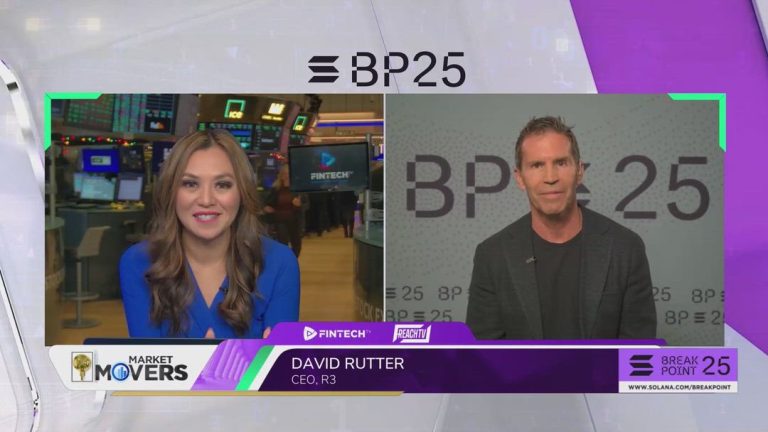
It has been more than six months since R3 and Solana launched a collaborative effort to bring regulated financial institutions into public blockchain networks. This initiative took a major step forward with R3’s introduction of the Quarter Protocol, a Solana-based framework designed to help traditional issuers tokenize assets directly on-chain. The protocol enables issuers to connect with an emerging marketplace built around real-world asset (RWA) yield vaults, addressing long-standing inefficiencies in how asset-backed products reach digital investors.

In a recent discussion, R3 CEO David Rutter outlined the goals behind the Quarter Protocol and explained why such an infrastructure is essential for the next phase of blockchain adoption. Rutter identified liquidity as the central challenge limiting the scale of asset tokenization. He emphasized the importance of understanding both sides of the market — on-chain investors seeking yield and traditional issuers searching for broader distribution channels. As he put it, “It’s simplistic to say we’re just going to bring real-world assets on-chain; it must also cater to the needs of investors looking for actual yield.”

The Quarter Protocol is designed to simplify blockchain participation for traditional issuers who often find digital asset processes overly complex. While acknowledging the hurdles associated with tokenizing RWAs, Rutter explained that R3 aims to create an environment where issuing tokenized assets becomes straightforward and approachable. The goal is to give issuers easy access to a new class of on-chain investors while delivering the liquidity and yield those investors demand.

A cornerstone of this strategy is the development of yield vaults built to attract on-chain investors. These products must balance the expectation of meaningful returns with the need for immediate liquidity, a combination Rutter considers vital for establishing a sustainable token economy.

Discussing how the Quarter Protocol could influence future capital flows, Rutter predicted that increased on-chain liquidity would spark greater demand for RWAs. This, in turn, would allow investors in both traditional finance (TradFi) and decentralized finance (DeFi) to benefit from innovative opportunities previously out of reach. Ultimately, the protocol aims to merge the familiar structures of traditional markets with the technological advantages of decentralized ecosystems.

Rutter’s observations were shaped by his participation in Solana Breakpoint in Abu Dhabi, where enthusiasm for tokenization dominated conversations. He highlighted the collaborative energy among founders, investors, and regulators in the region. Abu Dhabi’s progressive regulatory environment, he noted, provides a rare combination of compliance clarity and entrepreneurial support, making it an emerging hub for blockchain innovation.

Looking ahead, Rutter expressed optimism about the types of assets expected to move on-chain in the coming years. Shipping commodities, gold, and other high-value assets are candidates for tokenization as capital markets increasingly seek more efficient distribution mechanisms. This evolution signals a shift toward democratized access, offering new opportunities for everyday investors while modernizing how institutions manage and deploy capital.

The launch of the Quarter Protocol marks a pivotal step toward integrating traditional finance with the digital asset ecosystem. By focusing on issuer accessibility, investor liquidity, and yield-driven design, R3 is working to bridge structural gaps that have historically limited tokenization’s growth.

As blockchain adoption accelerates and global interest in RWAs expands, initiatives like Quarter highlight the potential for meaningful transformation. These developments align with broader goals in sustainability, financial inclusion, and impact investing — offering a glimpse into a future where tokenized assets play a foundational role in both traditional portfolios and decentralized markets.

Stablecoins Drive Global Payment Shift as Solana Gains Momentum

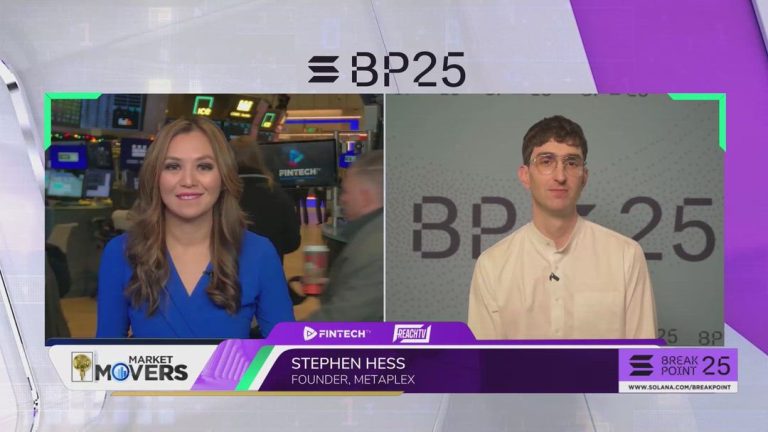
The rapidly evolving digital asset landscape is shifting from speculation to practical utility, driven largely by the rise of payment tokenization and enterprise blockchain applications. At the recent Solana Breakpoint conference in Abu Dhabi, Stephen Hess, founder of Metaplex and former head of products at Solana, offered insights into why developers and institutions are increasingly choosing Solana for high-volume, performance-critical use cases.

Solana has distinguished itself by delivering unmatched transaction speed and predictable costs, two attributes that are essential for large-scale development. With more than $15 billion worth of stablecoins now active on its network, Solana is becoming a central force in shaping how global capital forms. Its decentralized infrastructure is designed to allow anyone with an internet connection to participate in a new financial ecosystem. This open-access model is transforming how early-stage ventures raise capital, interact with investors, and grow their platforms in a borderless digital environment.

Hess also discussed the expanding role of tokenization and stablecoins in building internet capital markets. These markets enable fully composable digital assets that interact seamlessly with foundational financial primitives. For entrepreneurs, this creates opportunities to build technology ventures that can participate directly in market dynamics as their assets trade. Stablecoins in particular are accelerating this shift by providing global access to the stability and reach of the US dollar. As a result, international markets are expanding in parallel with developments in the United States.

Regulation remains a defining factor in the digital asset sector. The passage of the GENIUS Act marks a major step forward for regulatory clarity. According to Hess, a supportive SEC that understands entrepreneurial intent can encourage the next generation of builders to innovate within the United States. Although additional clarity from Congress remains stalled, the SEC’s focus on transparency is seen as a positive force. Clearer rules will be essential as developers prepare for significant advancements expected by 2026.

A key theme of the discussion centered on the concept of infrastructure-grade Web3. For enterprises to adopt tokenization at scale, accessible and compliant tooling is critical. Metaplex has emerged as Solana’s largest tokenization platform, with more than 20 million tokens and 900 million NFTs created. Its platform enables enterprises and creators to tokenize assets without writing smart contracts or having deep technical expertise. The infrastructure is audited, battle-tested, and designed to support billions of dollars in economic value, signaling a move toward decentralized markets as a viable alternative to centralized systems.

Looking ahead, Hess highlighted that broad institutional adoption will require widespread on-chain price discovery. Liquidity and trading volume are already migrating to decentralized environments, democratizing market access and reducing the need for permissioned gateways. This trend is expected to accelerate as more participants seek transparent and efficient market structures.

Several macro trends point to significant shifts by 2026. Commodity-based tokens may become foundational to global infrastructure systems, enabling tokenized markets for essential resources. Meanwhile, competition is rising among nations to determine which will be the first to bring equity markets fully on-chain without traditional permissioning or KYC restrictions. The country that successfully adopts this model could emerge as a global leader in digital finance.

In conclusion, Solana’s infrastructure, combined with Metaplex’s tokenization advancements, signals a transformative era for blockchain and digital asset markets. As regulatory clarity improves and decentralized systems gain broader traction, the potential for innovation across finance, sustainable investing, and global economic participation continues to grow. Institutions and entrepreneurs now stand at the edge of a major shift in how capital is created, assets are tokenized, and markets operate.

Stablecoins Pass $1 Trillion a Month as Blockchain Payments Overtake Visa

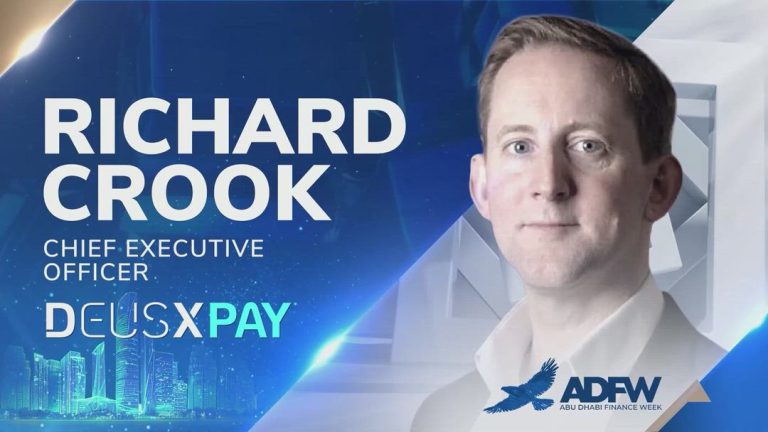
During the recent Abu Dhabi Finance Week (ADFW), major conversations unfolded around the evolution of stablecoins and their expanding role in the global financial ecosystem. Reporting from the event, Lawrence Wintermeyer spoke with Richard Crook, chief executive officer of Deus X Pay, who provided deep insight into the rapid growth and transformative potential of stablecoins in today’s economy.

Stablecoins, which originated within the cryptocurrency sector, have moved far beyond their early use cases and now play a significant role in real-world financial transactions. Crook highlighted a striking milestone: monthly stablecoin transaction volume now exceeds $1 trillion. This figure surpasses processing levels of legacy payment networks such as Visa, signaling a fundamental shift in how consumers and businesses move capital across borders.

The appeal of stablecoins stems from their ability to deliver faster, cheaper, and more secure transactions. Crook pointed to long-standing inefficiencies within the traditional banking system, where cross-border payments are often slow, expensive, and opaque. By contrast, stablecoins enable near-instant global transfers, available 24/7 without the delays imposed by intermediaries and conventional clearing mechanisms.

Crook also addressed the regulatory challenges that come with this growth. Because cross-border payments are subject to strict anti-terrorism financing (CTF) and anti-money laundering requirements, regulators carefully assess the sector. He noted that stablecoins must meet many of the same compliance standards as traditional financial institutions. However, blockchain technology gives stablecoins a unique advantage: far greater transparency.

Unlike traditional payments that may pass through multiple intermediaries, stablecoin transactions can be verified in a single step via blockchain analysis. This provides clear, immutable records of transaction origins and movement, improving compliance efficiency and accelerating reconciliation processes. For regulators and institutions alike, this transparency represents a significant leap forward in oversight and security.

The rise of stablecoins highlights a broader trend in financial innovation as global markets seek solutions to long-standing inefficiencies in the traditional system. Entrepreneurs and technology leaders are increasingly focused on tools that promote transparency, accessibility, and financial inclusion. The shift is not solely about cryptocurrency but about building a more efficient and equitable financial infrastructure that aligns with sustainable development goals (SDGs).

Recent advancements in blockchain, digital assets, and AI continue to expand financial access for individuals and businesses worldwide. As new systems emerge, the potential for innovation within cryptocurrency and fintech remains immense, supporting both sustainable investing and impact-driven entrepreneurship.

Under Crook’s leadership, Deus X Pay is positioning itself as a major contributor to this ecosystem. The company aims to meet the rapidly growing demand for stablecoin solutions and to enhance user experience within this evolving financial landscape. “Deus X Pay is here to serve,” Crook said, underscoring the firm’s commitment to advancing practical and scalable financial technology.

As the broader financial industry adapts to changing technologies, stablecoins appear poised to play a defining role in shaping a more interconnected and sustainable economic future. With increasing regulatory clarity, expanding global adoption, and deepening institutional interest, stablecoins are set to overcome traditional barriers and transform international finance.

In conclusion, market participants across crypto, finance, and investment sectors should closely follow these developments as the stablecoin revolution accelerates. The convergence of blockchain innovation, regulatory frameworks, and real-world utility signals a new chapter for global financial infrastructure—one driven by transparency, efficiency, and long-term growth.