[stock-market-ticker symbols=" ^NYA;CRYPTO:BTC;CRYPTO:ETH;CRYPTO:USDT;CRYPTO:USDC;CRYPTO:BNB;CRYPTO:ADA;CRYPTO:XRP;CRYPTO:SOL;CRYPTO:DOGE " stockExchange="NYSENASDAQ" width="100%" transparentbackground=1 palette="financial-light"]

Home Blog Page 36

Blockchain Provides the ‘Universal Truth’ Needed for AI Finance, Coinbase Says

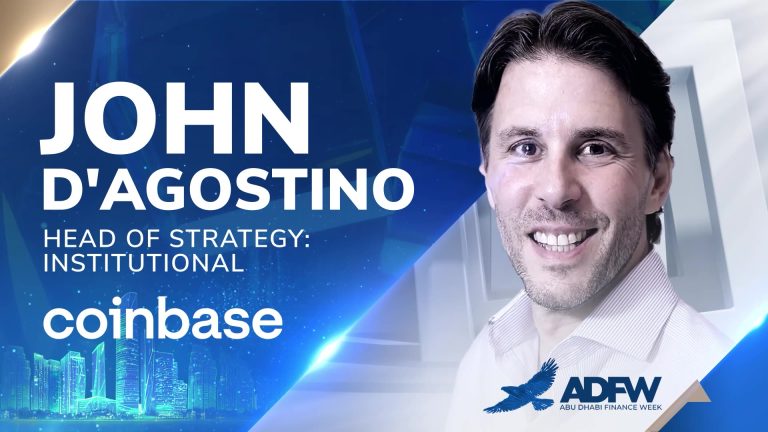
In the dynamic landscape of cryptocurrency and blockchain technology, John D’Agostino, Head of Strategy at Coinbase Institutional, sheds light on the crucial aspects of the financial revolution underway. During a recent interview at the Abu Dhabi Finance Week, D’Agostino emphasized the urgent need for speed in transaction closures and the promising synergy between artificial intelligence and blockchain.

As cryptocurrencies continue to gain traction, traditional finance systems are increasingly challenged by the limitations of their existing frameworks. D’Agostino underscored speed as a pivotal factor, noting that settlement systems that evolved from T+5 to C+3 and beyond still fail to meet the immediacy required for modern markets. “To go from settling in hours or days to seconds and minutes unlocks unbelievable value across both retail and institutional sectors,” he said. Instantaneous transactions not only enhance user experiences but also release significant capital that institutions currently have tied up in slow settlement processes.

The conversation expanded to examine the rapidly developing interplay between artificial intelligence and blockchain technology. D’Agostino pointed to two major benefits: efficiency and truth. He described AI as “scalable intelligence” and blockchain as “scalable truth,” explaining that the two together form the foundation for a powerful transactional environment. “You do not want an infinitely intelligent engine analyzing KYC AML a million times faster than humans without having a universal source of truth, and that’s what blockchain provides,” he noted.

His vision for the future imagines agent-based AIs autonomously executing crypto transactions. He offered the example of an AI bot performing tax-loss harvesting, navigating markets with speed and precision and influencing microtransactions in real time. Such developments will require a financial framework that operates at the speed of crypto, far surpassing the capabilities of traditional banking rails.

D’Agostino also addressed the competitive global landscape, particularly in light of the innovations emerging from the UAE and Abu Dhabi. He highlighted a growing trend toward regulatory harmonization, a central theme in the region’s approach to financial innovation. This environment, he explained, positions Abu Dhabi as a global hub for collaboration by offering clarity and consistency that international investors seek.

“The UAE leads the way in promoting regulatory harmonization around the world,” he said, noting that its proactive frameworks encourage other nations to elevate their own regulatory standards. “It’s a scenario where investors can operate freely across jurisdictions without regulatory fears hampering their engagements,” he added. This competitive pressure, fueled by what he described as regulatory “FOMO,” is prompting countries to align their standards in pursuit of global investment.

If he could instantly unlock capital within the institutional sector, D’Agostino imagines convening global regulatory leaders in Abu Dhabi to establish collaborative frameworks that support an interconnected financial ecosystem. Such a summit, he suggested, could rapidly accelerate consensus on rules governing crypto and blockchain technologies.

The cryptocurrency sector stands at a pivotal moment, and its future hinges on efficiency, regulatory clarity, and technological innovation. As the industry advances, D’Agostino’s insights outline a pathway toward a unified financial system defined by speed, trust, and interoperability.

In conclusion, the evolution of financial services will depend not only on breakthroughs in AI and blockchain but also on the willingness of regulators, institutions, and technology providers to work together. By combining these strengths, the global market may soon experience a financial ecosystem capable of meeting the needs of both present and future generations.
Solana, Ethereum Staking ETFs Signal New Era for Digital Asset Investors

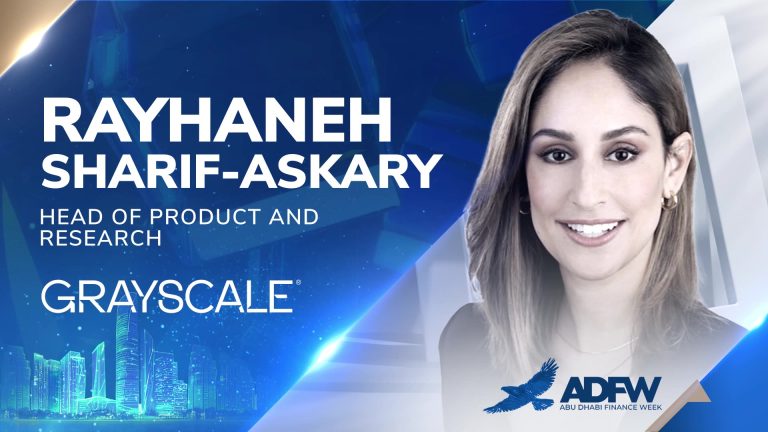
The financial landscape is evolving rapidly, and at the forefront of this transformation is Grayscale, the world’s largest crypto-focused asset manager. During the Abu Dhabi Finance Week (ADFW), contributor Patricia Wu sat down with Rayhaneh Sharif-Askary, head of product and research at Grayscale, to discuss the latest innovations and trends shaping the crypto market. Their conversation revealed critical insights that could influence investors and the future of digital finance.

One of the most notable developments Sharif-Askary highlighted is the introduction of staking into Ethereum and Solana ETFs. Staking has become a powerful income tool within the digital assets sector, giving investors the ability to earn yield on their holdings. “Staking crypto is now an income generating asset class,” Sharif-Askary explained, underscoring Grayscale’s commitment to building compliant, regulated investment products that offer genuine revenue opportunities. With staking rewards reportedly exceeding 7%, investors can expect more diversified income strategies within their portfolios.

Sharif-Askary also shared her outlook on major trends heading into 2026. She anticipates clearer regulatory frameworks surrounding crypto assets, which could pave the way for more robust institutional adoption. This supportive regulatory environment, combined with a favorable macro backdrop, positions Bitcoin to potentially achieve new all-time highs in the first half of 2026.

In a striking observation, Sharif-Askary suggested that the long-standing four-year Bitcoin cycle narrative may lose relevance. “I think that it’s been a self-fulfilling prophecy,” she said, pointing to rising adoption rates across both institutional and retail investor groups. As participation broadens and the market matures, the potential for steadier growth increases, creating space for deeper integration between crypto-native firms and traditional financial institutions.

Another key theme Sharif-Askary addressed was the importance of cross-chain capabilities. Projects such as Chainlink illustrate how interoperability can unlock new layers of utility by enabling communication across different blockchains. She noted that “we will continue to see fast, scalable next-generation layer one blockchains like Solana making strides toward wider adoption.” This cross-chain functionality is essential for making cryptocurrencies practical tools in everyday financial solutions for both individuals and institutions.

The insights shared by Rayhaneh Sharif-Askary at ADFW signal an optimistic future for crypto and financial innovation. With advancements in staking, growing regulatory clarity, and increasing collaboration between blockchain companies and established financial institutions, the investment landscape is undergoing a fundamental shift. For investors looking to position themselves at the forefront of this transformation, staying tuned to these evolving trends will be key to unlocking the long-term potential of digital assets.

Crypto Regulation Shift in 2025 Sparks Altcoin Opportunity

In recent years, digital assets have become a foundational component of the global financial landscape, marked by rapid growth, expanding use cases, and persistent volatility. The year 2025 stands out due to significant regulatory shifts in the United States, particularly with the implementation of the GENIUS Act and the progression of new legislation such as the Clarity Act. These developments represent a vital step toward providing clearer oversight in the cryptocurrency sector, creating meaningful guidance for companies navigating this continually evolving market.

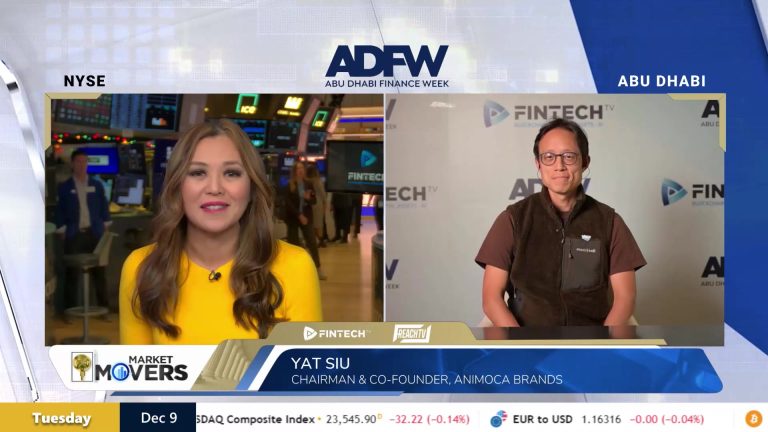
Against this backdrop of regulatory reform, Yat Siu, chairman and co-founder of Animoca Brands, offered insight into the MENA region’s accelerating crypto adoption during an interview at Abu Dhabi Finance Week. Siu emphasized that jurisdictions such as Abu Dhabi and Saudi Arabia have emerged as global leaders in establishing forward-looking regulatory frameworks. He contrasted their proactive stance with ongoing resistance to similar initiatives in the United States. This supportive regulatory environment has helped fuel innovation and growth in the regional crypto ecosystem, where digital assets are becoming integral to sectors including gaming, media, entertainment, and financial services.

Siu shared a bold outlook on the future of altcoins, predicting that they will eventually surpass Bitcoin in aggregate value. While Bitcoin is often compared to digital gold, with valuations linked to the overall gold market, Siu argued that the broader cryptocurrency landscape holds far greater potential. He anticipates that altcoins, due to their diverse utility and expansive market reach, could grow to a value ten times larger than Bitcoin. This outlook highlights an opportunity for investors looking to identify high-potential altcoins poised to reshape digital asset valuations.

The discussion also explored how emerging sectors in the region are converting economic potential into tangible development. Startups focused on artificial intelligence and gaming are gaining traction, reflecting a vibrant entrepreneurial environment. Siu noted that opportunities extend well beyond MENA, calling attention to regions such as Africa and Southeast Asia. In many of these markets, financial infrastructure is either limited or nonexistent, making crypto solutions particularly appealing to unbanked populations that have already adopted digital wallets as a primary financial tool.

Stablecoins and Real World Assets (RWAs) were another major theme of the conversation. Siu highlighted how tokenizing assets such as real estate can democratize access to investment opportunities, especially for individuals who lack entry to traditional financial systems. Tokenization enhances liquidity and accessibility, allowing participants to engage with asset classes historically reserved for a narrow segment of investors.

Siu also introduced an innovative concept within education finance: applying blockchain technology to transform the student loan industry. The current student loan market exceeds $3 trillion and remains plagued by inefficiencies. Through on-chain lending, blockchain technology could streamline loan origination, improve repayment structures, and provide students with fairer interest rates and personalized terms. This shift could also serve as an entry point to increase overall financial literacy, empowering students to make informed long-term decisions.

Animoca Brands itself is preparing for significant growth, moving toward a public offering through a reverse merger with a currency group. This strategic step aligns with Yat Siu’s belief that the altcoin sector will increasingly attract investor interest as cryptocurrency adoption accelerates globally. With Animoca Brands generating more than $300 million in revenue last year, the company demonstrates strong operational capability and momentum in a rapidly expanding ecosystem.

In conclusion, the cryptocurrency landscape is experiencing a transformative period, and the MENA region is positioned to play a central role in its next phase. With regulatory advancements, innovative startups, and major opportunities tied to altcoins and tokenization, the future of digital assets appears not only promising but increasingly integrated across industries such as finance, gaming, media, and education. Those focused on the intersection of cryptocurrency, sustainability, and social impact stand to benefit from watching these developments closely. As global economies adapt, the narrative surrounding digital assets will continue to accelerate alongside the broader push toward decentralization and financial innovation.

Investors and entrepreneurs who remain informed about this rapidly shifting environment will be better positioned to navigate the opportunities emerging from blockchain technology and its potential to redefine financial systems worldwide.

Tokinvest Expands Retail Access with $10B Tokenization Effort

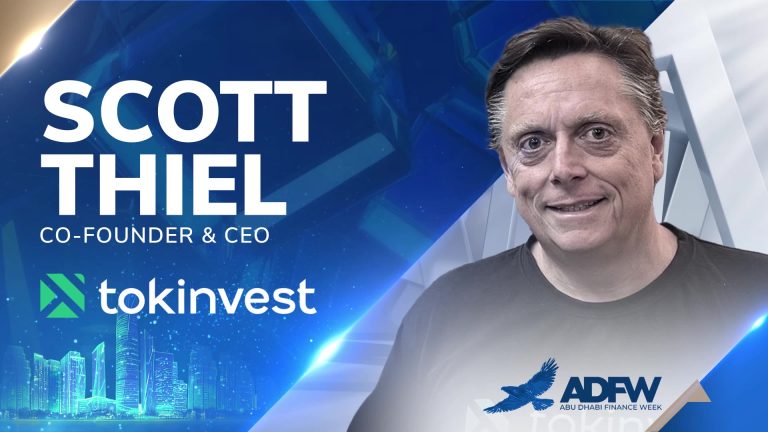
In the rapidly expanding world of financial innovation, Abu Dhabi Finance Week (ADFW) has become a premier global event showcasing the future of investing. Among this year’s standout participants is Tokinvest, founded by visionary Scott Thiel. With a groundbreaking mission, Tokinvest seeks to democratize access to high-quality investment products and open the door for everyday investors to participate in wealth opportunities that were once limited to elite market players.

Tokinvest is transforming how investment products are built, distributed, and accessed. As Thiel explained, Tokinvest’s core philosophy is to deliver regulated, high-yield investment opportunities to all investors, including the retail sector that often cannot meet the strict requirements of traditional financial markets. By tokenizing world-class assets, Tokinvest empowers broader participation and fosters greater financial inclusion.

Thiel believes that the tokenization of real-world assets is the most significant financial shift since exchange-traded funds (ETFs) entered the market. This shift marks a pivotal change in who can access wealth-building instruments. Tokenization supports fractional ownership, allowing investors to hold portions of high-value real estate, fine art, and other premium assets without the traditional financial barriers that have historically kept these markets exclusive.

A key advantage for Tokinvest is its strategic base in the UAE. Thiel described the region as a supportive environment for fintech innovation, bolstered by comprehensive virtual asset regulations that provide secure, compliant infrastructure for digital asset trading. With a background as a lawyer who helped shape these regulatory frameworks, Thiel has a unique vantage point on why the UAE is positioned to lead global advancements in financial technology.

However, Thiel also stressed the urgent need for investor education. Although Tokinvest already has a pipeline of $10 billion worth of assets prepared for tokenization, many potential investors still lack the understanding necessary to confidently engage with tokenized financial products. Tokinvest aims to change this through education efforts, community engagement, and transparent communication about the benefits of tokenized assets.

Profitability remains a major motivator for investors, yet Thiel underscores the power of community participation in driving demand for tokenized assets. Drawing parallels to the rise of cryptocurrencies and Web3, he emphasized that people are increasingly drawn to investment opportunities that offer engagement, participation, and shared experiences. Social tokens and community-led initiatives illustrate how financial and communal incentives are merging to shape the next era of investing.

Thiel envisions a future where tokenized assets are seamlessly integrated into the global financial system. He compared this integration to how people use the internet today without understanding the underlying infrastructure. Similarly, Tokinvest aims to make investing in tokenized assets effortless and intuitive, offering a frictionless user experience as technology and platforms continue to advance.

Tokinvest’s efforts represent a major step forward in democratizing investment access. Supported by one of the world’s most innovative regulatory environments and fueled by community-driven interest, Tokinvest is helping redefine what financial participation looks like. As the investment landscape evolves, education, accessibility, and engagement will play critical roles in shaping the financial future. For investors worldwide, this marks the beginning of a new era where high-value opportunities become available to everyone.

John Deere Bets Big on Autonomous Equipment as Global Infrastructure Surges

0

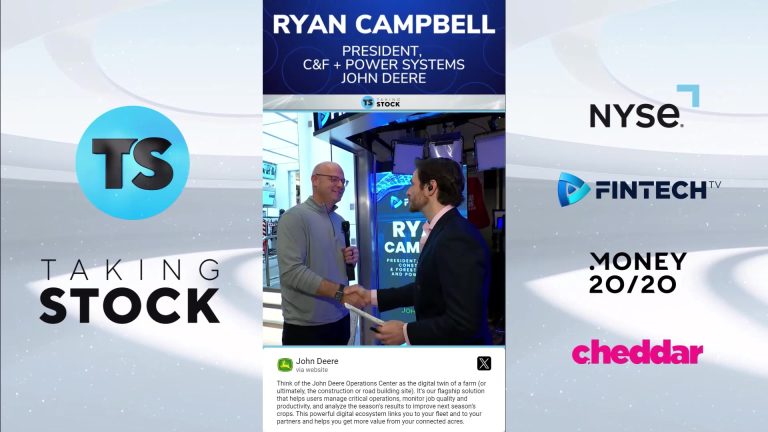
In the fast-evolving landscape of agriculture and construction, few brands have upheld their legacy while adapting to modern demands as successfully as John Deere. Recently, Ryan Campbell, President of Worldwide Construction and Forestry and Power Systems at John Deere, offered a deep look into the company’s strategies and long-term vision. Speaking live from the trading floor, Campbell emphasized the rising importance of technology, automation, and sustainability in shaping the future of global infrastructure.

With a history that spans 188 years, John Deere has long been recognized as a leader in agriculture and construction. Campbell oversees the construction segment, which generates more than $12 billion in revenue. His mission centers on understanding the needs of customers who build infrastructure and provide essential food and fuel for the world. Campbell said his guiding question is always, “How can we make the jobs of our customers easier and safer?”

As infrastructure demands grow in the United States and rapidly expanding markets like Brazil, Campbell noted that the world is entering a powerful wave of infrastructure investment. With more roads, facilities, and job sites needed every year, John Deere is poised to deliver cutting-edge solutions that support this global buildout.

Historically, construction work has relied heavily on manual labor. Campbell discussed how the industry now faces a significant shortage of workers willing to take on physically demanding roles. This shift has accelerated the need for technology-driven solutions that enhance efficiency and lessen the strain on the workforce. John Deere’s approach places automation and smart machinery at the core of its innovation strategy.

The company is investing aggressively in autonomous and semi-autonomous equipment designed to offset labor shortages and maintain productivity. While agriculture has already made significant progress toward automation, Campbell explained that the construction sector is quickly catching up through smart technology that enables machines to become increasingly situationally aware.

Campbell expressed optimism about the future of autonomous construction equipment. Although job sites present more unpredictable environments than farmland, testing continues to advance. He highlighted successful trials taking place in quarries, which provide more controlled environments for machine learning and development.

This push toward automation is not solely about increasing output. Campbell emphasized the human impact, noting how long hours and demanding work schedules often pull workers away from families, especially during peak seasons like harvest. By deploying more intelligent machinery that reduces manual strain, John Deere hopes to give workers greater balance between their demanding roles and personal lives.

Campbell also addressed rising prices faced by U.S. consumers, particularly in agriculture. He explained that John Deere is focused on helping its customers improve productivity so they can reduce operating costs. By enabling farmers and construction teams to “do more with less,” John Deere supports efforts to counter price pressures across the supply chain.

Ryan Campbell’s insights reinforce that John Deere is not just an equipment manufacturer but a transformative force in agriculture and construction. The company is committed to sustainability, innovation, and efficient resource management, and these pillars guide its strategy as industries adapt to new challenges.

Looking toward 2026, John Deere appears well positioned to help shape the next era of global infrastructure and agricultural advancement. The company’s blend of legacy experience and forward-thinking technology demonstrates how iconic brands can evolve and thrive through innovation.

Rate Hike or Rate Cut? Fed Speculation Drives Volatility Into December

0

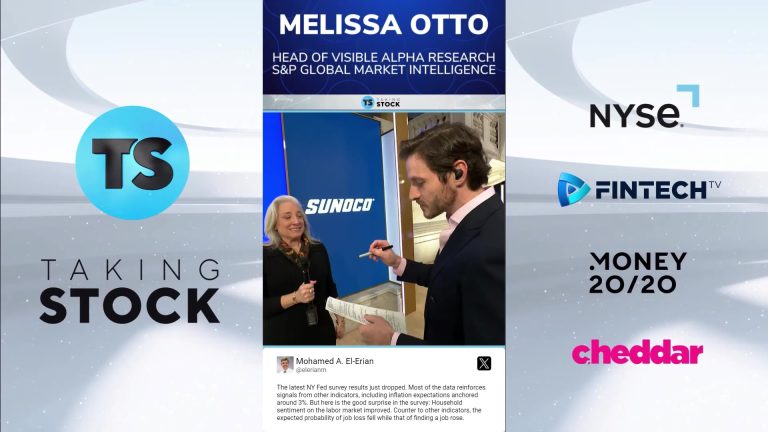
In a recent discussion, Melissa Otto, the head of Visible Alpha Research at S&P Global Market Intelligence, shared her perspective on the current state of financial markets as investors await key announcements from the Federal Reserve. On a brisk winter day in New York City, Melissa described an atmosphere of heightened caution as market participants prepare for crucial economic indicators in the days leading up to the Fed’s meeting.

The anticipation surrounding the Federal Reserve’s decisions, especially regarding interest rates, has contributed to fluctuating market sentiment. As 2025 enters its final stretch, expectations for potential rate adjustments are drawing increased attention. According to Melissa, S&P Global Market Intelligence is forecasting a 25 basis point increase, although speculation surrounding a possible 50 basis point cut is generating its own wave of discussion among analysts. She noted that this decision could significantly influence market positioning, potentially shifting investors toward either a risk-on or risk-off approach depending on the Fed’s data-driven outlook.

Melissa emphasized the delicate balance within the Fed’s dual mandate of price stability and maximum employment. This responsibility underscores the ongoing challenges faced by the Federal Open Market Committee (FOMC), particularly as December’s projections may help frame economic opportunities headed into 2026.

Another focal point of the broadcast was Oracle’s upcoming earnings forecast. The stock has risen in 5 of the last 7 earnings calls, averaging a 17% gain. Visible Alpha Consensus estimates Oracle will report approximately $16 billion in total revenues, with operating profit nearing $7 billion and operating margins exceeding 40%. Projections for cloud revenue growth, expected to reach $8 billion for the quarter, will be a major point of interest as investors evaluate the company’s guidance and long-term visibility in the competitive cloud market.

Shifting to the broader tech and media landscape, Melissa also highlighted the evolving dynamics among Netflix, Paramount, and Skydance Studios. With chatter of a potential bidding war over content and distribution rights, traditional media companies are working to adapt to digital-first competitors. These developments illustrate the transformation sweeping across the entertainment industry and reflect larger themes across tech and media investments.

As the conversation concluded, Melissa stressed the importance of staying closely attuned to market signals as the year winds down. With December historically associated with the “Santa Claus Rally,” the Fed’s upcoming statements could act as powerful catalysts for market momentum. The intersection of economic policy, corporate performance, and investor psychology remains central as stakeholders assess positioning for the months ahead.

In summary, the blend of Federal Reserve strategy, corporate earnings, and shifting competitive models in technology and media defines the current market narrative. Whether examining interest rate scenarios or tracking corporate developments, Melissa underscored the importance of strategic insight in navigating today’s complex financial landscape. As investors look toward potential shifts and emerging opportunities in 2026, staying informed will be essential for making sound investment decisions.

Solana Breakpoint Draws Global Investors as Focus Shifts to Revenue and Returns

On the sidelines of Abu Dhabi Finance Week (ADFW), innovative conversations are unfolding at the 5th annual Solana Breakpoint conference. Featuring a packed agenda focused on the evolution of internet capital markets, this year’s event positions the Solana ecosystem as an influential force in the blockchain sector. Akshay BD, a prominent figure in the Solana community, recently shared insights on this year’s themes and expectations, setting the tone for impactful presentations and networking opportunities.

The dual themes for Solana Breakpoint 2024 are revenue and returns. Akshay highlighted the shift across the blockchain industry from early proof of concepts to tangible applications generating meaningful revenue. As the technology matures, Breakpoint aims to showcase developers and companies delivering real-world functionality and strong product-market fit. This emphasis mirrors broader financial trends, where cyclical patterns in traditional markets often resemble the fluctuations seen within blockchain environments.

By presenting a diverse range of teams, from payment solutions to trading platforms, Breakpoint intends to examine how innovation can unlock new revenue streams. Akshay also noted the growing interest from a wide spectrum of capital allocators, including retail investors and large institutions. With clearer regulatory frameworks emerging and a more welcoming environment for blockchain-based investments, conversations around generating returns in this asset class have become increasingly relevant.

The growth of the Solana ecosystem has been substantial since the first Breakpoint conference. What began as a gathering for hardware enthusiasts has expanded into a global event attracting application developers and financial decision makers. This evolution reflects the forward momentum of the Solana network as it supports complex applications while reducing infrastructure challenges for new builders.

Breakpoint’s relocation to Abu Dhabi aligns naturally with ADFW, bringing together more than 15,000 professionals from across traditional finance. The crossover creates a powerful space for collaboration between blockchain innovators and investors exploring opportunities in digital assets. Akshay remarked that this environment could encourage hesitant allocators to take their first steps into blockchain investment, reinforced by increasingly supportive regulatory conditions.

To make the most of Breakpoint, Akshay identified two main objectives for attendees: raising capital and achieving distribution. With more than 80 teams preparing to announce major product updates, the conference serves as a key stage for companies to meet potential investors and broaden their user base. Establishing meaningful connections is essential for attaining visibility and securing partners who share a long-term vision.

Breakpoint also serves as a reunion for the global Solana community. It brings together participants from more than 100 countries and provides opportunities to rekindle relationships and build new collaborations. This expansive network makes Breakpoint a must-attend event for anyone active in blockchain innovation.

As anticipation builds, industry observers are watching closely for new developments within the Solana ecosystem. The rising interest in tokenization, including real-world assets such as stocks and commodities, is reshaping modern capital markets. Akshay pointed out the importance of Solana’s infrastructure in supporting a market where traditional and digital assets can operate competitively side by side.

In summary, the 5th annual Solana Breakpoint conference marks a key moment in the evolution of blockchain technologies and applications. With a focus on revenue and returns, the conference not only reflects the current state of the industry but also charts the path for future growth. Attendees will gain unique access to insights from leaders shaping the sector, making Breakpoint an exceptional opportunity for both education and investment.

The Digital Asset Inflection Point: What Comes Next

As digital assets continue to seek regulatory clarity, 2025 is shaping up to be a pivotal year in the evolution of the cryptocurrency landscape. Key developments such as the GENIUS Act and new exchange-traded fund (ETF) approvals are laying the foundation for broader mainstream adoption. Major financial institutions and state governments are increasingly implementing sample coins and tokenization strategies, transitioning these digital assets from pilot concepts to permanent financial platforms.

The tokenization market now exceeds $30 billion in value, with sectors like private credit and real estate beginning to establish themselves on the blockchain. Stablecoins are gaining a clearer legal and regulatory framework, while public markets continue to welcome digital assets through strong listings and new digital asset treasury firms.

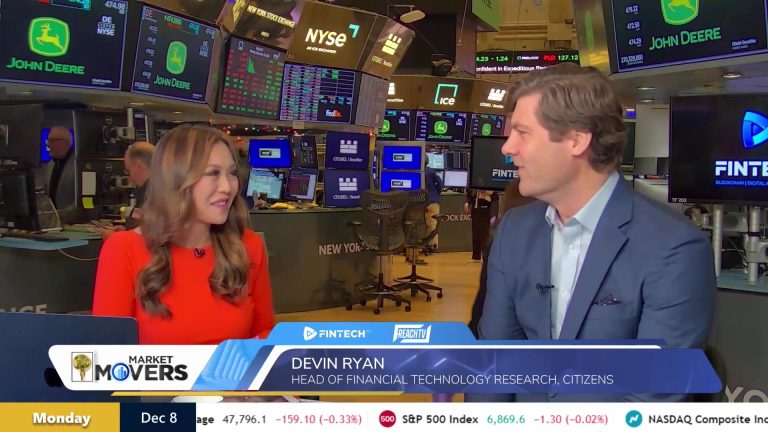
In a recent conversation at the New York Stock Exchange, Devin Ryan, head of financial technology research at Citizens, discussed the inflection point unfolding in the market. Ryan explained that we are close to achieving mass adoption of digital assets, but critical infrastructure still needs completion as regulatory frameworks remain unfinished. “The rules of the road need to be formed for crypto, and they haven’t been there in the past,” he said, calling attention to the primary barrier preventing large institutional players from fully entering the space.

This year has delivered several major milestones. The GENIUS Act has enabled stablecoins to operate within a regulated environment, a shift that may accelerate adoption. Ryan also pointed to the Clarity Act, currently under consideration in the Senate, as another crucial component that could bring major traditional financial institutions into the digital asset ecosystem. According to Ryan, if these frameworks take shape, 2026 could become the year where mass adoption becomes unmistakable.

On the regulatory timeline, Ryan pointed to rising momentum from a newly engaged SEC under Chair Paul Atkins. He noted the possibility of bipartisan cooperation within Congress to advance pro-crypto regulation. Such collaboration increases the likelihood that the Clarity Act could be finalized by early 2026, potentially creating a strong environment for asset managers and technology firms. With influential institutions like BlackRock supporting blockchain adoption and acknowledging that “virtually all assets are coming on-chain,” the alignment between Wall Street, regulators, and financial institutions appears closer than ever.

Ryan also highlighted the growing trend of mergers and acquisitions (M&A) within the digital asset industry. Traditional financial firms recognize that acquiring companies may be a faster path to competitiveness than merely hiring engineers. At the same time, digital-native firms are seeking partnerships with established regulatory expertise and well-known brands.

When discussing prediction markets, Ryan described them as a key area of future financial innovation. Although these markets currently generate about $10 billion in monthly volume across speculative sectors like sports, this figure remains small compared to the $10 trillion in equity volume. Companies like Robinhood are rapidly gaining market share and working toward regulatory acceptance. Ryan believes that once institutions enter prediction markets, their full potential will become evident, offering new forms of liquidity and valuable market insights.

As digital assets mature, regulators face mounting pressure to create frameworks that can support this rapid technological innovation. The demand for regulatory clarity is clear, and momentum is building toward more sophisticated structures that institutions can adopt. Ryan’s analysis illustrates a future in which digital assets are not simply adopted but fully integrated into the strategies of major financial institutions.

In summary, as cryptocurrency and blockchain technology continue interacting with traditional financial systems, the potential for disruption remains enormous. Clearer regulation, expanding tokenization, and the rise of prediction markets may reshape the way investors, entrepreneurs, and financial institutions operate. Looking toward 2025 and beyond, the foundations being built today are likely to define the financial industry for decades.

AI Meets Inheritance: Wells Fargo Expert Explains Future of Wealth Transfer

0

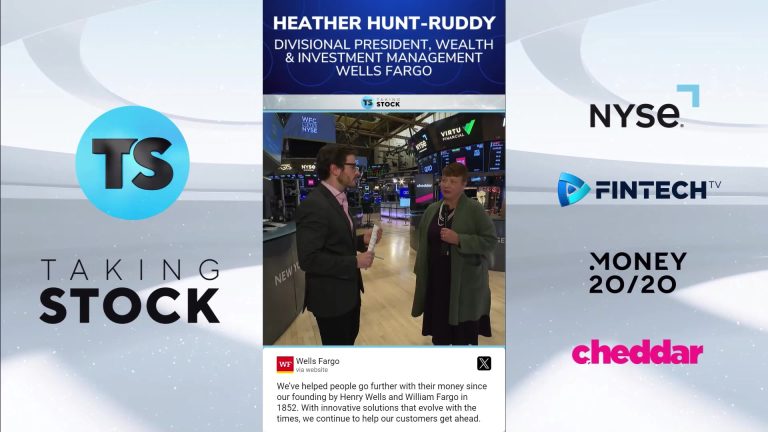
The concept of wealth transfer is more than a financial transaction; it is an emotional process that affects families, relationships, and long term legacies. Recently, Heather Hunt Ruddy, president of the central division of Wells Fargo Wealth and Investment Management, shared meaningful insights on this transformative subject. Her discussion emphasized the importance of preparing for what has been called the Great Wealth Transfer, a massive sociological shift that will influence generations.

Ruddy noted that over the next 25 years, an estimated $124 trillion will move from the baby boomer generation to their heirs. This staggering amount represents one of the largest wealth transitions in history. With so much at stake, families must prepare for these changes by having intentional, honest discussions to ensure wealth is not only transferred but also preserved and grown for future generations.

One of Heather’s key points was the importance of proactive communication. She stressed that many people wait far too long to discuss financial matters with their heirs. Conversations about legacy, financial values, and management need to happen early. Drawing from her own personal health scare, she described cancer as “the great conversation starter.” This powerful reflection illustrates how unexpected life events can force families to confront essential financial discussions.

Families should work to create a safe and supportive environment where these conversations can occur naturally. By speaking openly about wealth and expectations, individuals can equip the next generation with the knowledge and responsibility needed to steward their financial future. Heather encourages parents, grandparents, and family leaders to begin these discussions now to prevent misunderstandings and conflicts later.

After establishing communication, Heather recommends taking active steps toward proper wealth planning. Engaging a qualified financial advisor is vital. A skilled advisor will take the time to understand the family’s unique goals, history, and priorities. Advanced financial planning tools can also help families prepare for potential scenarios that may impact wealth preservation and distribution.

She also emphasized the importance of understanding trusts, estate planning, and the role of modern technology, including AI, in managing wealth. Although AI can analyze data quickly and efficiently, Heather pointed out that it cannot replace the human insight required in complex family matters. The combination of human expertise and technology is essential for effective wealth management.

In today’s rapidly evolving digital world, technology plays an increasingly important role in financial planning. Heather highlighted the value of AI tools in streamlining processes, uncovering insights, and supporting decision making. However, she cautioned that AI should not be relied upon exclusively. Sensitive issues involving health, care, or emotional decisions require a personal touch that no algorithm can replicate.

As families prepare for the future of wealth transfer, open communication, professional guidance, and thoughtful use of technology will be essential. Heather Hunt Ruddy’s perspective from Wells Fargo underscores that the Great Wealth Transfer is about much more than money. It is about building lasting legacies, strengthening family bonds, and ensuring financial confidence across generations. For families looking to secure their financial future, taking intentional steps today can make all the difference tomorrow.

Market Braces for Key PCE Data as Investors Eye Fed Move and 2026 Outlook

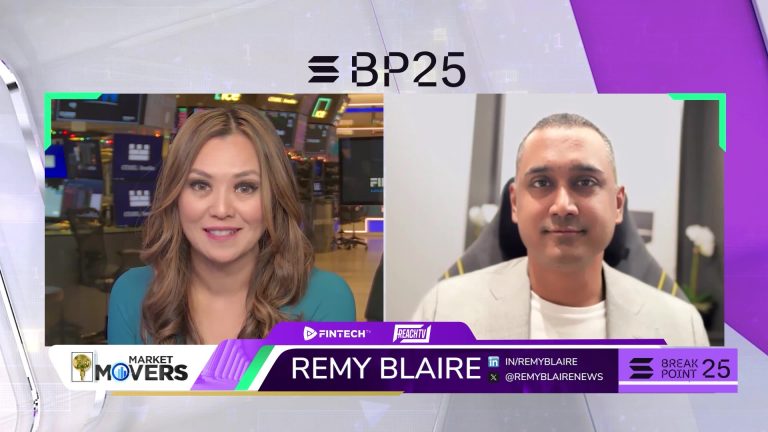
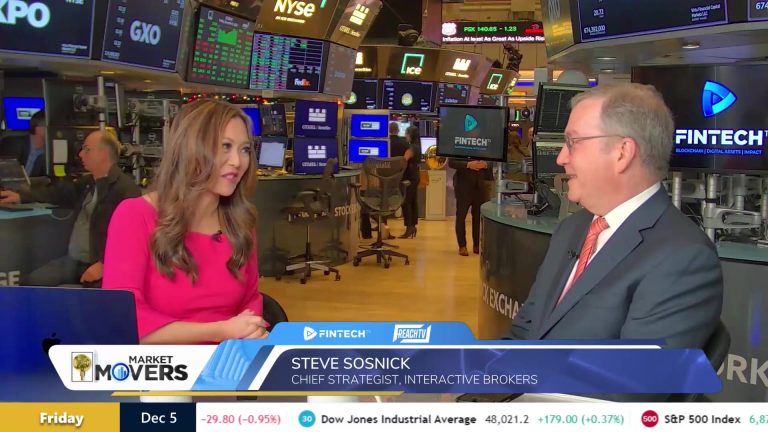
This insightful dialogue at the New York Stock Exchange features Remy Blaire interviewing Chief Strategist Steve Sosnick from Interactive Brokers. Their discussion centers on crucial financial data expected to influence market movements, including personal spending, income levels, and the core personal consumption expenditures (PCE) price index. These indicators carry significant weight as they shape expectations ahead of the Federal Reserve’s upcoming meeting and the possible direction of interest rate policy.

Steve Sosnick offers a candid perspective on predictions surrounding the economic data release, emphasizing that much of the current market sentiment is speculative and retrospective. He highlights an 87% probability of a 25 basis point rate cut by the Federal Reserve, noting this is lower than the odds just a few days earlier. This shift reflects growing uncertainty around inflation and overall economic stability as policymakers work to balance market support with inflation control.

Economic indicators this week have been mixed. The ADP employment report came in weaker than expected, while weekly jobless claims exceeded expectations. Sosnick describes this as a moment of collective uncertainty, pointing out how quickly market attitudes can shift, especially regarding interest rate decisions. Without clear data providing direction, the Federal Reserve faces an increasingly difficult challenge. This commentary reinforces a key theme across financial markets: the ongoing tension between investor expectations and actual economic performance.

As the interview continues, Blaire and Sosnick explore the possibility of a Santa Claus rally in the stock market. Sosnick remains cautiously optimistic, noting the market’s sensitivity to developments surrounding the Federal Reserve’s future actions. In a climate where minor adjustments in probability estimates can trigger dramatic market reactions, unpredictability presents both risks and opportunities for investors seeking to optimize returns.

Looking toward 2026, Sosnick shares a bearish outlook for the S&P 500 with a price target of 6500, along with expectations of a 10-year yield around 4.45%. His projections stem from historical patterns that suggest challenges during the second year of a presidential term and the difficulties often faced by newly appointed Federal Reserve chairs. He warns that even if interest rates are reduced, the Federal Reserve may still struggle to reach its inflation target, potentially creating long-term instability in yields.

Sosnick also discusses the historical performance of markets during midterm election years, noting the wide range of outcomes influenced by political cycles, investor sentiment, and economic policy. This underscores the importance of remaining adaptable as uncertainties surrounding fiscal direction and government decisions continue to shape market dynamics. He recommends investors explore deeper insights through resources like IBK to better understand these complex financial undercurrents.

Overall, the conversation captures the volatility and complexity of today’s investment landscape, particularly within the broader themes of finance, entrepreneurship, and sustainability. With Federal Reserve decisions carrying profound implications for inflation and economic growth, investors must remain well informed as these developments unfold. Emerging technologies such as blockchain, AI, and new financial instruments are reshaping opportunities in sustainability and investments tied to social development goals (SDGs), creating new pathways for strategic positioning.

In conclusion, as we move toward year-end and look ahead to 2026, investors and entrepreneurs must stay proactive and engaged in using data driven strategies. Whether exploring cryptocurrency, advancing sustainable finance, or navigating disruptive forces in the marketplace, understanding the evolving financial landscape will be essential for long-term success.