[stock-market-ticker symbols=" ^NYA;CRYPTO:BTC;CRYPTO:ETH;CRYPTO:USDT;CRYPTO:USDC;CRYPTO:BNB;CRYPTO:ADA;CRYPTO:XRP;CRYPTO:SOL;CRYPTO:DOGE " stockExchange="NYSENASDAQ" width="100%" transparentbackground=1 palette="financial-light"]

Home Blog Page 146

Bridging Wall Street and Blockchain: The Inaugural Heartland Digital Asset Exchange

0

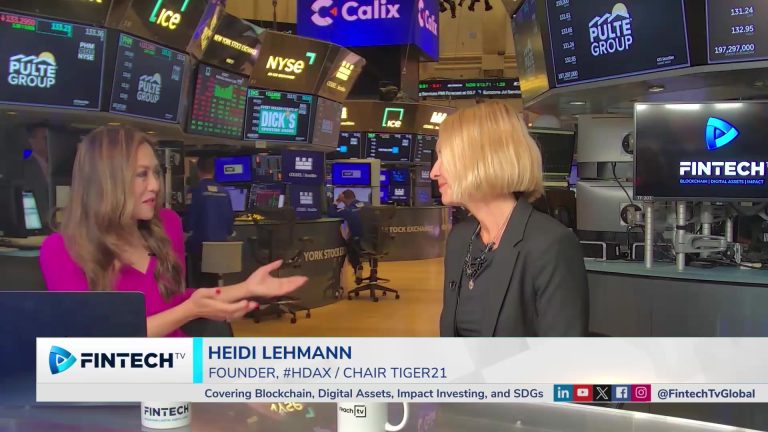
Remy Blaire welcomes Heidi Lehmann, the founder of the Heartland Digital Asset Exchange (#HDAX) and the Tiger 21 Chair in Kansas City. The conversation centers around the upcoming inaugural #HDAX summit, scheduled for September 9th in Kansas City, which aims to connect global leaders in blockchain finance with investors from the Heartland region.

Heidi discusses the uniqueness of #HDAX, noting that it is the first event of its kind to bring together Wall Street and blockchain in the Midwest. She emphasizes the growing demand for education on digital assets, particularly as regulatory clarity increases. The summit is designed to inform family offices and capital allocators about compliance, regulation, and strategic investment opportunities in key industries such as trucking, energy, and agriculture. These sectors are increasingly adopting blockchain technology to improve efficiency and streamline operations.

As a seasoned tech entrepreneur with a background in Boston and New York City, Heidi shares her journey to Kansas City, where she recognized the potential for innovation and investment. She explains how her experiences with family offices and the local funding ecosystem inspired her to establish #HDAX, aiming to foster education and collaboration in blockchain finance.

The discussion also explores the broader implications of blockchain technology across various industries. Heidi illustrates how blockchain can revolutionize payment processes in trucking, allowing for immediate payments instead of the typical 90-day wait. She highlights the potential for trading carbon and farm credits on-chain and the ability to expedite capital raising for large-scale projects, which can significantly enhance efficiency in industrial manufacturing and supply chain logistics.

Additionally, Remy and Heidi delve into her role with Tiger 21, an exclusive peer advisory group for high-net-worth individuals. Heidi explains how the group’s focus on investments and legacy planning aligns with the goals of #HDAX, particularly in educating members about the opportunities presented by digital assets.
Bridging Generations: How Family Offices Are Embracing Blockchain

0

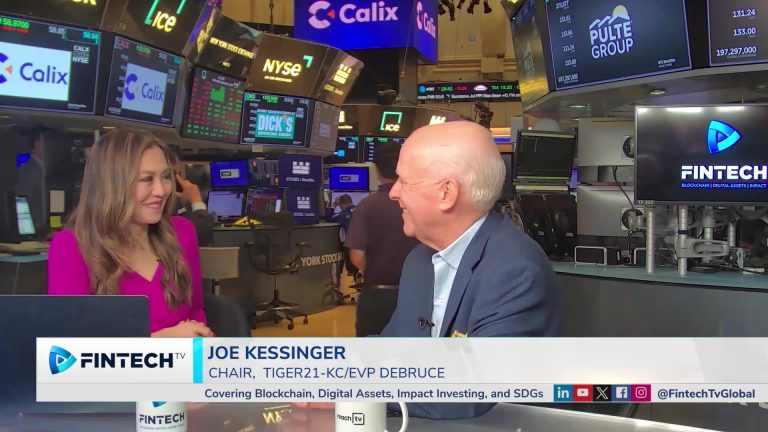
In this episode, host Remy Blaire explores the emerging role of Kansas City as a significant blockchain hub in the Midwest. The focus is on the inaugural Heartland Digital Asset Exchange (#HDAX) summit, scheduled for September 9th at the Magnolia Venue in downtown Kansas City. This event aims to connect global leaders in blockchain and digital finance with investors from the Heartland, highlighting the region’s growing influence in the digital asset landscape.

Remy is joined by Joe Kessinger, Chair of TIGER 21-KC and EVP of DeBruce. They begin their conversation by discussing the strategic choice of hosting the #HDAX event at the New York Stock Exchange, a venue that symbolizes the evolution of the financial industry. Joe emphasizes the shift of financial investments from the coasts to the Midwest, noting that the region, historically seen as conservative, is gaining momentum in adopting blockchain technology, particularly in traditional sectors like utilities.

As the discussion progresses, Joe shares insights into how Heartland industries are starting to integrate blockchain and on-chain infrastructure. He provides a compelling example from his Tiger 21 group, where a former CEO of a transportation company faced challenges with cross-border currency exchanges. Blockchain has proven to be an effective solution, streamlining operations and enhancing efficiency.

The conversation then shifts to the role of regional investors and family offices in this evolving landscape. Joe reflects on the generational divide within these investment groups, highlighting a hesitancy among older members to engage with blockchain. However, he notes a positive trend where younger members are educating their older counterparts about the functionality and potential of blockchain technology. This knowledge transfer is crucial as family offices begin to allocate portions of their portfolios to digital assets.

Hackers compromised, SEC crypto, Ex-Celsius CEO, Opensea cryptopunk

0

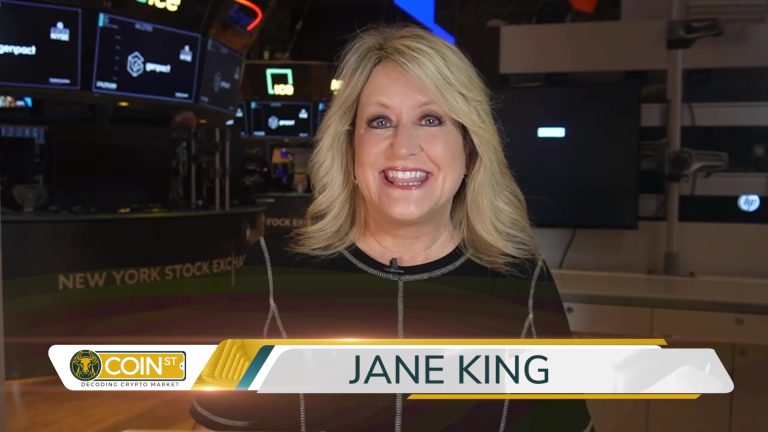
In this episode of the Coin Street headlines, we dive into the latest headlines shaking up the crypto world. We take a look at the largest supply chain attack in history, where hackers compromised popular JavaScript software libraries to steal crypto. The SEC’s consideration of new generic listing standards for crypto and commodity-based ETFs, potentially streamlining the approval process. Ex-Celsius CEO Alex Machinsky begins a 12-year prison sentence after pleading guilty to felony charges related to false statements about the company’s Earn program. OpenSea’s announcement of an NFT reserve, featuring CryptoPunk as the first buy, amidst a shifting landscape in the NFT sector. Jane King with the latest from the NYSE.

Ethereum’s Rise: Understanding the Shift from Bitcoin to ETH

“I think we had one of the most monumental summers where all of the move from the last three years that people were waiting for, it all caught up this past summer.” – 00:48

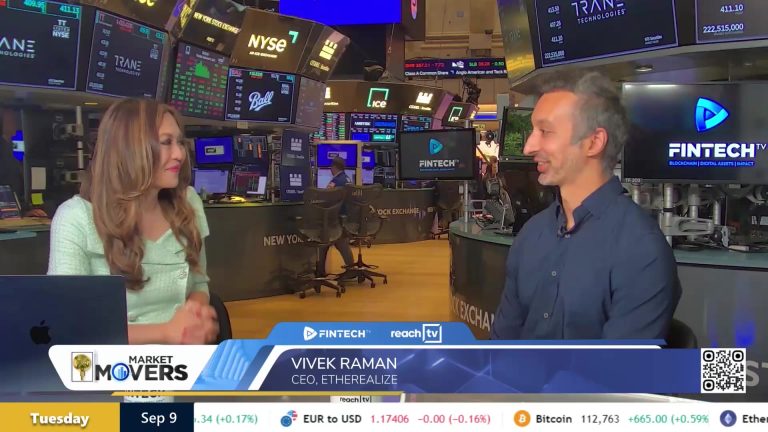
Vivek Raman, CEO of Etherealize, joins Remy Blaire to discuss the current state of Ethereum (ETH) and its evolving role in the cryptocurrency market.

The pair delve into the factors driving the recent price action of ETH, particularly following a monumental summer that saw over $8 billion in ETF inflows, surpassing Bitcoin ETFs for the first time. Vivek emphasizes that ETH is at a pivotal moment, akin to where Bitcoin was five years ago, as it transitions into a productive store of value with the potential to build an entire economy on its platform.

As they explore the shift from Bitcoin to ETH, Vivek articulates how institutional investors are beginning to recognize ETH’s capabilities beyond just a store of value. He highlights the recent passing of the stablecoin bill and expresses optimism that the momentum for Ethereum adoption is just beginning. The conversation shifts to the advantages of ETH as a digital asset treasury, with Vivek explaining its yield-generating potential through staking and decentralized finance, which distinguishes it from Bitcoin.

Remy also prompts Vivek to share insights on the latest funding rounds and how Ethereum’s potential is becoming clearer to institutions. Vivek outlines the importance of embedding blockchain technology into Wall Street’s infrastructure and the need for support in this transition. With a team of top engineers and players in the Ethereum ecosystem, Ethereum Live aims to facilitate the tokenization of assets and enhance privacy features, paving the way for the next wave of activity on the Ethereum platform.

Avrio Acquires Ethos: A New Era for Non-Custodial Crypto Wallets

“A lot of AI right now isn’t market ready in financial services, certainly in regulated financial services.” – 04:36

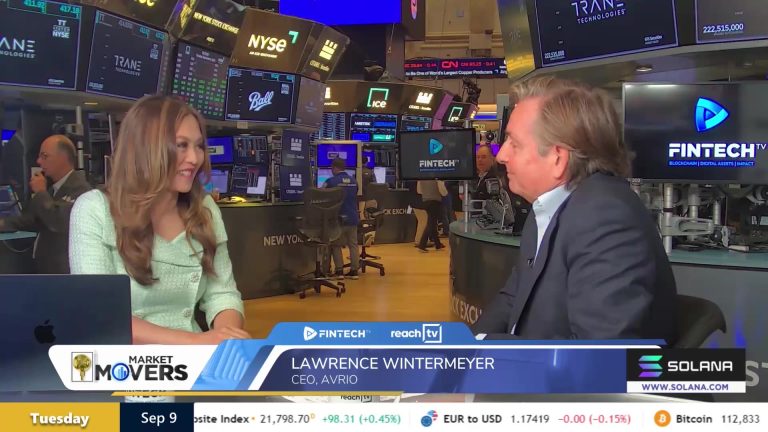
Lawrence Wintermeyer, CEO of Avrio, joins Remy Blaire to discuss the recent acquisition of Ethos and its implications for the DeFi landscape. The episode begins with Remy introducing the merger, highlighting how Avrio has acquired Ethos, a company renowned for its secure non-custodial crypto wallet. This acquisition aims to integrate Ethos’ wallet technology with Avrio’s trading and rewards platform, creating a seamless experience for users that combines wallet storage, trading, and rewards in one place.

Lawrence explains the significance of non-custodial wallets, emphasizing the principle of “not your keys, not your crypto.” He describes how these wallets, which reside on users’ smartphones, provide enhanced security by allowing individuals to maintain control over their private keys. This feature is likened to having a safety deposit box on a phone, contrasting with other solutions that require users to entrust their keys to third parties. Lawrence also discusses the importance of decentralized exchanges (DEXs) in conjunction with non-custodial wallets, as they enable users to trade across various markets and chains while ensuring optimal execution.

The conversation shifts to the role of artificial intelligence in the technology behind Ethos. Lawrence shares insights on how AI, particularly through their AI Cortex, is integrated into the Ethos platform. He notes that while much of AI in financial services is still developing, Ethos is leveraging it to enhance user experience, making it easier for customers to navigate the crypto environment and achieve the best prices.

As the discussion progresses, Remy asks Lawrence about the future of Ethos DeFi. Lawrence outlines several upcoming products, including a savings product that allows users to earn yield on stablecoins, market accumulators for monthly savings in cryptocurrencies, and innovative crypto indexes that enable users to trade their own ETFs in the crypto space. He also mentions the launch of AI personas designed to assist consumers in understanding and navigating their crypto journey.

Market Reactions: What the Latest Jobs Report Means for Investors

“If you see that inflation data come in a little better than expected, you’re going to really start to hear the conversation around a 50 basis point cut.” – 01:58

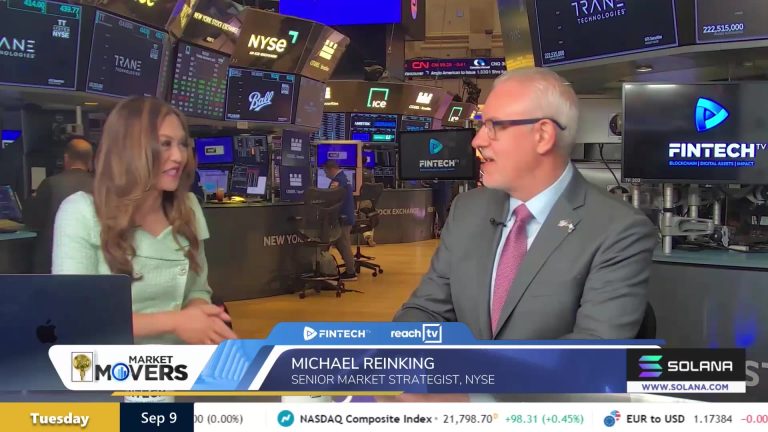
Michael Reinking, Senior Market Strategist at the NYSE, joins Remy Blaire to discuss the critical economic factors currently shaping the financial landscape, particularly focusing on inflation and job data. The discussion centers around how these elements could influence the Federal Reserve’s decisions regarding interest rates.

Remy begins by highlighting the recent movements in Treasury yields, noting that the 10-year yield has fallen to its lowest level since April, following a jobs report that revealed slower-than-expected hiring in August. This backdrop sets the stage for what many analysts predict will be a near-certain rate cut from the Federal Reserve in the upcoming week, although the specifics of future rate adjustments remain uncertain.

The conversation shifts to the anticipated Bureau of Labor Statistics (BLS) non-farm payrolls revision, which is expected later in the morning. Michael shares his expectations, indicating a wide range of potential job revisions, with estimates suggesting that between 500,000 and 1 million jobs could be removed from the previous year’s data. He emphasizes that this significant adjustment could alter the narrative around job creation, with administration officials hinting at a middle ground of approximately 700,000 to 800,000 jobs being revised.

As they look ahead to the upcoming inflation reports, Michael discusses the asymmetric setup for the Federal Reserve. He explains that if the job revisions lean towards the higher end and inflation data comes in better than expected, discussions around a more aggressive 50 basis point rate cut could gain momentum. Remy notes the importance of monitoring financial news outlets for any shifts in narrative that could influence market sentiment.

The conversation then transitions to the equity markets, where Remy and Michael analyze performance trends since the market reached fresh highs at the end of June. Michael points out a consolidation phase within a specific range, identifying key levels to watch, particularly the S&P 500’s 50-day moving average. He warns that breaking below certain thresholds could signal a return to previous lows, while a breakout above recent highs would need to be confirmed by strong market momentum.

Finally, the discussion shifts to the bond market, where they consider the implications of political developments overseas and their potential impact on U.S. bonds. With the 10-year yield hovering just below the 4.07% level, Michael anticipates increased volatility as the Federal Reserve begins its rate-cutting cycle. He reflects on past experiences where rate cuts led to rising long-term yields, raising concerns about the potential for a policy misstep in a rising inflation environment.

The Rise of Custom Blockchains: Fintechs and TradFi’s New Frontier

“In a world where stablecoins have become as easy to use as credit cards, you’re seeing a lot of actual stablecoin credit cards.” – 03:31

Tarun Chitra, Co-Founder & CEO of Gauntlet, joins Remy Blaire to discuss the dynamic landscape of blockchain technology, particularly focusing on Layer 1 (L1) and Layer 2 (L2) solutions. The conversation begins with an overview of how fintech companies and traditional financial institutions are increasingly launching their own blockchains to enhance global payments, merchant settlements, and tokenized asset trading.

Remy and Tarun explore the strategic framework of “buy, build, partner” decisions that organizations utilize to navigate the complexities of acquiring or developing new technologies. Tarun explains the benefits and challenges associated with building L1 blockchains, which offer ultimate control and differentiation but come with significant costs and complexities. In contrast, L2 solutions are presented as a more accessible middle ground, leveraging existing L1 security while allowing for rapid customization and scalability.

The discussion shifts to the rise of stablecoins, which have gained traction over the past five to ten years. Tarun highlights the evolving regulatory landscape, noting that potential legislation like the Genius Act and the Clarity Act is paving the way for payments companies to innovate without the previous gray areas. He emphasizes that stablecoins not only facilitate instant settlements but also present a unique opportunity for companies to meet regulatory requirements through custom systems.

Remy and Tarun delve into the implications of stablecoins for retail consumers, discussing how they could compete with traditional payment methods like credit cards. Tarun explains how stablecoin credit cards are bridging the gap between on-chain assets and everyday transactions, allowing users to earn yield on their assets while spending them.

The conversation also addresses decentralized applications (DApps) and their role in the financial ecosystem. Tarun provides a balanced view, discussing both the positive aspects—such as the ability to access on-chain products that traditional ETFs cannot offer—and the negative aspects, including the potential for DApps to serve as exit vehicles for early investors in less liquid assets.

From Speculation to Real Business: The Maturation of Crypto Companies

“This isn’t a space that is as easily understood as some of the other sectors that are out there on the public markets.” – 00:02:50

Elliot Han, CIO of C1 Fund, joins Remy Blaire to discuss the evolution of the digital asset landscape. The conversation begins with a reflection on the early days of cryptocurrency, where passionate believers in digital money, particularly Bitcoin, navigated a world that largely overlooked their vision. Remy highlights how, by 2025, the crypto space has transformed significantly, driven by strategic venture capital investments that focus on foundational blockchain technologies and real-world applications rather than mere speculation.

Elliot shares insights into the maturation of digital asset companies, noting that many have progressed to a stage where they generate real, recurring revenue and serve global customers—an evolution that was less evident five years ago. As they approach the end of 2025, Remy and Elliot discuss the implications of the first Spot Bitcoin ETF launched in early 2024 and explore the current investment structures available to public investors.

The discussion shifts to the challenges faced by both retail and institutional investors in understanding the business models of digital asset companies. Elliot emphasizes the importance of due diligence and the hurdles posed by a lack of network, bandwidth, and knowledge in this complex space. He explains how funds like C1 are stepping in to provide access and insights, acting as a proxy for public investors.

Remy then inquires about how to identify leaders within the crowded digital asset field. Elliot outlines the criteria C1 uses to evaluate companies, focusing on scale, governance, and revenue durability. This approach helps narrow down the field to those companies that are not only viable but also have a solid foundation for growth.

The conversation also explores the types of digital asset businesses currently attracting institutional interest. Elliot notes that the focus is on late-stage companies that provide essential infrastructure—such as custody platforms, trading venues, and compliance analytics—rather than on tokens themselves. These businesses are gaining traction due to their real-world applications.

Ethereum revenue, Sora Ventures, Altcoin sentiment, El Salvador anniversary

0

In this episode of Coin Street headlines, we dive into the latest headlines shaping the cryptocurrency landscape.

Despite Ethereum reaching an all-time high of $4,957 on August 24, revenue from network fees dropped by 44% in August, totaling over $14 million compared to July’s $25.5 million. Sora Ventures has announced a groundbreaking $1 billion bitcoin treasury fund, backed by an initial $200 million from institutional partners across Asia. We analyze the current market sentiment, which has shifted into fear, leading investors to be more cautious and less interested in obscure altcoins. Insights from sentiment platform Santiment reveal traders are now focusing on which major assets might break out next. El Salvador has celebrated its fourth anniversary of making bitcoin legal tender. We discuss the country’s strategic reserve of over 6,000 bitcoin valued at $702 million and the recent developments in public sector involvement and bitcoin certification programs. Jane King with the latest from the NYSE.

Navigating the Economic Landscape: Fed Rate Cuts and Market Reactions

“All eyes, you mentioned it, PPI, CPI are going to be coming out this week to really identify whether the impact of tariffs on the marketplace.” – 02:20

Peter Tuchman, Senior Floor Trader at TradeMas, joins Remy Blaire to provide his insights on the market’s expectations regarding the rate cut. Peter expresses skepticism about the idea of the rate cut being “priced in” to the market, suggesting that while a 25 basis point cut could lead to a positive market reaction, there are concerns about whether the Fed might be overreacting to the current economic data.

As they look ahead to the trading week, Remy and Peter highlight key economic indicators, including the Producer Price Index (PPI) and CPI, which are expected to reveal the impact of tariffs on the marketplace. Peter emphasizes the importance of these reports in understanding trends in consumer spending and employment, particularly as unemployment rates have ticked up from 4.1% to 4.3%.

The discussion also touches on the valuation of major U.S. stock averages. Peter notes that while some stocks, especially the MAG 7, may seem highly valued, the overall market remains buoyed by strong earnings reports, with over 80% of S&P companies beating expectations. This positive earnings trend is fostering a more optimistic outlook for future guidance.

As the segment concludes, Remy and Peter reflect on the possibility of a market pullback, given the current record highs and the fragility of the economy. They look forward to the Fed’s decision on September 17th and its potential impact on market dynamics.