[stock-market-ticker symbols=" ^NYA;CRYPTO:BTC;CRYPTO:ETH;CRYPTO:USDT;CRYPTO:USDC;CRYPTO:BNB;CRYPTO:ADA;CRYPTO:XRP;CRYPTO:SOL;CRYPTO:DOGE " stockExchange="NYSENASDAQ" width="100%" transparentbackground=1 palette="financial-light"]

Home Blog Page 145

Crypto Market Surge: August Trading Volumes Hit Record Highs

We feel good that there are deadlines in place, self-imposed by the Senate, to get regulatory stuff done this year. – 02:49

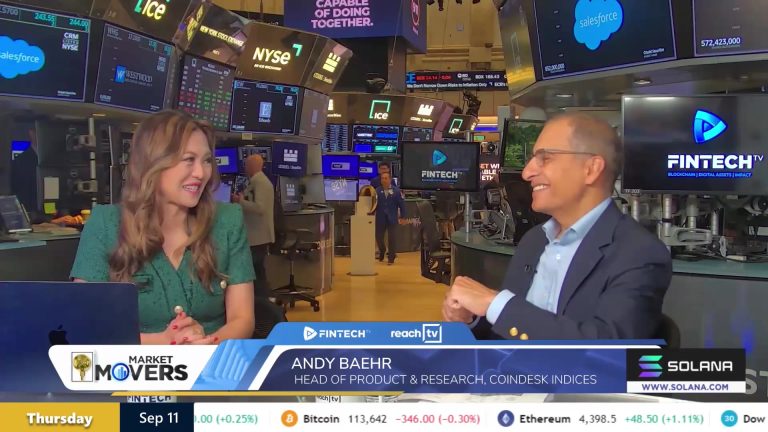
Andy Baehr, Head of Product & Research at Coindesk Indices, joins Remy Blaire to discuss the latest trends in the cryptocurrency markets, highlighting a significant surge in trading volume on centralized exchanges. August marks a pivotal month, with total trading volume reaching a yearly high of $9.72 trillion, reflecting an increase of over 7.5% from July. 

The two discuss the vibrant market dynamics and the implications of the recent trading volume surge, particularly in light of all-time highs for Bitcoin and Ether. Andy emphasizes that the current market structure appears robust, with capital flowing evenly across various platforms, including offshore perpetual markets.

As they transition into the macroeconomic landscape, Remy and Andy touch on the regulatory environment, especially following CoinDesk’s recent event in Washington, D.C. They note the passage of the Clarity Act in Congress, which is now making its way through the Senate. Andy expresses optimism about the regulatory progress being made in a non-crisis context, which is a refreshing change from the usual urgency that accompanies market turmoil.

The conversation also explores the performance of various cryptocurrencies, particularly the shift from Bitcoin to Ether and the emerging interest in Solana. Andy points out that while Ether’s rally has paused, Solana is gaining traction, especially with its developments in stable coins and smart contracts. He highlights the potential for ETFs to facilitate easier onboarding for investors into Solana and other cryptocurrencies.

Looking ahead, Remy and Andy discuss the upcoming interest rate decision and its potential impact on the broader market, including crypto. Andy explains how Bitcoin is often viewed as a macro asset sensitive to interest rates, with rate cuts likely to provide support. He also notes the positive sentiment surrounding the market, driven by a broadening interest in various crypto assets.
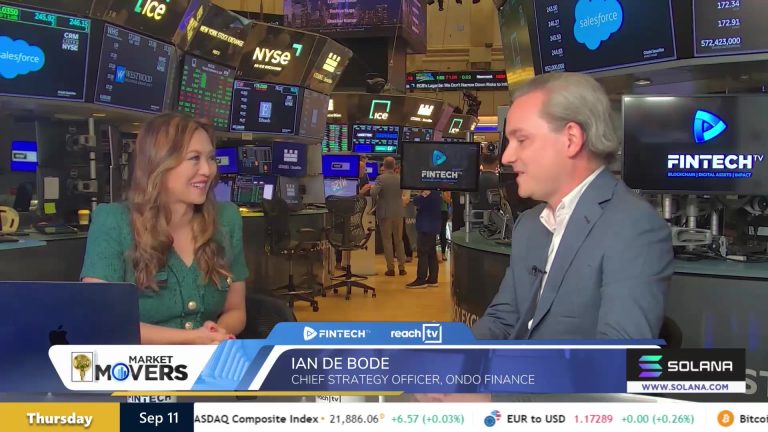
Tokenizing the Future: Ondo Finance Launches Global Markets for U.S. Stocks and ETFs

“We started doing that with tokenized treasuries, really enabling access to essentially tokenized money market funds for institutional investors and retail as well.” – 02:43

Ian De Bode, Chief Strategy Officer of Ondo Finance, joins Remy Blaire at the New York Stock Exchange to discuss the launch of Ondo Global Markets. This innovative platform brings over 100 tokenized U.S. stocks and ETFs on-chain for non-U.S. investors via Ethereum, marking a significant step in the intersection of traditional finance (TradFi) and decentralized finance (DeFi).

Remy and Ian begin by exploring the implications of Ondo Global Markets, which aims to broaden access to U.S. capital markets for a global audience. Ian likens this initiative to the role of stablecoins in enhancing access to the U.S. dollar, emphasizing that tokenized equities will allow for 24/7 transferability and seamless integration into DeFi applications. This development represents a transformative shift towards a more accessible and efficient financial system.

As they converse on the trading floor of the New York Stock Exchange, Ian highlights the historical challenges of global access to financial assets and the limitations of cross-border payments in traditional finance. He explains how tokenization can address these issues, making it easier for investors worldwide to access desirable assets like U.S. stocks and ETFs. Ian also discusses Ondo’s focus on tokenizing treasuries, which will enable both institutional and retail investors to access money market funds more effectively.

Looking to the future, Ian shares Ondo’s ambitious plans to expand its offerings, with expectations to tokenize over 1,000 assets by the end of the year. He mentions ongoing efforts to create additional utility around these assets, including potential integrations for 24/7 margin trading.

The conversation then shifts to the regulatory landscape, with Ian noting the appointment of Peter Curley as the head of global regulatory affairs at Ondo Finance. He addresses the complexities of navigating U.S. regulations, particularly regarding the offering of these products in a permissionless format to U.S. investors. Ian emphasizes the importance of engaging with regulatory bodies to strike a balance between fostering innovation and ensuring investor protection.

Angel Studios Goes Public: A New Era for Values-Driven Storytelling

“If there’s ever a time that we need stories that unite us, that make the world a better place, it’s now.” – 01:34

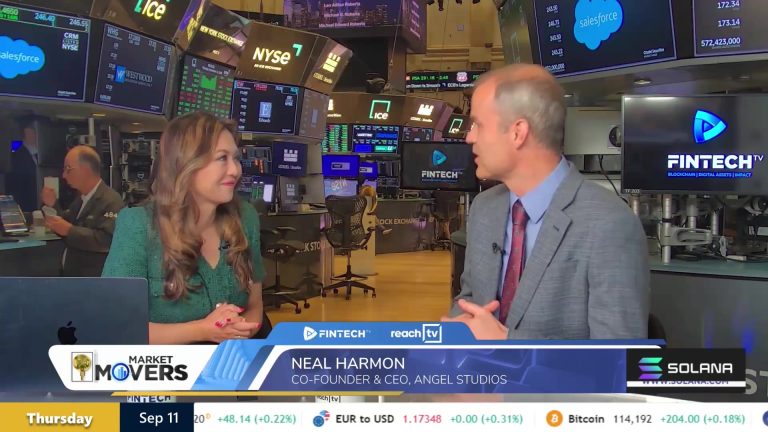
Neal Harmon, Co-Founder & CEO of Angel Studios, joins Remy Blaire as the company makes its public debut at the New York Stock Exchange. Angel Studios, an independent film distribution studio known for its Christian-themed films and series, is valued at $1.6 billion and has reported an impressive 500% year-over-year revenue increase, reaching over $46.8 million in Q2 2025. With a global community of 1.5 million members across 180 countries, Angel Studios is pioneering a new approach to filmmaking by allowing families to decide which stories get told.

The conversation begins on a somber note as Neil reflects on the recent loss of a close friend, Charlie, who played a significant role in supporting Angel Studios. He expresses the need for stories that unite people and bring light to the world, especially during challenging times. Neil emphasizes that the mission of Angel Studios is to amplify values-driven narratives that resonate with families.

Remy and Neil discuss the concept of “light” in storytelling, contrasting the accolades given to mainstream films with the desire of many families for uplifting content. Neil explains how Angel Studios is flipping the script by engaging its audience in the decision-making process, ensuring that the stories produced align with the values of their community.

Institutional Adoption and Data Infrastructure: The Future of Crypto

“Volatility has been, I think, at its lowest point for Bitcoin in a long time.” – 04:46

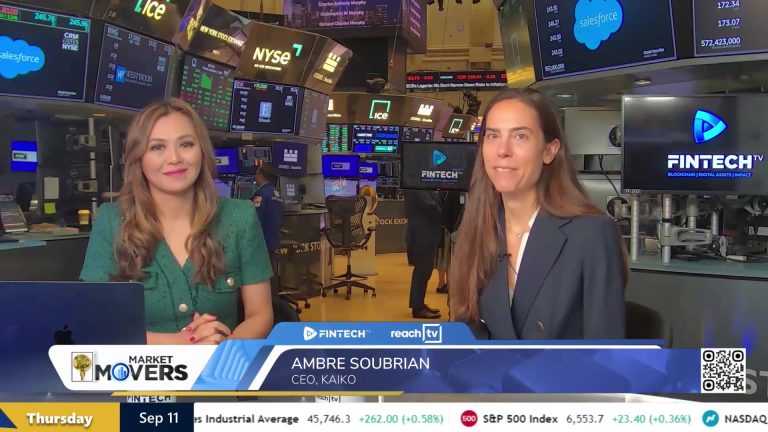
Ambre Soubrian, CEO of Kaiko, joins Remy Blaire to discuss the current dynamics of the cryptocurrency market, particularly in light of recent economic data.

Ambre provides insights into the fragmented nature of crypto data, explaining that the multitude of cryptocurrency exchanges and decentralized financial protocols (DEXs) complicates access to comprehensive market information. He highlights how this fragmentation can lead to price discrepancies across different exchanges, driven by varying supply and demand dynamics.

The conversation shifts to the recent influx of capital into the crypto space, particularly through digital asset treasuries (DATs) and exchange-traded products (ETPs). Ambre notes that the demand generated by these financial instruments is significantly outpacing the net new supply of Bitcoin, creating upward pressure on prices. He emphasizes that this trend is not limited to the U.S., as DATs are also gaining traction in Europe and Asia, indicating a broader institutional adoption of cryptocurrencies.

As they delve deeper into the risks associated with the crypto market, Ambre points out that while volatility has decreased, liquidity risk remains a critical concern. He stresses the importance of understanding how quickly large positions can be liquidated, especially as institutional players accumulate significant asset holdings. Additionally, he addresses security risks related to custody solutions for these assets.

Canton Foundation, Vietnam crypto, Blockchain growth, Crypto climbs

0

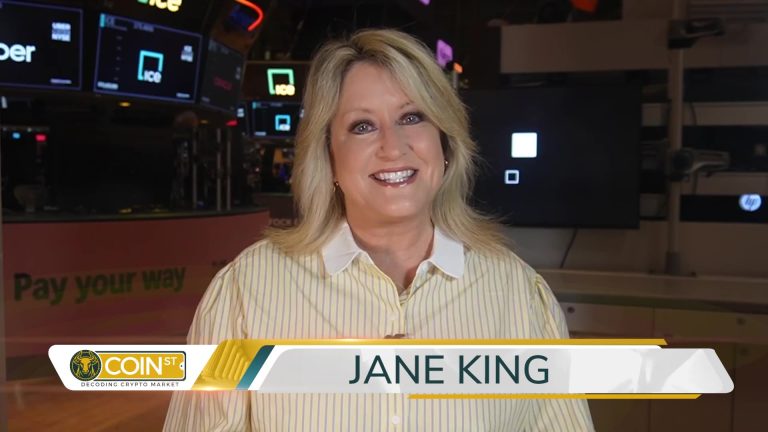
In this episode of Coin Street headlines, we dive into the latest developments in the world of cryptocurrency and blockchain technology. Discover how BNP Paribas and HSBC have joined the Canton Foundation, signaling a growing institutional interest in real-world asset applications of blockchain. Learn about Vietnam’s new five-year crypto pilot that bans the issuance of assets backed by fiat currencies or securities, requiring all crypto transactions to be conducted in Vietnamese Dong. We explore the top blockchains projected for 2025 based on active users, with Solana leading the pack. Find out how DeFi, NFT ecosystems, and stablecoin adoption are driving user growth amidst stiff competition. Jane King with the latest from the NYSE.

Navigating Agricultural Markets: Insights from Sal Goberti on Diversification and Price Trends

“Ags are a really good diversifier because people eat no matter what.” – 01:06

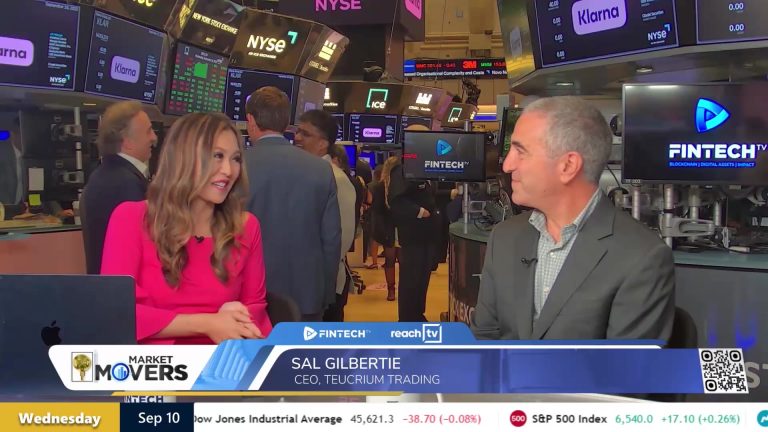
Sal Gilbertie, CEO of Teucrium Trading, joins Remy Blaire at the New York Stock Exchange to discuss the current state of agricultural markets and the evolving landscape of cryptocurrency. The conversation takes place at the New York Stock Exchange, setting the stage for an insightful dialogue on these two significant sectors.

Remy begins by outlining the challenges faced by agricultural markets, including weather variability, geopolitical tensions, trade disruptions, and supply chain issues. He notes that prices for corn and soybeans are currently near production costs, suggesting limited downside potential and a favorable outlook for upside growth. Sal emphasizes the steady demand for agricultural products, stating that people will always need to eat, regardless of economic conditions. This consistent demand makes agricultural commodities a strong diversifier in investment portfolios, particularly during times of stock market volatility.

As the discussion progresses, Sal advises investors to monitor agricultural price charts. He suggests that when prices reach historically low points and begin to stabilize, it may be an opportune time to allocate funds, as the downside risk is limited. He uses corn prices as an example, explaining that they have historically doubled during periods of drought, highlighting the unique supply-demand fundamentals of agricultural products.

The conversation then shifts to the impact of geopolitics on agricultural commodities. Sal explains how trade disputes, particularly between the U.S. and China, can lead to temporary disruptions in pricing. However, he points out that these situations often create opportunities for investors, as the demand for commodities remains constant, even if the source of supply shifts.

Apple’s iPhone 17 Launch: Innovation or Disappointment?

“I have to say, they fell short a little bit, right? It was a bit disappointing.” – 01:15

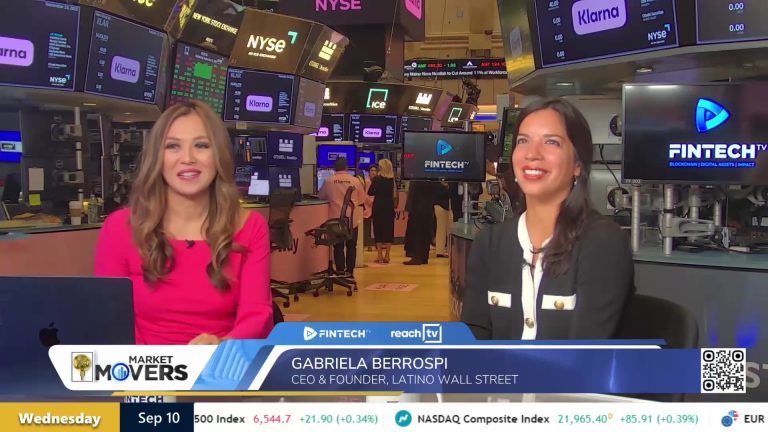
Gabriela Berrospi, CEO & Founder of Latino Wall Street, joins Remy Blaire at the New York Stock Exchange to discuss the Apple’s recent event, where the tech giant unveiled the highly anticipated iPhone 17 and introduced a new addition to its lineup, the iPhone Air. With Apple forecasting sales of around 80 million units in the latter half of the year, we explore the implications of these launches amidst ongoing discussions about the company’s push into artificial intelligence (AI).

Gabriela shares her thoughts on the event, expressing that while expectations were high for groundbreaking innovations, the announcements fell somewhat short. She highlights the new AirPods Pro with live translation features as a standout product, noting its potential impact, especially within bilingual communities.

As we transition to the financial landscape, we discuss the upcoming Federal Reserve meeting and the implications of recent economic data, including a surprisingly low producer price index. Gabriela provides her insights on the labor market’s current state, emphasizing the rising unemployment rates and the uncertainty surrounding economic forecasts. We analyze the potential outcomes of the Fed’s rate decision, weighing the likelihood of a 25 basis point cut against a more aggressive 50 basis point cut, and the potential market reactions to either scenario.

Market Insights: Anticipating CPI and Fed Rate Cuts

“The more information that we’re getting from economic data that puts us in a position to feel more confident that the Fed is going to make a move is clearly going to help this market move higher.” – 01:10

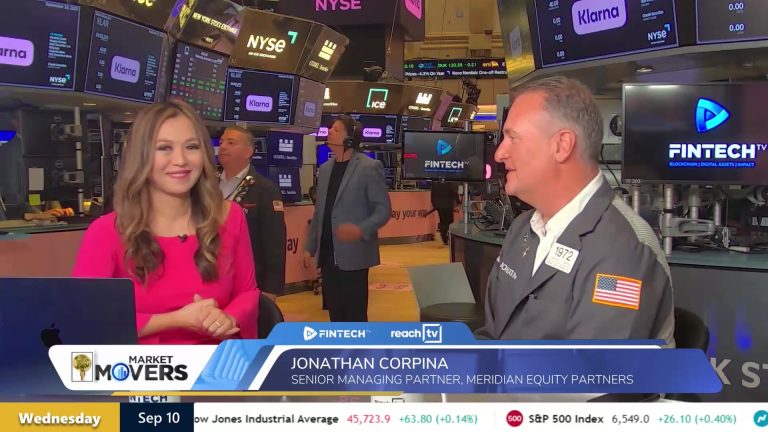
Jonathan Corpina, Senior Managing Partner at Meridian Equity Partners, joins Remy Blaire to discuss the latest developments in the financial markets as we approach key economic indicators and corporate earnings reports.

The pair explore the implications of the recent jobs revisions from the Bureau of Labor Statistics (BLS), which indicated that the economy likely added 911,000 fewer jobs than previously anticipated. This revision has led to speculation about the Federal Reserve’s upcoming meeting and the potential for interest rate cuts, which the market seems to be responding positively to.

As we analyze the trading floor’s activity, we note the significant gains in sectors such as communications services, IT, industrials, and financials. We also discuss Oracle’s recent earnings report, which surprised many due to a notable miss, yet the focus on their AI contracts suggests a promising outlook for future revenue.

Looking ahead, we consider the catalysts that could influence the market as we move into 2025. While the Fed’s potential rate cuts are a focal point, we also highlight ongoing discussions about tariffs, trade deals, and persistent geopolitical risks that could impact market stability. Jonathan emphasizes the importance of monitoring these factors, especially as we approach the next quarter, where profit-taking may occur given the market’s rapid ascent.

We also touch on the current state of the S&P 500, which is trading at record highs. Jonathan shares his insights on the need for stability and the possibility of a market correction if negative headlines emerge. Additionally, we briefly discuss the options market, where we are on the lookout for unusual activity that could signal sell pressure.

Ethereum’s Rise: The New Financial Rail for Hedge Funds and Corporates

“I think Ethereum now, where you’re seeing that huge interest, is really nothing to compete with Bitcoin.” – 02:06

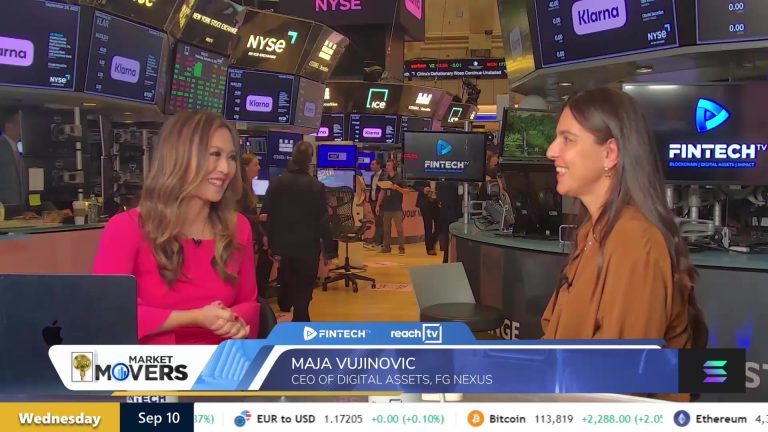
Maja Vujinovic, CEO of Digital Assets at FG Nexus, joins Remy Blaire at the New York Stock Exchange to discuss the current dynamics of the cryptocurrency market, focusing on the contrasting performances of Bitcoin and Ethereum.

Maja brings extensive experience from her long-standing involvement in the crypto space, dating back to 2010. She shares insights into FGNexus’s recent $200 million investment in Ethereum, which they are actively staking. Maja emphasizes the confidence that hedge funds like Citadel and Point72 have in their team and the opportunities they see in the evolving crypto landscape.

The discussion delves into the dominance of Bitcoin versus Ethereum, with Maja explaining that while Bitcoin was once viewed as a speculative asset, Ethereum is now recognized as a new financial rail that is facilitating significant changes in Wall Street’s operations. Remy and Maja also explore the practical use cases of cryptocurrencies in emerging markets, where stablecoins are becoming essential for individuals facing high inflation and currency devaluation.

As they touch on the regulatory landscape in the U.S., Maja predicts that clarity around tokenized assets will emerge in the coming years, driven by recent legislative efforts. She highlights the potential for tokenized bonds and equities to become mainstream, with hedge funds eager to explore these new financial instruments.

In the final segment, Remy and Maja discuss the implications of Ethereum’s rise for financial institutions. Maja points out that hedge funds are increasingly interested in yield-bearing assets, and corporations are recognizing the benefits of holding productive assets on their balance sheets. The episode concludes with a vision of a future where fast, programmable money transforms transactions, aligning with Wall Street’s evolving needs.

Kansas City: A Rising Hub for Digital Innovation and Financial Services

0

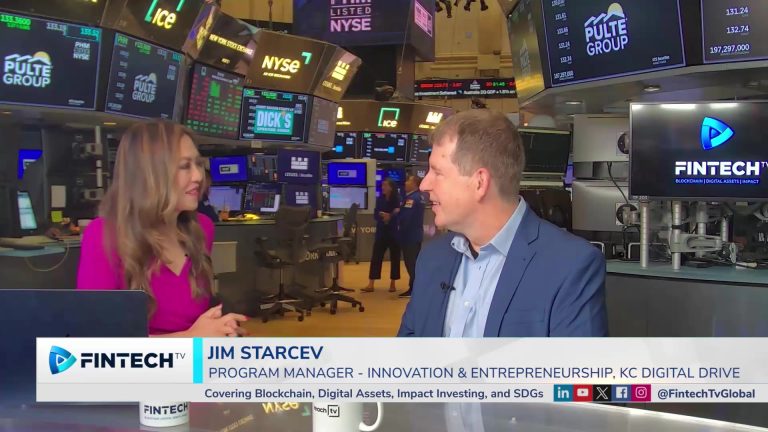
Jim Starcev, Program Manager – Innovation & Entrepreneurship at KC Drive Digital, joins Remy Blaire to discuss Kansas City’s emerging role as a national leader in digital innovation. The conversation begins with Jim providing an overview of KC Digital Drive, an organization founded after Kansas City became the first Google Fiber City. Its mission focuses on closing the digital divide and fostering tech innovation, making emerging technologies accessible through public-private partnerships that emphasize equity, education, and economic opportunity.

Jim, a lifelong Kansas City resident with 25 years of experience in the tech and financial services sectors, shares insights into the unique landscape of the region. He highlights the presence of major financial services companies, such as DST, H&R Block, and American Century, which contribute to Kansas City’s reputation as a quiet powerhouse in the industry. Jim explains how this talent pool is naturally transitioning into the digital assets space, particularly with the rise of blockchain technology.

The discussion shifts to the challenges of navigating policy in a bi-state area, as Kansas City spans two states, complicating the regulatory environment. Jim emphasizes the ongoing efforts by local authorities, including the Kansas Department of Commerce, to create policies that encourage innovation and attract capital. He notes the significant growth in venture capital funds over the past decade, aimed at supporting startups and tech initiatives in the region.

Remy and Jim also explore the critical role of public-private partnerships in driving innovation. Jim shares a recent success story involving a New York-based company that is relocating its innovation office to Kansas City, bringing nearly 2,000 jobs with it. This development exemplifies the collaborative efforts between civic organizations and private enterprises to enhance the local tech ecosystem.