[stock-market-ticker symbols=" ^NYA;CRYPTO:BTC;CRYPTO:ETH;CRYPTO:USDT;CRYPTO:USDC;CRYPTO:BNB;CRYPTO:ADA;CRYPTO:XRP;CRYPTO:SOL;CRYPTO:DOGE " stockExchange="NYSENASDAQ" width="100%" transparentbackground=1 palette="financial-light"]

Home Blog Page 141

Building Stronger Client Relationships Through Faith-Based Investment Conversations

“A green bond is something that has a direct influence on the environment.” – 01:35

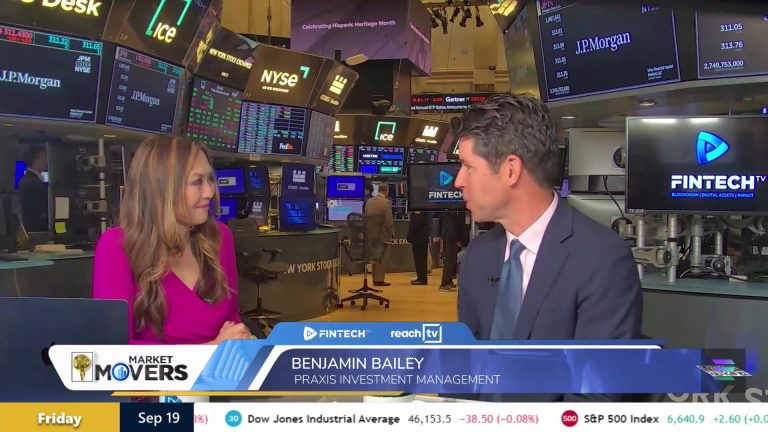
Benjamin Bailey, Praxis Investment Management, joins Remy Blaire at the New York Stock Exchange to discuss the concept of faith-based investing, a growing interest among investors who wish to align their financial portfolios with their personal values. Despite nearly half of investors expressing a desire for this alignment, only 9% of financial advisors are initiating conversations about faith-based investing.

Benjamin begins by discussing the Praxis Impact Bond Fund, emphasizing its commitment to outperforming the market while incorporating green, social, and sustainability bonds. He reveals that approximately one-third of the fund is currently invested in these impactful bonds, which aim to create significant benefits for both the environment and communities.

The conversation then shifts to the terminology surrounding impact investing. Benjamin explains that green bonds are specifically tied to projects with direct environmental benefits, such as solar and wind farms, and highlights the importance of annual impact reports that detail how funds are utilized and the outcomes achieved.

Remy and Benjamin delve into recent research on faith-based investing, which indicates that about 50% of investors are interested in this approach. However, many advisors are hesitant to discuss it, fearing potential divisiveness or disruption of existing client relationships. Benjamin reassures listeners that addressing values-based investing can actually enhance advisor-client relationships, as clients appreciate the opportunity to invest in ways that reflect their beliefs while still achieving satisfactory returns.
NFL Goes International: Dublin Game and Global Ratings Controversy

“It’s been a tremendous week. That international game in Sao Paulo sparked some controversy.” – 01:01

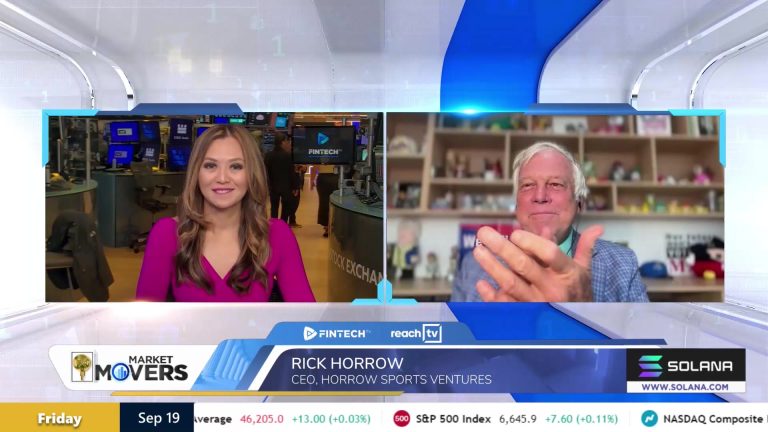
Rick Horrow, CEO of Horrow Sports Ventures, joins Remy Blaire to discuss the latest developments in the sports and entertainment industries.

The segment opens with Remy highlighting the upcoming NFL game in Dublin, Ireland, featuring the Minnesota Vikings and the Pittsburgh Steelers. With the league’s recent international games, including one in Brazil, they discuss the implications of these events on viewership and ratings. Rick emphasizes the importance of standardized ratings across different platforms, particularly in light of a recent controversy surrounding YouTube’s unique data collection methods, which differ from traditional metrics used by networks like Fox and ESPN.

Transitioning to the gaming sector, Remy brings up Kalshi, a prediction market platform that is currently facing legal challenges from Massachusetts, which alleges illegal sports wagering. Rick provides insights into the lawsuit, discussing concerns about consumer protections and the accessibility of such platforms to younger audiences. He notes that the situation is being closely monitored by others in the gaming industry.

The conversation then shifts to the media landscape, where Remy and Rick discuss Paramount Skydance’s reported plans to acquire Warner Brothers Discovery. They analyze the potential implications of this merger for sports broadcasting and the evolving media business. Rick highlights the nervousness surrounding the future of media bundles and streaming services, emphasizing the need for careful observation as this situation develops.

Navigating Record Highs: Insights from the Fed’s Latest Rate Cut

“The economic data proved out that cuts are warranted. There are more cuts to come.” – 02:49

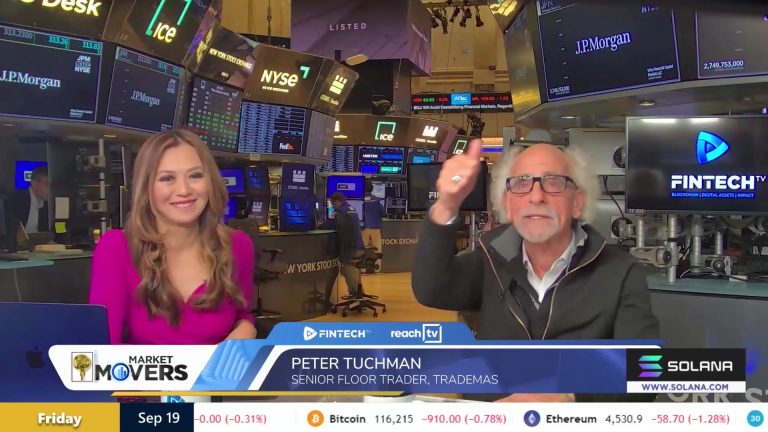
Peter Tuchman, Senior Floor Trader at TradeMas, joins Remy Blaire at the New York Stock Exchange to discuss the latest developments from the Federal Reserve and their impact on the financial markets.

Peter reflects on the impressive performance of the markets, with the Dow, Nasdaq, S&P 500, and Russell all closing at record highs. Peter highlights that this marks the 27th record close of the year, comparing it to the previous year, which saw 58 record closes out of 218 trading days. Despite various challenges, including geopolitical tensions and economic fluctuations, the market has demonstrated remarkable resilience, largely attributed to the leadership of Jay Powell at the Fed.

Remy and Peter discuss the significance of the recent market movements, particularly the follow-through day after the Fed’s announcement, which Peter believes is crucial for gauging market sentiment. He explains that while the initial reaction to the Fed’s decision was mixed, the subsequent day saw a strong positive response, indicating that investors are regaining confidence.

The conversation shifts to the broader economic landscape, where Remy highlights the ongoing discussions between President Trump and China’s leader Xi Jinping, particularly regarding TikTok and other trade matters. Peter emphasizes the importance of these negotiations for the market and points out recent investments in the tech sector, including significant moves by Intel and NVIDIA in the AI space.

The AI Boom’s Impact on Small Cap Value Investments

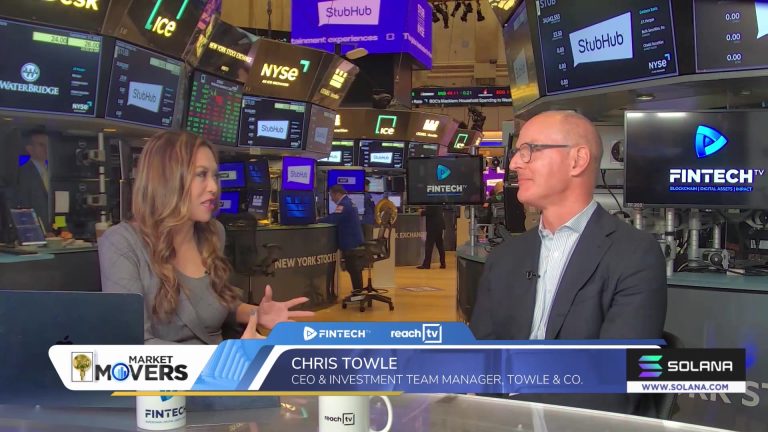
Chris Towle, CEO an Investment Team Manager for Towle & Company, joins Remy Blaire for a deep dive into market dynamics of the ongoing dominance of large-cap growth stocks, especially those leading the charge in artificial intelligence. Towle examines the growing concentration of market capitalization among top-performing names and draws insightful comparisons to the dot-com era.

Turning to small caps, Towle highlights overlooked opportunities in economically sensitive sectors like trucking and housing, which have faced headwinds from a rolling recession. Towle also outlines why small-cap value stocks may now be positioned for a rebound, given their current dislocation and lack of investor attention.

Looking ahead, Towle discusses the broader macro backdrop, including expectations for Federal Reserve rate cuts and the possibility of a stimulus-fueled capital cycle. Towle also suggests that smaller companies capable of effectively leveraging AI could be the biggest beneficiaries of the next market phase.

Gold and Silver: The Rise of Hard Assets Amid Dollar Erosion

“The world right now is recognizing that the United States dollar is worth less than it was even at the beginning of the year.” – 02:38

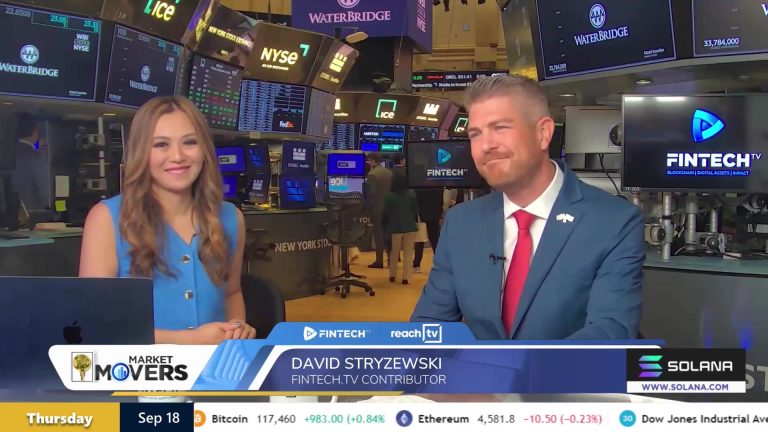
David Stryzewski, Fintech.TV Contributor and CEO of Sound Planning Group, joins Remy Blaire at the New York Stock Exchange to discuss the recent Federal Reserve rate decision and its implications for the financial markets.

The segment begins with Remy highlighting the Fed’s decision to ease rates by a quarter of a percentage point, a move that was widely anticipated. However, she notes that the central bank’s more hawkish outlook for 2026, predicting only one more rate cut next year, diverges from market expectations of two or more cuts. David shares his insights on the mixed market reaction following the Fed’s announcement, suggesting that while a quarter-point cut may not significantly impact mortgage rates or the national debt, it is a step in the right direction. He speculates that further cuts could be forthcoming, driven by upcoming economic challenges.

The conversation shifts to the pre-market surge in Intel shares, which rally by as much as 30% after NVIDIA announces a $5 billion investment in the company. David emphasizes the significance of this investment in strengthening American manufacturing and competing with global players like China and Huawei.

Remy then pivots the discussion to precious metals, particularly gold and silver. David explains that the current decline in the value of the U.S. dollar—down about 10-11% since the beginning of the year—has led to an increase in hard assets like gold. He notes that as it takes more dollars to purchase an ounce of gold, this reflects inflationary pressures. David expresses optimism about the potential for gold, silver, platinum, and palladium to experience a strong run, with metal miners likely leading the market.

The discussion continues with a focus on silver, where David describes the current “silver squeeze,” driven by significant demand from solar panel production and electronics. He highlights the favorable mining ratio of silver to gold, suggesting that silver presents a unique investment opportunity.

As the segment progresses, Remy examines stock futures, which indicate a higher opening for the Nasdaq and S&P 500. She asks David about finding opportunities in the current market landscape. He points out the concentration of value in the top 10 stocks of the S&P 500 and shares his strategy of reallocating investments away from big tech and into metals and metal miners, which he believes are essential for a modern portfolio.

Finally, the conversation turns to the bond market, where David emphasizes the importance of monitoring 30-year treasuries, currently around 5%. He explains that the bond market often predicts future economic conditions, and the current rates suggest a 5% inflation outlook. David cautions that if interest rates rise, bond portfolios could face challenges due to price changes.

Mobilizing Capital for Change: The Future of Impact Investing

“We’ve channeled over $5 billion to all types of impact sectors, from affordable housing to renewable energy.” – 01:09

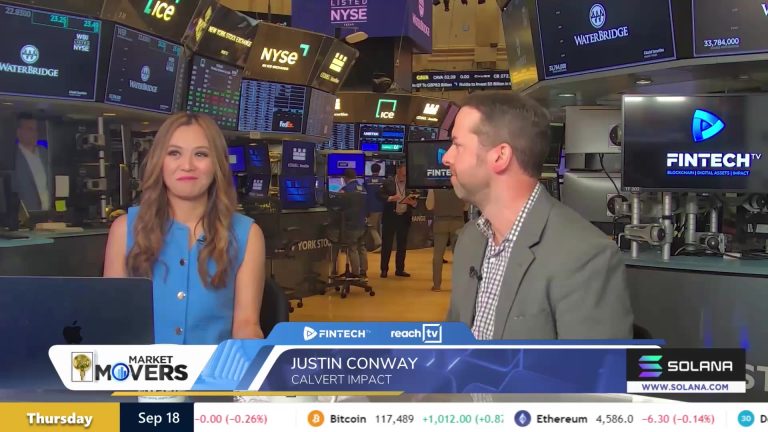
Justin Conway, Calvert Impact, joins Remy Blaire at the New York Stock Exchange to discuss the current state and future of impact investing. The conversation begins with an overview of the global impact investing community, which now represents over $1.5 trillion in assets. Remy sets the stage by highlighting the urgent and complex challenges facing society today, including shifting political tides and extreme weather.

Justin explains Calvert’s role in the impact investing landscape, emphasizing the firm’s mission to help investors allocate their capital toward social and environmental solutions. With a product platform that has been growing for 30 years, Calvert has successfully channeled over $5 billion into various impact sectors, such as affordable housing, community development, renewable energy, and sustainable agriculture. He underscores the importance of measurable impact, which is a cornerstone of Calvert’s approach.

As the discussion shifts to the current economic and political uncertainties, Justin shares insights into how portfolio companies are adapting to these challenges. He notes that many impact firms were established during times of crisis, which has equipped them with the resilience to navigate today’s turbulent environment. Despite the difficulties posed by changing political and economic headwinds, he expresses optimism about the adaptability and continued resilience of these companies.

Remy and Justin then explore trends within the impact investing community, highlighting the diverse range of investors involved—from mission-driven organizations to large corporations and pension funds. Justin points out that climate sectors, particularly environmental sustainability and renewable energy, are top priorities for many investors. He observes a growing willingness among investors to allocate more capital to impact investments, especially as they see positive returns and meaningful impact.

Navigating Economic Uncertainty: Insights from the September Fed Meeting

“This was a risk management cut, which I thought was telling.” – 01:14

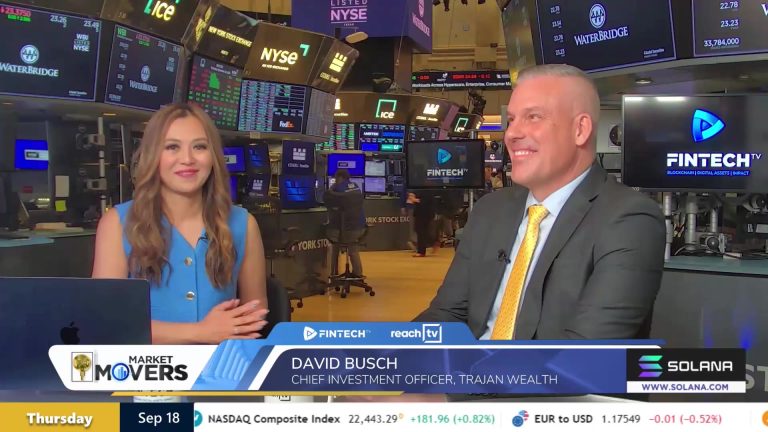
David Busch, Chief Investment Officer at Trajan Wealth, joins Remy Blaire at the New York Stock Exchange to discuss the current economic landscape and the implications of the Federal Reserve’s recent actions.

The segment opens with Remy highlighting the unusual economic situation where weak labor markets coincide with persistent inflation, a scenario that presents significant challenges for policymakers. David explains that the Federal Reserve’s decision to cut interest rates by 25 basis points during its September meeting is a response to the dual risks of inflation and labor market stability. He describes this rate cut as a “risk management cut,” aimed at balancing these two critical economic factors.

As the conversation progresses, Remy and David delve into the implications of the Fed’s decision for the market. David emphasizes the importance of monitoring upcoming economic indicators, such as GDP revisions and nonfarm payroll figures, which will provide further insight into the economic trajectory. He advises investors to position their portfolios strategically, recommending a focus on the three to five-year segment of the fixed income market, quality names, and Treasury Inflation Protected Securities (TIPS) to manage potential inflation volatility.

The discussion shifts to the equity markets, where David notes that while technology stocks have been strong performers, there is a growing opportunity in sectors like financials, consumer discretionary, and materials. He points out that lower interest rates create a favorable environment for small-cap stocks, which could benefit from this economic backdrop.

Remy and David also explore the current dynamics of the bond market, with David cautioning that while the front end of the yield curve may rotate down, there are risks associated with longer-dated bonds due to potential inflation volatility.

Retail Sales Surprises and the Future of Inflation: A Deep Dive

“Wall Street’s been positioned for this incorrectly. They’ve been way too negative.” – 02:38

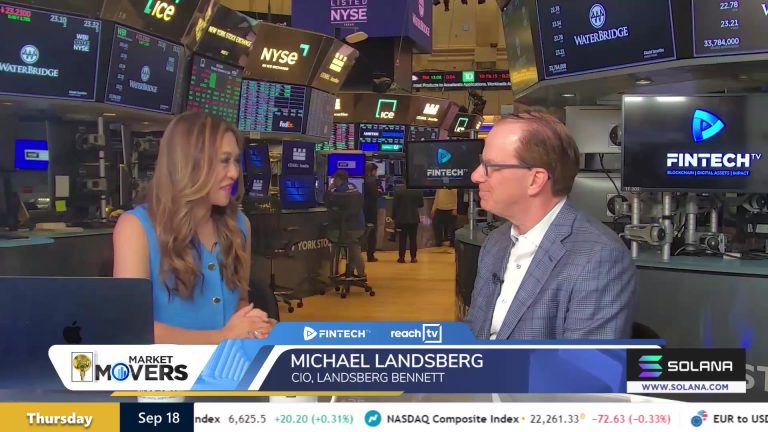
Michael Landsberg, CIO of Landsberg Bennett, joins Remy Blaire on the trading floor of the New York Stock Exchange to discuss the current state of the economy following the recent Federal Reserve meeting. Activity in the housing sector remains weak, and the pair discuss the implications of the Fed’s decision to cut interest rates by 25 basis points, as well as Fed Chair Jay Powell’s cautious outlook on future rate cuts.

Michael explores the market’s reaction to the Fed’s announcement, particularly the decline in high-flying tech stocks like NVIDIA, Oracle, Palantir, and Broadcom, while Intel’s shares surged after NVIDIA announced a $5 billion investment in the company.

Michael shares his insights on Powell’s statements regarding risk management and inflation, emphasizing that while there is pressure for further rate cuts, the Fed may adopt a wait-and-see approach based on upcoming economic data. Michael and Remy discuss the importance of the labor market, inflation metrics, and the upcoming GDP revision, durable goods data, and PCE figures, which will be critical in shaping the Fed’s decisions moving forward.

They also analyze the surprisingly strong retail sales figures and what they mean for consumer spending and GDP growth. Michael points out that the American consumer often defies expectations, spending even when it seems counterintuitive. He highlights that companies have managed to keep prices in check despite tariffs, which has positively impacted earnings.

Gold, Bitcoin, and the Future of Inflation: Expert Analysis from Latino Wall Street’s CEO

“I think the market is going to be mostly bullish. However, it’s not going to be a perfect straight line.” – 02:06

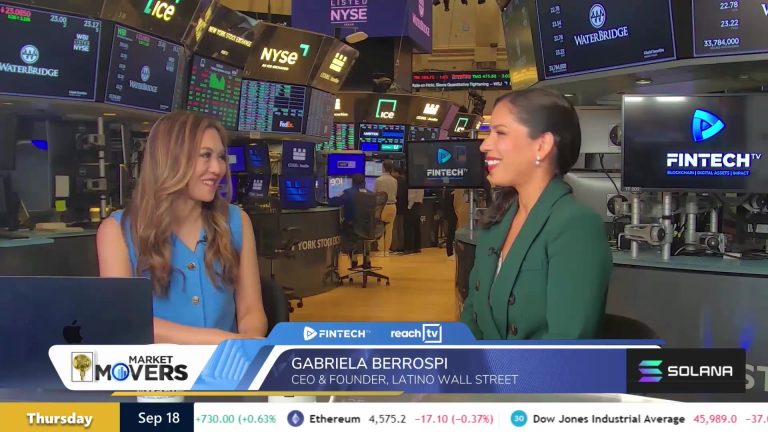
Gabriela Berrospi, CEO & Founder of Latino Wall Street, joins Remy Blaire at the New York Stock Exchange to discuss the current state of the labor market and its implications for the economy.

The pair begin by discussing the recent comments from Fed Chair Jay Powell, who expressed increased caution regarding the labor market. Powell noted that while the labor market was previously in solid condition, recent revisions to job creation numbers have shifted the outlook. He indicated that the risks are now more balanced between inflation and economic growth, suggesting a move towards a neutral monetary policy. This led to the Federal Reserve’s decision to cut interest rates for the first time in nine months, a move that was largely influenced by weak labor market data.

Gabby analyzes the market’s reaction to this news. Initially, the announcement of the rate cut was met with enthusiasm, pushing markets higher. However, as Powell elaborated on the economic challenges, including inflation and tariffs, the mood shifted. Gabby highlights the ongoing innovation in the tech sector, particularly with companies like NVIDIA and Intel, which are driving market optimism. She anticipates a bullish trend in the market, albeit with expected volatility as investors look to secure gains.

The pair also discuss the recent partnership between NVIDIA and Intel, which has garnered attention following Trump’s trip to the UK. Gabby points out the U.S. government’s stake in Intel and suggests that this collaboration may have been part of a larger strategic plan. The implications of this partnership are significant, especially as it relates to government contracts and tariff negotiations.

Crypto Market Update: SEC Approves New Spot ETFs and Bitcoin Surges

“Bitcoin is at the top of its kind of recent range, and that’s a healthy place for it to be.” – 01:27

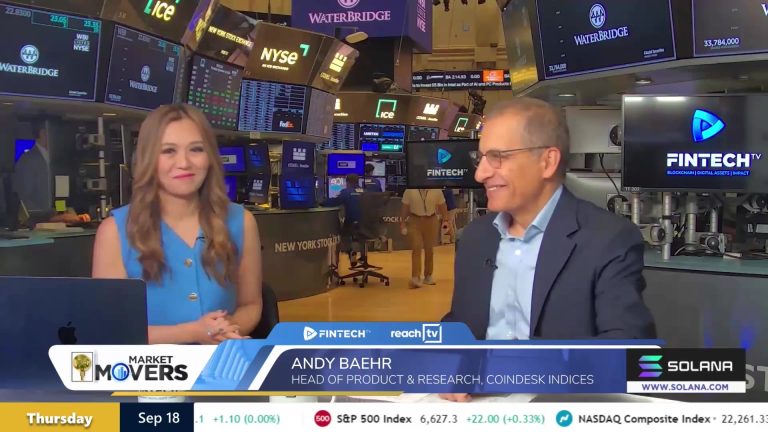
Andy Baehr, Head of Product & Research at Coindesk Indices, joins Remy Blaire at the New York Stock Exchange to discuss the latest developments in the cryptocurrency market following the September Fed meeting. Bitcoin is trading above $117,000, and the SEC has cleared the way for new spot crypto ETFs, allowing exchanges like the NYSE, NASDAQ, and CBOE to use generic listing standards. This significant change will shorten the timeline for launching new ETFs, making it easier for investors to access a broader range of crypto assets, including popular tokens like Solana and Dogecoin.

Andy notes that the market is responding positively, with Bitcoin maintaining a healthy position and low volatility. Ether has also shown strength, particularly in light of the SEC’s recent announcements.

The pair discuss the implications of the SEC’s approval for spot crypto ETFs, which will simplify the listing process and potentially lead to a surge in new products. Andy highlighted the upcoming grayscale fund that tracks the CoinDesk Five Index, which will be the largest multi-token ETF in the U.S. market, offering a more passive investment approach for advisors and their clients.

Andy also touched on the regulatory landscape in Washington, D.C. Andy emphasized the collaborative spirit between regulators and lawmakers, suggesting that the U.S. is open for business in the crypto space. This positive sentiment, combined with favorable macro conditions, could lead to exciting developments and growth in the industry.