
In this episode of Coin Street headlines, we dive into the latest developments in the world of cryptocurrency and the evolving financial landscape. Highlights include: The launch of the first regulated stablecoin tied to the international version of the Chinese yuan, marking a significant step in the global stablecoin race. Insights from Balaji Srinivasan, former Coinbase executive, on the transition from a traditional economy to an internet-first economy dominated by tech and digital platforms. Flora Growth’s ambitious $401 million Treasury initiative to support Zero Gravity, a blockchain project aimed at decentralized AI infrastructure. Market analyst Jordi Visser’s perspective on bitcoin’s potential for growth and adoption amidst a looming financial reset, as discussed in the context of the “fourth turning” theory. Jane King with the latest from the NYSE.
Transforming Private Markets: Zest Equity’s Innovative Digital Infrastructure
In this episode, host Scarlett Siebert is live from Money20/20 Middle East, where she sits down with Rowan Badur, the co-founder of Zest Equity. Zest Equity is revolutionizing the private market transaction landscape, particularly in emerging markets, by providing an end-to-end digital infrastructure that streamlines communication, governance, and workflow. With a focus on reducing friction in transaction processes, Zest aims to enhance efficiency and scalability for its clients.
Rowan shares insights into how Zest Equity has digitized over 175 million people across more than 150 transactions. He highlights the importance of back-end automation, particularly in compliance onboarding and KYC processes, which leverage AI to expedite and improve the onboarding experience. Additionally, Rowan discusses the robust data structure that Zest has built, allowing for complete traceability and auditability of every transaction on the platform. This innovative approach not only enhances operational efficiency but also positions Zest Equity to adapt as technology evolves.
As the conversation unfolds, Rowan emphasizes the balance Zest Equity strikes between flexibility and standardization in transaction flows. This unique combination allows clients to customize their experience while benefiting from a streamlined, automated process.
KULR Technology Group: Pioneering a Bitcoin-First Business Model
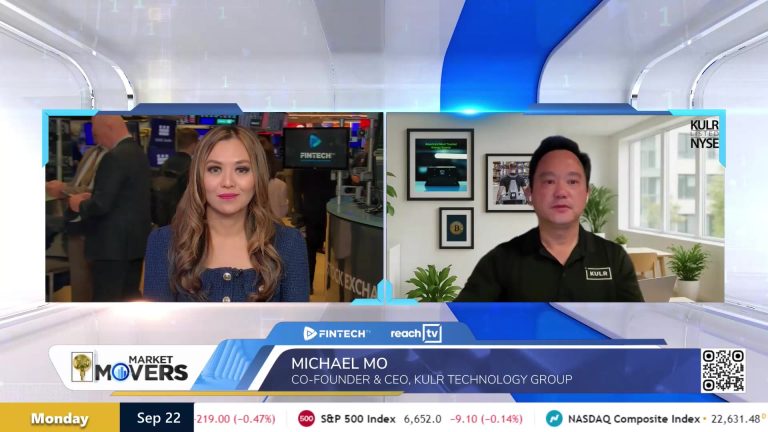
“We are a Bitcoin-first treasury company that builds a portfolio of frontier technologies ranging from high-performance energy system to AI robotics.” – 00:01:50
Michael Mo, Co-Founder & CEO of KULR Technology Group, joins Remy Blaire to discuss the company’s significant shift towards a Bitcoin-first business model. Since late 2024, KULR has committed up to 90% of its surplus cash to Bitcoin, successfully building a treasury that now holds over 1,000 Bitcoins. This strategic decision has not only strengthened the company’s financial position, boasting over $140 million in debt-free capital, but has also provided the flexibility to invest in frontier technologies, including artificial intelligence, robotics, and high-performance energy systems.
Remy and Michael explore KULR’s main business focus, which encompasses a diverse portfolio of innovative products. Michael highlights the KULROne energy storage system, designed for applications in the space industry, the Department of Defense, and various industrial sectors. He emphasizes the company’s long-standing partnerships with NASA and the DoD, detailing their contributions to significant projects such as the Mars rover and the International Space Station.
The conversation shifts to KULR’s advancements in robotics and AI, particularly the Axia exoskeleton, a seventh-generation product developed in collaboration with German Bionics. Michael explains how Axia is designed to assist workers in lifting heavy objects while preventing lower back injuries, addressing a common issue in workplace safety. Since its launch in the U.S. in June, the feedback has been overwhelmingly positive, indicating a strong market potential for this technology.
Looking ahead, Michael outlines KULR’s operational goals for 2025, which include expanding their battery platform into commercial applications and accelerating the deployment of the Axia exoskeleton across sectors such as logistics, retail, and healthcare. He expresses his enthusiasm for the intersection of AI, robotics, energy innovation, and Bitcoin, suggesting that KULR is just at the beginning of its growth journey.
NVIDIA’s Bold Bet on Intel: A Game Changer for the Chip Industry?
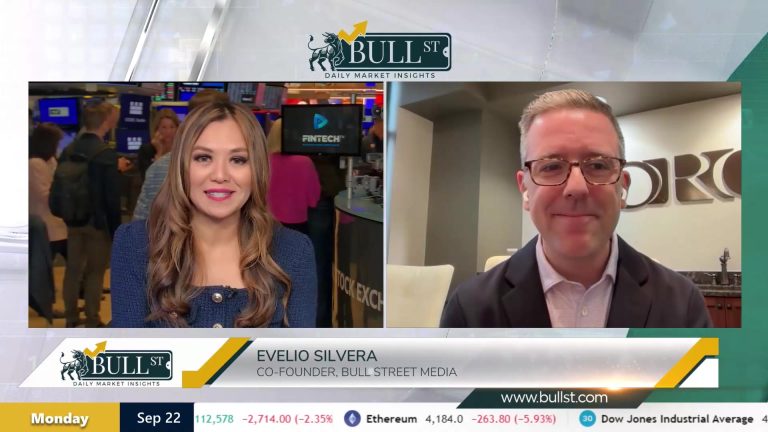
“Even the king of AI chips understands the importance of foundry diversification.” – 01:43
Evelio Silvera, Co-Founder of Bull Street Media, joins Remy Blaire to discuss the latest movements in the stock market, focusing on significant developments involving major players like NVIDIA and Intel, as well as the challenges faced by Cracker Barrel and Darden Restaurants.
The pair begin discussing the recent pullback of U.S. stocks from all-time highs, with a particular spotlight on NVIDIA’s impressive 20% spike last week. This surge is largely attributed to NVIDIA’s strategic $5 billion investment in Intel, acquiring a 4% stake at over $23 a share.
Evelio explores how this deal could enhance Intel’s competitiveness by integrating NVIDIA’s GPU technology into its chips, while also providing NVIDIA with greater access to Intel’s extensive business ecosystem. Evelio highlights the irony of NVIDIA, a leader in AI chips, recognizing the need for foundry diversification amidst its own sustainability questions and Intel’s manufacturing struggles.
Shifting gears, the pair turn their attention to Cracker Barrel, which has faced a significant decline of 20% over the past month. This downturn is primarily linked to the company’s controversial rebranding efforts and mixed fourth-quarter earnings, alongside expectations of falling restaurant traffic. Evelio provides insight into the broader food sector, noting that traditional casual dining is grappling with structural headwinds as consumer spending shifts towards experiences rather than sit-down meals. He emphasizes the challenges posed by rising labor costs and declining traffic, which are squeezing margins for nostalgic brands like Cracker Barrel.
Navigating the Crypto Landscape: Insights on Grayscale’s Multi-Token ETF Launch
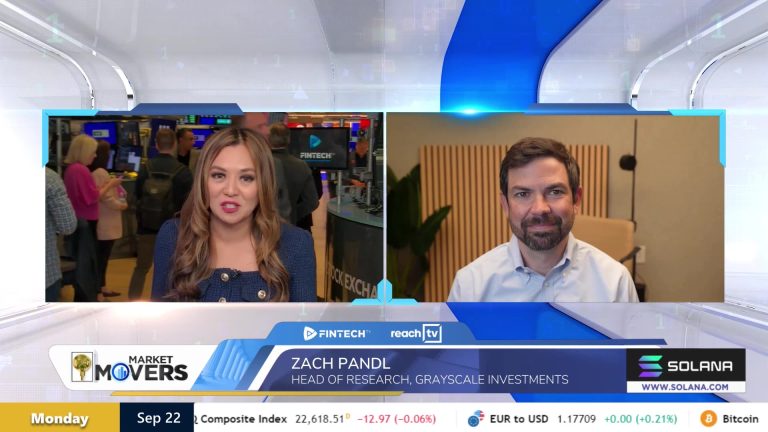
“This year, crypto has been driven by really a one-two punch of macroeconomic demand for the asset class and regulatory clarity.” – 05:57
Zach Pandl, Head of Research for Grayscale Investments, joins Remy Blaire to discuss the strategic rationale behind launching a multi-token crypto ETF in the current market environment. Zach highlights that Grayscale has been actively engaging with mainstream investors who are eager to incorporate crypto assets into diversified portfolios but often feel overwhelmed by the complexities of blockchain technology and the multitude of tokens available. He emphasizes that, similar to traditional asset classes, many investors prefer an index-based approach to simplify their investment decisions.
Zach elaborates on the ETF’s allocation strategy, noting that it is market capitalization-weighted, with 70% allocated to Bitcoin and 20% to Ether. He clarifies that this allocation reflects the market dynamics rather than Grayscale’s personal views, providing investors with access to the largest projects in the crypto space through a single, efficient vehicle. He asserts that focusing on the top five tokens captures a significant portion of the market cap without the need to include hundreds of tokens, making it an effective way to gain exposure to crypto.
The discussion then shifts to the challenges of structuring and managing a multi-asset crypto fund compared to single-asset products. Zach shares Grayscale’s extensive experience in managing crypto investment products and explains how the firm addresses liquidity and volatility concerns. He reassures listeners that Grayscale takes care of the complexities involved in rebalancing the portfolio, allowing investors to enjoy a streamlined investment experience.
As the conversation progresses, Remy and Zach discuss the regulatory landscape in the U.S. and its implications for the crypto market. Zach notes that the current macroeconomic environment, characterized by the Federal Reserve’s rate cuts and a relatively weak dollar, is likely to drive demand for Bitcoin and other crypto assets. He also mentions recent announcements from the SEC regarding ETF approval processes and ongoing legislative efforts in the U.S. Senate aimed at enhancing regulatory clarity for the crypto industry.
Market Momentum: Analyzing the Impact of the Fed’s Rate Cut
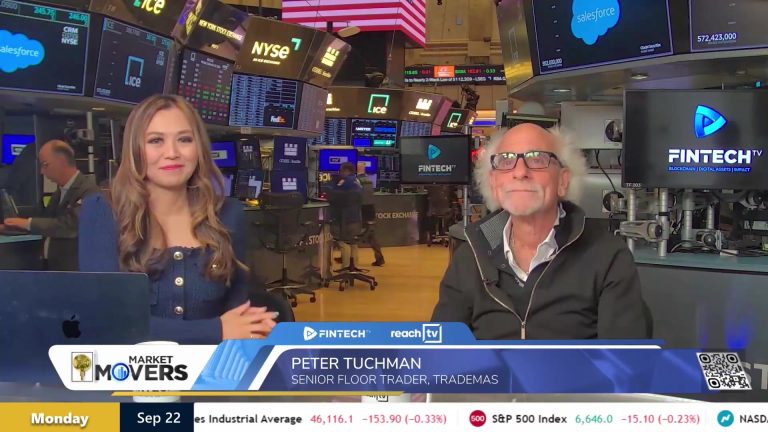
“Historically, rate-cutting cycles have been bullish for markets.” – 02:11
Peter Tuchman, Senior Floor Trader at TradeMas, joins Remy Blaire at the New York Stock Exchange to discuss the recent developments in the financial markets following a significant rate cut by the Federal Reserve.
The pair discuss the implications of the Fed’s decision and the potential for a market pullback after such a strong rally. Peter shares an intriguing Wall Street adage related to the Jewish holidays, Rosh Hashanah and Yom Kippur, which suggests a historical pattern of selling and buying that traders often follow during this time.
As the conversation progresses, Remy points out that major U.S. stock futures are showing red at the start of the week, prompting a discussion about the uncertainty in the markets. Peter emphasizes the importance of upcoming economic data and the likelihood of further rate cuts, which could continue to support market growth. They also touch on the upcoming U.N. General Assembly and the various diplomatic efforts underway, particularly regarding trade relations with China.
With October approaching, Remy and Peter discuss the historical context of the month, including its association with market volatility, and how consumer sentiment surrounding the holidays could impact the markets. Peter highlights the significance of tariffs and their potential effects on consumer prices, which could weigh heavily on market perceptions as the holiday season approaches.
Finally, they look ahead to the upcoming earnings season, focusing on how companies will navigate the challenges posed by tariffs and whether they can provide guidance amidst the uncertainty. Peter’s insights into the economic mechanisms at play and the potential responses from the Fed set the stage for what could be a pivotal time for investors.
Navigating TikTok: Trump’s Call with Xi and Oracle’s Role in Data Management
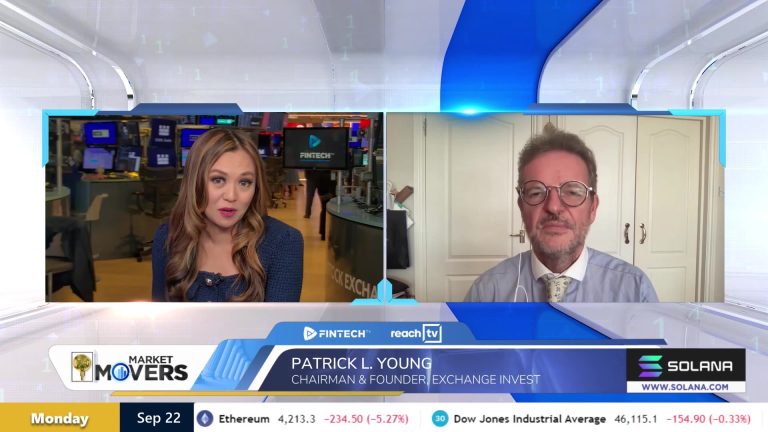
“An incredibly shrewd pair of deal-doers looking towards these sorts of short video platforms.” – 02:30
Patrick L. Young, Chairman and Founder of Exchange Invest, joins Remy Blaire to discuss the recent phone call between President Trump and Chinese President Xi Jinping. Both leaders describe the conversation as productive and constructive, although concrete agreements are still pending. Remy highlights the significance of this dialogue in the context of U.S.-China relations, noting the enigmatic nature of both leaders and the ongoing complexities that define their interactions.
Patrick emphasizes that while there is no total agreement between the two nations, there are signs of a rapprochement driven by China’s need to export goods to the U.S. and America’s desire to prevent potential conflicts, such as an invasion of Taiwan.
The conversation shifts to the involvement of tech moguls, including Larry Ellison, Rupert Murdoch, and Michael Dell, in the management of TikTok’s data. Remy and Patrick discuss how Oracle is set to host American user data on its Texas-based infrastructure, marking a significant move in the tech landscape. Patrick elaborates on the strategic shift of these media and tech leaders towards embracing social media platforms, moving away from traditional media models. He notes the importance of TikTok for the Trump campaign as it prepares for the 2024 elections, recognizing its potential to mobilize voters.
Remy then transitions to Trump’s recent state visit to the UK, where he met with Prime Minister Keir Starmer and King Charles. Patrick shares his perspective on how Trump’s visit may have positively impacted Starmer’s political standing during a challenging period, suggesting that Trump’s presence helped to stabilize local political issues. The discussion also touches on Microsoft’s $30 billion investment in the UK, with Patrick explaining that the UK’s departure from the EU has made it a more attractive destination for tech companies, particularly those wary of stringent regulations.
Staking Made Simple: Robinhood’s New Features for ETH and Solana Users
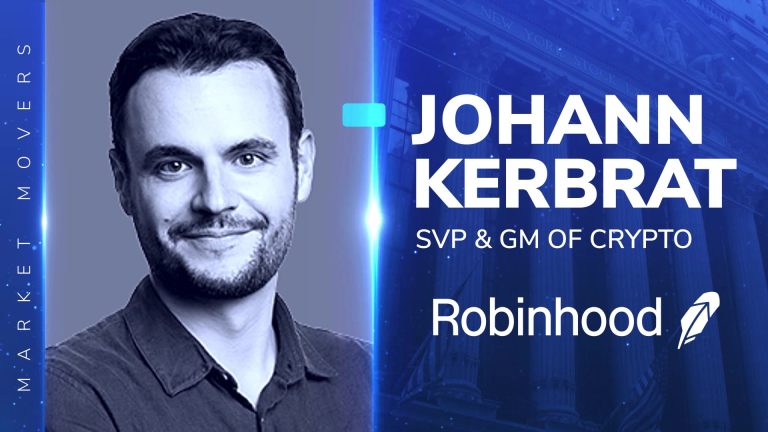
“Staking was one of the most requested features that we had at Robinhood.” – 03:15
Johann Kerbrat, SVP & GM of Crypto at Robinhood, joins Remy Blaire to discuss the exciting developments at Robinhood, particularly its recent expansion into the European market.
The pair kicked off the conversation by discussing Robinhood’s expansion across Europe, where it now provides tokenized US stocks, private company tokens, and crypto trading in 31 EU and EEA countries. Johann highlighted how European users can trade well-known names like Apple, Nvidia, SpaceX, and OpenAI all from a single app, with Robinhood holding the underlying shares for users through on-chain claiming.
One of the key topics we explored was the introduction of perpetual (PERP) futures in the EU. Johann explained how Robinhood has developed a user-friendly interface that allows customers to manage their risk and profits effectively. With leverage options ranging from 1 to 3x, users can choose between cross-margining or isolating their positions. He also mentioned that orders are routed to Bitstamp, a cryptocurrency exchange recently acquired by Robinhood.
As they shifted focus to the growing retail interest in crypto, Johann discussed the addition of four new altcoins to Robinhood’s platform. He emphasized the company’s commitment to listing assets that customers are interested in, while also ensuring a thorough review process for each asset to maintain safety and security.
Staking was another hot topic, as Robinhood has recently ramped up its crypto features by offering ETH and Solana staking for U.S. customers. Johann explained the rewards structure, lockup periods, and how Robinhood handles slashing or network penalties on behalf of users. He noted that staking was one of the most requested features and that the company aims to educate customers about the differences between staking and lending.
Stablecoins and AI: How USAT is Shaping the U.S. Crypto Landscape
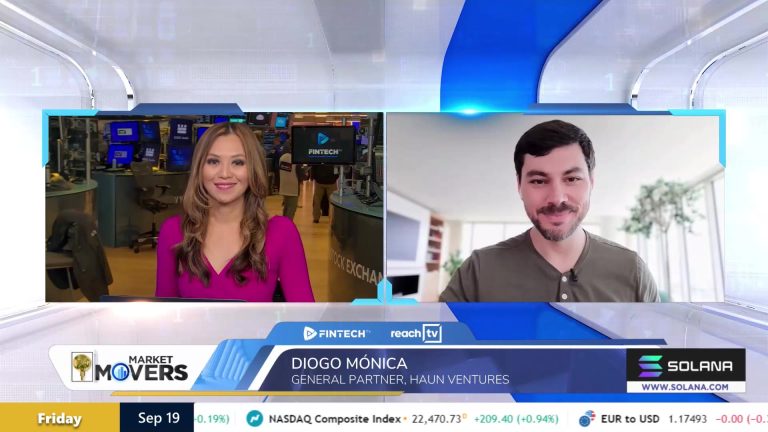
“Anchorage Digital is going to be the issuer of USCT in the United States.” – 01:09
Diogo Mónica, General Partner at Haun Ventures, joins Remy Blaire to discuss the latest developments in the world of stablecoins and tokenized equities, highlighting the significant changes in the financial landscape.
Remy begins by introducing the topic of stablecoins, noting that major companies are increasingly exploring their potential. He highlights the recent launch of USAT, Tether’s new stablecoin tailored for the U.S. market, which aims to comply with the new regulations established under the GENIUS Act. Diogo shares his insights on Anchorage Digital’s pivotal role as the issuer of USAT, emphasizing the importance of being the first federally chartered bank in the U.S. He expresses excitement about bringing Tether into a regulated environment, which he believes will enhance trust and stability in the market.
The conversation shifts to the competitive dynamics of stablecoins, with Diogo explaining the historical dominance of Tether and USDC. He discusses how the GENIUS Act requires issuers with over $10 billion in issuance to operate under federal regulation, marking a significant shift in the landscape. This regulatory framework, according to Diogo, will lead to a more structured and secure environment for stablecoins in the U.S.
Next, Remy and Diogo delve into the topic of tokenized equities, focusing on the groundbreaking achievement of GLXY, the first publicly listed U.S. equity to trade on a public blockchain. Diogo elaborates on how Galaxy and Superstate have developed the necessary infrastructure to allow publicly traded stocks to be traded on-chain while maintaining the same rights and regulations as traditional stock exchanges. He highlights the implications of this development, which enables simultaneous trading on decentralized finance (DeFi) platforms and traditional exchanges like NASDAQ, setting a new standard for the financial industry.
Revolut’s Bold Expansion: Glauber Mota on Entering the UAE Market
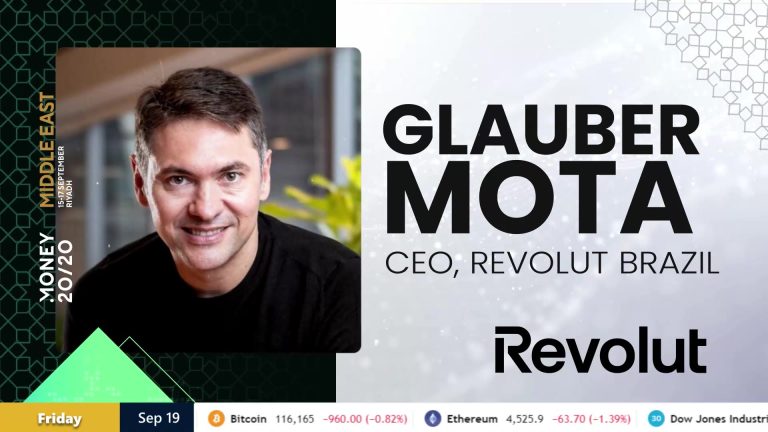
“We do have an instance payment infrastructure called PIX. That’s a huge case of financial inclusion.” – 03:07
Patricia quickly transitions to the recent announcement regarding Revolut’s entry into the UAE market. Glauber shares that the company has received in-principle approval to operate in the region, marking a pivotal moment in their ambitious plan to expand into 100 countries.
Glauber reflects on Revolut’s journey in Brazil, which was the company’s first expansion market in Latin America. He discusses the rapid growth experienced over the past three years, detailing the steps taken to establish a regulated financial services company, including obtaining licenses, developing products, and building a team. He notes that Brazil’s competitive market requires consumers to use multiple apps for their financial needs, making it crucial for Revolut to provide a comprehensive solution.
The conversation shifts to the innovative products that Revolut is focusing on in Brazil. Glauber emphasizes the importance of leveraging local payment infrastructure, such as the instant payment system PIX, which has significantly contributed to financial inclusion. He explains that Brazilians have a cultural inclination towards credit cards, and Revolut is adapting to this behavior by gradually launching a premium credit card offering.
As the discussion progresses, Patricia inquires about how Revolut ensures customer loyalty in such a competitive landscape. Glauber reveals the company’s “secret sauce”: a strong emphasis on product development. By delivering high-quality, user-friendly financial solutions at a relatively low cost, Revolut aims to create a seamless experience that keeps customers engaged and encourages them to recommend the service to others.