[stock-market-ticker symbols=" ^NYA;CRYPTO:BTC;CRYPTO:ETH;CRYPTO:USDT;CRYPTO:USDC;CRYPTO:BNB;CRYPTO:ADA;CRYPTO:XRP;CRYPTO:SOL;CRYPTO:DOGE " stockExchange="NYSENASDAQ" width="100%" transparentbackground=1 palette="financial-light"]

Home Blog Page 139

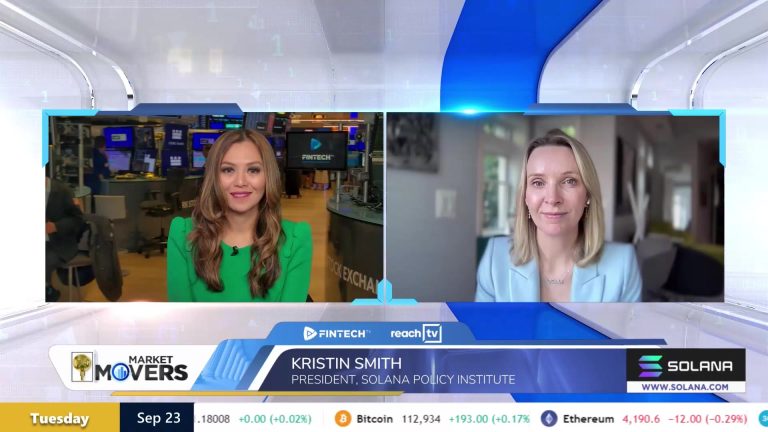
Solana Summer: Capitalizing on the Crypto Wave

“We do believe that the Solana network is going to be the infrastructure for all asset issuers and asset markets in the future.” – 01:56

Kristin Smith, President of Solana Policy Institute, joins Remy Blaire to discuss the recent surge in interest surrounding Solana, a cryptocurrency that has experienced a significant 60% increase over the past three months. Remy highlights the growing trend of companies adopting Solana as a treasury reserve asset, mentioning notable organizations such as DeFi, DevCore, Upexy, Sol Strategies, Forward Industries, and Sharps Technology.

Together, they discuss the implications of major institutions investing in the Solana ecosystem and the emergence of innovative decentralized applications (DApps). Kristen emphasizes how these developments could enhance capital deployment efficiency and positively influence the broader crypto market.

The conversation shifts to a crucial regulatory update: the SEC’s approval of generic listing standards for commodity-based trust shares. Kristen explains how this change simplifies the approval process for crypto ETFs, making it easier for retail investors to access a wider range of digital assets, including Solana. She notes that this new framework allows assets to be included in ETFs without the previously required government approval, which is a significant step forward for the industry.

Remy and Kristin also delve into a national study conducted by the DeFi Education Foundation, revealing that nearly half of Americans believe the current U.S. financial system does not meet their needs. Kristin shares her insights on the shortcomings of existing financial services and the potential for blockchain technology to provide more efficient and cost-effective solutions for consumers.
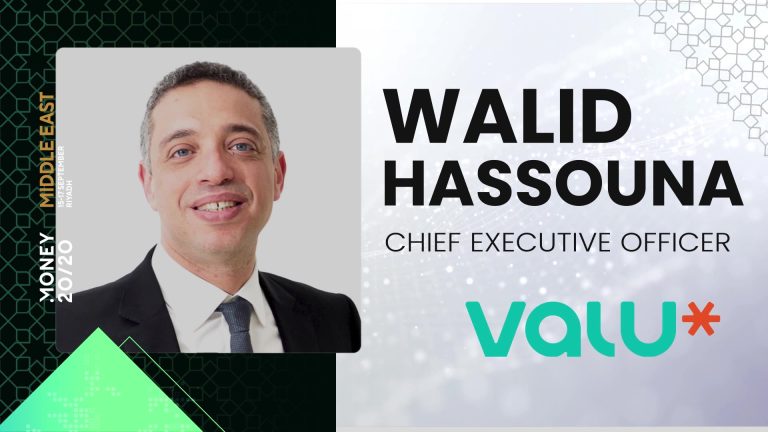
Innovation and competition in Fintech: A conversation with Walid Hassouna

Walid Hassouna the CEO of Valu joins Patricia Wu at the Money 20/20 Middle East event at the Riyadh Exhibition and Convention Center to delve into the dynamic fintech landscape in the region, which has seen rapid growth since its early days focused primarily on payments. Walid highlights how the introduction of consumer lending, inspired by the global buy now pay later trend, marked a significant shift in the industry.

He emphasizes the importance of innovation and speed in product development, noting that Valu has managed to stay ahead of the competition by prioritizing customer feedback and maintaining a balance between banking expertise and technological advancement. With a youthful leadership team, they are well-positioned to connect with their target audience.

They also discuss the potential for exits in the fintech space, with Walid sharing his experience of a direct listing on the Egyptian Stock Exchange. He believes that this approach not only attracts attention from private equity and strategic investors but also positions companies favorably for future opportunities.

Walid offers valuable advice for founders, urging them to explore various exit strategies early on, including mergers and acquisitions, rather than viewing their startups as untouchable entities. He stresses the importance of keeping options open and listening to the market.

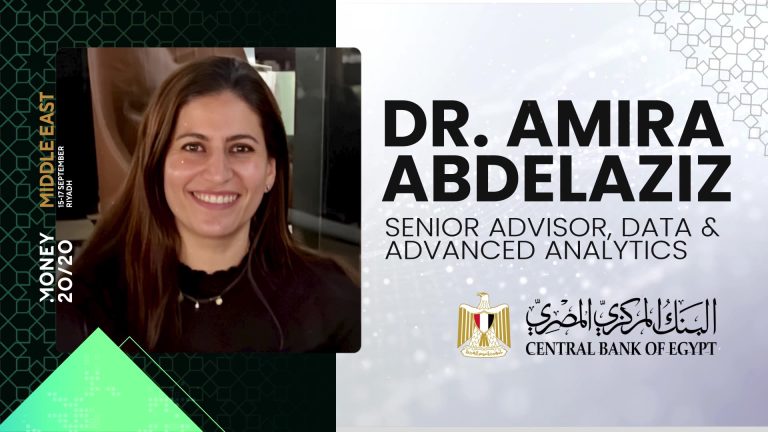
Empowering Women in AI: Bridging the Gender Gap in Technology

On this episode, We sit down with Dr. Amira Abdelaziz, Senior Advisor for Data Science and Advanced Analytics at the Central Bank of Egypt and a Council Member of Global Women in AI.

Dr. Abdelaziz discusses how the Central Bank of Egypt is leveraging artificial intelligence (AI) and data science to enhance monetary policy intelligence and economic stability. She shares fascinating insights into projects like GDP forecasting, inflation trends monitoring, and understanding the informal economy through advanced analytics.

We also explore the critical issue of gender representation in the AI workforce, where only 26% are women. Dr. Abdelaziz emphasizes the importance of support systems, mentorship, and continuous education for women in tech. She encourages women to engage with international communities and develop their skills to thrive in the rapidly evolving AI landscape.

Additionally, we delve into the significance of collaboration among central banks and financial institutions in leveraging AI and data science for better economic insights.

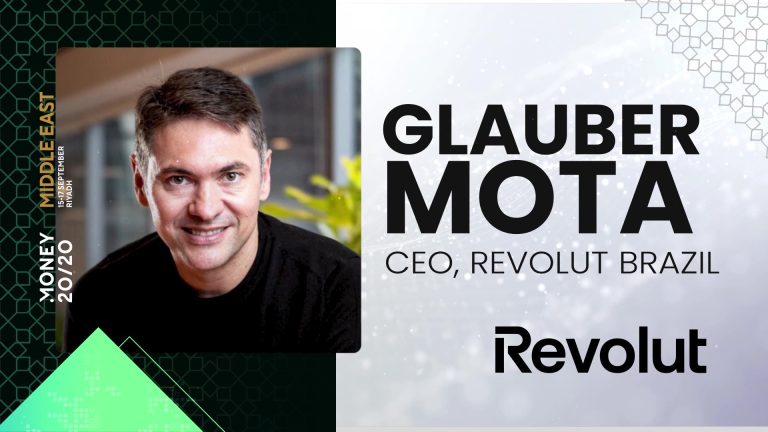
Revolut’s Bold Expansion: Insights from CEO Glauber Mota on Entering the UAE Market

In this episode, we sit down with Glauber Mota, the CEO of Revolut Brazil, to discuss the exciting expansion of Revolut into the UAE market and the rapid growth of their services in Brazil.

Glauber also shares insights into the competitive landscape of financial services in Brazil, the importance of credit in the local culture, and how Revolut is adapting to meet customer needs. We explore the innovative payment infrastructure in Brazil, including the PIX system, and how it serves as a model for financial inclusion.

Glauber also discusses the similarities and differences between the financial technology markets in Brazil and Saudi Arabia, the potential of blockchain and tokenization, and the lessons learned from various regions that can be applied locally.

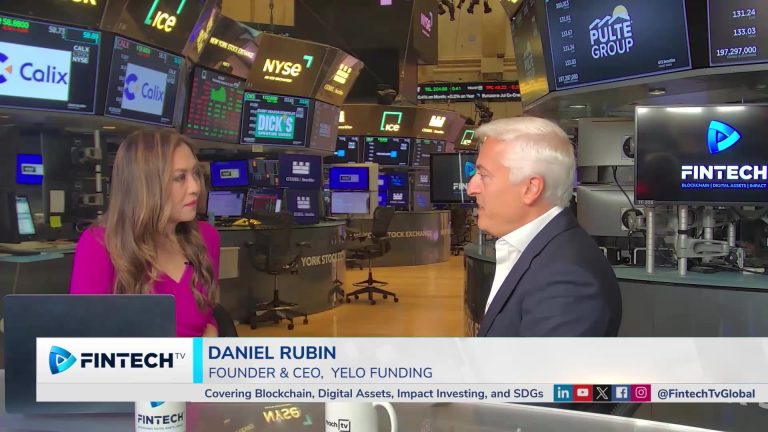
Transforming Student Loans: How YELO Funding is Redefining Education Financing

0

In this segment, Remy Blaire, delves into the pressing issue of debt in America, highlighting the staggering national debt of over $37 trillion and the significant burden of individual debt, particularly in the realms of credit cards and student loans. With U.S. credit card debt reaching $1.21 trillion and student loan debt climbing to $1.81 trillion, the financial landscape for many Americans is increasingly challenging.

To address this, Remy Blaire welcomes Daniel Rubin, the Founder & CEO of YELO Funding, a fintech company that has been recognized as the Student Funding Company of the Year in 2025. Daniel shares insights into how YELO Funding is revolutionizing the student loan repayment process by offering a unique financing model. Unlike traditional loans, YELO Funding provides gap financing to college students after they have exhausted federal loans, scholarships, and grants. Their approach ties loan repayments to a percentage of a student’s future income, making payments more flexible and affordable.

Daniel explains that the current education financing system has created an unsustainable bubble, with tuition costs rising over 1,300% in the past 45 years. He emphasizes the disconnect between the cost of education and the expected income for graduates, which has led to a significant number of students defaulting on their loans. YELO Funding aims to break this cycle by assessing the return on investment (ROI) of various degree programs and financing students based on the potential value of their education rather than their socioeconomic background.

The pair discuss the implications of recent legislative changes in student financing, including caps on federal loans, which are expected to shift a substantial market share to private lenders. Daniel highlights how YELO Funding is well-positioned to take advantage of these changes by offering outcome-based financing that prioritizes the financial well-being of students.

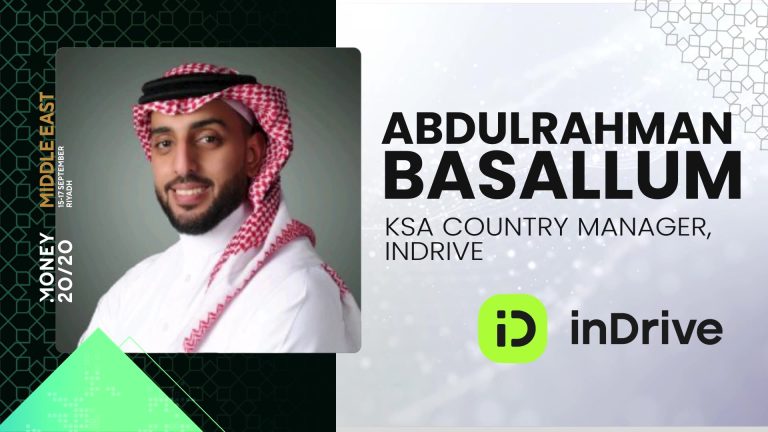
Expanding horizons: Indrive’s plans for growth in the Saudi Market

In this episode, we dive into the innovative world of Indrive, a global ride-hailing company that has recently launched in Saudi Arabia.

Join us as Patricia Wu chats with Abdulrahman Basallum, the Country Manager for Saudi Arabia, who shares insights about Indrive’s unique peer-to-peer service model. Discover how customers can negotiate prices and choose their drivers, making the ride-hailing experience more personalized and engaging.

We also discuss Indrive’s commitment to cashless payments, their impact on the local economy through job creation, and their plans for future expansion into other Saudi cities. Abdulrahman highlights the company’s focus on social responsibility and collaboration with government entities for non-profit initiatives.

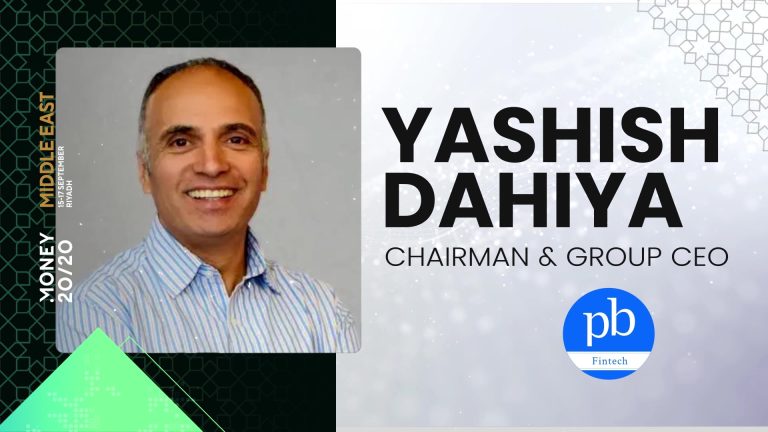
Navigating growth: Yashish Dahiya on expanding PB Fintech in the MENA region

Yashish Dahiya, the Chairman and Group CEO of PB Fintech joins Patricia Wu at the Money 20/20 Middle East event at the Riyadh Exhibition and Convention Center to share insights on expanding into the Middle East and MENA region.

Discover the unique challenges and opportunities that come with operating in a diverse market, the importance of building relationships, and how historical ties between India and the Middle East play a crucial role in business. Yashish also discusses the demographic advantages of the region and the evolving landscape of consumer expectations.

We dive deep into the impact of technology, particularly AI, on the insurance industry and how it can enhance decision-making and operational efficiency. Yashish emphasizes the importance of decentralization in adopting AI and the need for organizations to adapt to this rapidly changing environment.

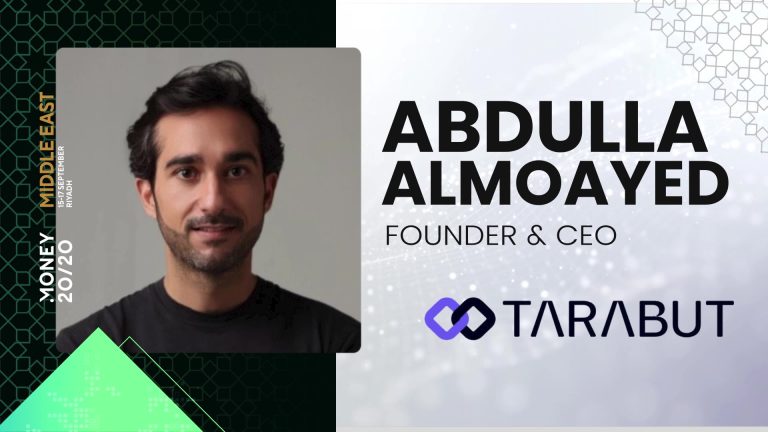
Navigating the Saudi Fintech landscape: Insights from Tarabut’s CEO Abdulla Almoayed

Join Scarlett Sieber as she interviews Abdulla Almoayed, the founder & CEO of Tarabut, from the Money 20/20 Middle East event in Riyadh, Saudi Arabia. In this episode, Abdulla shares insights into the thriving fintech landscape in Saudi Arabia, highlighting the unique opportunities presented by advanced regulations and digital infrastructure.

Discover how the Saudi market stands out with its fully banked population, digital identities, and the government’s commitment to financial inclusion and literacy. Abdulla discusses the importance of trust and resilience in the fintech sector and explains the innovative processes that make lending and financial services efficient in the region.

Learn about Tarabut’s journey through various regulatory environments, including Bahrain, the U.A.E., and Saudi Arabia, and what it takes to succeed in this dynamic market.

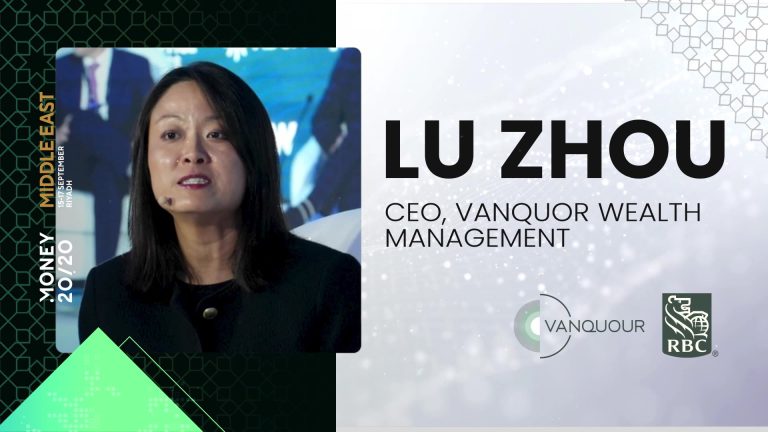
Unlocking Opportunities: Insights from Lu Zhou on wealth management in the Middle East

Patricia Wu is joined by Lu Zhou, the CEO of Vanquour Wealth Management at the inaugural Money 20/20 Middle East event at the Riyadh Exhibition and Convention Center to share her insights on the exciting developments in the region.

Lu highlights the robust economic policies in Saudi Arabia that support business growth and foreign investment. She emphasizes the importance of diversifying investment portfolios and points out the compelling sectors to watch, particularly infrastructure and renewable energy, which align with Saudi Arabia’s Vision 2030.

They also discuss the unprecedented transfer of wealth expected in the coming decades, with a significant portion passing to women. Lu stresses the importance of planning and education for female investors, noting that understanding their unique perspectives on investment is crucial.

Lu shares her optimistic outlook on the GCC region’s growth and its potential impact on the global economy. She encourages investors to pay close attention to the opportunities emerging from Saudi Arabia, especially with the anticipated IPOs of local companies.

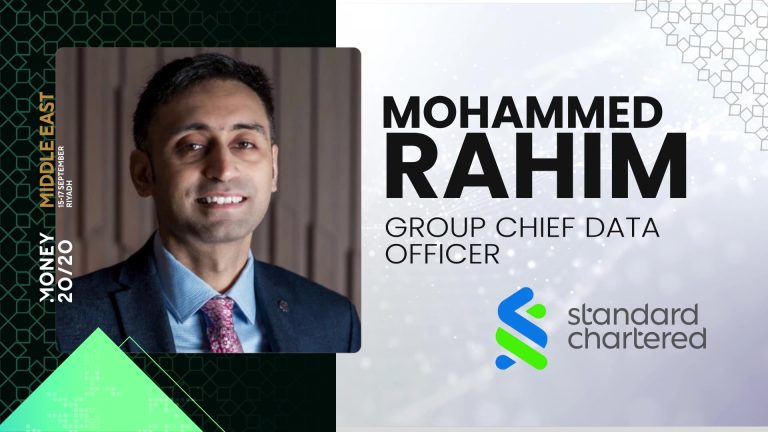
Unlocking the Future of Finance: How Data and AI are Transforming Customer Experiences at Standard Chartered Bank

Host Patricia Wu sits down with Mohammed Rahim, the Group Chief Data Officer for Standard Chartered Bank, to explore the transformative power of data and AI in the financial sector. Discover how Standard Chartered is leveraging data storytelling to enhance customer experiences and drive industry insights.

Mohammed shares his perspective on the importance of context in data usage, emphasizing that data is only valuable when it tells a compelling story. He discusses the need for financial institutions to understand customer behaviors and the broader implications of spending patterns on the economy. As AI continues to evolve, he highlights the significance of human intelligence and the necessity for individuals to develop multi-domain skills to effectively interact with AI technologies.

The conversation also delves into the risks associated with AI adoption in financial services. Mohamed stresses the importance of education and awareness around AI risks, advocating for a cautious approach to innovation. As we look to the future, he predicts a shift in how customers will interact with their banks, moving towards more personalized and efficient AI-driven experiences.