[stock-market-ticker symbols=" ^NYA;CRYPTO:BTC;CRYPTO:ETH;CRYPTO:USDT;CRYPTO:USDC;CRYPTO:BNB;CRYPTO:ADA;CRYPTO:XRP;CRYPTO:SOL;CRYPTO:DOGE " stockExchange="NYSENASDAQ" width="100%" transparentbackground=1 palette="financial-light"]

Home Blog Page 86

Jobs Data and AI Rally Set Early Tone for 2026 Markets

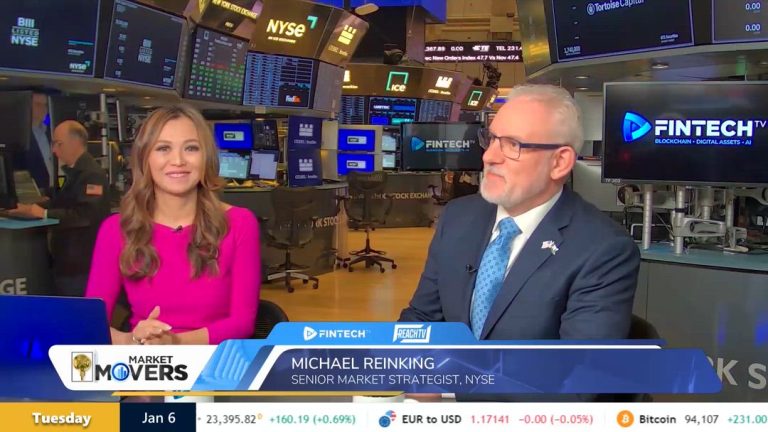
The first week of trading in 2026 marks a significant return to form for economic data, following the disruptions caused by last year’s government shutdown. As we transition into a new fiscal year, much of the focus is on employment figures, particularly as the December employment report is anticipated to reveal a slowdown in hiring. As investors brace for key economic indicators, we explore the insights shared by Michael Reinking, senior market strategist at the New York Stock Exchange, regarding market momentum and the projected economic landscape for 2026.

Reinking noted that the momentum seen at the close of 2025 carried over into the new trading year. An analysis of the three-year trailing returns indicates a striking performance, with only a few historical years surpassing the nearly 80% gains recorded over the past three years. Notably, these periods include 2021 and the years between 1997-1999.

While the one-year returns following such significant gains tend to vary, averaging around 5%, the long-term outlook remains strong. As we analyze earnings growth expectations and economic policy impacts, an optimistic momentum has developed around the S&P 500 as we embark on 2026.

Reinking emphasized the critical nature of the upcoming employment report, highlighting its significance for shaping Federal Reserve policy. Current expectations lean towards a slight uptick in hiring compared to the previous report, which had shown disappointing results. This data is not merely a measurement of job growth; it stands as a key indicator of economic health that could determine future actions taken by the Federal Reserve.

The investor community appears to be closely monitoring the likelihood of a rate cut. Presently, expectations for a change in January hover around a slim 16%, suggesting that while the market anticipates stability in rates, any meaningful shifts in policy could await the end of the first quarter.

This week’s CES conference in Las Vegas has also garnered attention, fueled by announcements from major players in the semiconductor space, such as AMD, Nvidia, and Intel. After a remarkable rise of approximately 40% in semiconductor stocks last year, the sector has kicked off 2026 with over a 5% increase in just two trading sessions. Reinking highlighted the event’s overarching focus on AI technologies and autonomous robotics, which are set to revolutionize numerous sectors.

A notable sign of strength in the industry is Microchip Technology’s recent guidance increase, suggesting heightened demand beyond mere consumer electronics. Such developments point to a robust industrial appetite for semiconductor technology, which may further stabilize the economic landscape.

As we consider the midterm election year dynamics, Reinking provided insights into potential scenarios for 2026. His base case predicts generally positive market conditions, fueled by anticipated mid-double-digit earnings growth. Furthermore, government policies implemented in 2025 may begin to manifest beneficial effects on the economy, driving an uptick in investment across key sectors.

However, Reinking cautioned that midterm election years traditionally exhibit lower average returns. With historical data revealing a mere 1% average return in such years, there exists a level of caution surrounding market expectations. The potential for increased volatility persists, stemming from market positioning nearing stretched levels.

As 2026 unfolds, a blend of optimism and caution characterizes the sentiments within financial markets. With pivotal economic data on the horizon, particularly concerning employment, the outcomes will influence both market trajectories and Federal Reserve policies. The developments in technology and investment landscapes underscore the dynamic nature of today’s economy, marked by a harnessing of innovation and strategic foresight in navigating the challenges of a midterm election period.
Crypto Deal Boom Sets Stage for RWA and IPO Wave in 2026

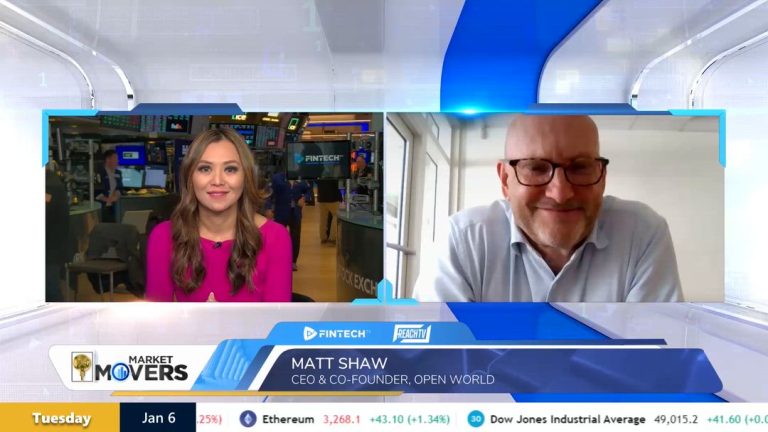
The crypto industry has seen remarkable transformation and growth, particularly in the expansive market landscape of 2025. Record levels of deal activity and fundraising have marked a significant period for crypto, with over 265 mergers and acquisitions executed, nearly quadrupling the value from the previous year. Additionally, the sector witnessed 11 IPOs that collectively raised a staggering $14.6 billion globally, a notable surge from just $310 million in 2024. In the context of this thriving industry, Matt Shaw, the CEO and co-founder of Open Worlds, shares his insights into the projections for 2026, highlighting key trends and factors shaping the crypto sector.

With 2026 just six days in, the conversation begins on the anticipated momentum for both the deal-making landscape and the broader crypto market. Shaw is optimistic, asserting that the year holds the potential for seminal breakthroughs fueled by palpable tailwinds. He points to a paradigm shift towards Real-World Asset (RWA) stablecoins, which, according to his analysis, are poised to find their product-market fit. As regulatory clarity improves, particularly with support from financial authorities like Chairman Paul Atkins, the intersection of traditional finance and digital currencies is projected to revolutionize investment strategies.

One of the critical factors driving the demand for crypto-related public equities is the convergence of conventional markets with Web 3.0 technologies. However, Shaw foresees a more discerning approach in 2026, with investors increasingly focusing on genuine earnings, cash flows, and the practicality of underlying businesses. Unlike the speculative environment of last year, the current landscape demands robust financial fundamentals, setting the stage for a more sustainable investment approach in the crypto markets.

Shaw anticipates significantly more activity in the IPO space for crypto companies than seen in prior years. He envisions a “2.0” wave of activity characterized by established projects grounded in real cash flows making the transition toward becoming global brands. Firms such as Kraken and Ledger are among those expected to leverage this evolution to attract high-profile investments. The appetite for stablecoins, which have already carved a niche in the market, will continue to burgeon, paralleling the growing interest in privacy-focused blockchain technologies.

As Shaw elaborates on the critical role of regulatory alignment, the discussion shifts towards public market readiness and investor confidence. The impact of legislation like the GENIUS Act is paramount, with hopes set on the Clarity Act to further bolster the regulatory framework surrounding digital assets. Shaw’s involvement in early security token offerings underscores the necessity of regulatory maturity to foster institutional adoption, propelling the energy of crypto investments into a more mainstream context.

Thus, the stage is set for what may indeed be a transformative year for the crypto industry. As regulatory structures solidify and institutional interest surges, Shaw’s insights suggest a shifting paradigm where transparency, compliance, and solid earnings reports strain to replace speculative gambles. It’s a pivotal moment, one where the potential for massive growth aligns with the expectations for regulatory resolve.

In conclusion, 2026 bears promising prospects for the crypto sector, ushering in an era defined by product viability and genuine market engagement. The enthusiasm from entrepreneurs and institutional investors alike marks a cultural shift toward recognizing the power of blockchain technology in creating sustainable investment avenues in alignment with the United Nations’ Sustainable Development Goals (SDGs). As momentum builds around RWAs and stablecoins, alongside the crucial undercurrents of regulatory support, the journey ahead promises exciting opportunities for stakeholders and innovators in finance. The call to action for industry participants is clear: to prepare, adapt, and seize the wave of change while contributing positively to the evolving ecosystem.

Solana Jumps Past $140 as Tokenization and ETF Demand Accelerate

As the cryptocurrency landscape continues to evolve, Solana has been making headlines with significant growth and an impressive trajectory into 2026. Recently, the Solana token has seen a surge, rising over 10% to surpass the $140 mark as it enters the new year. This momentum is reflected in the network’s real economic value, which has skyrocketed to $5.8 million between December 29 and January 4. Among the factors contributing to this growth is an increase in stablecoin supply, which has been consistent since the beginning of 2023.

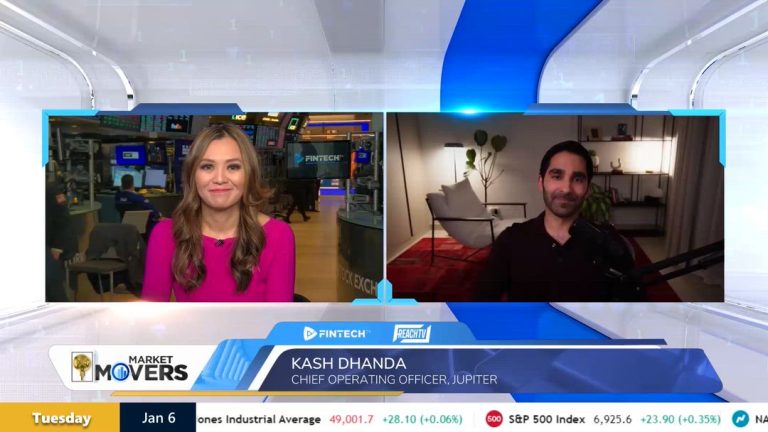
In a recent conversation, Kash Dhanda, the chief operating officer of Jupiter, shared insights on the Solana network and potential trends for 2026. Dhanda has been part of the Solana ecosystem for nearly five years and expressed strong bullish sentiments about its future. He believes that this year will be pivotal for Solana, with significant developments anticipated in tokenization, stablecoins, and asset issuance.

Dhanda emphasized that one of the greatest challenges for Solana is the multitude of bullish narratives occurring simultaneously. He underscored the reliability of the network, which offers fast and inexpensive transactions—attributes that enhance the overall user experience. With this foundation, he sees real-world applications emerging that will create substantial value for individuals and businesses alike.

One of the key aspects highlighted by Dhanda is the growing trend of asset tokenization and the resulting increase in trading volume on the Solana network. Notably, Solana has positioned itself as a leader in trading volume for 2025, exceeding $1.5 trillion, with Jupiter contributing significantly to this figure.

Dhanda cited several noteworthy advancements, including JPMorgan’s issuance of $50 million in commercial paper for Galaxy Digital on the Solana blockchain. This serves as a testament to the network’s capabilities, attracting institutional interest and further entrenching crypto as a viable settlement rail for major financial institutions. The transition from traditional assets to tokenized versions—like Prime, which represents home equity loans—illustrates the innovative spirit permeating the Solana ecosystem.

This institutional confidence is further reflected in the growing appetite for Solana-based ETFs. According to Dhanda, the total Assets Under Management (AUM) for Solana ETFs has surpassed $1 billion, showcasing a trend likely to continue as more institutions recognize the underlying technology’s potential. Recent filings for Solana ETFs by heavyweight firms like Morgan Stanley signal an increasing trust in Solana as a robust financial asset.

For those less familiar with Solana, Dhanda explained the technology at play. Solana operates as a proof-of-stake blockchain, allowing for rapid transaction processing and minimal costs—currently around $0.0002 per transaction. Upcoming upgrades, such as Alpenglow, aim to further reduce transaction times to approximately 150 milliseconds, positioning Solana as a competitive player in the blockchain space. This combination of speed and cost efficiency has attracted diverse applications and businesses to build on Solana, driving revenue growth, which reached about $2.4 billion in the past year.

As 2026 unfolds, Dhanda is optimistic that Solana will become a household name in the financial and tech sectors. He believes that by the end of the year, anyone engaged with financial markets will be aware of Solana’s unique value proposition and the differentiators that set it apart from other cryptocurrencies. This predicted surge in awareness could turn Solana into a major player in the cryptocurrency ecosystem.

With the convergence of advancements in technology, institutional adoption, and asset tokenization, Solana is set for a transformative year. As companies and financial institutions continue to explore the capabilities of blockchain technology, Solana’s ecosystem stands at the forefront of innovation in cryptocurrency, with promising implications for sustainable investment and entrepreneurial growth.

NYSE Expands Media Reach With “Taking Stock” Show on ReachTV

As the world of finance rapidly evolves, the New York Stock Exchange (NYSE) is making significant strides to enhance its engagement with the public through innovative partnerships and cutting-edge content. The NYSE is set to launch the “Taking Stock” show on ReachTV, a collaboration that signifies a pivotal moment in financial media, presented by J.D. Durkin and guest Joe Benarroch, the head of content media partnerships and distribution at NYSE.

The launch of “Taking Stock” marks not just a new show, but a significant evolution in the way financial information is disseminated. As Joe Benarroch noted, the timing of this initiative is perfect. The NYSE has scaled its partnerships and distribution efforts over 30 times in the last year, underscoring its commitment to serving a broad audience of investors, entrepreneurs, and business professionals. With a reach extending to hundreds of millions, the NYSE’s strategic partnership with ReachTV offers an unprecedented platform to engage with the business community, especially travelers who frequent airports and other public venues where ReachTV is broadcasted.

The role of media within financial services has transformed dramatically, and Benarroch emphasized that the NYSE is embracing this change effectively. By positioning itself as a media organization rather than just a marketplace for buying and selling stocks, the NYSE aims to provide valuable narratives about its listed companies and partners. This approach reflects a broader trend in which financial institutions must adapt to an increasingly competitive and content-driven landscape, making the creation of engaging media partnerships essential.

Reflecting on the changes made over the past year, Benarroch highlighted how the NYSE has become more open and accessible for partnerships, similar to how traditional media organizations operate. This year, the NYSE plans to double its distribution and increase the number of media partnerships, effectively opening its doors to new content creators and innovative platforms. This willingness to collaborate stands in contrast to a mindset of competition, further establishing the NYSE as a cornerstone in the financial media landscape.

The NYSE’s longevity (dating back to 1792) underscores its ability to adapt through various waves of technological innovation. From the telegraph to AI, the organization has continuously embraced change while remaining relevant. In today’s digital era, where video content is king, the NYSE has emerged as a robust player in multimedia broadcasting, producing substantial content including podcasts that have garnered millions of downloads.

As Benarroch articulated, one of the NYSE’s continuing goals is to meet audiences where they are. With platforms like LinkedIn, YouTube, and other emerging content networks, the NYSE is working to ensure that quality financial content is easily accessible to a diverse range of viewers. This shift is vital as people increasingly consume content in various formats, whether it’s long-form news, quick updates on social media, or interactive video broadcasts from the trading floor itself.

Looking ahead to the future, opportunities abound for the New York Stock Exchange. Plans to expand partnerships will include collaborations with both small content creators and established media entities, demonstrating that even a one-person operation can make a significant impact in the finance space. As more audiences seek out financial insights and narratives through varied content formats, the NYSE is poised to capitalize on this growing interest.

With the launch of “Taking Stock,” the New York Stock Exchange is demonstrating a commitment to innovation in financial media. By fostering partnerships and embracing cutting-edge content strategies, the NYSE continues to uphold its legacy as a leading institution while adapting to the demands of a new generation of investors. As we move into 2026 and beyond, it’s clear that the NYSE’s role will expand, ensuring that it remains not just a hub for trading but a trusted source of financial information in our ever-evolving world.

Fusion Fund Says AI’s Next Phase Is Infrastructure, Not Models

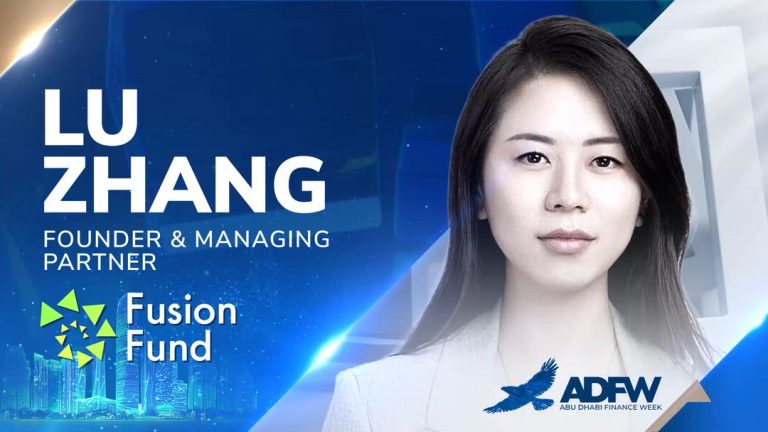
Joining the conversation is Lu Zhang, founder and managing partner of Fusion Fund, who shared insights on the rapidly evolving artificial intelligence landscape and its implications across multiple industries, particularly healthcare. Zhang’s perspective offers clarity in an environment often described as crowded with AI noise, where discerning meaningful innovation has become increasingly critical for investors and operators alike.

Over the past decade, Zhang has focused extensively on artificial intelligence and believes the next 12 to 18 months will center primarily on AI infrastructure. She argues that competitive advantage is shifting away from simply developing the most advanced AI models toward building cost-efficient systems that significantly reduce GPU usage and energy consumption. Zhang emphasized the growing importance of deploying AI on edge devices, a transition that opens new possibilities across industries as companies look to embed AI directly into their operations. This evolution presents a substantial opportunity for both innovation and targeted investment.

Healthcare remains a major area of focus for Zhang, particularly due to its abundance of high-quality data that remains largely underutilized. She noted that approximately 30% of all data generated by human society is related to healthcare, yet only about 5% of that data is currently being used effectively. Data fragmentation continues to limit progress, but Zhang believes federal computing infrastructure could help consolidate healthcare data, enabling more advanced AI applications. These range from digital diagnostics to personalized treatment strategies for chronic conditions such as cancer, heart disease, and mental health disorders.

Zhang expressed particular passion for the application of AI in mental health, citing its growing urgency in modern society. More than 20% of the U.S. population experiences depression, with rates continuing to rise among younger demographics. Mental health conditions are highly individualized, making standardized treatments less effective. Zhang outlined Fusion Fund’s investments in emerging technologies aimed at addressing these challenges, including advances in microglia cell research and high-density ultrasound therapies. These approaches could offer alternatives to traditional pharmaceutical treatments and introduce new pathways for patient care.

As an experienced founder herself, Zhang brings a distinct lens to evaluating startup teams. She outlined several qualities she believes are essential for success, including a clear long-term vision, unique insight into the problem being solved, and the ability to attract and retain top talent. In an environment defined by rapid change, she stressed that adaptability is critical, as founders must make decisive moves under uncertainty. Resilience, she added, remains one of the most important traits throughout the entrepreneurial journey.

When assessing AI startups, particularly those targeting enterprise applications, Zhang highlighted data access as a decisive factor. Founders must demonstrate the ability to curate high-quality data sets and continuously refine their models to maintain an edge. As AI adoption expands across finance and healthcare, demand is growing for solutions that can unlock value from vast pools of underused data.

Zhang also addressed the rising costs associated with building and scaling AI companies. She categorized startups into two primary groups: those developing foundational models that require substantial capital and those building vertical, application-specific models. Companies pursuing smaller, specialized models can often operate more efficiently by keeping GPU and energy costs lower. This strategy reduces financial strain while allowing for meaningful revenue growth with comparatively modest investment.

Overall, Lu Zhang’s insights highlight the shifting priorities within AI investment and deployment, particularly in healthcare. As artificial intelligence continues to reshape industries and tackle complex global challenges, both entrepreneurs and investors must remain agile and focused on practical impact. Zhang’s perspective underscores how infrastructure efficiency, data accessibility, and targeted innovation will define AI’s next chapter, with the potential to deliver lasting solutions in areas such as mental health and broader societal well-being.

Markets Look Past Santa Rally Miss as January Barometer Takes Focus

0

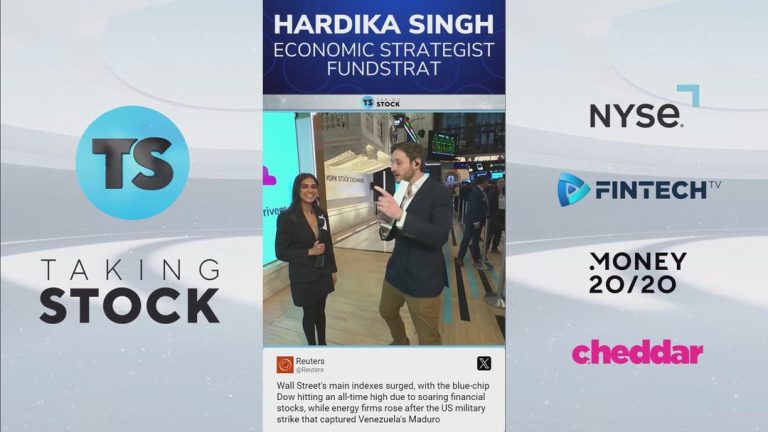
Hardika Singh, an economic strategist at Fundstrat, recently shared her insights into the current state of the financial markets and consumer behavior as we enter the new year. With investors displaying a sense of optimism despite missing out on the traditional Santa Claus rally, Singh provided a comprehensive analysis on what to expect moving forward in January and beyond.

The absence of a Santa Claus rally, often seen as a predictor for stock market performance, did not faze Singh, who emphasized that such short-term fluctuations rarely define the broader market trajectory. Instead, she pointed to the historical significance of the January barometer, where the performance of the S&P 500 in January is often seen as an indicator of general market trends for the year. “If we can see a rally in the ‘Magnificent 7’ stocks,” Singh said, alluding to leading tech companies known for their high free cash flow and strong balance sheets, “it would reaffirm the bullish sentiment we’ve had following three consecutive years of remarkable gains.”

One of the critical focus points for investors in January will be the performance of these ‘Magnificent 7’ stocks. Singh remarked that these stocks, which experienced volatility last year, need to regain momentum to validate the ongoing bull market. This focus on major players in technology comes as they continue to embark on the promises of artificial intelligence and other innovations that could shape the financial landscape for years to come.

Turning to geopolitical factors that could influence market sentiment, Singh addressed recent military interventions in Venezuela. While such events often spur investor anxiety, she noted that historically, these geopolitical tensions do not have lasting effects on stock prices. “Investors have been conditioned to sell the rumor and buy the invasion,” she explained, reflecting on previous global tensions—such as those concerning Russia and Ukraine—that seemingly desensitized the market to such news cycles.

In addition to macroeconomic factors, consumer spending trends also feature prominently in Singh’s analysis. She observed that during the fourth quarter, which encompasses the heart of the holiday shopping season, consumer spending surged significantly. “The big question is how consumers are managing to sustain this level of spending,” she stated, elucidating that many are drawing from their savings, as indicated by a recent GDP report. This has raised concerns about the sustainability of consumer spending in the months ahead.

Singh referenced that the savings rate, as a percentage of disposable income, has seen its slowest growth since late 2022. As consumers withdraw funds initially saved during the pandemic, the pressure mounts for them to maintain healthy balance sheets to support ongoing spending. “We need strong consumer balance sheets to keep the economic engine running,” she cautioned, indicating a watchful eye on how consumer confidence and discretionary spending will unfold.

Navigating the intersection of finance, entrepreneurship, blockchain, and sustainability investing, the discourse brought forth by Hardika Singh resonates with broader trends in the investment community as they weigh risks against optimism. With cryptocurrency and AI technologies rising to the forefront of financial conversations, it will be essential to consider how these developments align with current economic indicators and consumer behavior in a rapidly changing landscape.

In summary, Hardika Singh’s insights provide a detailed overview of both market sentiment and consumer dynamics that will be crucial for investors looking to capitalize on opportunities in the coming year. Understanding the interplay of geopolitical events, consumer behavior, and the performance of major market players will be fundamental as we stride into the financial waters of 2026. The convergence of technology, finance, and sustainable investing is poised to create new avenues for growth, signaling a transformative year ahead.

Thrivent Rings NYSE Bell as It Expands Into ETFs

0

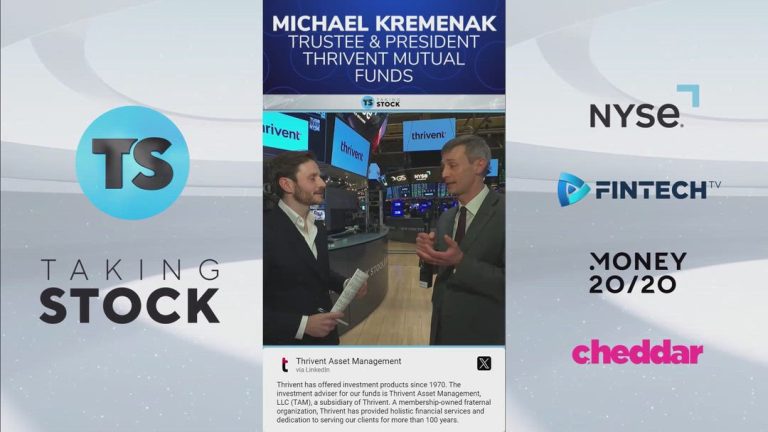
In an exciting commencement of the new trading year, Michael Kremenak, the president and trustee of Thrivent Mutual Funds, had the honor of ringing the closing bell at the New York Stock Exchange. In a recent discussion, Kremenak shed light on Thrivent Mutual Funds’ latest offerings and provided valuable insights into the evolving financial markets. As the firm moves into this new chapter with a suite of Exchange-Traded Funds (ETFs), an exploration of their growth strategy, investor sentiment, and importance of diversification becomes imperative.

Founded in 1902, Thrivent has established a solid history in the financial industry, previously launching its first mutual fund in 1972. Kremenak emphasizes the importance of trust, stating, “investors want to work with a company they can trust.” This ethos is crucial as the firm transitions into the dynamic ETF landscape, where they specialize in mid-cap value and ultra-short bond ETFs. Their investment strategy focuses on long-term shareholder value, which resonates greatly with today’s retail investors seeking reliable and sustainable options.

The ETF market has witnessed an unprecedented surge, leading to more ETFs than publicly traded companies. Kremenak notes that this growth is attributed to increasing investor demand for diversified investment products that can withstand market fluctuations. The core appeal of ETFs lies in their ability to offer both accessibility and flexibility, traits that align perfectly with the contemporary investor’s mindset. Particularly as artificial intelligence (AI) continues to influence automated trading and technology, Kremenak believes that Thrivent stands poised to gain significant market share in the coming years.

In Kremenak’s view, balancing the preservation of core values with the need for agility in financial markets is key to Thrivent Mutual Funds’ future success. With rapid changes shaping the world, the firm’s strategy involves incorporating new talent and adapting processes to meet market demands. This forward-thinking approach aligns with sustainable investing practices, which focus on ethical sourcing and long-term financial growth. As global interest rates fluctuate and geopolitical uncertainties loom, Kremenak stresses the importance of diversification. “If investors stay diversified, they will be rewarded in the long term,” he states, advocating for a prudent approach amidst noise and volatility.

Looking ahead to 2026, Thrivent Mutual Funds is set on carving its niche within the evolving ETF landscape. With a focus on innovative asset management solutions, Kremenak expresses optimism about their capacity to address the needs of both retail and institutional investors. By remaining attentive to market trends and continually reassessing their product offerings, Thrivent aims to build on its century-long legacy while embracing modern advancements in finance, like blockchain technology and cryptocurrency integrations, which could redefine investment standards.

UFC Growth Strategy Turns Global Audiences Into Year Round Fans

The Ultimate Fighting Championship (UFC) has transformed from a niche sport into a global phenomenon, captivating audiences across continents and redefining the landscape of sports entertainment. As discussed in a recent podcast featuring industry leaders like Lawrence Epstein and Peter Dropick, the UFC’s ascent can be attributed to its universal accessibility, strategic growth initiatives, and the innate human fascination with combat sports.

From its inception, the UFC was distinguished by its straightforward premise: two athletes enter an octagonal cage, employing various martial arts techniques to compete. This simplicity has been a crucial factor in its global appeal. Unlike more complex sports such as American football or cricket, which require deep cultural understanding and familiarity, the UFC’s model is easily digestible. As Epstein noted, the fundamental nature of fighting resonates universally; it is an instinctive part of human experience. This inherent understanding of combat creates an inviting entry point for new fans, allowing the UFC to transcend cultural and geographical barriers.

When the UFC was acquired in 2001, its leaders recognized the sport’s potential for international growth. At that time, the organization had limited reach, broadcasting events in only a handful of countries. However, the vision was clear: to expand UFC’s presence globally. The strategic plan was not merely to increase viewership but to cultivate a worldwide fanbase. Fast forward to today, and UFC content is available in over 175 countries and territories, reaching more than a billion households. This remarkable growth illustrates how effectively the UFC has executed its vision, exceeding initial expectations.

The UFC’s ability to connect with diverse audiences is further enhanced by its marketing strategies and the rise of social media. With a staggering 283 million followers across various platforms and an estimated 700 million fans globally, the organization has harnessed the power of digital engagement to foster a sense of community among its supporters. This online presence not only amplifies the sport’s visibility but also facilitates interaction between fans and fighters, creating a more immersive experience.

Moreover, the UFC’s commitment to staging high-quality live events has solidified its reputation as a premier sports entertainment brand. The organization boasts one of the most robust live event portfolios in the industry, with over 300 events annually. This relentless focus on delivering thrilling experiences has cultivated loyalty among fans and attracted new audiences. The excitement of witnessing live bouts, coupled with the promotion of marquee events, has further propelled the UFC into the mainstream.

As the podcast highlights, the evolution of the UFC is a testament to its adaptability and foresight. The leadership’s understanding of global dynamics and cultural nuances has allowed the organization to navigate the complexities of international markets effectively. The UFC has not only met its initial goals but has surpassed them, establishing itself as a dominant force in the realm of sports entertainment.

In conclusion, the UFC’s global appeal is a multifaceted phenomenon driven by its accessible nature, strategic expansion, and innovative marketing. The organization has succeeded in creating a brand that resonates with audiences worldwide, transforming mixed martial arts into a celebrated sport. As the UFC continues to evolve, it remains poised to further enhance its global footprint, setting new benchmarks in the world of sports. The journey from a fledgling organization to a billion-dollar enterprise exemplifies how understanding and leveraging the fundamental aspects of human nature can lead to unparalleled success.

Anthropogenic Uses Real Time Data to Prove Impact Investing Results

0

In an era where technological advancement and social responsibility are increasingly intertwined, the concept of impact-driven technology is gaining momentum. This approach emphasizes creating solutions that not only address market needs but also contribute positively to society and the environment. A compelling illustration of this paradigm is found in the work of Jason Petralia, CEO and co-founder of Anthropogenic, who emphasizes the importance of integrating purpose with profit in the tech industry.

Petralia’s journey into impact-driven technology began with a deeply personal experience. Over a decade ago, he was involved in developing software for at-home dialysis machines, a project that took on profound significance when he learned that his brother was suffering from kidney failure. This coincidence catalyzed Petralia’s commitment to creating technology that has a tangible impact on people’s lives. His experience underscores a critical point: impact-driven technology is not merely a business strategy; it can be a lifeline that connects personal experiences with broader societal challenges.

The foundation of Anthropogenic is built on addressing the frustrations Petralia encountered as an investor and technologist. He recognized a significant gap in the availability and accessibility of real-time data necessary for making informed decisions in the financial markets. Traditional methods of impact-linked financing often relied on outdated data formats, such as PDFs, which hindered transparency and timely action. Petralia’s vision was to harness the vast amounts of data generated by ubiquitous sensors and the Internet of Things (IoT) to create a more efficient and responsive system for impact investing.

At the heart of Anthropogenic’s innovation is a command center interface that consolidates data from various sources, including space agencies, weather systems, and IoT devices. This integration allows organizations to access real-time information that can inform critical decisions. For instance, Anthropogenic has partnered with DomCo Africa to develop a national command center in Ethiopia, where they monitor water quality and system health to manage the dual challenges of floods and droughts. This proactive approach not only helps ensure the availability of clean water but also supports agricultural sustainability in a region where food security is paramount.

The application of impact-driven technology extends beyond environmental monitoring. Another noteworthy partnership involves extracting lithium from wastewater in the Permian Basin, showcasing how innovative solutions can address resource scarcity while minimizing environmental impact. By focusing on the lowest carbon footprint for lithium production, Anthropogenic is paving the way for sustainable practices in the energy sector, emphasizing the importance of proving environmental claims through robust data systems.

The essence of impact-driven technology lies in its ability to create real-time solutions that are responsive to the needs of society and the environment. As Petralia articulates, the military’s principle of “sense, make sense, act” can be applied to the financial markets and impact investing. By leveraging real-time data, organizations can make informed decisions that not only drive profit but also foster positive change.

In conclusion, the evolution of technology is increasingly defined by its capacity to address pressing societal challenges. The work of Anthropogenic exemplifies how impact-driven technology can transform industries by prioritizing transparency, real-time data, and actionable insights. As we move forward, it is imperative for technologists, investors, and leaders to embrace this paradigm, ensuring that innovation serves a greater purpose beyond mere financial gain. By doing so, we can create a future where technology and social impact go hand in hand, delivering solutions that are not only profitable but also profoundly transformative.

Bitcoin rises, Suspicious bets, South Korea crypto, Coinbase stablecoin

0

In this episode of the Crypto Daily Download, we dive into the latest developments in the cryptocurrency market, including Bitcoin’s impressive surge above $92,000 amidst geopolitical changes in Venezuela. We discuss how major cryptocurrencies like Ethereum, Solana, and Cardano are benefiting from increased risk appetite and market volatility.

We also explore the intriguing bets placed on the political situation in Venezuela, particularly surrounding Nicolas Maduro’s capture, and how these moves have impacted trading dynamics. Additionally, we highlight the significant outflow of funds from South Korean crypto platforms and the shift of trading activity to foreign exchanges due to local regulations.

Lastly, we cover Coinbase’s decision to sever its direct fiat ties to Argentina, affecting local users amid ongoing inflation challenges. Jane King with the latest from the NYSE.