[stock-market-ticker symbols=" ^NYA;CRYPTO:BTC;CRYPTO:ETH;CRYPTO:USDT;CRYPTO:USDC;CRYPTO:BNB;CRYPTO:ADA;CRYPTO:XRP;CRYPTO:SOL;CRYPTO:DOGE " stockExchange="NYSENASDAQ" width="100%" transparentbackground=1 palette="financial-light"]

Home Blog Page 84

Gabelli Says Pro Sports Are One of America’s Best Investments


Owning a professional sports team is not just a status symbol; it has evolved into one of the best-performing asset classes in the United States. With franchise values projected to compound at an estimated 15% a year, the total valuation across major leagues has surpassed an impressive $500 billion. As institutions and sovereign wealth funds increasingly view sports not merely as entertainment but as viable investments, the landscape of sports ownership is changing dramatically.

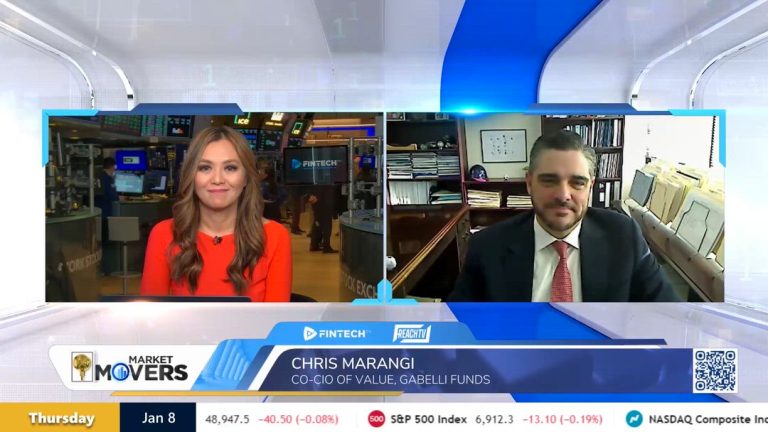
Chris Marangi, chief investment officer of Gabelli Funds, recently discussed the lucrative world of sports assets. According to Marangi, historically, sports franchise ownership has been the domain of the ultra-wealthy. However, this perception is shifting as the financial viability of team ownership becomes more apparent. They are not merely vanity plays but, in fact, profitable investments that offer substantial returns.

One of the reasons for the appeal of sports franchises as an investment is their ability to generate recurring revenues with relatively low capital intensity. They wield significant pricing power, and the limited availability of teams adds to their allure. Major U.S. leagues—such as NFL, NBA, MLB, and NHL—have a finite number of teams, making each franchise a precious asset, much like Bitcoin. The trend is further supported by the emergence of innovative financial products like the Gabelli Opportunities in Live and Sports ETF (GOLS). This investment vehicle allows public market investors to access a diversified portfolio of sports-related assets, including teams, leagues, and various sports ecosystem partners.

Indeed, franchises often transact for astounding sums; recent sales have seen teams like the Los Angeles Lakers and the New York Giants trading for over $10 billion, while Formula 1 team ownership has reached approximately $6 billion. These staggering figures underscore the growing market potential for sports investments.

Marangi emphasized the diverse revenue streams available through sports franchises. With approximately three-quarters of Americans having watched a sporting event last year, and a corresponding 75% attending a game, the economic dynamics surrounding sports are incredibly robust. Ticket prices continue to rise, and the profits accrued from hospitality services—like food and beverage stands—also contribute to revenue. Even with concerns over traditional media’s financial commitments to sports, tech giants such as Netflix, Amazon, and Apple have aggressively entered the broadcasting arena, highlighting the importance of sports content.

When compared to other entertainment investments, GOLS distinguishes itself by focusing specifically on sports. While other entertainment-related ETFs may encompass a broader spectrum, this fund provides targeted access to this unique asset class on a global scale, including investments in non-U.S. soccer teams that are usually out of reach for retail investors.

As we look ahead to the economic environment in 2026, Marangi noted the essential factors to consider, including fiscal dynamics and interest rates. However, sports franchises tend to be resilient against economic fluctuations, serving as relatively stable assets in turbulent times. With constant changes in media viewership and consumption patterns, it remains crucial to keep an eye on these dynamics as they continue to influence the valuation of sports franchises.

In summary, the evolving perception of sports franchises from mere vanity assets to high-performing investment opportunities marks a significant shift in both finance and sports industries. As technologies like blockchain and AI gain traction, and sustainability investing becomes increasingly important, the intersection between sports, finance, and social impact will only deepen. For investors, the future looks promising as the sports industry’s focus shifts from pure entertainment to sustainable business models rooted in financial viability, making it an attractive avenue for long-term investment strategy.
Parcl Brings Real Estate Price Betting to Polymarket

In an unprecedented move for the real estate market, Parcl, a pioneering real estate tokenization platform, has partnered with Polymarket to introduce a game-changing approach to predicting home values. This collaboration not only incorporates live real estate markets into Polymarket but also leverages blockchain technology to facilitate synthetic trading of assets tied to property price indices across major urban centers.

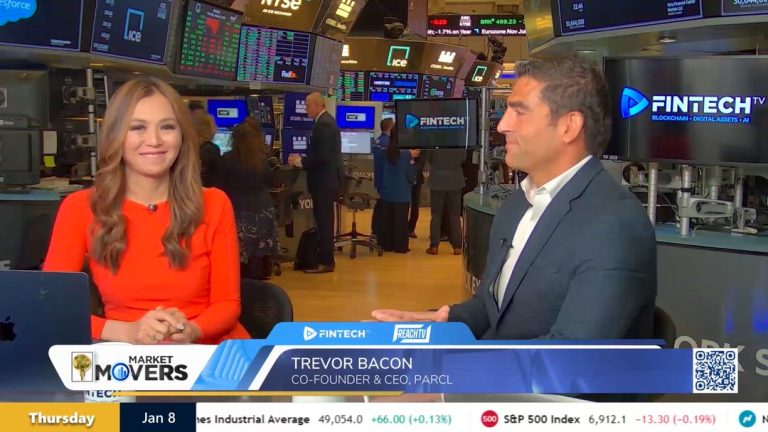
At the helm of Parcl is co-founder and CEO Trevor Bacon, who shared valuable insights on this innovative partnership during a recent interview at the New York Stock Exchange (NYSE). The announcement comes as real estate prediction markets gain traction, capitalizing on the evolving landscape of financial instruments and consumer needs.

Bacon highlighted the pressing need for prediction markets in real estate at this critical juncture. He stated, “Timing is everything,” emphasizing that prediction markets have seen significant momentum due to their inherent simplicity. Unlike traditional real estate investment requiring substantial capital, prediction markets allow individuals to express their views on property market dynamics without needing to directly purchase or sell real assets. This democratization of access not only enhances liquidity but also empowers consumers to make informed decisions based on accurate market insights.

One of Parcl’s standout offerings is its real-time residential housing price indices, which track price per square foot across the United States. As the only source of real-time real estate indices, Parcl provides users with critical information that traditional indices cannot—eliminating the lag typically associated with real estate data. “Our goal,” explains Bacon, “is to bring transparency and liquidity to real estate,” a sector notoriously known for its opacity.

The recent partnership enables Polymarket to offer real estate markets in major U.S. cities, including Austin, Los Angeles, Miami, and New York, among others. These markets will operate using Parcl’s curated data for enhanced accuracy and reliability. With one-month contracts expected to roll, the partnership aims to continuously expand its offerings across various markets.

Transparency, especially in prediction markets, plays a crucial role in enabling successful transactions and informed decision-making. Bacon remarks, “We are the most credibly neutral data provider,” meaning Parcl possesses no conflicts of interest that could compromise data integrity. This foundation not only positions Parcl as a reliable source of truth but also supports the objectives of prediction markets to provide accurate, actionable insights to consumers and institutions alike.

When asked if real estate would become a core category in prediction markets, Bacon confidently asserted that it would. Real estate is the world’s largest asset class, yet it remains one of the most illiquid, lacking effective hedging tools. Introducing prediction markets into this realm opens possibilities for both individual and institutional investors, allowing them to diversify their portfolios and hedge against market volatility.

The convergence of two powerful financial instruments—the vastness of real estate and the agility of prediction markets—heralds a new era in investment. For entrepreneurs and investors looking toward sustainability and impact-driven initiatives, Parcl innovations represent a significant stride towards a more liquid, transparent, and informed real estate market.

As we move toward a more interconnected and transparent financial landscape, the partnership between Parcl and Polymarket exemplifies the advancements in blockchain, AI, and sustainability investing. With real estate emerging as a dynamic prediction market category, the future looks promising for both investors and consumers seeking to navigate the complexities of the housing market.

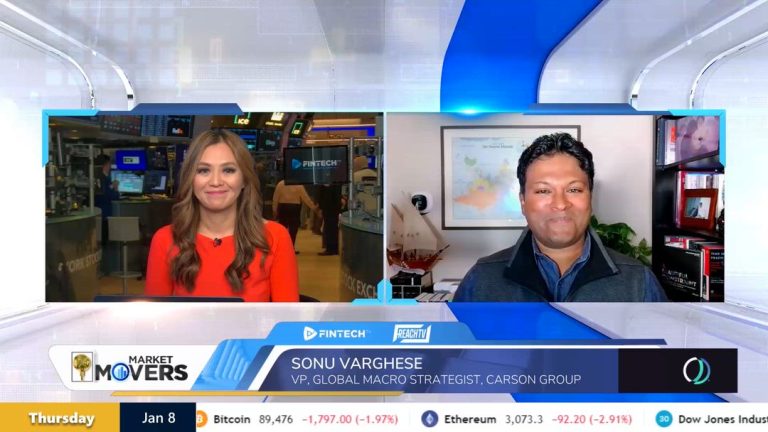
Carson Group Predicts Double-Digit S&P Gains in 2026

As we step into 2026, the optimism surrounding the stock market continues to grow, driven largely by falling interest rates and robust corporate earnings. After three consecutive years of impressive returns, Wall Street’s major indices—the S&P 500, Dow Jones Industrial Average, and Nasdaq—have kicked off the year with high valuations and strong performances, setting the stage for another potential year of gains.

In the previous year, the S&P 500 rose by 16%, the Dow by 13%, and the Nasdaq by an impressive 20%. With this momentum, many investors are left pondering whether this rally can continue into 2026. To shed light on this, Remy Blaire spoke with Sonu Varghese, vice president and global macro strategist at Carson Group, who shared valuable insights on the state of the market as we transition into the new year.

According to Varghese, there is no expectation of a recession this year, which generally bodes well for equities. Our strategist believes that we can anticipate returns exceeding 10% for the S&P 500 in 2026, with forecasts between 12% and 15%. This outlook comes amidst a backdrop of solid economic data, including a steady GDP growth projected to hover around 2.5% in 2026—an encouraging sign that the economy is navigating safely through turbulent waters.

The labor market, however, presents a mixed picture. While the unemployment rate has seen an uptick to about 4.6%, the labor force remains resilient. Varghese emphasized that the economy has experienced a balanced hiring and firing landscape, an aspect crucial for maintaining economic stability. As per the latest expectations for the upcoming jobs report, any easing in unemployment could serve as a favorable factor, potentially increasing the likelihood of cuts by the Federal Reserve.

Fiscal policy is another key player in this economic environment. With deficits above 6% of GDP, the anticipated tax cuts introduced in the middle of last year are expected to provide a significant boost to profitability as they roll out over the next few months. Many households may receive larger-than-anticipated refunds due to retroactive tax decreases, which could inject much-needed capital into the economy and further stimulate spending.

The global economy is another consideration when evaluating future market performances. Varghese noted a recent resurgence in global economic activity, promoting optimism particularly for US equities, given that over 40% of U.S. corporate revenues stem from international sources. Such interconnectedness underscores the significance of international market conditions, which serve as a tailwind not only for local markets but also for the broader global economic landscape.

Diversification of investments will remain essential as we navigate through 2026. Varghese discussed the ideal portfolio composition in this climate, advocating for an allocation that favors equities while maintaining exposure to both U.S. and international markets. Specifically, the strategy includes 70% in U.S. equities and 30% in international equities, with a slight overweight in developed markets. This balanced approach, complemented by investments in bonds, cash, and managed assets such as gold, aims to withstand any inflationary pressures that may arise.

In conclusion, as we embark on 2026, the stock market holds promise amid a favorable economic backdrop. With solid momentum on our side, businesses and individuals alike can remain optimistic as investment strategies evolve to adapt to shifting economic realities. This balance between cautious optimism and strategic diversification will undoubtedly play a crucial role in navigating the financial landscape in the year ahead.

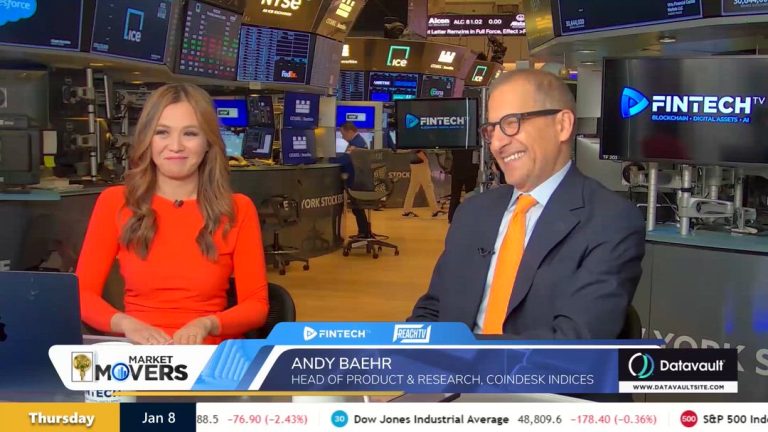
CoinDesk Indices Flags Institutional Shift as Bitcoin Hovers Near $90K


In the unfolding landscape of cryptocurrency in 2026, significant shifts are occurring as the market reacts dynamically following a tumultuous previous year. With Bitcoin grappling to maintain its position just below the 90,000 mark, industry sentiments are fluctuating, but there is an air of renewed optimism. To explore these developments, I spoke with Andy Baehr, the head of product and research at CoinDesk Indices. Our discussion shed light on recent market behaviors, institutional participation in crypto, the evolution of privacy concerns, and the wider implications for investors and entrepreneurs alike.

Reflecting on the past year, Baehr highlighted the tumultuous transitions within the crypto market. 2025 saw distinct narratives unfold across its four quarters; beginning with a ‘tariff tantrum’ in Q1, progressing through a robust Ethereum rally in Q2, and culminating in significant events such as the Genius Act Pact in Q3. However, the market faced a stark downturn in Q4, attributed to chaotic liquidity events, which prompted reevaluations of risk within independently operated derivatives markets. Despite the challenges, Bitcoin and Ethereum have rebounded strongly, suggesting a resilient market outlook as we embrace the new year.

Institutional participation is notably on the rise. Baehr observed that banks, typically slow to adapt, are making cautious inroads into the cryptocurrency sector. For instance, JPMorgan is engaging with projects like Canton related to its stablecoin initiatives, and Morgan Stanley is filing for Bitcoin and Ether ETFs. This reflects a broader trend of institutional adoption that, while gradual, is indicative of a significant shift in how traditional finance interfaces with emerging crypto technologies. The ongoing developments hint at a transformative year ahead for crypto, despite concerns over market volatilities.

A particularly intriguing aspect discussed was the evolving narrative around privacy in cryptocurrency. Once deemed a contentious topic, privacy is gaining traction as a vital component of responsible blockchain use. Baehr explained how the emergence of semi-privacy—where private information remains accessible only to relevant parties—can coexist with decentralization principles. The Canton Network embodies this balance, offering tools that allow for privacy within public blockchain frameworks. Such innovations enable institutions to engage with cryptocurrency while safeguarding sensitive information, alleviating fears among investors that privacy features may reinforce negative stereotypes historically associated with crypto.

As 2026 unfolds, the landscape is set to offer a plethora of new products tailored to meet the lofty demands of both institutional and retail investors. The anticipated influx of new ETFs – many of which are already in development – provides a promising avenue for individuals wishing to invest in a diversified manner. Baehr emphasized the potential of index funds, which can encapsulate multiple stories and simplify the decision-making process for investors. This diversification approach aligns with the ideals of sustainable investing, compelling both individual and institutional investors to consider long-term strategies towards financial growth.

The shift toward sustainability and social impact investing echoes the broader conversation around the UN Sustainable Development Goals (SDGs), emphasizing the importance of responsible frameworks within the finance sector. As the interplay between cryptocurrency and sustainability continues to evolve, entrepreneurs within the sector are finding themselves at the center of potentially transformative economic discussions.

In conclusion, the insights shared by Baehr resonate deeply within the current context of cryptocurrency and investment trends. As we navigate the complexities of 2026, a new realm of opportunity emerges, characterized by increased institutional involvement, innovative privacy frameworks, and sustainable investment strategies. The dawning era of cryptocurrency holds immense promise for those willing to engage thoughtfully with its offerings. Investors would do well to remain vigilant, clear about their objectives, and informed of the ongoing changes in this rapidly evolving landscape.

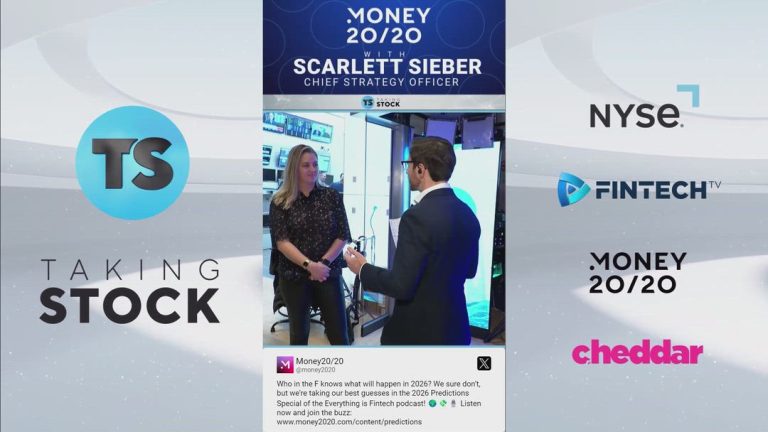
Money 20/20 Launches “Who in the F Knows” to Decode Fintech’s Next Move

In the ever-evolving world of finance and technology, staying ahead of the curve is essential. This is where the “Who in the F Knows” campaign comes into play, an innovative initiative discussed by Scarlett Sieber, chief strategy and growth officer at Money 20/20. This campaign showcases a playful yet insightful exploration of future predictions in the fintech space. So, what is this campaign all about, and how does it revolutionize our understanding of the financial landscape?

The whimsical name of the campaign, with the ‘F’ cheekily standing for “Fintech,” reflects the uncertainty and varied opinions prevalent in the industry. According to Sieber, as the submissions pour in each year from around the world, the Money 20/20 content team finds itself faced with differing insights regarding the future of fintech. This variability highlights the rapidly changing nature of the financial sector and underscores the necessity for bold, innovative thinking.

At Money 20/20, thousands of submissions are received, providing a vast pool of insights that contribute to the broader conversation on the future of finance. “What’s most interesting,” Sieber explains, “is that every team member has a unique prediction for what 2026 will look like.” Given the fast-paced nature of the industry, this divergence of thought sparks meaningful conversations, further pushing the agenda of innovation and change within the financial technology framework.

To create impactful submissions that resonate at Money 20/20, there are core principles that must be embraced. According to Sieber, strong projections come from those who think differently and depict tangible, real-world use cases. While theoretical discussions hold value, it’s the actionable insights that truly drive progress within the finance community. The aim is to generate projections that not only inspire but also challenge the existing narratives within the sector.

Money 20/20’s commitment to addressing the critical issues facing the financial landscape today is evident not only in the types of submissions they encourage but also in their plans for worldwide events in the coming year. From Bangkok in April to Amsterdam in June, and Riyadh in September, followed by Las Vegas in October, these gatherings provide a global platform for thought leaders to come together and exchange groundbreaking ideas.

The innovation doesn’t stop there. The “Who in the F Knows” campaign and other initiatives under Money 20/20 are instrumental in urging professionals from all sectors to participate in and contribute to the fintech dialogue. In an increasingly digital and interconnected world, the amalgamation of perspectives is vital for fostering growth and sustainable development goals (SDGs) within the financial domain.

As cryptography and blockchain technology are set to revolutionize finance, understanding the intersections between these disciplines is critical. Organizations embracing cryptocurrency, artificial intelligence, and sustainability investing are leading the charge towards a more equitable financial system. Events like Money 20/20 not only spotlight these innovations but also highlight key investment opportunities for entrepreneurs, offering a chance to engage with changes that align with climate action and social responsibility.

If you are keen to dive deeper into the vital discussions shaping the future of finance, Money2020.com is the hub for comprehensive insights and upcoming events. From updates on the “Who in the F Knows” campaign to details on global showcases, this platform is an invaluable resource for those engaged in the fintech sector.

In conclusion, the landscape of finance is in a constant state of flux, and campaigns like “Who in the F Knows” play a crucial role in navigating this complexity. By encouraging bold ideas and tangible use cases, Money 20/20 positions itself as a leader in fostering crucial conversations around fintech innovation, ultimately paving the way for a sustainable future in finance.

TJM Flags Healthcare and Energy as 2026 Market Leaders

0

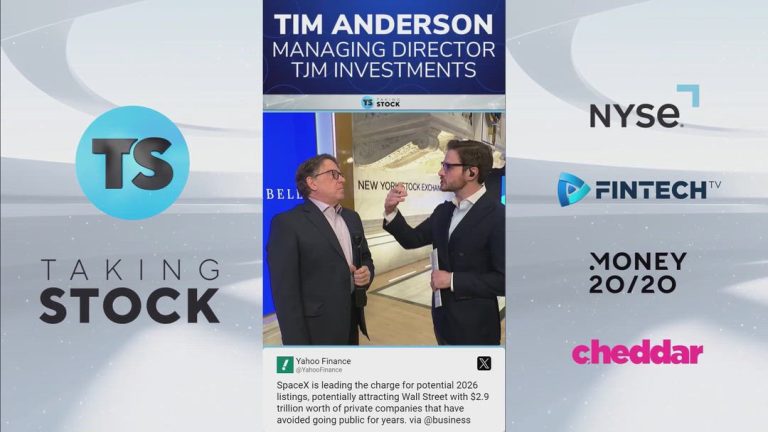
In a recent episode of Taking Stock, seasoned financial analyst Tim Anderson from TJM Investments shared insightful perspectives on the current market dynamics as the year kicked off. Friends and colleagues on the trading floor, Anderson and J.D. Durkin explored a range of topics, including the S&P 500, the Dow, and the potential impact of various economic factors on market performance. As the year progresses, Anderson’s expertise sheds light on the future of investing in a fluctuating landscape.

On the second trading day of the year, Anderson noted the exciting market movements, speculating whether the S&P 500 might reach a historic close of 7000 or if the Dow could soar to 50,000. With significant gains observed, particularly in energy stocks, Anderson highlighted the enthusiasm among investors as cash seemed poised to enter the market aggressively at the beginning of 2026.

Amidst ongoing shifts in investor sentiment, Anderson emphasized the importance of sector rotation. While tech stocks had dominated the previous year’s performance, recent market activity showed a resurgence in traditional sectors like healthcare and materials. “Healthcare is actually jumping up to leadership,” he noted, underscoring the sector’s performance amidst shifting market conditions. Investors now seek to identify quality companies that can withstand volatility and demonstrate sustainable growth.

Delving deeper into the IPO landscape, Anderson expressed hope for a stronger year ahead, focusing on quality over quantity in new listings. His commentary highlighted a critical lesson from the past: “We want to see companies coming to the market that have a track record of revenue and earnings.” As the market gradually moves toward more sustainable investment practices, the focus on well-established businesses becomes paramount, especially following the missteps seen during the late ’90s tech bubble.

Anderson also shared his perspectives on the Federal Reserve’s policy direction. Considering the dovish pressures surrounding the central bank, he pointed out the implications of recent economic data on potential interest rate cuts by the Fed. As inflation rates showed signs of stability and job growth remained a concern, the decision-making process within the Fed becomes increasingly intricate.

As the conversation concluded, Anderson provided a reassuring outlook for investors navigating this evolving landscape. He emphasized the need for continuous monitoring of inflation and job market indicators leading up to the upcoming Fed meeting later in January. His thoughts resonate well within the context of sustainable finance and responsible investing, as market participants strive to align with the Sustainable Development Goals (SDGs) while capitalizing on emerging opportunities in crypto, blockchain, and AI technologies.

Tim Anderson’s insights reflected a market brimming with potential, yet motivated by the necessity for quality and sustainability. As 2026 unfolds, investors are encouraged to adopt a strategic approach, leveraging data and trends to make informed decisions. In doing so, they can engage in responsible finance practices that not only aim for profitability but also contribute positively to the wider world. Embracing innovations such as crypto and blockchain technology, while being mindful of sustainability, will be key narratives in the coming year.

Coinbase Institutional Sees Crypto Recovery Driven by Big Money

0

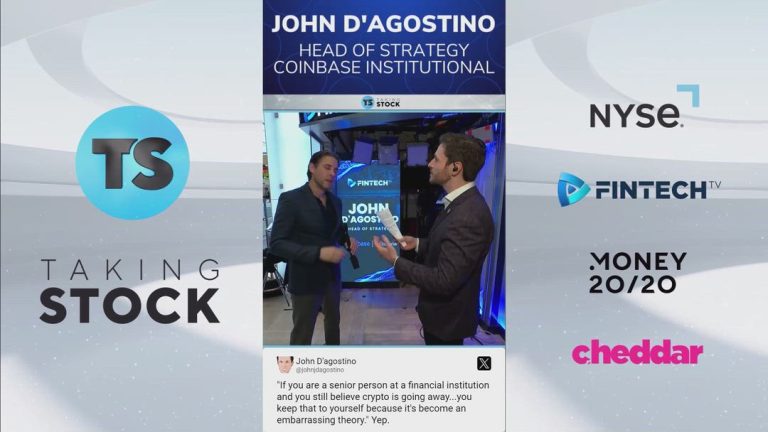
John D’Agostino, the head of strategy at Coinbase Institutional, sheds light on the current state of the cryptocurrency market, highlighting the ongoing recovery post-October 10th liquidity catastrophe, and discussing the intricate relationship between decentralized finance (DeFi) and centralized trading. With an engaging dialogue filled with insights, this exchange dives deep into the implications of recent price actions, the political landscape surrounding cryptocurrency legislation, and the evolving concept of tokenization.

Despite recent volatility, D’Agostino expresses optimism for the crypto market, noting that institutional participation has been pivotal in driving a steady recovery. While retail sentiment was grim at the end of the year, institutions continued to push forward, providing a strong foundation for recovery in early 2025. This reflects a broader trend where the crypto market is heavily influenced by institutional investors who form a significant part of the capital flows. Moreover, D’Agostino underscores the importance of understanding the correlation among different asset classes, warning that correlations tend to rise during unfavorable market conditions, making it crucial for investors to stay informed and cautious.

The conversation also touches on the dynamic between decentralized finance (DeFi) and centralized trading. D’Agostino clarifies that rather than being competitors, these two models can complement each other. Defi provides peer-to-peer trading options, while centralized exchanges offer a sense of comfort and security for traders. The comparison to traditional financial markets, notably in how Over-The-Counter (OTC) trading once dominated, emphasizes the coexistence of varying trading methods within the crypto space. This integration is essential for building a resilient financial ecosystem where investors can choose their preferred trading landscape.

An essential part of the discussion revolves around the legislative efforts surrounding cryptocurrency, particularly with the Clarity Act, which aims to provide clearer regulations for the crypto market. D’Agostino remains hopeful about the potential passage of this act, mentioning recent positive developments in the legislative process. Regardless of the outcome, he emphasizes the proactive approach of regulatory bodies like the CFTC and SEC, which continue to establish rules that foster innovation within the industry. As a member of Congress grapples with numerous responsibilities, including securing reelection and managing federal operations, the pressing need for a coherent regulatory framework for cryptocurrency becomes even more apparent.

As we navigate through 2025 and beyond, tokenization is identified as a crucial concept for the future of how value is transferred. D’Agostino explains tokenization as an evolution of value transfer, transitioning from paper trading to electronic systems, and now to smart, programmable tokens. This technological advancement signifies a fundamental change in how value will be carried, representing endless possibilities for the financial industry. The ability to create immutable records and execute programmable transactions stands to create efficiencies that traditional ledgers cannot achieve.

In summary, the insights shared by John D’Agostino illuminate the multifaceted dimensions of the cryptocurrency sector, from institutional recovery efforts and the synergistic role of DeFi versus centralized trading, to the vital need for legislative clarity and the transformative nature of tokenization. As the landscape continues to evolve, understanding these elements will be invaluable for investors, entrepreneurs, and policymakers alike.

Overall, as the crypto market continues its recovery and seeks more stability through legislation and innovation, the conversations surrounding institutional participation and technological advancements like tokenization will remain at the forefront of the finance and investment sectors. The intersection of crypto with sustainability and impact investing aligns seamlessly with the evolving expectations of entrepreneurs and consumers alike, and the future holds promising possibilities for meaningful change and growth.

Discipline Funds Warns High Valuations Mean More Market Volatility

0

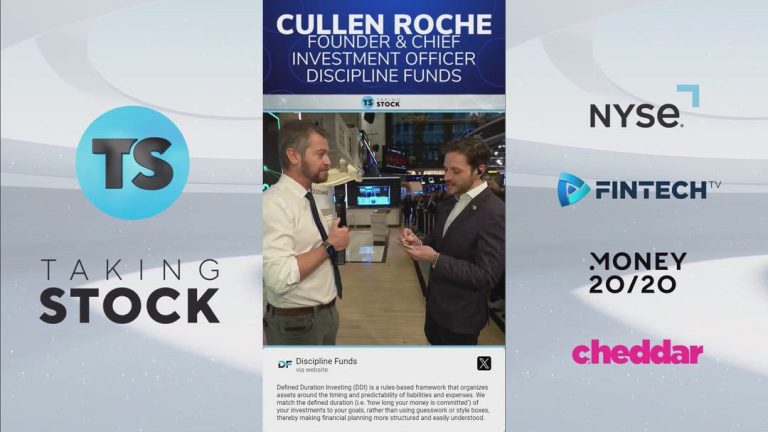
Cullen Roche, founder and chief investment officer at Discipline Funds, has made a significant impact in the investment landscape through innovative strategies and thoughtful insights. In a recent interview, he delved into crucial topics concerning market volatility, valuation, and his latest book, “Your Perfect Portfolio.” This article aims to amplify his key insights while presenting an engaging narrative around the themes of cryptocurrency, sustainability investing, and financial decision-making.

Starting the conversation on market action, Roche observed a backdrop of high valuations in U.S. equities, particularly highlighted by the captivating discussion around the CAPE ratio nearing all-time highs. With expectations soaring, he reiterated that investors should brace for increased volatility as they navigate the intricate corridors of high asset valuations. This volatility is not merely a hurdle; rather, it’s a reflection of heightened investor expectations that can lead to longer time horizons for prospective returns.

For retail investors eying high-value names, Roche shared critical insights regarding valuation and market momentum. He underscored the significance of patience, suggesting that sectors perceived as “high-flying”—like technology and AI—may become challenging to sustain for investors lacking a long-term view. Instead, he advocated for exploring international value stocks and consumer staples, which may exhibit more stable returns amidst economic fluctuations. This perspective aligns well with the broader narrative of sustainable investing, where companies with sound fundamentals may offer resilience against the short-term unpredictability mirrored in the cryptocurrency market.

Roche reflected on future sector performance, drawing attention to the dichotomy between tech growth and more stable sectors including utilities and consumer discretionary. As investors set their sights on 2026, understanding which sectors demonstrate reliability will be paramount. The call for stability is particularly pertinent in the context of financial markets becoming increasingly intertwined with technology and advancements in AI, highlighting a shift towards a more thoughtful and measured approach to investing.

Discussing innovative financial products, Roche introduced the time-weighted ETFs offered by Discipline Funds, which are designed to rebalance at specific intervals—5, 10, and 20 years. His insight into the creation of a 20-year aggressive fund, which eventually leans towards a value-based approach, showcases the synergy between emerging market trends and traditional investment principles. As a burgeoning sector, these innovative ETFs open up potential avenues for sustainability investing by enabling asset allocation that reflects both long-term resilience and innovative market strategies.

At the heart of Roche’s message lies his new book, “Your Perfect Portfolio,” which transcends conventional notions of a one-size-fits-all investment strategy. Instead, he emphasizes the importance of finding a portfolio that resonates with one’s unique financial goals and risk tolerance. Drawing upon an extensive analysis of famous investing strategies, Roche breaks down the pros and cons to help readers navigate their investment journeys. This aligns with the broader entrepreneurship theme—empowering investors with knowledge to build a sustainable financial future.

In a world increasingly driven by blockchain technologies and digital currencies, Roche’s insights serve as a beacon for both novice investors and seasoned professionals looking to adapt to the evolving market dynamics. Understanding that the ideal portfolio is not a static entity, but rather a reflection of one’s financial objectives, speaks volumes about the future of investment strategies in the wake of innovations such as AI in finance.

Cullen Roche’s insights encapsulate a transformative era in investing, where awareness and adaptability become crucial. As the lines between traditional finance, cryptocurrencies, and sustainability investing blur, informed investors can harness emerging trends while navigating potential pitfalls. With resources like “Your Perfect Portfolio” at their fingertips, individuals are encouraged to embark on a personalized investment journey that promises growth—both financially and sustainably.

By embracing a mentality geared towards long-term stability, and a commitment to understanding diverse investment avenues, stakeholders at all levels can be equipped to contribute proactively to a sustainable economic future. As we dive deeper into this exciting landscape, Roche’s approach inspires a mindful and strategic orientation towards finance, innovation, and entrepreneurship.

Aeroméxico’s $2.8B NYSE Debut Marks a New Era for the Airline

Aeroméxico, a major player in the airline industry with over 90 years of service, has recently made headlines by going public on the New York Stock Exchange (NYSE). Founded in 1934, the airline has successfully transported more than 500 million passengers over nearly a century. The public offering, which took place in November 2023, valued Aeroméxico at approximately $2.8 billion. In a recent conversation with CEO Andrés Conesa & CFO Ricardo Sánchez, they shed light on the significance of this milestone and its implications for the company’s future.

The listing on the NYSE is not just a new chapter for Aeroméxico; it’s a strategic move that opens up a plethora of opportunities for the airline. According to Conesa, the decision to go public was influenced by the NYSE’s reputation as a home for leading companies—housing about 75% of Fortune 500 firms. With this step, Aeroméxico aims to enhance its capital-raising capabilities, adhere to top-notch corporate governance standards, and attract and retain talented individuals in a competitive market.

Looking beyond 2026, Aeroméxico is focused on executing its investment plans. The funds raised from their IPO will be utilized primarily for capital expenditures, particularly aimed at enhancing customer experiences and expanding services. Conesa emphasizes the importance of being a premium revenue service carrier and maintaining high service levels to capture profitability in a competitive landscape.

Aeroméxico’s commitment to service excellence is evident in its recent accolades. This year, it was recognized as the best on-time airline globally and received a five-star rating from APEX, illustrating the company’s dedication to operational performance and customer satisfaction. This trifecta of profitability, operational excellence, and superior service quality sets Aeroméxico apart from its competitors, with a strong team of over 17,000 employees driving this success.

As the airline navigates through both challenges and opportunities, Conesa shared insights on future forecasts. The company anticipates a robust year ahead, projecting that 2026 will outperform 2025 significantly. Administrative hurdles may have slowed growth, but Aeroméxico is set to resume capacity growth of 4% to 6% in the upcoming year, a confident move following a period of caution.

Investment in technology is a crucial aspect of Aeroméxico’s strategy moving forward. The airline is implementing the largest capital expenditure plan in its history, enhancing both narrow and wide-body cabins, developing new check-in areas, and upgrading its lounges at Mexico City Airport. These innovations aim to create a best-in-class experience for customers, reaffirming the company’s commitment to service quality.

For those interested in traveling between Mexico and the United States, Aeroméxico offers a comprehensive network, collaborating closely with Delta Airlines to serve more than 50 cities across the region. This partnership represents not just a cooperation between the airlines but an augmented connectivity between two robust economies, solidifying Aeroméxico’s role in the thriving air travel market.

As Aeroméxico embarks on this new venture, its mission remains clear: to provide excellent service and foster seamless travel experiences. The company welcomes prospective travelers to explore its offerings and enjoy the advantages of flying with a carrier committed to safety, reliability, and customer satisfaction. With the strong foundation built over nearly a century, the future looks bright for Aeroméxico as it soars to new heights.

In conclusion, Aeroméxico’s recent IPO and its strategic moves reflect not only a significant milestone for the airline but also an exciting future ahead for the company. By leveraging technology and enhancing customer experiences while remaining deeply connected to the U.S., Aeroméxico aims to solidify its position as a leading airline while continuing to prioritize quality and growth in the coming years.

ICMEC Launches Global Alert App to Find Missing Children Faster

0

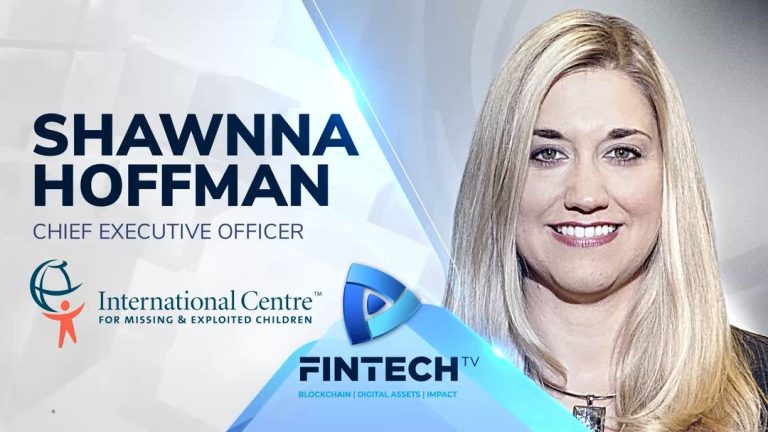
Every year, an estimated 8 million children go missing globally, a staggering figure that underscores the urgent need for initiatives aimed at child safety. Recently, Shawnna Hoffman, the CEO of the International Center for Missing and Exploited Children (ICMEC), emphasized the power of technology in combating child exploitation during her appearance at the New York Stock Exchange and the United Nations General Assembly. With advanced tools and global collaboration, the ICMEC is set to make significant strides in finding and protecting these vulnerable children.

One of the key developments presented was the upcoming launch of the Global Missing Children Alert—an app designed to streamline the process of reporting missing children. When a child goes missing, parents can upload their child’s image and pertinent details directly into the system. This information is instantly transmitted to local law enforcement, who can respond quickly using geolocation technology.

The application not only verifies the missing child’s status but also sends alerts to nearby users within a 5 to 10-mile radius, ensuring that communities can mobilize quickly to aid in recovery efforts. This approach leverages AI-driven facial detection technology that focuses solely on locating missing children, thereby maintaining privacy and avoiding intrusive surveillance.

Hoffman highlights that the digital world has transformed how children interact with society but has also created new vulnerabilities. Unlike traditional borders, the digital landscape knows no boundaries, complicating efforts to track and recover missing children. By utilizing interconnected technologies, nations can collaborate more effectively, bridging gaps that traffickers often exploit.

Hoffman’s recent meeting with the Pope at the Vatican further emphasizes the need for collective action in child protection efforts. At the meeting, technology leaders from companies like OpenAI and Microsoft joined ICMEC to discuss a declaration focused on child dignity online. Their goal is to foster a united front against exploitation, urging nations to move past political barriers and prioritize the safety of children.

Despite advancements in technology, the challenge remains immense. Hoffman notes that larger issues, such as the rise of scam centers where kidnapped individuals are held, pose serious risks. Awareness of these centers and the support of local governments is crucial to dismantling these operations. As victims of trafficking are apprehended and held in these institutions, urgent intervention is needed to rescue them and provide safe refuge.

Technology alone cannot solve the issue; public involvement and community vigilance are essential. Hoffman encourages individuals to use their devices actively in the search for missing children. Simple acts, such as looking around your immediate area, can make significant differences in the outcomes of these cases. Raising awareness and fostering nonjudgmental attitudes toward families affected by child exploitation can potentially catalyze more community support and contributions to recovery efforts.

As we look toward the future, Hoffman’s committed focus on finding and protecting children through advanced technologies and international cooperation cannot be understated. The innovation seen in the Global Missing Children Alert is just one example of how we can harness technology to aid in safeguarding the most vulnerable members of our society.

In a world increasingly defined by digital engagement, everyone—parents, guardians, technology leaders, and lawmakers—must unite in this cause to secure each child’s rights and dignity. With ongoing efforts to raise awareness and implement new tools for protection, there is a real opportunity to change lives, restore hope, and reunite families.

For those wishing to contribute to this critical cause, consider getting involved with organizations like the International Center for Missing and Exploited Children or local child advocacy groups. Your participation, regardless of scale, can make a monumental difference in the lives of countless families facing the heartbreak of a missing child.