[stock-market-ticker symbols=" ^NYA;CRYPTO:BTC;CRYPTO:ETH;CRYPTO:USDT;CRYPTO:USDC;CRYPTO:BNB;CRYPTO:ADA;CRYPTO:XRP;CRYPTO:SOL;CRYPTO:DOGE " stockExchange="NYSENASDAQ" width="100%" transparentbackground=1 palette="financial-light"]

Home Blog Page 78

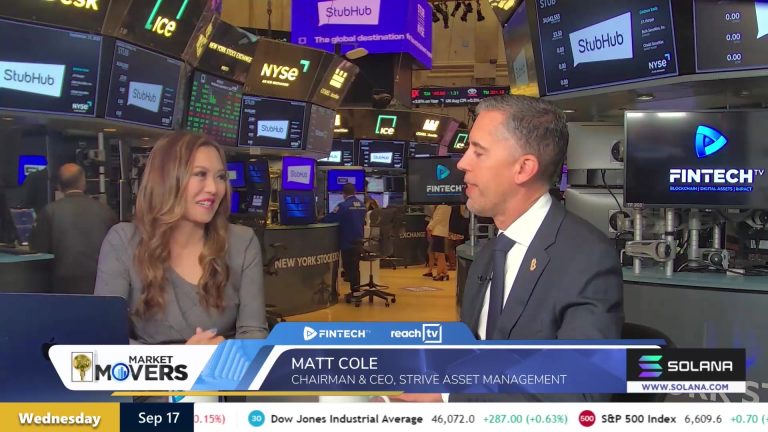
Bitcoin’s Bullish Outlook: Insights from Strive’s CEO Matt Cole

“There’s a sentiment in Bitcoin that is not overly euphoric at the moment. It’s almost like negative or concerned.” – 02:02

Matt Cole, Chairman & CEO at Strive Asset Management, joins Remy Blaire to discuss the current state of Bitcoin and its implications in the financial markets. The segment opens with a focus on Bitcoin’s recent surge, breaking above $117,000, amid expectations of a 25 basis point rate cut by the Federal Reserve later that day.

Remy and Matt delve into Strive’s ambitious plan to accumulate Bitcoin following its merger with asset entities, which successfully raised $750 million. Matt explains that the company has also authorized a $500 million stock buyback and plans to issue a perpetual preferred equity security to finance additional Bitcoin purchases.

As the conversation shifts to the long-term price action of Bitcoin, Matt emphasizes the significance of global liquidity conditions, interest rates, and the strength of the dollar. He notes that while Bitcoin has not yet reached its all-time highs, it is closely tracking gold, which has recently hit record highs. Matt believes that once Bitcoin surpasses gold’s performance, it could trigger a substantial bull market for Bitcoin.

Remy inquires about price targets, and Matt shares his perspective on the evolving nature of Bitcoin cycles. He suggests that the relevance of halvenings may diminish over time, predicting a medium-term target of $500,000 for Bitcoin, driven by the ongoing debasement of the dollar.

The discussion also addresses the risks associated with managing a large Bitcoin accumulation strategy. Matt reassures listeners that Strive’s balance sheet, backed by Bitcoin, presents a unique opportunity compared to traditional companies that rely on uncertain future cash flows. He highlights the strength of Strive’s board, which includes experienced individuals from the industry, such as Sharish, who has a background in building Bitcoin balance sheets.
Fed Day Insights: What to Expect from Chair Powell and the Market

“I think there’s a lot of that manufacturing tilt coming back to the U.S.” – 03:05

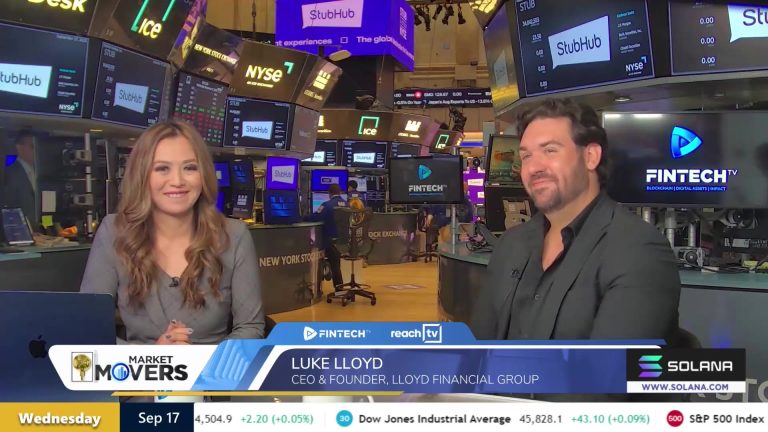
Luke Lloyd, CEO & Founder of Lloyd Financial Group, joins Remy Blaire at the New York Stock Exchange to discuss the highly anticipated Fed Day. Investors are eagerly awaiting a potential interest rate cut by the Federal Reserve, with expectations leaning towards a reduction of a quarter basis point. The conversation centers around the implications of this decision and the tone of Chair Powell’s upcoming press conference.

Remy and Luke begin by emphasizing the importance of three key economic factors: inflation, interest rates, and growth. Luke confidently asserts that a 25 basis point cut is imminent, noting that while inflation has decreased to 2.9%, it still hovers above the Fed’s target. He highlights the current economic backdrop, mentioning that liquidity is at all-time highs and government deficits are substantial, which complicates the investment landscape.

As the discussion progresses, Luke shares insights into his firm’s recent portfolio adjustments. After a period of focusing on value stocks, they have begun to incorporate more growth-oriented assets, particularly in the technology sector. He mentions specific stocks, including some recent IPOs, that they are considering for their growth potential, indicating a shift in strategy to adapt to the current market environment.

The conversation then shifts to international markets, where Luke discusses currency risks and policy moves overseas. He notes that while international stocks have performed well this year, his firm has recently sold off those positions in favor of opportunities in North and South America. Luke highlights specific companies, such as DOW and various Mexican stocks, that are well-positioned to benefit from a manufacturing shift back to the U.S.

The Economic Comeback: Analyzing Market Dynamics Ahead of Fed Day

“I think Powell is going to show his cards in regards to how many rate cuts.” – 01:49

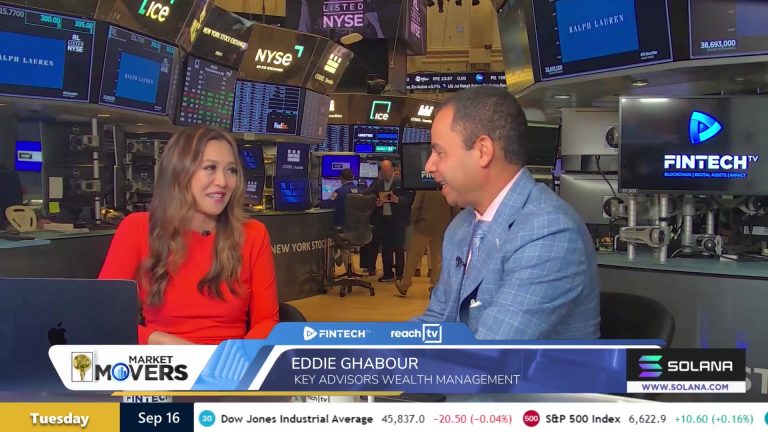
Eddie Ghabour, Key Advisors Wealth Management, joins Remy Blaire at the New York Stock Exchange to explore the current state of the stock market and the implications of the Federal Reserve’s upcoming rate announcement.

Remy opens the conversation by highlighting the prevailing optimism on Wall Street, where investors are betting on an economic recovery fueled by tax cuts and anticipated rate cuts from the Federal Reserve. Despite concerns over weak job numbers and tariffs, the markets are experiencing a surge, particularly in the tech sector, with some meme stocks also making a comeback. Eddie emphasizes that while some analysts argue that valuations are overextended, he believes that in a bull market, valuations can rise significantly higher.

As the segment progresses, Remy and Eddie discuss the significance of Fed Day, with the rate announcement expected the following day. Eddie shares his insights on the key terms and signals he is monitoring, noting that the market is fully pricing in three rate cuts for the year. He warns that any indication of a more hawkish stance from Fed Chair Jerome Powell could lead to a market pullback. However, Eddie remains bullish, suggesting that any dips should be viewed as buying opportunities, given the overall trend of loosening monetary policy in a non-recessionary environment.

The conversation shifts to the broader market landscape, where Eddie points out a shift from a tech-heavy portfolio to a more diversified approach. He notes that small-cap stocks and discretionary names have started to perform well, indicating a positive structural change in the market. However, he cautions that the biggest risk lies in unexpected movements in interest rates, which could adversely affect small-cap stocks.

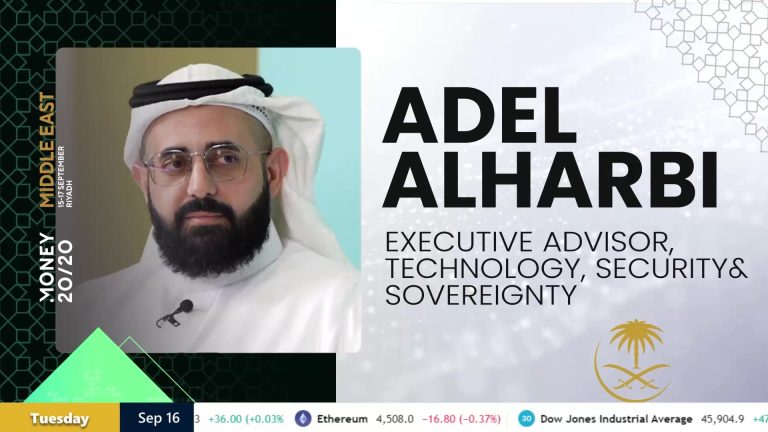
Adel Alharbi on Saudi Arabia’s Digital Economy and Vision 2030

“Saudi Arabia right now is a digital-first economy. That’s the move, that’s the plan, and we’re diversifying from an oil-based economy to a bigger economy.” – 03:44

Adel Alharbi, an Executive Advisor involved in Saudi Arabia’s Vision 2030 initiative, joins Patricia Wu from Money20/20 Middle East is Riyadh to discuss the strategic framework that aims to reduce the kingdom’s dependence on oil by diversifying its economy.

Adel begins by explaining the concept of sovereignty in the technology sector, which defines the extent of a country’s control over technology and data. He discusses the importance of international companies, such as AWS and Microsoft Azure, in establishing operations in Saudi Arabia and the negotiations surrounding incentives and sovereignty that accompany their entry into the market.

As the conversation unfolds, Adel highlights the significance of the Money20/20 event as a representation of Saudi Arabia’s ambitious Vision 2030. He notes that the financial sector, particularly fintech, is set to experience substantial growth due to the presence of global tech giants and the competitive advantages they bring, such as lower computational costs.

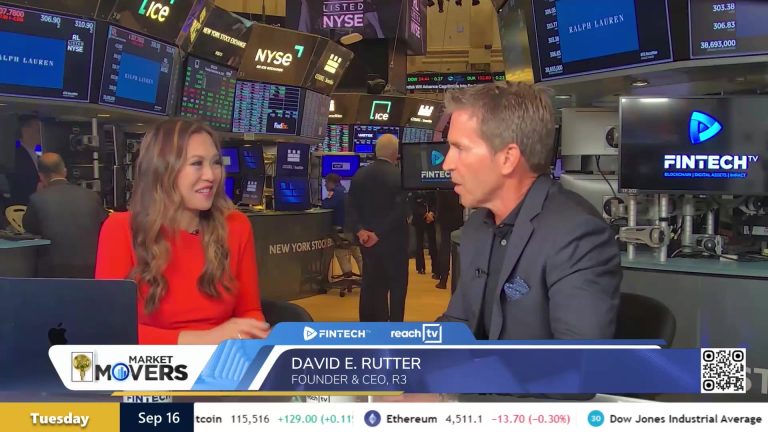
Unlocking the Future: R3 Labs and the Next Trillion Dollars in Real-World Assets

“The Solana ecosystem has a ton of momentum for all the right reasons.” – 02:33

David E. Rutter, Founder & CEO of R3, joins Remy Blaire to discuss the launch of R3 Labs and its ambitious goal of bringing the next trillion dollars of real-world assets onto the Solana blockchain.

The conversation begins with Remy asking David about the vision behind R3 Labs. David articulates a clear mission focused on tokenization, emphasizing that the initial challenge of tokenizing the first trillion dollars of real-world assets will be the most difficult. He highlights the vast potential within traditional finance, where trillions of dollars in yield-bearing instruments await exposure to the decentralized finance (DeFi) community.

Remy and David then delve into the timing of this initiative, with David reflecting on R3’s decade-long journey and the support from over 40 global banks. He notes that the financial landscape has evolved, and now, banks and financial institutions are eager to broaden their customer bases by engaging with the DeFi ecosystem. David cites examples of major players like Franklin Templeton and Fidelity, who are already tokenizing their assets.

As the discussion progresses, Remy brings up the recent passage of the Genius Act and its implications for the U.S. market. David explains that momentum has shifted towards the United States, aided by increasing regulatory clarity. He recalls the energy at the Solana Accelerate Conference and expresses confidence in Solana’s capabilities, particularly its reliability, reasonable transaction fees, and significant throughput, making it an ideal ecosystem for R3’s customers.

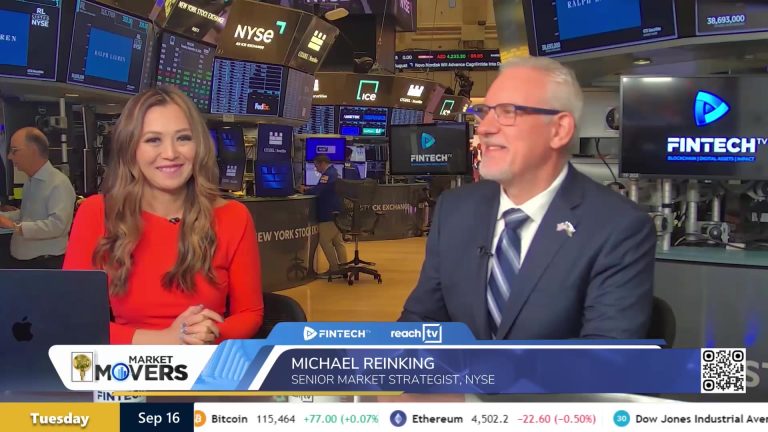
Navigating the Fed’s Rate Decision: What to Expect from Powell’s Press Conference

“I think he continues to suggest that we’re going to be cautious and they’re going to be data dependent.” – 04:14

Michael Reinking, Senior Market Strategist at the NYSE, joins Remy Blaire to discuss the latest economic data releases and their implications as the Federal Reserve begins a significant two-day meeting. The S&P 500 has shown resilience, closing nearly half a percent higher and surpassing the 6600 mark. With the Fed’s rate decision anticipated for the following day, Remy discusses the challenges posed by a cooling labor market and persistent inflation.

The pair explore the recent retail sales numbers, which have come in better than expected, suggesting that fears of a sharp economic decline may be unfounded. However, they also note signs of weakness in housing-related sectors, emphasizing that the retail sales figures are not adjusted for inflation. This distinction indicates that some of the strength in retail may be driven by inflation rather than pure demand.

As they look ahead to the Fed’s rate decision, expected to be a 25-basis point cut, Remy and Michael discuss the potential for dissent among Fed officials and the significance of the summary of economic projections. Michael likens the anticipation of the Fed’s decision to a dinner menu, questioning whether the outcome will be a “filet” or a “hamburger” in terms of the Fed’s approach to future rate cuts. They emphasize the importance of Chair Powell’s messaging during the press conference, particularly regarding the Fed’s cautious and data-dependent stance.

The conversation also touches on the volatility in the markets leading up to this pivotal moment, considering how various asset classes may react post-announcement. With options expiration and quarterly index rebalances approaching, they discuss the potential for a “sell the news” response if Powell’s comments do not align with market expectations. Michael highlights the current buyback blackout window for many companies, which could further influence market dynamics.

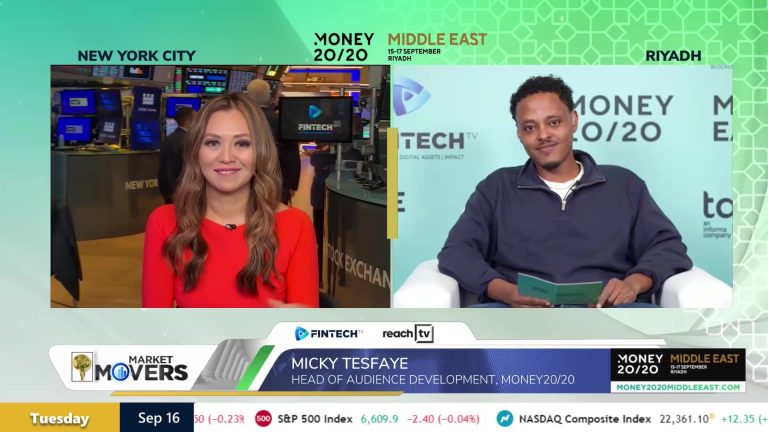
FinTech Opportunities in Saudi Arabia: Insights from Money20/20

“You could just tell how excited everyone is and how much opportunity there is here.” – 02:43

Micky Tesfaye, Head of Audience Development at Money20/20, joins Remy Blaire from Money20/20 Middle East in Riyadh to discuss the significant developments emerging from the Money 2020 Middle East conference. The event serves as a platform to highlight the digital transformation taking place within Saudi Arabia’s economy, featuring leaders from the Saudi Central Bank and the Minister of Finance.

Micky begins by sharing his observations about the sheer scale of activity at the conference, noting that over 451 brands, nearly a thousand investors, and more than 150 startups are represented. This impressive turnout reflects the remarkable growth and investment potential within the region’s fintech landscape.

Remy and Micky discuss the conference’s target audience, which is both global and specifically focused on Saudi Arabia. Micky emphasizes that as the Kingdom becomes increasingly open to business, it is establishing itself as a prime destination for investment in the fintech sector. The event aims to connect international, regional, and domestic players within this evolving ecosystem.

Throughout their conversation, Micky highlights some of the standout moments from the conference, particularly the palpable sense of transformation occurring in Saudi Arabia. He describes the excitement among attendees and exhibitors, all eager to engage with the burgeoning opportunities in the region.

As the discussion comes to a close, Remy asks Micky for his key takeaway from the event. Micky underscores that fintech is now a global phenomenon, with Saudi Arabia experiencing a significant shift towards digital payments, which have reportedly increased to 79% over the past year. This statistic illustrates the rapid changes taking place in the Kingdom and the collaborative opportunities available for those looking to expand their reach in the region.

Watch Taking Stock Live from the NYSE: Weekdays from 3:58PM EST

0

Taking Stock is a daily Closing Bell program produced in collaboration with the New York Stock Exchange, FINTECH.TV, Money20/20, and Cheddar. Broadcast live from the floor of the NYSE, the show delivers market insights as the trading day ends, with exclusive access to traders, executives, and innovators shaping global finance, and features real-time social and viewer interaction.

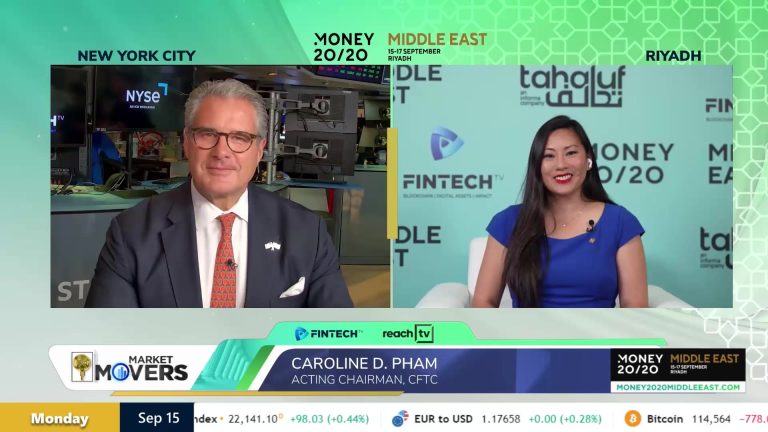
Bridging Borders: CFTC’s Vision for a Global Crypto Landscape

“We have the regulatory clarity. We want to welcome back innovators and entrepreneurs and investors to invest, hire, and build in America.” – 02:27

Caroline Pham, Acting Chairman at the CFTC, joins Remy Blaire & Vince Molinari from Money20/20 Middle East in Riyadh to discuss the monumental gathering in the fintech space, attracting over 45,000 participants, including more than 450 fintech brands, 350 speakers, and 400 investors.

Caroline shared insights into the CFTC’s initiatives, particularly the President’s Working Group on Digital Assets and the recently launched “Crypto Sprint.” This initiative aims to position the U.S. as the global leader in the crypto space by providing regulatory clarity and fostering an environment conducive to innovation and investment.

Caroline emphasized the importance of collaboration between the CFTC and the Securities and Exchange Commission (SEC), highlighting their joint efforts to create a cohesive regulatory framework for digital assets. She announced an upcoming roundtable focused on regulatory harmonization, signaling a new era of cooperation between these two regulatory bodies.

Caroline articulated the administration’s commitment to welcoming innovators and investors back to the U.S. by clarifying the regulatory landscape for digital assets. She discussed the need for U.S. firms that have moved offshore due to regulatory uncertainty to return home, and the steps being taken to facilitate this process.

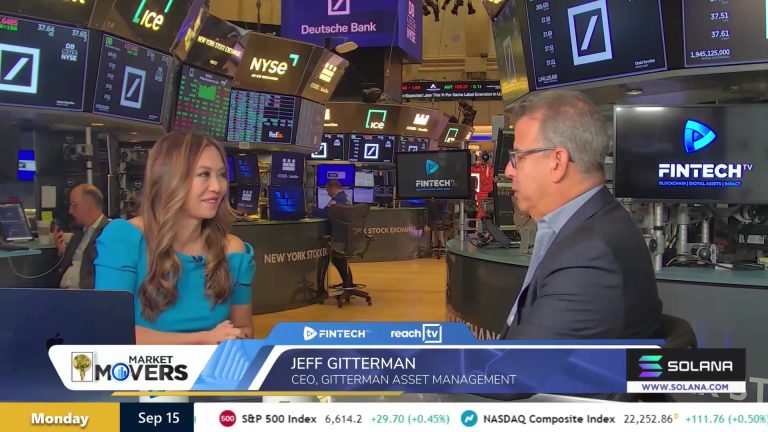
Investing in Resilience: How Every Dollar Can Yield $10 in Climate Benefits

“This first study has put really an economic dollar value on the social and environmental benefits.” – 01:52

Jeff Gitterman, CEO of Gitterman Asset Management, joins Remy Blaire at the New York Stock Exchange to discuss a new report from the World Resources Institute has revealed that we have been undervaluing climate resilience, with findings that every dollar invested in climate adaptation can yield over ten dollars in benefits within a decade.

Jeff emphasizes that previous studies have primarily focused on avoided loss economics—essentially asking if investments in infrastructure, like retaining walls, will save us money during climate events. However, this report takes a broader view by assigning economic value to the social and environmental benefits of such investments.

The pair discuss the real-world implications of these findings, using examples like the devastating storm in Asheville, which caused an estimated $250 billion in damage. Jeff highlights the often-overlooked downstream effects of climate events, such as health impacts and ecosystem disruptions, which can have long-term economic consequences.

As we approach COP30 in Brazil, we explore the concept of the “triple dividend” of resilience, which encompasses economic, social, and environmental benefits. Jeff argues that while mitigation efforts have faltered, particularly in light of rising CO2 emissions, we must pivot towards adaptation and resilience investments. He outlines three key areas for investors to focus on: water resilience, infrastructure resilience, and adaptation resilience, noting that companies in these sectors are experiencing significant growth due to the increasing demand for climate-related solutions.