[stock-market-ticker symbols=" ^NYA;CRYPTO:BTC;CRYPTO:ETH;CRYPTO:USDT;CRYPTO:USDC;CRYPTO:BNB;CRYPTO:ADA;CRYPTO:XRP;CRYPTO:SOL;CRYPTO:DOGE " stockExchange="NYSENASDAQ" width="100%" transparentbackground=1 palette="financial-light"]

Home Blog Page 67

Crypto inflow, Shutdown impact, EU crypto, Strategy gains

0

In this episode of CoinStreet, we dive into the latest developments in the cryptocurrency market, highlighting a record-breaking $5.95 billion inflow into crypto exchange-traded products last week. With Bitcoin leading the charge, recording an impressive $3.6 billion in inflows, we explore the bullish trends amidst ongoing concerns about a potential government shutdown and its implications for digital asset regulations.

We also discuss the European Union’s plans to enhance its regulatory framework for cryptocurrency exchanges, as Verena Ross, chair of the European Securities and Markets Authority, confirms a shift in supervision from national regulators to ESMA. This move could significantly impact the landscape of cryptocurrency operations in Europe, and we break down what it means for investors and the market at large.Additionally, we touch on Michael Saylor’s Strategy, which reported a remarkable $3.9 billion fair value gain on its Bitcoin holdings in Q3. Despite the impressive gains, Saylor announced that the company will not be making new Bitcoin purchases this week, opting instead to focus on their substantial returns. Tune in for all this and more in our latest CoinStreet headlines!
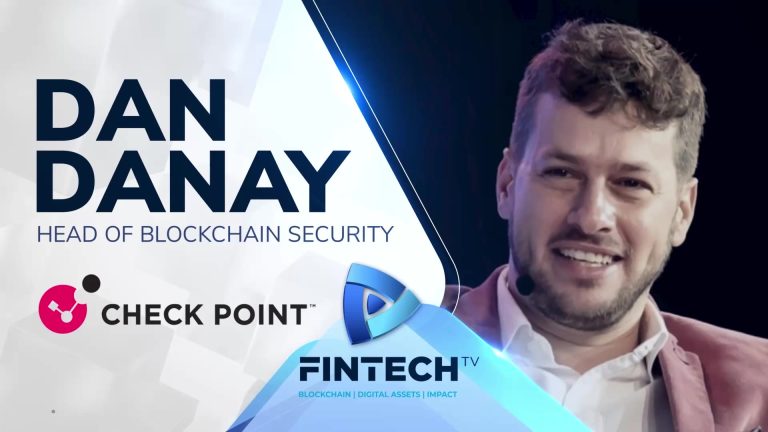
Understanding Cyber Threats in Crypto: A Conversation with Check Point’s Dan Danay

0

Remy Blaire and Dan Danay, the head of blockchain security at Check Point delve into the evolving landscape of cybersecurity, particularly in the context of blockchain and cryptocurrency.

Dan emphasizes that we are witnessing a significant shift in cybersecurity driven by AI and new threats, with cybercrime now operating as a business. He highlights the risks associated with public blockchains like ethereum, where the potential rewards for hackers are substantial. Despite these challenges, Dan remains optimistic about the mainstream adoption of crypto, especially as financial institutions increasingly embrace blockchain technology.

They discuss the importance of a layered security approach, which includes good intelligence, custody, auditing, and real-time security measures. Dan points out that the same cybersecurity standards applied in traditional finance should also be adopted in the crypto space to ensure safety.

Dan advises financial institutions entering the crypto space to proceed thoughtfully but confidently as we look ahead to 2025, with a more favorable regulatory environment for digital assets in the U.S.. He encourages users to experiment with crypto while being mindful of security, as the market continues to grow exponentially.

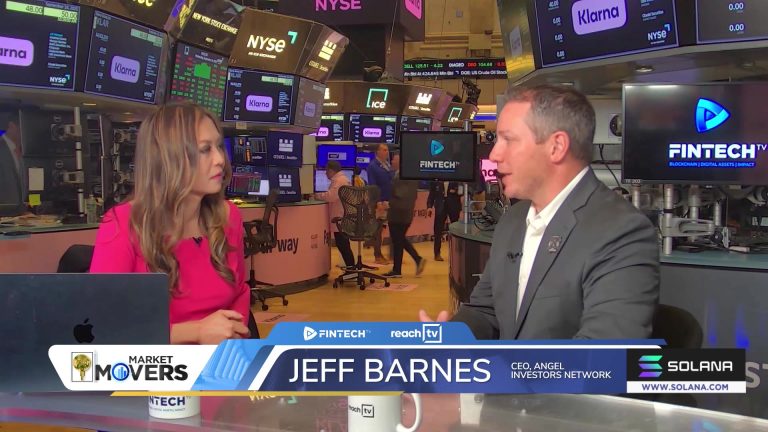
Navigating the evolving landscape of angel investing with Jeff Barnes

Jeff Barnes, the CEO of Angel Investors Network joins Remy Blaire in this episode of Market Movers to share his extensive insight on the evolving landscape of angel investing. With over two decades of experience connecting entrepreneurs with investors, Jeff highlights how the introduction of regulations like the Jobs Act and 506(c) has transformed the capital-raising environment, making it more accessible yet increasingly competitive.

They discuss the importance of identifying opportunities in sectors such as FinTech and energy, emphasizing the “picks and shovels” approach to investing. Jeff explains how early-stage companies can create a ripple effect across various industries, citing Amazon’s impact as a prime example.

Discover the critical role played by due diligence and risk management in the investment process. Jeff stresses the necessity of seeing a wide range of deals to distinguish good opportunities from bad ones, and he introduces his DVRS method as a framework for mitigating risks.

Common myths surrounding entrepreneurship, particularly the misconception that success comes easily on the first try are also tackled. Jeff shares his own experiences with failure and the importance of being coachable as an entrepreneur. He encourages potential entrepreneurs to focus on the journey of building a business rather than solely on the end goal, reminding them that the path to success is often filled with challenges and learning experiences.

Auto Sector Bankruptcies: A Canary in the Coal Mine for Consumer Credit?

“Inflation kind of peaked in 2022, and those impacts didn’t really hit the car insurance rate until around 2024.” – 02:02

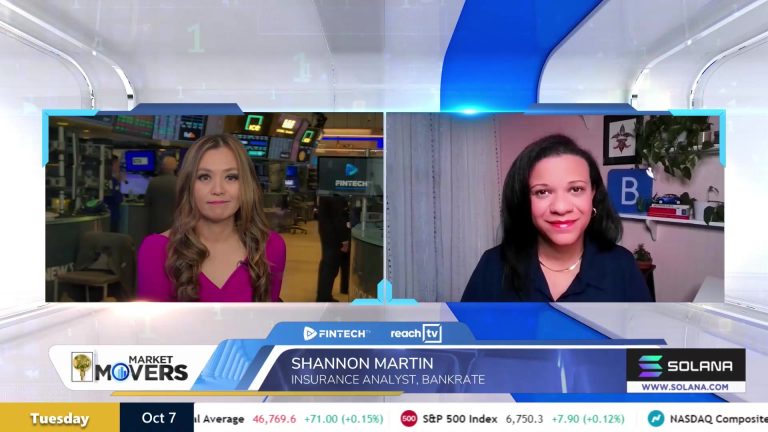
Shannon Martin, Insurance Analyst at Bankrate, joins Remy Blaire to discuss the recent upheaval in the auto sector, marked by the bankruptcies of auto parts maker First Brands and subprime auto lender Tricolor Holdings. These developments raise concerns about the financial health of low-income households and signal broader stress within auto-related credit markets. Remy highlights the widening bond spreads on auto loans, indicating rising risks, while noting that the overall U.S. corporate credit market remains stable, with an uptick in deal-making following the Federal Reserve’s rate cut.

Shannon discusses the escalating costs of car ownership in America, revealing that hidden expenses have increased by over 3% in the past year, averaging around $6,800 annually. This translates to an additional financial burden of approximately $575 per month for American drivers, a significant challenge for many, particularly those in low-income brackets.

Shannon explains the factors contributing to the stress in auto-related credit markets, particularly the impact of inflation on car insurance rates. She notes that while car insurance rates have risen by about 15% from last year to this year, the increases are expected to persist as tariffs come into effect. This situation places low-income drivers in a difficult position, as they must balance the need for adequate coverage with the rising costs of repairs and medical payments.

The conversation also touches on trends in insurance claims related to auto loan defaults. Shannon points out a recent increase in car thefts, followed by a decrease due to collaborative efforts between states and law enforcement. Additionally, she mentions the decline in car crash fatalities, which could potentially lead to lower car insurance rates, although inflation and tariffs continue to pose significant challenges.

Remy and Shannon further explore the stark differences in car ownership costs across states, particularly comparing Florida and New Hampshire. Shannon highlights that states like Florida experience higher hidden costs due to their insurance policies, which are more susceptible to fraud, as well as the impact of extreme weather on claims.

Navigating the IPO Landscape: Government Shutdown Impacts and Market Resilience

“The companies that are successful in going to market are the ones with strong fundamentals.” – 03:39

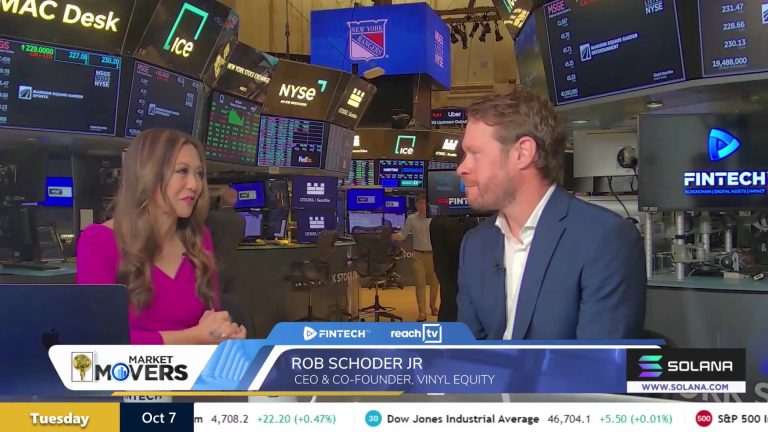
Rob Schoder Jr., CEO & Co-Founder of Vinyl Equity, joins Remy Blaire to discuss the U.S. IPO market, which has experienced a notable resurgence, raising nearly $53 billion in the first three quarters of the year—the highest amount since 2021. However, this positive momentum faces a significant challenge due to the recent government shutdown, which has halted operations at the SEC and suspended the processing of IPO paperwork. As companies prepare for what could be a busy end to the year and a promising 2025, many may be forced to delay their IPO plans.

Rob provides insights into the implications of the government shutdown on the IPO market, explaining that the SEC’s inability to approve filings means that no new entries will occur during this period. While a few IPOs managed to navigate the regulatory hurdles just before the shutdown, the overall deal pipeline is now on hold.

The discussion also covers the broader market context, with major U.S. stock averages reaching new record highs and an increase in M&A activity. Rob highlights that historically, government shutdowns have not had a catastrophic impact on the markets, noting an average 13% increase in the following year. However, he warns that the duration of the shutdown could lead to heightened volatility and investor uncertainty.

As they look ahead to the end of 2025, Rob emphasizes the strong fundamentals of companies that are ready to go public. Many of these companies have been preparing for years and are simply waiting for the right moment to enter the market. He mentions that the current IPO pipeline is the largest he has seen in decades, with many companies poised for success once the regulatory environment stabilizes.

Remy and Rob also discuss various catalysts that could influence the market, including potential rate cuts and changes in the regulatory landscape. Rob points out the unique dynamics of today’s market, characterized by a heavy retail influence that may not always align with economic realities. He believes that if the Federal Reserve lowers interest rates, it could significantly boost retail investor sentiment and lead to more IPO opportunities.

Unlocking the Future: Solana’s Alpenglow Upgrade and Internet Capital Markets

“The entire financial system should be 24-7, should be permissionless, should be programmable, and it should be open.” – 02:29

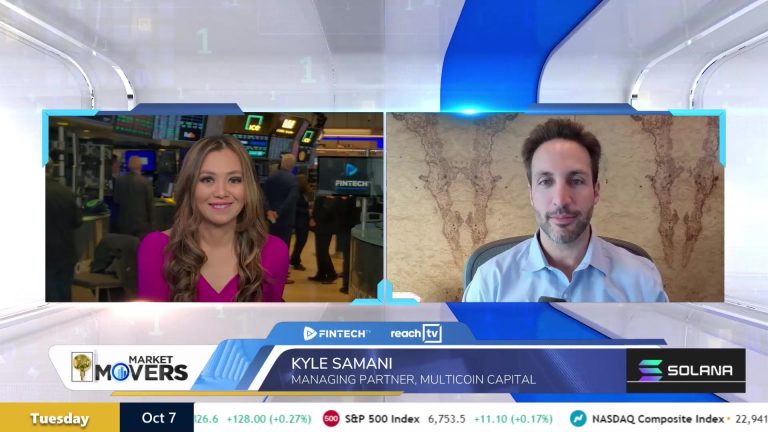
Kyle Samani, Managing Partner at Multicoin Capital, joins Remy Blaire to discuss the latest developments in the cryptocurrency space, particularly focusing on Solana.

Remy begins by highlighting the impressive performance of Bitcoin, which has reached record highs above $125,000, and Ethereum, which has topped $4,700. Despite these milestones, Remy emphasizes that Solana remains a significant player in the market, noting its growth as a Treasury Reserve asset and the doubling of ETP net inflows and outflows as September concludes. Kyle shares insights on Grayscale’s recent announcement regarding its Solana trust enabling staking, further underscoring Solana’s increasing relevance.

The conversation shifts to the Alpenglow upgrade, which Kyle describes as one of the most exciting upgrades in Solana’s history. He explains that the upgrade will reduce block times from 400 milliseconds to approximately 150 milliseconds, with a long-term goal of achieving block times as low as 20 to 25 milliseconds. This enhancement is poised to revolutionize the operation of global-scale internet capital markets on the Solana blockchain, making transactions nearly instantaneous.

Kyle elaborates on the concept of Internet Capital Markets (ICM), which he believes is a core investment thesis for Solana. He articulates the vision of ICM as a 24/7, permissionless, and programmable financial system that allows anyone with an internet connection to trade assets seamlessly. He points out the current disparity in access to capital markets, noting that while hundreds of millions of people have access to cryptocurrencies, many still lack access to traditional equities. Kyle expresses optimism that this gap will continue to narrow as blockchain technology advances.

The discussion also covers Kyle’s recent venture, Ford Industries, which he co-founded and now serves as Chairman. He shares that Ford Industries has become the largest Solana digital asset treasury company globally, following a significant $1.65 billion investment. This development positions Ford Industries to leverage Solana’s capabilities in innovative ways that traditional securities exchanges cannot match.

Branding the Future: How Alabama Football is Leveraging NIL and Podcasts

“We’re in the stage now where everything is about branding and positioning our student athletes for success and telling their stories.” – 01:07

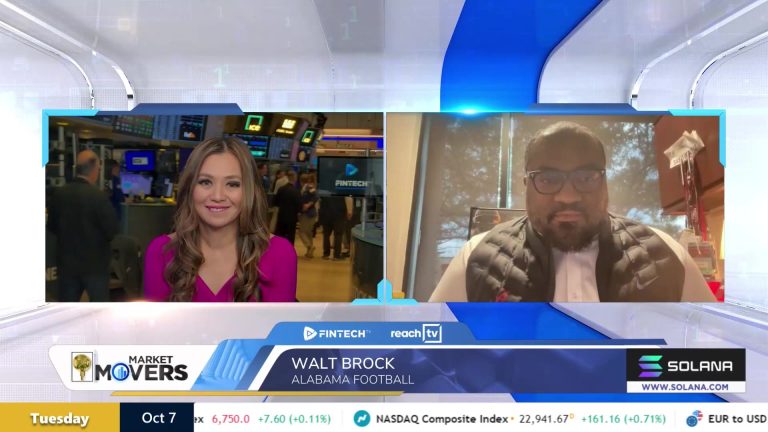
Walt Brock, Director of Creative and Production for Alabama Football, joins Remy Blaire to discuss the significant evolution of college football, particularly in the realms of branding, athlete monetization, and the influence of technology.

Remy opens the episode by highlighting the immense financial landscape of college football, which is valued in the tens of billions of dollars. With the recent expansion of the playoff system, schools are increasingly focused on enhancing their brands through innovative apparel deals and appealing designs. This branding effort is not solely aimed at merchandise sales; it is also crucial for attracting top talent to their programs.

Walt shares insights into the changing regulations surrounding NCAA athletes and their ability to monetize platforms like YouTube. He discusses Alabama football’s initiative to launch a player-led podcast featuring athletes such as Ryan Williams, Jalen Mbokwe, and Drake or Patrick. This podcast has quickly risen to prominence, becoming one of the top podcasts in the country. It provides fans with an inside look at the Alabama football program while also helping players develop their personal brands and media skills.

The conversation then shifts to the topic of Name, Image, and Likeness (NIL) and how Alabama is actively involved in helping its players maximize their earning potential. Walt emphasizes the importance of educating athletes on effective social media usage and connecting them with brands that align with their personal and professional aspirations.

A significant portion of the segment is dedicated to discussing the role of artificial intelligence in the creative landscape of college sports. Walt describes AI as a game changer, enhancing efficiency in content creation while still allowing for the unique touch of a creative team. He believes that AI will play a pivotal role in shaping the future of content in college football.

Market Momentum: M&A Activity and AI Partnerships Drive S&P 500 to New Heights

“The administration has shown this desire to really bring some of these rare earths and strategic materials back into production here in the U.S.” – 03:27

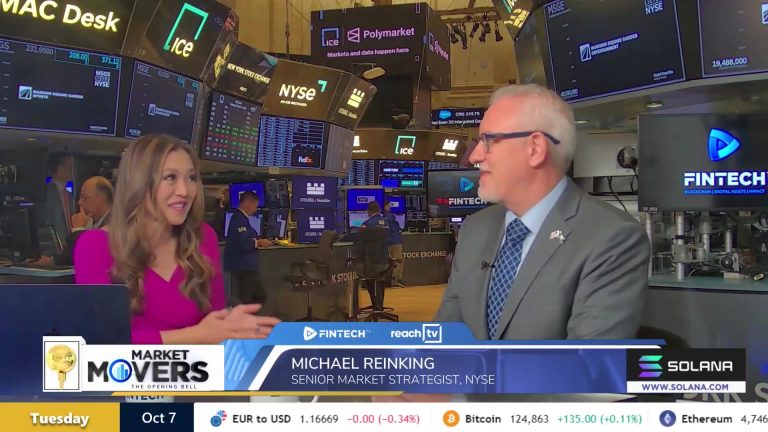
Michael Reinking, Senior Market Strategist at the NYSE, joins Remy Blaire to discuss the latest trends in the financial markets, focusing on the record highs achieved by the S&P 500 and Russell indices. Michael provides insights into the factors driving these gains, including a surge in mergers and acquisitions (M&A) activity and expectations surrounding Federal Reserve rate cuts.

Remy and Michael begin by examining the recent M&A landscape, highlighting OpenAI’s partnership with AMD to acquire GPUs for AI infrastructure and Fifth Third’s significant $10 billion all-stock acquisition of Comerica. Michael notes that this uptick in M&A activity, particularly in the regional banking sector, has been anticipated for some time and has positively impacted regional banks, especially those in the Russell and S&P 600 indices.

The conversation shifts to the topic of whether the market is experiencing an AI bubble. Michael suggests that while the market may be in the middle to later stages of this trend, the recent M&A activity indicates a maturation process within the AI sector.

Remy then brings attention to the rising prices of gold and the administration’s efforts to boost domestic production of rare earth materials. Michael emphasizes the importance of not only mining these materials but also producing essential components, such as magnets, to support the technology industry.

As the segment progresses, Remy and Michael discuss the upcoming Federal Reserve meetings and the anticipated economic data. Michael points out that recent comments from Fed speakers have taken on a more hawkish tone, which contrasts with the market’s expectation of a rate cut. He stresses the importance of monitoring company conference calls for insights into corporate perspectives and labor market conditions, especially in the absence of new economic data.

Bitcoin Surges: Analyzing the Impact of New Crypto Regulations and Market Dynamics

“The crypto cash market is expensive to trade in and relatively inefficient, which has always been the problem of the modern day crypto marketplace.” – 02:03

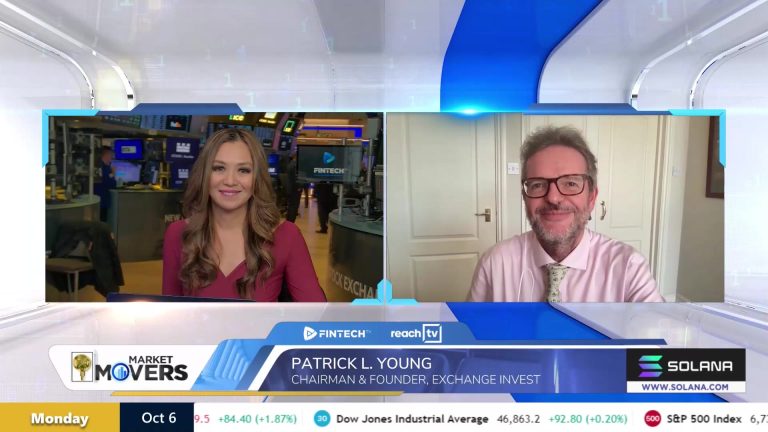
Patrick L. Young, Chairman and Founder of Exchange Invest, joins Remy Blaire to discuss the dynamic world of cryptocurrency as Bitcoin reaches all-time highs above $125,000. The segment begins with a discussion on the implications of the ongoing U.S. government shutdown, which is causing delays in the approval of new spot crypto ETFs by the SEC. Despite these setbacks, lawmakers are still advancing a market structure bill, although timelines are slipping. Remy highlights a significant development from the Senate Finance Committee hearing on crypto tax policy, where the U.S. Treasury announces it will not tax unrealized capital gains on crypto, marking a notable win for digital asset treasuries.

The pair explore the CME Group’s plans to launch 24-7 trading for crypto futures and options early next year. This move is seen as a strategic effort to compete with exchanges like Binance and Derbit, and it could potentially reduce weekend price gaps in the market. Patrick shares his insights on whether this shift could eliminate the so-called CME gap and discusses the reputation of regulated exchanges compared to cash markets in the crypto space.

As the conversation shifts to the regulatory environment for crypto in the U.S., Patrick expresses concern over the disproportionate focus on crypto regulation relative to its actual market size. He notes the frustration among those in traditional financial markets regarding the extensive efforts being made to regulate an asset class that remains relatively small.

Remy and Patrick then turn their attention to the political landscape in the U.S., discussing the implications of the government shutdown. Patrick provides a unique perspective, suggesting that the shutdown may actually save the U.S. money and improve the overall economic picture, despite the political stalemate in Washington.

Navigating the Economic Data Blackout: What’s Next for the Fed?

“People are buying things that are giving them a quick return, like the market, like crypto, like gold.” – 02:36

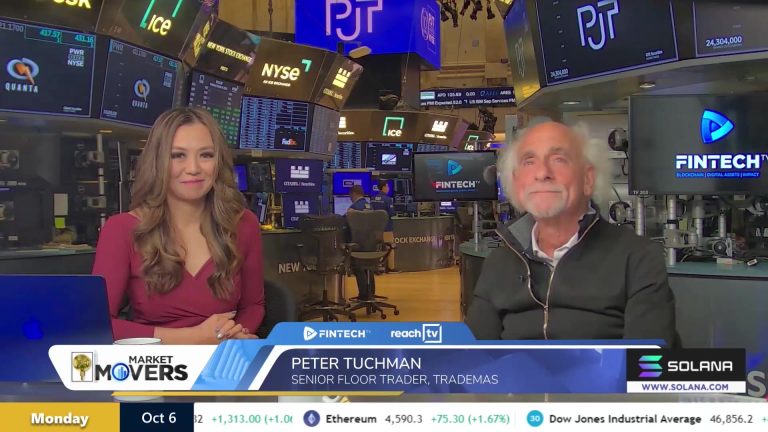
Peter Tuchman, Senior Floor Trader at TradeMas, joins Remy Blaire at the New York Stock Exchange who provides his expert insights on the market’s trajectory. The discussion begins with a focus on AMD’s recent AI chip supply deal with OpenAI. Peter elaborates on the broader implications of this partnership, referencing comments from the CEO of SoftBank regarding NVIDIA’s valuation and the escalating demand for chips and data centers driven by the AI revolution. He highlights the substantial capital expenditures being made by major firms like Google, Microsoft, and Oracle in AI, suggesting that collaborations like AMD’s are a strategic move to leverage existing infrastructure rather than building from scratch.

As the conversation shifts to the effects of the government shutdown, Remy and Peter discuss the economic data blackout it has caused, particularly the delay of the jobs report, which limits the Federal Reserve’s ability to gauge the economy ahead of its October rate decision. Peter expresses confidence that the Fed will still find ways to gather necessary information, indicating that an interest rate cut in October is a possibility, despite the prevailing uncertainty.

The segment also delves into the current market sentiment, characterized by a wave of irrational enthusiasm among investors. Peter notes that this enthusiasm is driving investments across various assets, including stocks, cryptocurrencies, and gold. He emphasizes that the market is forward-looking, with investors focusing on potential growth through 2026, and he anticipates a robust market performance as the economy enters a cycle of interest rate cuts.

Before concluding the segment, Remy and Peter discuss key market levels to monitor, including the Dow, S&P, and NASDAQ, all of which are nearing significant milestones. Peter underscores the importance of these numbers as indicators of market confidence and investment activity, sharing anecdotes from his extensive career on the trading floor to illustrate the rapid acceleration of the market and the substantial capital being deployed.