[stock-market-ticker symbols=" ^NYA;CRYPTO:BTC;CRYPTO:ETH;CRYPTO:USDT;CRYPTO:USDC;CRYPTO:BNB;CRYPTO:ADA;CRYPTO:XRP;CRYPTO:SOL;CRYPTO:DOGE " stockExchange="NYSENASDAQ" width="100%" transparentbackground=1 palette="financial-light"]

Home Blog Page 62

Navigating the Rare Earths Battle: U.S. vs. China

“China’s been capturing that market for a long time and the U.S. has let a lot of their mines and other things kind of shut down.” – 01:37

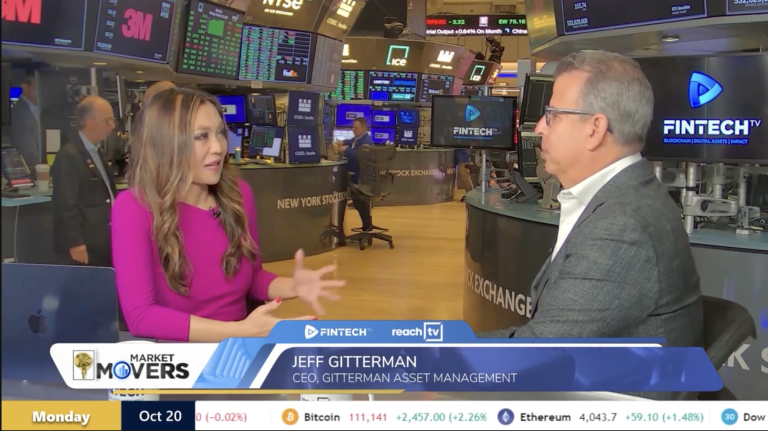
Jeff Gitterman, CEO of Gitterman Asset Management, joins Remy Blaire to discuss the ongoing U.S.-China trade war and its implications for the rare earth minerals market.

Remy opens the conversation by highlighting President Trump’s assertion that the U.S. is in a trade war with China, noting that while tariffs are a significant concern, the real battleground may be the dominance of rare earths. Jeff explains that China currently holds over 90% of the market share in these essential minerals, prompting the U.S. to invest in its own rare earth companies to reduce reliance on Chinese imports. He clarifies that rare earths, despite their name, are not particularly rare but are difficult to mine and refine, making them crucial for various technologies, including smartphones and military applications.

The discussion delves into the historical context of China’s strategy, particularly its “One Belt, One Road” initiative, which aims to secure market dominance in rare earths. Jeff points out that the U.S. has allowed many of its mining operations to decline due to China’s ability to produce these minerals at lower costs. However, with rising tensions and export controls from China, the U.S. faces an urgent need to revitalize its mining and refining capabilities.

Remy and Jeff also explore the environmental implications of shifting rare earth production back to the U.S. Jeff emphasizes that the process is not only time-consuming—potentially taking 10 to 20 years to establish new mines and refining facilities—but also complicated by stringent environmental regulations. This interconnectedness of the global economy makes a swift transition challenging.

The conversation shifts to precious metals, where Jeff notes the significant rise in gold and silver prices. He explains that gold is currently viewed as a hedge against the weakening U.S. dollar, with potential prices soaring as high as $5,000 to $10,000 an ounce, driven by global demand and investment strategies from central banks.

As the episode concludes, Remy asks Jeff about the potential impact of U.S.-China tensions on markets as they approach year-end. Jeff expresses concern about the MAG-7 countries, which require substantial energy and rare earth minerals, and how rising prices could affect their operations. He shares that his firm is heavily investing in rare earth minerals, gold, and grid infrastructure, aligning with a broader climate change thesis that is now being accelerated by advancements in AI and ongoing trade disputes.
Economic Growth vs. Political Turmoil: Insights on Argentina and Venezuela’s Future

“Maduro has no democratic mandate to be where he is. He’s destroyed the nation’s economy.” – 03:03

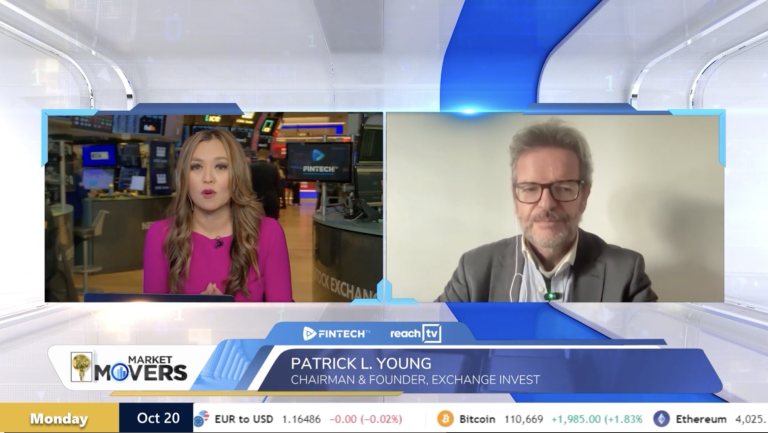
Patrick L. Young, the Chairman and Founder of Exchange Invest, joins Remy Blaire to discuss the current state of U.S. foreign policy in South America, particularly focusing on Argentina and Venezuela.

Remy opens the segment by highlighting the Trump administration’s initiative to provide $40 billion in aid to Argentina, aimed at addressing the country’s looming debt and liquidity issues. Patrick explains that while mainstream media portrays the Argentine economy as collapsing, the reality is that under President Javier Milei’s reformist regime, the economy is experiencing a remarkable growth rate of 6.5%, outpacing even China. However, he notes that Argentina’s long-standing debt crisis, a result of decades of mismanagement, necessitates this financial support from the U.S. Patrick emphasizes that the Trump administration is strategically looking to bolster allies in South America, a region that has historically been less friendly to U.S. interests.

The discussion then shifts to Venezuela, where Remy asks Patrick about the implications of Trump’s approval of covert CIA actions aimed at regime change. Patrick asserts that the U.S. is seeking to remove Maduro, who lacks a democratic mandate and has devastated the Venezuelan economy. He points out that despite possessing some of the world’s largest oil reserves, Venezuela’s economy is projected to contract by 4% this year, highlighting the severe mismanagement under Maduro’s leadership. Patrick explains that the Trump administration is taking decisive action against drug traffickers in Venezuela, aligning its efforts with the broader MAGA agenda.

Remy also brings up Trump’s recent support for Italian Prime Minister Giorgia Meloni, prompting Patrick to discuss the significance of her political stability in Europe. He notes that Meloni’s alignment with Trump’s policies and her potential to win a second term make her a valuable ally for the President, especially as other European leaders face challenges.

Elevating Airport Dining: Insights from H&H Hospitality’s CEO Randy Hazelton

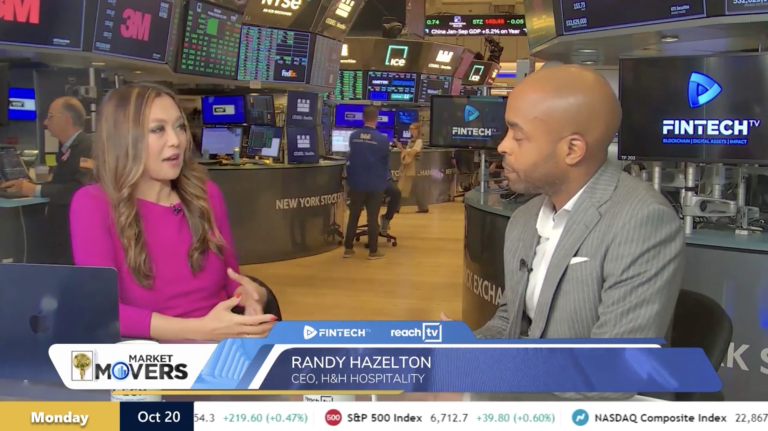
Randy Hazelton, the CEO of H&H Hospitality, a fast-growing airport concessions company, joins Remy Blaire to discuss the evolving landscape of airport dining and how H&H Hospitality is enhancing the travel experience for passengers across the United States.

Remy begins by highlighting the significance of local flavors and chef-inspired menus in making air travel more enjoyable. Randy shares that H&H Hospitality operates over 20 franchises in major U.S. airports and is on track to generate $50 million in revenue this year, with plans to double that figure by year-end. He emphasizes the importance of understanding macroeconomic trends, particularly in relation to international travel and tariffs, and discusses how these factors influence the hospitality business.

As the discussion progresses, Randy reflects on his personal journey in the hospitality industry, noting that he entered the field without prior restaurant experience. He stresses the value of thorough research and preparation, as well as the necessity of building a strong team and forming long-term strategic partnerships for sustainable growth.

Remy and Randy delve into the concept of “thinking like an investor” in the hospitality sector. Randy explains that every financial decision must be aimed at achieving a positive return, whether it involves building restaurants or paying franchise fees. This investor mentality is crucial for maintaining the business and ensuring the well-being of the team.

The conversation then shifts to the role of technology and FinTech in the airport dining experience. Randy acknowledges that while the hospitality industry may lag behind others in adopting innovations like artificial intelligence, there are promising opportunities on the horizon. He discusses the potential for robotics in food production and mentions that H&H Hospitality is exploring fully automated food and beverage service models.

Navigating Market Volatility: Insights on Earnings, Inflation, and Trade Tensions

“If there is an interruption of rare earth minerals between China and the United States, it could have a major impact on the dollar.” – 02:51

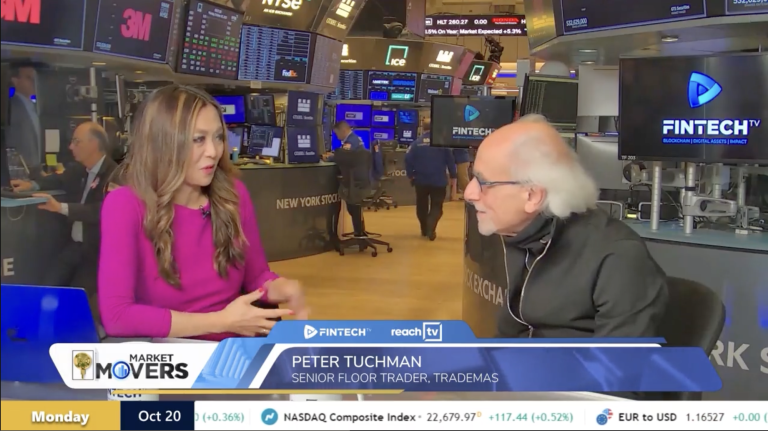
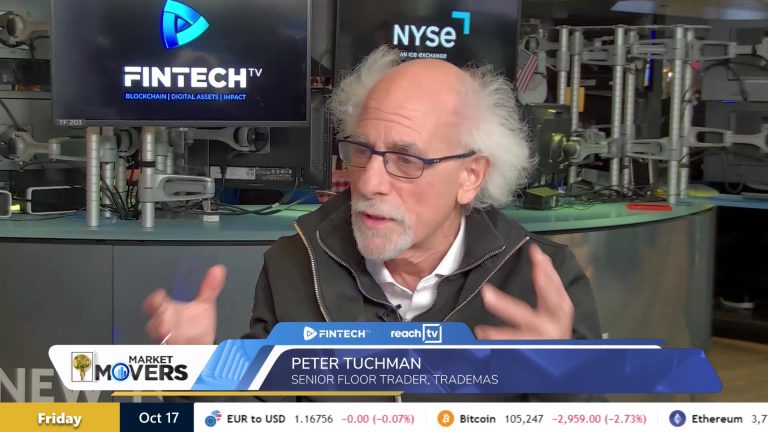
Remy Blaire is joined by Peter Tuchman, Senior Floor Trader at TradeMas, who provides valuable insights into the market’s trajectory. They explore three critical factors influencing investor confidence: the potential for a government shutdown, ongoing tensions with China, and fears regarding the stability of regional banks. Peter emphasizes that regional banks often reflect the economic temperature more accurately than larger banks, suggesting that their struggles could have significant implications for larger corporations seeking loans.

As they look ahead, Remy and Peter discuss the upcoming earnings reports from key players such as Netflix, and Tesla, and how these reports may affect market sentiment. Peter shares his perspective on the overall market dynamics, noting its fragility and the potential for sudden shifts driven by external factors, including social media updates.

The conversation also touches on the recent market sell-off and the importance of the forthcoming inflation figures, which are expected to be released by the end of the week. Peter advises traders to adopt a cautious approach, reminding them that the market remains sensitive to unexpected news, particularly in relation to U.S.-China relations.

As the segment concludes, Remy and Peter reflect on the current market levels, the ongoing interest rate cutting cycle, and the potential for future economic indicators to shape trading strategies. With a blend of optimism and caution, they look forward to the developments of the week ahead and their implications for traders.

DePin Energy, Bitcoin fear, Bitcoin treasuries, FetchAI dispute

0

In this episode of Coin Street headlines, we dive into the latest headlines shaping the cryptocurrency and renewable energy landscape. Headlines include; Daylight successfully raises $75 million to revolutionize solar energy with a decentralized grid, offering a subscription service that eliminates the high upfront costs of solar panel installation. Customers can earn sun points and look forward to a future token launch. We discuss the recent downturn in bitcoin prices and how it has affected market sentiment, with google search interest hitting a multi-month low. Analysts from Bitwise suggest that the selling pressure may have peaked, presenting potential buying opportunities. Coinbase has added Binance’s BNB token to its listing roadmap, following a wave of discussions among online exchanges. Former Binance CEO has praised this move while calling for more listings of BNB chain projects. The ongoing feud between Ocean Protocol and Fetch.ai has escalated to legal threats, with accusations of mishandling ASI tokens. Fetch.ai’s CEO Humayun Sheikh, is pledging to fund class-action suits to uncover the truth behind the merger of AI-focused crypto projects. Jane King with the latest from the NYSE.

Crypto Payments on the Rise: From Burgers to Airline Tickets

“We saw $19 billion in liquidations, the worst ever.” – 05:53

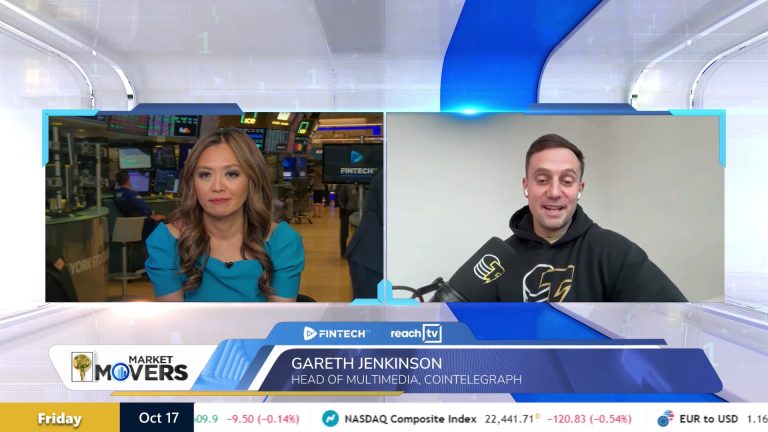
Remy Blaire welcomes Gareth Jenkinson, the Head of Multimedia at Cointelegraph, to discuss the latest developments in cryptocurrency payments and market dynamics.

The segment begins with Remy highlighting Steak and Shake’s recent achievement of accepting Bitcoin payments for five months. She emphasizes the significance of this milestone in the broader context of cryptocurrency adoption, noting that many well-known businesses, including Starbucks, Subway, Burger King, Chipotle, and Baskin Robbins, are now accepting digital asset payments. Remy also mentions a new California law that allows original owners to reclaim inactive cryptocurrency, adding an intriguing layer to the conversation about the practical applications of crypto.

Gareth shares his insights on the expanding acceptance of cryptocurrency for everyday transactions. He points out that consumers can now use Bitcoin to purchase coffee at popular chains and book travel through platforms like Travaler. He expresses enthusiasm for the growing trend of using cryptocurrency for general payments, suggesting that this shift represents the future that many in the crypto community have long envisioned.

The discussion then shifts to California’s new legislation, which permits the state to seize idle cryptocurrency on exchanges. Gareth explains the implications of this law, noting that while it may initially seem unfavorable, it allows users to reclaim their Bitcoin rather than receiving a lesser dollar amount if the state were to liquidate the assets. This nuanced perspective highlights the complexities surrounding cryptocurrency ownership and regulation.

As the conversation progresses, Remy and Gareth delve into the recent turmoil in the cryptocurrency market, marked by a significant selloff described as the worst liquidation event in history. Gareth provides context for this downturn, attributing it to a combination of technological issues and cascading liquidations that resulted in an astonishing $19 billion being wiped from the market. Despite a brief recovery, the market faces ongoing challenges, with major cryptocurrencies like Bitcoin and Ethereum experiencing notable declines.

Enhancing Fraud Detection: Thread’s OneView Solution Explained

“Total spending on third party anti-money laundering or AML systems is really projected to grow by 121% to surpass $75 billion globally up by 2030.” – 00:02:37

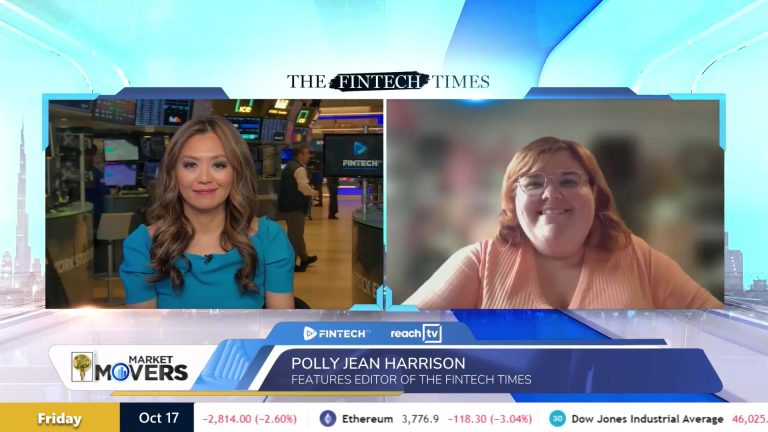
Remy Blaire welcomes Polly Jean Harrison, the Features Editor of the Fintech Times, to discuss the latest developments in the fintech landscape, particularly focusing on fraud prevention and anti-money laundering (AML) systems.

The segment begins with Remy introducing Thread, a global payments processor that has recently launched OneView, a new fraud prevention solution developed in partnership with Featurespace. Polly explains that OneView is designed to monitor both card and non-card transactions through a single, network-agnostic interface. This innovative platform consolidates various payment data, including account-to-account and person-to-person payments, into one unified interface. Polly highlights that this comprehensive approach provides a 360-degree view of customer behavior, enhancing fraud detection capabilities while reducing the operational workload for fraud teams. She emphasizes the importance of streamlining investigation processes, which allows fraud analysts to work more efficiently by minimizing the time spent switching between different systems. This unified view enables teams to spot unusual behavior patterns that may go unnoticed when transaction types are monitored in isolated systems.

The conversation then shifts to a new study by Juniper Research, which identifies significant gaps in transaction monitoring and beneficial ownership transparency. Polly shares insights from the research, revealing that global spending on third-party AML systems is projected to grow by 121%, surpassing $75 billion by 2030. She notes that banks are expected to account for 64% of all AML spending due to their ongoing exposure to complex regulatory oversight. Polly discusses how the increasingly intricate regulatory landscape is driving firms to adopt AI-driven screening and analytics to strengthen their detection capabilities and address the high rate of false positives faced by compliance teams.

The Fed’s Dovish Pivot: What It Means for the Dollar and Equity Markets

“Protectionist trade policies as the US does, I think this is a downside risk to growth and upside risk to inflation.” – 03:03

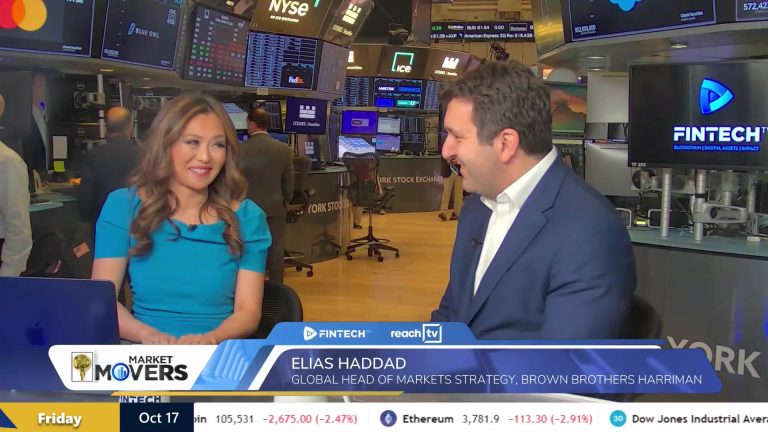
Remy Blaire welcomes Elias Haddad, the Global Head of Market Strategy at Brown Brothers Harriman, to discuss the current volatility in the financial markets as the week comes to a close. The segment opens with Remy highlighting the fluctuating equity averages, which have been swinging between red and green due to trade tensions and concerns about bad loans from regional banks. Despite the release of earnings from major banks, some bank stocks have experienced significant sell-offs, prompting investors to reassess their positions.

Elias shares his perspective on the recent credit worries, suggesting that they appear to be more of a due diligence issue rather than indicative of a systemic problem. He cautions against complacency, noting that the market is currently frothy, with both stock and corporate bond prices being expensive. Elias anticipates a potential correction but believes that this situation could lead the Federal Reserve to adopt a more dovish stance, especially given the fragile labor market and concerns about corporate profitability due to higher tariffs. He posits that such a pivot by the Fed could trigger a rally in equity markets, despite the current concerns in the credit market.

The conversation shifts to the upcoming Federal Reserve rate decision and the significance of the Consumer Price Index (CPI) figure set to be released next Friday. Remy and Elias discuss the implications of ongoing trade tensions, with Elias explaining that protectionist trade policies pose downside risks to growth and upside risks to inflation, which are detrimental to the U.S. dollar.

As the discussion progresses, the focus turns to gold, which has recently seen a remarkable surge, breaking above significant price levels. Elias expresses his enthusiasm for gold, referring to it as “God’s currency.” He attributes its rise to declining real interest rates, fiscal concerns, and central banks diversifying their reserves into gold, particularly in light of geopolitical uncertainties.

Gold’s Ascent: Why Investors Are Turning to Precious Metals

“I think in the long run, it’ll go higher because I don’t think anybody trusts the U.S. anymore.” – 04:02

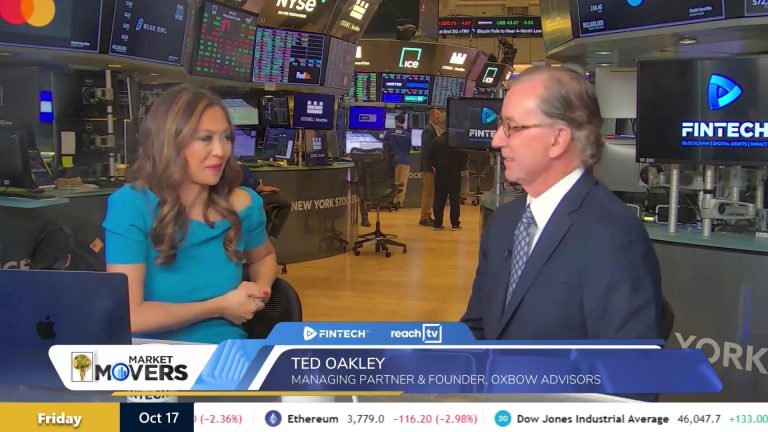
Ted Oakley, Managing Partner and Founder of Oxbow Advisors, joins Remy Blaire to discuss the current state of the U.S. equity markets and broader economic trends. The conversation begins with an overview of the recent performance of major U.S. stock averages, which have reached new records this year. Remy notes that a small group of mega-cap companies, particularly the MAG 7, has significantly driven these gains, while strong deal-making has bolstered major banks like JPMorgan Chase and Goldman Sachs.

Ted highlights the concentration of wealth within the top companies, explaining that the top 10 firms account for approximately 42-43% of the S&P 500. He cautions that this lack of diversification poses risks for investors, especially during market pullbacks. As the discussion progresses, Ted expresses his concerns about the market being overpriced and emphasizes the importance of safety in investment strategies. He reveals that Oxbow Advisors is currently holding a substantial amount of U.S. Treasury bills rather than bonds, as they aim to mitigate duration risk amid rising inflation expectations.

The conversation shifts to the performance of gold and silver, which have seen significant increases year-to-date. Ted shares his long-standing commitment to gold and mining stocks, suggesting that gold is likely to continue its upward trend over the next three to five years. He attributes this potential growth to a general lack of trust in the U.S. dollar and the use of gold as a currency hedge.

Ted also discusses the mining sector, explaining his preference for investing in larger mining companies over junior miners, which require extensive research. He mentions that Oxbow Advisors has invested in royalty companies, allowing them to benefit from mining operations without the associated risks of managing mines.

Earnings Season and Trade Tensions: A Deep Dive into Wall Street

“What that should show us is that the impact of tariffs is starting to show its weight on people’s ability to pay their bills.” – 01:09

Peter Tuchman, Senior Floor Trader at TradeMas, joins Remy Blaire to discuss the tumultuous week on Wall Street. The episode opens with Remy highlighting the rollercoaster nature of the markets, driven by a mix of earnings reports, trade tensions, and emerging fears surrounding credit fraud, particularly affecting regional banks.

As they delve into the current market conditions, Peter outlines three critical factors influencing the trading landscape: ongoing trade talks, the state of regional banks, and the latest earnings reports. He emphasizes the contentious narrative between the U.S. and China, particularly regarding tariffs on commodities such as soybeans and rare earth minerals, which has created a charged atmosphere impacting investor sentiment.

Peter expresses concerns about the fragility of regional banks, drawing parallels to the recent Silicon Valley Bank crisis. He notes that the impact of tariffs is beginning to affect consumers’ ability to meet their financial obligations, leading to increased delinquencies. This situation contributes to a growing sense of unease among investors regarding the stability of regional banks.

The conversation shifts to the VIX index, which, despite a recent decline, remains elevated, indicating ongoing volatility and fear in the market. Peter explains that while larger banks may appear stable, regional banks provide a more accurate gauge of economic health in middle America. He underscores the significance of bank earnings and the guidance provided by these institutions, which can offer valuable insights into the overall economic climate.