
Scarlett Sieber breaks down the finance term ISO, not a camera setting, but an Independent Sales Organization. ISOs are the unsung heroes of the merchant payments world, acting as middlemen that help businesses accept credit cards by partnering with major payment processors like Visa and Mastercard. They connect thousands of small businesses under one umbrella, negotiate better rates, provide hardware, software, and support, and make seamless transactions possible. But it’s not easy, ISOs operate in a competitive landscape with thin margins, constantly evolving tech, and growing demands for integrated POS systems and fraud tools.
What is an ISO? Breaking Down the Payments Middlemen You Never See
Donaldson’s Leadership Transition & 2026 Outlook
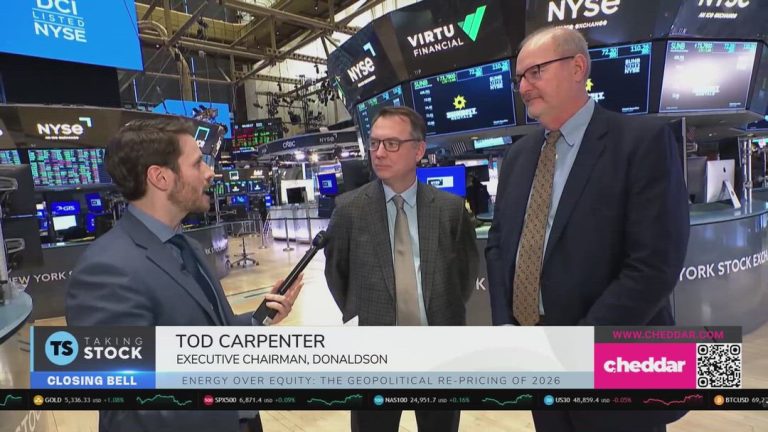
Fresh off ringing the closing bell at the New York Stock Exchange, Rich Lewis and Todd Carpenter of Donaldson Company join to mark a major leadership transition at the 111-year-old, technology driven filtration firm. After 30 years with the company, including 11 as CEO, Carpenter reflects on his tenure and the strong foundation built across global operations, highlighting the resilience of a business model where nearly 70% of revenue comes from replacement parts. Lewis, a 24-year veteran who now steps in as the company’s seventh CEO, shares his vision for the future, emphasizing innovation, advanced filtration technology capable of capturing particles from nanometers to the width of a human hair, and continued growth across diverse end markets.
The conversation also explores how Donaldson navigates global macroeconomic pressures through regional sourcing and operational flexibility, positioning the company to remain resilient through market cycles. As the leadership baton officially passes, both executives express confidence in the company’s talent, strong backlog, and long-term strategy setting the stage for continued momentum and a strong outlook through 2026 and beyond.
Market Reversal After Geopolitical Shock: Oil, Inflation & What’s Next
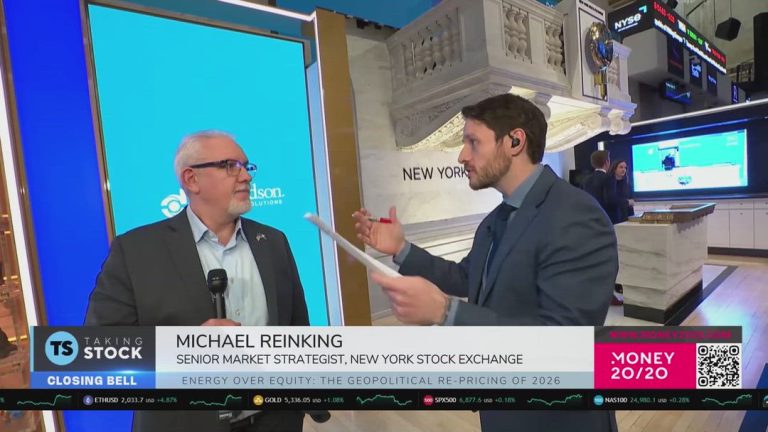
Senior Market Strategist at the New York Stock Exchange, Michael Reinking, breaks down a dramatic market reversal after futures opened sharply lower before staging a strong rebound. He explains that institutional investors came into the session well-hedged, allowing markets to quickly monetize protection and stabilize early losses. Elevated anxiety around AI research, private credit concerns, and broader risk sentiment had already primed markets for volatility, but Reinking notes that today’s structure shaped by structured products and rapid reaction functions can create faster snapbacks.
He also highlights how markets have become increasingly desensitized to geopolitical shocks, pointing to America’s greater energy independence as a key buffer. While oil prices surged, including moves in West Texas Intermediate and Brent Crude, the reaction remained relatively contained compared to past crises. Reinking emphasizes watching energy markets, inflation expectations, and Treasury flows closely, especially with significant global supply moving through the Strait of Hormuz. He adds that actions from OPEC+ could help cushion supply shocks. As volatility lingers, investors will also be mindful of how renewed inflation pressures may influence the path forward for the Federal Reserve in the weeks ahead.
Elias Haddad on The Dollar’s Safe Haven Surge Amid Middle East Tensions
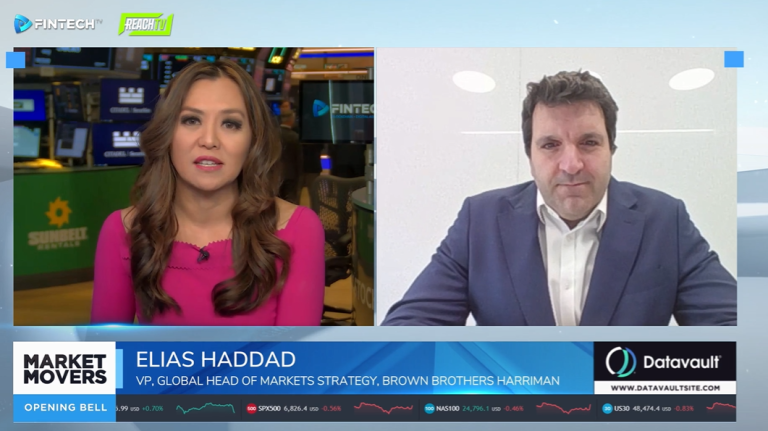
Elias Haddad, VP and Global Head of Market Strategy at Brown Brothers Harriman joins Remy Blaire to delve into the current state of the U.S. dollar, which is trading higher against major currencies like the euro, yen and British pound. The dollar index has seen an increase of over 0.8 percent, marking its first monthly gain since October. This uptick comes amid escalating tensions in the Middle East, particularly following the launch of Operation Epic Fury by the U.S. and Israel, targeting Iranian military assets.
We discuss how the dollar’s rise is largely attributed to its safe-haven status in a volatile geopolitical environment, with net crude oil importing countries seeing their currencies underperform. Elias highlights the impact of rising crude oil prices on inflation expectations and the bond market, suggesting that the longer the military operation lasts, the more sustained the current market movements will be.
As we look ahead to the U.S. jobs report due later this week, we explore how payroll data, rather than geopolitical events, will ultimately shape Federal Reserve expectations. Elias emphasizes the importance of the sectors contributing to job growth and the potential for downward revisions to previous employment numbers, which could lead to a correction in the U.S. dollar if the data disappoints.
We also touch on international implications, including China’s growth targets and inflation in the Eurozone, noting that the ongoing conflict could complicate central banks’ efforts to manage inflation. Finally, we discuss the outlook for major currency pairs and the influence of rate differentials, with the dollar currently trading above levels implied by these differentials due to its safe-haven appeal.
Navigating the AI Boom: Challenges and Opportunities in Data Center Expansion
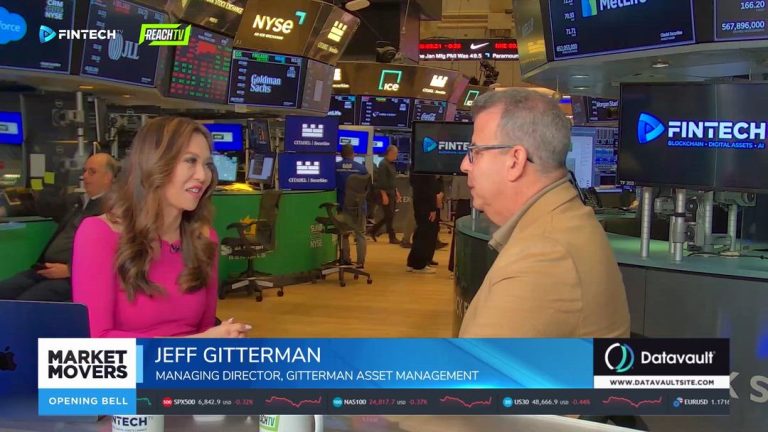
Jeff Gitterman, Managing Director of Gitterman Asset Management, joins Remy Blaire to discuss the challenges facing the data center industry, including power and water scarcity, labor shortages, and government regulations. We delve into the current state of artificial intelligence and its impact on the economy, particularly focusing on the data center expansion.
We discuss how the North American vacancy rate for data centers has remained at a staggering 1% for two years, highlighting the urgent need for expansion. However, Jeff points out that we are approaching a critical inflection point where the demand for energy and resources is outpacing supply. Predictions suggest we could be 15 gigawatts short of the necessary energy supply for data centers by 2030, even if current projects are completed.
Jeff emphasizes that while there are efforts to reshore critical minerals and improve grid infrastructure, we are not doing enough to address these issues. He also highlights the significant layoffs in the tech sector due to AI advancements, raising concerns about the future of jobs in IT and the importance of soft skills that AI cannot replicate.
We explore the shifting landscape of data center locations, with Texas surpassing Virginia as the leading site, despite facing its own water availability challenges.
Operation Epic Fury: The Impact of Regime Change in Iran
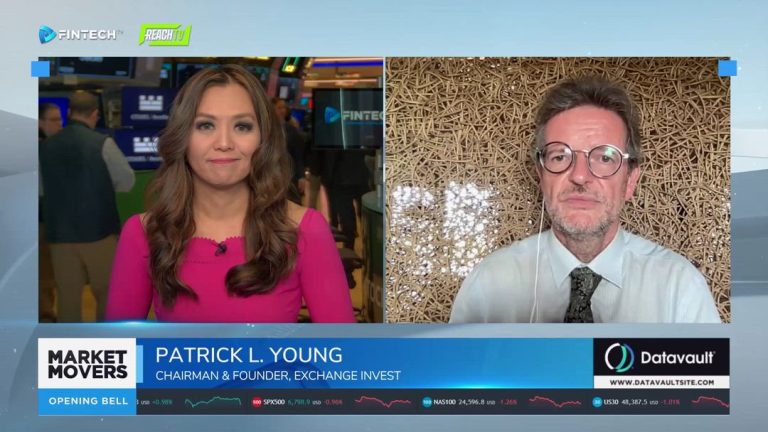
Patrick L. Young, Chairman and founder of Exchange Invest joins Remy Blaire to provide insights on the implications of Operation Epic Fury. As stock markets prepare for March trading, we see a negative outlook with stock futures in the red, while oil prices are rallying amidst ongoing conflicts involving the U.S., Israel and Iran.
He highlights the effectiveness of U.S. operations compared to past military actions and discusses the potential for regime change in Iran. Patrick touches on the reactions from various countries, including support for the U.S. from the U.K., Australia and Canada, contrasted with condemnation from Russia and China.
We explore the fragile alliances between China, Iran, and Russia, emphasizing that their cooperation is primarily driven by their mutual opposition to the U.S. rather than shared values. Additionally, we discuss the role of artificial intelligence in military operations, particularly the involvement of companies like Anthropic’s Claude and OpenAI in U.S. military strategies.
As we wrap up, Patrick shares his thoughts on the complexities of realpolitik in business and the ongoing influence of Silicon Valley in global conflicts.
The Future of Digital Assets: Volatility, Regulation, and the Rise of Tokenization
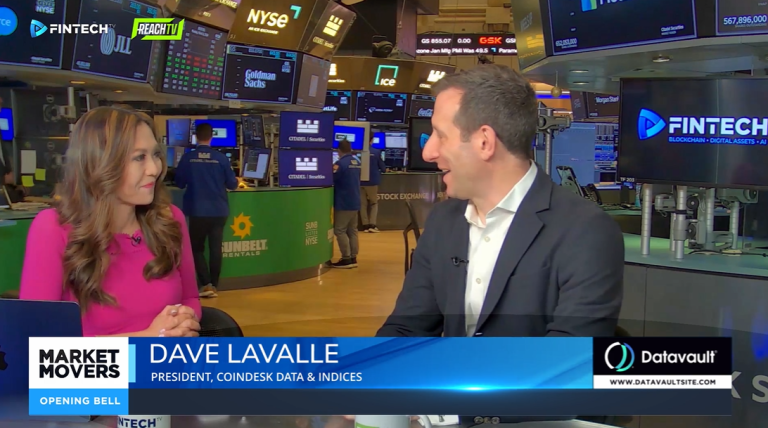
Dave Lavalle, President of Coindesk Data and Indices joins Remy Blaire to provide valuable insights into the current state of digital assets amidst ongoing geopolitical tensions.
We discuss how 24/7 trading has become increasingly relevant, allowing investors to engage with crypto assets and traditional commodities like oil and gold around the clock. Dave highlights the significant rise in prediction market volumes, particularly related to the conflict in the Middle East, although he notes that institutional players have yet to embrace these markets fully.
A key theme of the conversation was the ongoing institutionalization of crypto, especially following the launch of Bitcoin ETFs. Dave shares impressive statistics about the rapid growth of Bitcoin ETPs, which reached $100 billion in assets under management in just 11 months, a feat that took gold ETPs 16 years to achieve.
We also touch on the regulatory landscape, including the passing of the Genius Act and the anticipated infrastructure bill, which could provide much-needed clarity for the market. Dave emphasizes the importance of regulatory clarity for fostering innovation and attracting larger institutional investments.
As we look ahead, we discus the potential for tokenization in the crypto space, with stablecoins serving as a prime example of its effectiveness. Dave expresses optimism about the future of crypto, particularly as regulatory frameworks develop and institutional interest grows.
EV Charging, AI, and Green Studios: Transforming NYC with Wildflower

Jeff Getterman sits down with Adam Gordon, managing partner of Wildflower, to explore how sustainability is shaping urban infrastructure, electric vehicle charging, studios, and even Wagyu beef. Gordon shares that his focus on sustainability began in childhood, inspired by nature and conservation, and has guided his work across multiple ventures. At Wildflower, he’s driving New York City’s electric vehicle transition with strategically located fast-charging stations, while also creating the world’s most sustainable vertical film studio in Astoria in partnership with Robert De Niro, incorporating flood resilience, solar energy, and improved indoor air quality. Beyond infrastructure, Gordon’s Sonoma ranch produces high-quality, locally sourced Wagyu beef, prioritizing sustainability and community impact. He also discusses how technology and AI are influencing his businesses while emphasizing that human connection and hospitality remain irreplaceable. Looking ahead, Wildflower plans to expand its EV charging network to support the rise of autonomous vehicles and urban logistics, combining environmental responsibility with innovative urban solutions.
Jargon Translator: Gas Fees and the True Cost of Decentralization
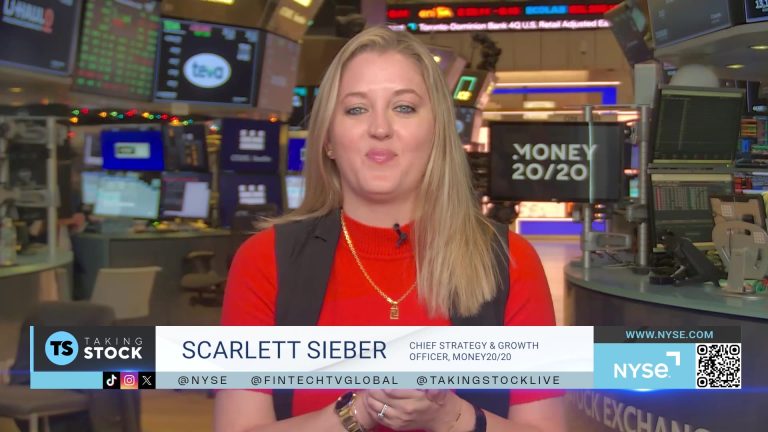
In this segment of Jargon Translator, Scarlett Sieber from Money 2020 breaks down gas fees, the often confusing but wallet-hitting costs of using blockchains like Ethereum. Think of gas fees like tolls on a highway every time you send crypto, buy an NFT, or interact with a smart contract, you’re paying to keep the network running. Fees compensate miners or validators for the computational power needed to process and secure transactions, and the more complex the transaction, the higher the gas cost. Prices fluctuate based on network congestion, so during NFT drops or high-demand moments, gas fees can spike from a few dollars to hundreds. Setting your gas too low risks a failed transaction, but you still pay for the attempt. Scarlett explains why gas fees are both a cost of decentralization and a reminder that freedom on-chain isn’t free at least until Ethereum scaling solutions fully roll out. This is jargon translated for anyone navigating the crypto world.
AI, Regulation & Tokenization: The Forces Driving Crypto’s Next Phase
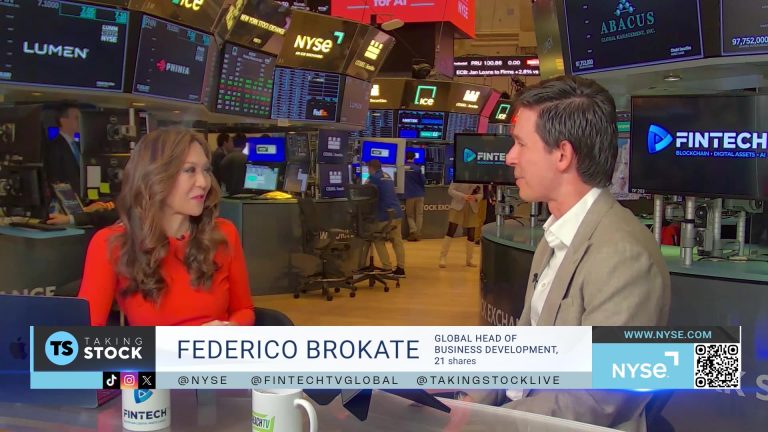
Federico Brokate, Global head of business development at 21 Shares, breaks down the shifting dynamics behind Bitcoin’s recent performance, explaining that market structure has changed since last October as leveraged positions were forced to unwind, creating selling pressure and price volatility. Despite that turbulence, he notes growing interest from professional investors, with billions flowing into Bitcoin ETFs and total assets still near peak levels signaling strong conviction across institutional, retail, and crypto-native participants. He also highlights how macro themes like artificial intelligence are influencing sentiment, as investors reassess software-driven assets alongside tech giants such as Microsoft and Amazon. On the product front, the firm is expanding its U.S. lineup with new crypto ETF strategies ranging from spot trackers to leveraged and alpha-focused offerings. Looking ahead, he expects a supportive regulatory backdrop from the Securities and Exchange Commission and growing momentum behind tokenization, pointing to initiatives discussed by Larry Fink of BlackRockand digital payment integrations explored by Facebook across platforms like Instagram and WhatsApp all signaling accelerating innovation that could reshape global financial markets.