[stock-market-ticker symbols=" ^NYA;CRYPTO:BTC;CRYPTO:ETH;CRYPTO:USDT;CRYPTO:USDC;CRYPTO:BNB;CRYPTO:ADA;CRYPTO:XRP;CRYPTO:SOL;CRYPTO:DOGE " stockExchange="NYSENASDAQ" width="100%" transparentbackground=1 palette="financial-light"]

Home Blog Page 53

Revolutionizing Connectivity: The Rise of Decentralized Physical Infrastructure Networks

Remy Blaire engages in a compelling discussion with Amir Haleem, the Founder and CEO of Helium, about the rapid growth and transformative potential of decentralized physical infrastructure networks (dPINs) in 2025.

Remy opens the conversation by highlighting the significant increase in the aggregate market cap for dPIN projects, which has surged into the billions, and notes that there are now over 1,500 active projects worldwide. She emphasizes the role of leading blockchain platforms like Ethereum and Solana in powering these initiatives. Amir provides insights into the unique nature of dPINs, explaining how they enable everyday individuals to participate in building extensive networks, such as wireless infrastructure, which traditionally has been dominated by large corporations.

Amir elaborates on Helium’s pioneering role as a decentralized wireless network, where users can install miniature cell towers, referred to as hotspots, in high-traffic areas. This innovative approach not only reduces the costs associated with building network coverage but also enhances service quality, particularly in indoor environments where traditional cellular networks often struggle.

The discussion shifts to Helium’s impressive subscriber growth, which has seen a nearly 300% increase year-over-year. Amir attributes this growth to two main factors: the cost-effectiveness of the community-built network and the improved coverage it offers. He shares that Helium Mobile has attracted over half a million users, thanks in part to its unique offerings, including a free plan that sets it apart from competitors.

As the conversation progresses, Remy asks Amir about the future of dPINs and the broader implications of this technology. Amir expresses excitement about Helium’s plans to expand into new markets, including a launch in Mexico with Telefonica. He also discusses the emergence of innovative applications within the dPIN space, such as mapping networks and GPU networks for AI inference, signaling a shift in the crypto landscape toward more diverse applications beyond financial derivatives.
Bitcoin’s Resilience: Navigating the $100,000 Threshold

“A billion and a half of outflows over the last couple of weeks is pretty significant.” – 02:22

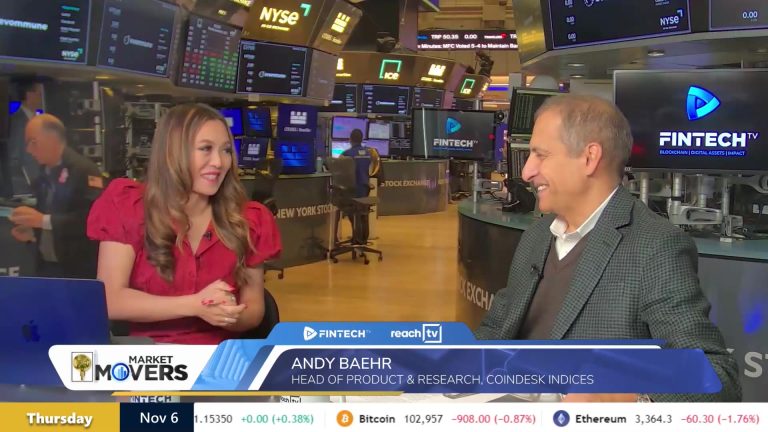
Remy welcomes Andy Baehr, Head of Product and Research at Coindesk Indices, to provide expert insights into the factors influencing the market’s current softness. Andy explains that the market is experiencing a “tender” phase, which has led to a sense of vulnerability among investors. He discusses various reasons for this softness, including lower liquidity, profit-taking by long-term Bitcoin holders, and the effects of external economic factors such as Federal Reserve policies and government shutdowns.

The conversation shifts to the importance of liquidity in the market, with Andy emphasizing that a significant amount of money is currently flowing out of ETFs. He notes that while some of these outflows may be related to arbitrage positions, the overall trend indicates a cautious sentiment among investors. Remy and Andy also explore the distinction between “fast money” and “slow money,” with Andy reassuring listeners that long-term investment interest in the crypto space remains robust.

As the episode progresses, Remy and Andy discuss the broader implications of recent market volatility, not only in cryptocurrencies but also in equity markets and other asset classes. Andy shares insights from the Ripple Swell event, where he observed notable advancements in mergers and acquisitions, as well as significant fundraising efforts that could shape the future of the industry. He emphasizes the importance of viewing the crypto landscape as a long-term technological evolution rather than getting caught up in short-term market fluctuations.

The discussion also touches on the political landscape, particularly the implications of local elections in New York and the ongoing U.S. government shutdown. Andy expresses hope that the regulatory environment for digital assets will not become more complicated with additional municipal regulations. He advocates for a balanced approach to consumer protection and regulation that can help maintain New York’s status as a leading hub for cryptocurrency.

Market Volatility and AI: What Investors Need to Know

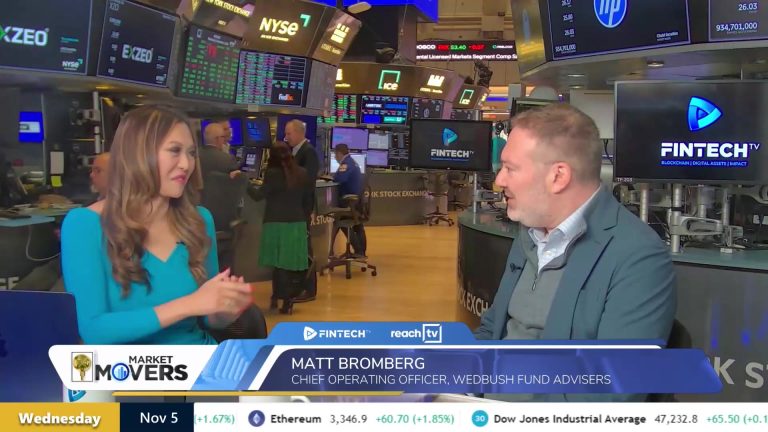
Remy Blaire engages in a compelling discussion with Matt Bromberg, the Chief Operating Officer at Wedbush Fund Advisors. The conversation centers around the current state of the U.S. stock market and the transformative potential of artificial intelligence (AI).

“This is a long-term investment strategy and theme that we have very high conviction on.” – 01:35

Remy opens the segment by highlighting the recent performance of major U.S. stock averages, which are currently in positive territory despite a recent downturn. She notes the warnings from the CEOs of Goldman Sachs and Morgan Stanley about a possible market pullback of 10 to 20 percent over the next 12 to 24 months. Despite these concerns, the discussion shifts to the factors fueling the market rally, including the AI trade and hopes for interest rate cuts.

Matt provides insights into the AI revolution, describing the market as being on the “runway, taxiing” toward significant advancements in AI. He acknowledges the hype surrounding AI but emphasizes that the fundamentals remain strong, with reasonable valuations and substantial investments from tech leaders. He expresses high conviction in the long-term potential of AI as a transformative investment theme.

As the conversation progresses, Remy and Matt analyze the recent stock movements of major tech companies, including Meta, Microsoft, Amazon, and Apple. Matt underscores the importance of valuation and the need to separate signal from noise in the AI sector. He points out that 2025 is expected to be a pivotal year for AI-related deals, particularly in the context of national security.

Matt explains that the current deal cycle differs from the speculative tech boom of the late 1990s, as companies are now making thoughtful acquisitions to facilitate innovation. He believes this disciplined approach indicates sustainable market conditions and a clear path to growth.

For retail investors looking to capitalize on the AI trade, Matt identifies opportunities across various sectors, including semiconductors, utilities, and hardware. He references the “Dan Ives AI 30” research report, which focuses on 30 companies driving the AI revolution and investing in future profitability.

Stablecoins and AI: The Future of Autonomous Financial Systems

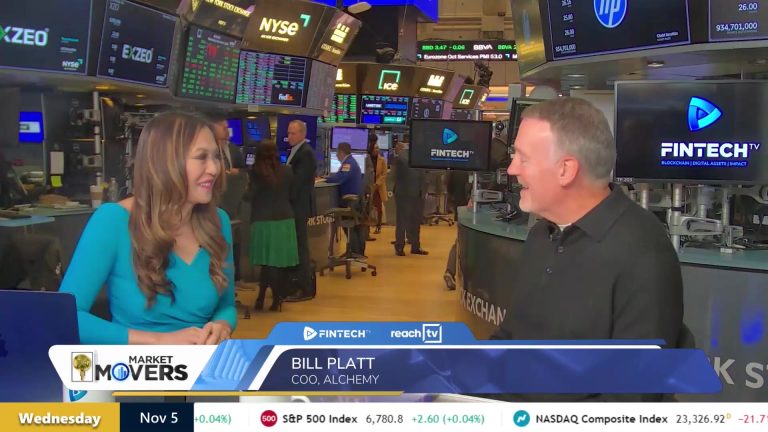
Bill Platt, the COO of Alchemy, joins Remy Blaire to discuss the transformative intersection of artificial intelligence (AI) and blockchain technology within the fintech sector.

Remy opens the conversation by highlighting the rapid growth of AI and blockchain, noting their integration and the potential benefits this brings to financial processes, such as improved transaction handling and enhanced security measures. Bill shares his perspective on the current state of these technologies, describing it as an inflection point similar to the early days of cloud computing. He emphasizes the power of combining agentic AI with blockchain, suggesting that this synergy could fundamentally change financial operations worldwide.

The discussion shifts to the concept of stablecoins, which Bill refers to as the “killer app” for blockchain. He explains how stablecoins serve as a vital bridge between traditional finance and the advantages offered by blockchain technology. Bill elaborates on Alchemy’s role in this evolution, describing the company’s infrastructure as the “plumbing” that enables seamless transactions across various applications. He clarifies that this plumbing consists of decentralized systems and APIs that work behind the scenes, allowing users to engage with financial services effortlessly.

As the conversation progresses, Remy and Bill address the critical issue of security in the realm of decentralized finance (DeFi). Bill points out that while DeFi offers benefits like speed and programmability, it must also incorporate the strong infrastructure and regulatory frameworks characteristic of traditional finance. He introduces Alchemy’s recent product innovation, Cortex, which leverages AI capabilities to enhance the speed, reliability, and throughput of decentralized finance applications, making them significantly more efficient.

Bridging Finance and Blockchain: The Launch of Sui’s New Stablecoins

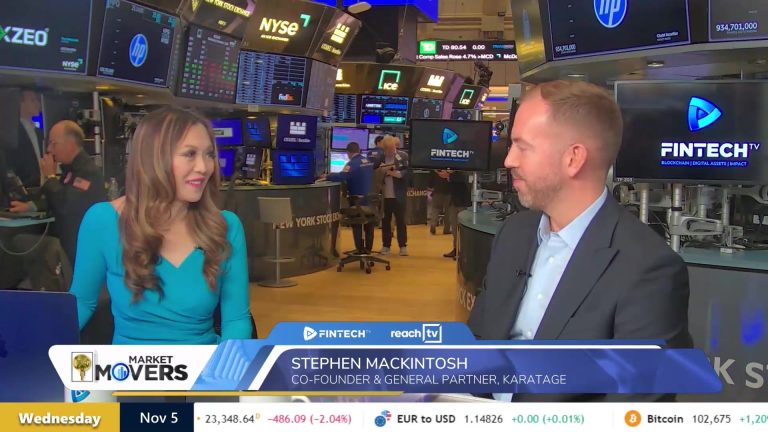
Stephen Mackintosh, Co-Founder and General Partner at Karatage, joins Remy Blaire at the New York Stock Exchange. The segment begins with an overview of a significant partnership between Swigroup Holdings and Sui Network, which enables users to deposit Sui-native USDC and Sui tokens directly. This collaboration aims to simplify the funding process for users and bridge the gap between regulated finance and blockchain technology.

Stephen elaborates on the recent launch of two new stablecoins backed by BlackRock’s tokenized money market fund: SUI-USDE, a yield-bearing stablecoin, and USDI, which is compliant with regulatory standards. He highlights the strategic importance of these stablecoins in enhancing the DeFi ecosystem on the Sui platform, noting that they are designed to keep fees and yields within the network, ultimately benefiting the community. Stephen explains how Karatage has white-labeled the Athena engine to facilitate this initiative, which has already seen substantial growth in total value locked across various DeFi platforms.

The discussion then shifts to the intersection of artificial intelligence and blockchain, particularly in light of Sui Network’s partnership with Google. Stephen shares his background in AI, having previously run an AI business that was sold to a New York Stock Exchange-listed company. He describes Sui’s object-oriented blockchain model, contrasting it with traditional account-based models and emphasizing its scalability and potential for agentic payments. Stephen outlines how the infrastructure built by the Sui team, including decentralized programmable storage and verifiable off-chain compute, is essential for enabling autonomous and verifiable transactions.

October’s Crypto Conundrum: Price Dips Amid Growing Institutional Interest

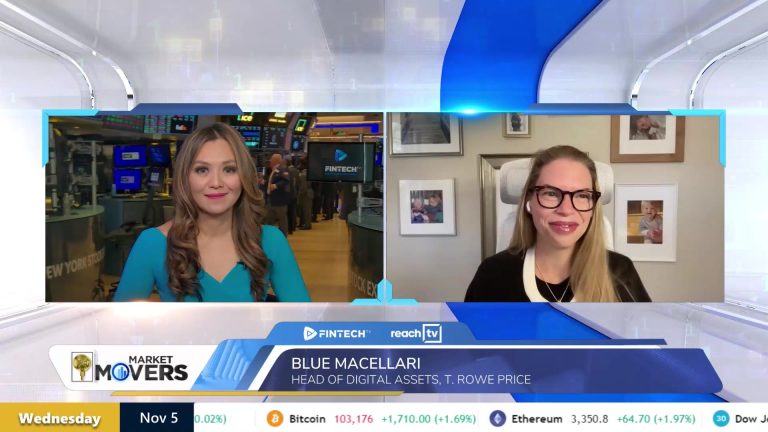
Remy Blaire engages in discussion with Blue Macellari, the Head of Digital Assets at T. Rowe Price. The conversation begins with an analysis of the cryptocurrency market’s performance in October, a month that typically sees bullish trends but has instead left investors disappointed. Bitcoin’s recent dip below the 100,000 mark raises questions among crypto enthusiasts, especially given the backdrop of increasing institutional adoption.

Blue highlights the surprising pace at which institutions are embracing blockchain technology, particularly in the realms of stablecoins and tokenization. She notes that major exchanges, including the New York Stock Exchange and NASDAQ, are actively pursuing tokenization initiatives, indicating a shift in the landscape of digital assets. Despite this institutional momentum, Blue acknowledges the challenge of translating these developments into sustained price action, particularly for the crypto-native community.

As the discussion progresses, Remy and Blue explore the divergence in sentiment between traditional investors and the crypto community. While the crypto-native sentiment appears bearish, institutional interest remains strong, as evidenced by the recent launches of Solana ETFs by Bitwise and Grayscale, which have experienced consistent inflows despite price pressures on Solana.

The conversation also addresses the ongoing government shutdown, now in its 36th day, and its implications for the regulatory landscape. Blue expresses optimism that discussions around regulation will continue, even amidst the shutdown, and she believes that clarity on regulatory matters could emerge as the year comes to a close.

Finally, Remy and Blue delve into the growing trend of major banks, such as Citi and Chase, entering the crypto space. Blue emphasizes the critical importance of technological security in crypto custody and discusses the advancements that these banks are making in their digital asset divisions. She believes that this trend will ultimately benefit the general public by allowing them to manage their crypto assets alongside traditional accounts at familiar institutions.

Building Connections: How Venmo and Bilt Rewards Are Transforming Consumer Payments

0

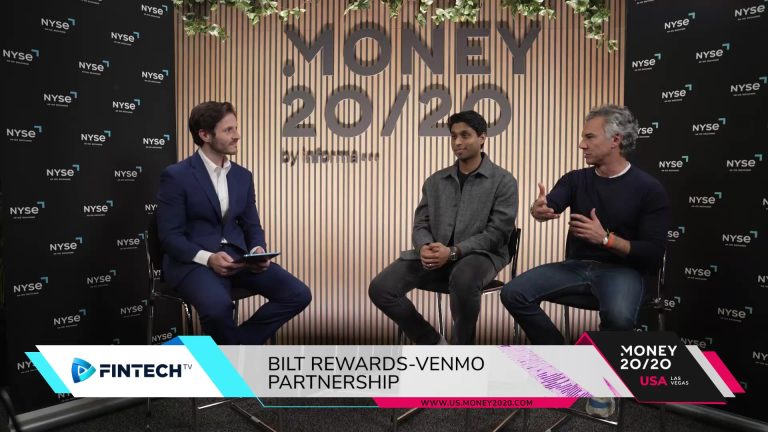
J.D. Durkin sits down with Diego Scotti, General Manager of Consumer Group at PayPal, and Ankur Jain, Founder and CEO of Bilt Rewards, to discuss their exciting new partnership, which will allow users to pay rent or mortgages directly through Venmo or the Bilt app starting in 2026.

Diego and Ankur explain the rationale behind this collaboration, emphasizing the growing demand from customers for more in-app commerce experiences. With rent and mortgage payments being significant monthly expenses, integrating these functionalities into Venmo makes perfect sense. They highlight how this partnership aims to create a seamless user experience, allowing customers to manage their housing expenses and neighborhood transactions effortlessly.

The conversation also touches on the complexities of the current economic environment, where consumers are tightening their budgets. Diego points out that by focusing on essential expenditures, such as rent and groceries, they aim to add value through rewards and a more streamlined payment process. Ankur explains that the partnership would connect consumers with local merchants, enhancing the overall value proposition for users.

Looking ahead, both express their vision for the future of payments, emphasizing the importance of building emotional connections with customers through trust and value. They believe that as technology continues to evolve, their partnership will play a crucial role in shaping the future of money and payments.

The Big Beautiful Bill: What It Means for Investors as We Approach Year-End

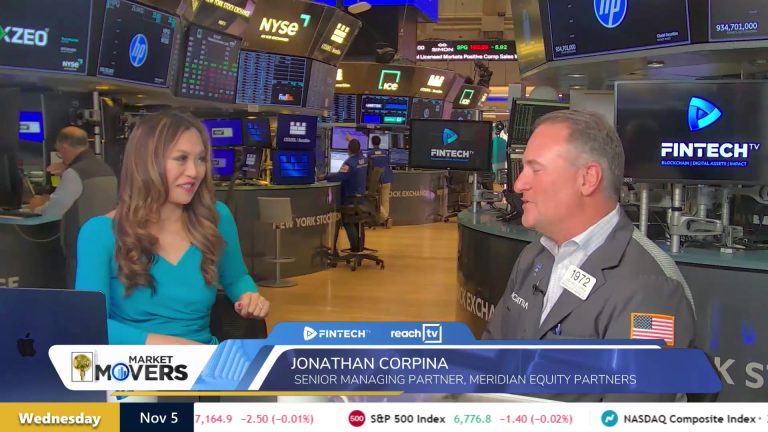
Remy Blaire engages in a detailed discussion with Jonathan Corpina, Senior Managing Partner at Meridian Equity Partners, about the current state of the U.S. stock market and the various factors influencing its performance.

The segment opens with Remy highlighting that U.S. stock futures are showing positive movement, despite recent volatility in global markets. She notes that investors are increasingly concerned about a potential AI bubble and the uncertainty surrounding U.S. interest rates. Jonathan provides context by reflecting on the significant upward movement in the market over the past six months, while also addressing the ongoing debates regarding interest rates and trade wars.

As the conversation progresses, Jonathan emphasizes the impact of the government shutdown, which has now reached its 36th day. He discusses the implications of this shutdown on economic data and market sentiment, pointing out that the lack of substantial headlines from trade negotiations and geopolitical risks adds to the uncertainty. He mentions the ripple effects of the shutdown, particularly in sectors like air traffic control and logistics, referencing recent news about UPS.

Remy and Jonathan then shift their focus to the upcoming earnings reports from key tech companies, including NVIDIA, which are anticipated to be pivotal for market direction. Jonathan underscores the importance of the AI conversation, particularly regarding companies like NVIDIA and AMD, and how these discussions could influence market trends.

The dialogue also touches on the anticipated “Big Beautiful Bill” from the government and its potential effects on the market. Jonathan expresses that while the market has experienced double-digit gains this year, a measured pullback could be healthy, providing opportunities for investors to acquire equities at lower prices.

Mamdani crypto, CZ pardon, Crypto outflows, Canada stablecoins

0

In this episode of CoinStreet, the recent New York City mayoral election, where Zoram Mamdani emerged victorious. The crypto community is on edge as industry leaders, including Gemini co-founder Tyler Winklevoss, express concerns over Mamdani’s potential impact on the city’s competitiveness and his ambiguous stance on crypto policies.

We also discuss the White House’s deliberation over a pardon for Binance founder CZ, with Press Secretary Caroline Leavitt suggesting that he was over-prosecuted by a “weaponized” Department of Justice. This revelation raises questions about the administration’s approach to crypto regulation and enforcement.

In market news, Solana ETFs have shown remarkable resilience, achieving six consecutive days of inflows, while Bitcoin and Ether funds are experiencing significant outflows. Additionally, Canada is set to introduce new legislation regulating fiat-backed stablecoins, following the U.S.’s lead in establishing comprehensive stablecoin laws. Jane King has the latest from the NYSE.

Empowering Small Businesses: Insights from Yi Liu of Gusto at Money20/20

0

Remy Blaire joins Yi Liu, the General Manager of Embedded Payroll at Gusto, during Money20/20 in Las Vegas to discuss the challenges small businesses face, particularly their limited time and resources. Gusto specializes in payroll, benefits, and HR solutions for small businesses, serving over 400,000 clients. Yi explains how Gusto enables third-party software providers to integrate payroll services, creating an all-in-one solution for small business customers.

Yi emphasizes Gusto’s mission to simplify back-office workflows, allowing entrepreneurs to focus on their core business activities, whether that’s running a flower shop or a salon. By connecting various software tools—like time tracking, payroll, payments, and accounting—Gusto aims to provide a seamless experience for small business owners.

They also touch on the importance of balancing innovation with regulatory compliance in the fintech space. Yi highlights Gusto’s partnership with U.S. Bank to ensure a secure and trustworthy payroll experience for small businesses, demonstrating their commitment to compliance while still moving quickly in the market.

Looking ahead, Yi shares insights on the evolving fintech landscape, particularly regarding cash flow management for small businesses. Gusto has launched new products, including Gusto Money and a line of credit called Payroll Bridge, to help small businesses manage their cash flow and financial decisions more effectively.