
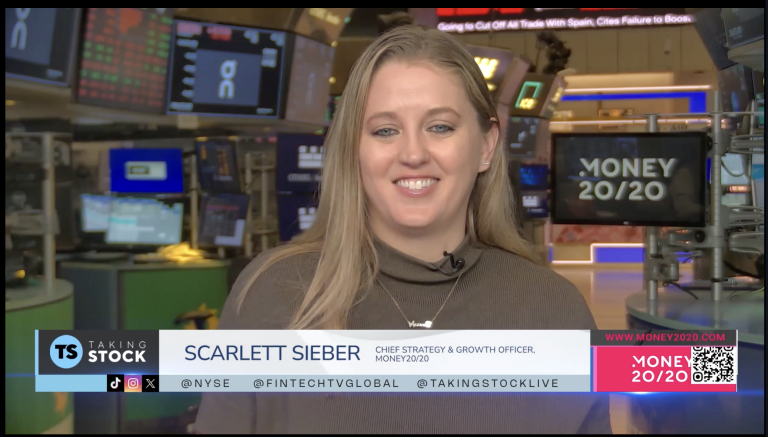
Scarlett Sieber with Money 2020, breaks down how FinTech companies actually make money. On this episode, Scarlett dives into GoCardless, the global bank-to-bank payment network quietly powering subscriptions, invoices, memberships, and all those recurring charges you meant to cancel but never did. By replacing the chaos of credit cards with direct debit, GoCardless ensures predictable cash flow for businesses and fewer headaches for customers. They generate revenue through transaction fees for direct debit and instant bank payments, success-based pricing, FX and cross-border margins, intelligent recovery tools, and enterprise implementations for global merchants. With tens of billions processed each year and deep integrations with platforms like Xero, Salesforce, Chargebee, and Zuora, GoCardless has planted itself firmly in the recurring revenue economy. Their moat? Global bank connectivity across 30+ countries, high collection reliability, and seamless integration into the software that powers subscriptions and invoices. In short, GoCardless monetizes predictability, every successful pull is a fee, and every prevented failure is value.
Dragonfly Capital on Crypto’s Future: Stablecoins, DeFi & AI at the NYSE
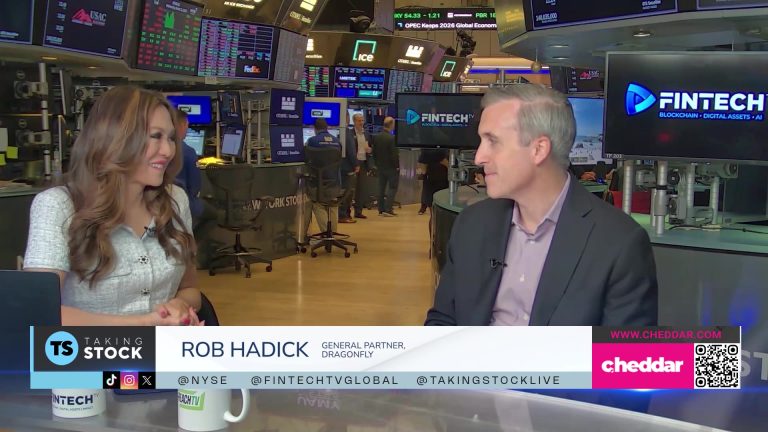
Bitcoin has rebounded from its 2026 lows, but the broader digital asset market continues to navigate a complex macro environment shaped by liquidity expectations and shifting investor sentiment. Joining from the New York Stock Exchange, Rob Hadick, General Partner at global crypto investment firm Dragonfly Capital, shares insights on the evolving landscape of digital assets and the firm’s focus after closing a $650 million fourth fund. Paddock explains that while volatility and deleveraging have shaped recent market conditions, the industry is undergoing a major transformation moving away from early Web3 experimentation and toward greater institutional participation and real-world financial integration. As venture investors looking years ahead, Dragonfly is concentrating on areas already showing real traction, including stablecoins, decentralized finance, and emerging blockchain-based financial infrastructure.
During the conversation, Hadick highlights the rapid growth of stablecoin payments and settlement, pointing to Dragonfly portfolio company Rain, which is helping power stablecoin settlement directly with Visa, a business that has scaled from virtually nothing to billions of dollars in annualized volume within a year. He also discusses the continued expansion of decentralized finance platforms like Hyperliquid, which now processes billions in daily trading volume across crypto and real-world asset derivatives. The discussion also explores the growing intersection between blockchain and artificial intelligence, including decentralized AI infrastructure, new models for coordinating AI inference, and experimental payment standards such as x402 from Coinbase. While still in the early stages, Hadick believes the convergence of AI, stablecoins, tokenization, and decentralized finance could help build the next generation of global financial rails.
Markets Near Record Highs Despite Oil Shock & Private Credit Fears
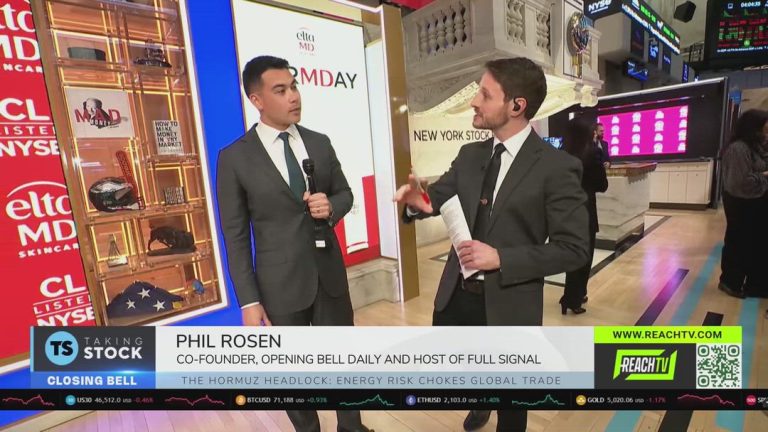
Phil Rosen, co-founder of Opening Bell Daily and host of Full Signal, joins us to break down the latest market action and what’s really driving investor sentiment. Despite ongoing volatility, rising oil prices, geopolitical tensions, and persistent inflation concerns, the S&P 500 remains just a few percentage points away from record highs highlighting the resilience of the current bull market. Rosen explains how markets have managed to absorb a series of shocks, including the recent surge in crude oil prices, with West Texas Intermediate nearing $98 a barrel and Brent Crude trading above $100. Historically, similar oil shocks have often been followed by strong equity performance over the following year, suggesting that while short-term volatility may continue, long-term bullish momentum could remain intact.
Rosen also discusses growing concerns around the private credit sector, as major firms such as Apollo Global Management, Blue Owl Capital, and KKR & Co. have experienced significant declines over the past month. With financials emerging as the worst-performing sector in the S&P 500 this year, investors are watching closely for potential cracks in the private credit market and broader financial system. Still, Rosen notes that markets often climb a “wall of worry,” and even with fears surrounding geopolitics, rising energy costs, and election uncertainty, the broader bull market has yet to break down making this one of the most fascinating environments for investors in recent years.
Inside the Bitcoin Infrastructure Powering the Future of Finance
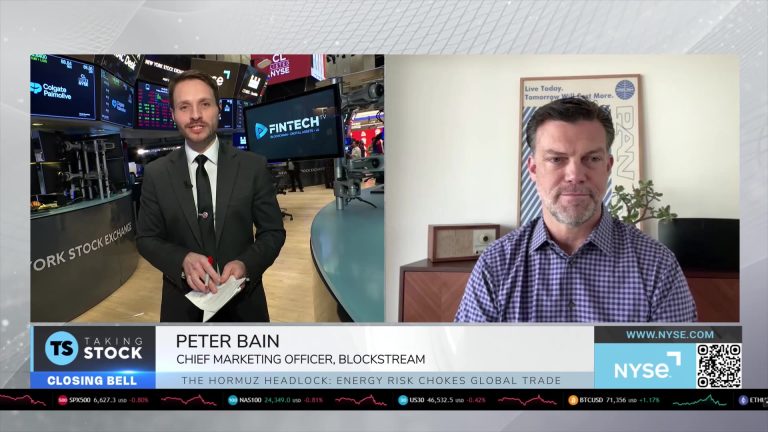
Peter Bain, Chief Marketing Officer at Blockstream, joins us on Taking Stock to discuss the company’s role in the broader Bitcoin ecosystem and the future of digital asset infrastructure. Bain explains how Blockstream focuses on strengthening and expanding the Bitcoin network through technologies that enhance scalability, security, and accessibility for both institutions and individual users. The company has been instrumental in developing major innovations such as the Liquid Network, the first Bitcoin-based sidechain, along with institutional-grade custody solutions, tokenization tools, smart contracting capabilities, and settlement infrastructure designed for the financial industry. As Bitcoin continues to evolve beyond a speculative asset, Bain highlights how infrastructure providers like Blockstream are helping bridge traditional finance and decentralized technology.
During the conversation, Bain also shares his outlook on Bitcoin’s recent price action, noting that while short-term volatility remains part of the asset’s nature, long-term momentum continues to be driven by global adoption. He discusses the shifting balance between retail investors and institutional participation, emphasizing the importance of self-custody supported by tools like the Blockstream Jade Hardware Wallet while also acknowledging the growing interest from financial institutions exploring Bitcoin as infrastructure for custody, financial products, and settlement rails. Bain also addresses concerns around Quantum Computing and its potential implications for cryptography, explaining that while it remains an important long-term consideration, practical threats to current security standards are likely decades away. He concludes by highlighting ongoing research and innovations aimed at strengthening the resilience of blockchain networks as the industry continues to mature.
‘You Don’t Really Know Anything’ – Tom Sosnoff’s Top Lessons for Investors
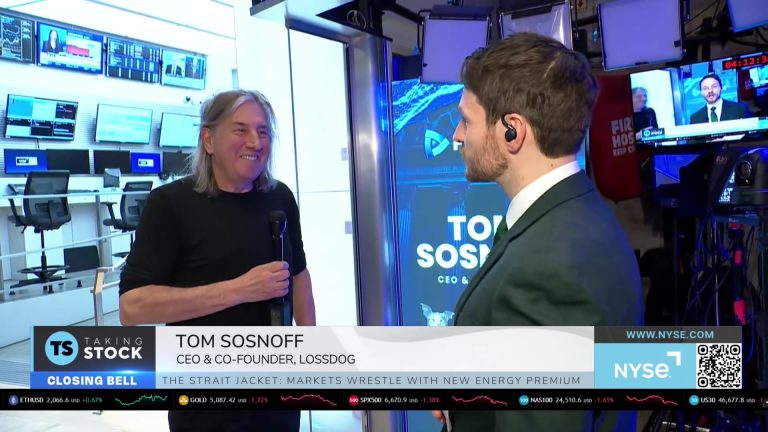
Tom Sosnoff, CEO and co-founder of Lost Dog, joins us from the trading floor of the New York Stock Exchange to share insights on his latest venture. Building on his experience with platforms like Thinkorswim and Tastytrade, Tom explains how Lost Dog helps investors optimize both their career value and portfolio value using agentic AI. The platform provides a quantitative look at your investments, helping improve cost bases, identify outlier risks, and make smarter decisions. Tom also dives into the role of AI in retail investing, emphasizing that while it can make investors smarter, it’s not a crystal ball for predicting market moves. He shares his perspective on wealth preservation amid stagflation chatter and highlights the opportunities that volatility and market noise can create. Finally, Tom leaves viewers with two timeless lessons from his 44-year trading career: “You don’t really know anything” and “stay small.”
Is Crypto Replacing Traditional Exchanges? Inside the Rise of 24/7 On-Chain Markets
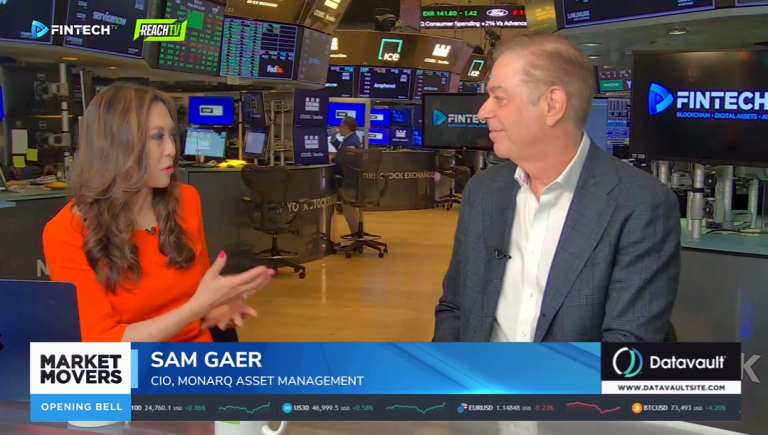
Bitcoin has surged above $73,000, breaking out of its recent trading range—and a massive structural shift may be unfolding beneath the surface of global markets. While traditional exchanges shut down over the weekend, risk never stops trading. Instead, 24/7 crypto platforms are stepping in to handle real-time price discovery and risk transfer.
Sam Gaer, CIO at Monarq Asset Management, joins Remy Blaire to explain why the latest market activity could signal a paradigm shift in financial markets, similar to the transition from open trading floors to electronic exchanges. As geopolitical tensions in the Middle East enter day 14, key assets like crude oil, gold, and silver are increasingly being priced on decentralized platforms—even when traditional markets are closed.
We also delve into why crypto markets trade 24/7 while traditional markets shut dow, the rise of on-chain infrastructure and decentralized exchanges (DEXs), the rapid growth of real-world asset (RWA) tokenization, why institutions and banks are quietly building blockchain and distributed ledger projects, what retail investors should know about market pessimism, FUD, and long-term opportunity, how potential regulation like the Clarity Act could impact the crypto industry and whether quantum computing actually poses a real threat to Bitcoin and crypto.
Oil Surge and Middle East Tensions Shake Markets — What Comes Next?
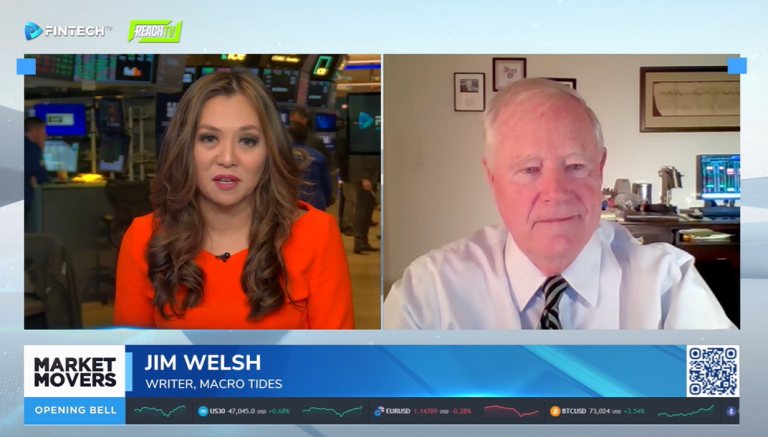
Markets are opening higher after a turbulent stretch that pushed U.S. stocks to their lowest levels of the year. While today’s bounce offers some relief, investors remain on edge as geopolitical tensions, rising oil prices, and uncertainty around artificial intelligence continue to drive volatility.
Jim Welsh, a writer at Macro Tides, joins Remy Blaire to share his insights on the current market environment and what investors should watch next.
Over the past two weeks, the biggest story impacting markets has been the escalating conflict involving Iran and the disruption of traffic through the Strait of Hormuz, sending oil prices sharply higher and raising concerns about inflation and global growth. In this conversation, we break down: why the S&P 500 may still face downside risk from a technical perspective, how rising oil prices could impact inflation and market volatility, why the Federal Reserve may remain on hold despite economic uncertainty, whether fears of stagflation are being overstated, why AI stocks could face additional downside over the next 6–12 months and growing concerns in the private credit market and what it means for financial stocks
We also discuss the broader economic backdrop, including steady GDP growth, strong fiscal spending, and how AI investment — expected to reach hundreds of billions of dollars — could impact the U.S. economy this year.
Finally, Jim explains why market breadth indicators like the advance-decline line suggest the current pullback could eventually lead to a short-term bottom before the next major move. However, with midterm election year volatility historically driving deeper corrections, investors should expect continued turbulence in the months ahead.
Wall Street Struggles Amid Geopolitics: A Long-Term Investor’s Perspective
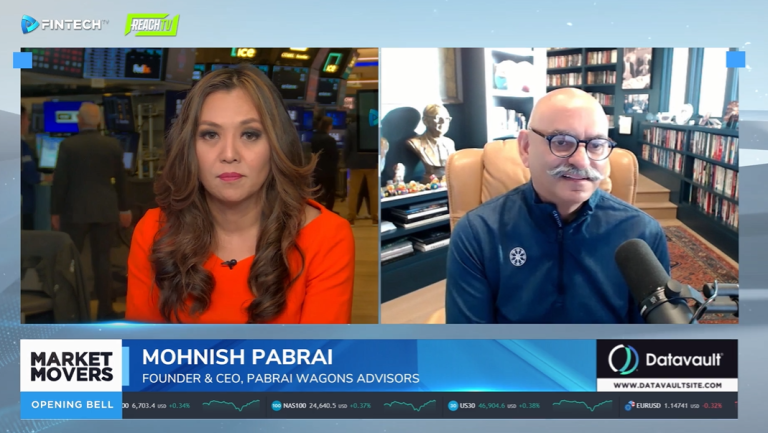
Wall Street is preparing for a higher open, but the broader market is coming off a difficult stretch. All three major U.S. indexes closed at new lows for the year on Thursday, as geopolitical tensions and macroeconomic uncertainty continue to weigh on investor sentiment. Mohnish Pabrai, the founder and CEO of Pabrai Wagons Advisors, joins Remy Blaire to share a long-term perspective on today’s market volatility and where investors may still find value.
Historically, midterm election years can be challenging for markets, and recent developments surrounding the Iran conflict have added additional pressure on U.S. equities during the first two weeks of the month.
We have a conversation on why recent market volatility may actually create opportunities for long-term investors, whether international markets could outperform the U.S. again this year, why the perceived “AI threat” to many software companies may be overstated, undervalued software businesses trading at attractive valuations and opportunities in the metallurgical coal sector due to supply-demand imbalances
We also discuss specific areas the firm is focusing on right now, including companies like Constellation Software and Alpha Metallurgical Resources, as well as how share buybacks and strong fundamentals can create long-term value for investors.
Finally, the conversation closes with an important reminder for investors: most of the market’s long-term gains historically come from a very small percentage of stocks, making it critical to identify strong compounders and hold them over time.
Markets Near All-Time Highs, But Financial Stocks Are Falling Fast: Insights from Todd Sohn
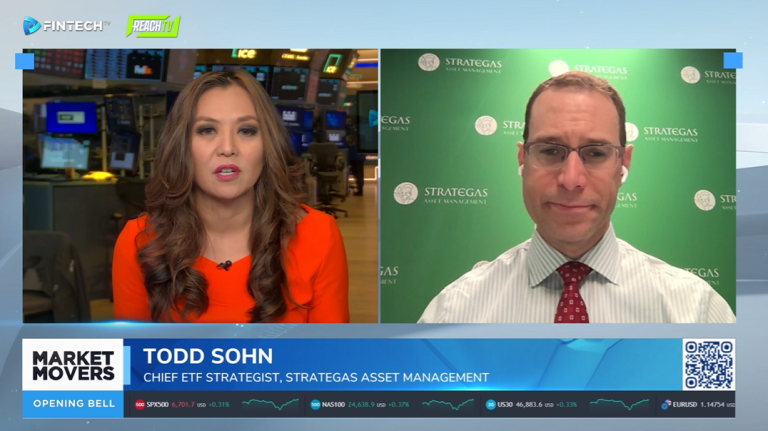
Todd Sohn, Chief ETF Strategist at Strategas Asset Management, joins Remy Blaire to break down what investors should be watching closely over the coming days. We’re taking a deep dive into the financial sector as warning signals begin to surface beneath the market’s relatively calm exterior.
Despite the S&P 500 sitting just a few percentage points below its all-time highs, financial stocks have quietly become the weakest-performing sector of the week, falling more than 11%. At the same time, trading volumes in financial ETFs are surging — a trend that has historically appeared during major macroeconomic events.
We discuss accelerating outflows from financial ETFs, rising put option activity signaling growing investor caution, large-cap banks masking broader weakness within the sector and private credit stress and redemption restrictions at some firms
While mega-cap banks have so far helped stabilize the financial sector, weakness is emerging across regional banks, insurance companies, and private asset managers. Investors are also beginning to see early signs of stress in credit markets, including widening corporate spreads and growing outflows from bank loan ETFs.
Todd explains why this moment could represent a “fight or flight” point for financials — and what it might mean for the broader market.
We also explore practical strategies for investors navigating this environment, including diversification beyond mega-cap growth stocks, exposure to real assets like energy, materials, and metals, defensive portfolio positioning during periods of volatility and alternative strategies such as low-volatility and managed futures
Finally, we discuss the growing concerns around private credit markets and whether the recent cracks could signal broader financial stress ahead.
U.S. PCE Inflation Eased to 2.8% in January, Core Reading Holds at 3.1%

Price pressures moderated slightly on a headline basis but remain above the Federal Reserve’s 2% target
U.S. inflation as measured by the personal consumption expenditures price index edged lower to 2.8% on an annual basis in January 2026, down from 2.9% in December, according to data published Friday by the Bureau of Economic Analysis. On a monthly basis, the PCE price index rose 0.3%, a slight deceleration from the 0.4% increase recorded in December.
The core PCE price index, which excludes food and energy and is closely watched by the Federal Reserve as it conducts monetary policy, rose 0.4% from the prior month and 3.1% from a year earlier, unchanged from the prior month’s annual reading and in line with economist forecasts compiled by Dow Jones.
The next Federal Open Market Committee meeting, in which interest rate cuts will be discussed, will be held on March 18. Economists have pushed back their expectations for a rate cut from March to June, expecting two quarter-point reductions by year end.
The next PCE release, covering February 2026 data, is scheduled for April 9.
View the full report here: https://www.bea.gov/news/2026/personal-income-and-outlays-january-2026