[stock-market-ticker symbols=" ^NYA;CRYPTO:BTC;CRYPTO:ETH;CRYPTO:USDT;CRYPTO:USDC;CRYPTO:BNB;CRYPTO:ADA;CRYPTO:XRP;CRYPTO:SOL;CRYPTO:DOGE " stockExchange="NYSENASDAQ" width="100%" transparentbackground=1 palette="financial-light"]

Home Blog Page 39

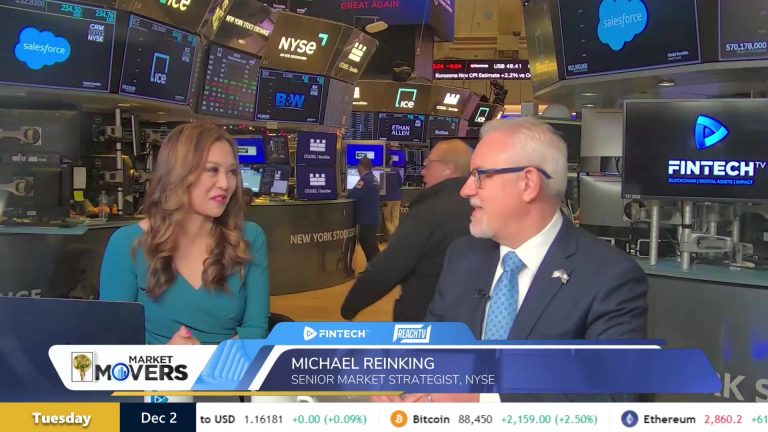
Michael Reinking Highlights Fed Uncertainty and Diverging Crypto Trends

The financial landscape has seen its fair share of turbulence as we head into December, with both equities and cryptocurrencies experiencing fluctuations. In a recent discussion, Michael Reinking, a Senior Market Strategist, shared his insights into the factors influencing the current market conditions, particularly in relation to traditional equity markets and the crypto sector.

As December kicks off, financial markets displayed a cautious demeanor, responding to various macroeconomic signals. Reinking observed that the first week of the month commenced with a notable pullback, reversing the trends of recent weeks when the S&P 500 experienced a rally of approximately 4%. This recovery led the index back to crucial technical levels, almost reaching its all-time high, illustrating a moment of resilience amidst volatility.

One of the critical drivers affecting market sentiment this December is the speculation surrounding the Federal Reserve’s interest rate decisions. Reinking highlighted that the anticipation of a 25 basis point rate cut has risen significantly, influenced by recent economic data. However, there is a caveat; contrasting economic indicators suggest that a rate cut may not be as straightforward as the market anticipates. This uncertainty is contributing to the ongoing volatility, emphasizing the intertwined relationship between economic expectations and market behaviors.

The crypto market, often viewed as speculative, has also faced its own challenges, with recent liquidation events marking a significant moment. Reinking indicated that cryptocurrency trends are starting to diverge from traditional equity performance, which could hint at an evolving landscape where investors need to pay closer attention to market dynamics across asset classes.

Looking beyond the immediate market fluctuations, Reinking introduced the importance of sector performance as we approach year-end and into 2026, a midterm election year characterized by traditionally muted returns. Identifying and focusing on sectors poised for growth will be vital for investors, particularly in anticipation of potential fiscal impulses from legislation aimed at stimulating the economy. Key levels to watch in the S&P 500 are around 3,680 and 3,690, as these points have historically indicated critical resistance and support.

December is often associated with seasonal trends favorable for stock performance; however, Reinking notes that recent years have shown inconsistent results. The traditional expectations of year-end rallies may not align with the current economic environment, making it essential for investors to adapt and monitor shifting market conditions closely.

As we close in on the end of 2023, the insights provided by Michael Reinking emphasize the necessity for investors to remain agile and informed. The interplay between equity markets, cryptocurrencies, and economic indicators will continue to shape investment strategies. By focusing on sector performance and responses to Federal Reserve policy, investors can better navigate the complexities of the current financial landscape. As the market evolves, a sustainable investing approach that considers long-term implications, combined with awareness of short-term movements, will prove invaluable.

In summary, understanding the broader context of investment decisions, especially in relation to cryptocurrencies and evolving market sectors, is paramount. With the growing intersection of finance and sustainability, alongside technological advancements presented by blockchain and AI, the future of investing lies in informed choices that align with both profitability and purpose.
Bitcoin plunges, Strategy ‘last resort’, Bitcoin mining, Fed cut?

0

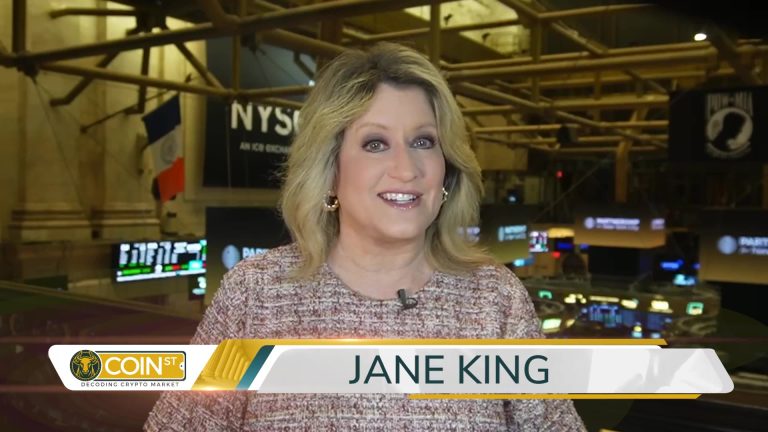
In this episode of Coin Street headlines, we dive into the latest developments in the cryptocurrency market as bitcoin and ether experience significant declines. With bitcoin dropping as much as 6% and Ether more than 7%, traders are on high alert for potential further downturns. We discuss the critical support level for Bitcoin at $80,000 and the implications of low inflows into bitcoin ETFs. Join us as we analyze the challenging month of November for the crypto industry, where Bitcoin’s price fell by 20% and the stablecoin market saw a $2 billion capitalization decrease. We also explore the insights from Strategy CEO Phong Le regarding Bitcoin’s stock performance and the potential need for Strategy selling if conditions worsen. Additionally, we cover the upcoming difficulty adjustment for bitcoin mining, projected for December 11, and the challenges facing the mining industry, including regulatory issues and rising energy costs. Finally, we highlight the recent rally in crypto-linked stocks, driven by increasing odds of a Federal Reserve rate cut, and the performance of U.S.-listed Bitcoin miners like Cleanspark, Riot Platforms, and Cipher Mining. Jane King with the latest from the NYSE.

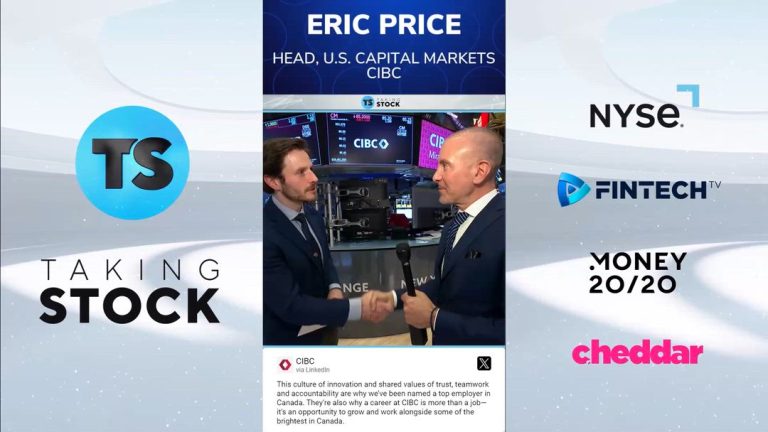
CIBC’s Miracle Day Continues Legacy of Giving as Eric Price Rings the Closing Bell

0

On Monday, Fintech’s Taking Stock featured Eric Price, the head of US capital markets at CIBC, who recently had the honor of ringing the iconic closing bell at the New York Stock Exchange, marking a significant moment not only for him but also for the broader community involved in Miracle Day.

Eric Price’s experience at the New York Stock Exchange is a once-in-a-lifetime moment that he cherishes, especially as it aligns with CIBC’s commitment to philanthropy and social responsibility through Miracle Day. For 12 consecutive years, CIBC has participated in this unique initiative, which has grown significantly since its inception in 1984.

Miracle Day represents the spirit of community and charity, where CIBC donates all fees and commissions generated that day to children’s charities in the local area. This year marks the 41st anniversary of this impactful event. Initially started by a group of brokers who wanted to turn financial momentum into tangible benefits for underprivileged children, Miracle Day has evolved while firmly staying true to its core values. Eric points out that, more recently, the initiative has embraced greater celebrity support, adding notable figures to its roster of advocates, thereby amplifying its reach and impact.

The tangible benefits of Miracle Day are evident, as seen through the stories of impacted children and communities. One particularly poignant moment mentioned by Eric is the overwhelming gratitude expressed by children who benefit from the charities supported by CIBC. One charity builds bunks at summer camps, which are named after CIBC, and the children who utilize these facilities express their heartfelt thanks during their visits. Such connections not only illustrate the importance of Miracle Day but also reflect the spirit of giving that CIBC champions.

As Eric prepares to leave the exchange following the bell-ringing ceremony, he also shares his insights regarding broader market trends and the priorities for CIBC moving forward. Despite a slight downturn in the markets on the day of the closing bell, Eric remains optimistic about the trajectory of the economy and CIBC’s stock performance. With anticipated interest rate cuts on the horizon, Eric believes these changes will foster continued economic growth.

Eric Price’s role at CIBC exemplifies the intersection of finance and philanthropy. By leading initiatives like Miracle Day, he indicates the crucial role that financial institutions can play in promoting social good while simultaneously sustaining their business objectives.

In conclusion, Eric’s perspective emphasizes the importance of social responsibility in today’s financial landscape, particularly in the context of sustainability and impact investing. As we look ahead, CIBC’s commitment to initiatives like Miracle Day not only supports local communities but also sets a precedent for other organizations in the finance sector, underlining the potential for capital markets to drive real-world change.

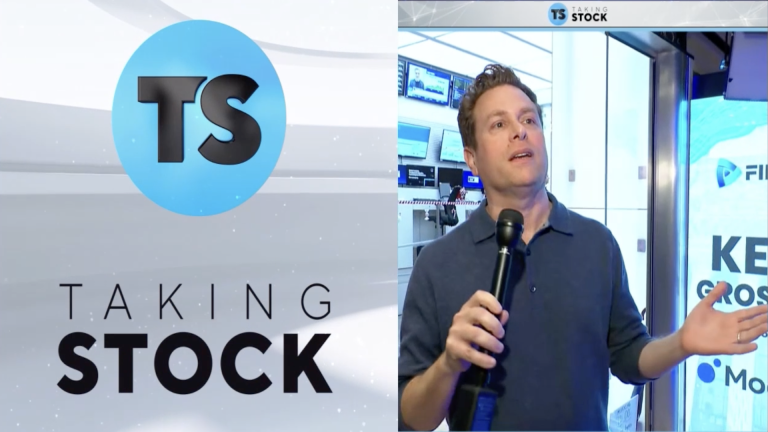
Keith Grossman Details MoonPay’s Role in Merging Traditional Finance With Crypto

0


Keith Grossman, the president of MoonPay, recently shared insights on the evolving landscape of cryptocurrency during his appearance on Fintech TV. With a firm focus on bridging the gap between traditional finance and the crypto ecosystem, Grossman elaborated on the significance of MoonPay’s role—which he likened to PayPal, providing users a seamless entry and exit into the world of cryptocurrencies. As the conversation unfolded, Grossman discussed MoonPay’s recent achievement in acquiring a New York Trust charter, signifying compliance and regulatory adherence in a rapidly changing environment.

MoonPay serves as a critical platform in the cryptocurrency market, facilitating transactions in a variety of digital assets, including stablecoins, Bitcoin, and other cryptocurrencies. Grossman highlighted the importance of the recent regulatory clarity emerging in 2025, which he believes is heralding a “golden age” for crypto. This clarity is poised to provide stability and attract capital, which is vital for institutional adoption and overall market growth.

While discussing the volatility of cryptocurrency, notably in the context of recent price fluctuations—where Ethereum and Bitcoin saw significant declines—Grossman emphasized the long-term potential of investing in crypto. His candid comparison of personal health concerns while reacting to market downturns served to illustrate the high-stress environment of crypto trading. For those considering investments in this space, he noted the crucial differentiation between short-term trading tactics and long-term investment strategies.

As we move toward the end of 2025, Grossman elaborated on the unique nature of stablecoins within the digital finance ecosystem, categorizing them as a distinct vertical within the broader horizontal framework of digitization. Here, he drew analogies to technological advancements in telecommunications, suggesting that stablecoins could transform how we perceive and interact with money in the digital age.

This transformation paves the way for a new financial landscape, one where digital assets and finance are integrated seamlessly into everyday transactions. Grossman stressed that as stablecoins allow for real-world dollars to seamlessly enter the digital ecosystem, they represent a significant innovation in how financial transactions are conducted.

For entrepreneurs and investors alike, understanding the implications of these innovations is crucial. As we look toward 2026 and beyond, Grossman’s insights provide a foundation for comprehending the evolving dynamics of finance and cryptocurrency. The concept of embedded finance, powered by stablecoins, emphasizes the seamless convergence of traditional finance with digital assets, making it an area ripe for exploration and investment.

In addition, Grossman’s comments reflect a broader trend towards sustainability in the crypto space, as regulatory frameworks increasingly consider the implications of blockchain technology on sustainable development goals (SDGs). This presents exciting opportunities for conscientious investing, where the intersection of cryptocurrency, finance, AI, and sustainability can create impactful solutions for global challenges.

In conclusion, Keith Grossman’s discourse on MoonPay encapsulates the essence of today’s transformative financial landscape driven by cryptocurrency. As the convergence of digital assets with traditional finance continues, both investors and entrepreneurs are encouraged to explore innovative pathways that present sustainable and impactful investment opportunities. As we stand on the cusp of a new era in finance, the importance of understanding these concepts cannot be overstated.

End-of-Year Trading Heats Up as Peter Tuchman Shares Market Outlook

0

In a recent engaging discussion, Fintech welcomed renowned senior floor trader Peter Tuchman from TradeMas, who provided astonishing insights into the current financial landscape. With Thanksgiving in the rearview mirror, the conversation focused on seasonal trends, market behaviors, and profit dynamics as we transition into December—one of the busiest months for traders.

The month of November had been particularly volatile yet rewarding for investors. Tuchman highlighted the remarkable returns during a five-day bullish rally that characterized the latter part of November. Despite a brief downturn, attributed to the Federal Reserve’s comments regarding interest rate cuts, Tuchman expressed optimism, framing the November trading period as resilient rather than catastrophic.

As a senior trader, Tuchman possesses a deep understanding of how market sentiment and macro-economic factors can influence trading behavior. His comments reflect a balance of caution and hope, particularly in light of the Fed’s potential shift in interest rate policy. With an 85% probability of an interest rate cut looming, traders are presented with an opportunity for growth, especially in sectors that have struggled under higher rates, such as real estate and housing.

Looking ahead, Tuchman emphasized the importance of profit-taking strategies among high-performing hedge funds and family offices as they wrap up their financial books for the year. In December, the focus will shift to significant market events, including the S&P and Russell Rebalances, which often prompt heightened trading volume. Tuchman illustrated that this month would likely see active tax harvesting and profit-taking maneuvers as institutional players look to maximize their end-of-year returns.

Furthermore, he elaborated on the critical role of trading volume during this festive season. November showed some impressive numbers, inching above one billion shares traded daily. Tuchman highlighted that such indicators are essential for understanding market dynamics and investor behavior. A depth of understanding in advanced declines reveals broader trading patterns, pointing to potential sell-offs or position reallocations as traders strategize for the coming year.

What makes Tuchman’s insights even more compelling is his connection to emerging technologies such as blockchain, cryptocurrency, and artificial intelligence. These revolutionary tools are transforming financial markets, enhancing both trading efficiency and investor experience. As blockchain continues to integrate with traditional finance, Tuchman’s observations hint at an exciting future for sustainable investing and the utilization of cryptocurrencies like Bitcoin, which align with the Sustainable Development Goals (SDG).

Overall, the conversation with Peter Tuchman encapsulates a dynamic blend of immediate market trends and broader economic indicators. His perspective underscores the critical relationship between market psychology, institutional behavior, and emergent technologies. While navigating the complexities of market fluctuations, investors must remain astute and informed, balancing between short-term profit-taking and long-term sustainable investment strategies.

As we delve deeper into December, the focal point will undoubtedly remain on how monetary policy, trading volumes, and seasonal trends interact to shape investment outcomes. With experts like Tuchman at the forefront, the financial community can glean valuable insights into maneuvering through the ebb and flow of market cycles.

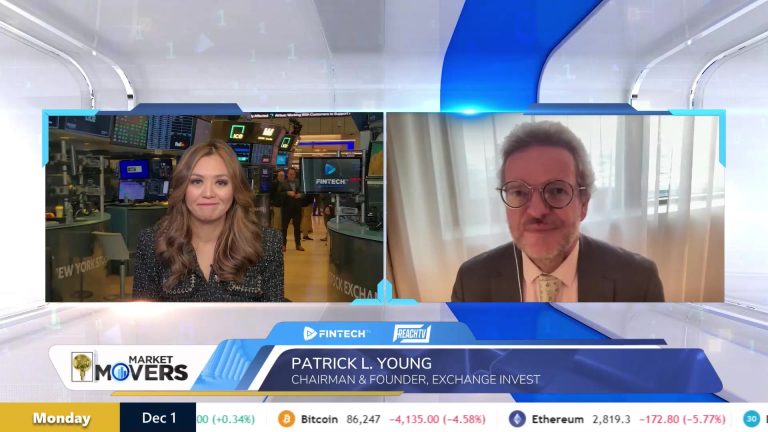
Patrick L. Young Breaks Down Global Tensions and Market Risks

In a recent discussion with Remy Blaire, economic expert Patrick L. Young, the chairman and founder of Exchange Invest, weighed in on key geopolitical topics affecting global markets. His insights shed light on the tense situation surrounding Venezuela, the evolving relationship between the U.S. and China, and underlying challenges in the UK and Ukraine. As global investors seek clarity amid uncertainty, Young’s perspectives provide valuable context for understanding shifting economic dynamics.

The U.S. government’s recent declaration of closure regarding Venezuelan airspace signals a potential escalation in its standoff with President Nicolás Maduro’s regime. Patrick Young pointed out that the signs suggest an endgame for Maduro, facilitating negotiations aimed at securing his safety and salvaging his legacy as he navigates the precarious situation. However, he remains skeptical about the necessity of U.S. military intervention, emphasizing that ongoing operations against drug trafficking could serve as pressure sufficient to force a regime change without direct military action.

Amid these developments in Venezuela, Young also noted a noteworthy shift in the diplomatic tone between the U.S. and China. Following a recent call between President Trump and President Xi Jinping, optimism appears to be gradually taking root. As Trump asserts the importance of exporting American agricultural products, including soybeans, it becomes evident that fostering a cooperative environment is essential for both nations in light of China’s slower-than-anticipated economic growth. Young remarked on the Chinese government’s strategic withdrawal of support for the Venezuelan regime, potentially as a conciliatory gesture towards the U.S.

The economic forecasting for the UK raises eyebrows, notably due to accusations against Chancellor Rachel Reeves regarding the transparency of the nation’s public finances. Young critiques the government’s excessive spending, suggesting that the imposition of substantial tax increases could lead to a loss of entrepreneurial talent as the wealthy seek opportunities elsewhere. This situation signals a potential downward spiral, exacerbating existing economic weaknesses in a state that has sought to manage continuing budget deficits without adequate reform or accountability.

The conversation further explored concerns surrounding Ukraine as President Volodymyr Zelensky faces increased scrutiny following the resignation of a key wartime official over corruption allegations. Young emphasized the long-standing issues plaguing Ukraine’s economy, suggesting that despite international sympathy during the conflict with Russia, systemic corruption remains a severe barrier to effective governance and reform. As the country battles internally and externally, Zelensky’s leadership faces significant challenges that could complicate peace processes and undermine efforts for stability.

Moreover, Young highlighted macroeconomic indicators, particularly Japan’s 10-year government bond yields reaching heights not seen since 2008. With Japan’s yields closely approaching levels offered by U.S. bonds, the potential for shifts in investment patterns raises flags for American financial markets. Young cautions that a reduction in demand for U.S. debt by Japanese investors could catalyze a broader crisis, reiterating the importance of vigilance in navigating these sudden changes in the global economy.

Patrick Young’s analysis delivers crucial insights into the nexus between geopolitics and economics, illustrating the interplay between U.S. foreign policy, trade relations, and domestic challenges faced by several nations globally. As investors assess these trends, the importance of understanding context and historical precedents is underscored, guiding strategies in the ever-evolving landscape of finance and international relations.

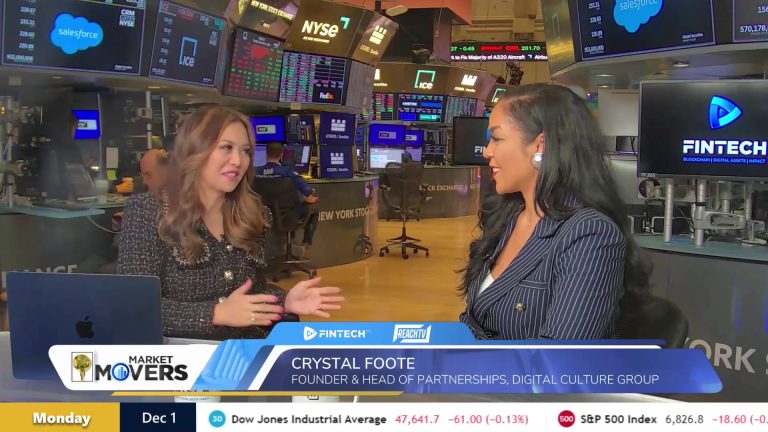
Crystal Foote: Why Holiday Branding Is Embracing Chaos and Authenticity

This holiday season, brand campaigns are evolving to reflect a more authentic portrayal of festive moments, steering away from the overly polished scenes we’re accustomed to. As nostalgia continues to reign supreme, brands are increasingly embracing chaos, messiness, and genuine human experiences that resonate more deeply with consumers. In an insightful discussion at the New York Stock Exchange, Crystal Foote, the founder and head of partnerships at Digital Culture Group, shared her perspective on how businesses can connect with their audiences during this pivotal shopping period.

With record-breaking sales numbers during the holiday weekend, Crystal emphasized the importance of authenticity in brand messaging. According to her, brands must take the time to understand their core consumers and speak to them in a way that resonates personally. She noted that in a world where every dollar counts, consumers are looking for brands that can enhance their lives and offer convenience, especially at this time of year.

The data reflects a shift in consumer behavior, with a reported need for brands to align more closely with the needs and realities of their customers. For Crystal, this means understanding what small actions or offerings can help consumers feel supported amidst their holiday shopping chaos. She pointed out that Thanksgiving, Black Friday, Small Business Saturday, and Cyber Monday open a plethora of opportunities for brands to make meaningful connections.

One of the key insights Crystal shared was the vital role small, community-rooted businesses play in this cultural landscape. Citing that these establishments are responsible for over 50% of employment in the country, she stressed the importance of supporting local businesses alongside larger retailers. Crystal’s argument is that small businesses are often the innovators within their communities, engaged in crafting products and services that reflect local values and needs.

As the conversation turned to cultural intelligence, Crystal highlighted the differences in sales and engagement strategies between small businesses and large retailers. She explained that small businesses focus on creating handcrafted, locally sourced items, which avoids many issues that arise from overseas production and tariffs. Crystal argued that shopping locally not only benefits the community but also supports entrepreneurs striving to provide for their families.

With the hosting backdrop of the New York Stock Exchange, Crystal underscored that all businesses—irrespective of size—are navigated by various external forces that affect their profitability. Tariffs and economic downturns certainly play a role, but there is also immense potential for growth and community support. For viewers looking to support local brands during this holiday season, Crystal’s advice extends to looking at nonprofit organizations that also require support. She shared a powerful example of a campaign run for Toys for Tots, which resulted in providing gifts for 12 million children across the country due to effective marketing efforts.

Crystal concluded with a call to action for shoppers this holiday season. She believes consumers must explore options beyond just larger retail giants, but also embrace the spirit of giving by supporting nonprofits and small businesses alike. The landscape of holiday shopping is shifting, and now more than ever, there are ample opportunities to make a positive impact.

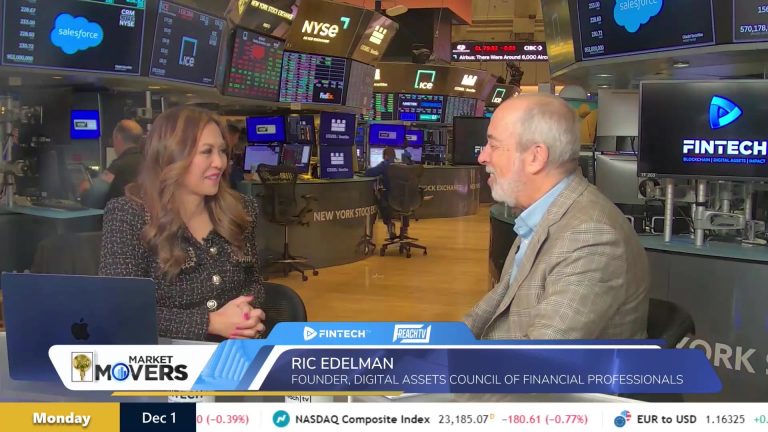
Ric Edelman Weighs In on Crypto Volatility and College Costs


In December, the crypto landscape looks to Bitcoin, a major player that has recently seen fluctuations impacting investor sentiment. Following a sharp decline to around $80,000, Bitcoin has attempted to stabilize near the $86,000 mark. Despite potential catalysts like a stock upgrade, ETF rebounds, and possible interest rate cuts from the Federal Reserve, confusion reigns in the market. Financial expert Ric Edelman, the founder of the Digital Assets Council of Financial Professionals (DACFP), provides insights into the current state of Bitcoin and its implications for investors.

At the onset of this high-stakes month, Bitcoin’s volatility has left many investors scratching their heads. A sudden 6% drop on Sunday occurred with no clear triggers, signaling a trend of profit-taking and deleveraging that has been consistent for the past month and a half. According to Edelman, this situation reflects a natural phase in market cycles. He reassures potential investors that these fluctuations do not predict long-term negative trends.

Edelman emphasizes the importance of portfolio management during December, a time when year-end tax planning becomes crucial. Many investors may be liquidating positions to capitalize on capital gains before potential tax law changes next year. This strategy highlights an opportunity for new investors to buy into Bitcoin at a relatively lower price.

As the landscape of cryptocurrency continues to evolve, Edelman observes that the historical four-year cycle associated with Bitcoin is losing relevance. Institutional investors are now playing a larger role in the market, prioritizing long-term holdings which provide financial stability, consequently diminishing the likelihood of dramatic price drops. This shift may offer a floor under Bitcoin’s value, which could lead to significant price appreciation in the future.

Beyond the crypto discussion, Edelman is also promoting his new book, “The Truth About College,” during his latest book tour. With rising college costs, he aims to address parents’ concerns about whether a college degree still represents a sound investment. His insights are timely; more students face challenging decisions, as college can sometimes lead to financial burdens that outweigh the benefits.

Edelman reflects on the current state of higher education, noting the high dropout rates and the need for serious conversations between parents and their children. He urges parents to engage their kids with practical questions about education pathways, including the relevance of their chosen majors and the financial viability of their education.

For those who have begun college but did not finish, Edelman encourages pursuing that degree, highlighting that many states now offer free degrees or employers willing to cover tuition costs. Advances in online education make it easier than ever to complete a degree on one’s own schedule, turning previous investments of time and money into tangible qualifications.

Ric Edelman’s insights into the cryptocurrency market and the changing landscape of higher education provide beneficial guidance for both crypto investors and parents contemplating college for their children. His emphasis on long-term thinking and careful planning reflects a broader trend towards more informed decision-making in both finance and education sectors.

In conclusion, as Bitcoin navigates through turbulence this December, investors are advised to remain level-headed and consider the broader implications of economic trends while also staying informed about educational opportunities for the next generation. Ultimately, both markets face rapid evolution, creating new avenues for success in financial and academic endeavors.

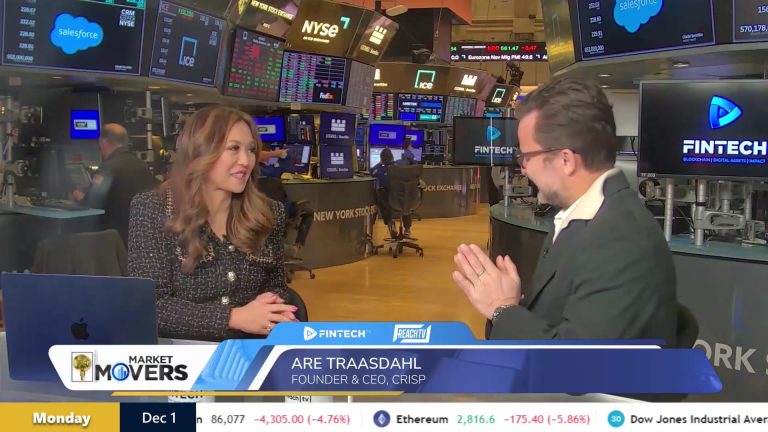
Are Traasdahl Breaks Down How AI Is Reshaping Holiday Shopping


During this holiday season, the shopping landscape has undergone a significant transformation. With more consumers opting for online purchases over traditional in-store shopping, particularly during major sales events like Black Friday and Cyber Monday, brands are forced to adapt to meet these changing shopping behaviors. For Consumer Packaged Goods (CPG) brands, the challenges are multifaceted as they grapple with navigating unpredictable demand, competitive pricing, and the risk of stock outages.

To shed light on how artificial intelligence (AI) and data tools are playing a pivotal role in helping brands make informed decisions in real-time, Remy Blaire had the pleasure of speaking with Are Traasdahl, the founder and CEO of CRISP, an AI-powered commerce intelligence platform. His insights into the current retail landscape, especially in light of shifting consumer behaviors and rising prices, proved invaluable.

According to Traasdahl, this year has been particularly challenging for CPG brands, largely due to a combination of tariff changes and increased consumer prices. Despite these hurdles, he noted that there remains remarkable resilience in the economy alongside strong performance indicators. The brands that thrive are those embracing technology and data-driven approaches to stay agile amidst uncertainty.

AI, he highlighted, is transforming the retail landscape, especially as we look ahead to 2025 and beyond. A significant point of discussion was the integration of AI into consumer shopping experiences, especially concerning new innovations from OpenAI. Should chatbots like ChatGPT begin incorporating shopping capabilities or ads within conversations, it could drastically reshape how consumers interact with and purchase products. Such advancements could give retailers, particularly Walmart, a competitive edge, as it has established a close relationship with OpenAI, in comparison to Amazon.

For CPG brands, staying competitive while avoiding stock outages is crucial. Traasdahl provided the example of ZURU, an impressive toy company based in Australia boasting $2 billion in sales, which successfully employs AI and data to precisely gauge demand at local storefronts, track shelf availability, monitor daily pricing, and manage advertising efforts. The need for all aspects of supply chain and marketing to operate cohesively has never been greater.

Traasdahl’s experience in tech spans over 25 years, and he remarked that the speed of AI adoption in recent months has been unlike anything he’s seen before. Companies are not waiting months to implement AI solutions; they are diving in headfirst, increasingly motivated by evolving consumer behaviors and the necessity to invest in future-proof strategies.

For consumers seeking to navigate the current retail environment intelligently, especially during Cyber Monday, Traasdahl believes that AI shopping agents represent a significant trend. These agents promise to personalize shopping experiences and save consumers both time and money by identifying the best deals available. Notably, the surge in AI-driven traffic to shopping sites this holiday season indicates that consumers are beginning to see the benefits of this technology.

As we turn our gaze to 2026, Traasdahl discussed the implications of vertical AI, emphasizing its potential to revolutionize various industries, including retail and healthcare. He defines vertical AI as a deep, specialized understanding of an industry, suggesting that solutions tailored to specific market landscapes will be critical for retailers, manufacturers, and distributors in managing increasingly complex ecosystems.

In conclusion, the holiday retail environment this year is more complex than ever, and CPG brands must leverage AI and data to navigate unpredictability successfully. As consumers adjust to new shopping paradigms, the integration of advanced technologies will not only benefit retailers but will also enhance the overall shopping experience for consumers. As we embrace these advances, it’s clear that AI will play an integral role in shaping the future of retail.

Major Wittenberg: Why Giving Matters More Than Ever This Season

0

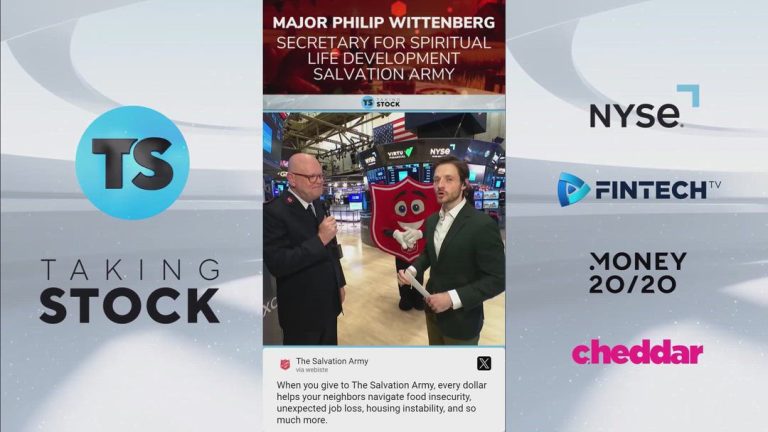
Joining Fintech on this special Thanksgiving eve is Major Philip Wittenberg from the Salvation Army, alongside Shieldy. They recently rang the closing bell at the New York Stock Exchange, marking a beautiful tradition during the holiday season. This ceremony is not just a ceremonial act but a significant call to action for generosity, emphasizing the spirit of Thanksgiving and the importance of giving back to the community.

The ringing of the bell is a poignant reminder of the vital work the Salvation Army does for those in need, particularly in New York City, where their initiatives have a profound impact. Major Wittenberg shared a heartfelt account of handing out 200 Thanksgiving meals in Astoria, Queens. This personal story highlights the hands-on approach the Salvation Army takes to serve the community, ensuring that those in need receive support and nourishment during festive seasons. As Major Wittenberg pointed out, the Salvation Army distributed thousands of Thanksgiving meals across the metropolitan area in the days leading up to the holiday, showcasing their widespread commitment to service.

While the efforts of the Salvation Army are laudable, Major Wittenberg also addressed the increasing challenges that nonprofits face regarding fundraising. The shift to a cashless society presents obstacles, as traditional methods like using red kettles on street corners become less effective. As they adapt to these changes, corporate partnerships play an essential role in the Salvation Army’s fundraising strategy. By collaborating with corporate entities, they aim to innovate how they gather resources, ensuring that their support for the community continues to thrive.

Moreover, the importance of corporate partnerships cannot be overstated. They allow the Salvation Army to expand its reach and maximize the impact of their efforts. As organizations look to support worthy causes, they help facilitate smoother fundraising processes, enabling the Salvation Army to continue its mission that dates back to the 1880s in New York. The synergy between corporate support and charitable endeavors is crucial in these challenging times.

For those looking to support the Salvation Army this holiday season, Major Wittenberg encourages individuals to visit salvationarmyusa.org. There, people can explore various opportunities to give and volunteer year-round, particularly during Christmas and the days after Thanksgiving. The call to action extends beyond the holiday, inviting individuals to contribute to a legacy of giving that has persisted for over 130 years.

Integrating themes of community service, social responsibility, and the impact of generosity, the conversation with Major Wittenberg serves as a powerful reminder of the importance of giving back. In an age where digital currency and cashless transactions are on the rise, the challenge of maintaining generosity in society compels organizations like the Salvation Army to find innovative solutions. This resonates with entrepreneurs and businesses focusing on impact investing and sustainability.