[stock-market-ticker symbols=" ^NYA;CRYPTO:BTC;CRYPTO:ETH;CRYPTO:USDT;CRYPTO:USDC;CRYPTO:BNB;CRYPTO:ADA;CRYPTO:XRP;CRYPTO:SOL;CRYPTO:DOGE " stockExchange="NYSENASDAQ" width="100%" transparentbackground=1 palette="financial-light"]

Home Blog Page 38

‘Healthy Market Dynamic’: ETF Rotation Suggests Bull Run Has More Fuel Ahead

December 2025 is shaping up to be an eventful month for Exchange-Traded Funds (ETFs), marked by a remarkable rise in derivatives usage and more than $500 billion now linked to complex ETF strategies. This surge signals a major evolution in how investors deploy ETFs within the modern financial landscape. With the current fiscal year on track to become a record-setter for equity ETF flows—despite rapid shifts in investor behavior—the momentum behind ETFs is unmistakable. In this article, we break down the hottest trends in ETFs, derivatives, and thematic investing as discussed by Todd Sohn, Senior ETF and Technical Strategist at Strategas Asset Management, during a recent conversation at the New York Stock Exchange.

The discussion opened with a sweeping look at the extraordinary growth within the ETF world, driven by substantial net inflows and a steady launch of innovative funds. The renewed interest correlates with the broader bullish tone in equity markets, particularly since April 2025. Investors are beginning to seek more diverse and sophisticated strategies beyond traditional passive vehicles, marking a clear transition away from the “ETF 1.0” era that dominated the first two decades of ETF evolution. In its place, derivative-linked ETFs are taking center stage as investors aim to enhance equity exposure while simultaneously mitigating risk through tools such as covered calls and downside protection.

Todd points to a significant rotation underway: a move from cyclical sectors like financials and industrials toward more defensive corners of the market, including healthcare and energy. This shift suggests some investors may be locking in profits from this year’s high-flying cyclical names. Notably, such cautious repositioning isn’t necessarily bearish—historically, defensive rotations often precede periods of healthier, more sustainable market expansion, as expectations cool and price movements stabilize.

Artificial intelligence (AI) emerged as one of the most prominent themes in the interview, underscoring its outsized influence within the S&P 500. AI-linked giants such as Meta, Apple, Nvidia, and Amazon continue to play an enormous role in driving index performance. Todd urges investors to be mindful of overexposure to these megacap names and recommends diversifying into managed futures or real asset funds—areas typically less correlated with AI. This balanced approach can help reduce the risks inherent in leaning too heavily on a single high-growth theme.

The conversation then pivots to thematic ETFs, which are experiencing a renewed wave of interest after years of heavy outflows. Investors are approaching thematic opportunities with more precision, favoring areas like nuclear energy, defense, and deglobalization strategies. This marks a strategic shift away from previous speculative, high-risk innovation themes and shows a broader willingness to incorporate multiple, complementary themes alongside AI exposure. According to Todd Sohn, this evolution points to a growing acceptance of thematic diversification as a serious portfolio tool.

As 2026 approaches, the outlook for thematic ETFs remains optimistic—especially as AI continues to dominate as a core market driver. The increasingly complex landscape requires investors to be more strategic in managing both performance and risk. By combining thematic diversification with derivative-enhanced strategies, investors can build more resilient, adaptive portfolios capable of handling the market’s next chapter.

In summary, December 2025 is poised to be a defining moment in the ETF space, capturing a wider shift in sentiment and investment strategy. With ETF offerings becoming more sophisticated, investor focus rotating toward defensive sectors, and thematic investing expanding in relevance, 2026 is shaping up to be an energizing year for portfolio builders. The insights shared by Todd Sohn underscore the need for intelligent navigation in this new era, advocating for a blended approach to promote sustainable portfolio growth.

By embracing both the rise of derivative-driven ETF innovation and the expanding universe of thematic strategies, investors can position themselves to thrive in an increasingly complex financial environment—setting the stage for a new era of smart, forward-thinking ETF investing.

Sam Gaer: “There’s Never Been a Better Time to Buy Crypto”

0

Sam Gaer, the Chief Investment Officer at Monarq Asset Management, recently shared his insights on the current state of the cryptocurrency market and the broader fintech landscape. In this engaging discussion, Gaer delved into the ongoing crypto price action, institutional adoption, and the impact of regulatory developments on digital assets.

As the conversation began, Gaer acknowledged the uncertainty that many investors feel regarding the current state of the crypto market. With a turbulent cycle, characterized by dramatic highs and lows, questions loom over whether the bullish trends are over or if a new crypto winter is on the horizon. However, Gaer asserted, “There’s never been a better time to be investing in digital assets than right now,” underscoring the unique macroeconomic and regulatory tailwinds fueling this segment of the finance industry.

One of the most significant narratives Gaer discussed was the soaring institutional adoption of digital assets. He highlighted that major banks are integrating payment platforms, stablecoins, and distributed ledger projects into their operations. This shift indicates a growing acceptance and integration of cryptocurrency within mainstream finance, suggesting that bullish trends could still be on the cusp.

When evaluating the recent sell-offs, particularly with Bitcoin reaching a high of $126 before dropping to around $84-$85, Gaer pointed to structural changes within the market. He noted that while Bitcoin mining is projected to yield about 160,000 Bitcoin this year, institutional strategies have seen a reduction in activity, leading to a slowing marginal buyer effect. The market showed signs of volatility due to significant liquidations earlier in October, which resulted in $20 billion in forced liquidations. Such events have created an atmosphere of uncertainty and hesitance among investors, prompting an environment where reduced liquidity exacerbates volatility.

Moreover, Gaer touched upon the implications of recent strategic shifts by influential figures in the crypto space. For instance, Michael Saylor recently hinted at a potential reconsideration of his position on Bitcoin, signaling to the market an atmosphere filled with speculation. This change, especially in a thinly traded market, led to panic and further sell-offs as traders reacted swiftly, resulting in negative market movements.

Despite the challenges mentioned, Gaer remained optimistic about the underlying fundamentals of the crypto ecosystem. He noted that while investor behavior can lead to short-term volatility, the fundamentals supporting crypto markets persist. Institutional players continue to eye the potential of digital assets, and as regulatory conditions improve, a stronger framework for growth is emerging.

As Gaer concluded the discussion, he emphasized that challenges within the market do not equate to an end of bull markets, but rather opportunities for growth and adaptation. The continued evolution towards blockchain technology, coupled with increasing curiosity and investment from traditional finance sectors, paves the way for a robust cryptocurrency landscape poised for recovery and growth.

In summary, the cryptocurrency market stands at a pivotal juncture, bolstered by an increasingly favorable regulatory environment, innovation in blockchain applications, and rising institutional involvement. As investors and entrepreneurs navigate this dynamic landscape, the insights shared by Sam Gaer reaffirm the importance of patience and understanding in the pursuit of long-term gains in this exciting investment frontier. As the world of finance continues to intertwine with digital assets, the journey of cryptocurrency remains an ever-evolving and impactful narrative in global markets, one that aligns closely with sustainable investing and the broader goals of the Sustainable Development Goals (SDGs).

Helios Technologies Surges as CEO Sean Bagan Rings NYSE Bell

0

Sean Bagan, the President and CEO of Helios Technologies Inc., recently made headlines by ringing the closing bell at the New York Stock Exchange, a symbolic gesture that celebrates the company’s remarkable performance amid the challenges of the past few years. Notably, Helios has seen a 2.5% rise in its stock on this particular day and a staggering 22% increase throughout the year, significantly outpacing market averages. This achievement has put Helios in the spotlight as a noteworthy player in the finance and technology space, particularly during a time when many companies are grappling with economic uncertainties and fluctuating market conditions.

Bagan described his experience at the exchange as a once-in-a-lifetime opportunity, mentioning the significance of celebrating this milestone with customers, suppliers, and the executive team. The pride he expresses is palpable, reflecting the culmination of a long journey for Helios, particularly after experiencing 12 consecutive quarters of declining sales until a recent upturn in June. He acknowledges the pivotal role of the company’s customer-centric initiatives and revamped go-to-market strategies, which have contributed significantly to the recent success and overall share price stability.

As Helios looks forward, Bagan outlines several priorities that are set to shape the company’s growth trajectory into 2026. He notes that investor sentiment is closely tied to forward-looking guidance, which he has been able to provide, thanks to increasing order and demand trends within their sectors. If macroeconomic conditions improve, Bagan anticipates a considerable surge in business as the company begins to recover from the challenges posed by the hydraulics and electronics markets.

However, Bagan is not shy about addressing the obstacles Helios has faced. Tariff and trade pressures have created headwinds, particularly for the hydraulics sector, which is heavily influenced by the Purchasing Managers’ Index (PMI) and industrial production. The reliance on major clients such as John Deere has also had its challenges, especially given the cyclical nature of agriculture and its impact on sales performance. On the electronics side, which predominantly focuses on consumer discretionary products such as recreational vehicles and leisure items, the high interest rates have caused buyers to pull back, further complicating potential growth.

Despite these challenges, Bagan remains optimistic. The electronics segment has begun driving the growth of Helios, showing positive trends that could set the stage for a significant turnaround. More importantly, he mentions upcoming favorable comparisons to previous years as being crucial in propelling Helios forward as they “lap” the softer performance of prior years.

Overall, Sean Bagan and Helios Technologies Inc. have a compelling story that combines resilience, strategic insight, and an optimistic outlook. With an unwavering commitment to customer-centricity and an adaptable approach to market trends, Helios is poised to continue thriving in an ever-evolving economic landscape. As investors keenly watch the developments at Helios, it serves as a testament to the power of innovation and strategic execution in navigating the complexities of today’s financial world, particularly in sectors like cryptocurrency, blockchain, and sustainable investing that are increasingly becoming intertwined with traditional markets.

In conclusion, Sean Bagan’s leadership at Helios Technologies is more than just about financial success; it’s about setting a transformative agenda that aligns with major global trends such as sustainability, the integration of advanced technologies like AI, and the broader impact of cryptocurrency on finance. The company’s ability to pivot amidst challenges speaks volumes about its enduring potential in the investment landscape and underscores the critical importance of being adaptive in a landscape characterized by rapid change. As Helios marches towards 2026, the intersection of technology and finance will undoubtedly play a significant role in shaping its future.

Jonathan Corpina Breaks Down Fed Expectations, Sector Strength, and 2026 Risks

As we approach the end of the year, a sense of cautious optimism looms over Wall Street, particularly after the latest economic reports have begun to shape market expectations. Jonathan Corpina, Senior Managing Partner at Meridian Equity Partners, joined us to discuss the current landscape of the market as well as his outlook for the future. With the Federal Reserve anticipated to cut rates next week, the conversation surrounding economic indicators has never been more critical.

In the context of the latest ADP report, markets appeared to gain some traction. When asked about market performance, Corpina highlighted the persistent volatility that characterizes today’s economic landscape. He noted, “We might be up today, but I think we’re going to start to see a little bit of pressure on our markets.” This sentiment reflects the broader uncertainty that many investors are navigating, particularly as earnings season wraps up and the year-end holiday period approaches.

The anticipated Fed rate cut of 25 basis points, which is now nearly priced into the market, signals a strategic move to support economic growth amidst varied economic signals. While there is chatter about potential pauses in rate cuts, Corpina suggests that the ongoing dialogue from the Fed will significantly shape market movements in the coming weeks.

Despite the uncertainties, Corpina remains optimistic about certain sectors, particularly the technology and healthcare industries. He noted that Information Technology (IT) and communications services have outperformed the broader index, demonstrating resilience even amidst fluctuating market dynamics. “We’ve seen healthcare come into play when it comes to the three-month gains,” he stated, highlighting recent pressures in healthcare due to policy shifts and pricing conversations regarding weight loss drugs.

When looking ahead to 2026, Corpina discussed the challenges that market sentiment faces, including geopolitical risks and trade wars that could impact U.S. economic stability and growth. Yet, he believes that the overall health of the market supports resilience in the face of such headwinds, signaling favorable growth trends in consumer spending, particularly in retail and travel.

With the recent pressures on cryptocurrencies, Corpina suggests that the allure of traditional safe-haven assets, such as gold and silver, is becoming more pronounced. “We’re seeing a little bit more safe investments out there,” he mentioned, indicating that investors are increasingly turning to these commodities amid the uncertainty in crypto markets, which have seen a notable decline of over 25% from their highs.

Moreover, Corpina noted that the ongoing AI revolution is likely to fuel future growth within the technology sector, presenting promising opportunities for investors looking to navigate the complexities of modern market dynamics. “The AI headlines continue to rise, impacting many sectors around it,” he remarked, underscoring the strategic importance of innovation in shaping investment decisions.

In conclusion, as we transition into a new year, Jonathan Corpina’s insights shed light on the current economic landscape, emphasizing the importance of resilience and adaptability. The intricate balance of interest rates, geopolitical conditions, and sector performance will undoubtedly play substantial roles in redefining our approach to investment.

Nelson Chu: Transparency and Risk Are Reshaping Private Markets

The private markets landscape is rapidly evolving, driven by increased transparency and demand for liquidity. With Wall Street giants investing heavily to shed light on private equity and credit, this sector is becoming a focal point for both institutional and retail investors. Adding to this dynamic shift are prediction markets like Polymarket and Calci, which have blurred the lines between traditional finance and gambling. As this transformation occurs, what’s influencing these changes, what risks lie beneath, and how might they reshape the future of private markets? To explore these pressing questions, we turn to insights from Nelson Chu, founder and CEO of Percent, an innovative player in the finance sector, joining us from the prestigious New York Stock Exchange.

Nelson emphasizes the importance of transparency in private markets, especially as we approach the year-end. He notes that the first wave of fintech primarily focused on infrastructure. Companies like Plaid have laid the groundwork, allowing businesses to gain insights and visibility into financial data. Nelson’s perspective is that Percent stands on the shoulders of these giants, delivering enhanced transparency around the performance of traditionally opaque assets like private credit, which in turn creates a more liquid market.

However, with increased transparency comes increased risk. Nelson highlights concerns raised by industry leaders like Jamie Dimon regarding private credit, especially in light of recent failures such as First Brands and Tricolor. These instances reveal a lack of due diligence and monitoring – fundamental tasks that investors must undertake. Nelson asserts that bad actors exist in every market, but investors can mitigate risks by ensuring rigorous diligence, regardless of whether they are engaging with institutions or platforms.

For retail investors, the current landscape presents both opportunities and challenges. Nelson advises regarding the multitude of options available, underscoring that thorough research is essential. While there are indeed reputable and high-performing funds in private credit – including those linked to Percent which has demonstrated returns equaling or surpassing the S&P – investors must remain vigilant about potential downfalls. He mentions “diamonds in the rough” as investment opportunities worth searching for in the lower middle market segment, typically under $25 million.

As we shift our focus to prediction markets, Nelson raises critical points about their inherent risks. Initially evolving from sports betting, prediction markets have transitioned into broader financial arenas, prompting concerns regarding mental health and the pressures to constantly engage. Identifying the precarious nature of betting on trivialities, he urges investors to exercise caution. Not only can these markets lead to uninformed betting behaviors, but they can also cultivate a culture of gambling that is detrimental to many, particularly those unacquainted with such risk.

The conversation also touches on the necessity of maintaining healthy boundaries when participating in prediction markets. Nelson explains the significance of setting financial limits – advising individuals not to wager more than they can afford to lose. This careful approach helps counteract the addictive nature of these markets, which operate continuously and magnetize participants through potential wins.

Delving into secondary markets, the discussion highlights a growing demand in private credit. Although prediction markets have captured cultural attention, secondary markets remain crucial for establishing liquidity in private assets. Nelson points to advancements in infrastructure, claiming that tools must be utilized to evaluate private credit on a more regular basis. This evolution could transform private credit into a widely accepted institutional asset class, aligning it with other established financial segments.

In conclusion, the insights shared by Nelson Chu at the New York Stock Exchange illuminate the multi-faceted changes affecting private markets today. As we navigate through challenges and seize opportunities, understanding the nuances of transparency, risk management, and market dynamics becomes increasingly crucial. For investors seeking to venture into this evolving landscape, a commitment to diligent research and a tactical approach are essential for capitalizing on the promising prospects driven by the advancements in the financial sector.

Private markets hold immense potential for investors but require careful navigation, especially in relation to the emerging fields of prediction markets and liquidity challenges. As we stand on the brink of a financial renaissance shaped by technology and innovation, those willing to adapt and educate themselves will be best positioned to thrive in this ever-changing environment.

Sonu Varghese Breaks Down Surging Rate-Cut Odds

Investors are currently navigating a complex landscape filled with uncertainty, as several factors converge, influencing market sentiments and economic predictions. With a year-end rally on the horizon, concerns over persistent inflation, stretched market valuations, and the ambiguous returns on substantial AI investments weigh heavily on investors’ minds. As we approach the Federal Reserve’s anticipated two-day meeting, expectations are mounting for potential rate cuts. Recent data suggests markets are now positioning themselves with an 88.8% probability of a 25 basis point cut on December 10th, a significant increase from earlier projections just a few weeks ago.

In light of these developments, Sonu Varghese, the Vice President and Global Macro Strategist at Carson Group, offers valuable insights into the current economic climate and labor market dynamics. Joining the conversation amid a backdrop of delayed data from a recent government shutdown, Varghese touches on the implications of the latest ADP employment report. His perspective reveals the ongoing struggles in hiring, which adds pressure on Fed officials to consider cuts aimed at bolstering the labor market.

Despite inflation hovering around the 3% mark, which exceeds the Fed’s 2% target, Varghese indicates that the resilience of the labor market remains a key focus. Remarkably, while hiring remains weak, firings are at relative lows, offering a glimmer of hope amidst economic worries. The juxtaposition of rising market expectations for December’s rate cut, from less than 30% just weeks prior, to nearly 90%, underscores the urgency of the situation.

The discussion further delves into the impact of tariffs initially intended to bolster U.S. employment. Varghese cautions that these tariffs may inadvertently compel companies to trim their workforce in response to heightened operational costs and uncertain labor markets. Coupled with reports showing manufacturing sectors contracting and employment declining, the conversation highlights the precarious intersection of tariffs and job security.

In contrasting trade data, Varghese discusses record retail sales over the holiday weekend. He suggests that while inflation plays a role in these nominal sales, there are signs of genuine growth in volume, indicating that consumer confidence is not entirely waning. Notably, while the S&P 500 reflects an approximate 18% rise year-to-date, profit growth has been a significant driver, accounting for more than a substantial share of this gain. The possibility that companies are managing to navigate the tariff-induced challenges creatively gives insight into their sustained profitability.

Transitioning to the topic of artificial intelligence, Varghese elaborates on the discussions surrounding a potential AI bubble. As companies invest heavily in innovations, questions arise regarding the sustainability of this AI investment surge. Varghese provides a tempered outlook, indicating that this wave of spending is still young — just 1-2 years into a transformative phase. Major tech companies are embracing the necessity of AI for their competitive edge and are willing to invest heavily to secure their market positions, despite associated risks.

As we approach the close of the year and step into 2026, Varghese maintains a cautiously optimistic outlook for the markets. He believes December will see continued momentum, supported by forthcoming economic reports, including key GDP figures. Essential to this positive sentiment is diversification, which Varghese emphasizes as a strategy for navigating the uncertain financial landscape.

In conclusion, the interplay between AI innovations, labor market dynamics, inflation issues, and tariff impacts will undoubtedly shape the economic trajectory as we transition into a new year. For investors and stakeholders, understanding these complex threads offers essential insights for navigating future challenges and opportunities within the realms of finance, cryptocurrency, and sustainable investing. A proactive approach toward these elements could prove pivotal in adapting to the evolving financial ecosystem.

United Way CEO Highlights Power of Volunteerism, Corporate Partnerships, and Community Resilience

0

Angela F. Williams, the President and CEO of United Way, appeared on Fintech TV at the New York Stock Exchange (NYSE), where she had the honor of ringing the iconic closing bell on Giving Tuesday. The moment was far more than symbolic—it served as a national platform to spotlight the importance of generosity, community action, and support during the holiday season. Williams expressed sincere gratitude for the opportunity and highlighted United Way’s vital role in addressing urgent needs facing communities across the country.

Giving Tuesday stands as a powerful reminder of the impact that collective generosity can have. Williams stressed that while many celebrate the joy of the season, countless Americans continue to face serious challenges, including mental health struggles, food insecurity, and unstable housing. She encouraged viewers to stay engaged in their communities, noting that even small gestures of kindness can create meaningful change in someone’s life.

During the conversation, Williams shared practical steps for strengthening communities, especially during this pivotal time of year. She urged people to check in on their neighbors and to explore volunteer and donation opportunities through United Way’s website. Her message was clear: “There is nothing better than giving your time, talent, or treasure to nonprofits.” She emphasized that the spirit of generosity shouldn’t be limited to the holidays, but woven into daily life.

Williams explained that one of the most rewarding aspects of her leadership at United Way is the organization’s commitment to showing up before, during, and after crises. With crucial resources like the 211 helpline available nationwide, United Way continues to provide support for individuals seeking mental health assistance, housing help, or emergency resources. She praised the millions of volunteers and donors who make this work possible, reaffirming, “We care about our neighbors,” and emphasizing the deep human connection at the center of community service.

The discussion then shifted to the business side of community resilience. Williams highlighted that more than 50,000 corporate partners work with United Way, recognizing that strong communities benefit everyone—including employers. She noted that corporate responsibility is essential for cultivating work environments where employees can thrive, improve productivity, and feel supported. Businesses, she said, are built by individuals who face real-life challenges, making community investment not just compassionate but strategic.

For those eager to get involved during the holiday season, Williams encouraged starting with United Way’s website to find local initiatives that support families and individuals in need. Her message aligns with growing national interest in philanthropy, social impact, sustainability, and community-driven entrepreneurship—especially as economic uncertainties heighten the need for support networks.

As the conversation came to a close, Williams reinforced the importance of giving back and making a tangible difference in one’s local community. She reminded viewers that the spirit of Giving Tuesday is more than a seasonal observance—it is a call to sustain generosity year-round. The collective effort, she noted, strengthens society and builds resilience during both celebration and hardship.

In summary, Angela F. Williams’ ringing of the closing bell at the NYSE symbolized far more than tradition—it marked a powerful commitment to community engagement, philanthropy, and shared responsibility. Her insights on Fintech TV resonate in both charitable and business circles, urging all of us to play an active role in uplifting our communities—a mission that remains essential in today’s fast-paced and often challenging world.

Dale Smothers Breaks Down Key Sectors as AI, Travel, and Metals Reshape Markets

0

Dale Smothers, the President and CEO of RDS Wealth, appeared on Fintech TV at the New York Stock Exchange for an in-depth discussion on the evolving financial landscape, particularly across technology, travel, and precious metals. Smothers emphasized the need for strategic, disciplined investing during periods of volatility and offered clear guidance for entrepreneurs and investors navigating that environment.

During the broadcast, Smothers examined the intensifying competition among tech giants, explaining that the race wasn’t simply between Nvidia and Google but part of a wider “AI leapfrog” dynamic. He argued that Nvidia stood out as a compelling buying opportunity thanks to its favorable earnings ratio and its strong positioning as artificial intelligence continued to advance. His commentary proved especially timely for entrepreneurs and investors seeking clarity in the fast-moving AI sector.

He also highlighted the rising significance of CoreWeave, calling it an intriguing choice for investors willing to take on short-term turbulence in exchange for long-term potential. Smothers praised Palantir as well, referring to it as “the operating system of the world in AI.” His remarks underscored how blockchain and artificial intelligence were becoming foundational technologies reshaping industries and redefining the future of finance.

As the discussion broadened, Smothers turned to Royal Caribbean, pointing to it as an appealing option for investors prioritizing stability and income. He noted that the cruise industry was experiencing a cyclical growth period, positioning Royal Caribbean advantageously in a strengthening economy. His analysis resonated with investors focused on sustainable travel and experiences aligned with global initiatives such as the Sustainable Development Goals (SDG) aimed at promoting responsible consumption.

Another major theme was silver, which had reached record highs at the time. Smothers broke down the dual forces behind this surge: defensive demand amid economic uncertainty and growing technological demand given silver’s critical role in modern electronics. With interest rates declining, he explained that capital often gravitates toward precious metals, making silver a meaningful hedge against inflation and a forward-thinking play on technological innovation.

Smothers also addressed the utilities sector, which had demonstrated notable resilience and year-to-date growth. He highlighted the deepening connection between AI and utilities, emphasizing that the massive power requirements of expanding AI data centers were driving significant growth potential within the sector. He encouraged investors to consider companies leading in clean-energy production, pairing long-term profitability with responsible, sustainability-focused investing.

As the conversation concluded, Smothers stressed the value of optimism and strategic clarity during periods of widespread market pessimism. He reminded viewers that opportunity often emerges in uncertain times. “Scared money didn’t make money,” he said, urging investors to approach the market as though they were stepping into a “Black Friday sale.” His message resonated strongly with entrepreneurs and financial enthusiasts, reinforcing the power of innovation and the importance of remaining steady through market fluctuations.

Smothers’ insights offered a comprehensive snapshot of key sectors—from AI and travel to precious metals and utilities—along with practical guidance for investors preparing their portfolios for the future of technology and sustainability. In a world defined by constant disruption, he emphasized that embracing innovation while considering broader socio-economic impacts was essential. For those exploring cryptocurrency and blockchain, his commentary served as a reminder of how deeply interconnected these technologies were with broader financial trends and emerging opportunities.

Yogi Goel Explains How Maxima Uses AI To Fix Accounting’s Broken Systems

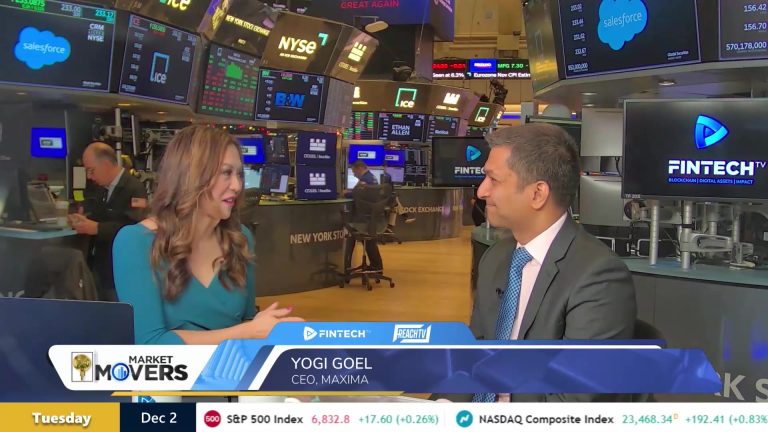
Yogi Goel, the CEO of AI startup Maxima, recently made headlines as his company raised an impressive $41 million from prominent investors including Redpoint Ventures and Kleiner Perkins. This funding round propelled the one-year-old San Mateo-based company to a valuation of $143 million. Maxima aims to revolutionize back-office accounting tasks that have long been dominated by legacy giants like SAP. Through the use of advanced artificial intelligence, Maxima seeks to cut costs and time involved in accounting processes. The firm plans to use this latest funding to enhance product development and expand its team, which currently consists of 31 employees.

In an engaging segment at the New York Stock Exchange, Goel elaborated on the broken systems in accounting and outlined how Maxima is positioned to solve these challenges. With over two decades of experience as an auditor and finance operator, Goel highlighted that the primary issue in accounting today is the disparate data spread across multiple systems. “You have to keep pulling data, comprehending what’s in the financials,” he explained. This fragmented approach necessitates repetitive tasks such as journal entries and reconciliations, making accuracy difficult to achieve. Goel believes that AI can streamline these processes significantly.

Traditionally, the accounting field relied heavily on human inputs, often resulting in inefficiencies and errors. Maxima’s unique approach introduces auditable AI agents that automate these tasks while ensuring 100% accuracy through a rigorous human review process. “We are blending this human-machine combine,” Goel stated, referencing how AI can identify anomalies before they become significant issues in financial reports. Given the highly regulated nature of the accounting industry, Goel’s assurance of error detection through AI offers a significant advantage.

The competitive edge of Maxima lies not just in its technological innovations, but also in Goel’s rich background and his team’s expertise. With prior experience at EY and major financial institutions, Goel possesses deep domain knowledge that informs the development of Maxima’s solutions. Furthermore, the technical team includes professionals who have built large-scale, accurate financial systems for notable companies, ensuring that Maxima’s offerings are both advanced and reliable.

As the new year approaches, Maxima has ambitious plans for the future. Goel emphasized the company’s goal to shift accounting processes to real-time, enabling CFOs to make informed decisions swiftly. With a fast-changing economic landscape – characterized by daily tariff shifts and market volatility – Maxima’s vision is to alleviate the burdensome tasks within finance teams, allowing them to focus on strategic initiatives such as research and development or sales and marketing.

Maxima is not just another AI startup in a crowded market; it stands at the intersection of artificial intelligence and accounting, with a mission that aligns with the principles of sustainable and impact investing. By automating mundane tasks and improving accuracy, Maxima is contributing to a more efficient financial ecosystem that could lead to responsible use of corporate resources. This aligns with the goals of various sustainable development goals (SDGs), where businesses are increasingly urged to operate transparently and responsibly.

The combination of AI and entrepreneurship can not only accelerate business processes but also set a precedent for how finance and accounting can transform through technology, culminating in improved decision-making and strategic agility. With the backing of notable VCs and a solid business model, Yogi Goel and Maxima exemplify how innovative companies can disrupt traditional sectors for the better, embodying the future of finance in an age of digital transformation and sustainability.

As the AI revolution in accounting continues to gain momentum, stakeholders across industries will be keeping a close eye on how Maxima evolves and impacts the broader landscape. The need for speed, accuracy, and efficiency in financial operations is more pressing than ever, and firms like Maxima are leading the charge towards a more streamlined and technology-driven future in finance.

Texas Makes History as Lee Bratcher Outlines Vision for Blockchain-Driven Public Finance

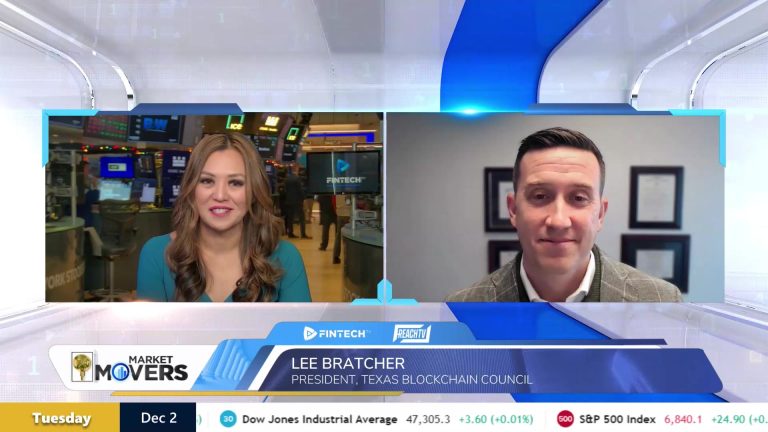
In a groundbreaking move, Texas has officially become the first state in the U.S. to allocate public funds for purchasing Bitcoin, having invested $5 million in BlackRock’s iShares Bitcoin Trust ETF. This pivotal decision not only positions Texas as a leader in cryptocurrency adoption but also underscores the state’s commitment to financial innovation and sustainability. As the chair of the Texas Blockchain Council, Lee Bratcher shared valuable insights into this initiative and its implications for the future of finance in the Lone Star State.

During a recent interview, Bratcher elaborated on the Texas State Legislature’s passage of Senate Bill 21, which allocated $10 million from the state budget specifically for Bitcoin purchases. This might seem modest, accounting for just 0.004% of the budget, but it represents an important step towards integrating digital assets into public finance. As the state explores options for Bitcoin self-custody, plans are underway to direct future investments into the cryptocurrency itself, utilizing renowned liquidity providers and custodians based in Texas.

Bratcher attributes Texas’s pioneering efforts to its historical role as a center for innovation. With plans to make Texas the nexus of the future of finance—supported by significant financial entities such as Yellow Street, NASDAQ, and the Texas Stock Exchange—the state is committed to harnessing the transformative potential of blockchain technology and digital assets. The motivation behind this rapid adoption is not only to secure financial futures but also to maintain Texas’s competitive edge in the evolving landscape of finance.

While states like Arizona and New Hampshire have implemented their own strategic reserves, Texas is taking bold strides in this arena. Bratcher noted the slowdown in strategic reserve initiatives across many states due to timing constraints, as legislative sessions vary widely across the country. Unlike most states, Texas meets for only six months every two years, making the approval of Senate Bill 21 a significant achievement, especially with the next legislative session not slated until the following year.

Recognized as the eighth-largest economy in the world, Texas is poised to leverage blockchain technology to transform its economic landscape. Bratcher emphasized that major financial assets will increasingly move “on-chain” as the technology matures. The introduction of stablecoins, tokenized bonds, and eventually tokenized equities signals a shift towards a more integrated and efficient financial system.

As Texas forges ahead with its Bitcoin treasury initiatives, this approach not only establishes the state as a frontrunner in cryptocurrency adoption but also reflects a broader trend towards adopting innovative financial solutions that align with sustainability goals. The potential of blockchain technology and digital assets to reshape economies and drive investment strategies is immense—transforming the way we think about finance and investing for the future. As Lee Bratcher and the Texas Blockchain Council continue to champion these advancements, Texas stands ready to lead the conversation on the future of finance and sustainable investing.