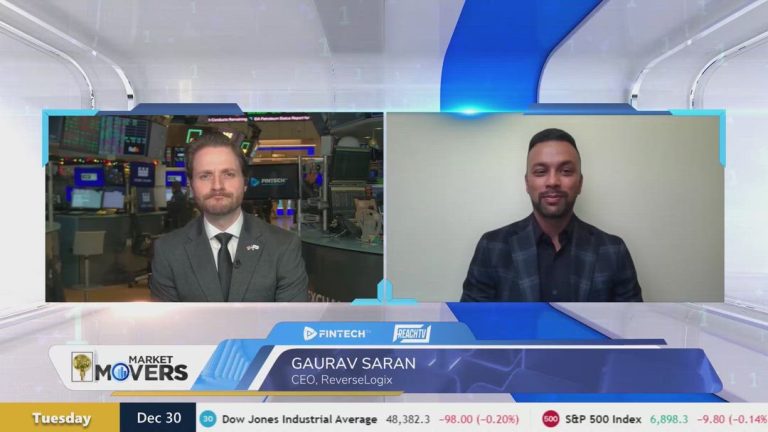
Markets have opened for trading on the final trading day of 2025, marking the third consecutive year of a bull market. Analysts on Wall Street are optimistic, projecting stocks to experience a 25% boost in their performance once again. In the previous year, the expansion of price-to-earnings multiples contributed significantly to the S&P 500’s impressive returns. Analysts speculate that in 2026, another year of double-digit gains is likely, contingent on companies justifying their current high valuations through sustained earnings growth.
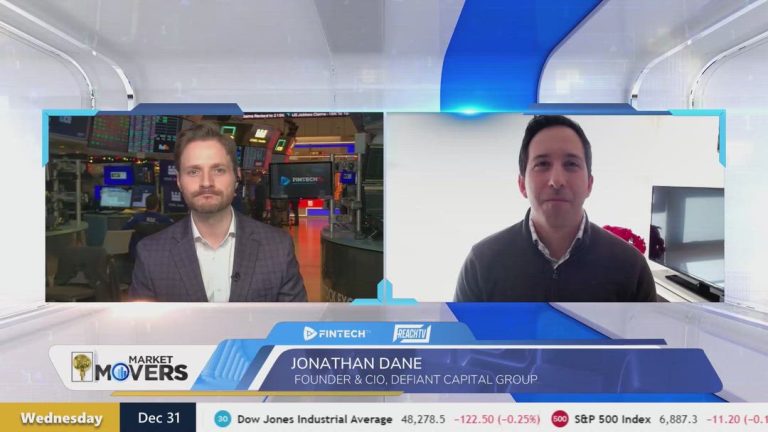
In this insightful discussion, Jonathan Dane, the founder and CEO of Defiant Capital Group, provides a recap of the year and a forward-looking perspective for the coming year. He emphasizes that 2025’s market performance diverged from the previous year, which saw substantial multiple expansions fueled by investor enthusiasm around technology and AI. In 2025, the upward trajectory was primarily driven by real earnings growth, solidifying the market’s resilience.
Dane reflects on the significance of maintaining a long-term investment strategy. He shares his philosophy succinctly: “time in the market, not timing the market.” This approach resonated with investors—those who remained engaged with their investments throughout the volatility of 2025 were rewarded with substantial gains. As Dane prepares to address the upcoming year, he expresses optimism that the S&P 500 can continue its performance, supported by robust cash flows from fundamentally sound companies.
However, his outlook for the cryptocurrency sector, particularly bitcoin, is more cautious than enthusiastic. The conversation delves into the potential implications of the recent sharp sell-offs in crypto assets, which have raised concern among investors. Dane affirms that while bitcoin remains a viable investment—having been part of his portfolio for clients—he encourages caution due to the asset’s alignment with tech stocks and its significant declines over the past years.
The interview highlights the challenge of distinguishing between worthwhile investments and fleeting trends in an environment filled with “shiny objects” vying for investor attention. Dane underscores the need for investors to have a rationale behind their investment decisions, warning them against being swept away by media hype.
Turning towards the future, Dane identifies areas of concern he believes average investors should pay attention to in 2026. Specifically, he emphasizes the potential risk associated with yield investments, particularly given upcoming changes in Fed leadership and the overall economic landscape. He urges investors not to chase yield through overly risky assets but instead to consider safer options like bonds and treasury bills to ensure stability in their portfolios.
Dane’s current investment thesis is characterized by a blend of caution and optimism. While many analysts display varying degrees of bullishness heading into 2026, Dane provides an astute observation about market dynamics, noting the tendency for analysts to echo one another rather than embrace independent perspectives. His stance is constructive, highlighting fundamental company performance as pivotal for anticipated market growth in the coming year.
Overall, this engaging dialogue serves as a testament to Jonathan Dane’s commitment to guiding his clients through the complexities of investing, especially amidst the shifting tides of economic uncertainty. As we approach 2026, his insights beckon investors to prioritize informed decision-making, prudent risk management, and a long-term approach to wealth generation.
In a rapidly evolving financial landscape where blockchain technology, cryptocurrency, and AI continue to reshape the investment terrain, maintaining a well-thought-out strategy backed by sound fundamentals becomes increasingly critical for success. Dane’s expertise, coupled with a candid analysis of the market, provides a well-rounded perspective that resonates particularly well with the challenges and opportunities facing forward-thinking investors today.
Markets have opened for trading on the final trading day of 2025, marking the third consecutive year of a bull market. Analysts on Wall Street are optimistic, projecting stocks to experience a 25% boost in their performance once again. In the previous year, the expansion of price-to-earnings multiples contributed significantly to the S&P 500’s impressive returns. Analysts speculate that in 2026, another year of double-digit gains is likely, contingent on companies justifying their current high valuations through sustained earnings growth.
In this insightful discussion, Jonathan Dane, the founder and CEO of Defiant Capital Group, provides a recap of the year and a forward-looking perspective for the coming year. He emphasizes that 2025’s market performance diverged from the previous year, which saw substantial multiple expansions fueled by investor enthusiasm around technology and AI. In 2025, the upward trajectory was primarily driven by real earnings growth, solidifying the market’s resilience.
Dane reflects on the significance of maintaining a long-term investment strategy. He shares his philosophy succinctly: “time in the market, not timing the market.” This approach resonated with investors—those who remained engaged with their investments throughout the volatility of 2025 were rewarded with substantial gains. As Dane prepares to address the upcoming year, he expresses optimism that the S&P 500 can continue its performance, supported by robust cash flows from fundamentally sound companies.
However, his outlook for the cryptocurrency sector, particularly bitcoin, is more cautious than enthusiastic. The conversation delves into the potential implications of the recent sharp sell-offs in crypto assets, which have raised concern among investors. Dane affirms that while bitcoin remains a viable investment—having been part of his portfolio for clients—he encourages caution due to the asset’s alignment with tech stocks and its significant declines over the past years.
The interview highlights the challenge of distinguishing between worthwhile investments and fleeting trends in an environment filled with “shiny objects” vying for investor attention. Dane underscores the need for investors to have a rationale behind their investment decisions, warning them against being swept away by media hype.
Turning towards the future, Dane identifies areas of concern he believes average investors should pay attention to in 2026. Specifically, he emphasizes the potential risk associated with yield investments, particularly given upcoming changes in Fed leadership and the overall economic landscape. He urges investors not to chase yield through overly risky assets but instead to consider safer options like bonds and treasury bills to ensure stability in their portfolios.
Dane’s current investment thesis is characterized by a blend of caution and optimism. While many analysts display varying degrees of bullishness heading into 2026, Dane provides an astute observation about market dynamics, noting the tendency for analysts to echo one another rather than embrace independent perspectives. His stance is constructive, highlighting fundamental company performance as pivotal for anticipated market growth in the coming year.
Overall, this engaging dialogue serves as a testament to Jonathan Dane’s commitment to guiding his clients through the complexities of investing, especially amidst the shifting tides of economic uncertainty. As we approach 2026, his insights beckon investors to prioritize informed decision-making, prudent risk management, and a long-term approach to wealth generation.
In a rapidly evolving financial landscape where blockchain technology, cryptocurrency, and AI continue to reshape the investment terrain, maintaining a well-thought-out strategy backed by sound fundamentals becomes increasingly critical for success. Dane’s expertise, coupled with a candid analysis of the market, provides a well-rounded perspective that resonates particularly well with the challenges and opportunities facing forward-thinking investors today.
Markets have opened for trading on the final trading day of 2025, marking the third consecutive year of a bull market. Analysts on Wall Street are optimistic, projecting stocks to experience a 25% boost in their performance once again. In the previous year, the expansion of price-to-earnings multiples contributed significantly to the S&P 500’s impressive returns. Analysts speculate that in 2026, another year of double-digit gains is likely, contingent on companies justifying their current high valuations through sustained earnings growth.
In this insightful discussion, Jonathan Dane, the founder and CEO of Defiant Capital Group, provides a recap of the year and a forward-looking perspective for the coming year. He emphasizes that 2025’s market performance diverged from the previous year, which saw substantial multiple expansions fueled by investor enthusiasm around technology and AI. In 2025, the upward trajectory was primarily driven by real earnings growth, solidifying the market’s resilience.
Dane reflects on the significance of maintaining a long-term investment strategy. He shares his philosophy succinctly: “time in the market, not timing the market.” This approach resonated with investors—those who remained engaged with their investments throughout the volatility of 2025 were rewarded with substantial gains. As Dane prepares to address the upcoming year, he expresses optimism that the S&P 500 can continue its performance, supported by robust cash flows from fundamentally sound companies.
However, his outlook for the cryptocurrency sector, particularly bitcoin, is more cautious than enthusiastic. The conversation delves into the potential implications of the recent sharp sell-offs in crypto assets, which have raised concern among investors. Dane affirms that while bitcoin remains a viable investment—having been part of his portfolio for clients—he encourages caution due to the asset’s alignment with tech stocks and its significant declines over the past years.
The interview highlights the challenge of distinguishing between worthwhile investments and fleeting trends in an environment filled with “shiny objects” vying for investor attention. Dane underscores the need for investors to have a rationale behind their investment decisions, warning them against being swept away by media hype.
Turning towards the future, Dane identifies areas of concern he believes average investors should pay attention to in 2026. Specifically, he emphasizes the potential risk associated with yield investments, particularly given upcoming changes in Fed leadership and the overall economic landscape. He urges investors not to chase yield through overly risky assets but instead to consider safer options like bonds and treasury bills to ensure stability in their portfolios.
Dane’s current investment thesis is characterized by a blend of caution and optimism. While many analysts display varying degrees of bullishness heading into 2026, Dane provides an astute observation about market dynamics, noting the tendency for analysts to echo one another rather than embrace independent perspectives. His stance is constructive, highlighting fundamental company performance as pivotal for anticipated market growth in the coming year.
Overall, this engaging dialogue serves as a testament to Jonathan Dane’s commitment to guiding his clients through the complexities of investing, especially amidst the shifting tides of economic uncertainty. As we approach 2026, his insights beckon investors to prioritize informed decision-making, prudent risk management, and a long-term approach to wealth generation.
In a rapidly evolving financial landscape where blockchain technology, cryptocurrency, and AI continue to reshape the investment terrain, maintaining a well-thought-out strategy backed by sound fundamentals becomes increasingly critical for success. Dane’s expertise, coupled with a candid analysis of the market, provides a well-rounded perspective that resonates particularly well with the challenges and opportunities facing forward-thinking investors today.