[stock-market-ticker symbols=" ^NYA;CRYPTO:BTC;CRYPTO:ETH;CRYPTO:USDT;CRYPTO:USDC;CRYPTO:BNB;CRYPTO:ADA;CRYPTO:XRP;CRYPTO:SOL;CRYPTO:DOGE " stockExchange="NYSENASDAQ" width="100%" transparentbackground=1 palette="financial-light"]

Home Blog Page 21

Three Straight Double Digit Years Put U.S. Stocks in Control as 2026 Begins

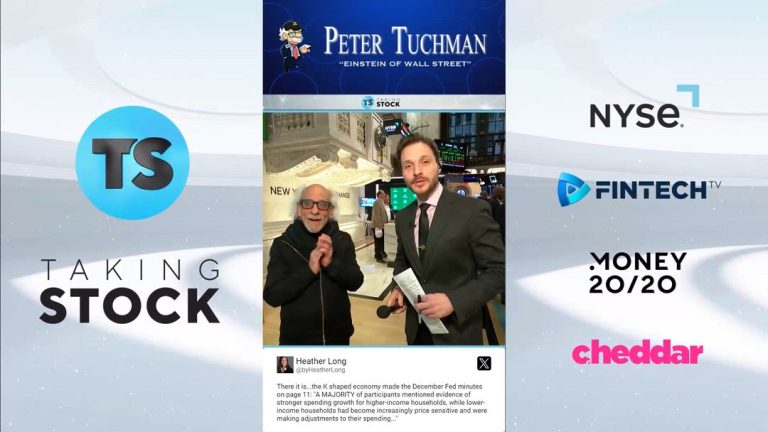
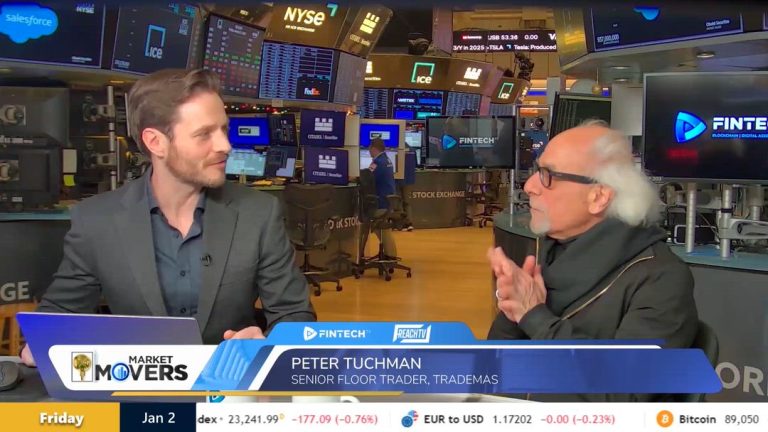
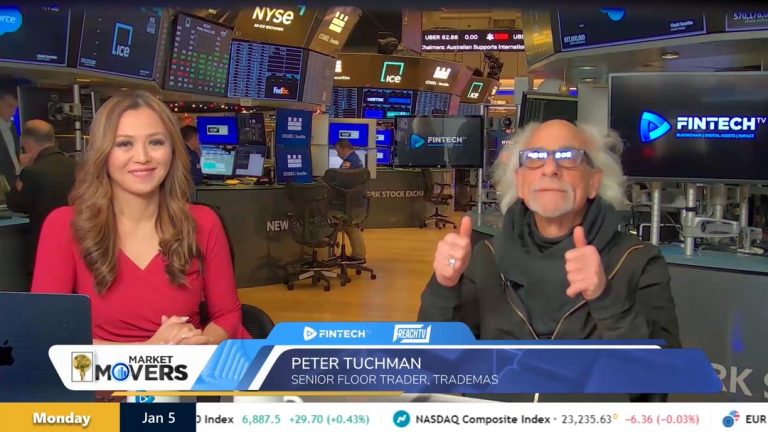
The year 2025 has been remarkable for U.S. stocks as they logged three straight years of double-digit percentage gains, exhibiting astonishing resilience despite various challenges such as tariff dramas, government shutdowns, and concerns over potential AI bubbles. When we reflect on the performance of the major indices, the S&P 500 closed up 16%, the Nasdaq was up 19%, and the Dow gained 13%, showcasing a robust economy. Let’s delve into the insights shared by Peter Tuchman, a senior floor trader at TradeMas, as he unpacks the volatility of the markets and what it means for investors moving forward.

Tuchman welcomed the New Year with an optimistic outlook, emphasizing the extraordinary nature of finishing the year with such impressive gains, especially considering the market’s ups and downs. During the year, there were periods when investor sentiment was shaky; however, the market’s ability to close out on a high note reflects not only resilience but also the global enthusiasm from both retail and institutional investors.

Tuchman pointed out an intriguing phenomenon: how January’s market performance often sets the tone for the year. Given the slight bullish rally at the start of 2026, he encouraged a positive interpretation amidst ongoing geopolitical concerns, including an attack in Venezuela and its implications for the oil market. Venezuela, holding a staggering $7 trillion in oil reserves, poses questions around global oil partnerships and how such geopolitical moves could affect stock prices again. As oil stocks rallied, it became evident that large companies like Exxon and Chevron might play crucial roles in the unfolding narrative.

As discussions shifted towards the Consumer Electronics Show (CES), Tuchman highlighted the significance of AI in an ongoing industrial revolution. He expressed confidence that the innovations and insights shared at the CES would further dispel myths around whether AI is a mere bubble or a foundational technology for the future. Emphasizing AI’s integration into various sectors, especially energy—which will play a pivotal role in how data centers operate—Tuchman illustrated how revolutionary this technology can be going forward.

Throughout their conversation, the critical topic of interest rates emerged as a focal point for market analysts. The U.S. experienced three interest rate cuts, and there’s much speculation about how upcoming job numbers and economic data releases will influence further cuts, thereby affecting market performance. Tuchman emphasized that large funds are currently positioned in an interest rate-sensitive manner, indicating a need to monitor economic releases closely as they could drastically impact market sentiment.

The resilience of the markets in 2025 serves as a testament to the adaptability of the economy and its participants. With the year starting strong, insights from Peter Tuchman provide a valuable guide for investors to navigate potential risks and opportunities ahead. As trends around AI, energy markets, and geopolitical developments unfold, both retail and institutional investors remain poised to adapt and innovate.

Overall, the discussion highlighted a blend of optimism and caution in today’s volatile financial landscape. Whether driven by advancements in blockchain technology, AI development, or shifts in the geopolitical arena, understanding these complexities will be crucial as we progress through 2026.

Late $1.8B Buying Surge Calms S&P After Volatile Start to the Year

0

With the dawn of a new year, Peter Tuchman, recognized as the “Einstein of Wall Street,” provides an in-depth analysis of the S&P 500, and his thoughts on market dynamics at the iconic New York Stock Exchange. In this discussion, Tuchman explores the intricacies of the stock market, providing insights into volatility, investor behavior, and potential catalysts for future growth.

During the S&P’s first trading day, Tuchman noted a considerable fluctuation in market performance. He remarked, “It was a wild and crazy ride,” reflecting the uncertainty that often accompanies early-year trading. With the S&P trying to find its footing, the market experienced bifurcation—at one point, the Dow was down several hundred points while the S&P fluctuated close to 50 points up and down. This volatility underscores the challenge of predicting market trends, especially when fresh money begins to flow into the system.

Highlighting a significant moment in the trading session, Tuchman explained that a late rush of $1.8 billion in buying activity stabilized the market. Such inflows indicate confidence from investors and suggest a positive outlook as they position themselves for potential gains. Tuchman remarked on the importance of breadth in the market, noting a 2 to 1 ratio of advances to declines, demonstrating a healthy market undercurrent that often goes unnoticed in major tech stocks.

As Tuchman peered into the future, he questioned what forthcoming catalysts might influence market trajectories in the coming weeks. He stressed the necessity to pay attention to potential interest rate cuts and the implications of a new Fed chairman. Tuchman also highlighted the importance of the energy sector, particularly how it will respond to increased demand driven by advancements in artificial intelligence (AI) and how that affects overall market performance.

Tuchman’s insight into how investors have evolved amidst volatile environments is noteworthy. He emphasized learning to mitigate knee-jerk reactions to tweets or news cycles that can lead to erratic trading decisions. “We’re always one tweet away from crazy town,” he cautioned, yet he also acknowledged that investors have grown more resilient and strategic in their decision-making processes over the past year. Understanding that markets adjust over time, he aptly advised against overreacting to daily fluctuations.

As the first week of the new year unfolds, Tuchman forecasted a crucial period where investors would need to digest incoming economic data—data that was previously unavailable. With predictions focused on just one interest rate cut for the year, he expressed skepticism regarding such projections and pointed out that true understanding of market conditions requires comprehensive data analytics and patience in response to the fluctuations.

In conclusion, Peter Tuchman’s expert analysis highlights the resilience of the market, recognizing that while daily fluctuations can be sharp, the underlying trend of growth and recovery remains robust. He advocates for an informed and strategic approach to investing, especially as the year progresses and new economic indicators emerge. Investors are encouraged to focus on long-term trends while being mindful of short-term volatility.

MoonPay Positions Itself for Institutional Crypto Surge as Regulation Firms Up for 2026

0

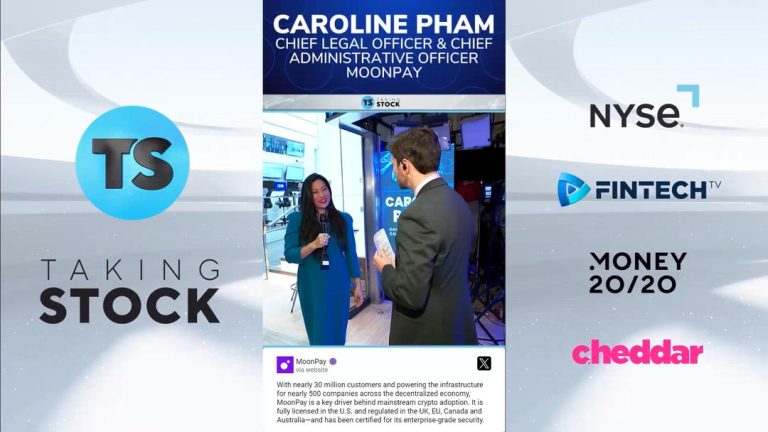
Caroline Pham, the chief legal officer and chief administrative officer at MoonPay, recently shared her thoughts on the future of cryptocurrency and its institutional adoption in an engaging discussion on the trading floor of a prominent stock exchange. With a wealth of experience in both the cryptocurrency space and regulatory environments, Pham emphasized the crucial role that organizations like MoonPay will play in shaping the financial landscape. As the dialogue around blockchain technology and crypto assets continues to evolve, it’s essential to understand the intersection of compliance, innovative infrastructure, and the drive towards a more sustainable financial ecosystem.

MoonPay is positioned as a trusted infrastructure partner, aiming to enable smoother transitions for institutions venturing into cryptocurrency. With the anticipation of increased institutional adoption by 2026, Pham noted that the crypto market has matured significantly since 2017. This development includes a better grasp of blockchain technology and tokenization, cultivated through years of pilot programs undertaken by various institutions including banks and asset managers. The year 2023 marked significant progress, with regulatory clarity indicating a strong roadmap for crypto’s future.

In the conversation, Pham identified that the coming year promises an uptick in institutional participation in cryptocurrency due to a combination of active engagements from regulatory bodies, such as the White House and the Commodity Futures Trading Commission (CFTC). For companies engaged in crypto, Pham emphasized the necessity for strong governance structures and compliance measures to differentiate themselves from less well-prepared competitors. As institutions increasingly recognize the value of crypto as an asset class, those firms that cultivate a foundation of safety and trust will likely thrive.

Drawing parallels between crypto regulation and traditional financial systems, Pham asserted that strong governance does not require completely rewriting the existing financial framework. Instead, it involves adapting established rules to accommodate new technological realities. For instance, the transition from paper tickets to electronic screens at the New York Stock Exchange demonstrates how existing regulations can evolve alongside innovations such as tokenization. Pham highlighted the importance of utilizing the framework of securities laws while interpreting them in ways that fit the nuances of blockchain technology. This approach reduces the perception that cryptocurrency is an outlaw technology, acknowledging that existing protections must still apply.

Despite significant advancements in regulatory understanding, Pham noted that certain policymakers may still hold misconceptions about the nature of cryptocurrency. Many still view crypto as inherently disruptive to established systems, failing to recognize its potential for coexistence with existing financial structures. According to Pham, providing a choice between new and existing regulatory frameworks will be crucial for fostering a rich ecosystem for both investors and institutions. By offering options through market structure legislation or exemptions tailored for cryptocurrencies, the financial landscape could become more inclusive and diverse.

As we look forward to 2026 and beyond, the focus on sustainability investing will further integrate into the cryptocurrency discourse. The ongoing commitment to integrating sustainable development goals (SDGs) with finance will keep the industry aligned with broader economic and social objectives. Companies like MoonPay are positioning themselves not just to facilitate transactions, but to create ecosystems that are ethically sound and aligned with these global goals. Furthermore, with growing interest in AI applications in finance and crypto, the convergence of these technologies promises to unlock new avenues for sustainable growth.

In summary, Caroline Pham’s insights shed light on the pivotal changes taking place in the cryptocurrency sector and the essential role that governance, compliance, and institutional partnerships will play in encouraging broader adoption. The confluence of blockchain technology, regulatory evolution, and sustainability considerations paints a hopeful picture for the future of finance. As the lines between traditional finance and the emerging crypto economy continue to blur, organizations must remain adaptable, transparent, and focused on creating lasting value for all stakeholders involved.

Why AI Agents in DeFi Are Becoming the Next Big Force in Crypto

0

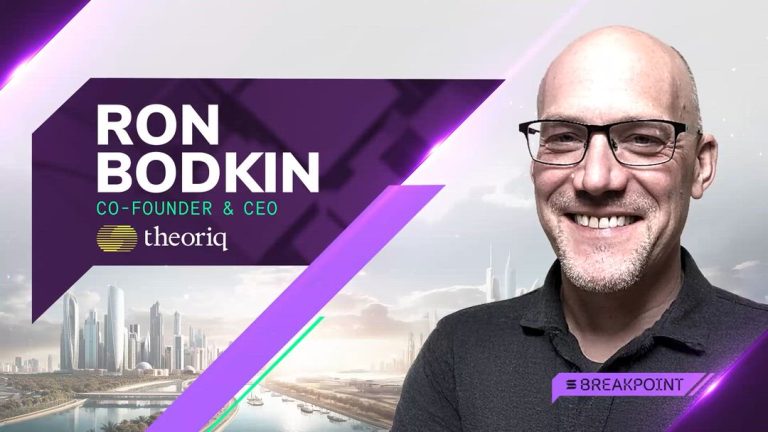
At Solana Breakpoint in Abu Dhabi, a pivotal dialogue unfolded as Rachel Pether spoke with Ron Bodkin, the co-founder and CEO of Theoriq Labs. Delving into the strengths and future of AI within the decentralized finance (DeFi) landscape, this conversation illuminated the transformative potential of integrating artificial intelligence with blockchain technology.

Founded nearly four years ago, Theoriq Labs champions the integration of AI and Web3, aiming to establish a decentralized, agent-driven economy. Ron Bodkin, whose extensive background includes key roles at tech giants like Google, shared that the motivation behind Theoriq was to democratize access to AI technologies. In a world where monopolistic control over AI could stymie innovation and growth, Theoriq seeks to empower individuals to create and own their autonomous agents.

Bodkin emphasized the ongoing convergence of AI and DeFi as a watershed moment for the financial technology sector. AI agents are increasingly being recognized for their ability to automate complex tasks within DeFi environments. According to recent benchmarking studies, the capabilities of these agents are growing exponentially, with their task performance improving by a factor of four year over year. This surge in efficiency opens the door to a new frontier of automated decision-making and risk management in financial protocols.

As AI agents become more sophisticated, they are now able to perform actions such as risk analysis, real-time decision-making, and the management of financial portfolios. Bodkin cautioned, however, against unguarded implementation. Security and risk management remain crucial; hence, Theoriq is placing emphasis on safeguards and protocols to ensure responsible AI usage in financial applications.

During the discussion, Bodkin revealed some of the exciting developments on the horizon for Theoriq Labs. They recently launched Alpha Vault, the first agent-curated vault aimed at maximizing yield through intelligent allocation strategies. With an impressive $25 million in Total Value Locked (TVL) already achieved, the Alpha Vault is set to revolutionize how yield farming is conducted.

Upcoming features, such as the main net and staking capabilities, will allow the DeFi community to further leverage the power of autonomous agents. Users will have the opportunity to delegate their assets to high-quality agents, thereby enhancing their investment strategies. This innovative approach demonstrates how Theoriq aims to not just participate in the DeFi ecosystem but to fundamentally reshape it.

What resonates throughout this discussion is Theoriq’s commitment to democratizing technology. Bodkin’s vision aligns with larger sustainable development goals (SDGs) around responsible innovation and equity in technological access. By unleashing the potential of AI in a controlled and ethical manner, Theoriq Labs sets the stage for more equitable participation in the rapidly evolving DeFi landscape.

The integration of AI with blockchain technologies is a pivotal trend for entrepreneurs seeking to make a meaningful impact in finance. As businesses like Theoriq Labs continue to explore this intersection, a new wave of opportunities will arise, empowering individuals and organizations to contribute to a sustainable and inclusive economic framework.

Ron Bodkin’s insights at Solana Breakpoint not only reflect the innovative spirit of Theoriq Labs but also spotlight the transformative synergy between AI and DeFi. As we move toward a future defined by advanced financial technologies, the emphasis on risk management, ethical deployment, and accessibility will shape the narratives of sustainable investing and entrepreneurship. Innovations like those from Theoriq Labs exemplify how we can harness the power of AI to create a more inclusive, efficient, and transparent financial system for all.

At the forefront of the ever-evolving relationship between artificial intelligence (AI) and decentralized finance (DeFi) is Ron Bodkin, the co-founder and CEO of Theoriq Labs. Recently featured at Solana Breakpoint in Abu Dhabi, Bodkin discusses the intriguing intersection of AI and blockchain technology, emphasizing the need for a decentralized and democratized approach to the agentic economy.

Theoriq Labs has embarked on an ambitious journey to integrate AI with Web3 technologies, aiming to build an ecosystem where multiple individuals can create and own intelligent agents. This approach reflects a critical response to the potential monopoly of AI technology by a few dominant players, influenced by Bodkin’s extensive experience at major tech companies like Google, where he witnessed the capacity and challenges of AI firsthand.

The primary objective of Theoriq Labs is to develop an AI agent protocol capable of empowering users in the agentic economy. Following four years of development, the project has introduced solutions that facilitate collaboration among AI agents, streamlining their interactions in the DeFi landscape. Bodkin explained that the automation capabilities of AI agents have significantly improved, enabling them to accomplish complex tasks with greater efficiency. As per benchmarks from organizations like Metter, the effectiveness of AI agents has quadrupled in recent years, amplifying the potential for sophisticated DeFi actions.

Interest in the synergy between AI and DeFi has surged, with many analysts suggesting that we are on the brink of a transformative breakthrough. As AI technology becomes increasingly adept at managing risk analytics, automating playbooks, and making real-time decisions, Bodkin believes that the convergence of these elements will redefine the DeFi landscape.

Recently, Theoriq Labs launched Alpha Vault, the first of its kind in agent-curated vaults focusing on earnings through ETFs. The allocator agent within Alpha Vault continuously evaluates various high-value sub-vaults, employing diverse strategies to maximize yield and manage risk. In a recent test case, the strategy yielded a 1% gain for investors—a promising indication of Alpha Vault’s potential.

The upcoming mainnet launch aims to further enhance its framework by allowing agents to communicate more effectively, ensuring higher degrees of coordination and reputation-driven trust among users. The ability to stake agents marks a significant shift in how funds can be allocated and managed within DeFi, allowing users to invest their trust in specialized agents that have proven their reliability.

Amidst the excitement of integrating AI with DeFi, Bodkin candidly addresses the inherent risks. The fast-paced nature of the crypto market necessitates robust security measures and risk management strategies. There Labs collaborates with Mellow, a partner with extensive experience in vault technology, to implement on-chain guardrails that restrict agents to using specified protocols and assets. This defense-in-depth approach aims to prevent potential vulnerabilities that could arise from directly exposing agents to market fluctuations or unauthorized access.

A crucial aspect of There Labs’ vision is fostering a decentralized environment where a multitude of agents coexist and collaborate. This contrasts with prevailing narratives around AI monopolies aiming to create all-encompassing, generalized agents. Bodkin advocates for a diversity of specialized agents, each excelling in specific domains such as trading execution, risk management, and data sourcing. By doing so, There Labs seeks to democratize access to advanced financial technologies and mitigate risks associated with centralized control.

Bodkin’s insights present a refreshing perspective on the future of entrepreneurship at the intersection of cryptocurrency and artificial intelligence. By empowering individuals with the tools and protocols to build their own agents, There Labs is not only revolutionizing DeFi but also paving the way for a sustainable, impactful future in finance. As the crypto landscape continues to evolve, the synergy between AI and decentralized technologies will undoubtedly influence the next generation of financial solutions.

Overall, There Labs stands as a groundbreaking example of innovation, promising to reshape how we think about finance, technology, and the possibilities of a decentralized future.

Megatech Dominance Hits 30 Percent of S&P 500 as 2026 Opens With Valuation Risks

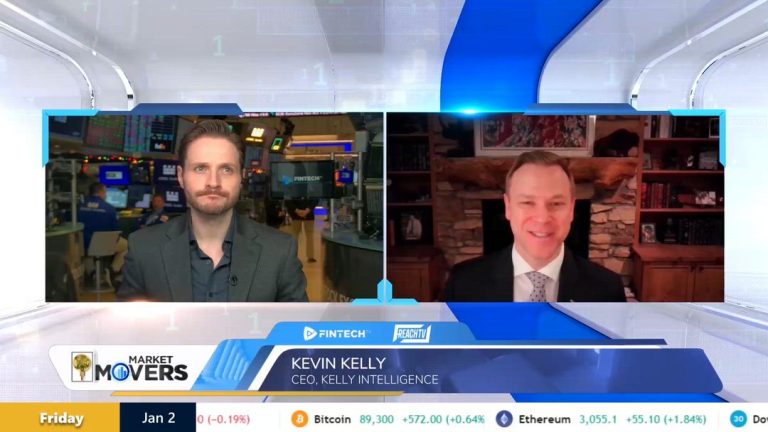
The markets have officially opened for 2026, showcasing a robust performance driven by advancements in AI technology. Investors remain optimistic, particularly as megatech companies dominate market capitalization, with the top five firms contributing to 30% of the S&P 500’s overall value. As market dynamics shift, Kevin Kelly, the CEO of Kelly Intelligence, shares insights on diversification and smart investing strategies that can help investors navigate the ever-changing landscape.

With a market currently trading over 25 times current price-to-earnings (PE) ratios, concerns start to arise regarding high valuation names. Kelly emphasizes the importance of execution among these leading firms. To mitigate risks and ensure steady returns, he advises investors to consider looking beyond just the high-profile mega-names and explore alternatives that trade at more reasonable multiples, particularly in a time of potential market correction.

Kelly highlights that dividend investing could be a prudent approach, especially in this current economic climate. Historically, dividends have accounted for more than 40% of market return since 1929, and they provide a cushion against volatility. He points to successful companies like Qualcomm, which not only pay dividends but are also investing in AI advancements, as strong candidates for investment. In contrast to firms like Nvidia, Qualcomm trades at a more appealing multiple, thereby providing investors with growth potential while ensuring income through dividends.

Walmart is another example Kelly mentions; while it commands a high PE ratio, alternatives like Dollar General offer a better dividend yield, showcasing how investors can access similar markets while prioritizing return on investment. This strategy of seeking higher-yielding dividends is crucial as the Federal Reserve’s monetary policies evolve. Kelly remarks that with a potentially dovish Fed, and declining short-term yields, dividend-paying stocks could become more attractive.

As Kelly articulates, the market is historically overpriced at 25 multiples, and with broad market yields appearing expensive, investors are urged to consider dividends and companies with high free cash flows to protect against potential downturns. This way, investors can capitalize on market volatility, ensuring a more stable investment environment while navigating through uncertain economic indicators.

Turning towards digital assets, Kelly identifies them as a viable avenue for diversification. Crypto markets, after some turmoil in 2025, have shown signs of strength. Companies are now more eager to adopting blockchain technology and digital currencies for operational efficiency. For instance, Western Union is reportedly exploring a stablecoin solution to streamline global remittances. Other platforms like XRP are also gaining traction for their potential to reduce transaction costs and improve speed.

This growing interest in digital assets reflects the reality that many traditional companies are adapting to the evolving financial landscape. Kelly emphasizes that investments in blockchain and digital currencies are essential for modern portfolios as they offer uncorrelated growth potential. He likens the volatility of leading tech stocks to that of digital asset networks, suggesting that investors can effectively blend these assets for an optimally diversified portfolio.

In summary, as the new year unfolds, the market presents both challenges and opportunities. Investors are encouraged to explore diversified options that include dividend yields and emerging digital assets, which not only promise potential returns but also adjust to the shifting economic climate. With careful selection and strategic planning, 2026 can become a year of resilient growth, making it essential for those in finance, cryptocurrency, and sustainability investing to stay informed about changing market conditions.

The insights provided by Kevin Kelly of Kelly Intelligence reinforce the concept that in today’s investment environment, flexibility and foresight are paramount. As the sectors of technology, cryptocurrency, and sustainability investing converge, investors who embrace a balanced approach stand to gain the most.

AI Spending Tops $100 Billion as Agentic Automation Drives Real ROI in 2026


As we step into a new era of technology, the influence of advancements in artificial intelligence (AI) is set to reshape our society in profound ways. The year ahead promises better AI chatbots, a surge in generative AI adoption, and enhanced automation processes across diverse manufacturing sectors. The corporate landscape is also witnessing significant investments in AI infrastructure, with projections suggesting that spending may exceed $100 billion in 2026. IPOs from AI powerhouses like Anthropic and OpenAI could significantly alter the business landscape, showcasing the growing importance of AI in our daily lives.

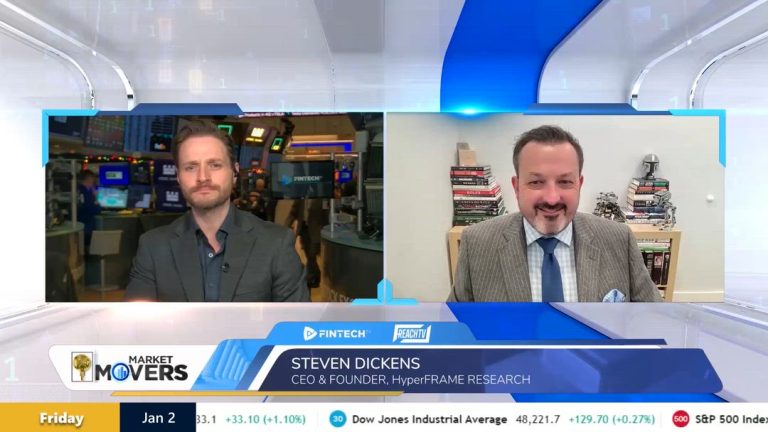
In a recent discussion, Steven Dickens, the CEO and founder of HyperFRAME Research, shared his insights on the upcoming trends in AI and technology. As we embark on 2026, he indicates that this year will mark a critical turning point in AI adoption, moving beyond the initial hype and entering a phase of tangible ROI and productivity gains.

Dickens emphasizes that the focus will shift from conventional chatbots to “agentic” AI—technology capable of facilitating agent-to-agent communication without constant human intervention. This evolution is expected to underpin significant movements in Software as a Service (SaaS) companies and the broader infrastructure developments anticipated in 2026. With organizations increasingly embedding AI into their workflows, the next wave will bring more sophisticated automation that enhances productivity and operational efficiencies.

A key takeaway from Dickens’s insights is that many businesses, such as Oracle, are positioned for growth, defying some market misconceptions. His assertion that Oracle’s recent stock plunge represents an overreaction highlights the need for a nuanced understanding of cloud providers amid the evolving technological landscape. As businesses like Oracle continue to demonstrate substantial growth in their cloud infrastructure—outpacing giants like AWS, Google, and Microsoft—the market may soon recognize the underlying demand for proven solutions.

The Oracle cloud infrastructure has reportedly achieved growth rates of 50% to 60%, indicating the company’s focus on building for existing demand rather than being solely driven by AI trends. Dickens pointed out Oracle’s strong foothold in electronic healthcare records with its Cerner business and the continued strength of its Oracle database. Winning shares and driving continuous features for AI integration demonstrate that Oracle is not just aligning with short-term trends but is strategically laying a foundation for sustainable growth.

Additionally, Oracle’s partnerships with major competitors such as AWS, Google, and Microsoft—allowing for the integration of its cloud infrastructure—reinforce the company’s value in today’s hybrid cloud environment. This strategic move enables Oracle to leverage its database capabilities across multiple platforms, providing clients with flexibility and strength in their AI and cloud strategies.

In conclusion, as we navigate the landscape of AI and technology, the insights from Steven Dickens suggest a burgeoning wave of innovation that is set to alter the corporate environment. The transition from chatbots to more sophisticated AI agent communication systems will not only reshape business operations but also create new opportunities in various sectors. Understanding the broader implications of these shifts—especially through the lens of impact investing and sustainability—will be crucial for entrepreneurs and investors seeking to capitalize on this transformative era.

NYSE Marks 233 Years as Rate Cut Cycle and 2025 Gains Set Up 2026

The stock market has undergone significant transformations over the last several decades, and as we embark on 2026, it’s fascinating to reflect on its evolution. The New York Stock Exchange (NYSE), one of the most iconic financial institutions globally, celebrates its 233rd year, a testament to its resilience and adaptability. In a recent discussion with seasoned senior floor trader Peter Tuchman of TradeMas, crucial insights into the trends and disruptions in the financial markets emerged, particularly within the context of another pivotal year for U.S. capital markets.

During the talk, Tuchman highlighted the performance of major indices in 2025, which showcased double-digit growth for the Dow, S&P, and Nasdaq. This performance is noteworthy, especially considering the volatility witnessed in recent years, particularly due to the COVID-19 pandemic. Since then, Tuchman noted that the markets have experienced more gains than losses, illustrating a robust recovery trajectory. Economic strategies implemented by Federal Reserve Chair Jerome Powell, particularly his adept handling of interest rates and economic data, have played a crucial role in this resurgence.

The implications of an interest rate cutting cycle were also a key discussion point in the interview, with Tuchman suggesting that such a trend historically leads to rallies of at least 16%. As interest rates are anticipated to decrease, the market could be set for further upward momentum. This potential growth hints at evolving opportunities for investors, particularly within sectors such as technology and energy, which are becoming increasingly intertwined with innovative sectors like artificial intelligence (AI) and blockchain technology.

Environmental sustainability and the shift in energy sources were also emphasized by Tuchman, particularly in relation to powering the rising demand for data centers. With global efforts shifting towards more sustainable practices in finance—a core component of the Sustainable Development Goals (SDGs)—investors are more inclined to look at sectors that align with both financial prospects and environmental consciousness. Tuchman’s mention of potential data centers in space showcases the burgeoning intersection between technology and sustainability, highlighting how innovation can lead to both economic growth and responsible investment.

Tuchman’s insights didn’t stop at traditional investing. He revealed an intriguing conversation he had with an 11-year-old prodigy named Kono, who expressed a keen interest in financial innovations like quantitative trading strategies. This interplay between youthful curiosity and the financial mainstream reveals a growing trend towards democratizing investment knowledge and opportunities, fostering a new generation of entrepreneurs in finance.

As Tuchman reflected on the historical context of the NYSE, dating back over two centuries, he contrasted that era with the current landscape dominated by digital transformations and new investment paradigms enabled by blockchain technology. The mention of financial institutions’ potential to adapt in the face of change reinforces the ongoing narrative of resilience in the financial markets.

Overall, the conversation underscored the importance of staying informed and adaptable in the ever-evolving investment landscape. From shifts in interest rates to the rising relevance of sustainability in investment strategies, the insights provided by Peter Tuchman convey that the financial sector is poised for another transformative year. For entrepreneurs, investors, and financial enthusiasts, embracing innovation and sustainability will be pivotal for navigating the complexities of the capital markets in 2026 and beyond.

Markets Eye 2026 as Tariff Politics, Ukraine War, and Stablecoin Push Shape Outlook

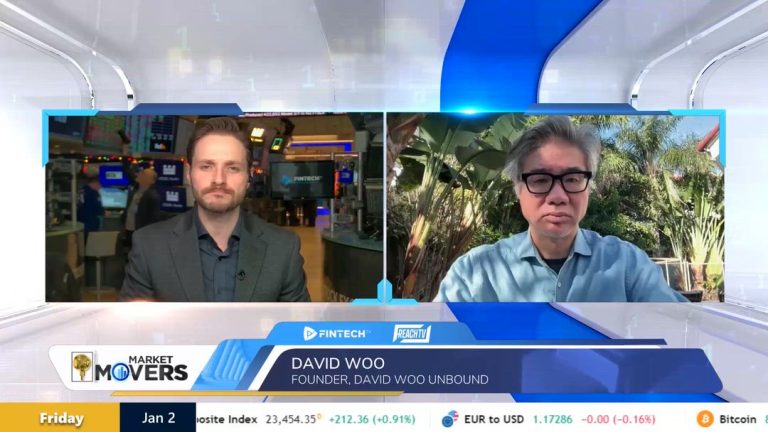
In a recent broadcast, David Woo, the founder of David Woo, shared his insights on the political and economic landscape as we transition into 2026. With a focus on geopolitical risks, electoral dynamics, and the future of cryptocurrency, Woo’s predictions shed light on potential market movements and the implications for investors all over the globe.

As the year 2025 came to a close, it was evident that political uncertainty had left its mark on the stock market, with notable sell-offs observable in March and April. The threat of heavy tariffs imposed by then-President Donald Trump had contributed to market volatility, but a semblance of stability returned after he opted to pause some tariffs, leading to a flurry of trade deals with numerous countries. However, multiple geopolitical factors still loom large, including rising tensions between the US and Venezuela, the enduring conflict in Ukraine, and looming Supreme Court decisions regarding tariffs and federal officials.

Woo’s predictions suggest that geopolitical risks may recede in 2026. He believes that the ongoing war in Ukraine is nearing its conclusion and imminent negotiations may alleviate some of the pressure on global markets. An agreement on the conflict could lead to the rapid lifting of sanctions on Russia, fundamentally altering the global economic landscape. Woo emphasizes that the prospect of a resolution is essential not only for the stability in Eastern Europe but also for the upcoming US midterm elections, where the balance of power may shift significantly.

As Woo noted, history indicates that in the majority of midterm elections, the president’s party tends to lose seats in the House. With Trump’s approval ratings languishing around 40%, there’s pressure for him to pivot towards issues that could resonate with electorate concerns, particularly affordability. A significant decrease in oil prices could bolster his standing, paving the way for favorable conditions. This urgency amplifies the need for an end to the Ukraine conflict, a situation that Woo deems a primary concern for Trump and the Republican Party to regain electoral footing.

Woo also highlights the economic intricacies involving Europe and China. Despite the friction characterized by Trump’s tariffs, the Chinese economy proved resilient, reportedly achieving growth through trade with Europe and Asia. China’s trade surplus skyrocketed to $1 trillion by the end of 2025, often at the expense of European markets. Woo predicts that Europe, restrained by its ties to the Chinese market—especially Germany’s substantial auto investments—may begin adopting a more confrontational stance towards China in 2026, marking a potential shift in global trade dynamics.

On the cryptocurrency front, Woo’s stance is decidedly cautious. He expresses bearish sentiment on Bitcoin, asserting that misconceptions exist regarding Trump’s influence on the cryptocurrency market. While many associate Trump’s policies with a bullish influence on Bitcoin, Woo clarifies that Trump’s support aligns more with stablecoins—digital currencies pegged to traditional assets, primarily the US dollar. The rationale behind this is that stablecoin developments extend the dollar’s reach in the digital environment by requiring backing from US Treasuries.

From Woo’s perspective, this endorsement of stablecoins is indicative of a complex relationship within the cryptocurrency market. While stablecoins aim to provide security and a bridge between traditional finance and the crypto realm, Bitcoin, being a decentralized currency, holds inherent risks fueled by market speculation and regulatory scrutiny. Consequently, Woo believes traders and investors should exercise caution with Bitcoin, given the broader implications of Trump’s economic policies and their effects on digital currencies.

In summary, as we move deeper into 2026, aspects such as the resolution of geopolitical conflicts, the dynamics of midterm elections, and the evolving landscape of cryptocurrencies will play a pivotal role in shaping market conditions. Entrepreneurs and investors alike must stay vigilant and recalibrate their strategies in an environment where volatility seems prevalent, particularly regarding commodities like oil, and the burgeoning field of digital currencies amid changing regulatory frameworks.

Understanding these trends will be critical for making informed decisions, underscoring the importance of comprehensive analysis in anticipating future economic shifts. With the right strategies and insights, navigating this complex terrain can lead to opportunities for growth and impact in an increasingly interconnected global market.

Dow Shrugs Off Correction Fears as Tariffs, Metals, Election Risks Drive Market Debate


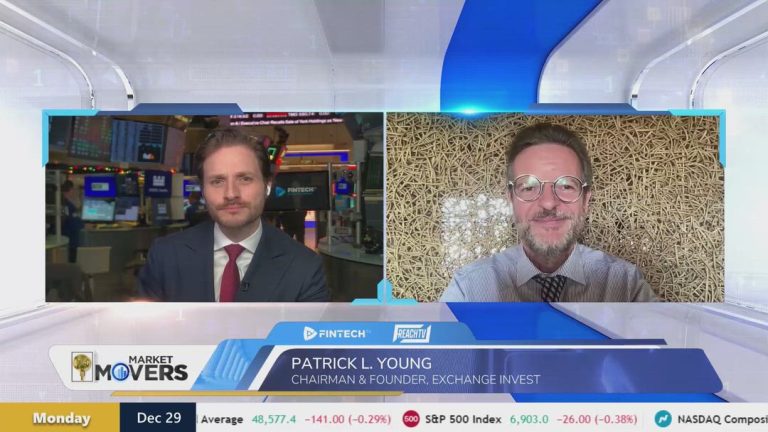
The recent discourse surrounding market fluctuations has been a hot topic, particularly the Dow Jones index’s performance. As of Friday, it closed at an impressive level, marking a significant recovery since President Trump’s inauguration in 2017. Despite forecasts predicting a market correction due to perceived overvaluation, many experts have observed that the market has instead surged, leading to contrasting reactions from financial analysts and viewers alike. Patrick L. Young, chairman and founder of Exchange Invest, provided a keen perspective on this issue during his recent appearance on Market Movers.

When discussing the panic surrounding market downturns, Young emphasized the collective mindset that often leads to misguided predictions. He noted that when all pundits seem to agree on impending disaster, it’s time to reassess. The S&P 500, at one point merely a month ago, was viewed as bearish. Young’s contrarian viewpoint predicted that it would bounce back, and indeed it has, reporting a staggering 43% increase from those lows on April 7. His confidence in market resilience contrasts sharply with the pessimism that can often cloud economic forecasts.

One of the pertinent issues raised during the discussion was the influence of tariff policies and how they could redefine market strategies going forward. Young pointed out the Supreme Court’s upcoming decisions on tariff policies will have wide-reaching implications. His remarks highlighted the strategic maneuvers that President Trump might employ to maintain a strong market presence. The emphasis on remaining alert in such politically charged environments reflects an increasing interest in how geopolitical factors will impact investment landscapes.

The conversation also touched upon the metals market, particularly the rising prices of precious and industrial metals such as silver, and potential export restrictions from China. Young pointed out a dichotomy in China’s economic approach, which could lead to market inconsistencies, particularly as it relates to its EV manufacturing sector. The recent developments indicate that while there might be regulatory measures, the underlying demand for resources could lead to profound shifts in market dynamics, impacting both local and global investments.

In connection with energy markets, the tensions involving Venezuela were a critical element of the discussion. The U.S. military’s positioning and growing geopolitical pressures have raised significant questions regarding oil supply stability. Young’s insights reflect on how these political maneuvers may not just be local but rather have consequences that ripple across global markets, affecting prices and availability of commodities.

Looking ahead, Young cautioned that the upcoming midterm elections will play a crucial role in shaping market expectations. Historically, midterm election years come with their own unique pricing pressures and anomalies, which might influence investor sentiment. He suggested that the connections between political climate, market fluctuations, and economic health will likely dominate discussions in the weeks to come.

In summary, Patrick L. Young’s insights provide a multifaceted overview of current market trends. With discussions surrounding the cryptocurrency market, sustainability investments, and the economic impacts stemming from geopolitical circumstances, it’s essential for investors to keep a keen eye on these developments. His contrarian views serve as a reminder of the value of independent analysis in financial decision-making—especially during times of uncertainty, where conventional wisdom often proves to be misleading. The interplay of political strategy, economic stability, and emerging technologies such as blockchain and AI continues to shape the future of finance and sustainability investing.

Manny Pacquiao Promotions Pushes Global Expansion With Digital First Boxing Strategy

The boxing world is on the brink of a transformative stage, thanks to the innovative vision of Jas Mathur, the new CEO of Manny Pacquiao Promotions. With decades of experience in combat sports and a passion for boxing, Mathur is set to bring a new wave of energy, creativity, and opportunities to the industry that he has loved since childhood. This exciting transition was contextually unveiled during an engaging discussion with Mathur at the New York Stock Exchange.

Mathur began his career in combat sports over a decade ago, gaining valuable insights working with fighters and transitioning mixed martial artists into the boxing arena. Now, in his pivotal role with Manny Pacquiao Promotions, he is prepared to unleash a global vision that extends well beyond the traditional realms of boxing. His passion combined with his expertise positions him uniquely to pivot the promotional company towards a new horizon.

According to Mathur, this new era focuses on developing fighters, enhancing audience experiences, and crafting a comprehensive promotional strategy. “It’s not about putting on 10 Super Bowls,” Mathur remarked. “It’s about leading up to the Super Bowl, piece by piece.” This strategic mindset demonstrates a commitment to ensuring that every bout meets audience expectations while fostering growth in the sport’s talent pool.

The rebranding and revitalization come at a critical juncture, where fan engagement and digital content are more important than ever. Mathur acknowledged, “It’s about setting up digital platforms where there’s more fan engagement and access to exclusive content.” The vision is clear: Manny Pacquiao Promotions aims to nurture talent while providing fans with immersive experiences, recognizing that the journey to fight night involves intricate preparation spanning months.

Mathur’s approach is methodical yet dynamic; while he acknowledges the competitiveness of the industry, he emphasizes the necessity of collaboration. This cooperation among various promoters, managers, and fighters creates a vibrant ecosystem where stars can be born. “We want to build champions,” he stated, drawing a parallel between the legacy of Manny Pacquiao—a Hall of Famer and global icon—and the new generation of fighters.

As the conversation continued, Mathur shed light on the strenuous nature of his daily routine, discussing how he dedicates up to 20 hours a day towards his vision. His unwavering focus and relentless pursuit of success are indicative of an entrepreneurial spirit that thrives on challenges. He elaborated, “The harder the work, the better the result. I actually enjoy challenges.” This fearless attitude instills a sense of resilience that is pivotal for anyone in the fast-paced sports landscape.

Envisioning the year ahead, Mathur outlined his commitment to not only elevating boxing as a sport but also fostering a supportive environment for fighters striving to reach their full potential. His collaboration with Limitless X Holdings emphasizes a holistic approach that integrates health and nutrition, rounding out the fighters’ training regimen. This multifaceted strategy highlights the importance of well-being and sustainable resources in sports management.

Jas Mathur’s journey embodies the essence of entrepreneurial success: an unyielding commitment to dreams paired with strategic decision-making. For those seeking inspiration in our rapidly evolving world, his advice resonates profoundly: surround yourself with the right people and continuously evaluate your network. As he aptly notes, the landscape around you shifts, and what may have been beneficial in the past can become a barrier in the future.

In conclusion, as Jas Mathur steers Manny Pacquiao Promotions into an exciting new chapter, his dynamic leadership and holistic perspective are poised to redefine the sport. Fans and fighters alike can look forward to an innovative approach, marked by enhanced engagement and talent development. The future of boxing is brighter than ever, and with Mathur at the helm, it promises to be nothing short of spectacular.