[stock-market-ticker symbols=" ^NYA;CRYPTO:BTC;CRYPTO:ETH;CRYPTO:USDT;CRYPTO:USDC;CRYPTO:BNB;CRYPTO:ADA;CRYPTO:XRP;CRYPTO:SOL;CRYPTO:DOGE " stockExchange="NYSENASDAQ" width="100%" transparentbackground=1 palette="financial-light"]

Home Blog Page 20

Thrivent Rings NYSE Bell as It Expands Into ETFs

0

In an exciting commencement of the new trading year, Michael Kremenak, the president and trustee of Thrivent Mutual Funds, had the honor of ringing the closing bell at the New York Stock Exchange. In a recent discussion, Kremenak shed light on Thrivent Mutual Funds’ latest offerings and provided valuable insights into the evolving financial markets. As the firm moves into this new chapter with a suite of Exchange-Traded Funds (ETFs), an exploration of their growth strategy, investor sentiment, and importance of diversification becomes imperative.

Founded in 1902, Thrivent has established a solid history in the financial industry, previously launching its first mutual fund in 1972. Kremenak emphasizes the importance of trust, stating, “investors want to work with a company they can trust.” This ethos is crucial as the firm transitions into the dynamic ETF landscape, where they specialize in mid-cap value and ultra-short bond ETFs. Their investment strategy focuses on long-term shareholder value, which resonates greatly with today’s retail investors seeking reliable and sustainable options.

The ETF market has witnessed an unprecedented surge, leading to more ETFs than publicly traded companies. Kremenak notes that this growth is attributed to increasing investor demand for diversified investment products that can withstand market fluctuations. The core appeal of ETFs lies in their ability to offer both accessibility and flexibility, traits that align perfectly with the contemporary investor’s mindset. Particularly as artificial intelligence (AI) continues to influence automated trading and technology, Kremenak believes that Thrivent stands poised to gain significant market share in the coming years.

In Kremenak’s view, balancing the preservation of core values with the need for agility in financial markets is key to Thrivent Mutual Funds’ future success. With rapid changes shaping the world, the firm’s strategy involves incorporating new talent and adapting processes to meet market demands. This forward-thinking approach aligns with sustainable investing practices, which focus on ethical sourcing and long-term financial growth. As global interest rates fluctuate and geopolitical uncertainties loom, Kremenak stresses the importance of diversification. “If investors stay diversified, they will be rewarded in the long term,” he states, advocating for a prudent approach amidst noise and volatility.

Looking ahead to 2026, Thrivent Mutual Funds is set on carving its niche within the evolving ETF landscape. With a focus on innovative asset management solutions, Kremenak expresses optimism about their capacity to address the needs of both retail and institutional investors. By remaining attentive to market trends and continually reassessing their product offerings, Thrivent aims to build on its century-long legacy while embracing modern advancements in finance, like blockchain technology and cryptocurrency integrations, which could redefine investment standards.


UFC Growth Strategy Turns Global Audiences Into Year Round Fans

The Ultimate Fighting Championship (UFC) has transformed from a niche sport into a global phenomenon, captivating audiences across continents and redefining the landscape of sports entertainment. As discussed in a recent podcast featuring industry leaders like Lawrence Epstein and Peter Dropick, the UFC’s ascent can be attributed to its universal accessibility, strategic growth initiatives, and the innate human fascination with combat sports.

From its inception, the UFC was distinguished by its straightforward premise: two athletes enter an octagonal cage, employing various martial arts techniques to compete. This simplicity has been a crucial factor in its global appeal. Unlike more complex sports such as American football or cricket, which require deep cultural understanding and familiarity, the UFC’s model is easily digestible. As Epstein noted, the fundamental nature of fighting resonates universally; it is an instinctive part of human experience. This inherent understanding of combat creates an inviting entry point for new fans, allowing the UFC to transcend cultural and geographical barriers.

When the UFC was acquired in 2001, its leaders recognized the sport’s potential for international growth. At that time, the organization had limited reach, broadcasting events in only a handful of countries. However, the vision was clear: to expand UFC’s presence globally. The strategic plan was not merely to increase viewership but to cultivate a worldwide fanbase. Fast forward to today, and UFC content is available in over 175 countries and territories, reaching more than a billion households. This remarkable growth illustrates how effectively the UFC has executed its vision, exceeding initial expectations.

The UFC’s ability to connect with diverse audiences is further enhanced by its marketing strategies and the rise of social media. With a staggering 283 million followers across various platforms and an estimated 700 million fans globally, the organization has harnessed the power of digital engagement to foster a sense of community among its supporters. This online presence not only amplifies the sport’s visibility but also facilitates interaction between fans and fighters, creating a more immersive experience.

Moreover, the UFC’s commitment to staging high-quality live events has solidified its reputation as a premier sports entertainment brand. The organization boasts one of the most robust live event portfolios in the industry, with over 300 events annually. This relentless focus on delivering thrilling experiences has cultivated loyalty among fans and attracted new audiences. The excitement of witnessing live bouts, coupled with the promotion of marquee events, has further propelled the UFC into the mainstream.

As the podcast highlights, the evolution of the UFC is a testament to its adaptability and foresight. The leadership’s understanding of global dynamics and cultural nuances has allowed the organization to navigate the complexities of international markets effectively. The UFC has not only met its initial goals but has surpassed them, establishing itself as a dominant force in the realm of sports entertainment.

In conclusion, the UFC’s global appeal is a multifaceted phenomenon driven by its accessible nature, strategic expansion, and innovative marketing. The organization has succeeded in creating a brand that resonates with audiences worldwide, transforming mixed martial arts into a celebrated sport. As the UFC continues to evolve, it remains poised to further enhance its global footprint, setting new benchmarks in the world of sports. The journey from a fledgling organization to a billion-dollar enterprise exemplifies how understanding and leveraging the fundamental aspects of human nature can lead to unparalleled success.

Anthropogenic Uses Real Time Data to Prove Impact Investing Results

0

In an era where technological advancement and social responsibility are increasingly intertwined, the concept of impact-driven technology is gaining momentum. This approach emphasizes creating solutions that not only address market needs but also contribute positively to society and the environment. A compelling illustration of this paradigm is found in the work of Jason Petralia, CEO and co-founder of Anthropogenic, who emphasizes the importance of integrating purpose with profit in the tech industry.

Petralia’s journey into impact-driven technology began with a deeply personal experience. Over a decade ago, he was involved in developing software for at-home dialysis machines, a project that took on profound significance when he learned that his brother was suffering from kidney failure. This coincidence catalyzed Petralia’s commitment to creating technology that has a tangible impact on people’s lives. His experience underscores a critical point: impact-driven technology is not merely a business strategy; it can be a lifeline that connects personal experiences with broader societal challenges.

The foundation of Anthropogenic is built on addressing the frustrations Petralia encountered as an investor and technologist. He recognized a significant gap in the availability and accessibility of real-time data necessary for making informed decisions in the financial markets. Traditional methods of impact-linked financing often relied on outdated data formats, such as PDFs, which hindered transparency and timely action. Petralia’s vision was to harness the vast amounts of data generated by ubiquitous sensors and the Internet of Things (IoT) to create a more efficient and responsive system for impact investing.

At the heart of Anthropogenic’s innovation is a command center interface that consolidates data from various sources, including space agencies, weather systems, and IoT devices. This integration allows organizations to access real-time information that can inform critical decisions. For instance, Anthropogenic has partnered with DomCo Africa to develop a national command center in Ethiopia, where they monitor water quality and system health to manage the dual challenges of floods and droughts. This proactive approach not only helps ensure the availability of clean water but also supports agricultural sustainability in a region where food security is paramount.

The application of impact-driven technology extends beyond environmental monitoring. Another noteworthy partnership involves extracting lithium from wastewater in the Permian Basin, showcasing how innovative solutions can address resource scarcity while minimizing environmental impact. By focusing on the lowest carbon footprint for lithium production, Anthropogenic is paving the way for sustainable practices in the energy sector, emphasizing the importance of proving environmental claims through robust data systems.

The essence of impact-driven technology lies in its ability to create real-time solutions that are responsive to the needs of society and the environment. As Petralia articulates, the military’s principle of “sense, make sense, act” can be applied to the financial markets and impact investing. By leveraging real-time data, organizations can make informed decisions that not only drive profit but also foster positive change.

In conclusion, the evolution of technology is increasingly defined by its capacity to address pressing societal challenges. The work of Anthropogenic exemplifies how impact-driven technology can transform industries by prioritizing transparency, real-time data, and actionable insights. As we move forward, it is imperative for technologists, investors, and leaders to embrace this paradigm, ensuring that innovation serves a greater purpose beyond mere financial gain. By doing so, we can create a future where technology and social impact go hand in hand, delivering solutions that are not only profitable but also profoundly transformative.

Bitcoin rises, Suspicious bets, South Korea crypto, Coinbase stablecoin

0

In this episode of the Crypto Daily Download, we dive into the latest developments in the cryptocurrency market, including Bitcoin’s impressive surge above $92,000 amidst geopolitical changes in Venezuela. We discuss how major cryptocurrencies like Ethereum, Solana, and Cardano are benefiting from increased risk appetite and market volatility.

We also explore the intriguing bets placed on the political situation in Venezuela, particularly surrounding Nicolas Maduro’s capture, and how these moves have impacted trading dynamics. Additionally, we highlight the significant outflow of funds from South Korean crypto platforms and the shift of trading activity to foreign exchanges due to local regulations.

Lastly, we cover Coinbase’s decision to sever its direct fiat ties to Argentina, affecting local users amid ongoing inflation challenges. Jane King with the latest from the NYSE.

Agentic AI Exposes New Cybersecurity Risks for Enterprises

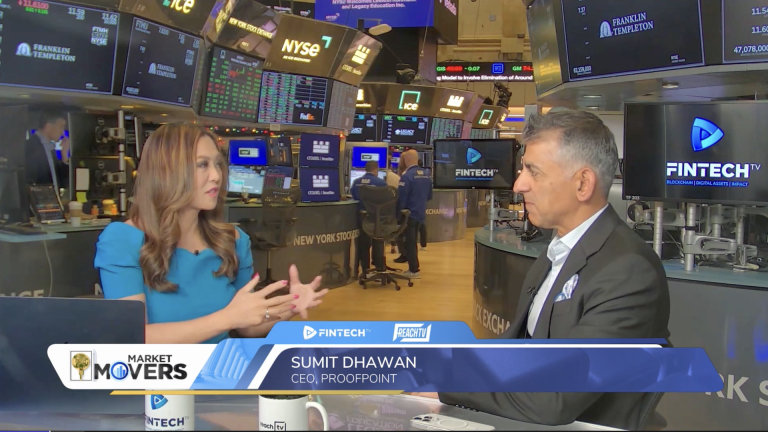
A new era of digital finance is emerging as the intersection of artificial intelligence and cybersecurity becomes increasingly critical. In a recent episode of FintechTV, Remy Blaire spoke with Summit Dhawan, CEO of Proofpoint, a leading cybersecurity firm that protects more than two million organizations, including 80% of the Fortune 100. Their discussion explored the delicate balance between leveraging AI for productivity gains and protecting sensitive enterprise data.

Central to the conversation was a powerful analogy shared by Dhawan, who warned that deploying agentic AI without proper security is akin to “handing the keys to the castle without checking the locks.” The comparison highlights the vulnerabilities that accompany rapid adoption of advanced technologies. While AI is driving productivity improvements and stronger financial performance, it is also expanding risk exposure, particularly in data-sensitive industries such as financial services and healthcare.

Dhawan emphasized that although AI technology is widely accessible, successful adoption depends on strong governance and effective change management. He noted that boardroom discussions are evolving, with leaders increasingly recognizing that technological innovation must be paired with governance frameworks. According to Dhawan, AI governance should be embedded into operational processes and board-level dashboards, as the challenge is no longer access to technology but rather how it is implemented responsibly.

As AI adoption accelerates, risk management has become a top priority. Dhawan stressed the role of leadership accountability, particularly among Chief Information Security Officers and CEOs, in preventing breaches and ensuring compliance. While technology providers such as Proofpoint can supply foundational security tools, ultimate responsibility lies with executive leadership to ensure governance and compliance structures keep pace with the evolving AI environment.

Discussing potential outcomes, Dhawan outlined the severe consequences of overlooking security risks. Major breaches threaten not only data integrity but also business continuity, customer trust, and revenue streams. The layering of AI onto existing digital infrastructures significantly expands the attack surface, making proactive and comprehensive risk management essential.

Dhawan acknowledged that concerns about complexity should not deter organizations from adopting AI. He explained that AI systems operate differently than humans and do not inherently follow ethical boundaries, creating vulnerabilities if governance measures are insufficient. Without robust oversight, AI implementations can introduce chaos rather than efficiency. Strong governance, he argued, is key to ensuring AI serves as an asset rather than a liability.

Looking forward, Dhawan shared Proofpoint’s vision for what he described as “human and agent-centric security.” This next-generation approach aims to protect both people and AI agents as AI-driven threats grow more advanced. He noted that just as humans are susceptible to social engineering attacks, AI systems can be manipulated through techniques such as prompt engineering. As these vulnerabilities converge, reinforcing security controls becomes increasingly critical.

With more than $2 billion in annual revenue, Proofpoint continues to evolve its cybersecurity strategy to address emerging risks. By expanding its focus beyond human-centric security to include AI agents, the company is responding to the growing complexity of the cybersecurity landscape. As fintech, blockchain, and AI technologies advance, the integration of cybersecurity and governance will play an increasingly central role in enterprise resilience.

Ultimately, the conversation delivered a clear message for business leaders: artificial intelligence offers tremendous potential for growth and efficiency, but it must be deployed with a clear understanding of risk and governance. As organizations navigate the rapidly changing digital and financial environment, collaboration between technology teams, executive leadership, and cybersecurity professionals will determine long-term stability and success.

NRx Pushes Safer Ketamine Toward FDA Approval

FintechTV continues its deep dive into innovations influencing a wide range of sectors, including the rapidly evolving healthcare landscape. In this segment, the focus is on NRx Pharmaceuticals, a clinical-stage biopharmaceutical company working to revolutionize the treatment of mental health disorders. The company is developing therapies for central nervous system conditions such as bipolar depression, PTSD, and chronic pain. Its leading drug candidate, NRX-100, is a novel ketamine-based formulation designed to address the growing crisis surrounding depression.

NRx Pharmaceuticals recently announced the submission of an FDA application for a preservative-free intravenous ketamine product known as Ketafree, with a review goal date set for July 2026. Speaking with Remy Blaire, NRx Pharmaceuticals CEO Dr. Jonathan Javitt outlined the company’s transformative work in advancing mental health treatment and positioning the business for future scalability.

Dr. Javitt explained that the company has filed an abbreviated new drug application to introduce the first U.S.-manufactured ketamine product to the market in many years. Ketafree distinguishes itself by eliminating a toxic preservative, benzalkonium chloride, which has been used in ketamine formulations since the 1970s. This legacy approach is now widely viewed as outdated and harmful, with the FDA deeming the preservative unsafe for modern medical use.

According to Dr. Javitt, the global ketamine market is currently valued at approximately $750 million. NRx Pharmaceuticals believes its safer, preservative-free formulation positions the company to capture a meaningful share of that market. In addition, the company is pursuing efforts to petition the FDA to remove toxic preservatives from all ketamine formulations, a move that could further expand the market opportunity.

As NRx Pharmaceuticals prepares to scale operations, it has already opened its first clinics in Florida and is moving aggressively to expand. Dr. Javitt noted a strong growth outlook, projecting approximately 25% annual revenue growth driven by rising public awareness and increasing demand for more effective mental health treatments. Traditional antidepressants, he noted, have limited efficacy, working for only about 30% of patients.

Emphasizing the urgency of innovation in mental health care, Dr. Javitt referenced sobering statistics tied to severe depression and PTSD. Suicide continues to claim an American life roughly every 11 minutes, underscoring the magnitude of the ongoing mental health crisis. NRx Pharmaceuticals aims to address gaps left by traditional therapies through advanced treatments such as ketamine and transcranial magnetic stimulation, which promote neuroplasticity, the brain’s ability to form new neural connections.

Dr. Javitt highlighted recent research demonstrating that combining ketamine with other neuroplastic therapies can achieve response rates as high as 87% among patients with severe depression. This represents a dramatic improvement over conventional antidepressant treatments and signals a broader shift in how mental health conditions may be treated in the future.

Government interest in neuroplastic care is also increasing. The recently established ARPA-H under the Department of Health and Human Services is now prioritizing funding proposals that target neuroplastic treatments as a key area for advancement. This growing federal focus reflects a changing attitude toward innovative mental health solutions and aligns with the initiatives being pursued by NRx Pharmaceuticals.

Overall, NRx Pharmaceuticals, under the leadership of Dr. Javitt, is positioned at the forefront of next-generation mental health treatment development. As societal understanding of mental health continues to evolve, the demand for safer and more effective therapies is becoming increasingly urgent. With the advancement of Ketafree and the expansion of its clinic network, NRx Pharmaceuticals is poised to play a meaningful role in shaping the future of mental health care by emphasizing both therapeutic effectiveness and patient safety.

Agentic AI Pushes Leaders to Rethink Decision Making and Trust


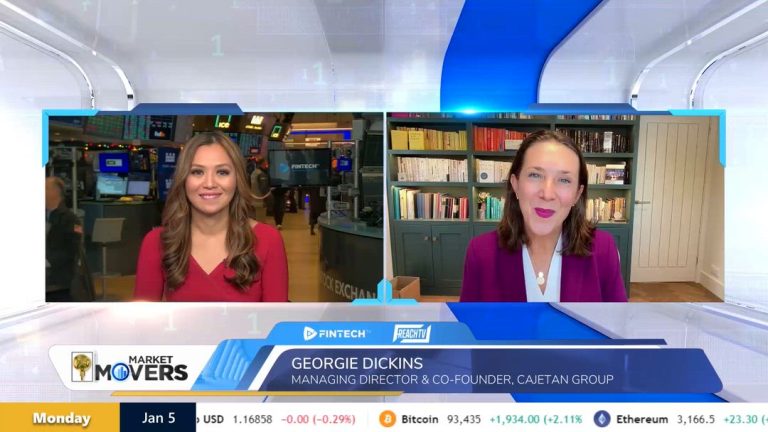
Effective leadership in the era of Artificial Intelligence (AI) demands more than traditional expertise. It requires an understanding of how AI can change decision-making and enhance customer experiences while safeguarding a competitive edge. The concept of agentic AI adds a layer of adaptability, reasoning, and decision-making that transforms the way work is performed. To delve into the pressing need for evolved leadership, FintechTV’s Remy Blaire spoke with Georgie Dickens, managing director and co-founder of Cajetan Group.

In this insightful discussion, Dickens emphasized the importance of adaptability in leadership. The age-old adage “what got you here won’t get you there” resonates deeply in today’s fast-evolving landscape. Leaders must recognize that the skills, behaviors, and processes that led to past successes may not suffice in guiding teams through the complexities introduced by AI. The adaptability quotient, or AQ, is now vital alongside intellectual quotient (IQ) and emotional intelligence (EQ).

Dickens pointed out that adaptability is becoming a key focus during talent acquisition. Companies are increasingly assessing candidates for their ability to adapt, stay curious, and flex under change. This highlights a broader trend: organizations must look for individuals who can navigate the unknowns that come with AI integration.

When discussing the essential skills leaders must cultivate in AI-driven organizations, Dickens reflected on the irreplaceable human aspect of leadership. Engendering trust—rooted in empathy, openness, and integrity—is crucial. Despite AI’s advantages in efficiency, research, ideation, and summarization, machines lack the capacity for emotional intelligence and ethical judgment. These qualities are essential for leaders facing risky decisions that require nuanced understanding and human intuition.

Striking a balance between AI insights and human judgment is critical. Dickens emphasized that AI and human leadership can complement each other effectively when leaders leverage AI tools while maintaining the humanity that inspires and motivates teams. Organizations are starting to appoint AI champions who are knowledgeable about these tools, capable of educating their colleagues about their potential and guiding them toward leveraging AI in beneficial ways. This approach can significantly reshape business operations and strategies.

Another essential aspect is cultivating a culture that embraces AI without compromising on ethics or accountability. Dickens reiterated that the emotional intelligence stemming from human leaders cannot be replicated by machines. Instead, ethical behavior and reliable judgment need to be integrated into the organization’s culture—fostered through measures such as trust, psychological safety, transparency, and openness. Employees are more inclined to work under leaders they trust, and this trust is built on consistent, empathetic behavior.

As we navigate this pivotal moment in business, organizations must not only adapt to technological advancements but also reinforce the values that make leadership distinctly human. The integration of AI into workplaces presents remarkable opportunities, but it should never replace the emotional connection and ethical considerations that guide decision-making and culture.

In conclusion, Georgie Dickens’ insights reveal that effective leadership in the age of AI calls for an adaptive mindset, a commitment to emotional intelligence, and the capacity to balance technology with human judgment. As we proceed into a future where AI plays an increasingly crucial role, leaders must remember that their strength lies in combining human empathy with technological prowess.

Wall Street Warns AI Stocks Face Valuation Reality Check

In a market characterized by three consecutive years of substantial gains, including a 16% rise in the S&P 500 and a 19% increase in the Nasdaq, Wall Street is now looking toward the future with caution. In a recent interview with David Trainer, CEO of New Constructs, critical insights into the current economic landscape and the future of big tech and AI investments were discussed. As we move into 2026, the question at hand is whether the bullish momentum can continue or if we are entering a more discerning period for investors.

David Trainer opened the conversation by emphasizing that many stocks are currently overpriced, calling 2026 a year of ‘discernment.’ According to Trainer, a significant evaluation of cash flow and underlying margin strength will redefine which companies can sustain their valuations and which cannot. This shift in market dynamics is reminiscent of the period leading up to the dot-com bubble, where stocks associated with emerging technologies like blockchain and AI were inflated regardless of their financial fundamentals.

The interview revealed Trainer’s thoughts on the pressing need for investors to focus on true cash flows and competitive advantages rather than speculative investments. These strategies are especially crucial in the context of heavy spending on AI, which could reach $30 billion per month. Companies that cannot maintain this financial rigor may find themselves outpaced by those with solid cash flow, such as tech giants with established economic moats.

During the discussion, Trainer acknowledged that while the AI sector is burgeoning, it may also be susceptible to ‘microbubbles,’ where stocks become inflated beyond their true value. Some companies are poised to thrive thanks to their robust cash flows and a clear competitive advantage, while others may face significant corrections. The delicate balance between innovation and financial viability will separate the winners from the losers in this new landscape.

Furthermore, Trainer elaborated on the crucial role of cash flow in keeping pace with AI advancements. With capital required to remain competitive now reaching unprecedented levels, only a few firms can afford the high stakes of AI development. As illustrated by Oracle’s struggles to maintain cash flow, the challenge lies in continuous innovation paired with fiscal responsibility.

As investments in AI rise and transform industries, the impact on consumers will likely be positive. However, Trainer asserts that the benefits will not exclusively accrue to large corporations. “Real innovation over the long term will see rewards dispersed throughout,” he explained, emphasizing that a broader understanding of value creation in the context of AI is essential for future investment strategies.

Trainer’s reflections also touched on the growing distractions in investing culture. The current landscape has seen a rise in speculative activities driven by entertainment, such as betting markets on various cultural events, which further misalign investor focus away from substantive investment practices. Returning to fundamental principles of capital allocation will be necessary for a healthier investment environment.

As we usher in 2026, the topic of AI innovation and its ramifications on stock valuations will continue to evolve. Trainer’s insights offer an important perspective for both seasoned and new investors as they navigate an increasingly complex market landscape. With the potential for cash-rich companies to dominate and speculative bubbles to burst, now is the time for investors to adopt a forward-thinking approach to their portfolios, prioritizing sustainable practices aligned with their long-term financial goals.

In conclusion, the insights provided by David Trainer serve as a guide to understanding the dynamics influencing the stock market and AI investments in 2026 and beyond. As investors become more discerning, the focus on cash flow, competitive advantage, and sustainable growth will be critical in navigating this evolving financial landscape.

Maduro Arrest Triggers Power Shift and Oil Market Risk

Venezuela’s political landscape is currently experiencing seismic shifts, with U.S. actions leading to a highly volatile situation in the region. Recently, President Nicolas Maduro has been brought to a Manhattan federal court, and the reins of power have temporarily shifted to Vice President Rodriguez, highlighting the potential for significant changes in Venezuelan governance moving forward. At the center of this geopolitical turmoil is an intriguing and multifaceted narrative, as explored in the latest news discussion with Patrick L. Young, chairman and founder of Exchange Invest.

As we kick off the first full trading week of 2026, uncertainties loom large around the future of Venezuela and its people. With President Trump’s recent move to remove Maduro under drug-related charges, he has effectively cast the spotlight on Venezuela and drawn international attention, calling into question the future dynamics in the region. Young’s analysis of the situation suggests a careful yet assertive approach from the U.S. government as it navigates this crisis, signifying a broader strategy to influence change without overtly stepping in to govern the nation.

One of the highlights of this discussion centers on the implications of Trump’s actions, illustrating that while regime change may not be on the immediate agenda, the arrest of Maduro signals a strong message against corruption and drug trafficking — both longstanding issues within the Venezuelan regime. As the country’s vice president now holds temporary power, the challenge lies in how she can align her socialist ideologies with the necessity for improved relations with the U.S. and other nations, potentially signaling a new direction for Venezuelan politics.

Additionally, the geopolitical implications extend far beyond Venezuela’s borders. The stability of Colombia and Cuba stands precariously; Colombia must assess its relationship with the U.S. carefully, as the threat of further U.S. intervention looms. Meanwhile, Cuba, which traditionally relied on Venezuelan oil, faces unprecedented challenges with access to energy resources. The regional dynamics promise to shift dramatically, compelling countries in the Caribbean to recalibrate their political alignments in light of a changing landscape fostered by U.S. intervention.

The discussion also underscores the global ramifications involving major players like China and Russia. As the Trump administration moves to tap into Venezuela’s considerable oil reserves, the richest in the world, both nations face a recalibrated energy landscape. The dependency of China on foreign oil might require a reevaluation of its alliances and energy strategies, especially as Russia grapples with sanctions and isolation resulting from its actions concerning Ukraine. Speculation points towards a potential regime shift not only in Venezuela but also in Iran, underlining the interconnectedness of global politics and energy resources.

As we navigate these tumultuous waters, the significance of sustainable investment approaches aligned with the Sustainable Development Goals (SDGs) becomes increasingly clear. The volatility surrounding Venezuelan politics emphasizes the need for transparent and responsible governance to pave the way for economic stability and growth. Entrepreneurship, cryptocurrency, and blockchain technologies might even find their footing in creating new avenues for recovery and development.

The future holds many uncertainties, and while the immediate focus remains on Venezuela, the unfolding events will undoubtedly ripple across the globe. The interplay of influence from the United States, shifts in oil production, and geopolitical maneuvering create an intricate narrative — one that calls for astute observation and proactive engagement from all stakeholders, ranging from government entities to global financial institutions.

In conclusion, as the situation in Venezuela continues to develop, the political narrative serves as a vital case study in modern international relations and economics, presenting both challenges and opportunities that merit strategic contemplation well into the new year. Understanding these dynamics will be essential in assessing their long-term effects on global trade, investment strategies, and sustainable development efforts.

Three Straight Double Digit Years Put U.S. Stocks in Control as 2026 Begins

The year 2025 has been remarkable for U.S. stocks as they logged three straight years of double-digit percentage gains, exhibiting astonishing resilience despite various challenges such as tariff dramas, government shutdowns, and concerns over potential AI bubbles. When we reflect on the performance of the major indices, the S&P 500 closed up 16%, the Nasdaq was up 19%, and the Dow gained 13%, showcasing a robust economy. Let’s delve into the insights shared by Peter Tuchman, a senior floor trader at TradeMas, as he unpacks the volatility of the markets and what it means for investors moving forward.

Tuchman welcomed the New Year with an optimistic outlook, emphasizing the extraordinary nature of finishing the year with such impressive gains, especially considering the market’s ups and downs. During the year, there were periods when investor sentiment was shaky; however, the market’s ability to close out on a high note reflects not only resilience but also the global enthusiasm from both retail and institutional investors.

Tuchman pointed out an intriguing phenomenon: how January’s market performance often sets the tone for the year. Given the slight bullish rally at the start of 2026, he encouraged a positive interpretation amidst ongoing geopolitical concerns, including an attack in Venezuela and its implications for the oil market. Venezuela, holding a staggering $7 trillion in oil reserves, poses questions around global oil partnerships and how such geopolitical moves could affect stock prices again. As oil stocks rallied, it became evident that large companies like Exxon and Chevron might play crucial roles in the unfolding narrative.

As discussions shifted towards the Consumer Electronics Show (CES), Tuchman highlighted the significance of AI in an ongoing industrial revolution. He expressed confidence that the innovations and insights shared at the CES would further dispel myths around whether AI is a mere bubble or a foundational technology for the future. Emphasizing AI’s integration into various sectors, especially energy—which will play a pivotal role in how data centers operate—Tuchman illustrated how revolutionary this technology can be going forward.

Throughout their conversation, the critical topic of interest rates emerged as a focal point for market analysts. The U.S. experienced three interest rate cuts, and there’s much speculation about how upcoming job numbers and economic data releases will influence further cuts, thereby affecting market performance. Tuchman emphasized that large funds are currently positioned in an interest rate-sensitive manner, indicating a need to monitor economic releases closely as they could drastically impact market sentiment.

The resilience of the markets in 2025 serves as a testament to the adaptability of the economy and its participants. With the year starting strong, insights from Peter Tuchman provide a valuable guide for investors to navigate potential risks and opportunities ahead. As trends around AI, energy markets, and geopolitical developments unfold, both retail and institutional investors remain poised to adapt and innovate.

Overall, the discussion highlighted a blend of optimism and caution in today’s volatile financial landscape. Whether driven by advancements in blockchain technology, AI development, or shifts in the geopolitical arena, understanding these complexities will be crucial as we progress through 2026.