[stock-market-ticker symbols=" ^NYA;CRYPTO:BTC;CRYPTO:ETH;CRYPTO:USDT;CRYPTO:USDC;CRYPTO:BNB;CRYPTO:ADA;CRYPTO:XRP;CRYPTO:SOL;CRYPTO:DOGE " stockExchange="NYSENASDAQ" width="100%" transparentbackground=1 palette="financial-light"]

Home Blog Page 20

eToro’s Q3 Earnings: A Deep Dive into Retail Investor Trends and Market Growth

Remy Blaire is joined by Yoni Assia, the CEO of eToro, to discuss the company’s recent third-quarter earnings and the broader trends in the financial markets. The segment opens with Remy highlighting eToro’s impressive performance, reporting a 28% growth in revenue year-over-year and nearly 40% growth in net income. Yoni shares that eToro generated over $800 million in revenue and more than $300 million in net income over the past year, attributing this success to the rise of retail investors, particularly among younger generations who are increasingly engaging in trading across various asset classes, including stocks, cryptocurrencies, and precious metals.

As the conversation progresses, Yoni emphasizes the significance of the current administration’s favorable stance towards blockchain technology and digital assets. He reflects on eToro’s long history in the crypto space, having started buying Bitcoin at $5 and launching it on their platform when it was priced at $100 in 2013. Yoni expresses excitement about the convergence of crypto markets and capital markets, noting that the SEC Chair is advocating for moving capital markets on-chain, a vision eToro has been championing for over a decade.

Remy and Yoni also discuss the shift towards 24/7 trading, with eToro recently implementing 24-5 trading for many stocks, resulting in 30% of their trading volume occurring outside of regular market hours. Yoni highlights the demand from investors for trading experiences that mirror the accessibility of crypto markets.

The segment further explores the role of artificial intelligence in trading, with Yoni explaining how eToro has introduced APIs that allow customers to utilize AI for developing trading strategies. This innovation is particularly appealing to younger investors who are interested in social investing and technology-driven solutions.

In addition to discussing eToro’s growth and technological advancements, Yoni addresses the company’s strategy for maintaining competitiveness in the market. He underscores the importance of customer satisfaction and education, as well as the continuous introduction of new products. With a strong balance sheet post-IPO, eToro is actively seeking acquisition opportunities to enhance its offerings.

Finally, Remy and Yoni touch on the emerging field of prediction markets. Yoni reveals that eToro is exploring ways to connect its non-custodial wallet to enable customers to participate in prediction markets using cryptocurrencies, indicating a commitment to innovation and expansion in the evolving financial landscape.

Navigating the AI-Driven Market: Risks and Strategies with Jim Rickards

Remy Blaire engages in a thought-provoking conversation with James Rickards, the editor of “Strategic Intelligence” and a New York Times bestselling author known for his works such as The New Great Depression and Currency Wars. The segment marks the one-year anniversary of Rickards’ book, MoneyGPT, which explores the implications of artificial intelligence (AI) in financial markets.

Remy opens the discussion by highlighting the rapid growth of AI technologies, particularly since the launch of OpenAI’s GPT-4, which reached 100 million users in just two months. She emphasizes the dual nature of AI’s impact, noting its potential to create significant market risks alongside its benefits.

Rickards shares his perspective on AI, asserting that while it is a powerful tool that has permeated various aspects of daily life—from smart appliances to trading algorithms—it also introduces substantial dangers, especially in the stock market. He explains that over 95% of trading is now fully automated, raising concerns about the potential for market crashes when AI-driven strategies are employed en masse.

Using the analogy of a baseball game, Rickards illustrates the “fallacy of composition,” where individual actions that seem beneficial can lead to collective failure. He warns that if all investors decide to sell during a market downturn, it could result in a rapid and irreversible market collapse, exacerbated by AI’s continuous sell signals.

The conversation shifts to the biases inherent in AI systems. Rickards points out that while developers strive to eliminate human biases, they often replace them with their own, leading to skewed outputs. He cautions that as AI increasingly learns from flawed outputs, the quality of information it processes may deteriorate, potentially resulting in chaotic market conditions.

Remy asks Rickards about specific safeguards that could be implemented in the financial sector and national security to prevent AI from amplifying crises. He suggests that rather than imposing rigid ethical frameworks, subject matter experts should apply their judgment to AI outputs, recognizing and addressing biases without enforcing a singular perspective.

Rickards proposes a more nuanced approach to market regulation, likening it to “pumping the brakes” instead of slamming them. He advocates for a system where, during significant market drops, only a portion of sell orders are executed, allowing time for reflection and decision-making rather than an immediate market shutdown.

Diversifying Risk: How to Use Ex-Sector Funds in Your Investment Strategy

Remy Blaire engages in a thought-provoking discussion with Simeon Hyman, the Global Investment Strategist at ProShares. The conversation centers around the current investment landscape, which has been characterized by volatility and unpredictability, particularly in the year 2025.

Remy opens the segment by highlighting the challenges investors face, including tech booms, price swings across various asset classes, and the constant disruption caused by factors such as artificial intelligence and global shifts. She introduces the concept of Ex-Sector ETFs, a strategy that allows investors to step back from specific industries when risks rise without abandoning the broader market.

Simeon celebrates the 10th anniversary of ProShares’ Ex-Sector ETFs, explaining how these funds work by allowing investors to eliminate exposure to a particular sector of the S&P 500. He details the available options, including SPXT (Ex-Technology), SPXE (Ex-Energy), SPXV (Ex-Healthcare), and SPXN (Ex-Financials). Simeon emphasizes that many investors typically have a view on one sector rather than the entire market, making these ETFs a straightforward tool for managing risk.

Throughout the segment, Simeon provides practical examples to illustrate the utility of Ex-Sector ETFs. He discusses how an investor with a bearish view on the energy sector can exclude it from their portfolio, especially when oil prices are declining. He also addresses the significant weight of the technology sector in the S&P 500, suggesting that while it may be tempting to eliminate it entirely, investors can use the Ex-Technology ETF to adjust their exposure without completely abandoning their tech investments.

Remy and Simeon also explore the importance of considering one’s employment sector when making investment decisions. Simeon points out that for individuals working in sectors like healthcare, where their income stream is substantial, it may be wise to reduce their investment exposure to that same sector to diversify their risk.

As the conversation shifts to broader market dynamics, they discuss how political factors, such as regulatory changes and tariffs, can influence investment strategies. Simeon cautions against assuming that sectors are undervalued simply because they appear cheap compared to technology, advising investors to remain mindful of the political landscape, particularly in sectors like healthcare.

The segment also addresses the scenario of receiving a large single stock position as a gift or inheritance. Simeon suggests that using an Ex-Sector ETF, like SPXT for technology, can help balance out the exposure without incurring capital gains taxes from selling the stock.

The Impact of Government Shutdown on Economic Data: What Investors Need to Know

Remy is joined by James Knightley, Chief International Economist at ING, who provides valuable insights into the economic landscape. They explore the recent ADP report, which indicates a concerning trend of job losses in the private sector, with an average of over 11,000 jobs lost weekly in the four weeks leading up to October 25th. James emphasizes the importance of the upcoming official jobs report, which is expected to provide more clarity on the labor market.

As they approach the final Federal Reserve meeting of 2025, Remy and James discuss the potential for interest rate cuts and the divisions within the Fed regarding the timing of these cuts. James highlights the critical role of the 10-year Treasury yield, which affects mortgage rates and corporate borrowing costs. While lower rates can support growth, there is a delicate balance to maintain, especially with upcoming fiscal data that could influence the long end of the yield curve.

The conversation also touches on the limitations of monetary policy in addressing inflation, particularly in sectors like education, healthcare, and insurance. James points out that while tariffs have not been as impactful as initially feared, disinflationary forces are emerging, including falling energy prices and weaker wage growth, which could help alleviate inflationary pressures.

As they look toward year-end, Remy and James examine the bifurcation in the economy, where the top 20% of households are thriving, particularly in tech investments, while non-tech sectors face challenges. This K-shaped recovery presents different opportunities for investors, especially those focused on high-end consumers and technology.

Investing in Families: The Corporate Role in Preventing Child Abuse

Dr. Melissa Merrick, President and CEO of Prevent Child Abuse America delves into the critical issue of child abuse prevention. With alarming statistics indicating that one in seven children in the U.S. is affected by child abuse, Dr. Merrick emphasizes the vital role the corporate sector can play in investing in healthy families. By supporting initiatives like the 1% to Prevent campaign, businesses can contribute to building a stronger workforce and a more resilient economy, ultimately saving lives and fostering prosperity for future generations.

Dr. Merrick outlines what effective prevention looks like, highlighting the importance of alleviating stressors on families through supportive policies such as paid family leave, on-site childcare, and affordable housing. She explains that investing in these preventive measures not only strengthens families but also yields significant economic returns, saving $10 to $12 for every dollar spent on prevention. By shifting the focus from crisis management to proactive support, we can create a healthier environment for children and families across the nation.

Dr. Merrick explores the various ways companies can make a difference beyond just financial donations. From implementing wellness programs to providing essential services like home visiting and food pantries, there are numerous strategies that can help families thrive. She shares her personal journey and insights from her experience as a child clinical psychologist and public health expert, reinforcing the message that investing in families is not just a moral obligation but a smart economic strategy.

“Uniting Voices: Makeda Mays-Green on Combating Global Hunger and Inspiring Change”

On this episode, Remy Blaire welcomes Makeda Mays-Green, a key advisor to 100billionmeals.org and SVP of Digital and Cultural Consumer Insight at Nickelodeon. Makeda shares her journey from a passionate child viewer of children’s media to a leader in the industry, emphasizing the importance of representation and the power of storytelling in shaping young minds.

In celebration of the 40th anniversary of “We Are The World,” Makeda discusses her collaborative efforts with Daryl DMC McDaniels and music producer Jimmy Jam to create a new song aimed at combating global hunger. This initiative not only brings together some of today’s hottest artists but also invites everyone to participate in the fight against hunger, showcasing how music can unite and inspire change.

Additionally, Makeda introduces her new podcast, “The Dream Doctor,” which aims to empower individuals to pursue their dreams despite obstacles. With insights from influencers and personal stories from dreamers, the podcast provides mentorship and encouragement to help listeners overcome challenges and achieve their aspirations.

The Rise of Humanoid Robots: Innovations and Investments in Robotics

Remy is joined by Brendan Ahern, CIO of KraneShares, and Teddy Haggerty, CEO of RoboStore, to delve deeper into the implications of these advancements. The segment kicks off with Teddy introducing the Unitree G1, a state-of-the-art humanoid robot designed as a developer package for research and development in robotics. He explains the technology behind the G1, which includes an NVIDIA computer, Intel depth sensors, and LiDAR, showcasing the collaborative efforts of various companies in the robotics ecosystem.

Brendan shares insights from his recent travels in Asia, noting that while Asian economies may currently lead in robotics, the U.S. is rapidly catching up. He discusses the upcoming IPO of Unitree, a Chinese company, and emphasizes the global nature of the robotics industry, which encompasses not only robotics manufacturers but also rare earth companies and automotive manufacturers transitioning into robotics.

The conversation shifts to the potential use cases for humanoid robots, with Brendan highlighting their applications in customer-facing roles, manufacturing, and law enforcement. He elaborates on the integration of AI into these robots, explaining how they can utilize large language models (LLMs) to perform a variety of tasks, thereby enhancing their functionality.

As the discussion progresses, Remy and the guests examine investment themes for 2025, particularly the role of AI in robotics. They reference predictions from companies like Huawei and Morgan Stanley regarding the future prevalence of humanoid robots in households and industries. Brendan underscores the challenges of identifying the leading companies in this rapidly evolving sector, which is why the KOID ETF was created to include a diverse range of firms involved in robotics.

The segment also addresses national security concerns, particularly the collaboration between U.S. technology and Chinese manufacturing in the development of humanoid robots. Remy prompts a discussion on the price points of various models, from entry-level options to high-end versions designed for research and development, highlighting the increasing accessibility of robotics technology.

Understanding the October Liquidation Event: Lessons for Crypto Investors

Remy Blaire is joined by Paul Howard, Senior Director at Wincent, to discuss the evolving dynamics of the cryptocurrency market and its increasing ties to macroeconomic factors. The conversation begins with Remy highlighting how the involvement of institutions, through vehicles like ETFs and digital asset treasuries, has led to a significant shift in how crypto prices are influenced by traditional economic news.

“Now we’ve got a stage where we have big institutions, some of the largest hedge funds and pension funds in the world investing into the asset class.” – 04:21

Paul elaborates on the recent volatility in the market, particularly referencing a major liquidity event that occurred on October 10th. He explains that this event was triggered by the announcement of rare earth tariffs, which caused a dramatic drop in crypto prices, with some assets experiencing declines of up to 90%. Paul notes that this event resulted in the largest liquidation in crypto history, amounting to $20 billion, and discusses the challenges faced by market makers during this period of heightened volatility.

As the discussion progresses, Remy and Paul analyze the current state of Bitcoin prices, which have not yet recovered from earlier highs of over $126,000. Paul emphasizes the importance of institutional liquidity providers like Wincent, especially as the market approaches the end of the year—a time typically associated with sell-offs. He mentions that Bitcoin prices are currently fluctuating between $105 to $115, suggesting this range may persist in the near future.

The conversation also delves into the role of ETFs and ETPs in the market, particularly for retail investors. Paul highlights the growing interest in stablecoins and anticipates that upcoming regulations, such as the Genius Act, will significantly impact the U.S. dominance in stablecoin circulation. He expresses optimism about the future of digital assets, emphasizing their potential to transform the banking sector by lowering costs and increasing efficiency in capital movement.

Mark Malek on the State of the Economy: Focus on Veterans and Long-Term Investments

Remy Blaire engages in a timely discussion with Mark Malek, the Chief Investment Officer of Siebert Financial, as they explore the current economic landscape against the backdrop of a record-long government shutdown and the observance of Veterans Day.

The segment opens with Remy highlighting the recent approval of a funding bill by the U.S. Senate, which aims to reopen the government and fund most operations through January 30th, while some agencies will receive funding until the end of September. She notes the importance of the House also passing the bill before it can be signed into law by President Trump.

As the conversation shifts to the financial markets, Remy and Mark discuss the mixed market opening following a rally the previous day. Mark provides insights into the ongoing negotiations surrounding tariffs, indicating that while some large tariffs are being reduced, uncertainty still looms over the situation. He emphasizes that both corporations and investors have been preparing their portfolios for these changes.

Recognizing the significance of Veterans Day, Remy prompts Mark to address the economic pressures faced by military personnel and their families. Mark explains that service members are not exempt from the challenges of inflation and rising living costs, which impact their ability to make ends meet. He highlights the unique circumstances of military life, where service members often lack the time to manage their financial portfolios due to their demanding schedules.

The discussion then turns to the broader implications of the government shutdown on key economic data, particularly regarding the labor market and inflation. Mark points out that the challenges faced by service members reflect the wider economic landscape, which is currently experiencing headwinds that could disproportionately affect them.

Mark provides an overview of the defense sector, noting the administration’s supportive stance while also acknowledging the challenges posed by tariffs and trade frictions. He emphasizes the growing importance of industrial security, particularly in relation to technology and semiconductor production.

As the holiday season approaches, Remy and Mark examine the performance of the U.S. equity markets and the commodity sector. Mark advises retail investors to maintain a long-term perspective, reminding them that market fluctuations are normal. He highlights the positive earnings season and the potential for accommodative monetary policy from the Federal Reserve, suggesting that these factors could provide tailwinds for the markets moving forward.

Market Movements: Analyzing the Impact of the Government Shutdown on U.S. Stocks

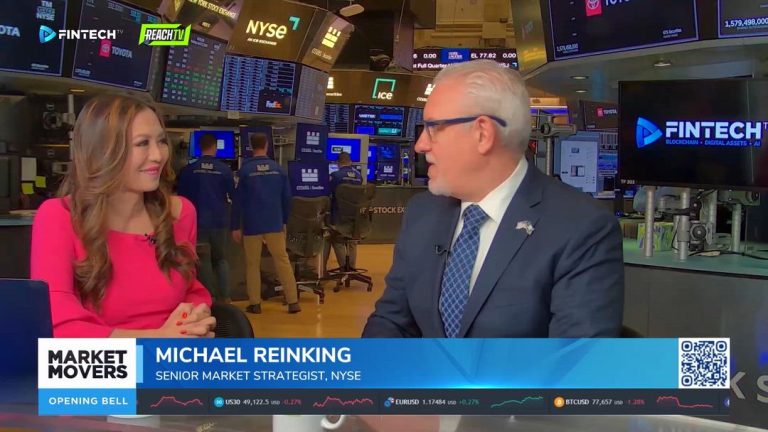
Remy Blaire welcomes Michael Reinking, Senior Market Strategist at the NYSE, to discuss the current state of the U.S. stock market. The segment opens with a focus on the mixed opening for U.S. stock futures, highlighting a recent rally in tech stocks driven by optimism surrounding the potential end of the government shutdown, which has significantly affected consumer confidence and the broader economy.

Michael provides insights into the market dynamics, noting that the previous week saw considerable weakness in major tech names. However, a technical bounce occurred, fueled by positive sentiment regarding the government shutdown. He mentions the recent ADP jobs report, which indicates a slowdown in hiring during the latter half of October, raising concerns about the strength of the economy. This report prompts discussions about the implications for the market and investor sentiment.

The conversation shifts to negative developments within the tech sector, including CoreWeave’s earnings report, which reveals a reduction in capital expenditure forecasts and delays in construction. Additionally, Michael discusses SoftBank’s decision to liquidate positions in NVIDIA, which adds further pressure on tech stocks.

“We had CoreWeave earnings last night, where they took down some of their CapEx numbers for next year.” – 01:44

As the segment progresses, Remy and Michael look ahead to key upcoming events, including an AMD event scheduled for later in the day and several tech earnings reports throughout the week, with NVIDIA’s earnings at the end of the month being particularly noteworthy. They delve into the ongoing debate about whether AI represents a bubble, acknowledging that this conversation is likely to continue for the next several months.

The discussion also covers the anticipated economic data that will emerge following the end of the government shutdown. Michael expresses caution, suggesting that the data may be inconsistent but could provide the Federal Reserve with enough justification to consider a rate cut in December. He emphasizes the cautious approach being taken by some members of the Federal Reserve, who are seeking more data before making significant policy decisions.