[stock-market-ticker symbols=" ^NYA;CRYPTO:BTC;CRYPTO:ETH;CRYPTO:USDT;CRYPTO:USDC;CRYPTO:BNB;CRYPTO:ADA;CRYPTO:XRP;CRYPTO:SOL;CRYPTO:DOGE " stockExchange="NYSENASDAQ" width="100%" transparentbackground=1 palette="financial-light"]

Home Blog Page 16

Injective Sees On-Chain Trading and Tokenized Assets Driving Crypto’s Next Major Cycle

0

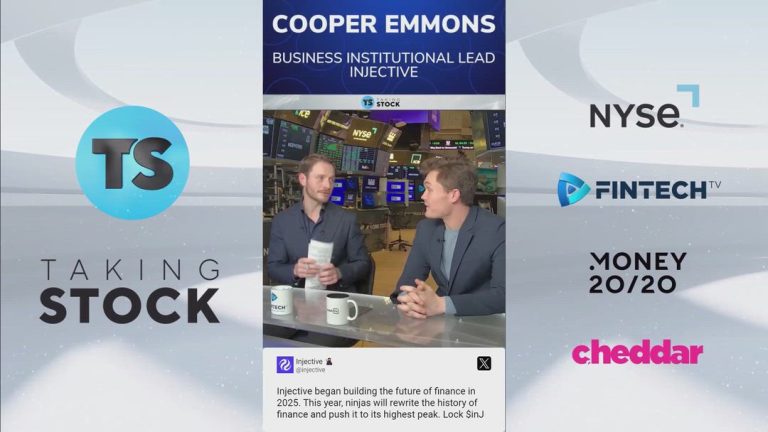
Cooper Emmons, the business institutional lead of Injective, shared valuable insights into the future of cryptocurrency and its integration with traditional finance during a recent discussion. With a particular focus on Bitcoin and other crypto majors, he discussed market trends, transformative financial products, and the evolving role of blockchain technology in finance. In a landscape shaped by shifting federal policies and macroeconomic conditions, Emmons highlights the resilience of crypto assets, suggesting that the sector is on the brink of what could be a significant bull market.

In the realm of cryptocurrency, price action has been tumultuous, particularly in late 2023. Major cryptocurrencies such as Bitcoin and Ethereum have experienced fluctuations, reflecting broader economic uncertainty. Emmons noted that despite the recent downturn—where Bitcoin was down 1% and Ethereum fell 12%—there are signs indicating potential recovery. He emphasizes the overarching influence of Federal Reserve policies on the market, positing that favorable developments could facilitate a more bullish environment as we head into the new year.

The conversation also shifted to the mechanics of cryptocurrency trading, specifically focusing on the prominence of perpetual swaps. Emmons revealed that on-chain perpetual trading volumes could exceed $1 trillion monthly by 2025, thanks to increasing use of decentralized exchanges like Helix and Hyperliquid. He believes this growth is poised to continue into 2026, largely driven by the introduction of diverse asset classes—including US equities and Forex—on blockchain networks. By democratizing access to these assets, these platforms can potentially enhance market participation and streamline trading operations.

Tokenized equities were another focal point during the discussion. While there was considerable hype in 2025, Emmons expressed optimism that 2026 will witness genuine user demand for these financial products. He argues that perpetual trading has become the revenue linchpin for exchanges, driving user engagement and attracting traders interested in leveraging their positions. This offers a glimpse into the future of financial products in the cryptocurrency space and showcases the potential for synergy with traditional markets.

Despite the challenges posed by high leverage and rapid market corrections—referring to the October 10th liquidation—Emmons suggested that leverage in the crypto space is unlikely to diminish significantly. He cited low borrowing rates as a sign that traders remain optimistic, hinting at an invigorated growth phase for the broader crypto ecosystem. The current climate, he believes, is ripe for innovation and new opportunities across emerging markets.

Geopolitical factors, particularly military interventions in volatile regions like Venezuela, also intersect with the crypto market. Emmons suggested that developments in such countries might provide fertile ground for cryptocurrency growth. Innovative financial products, such as stablecoins and decentralized exchanges, can support local economies and foster financial inclusion in these regions. Such discussions further reinforce the narrative that cryptocurrencies are not merely speculative assets—they can offer tangible solutions in high-growth markets where traditional banking options are limited.

Looking ahead, Emmons predicts that 2026 may usher in 24/7 price discovery for US equities on-chain. This landmark shift could lead to enhanced liquidity and greater user engagement with on-chain products, fundamentally transforming how traditional finance interrelates with the crypto ecosystem. As these developments unfold, the potential for cryptocurrency to drive sustainable, impactful financial practices becomes increasingly apparent.

Cooper Emmons’ insights reflect a growing confidence in the resilience and adaptability of cryptocurrency within evolving financial landscapes. As institutions embrace blockchain technology and innovative trading platforms, the future of crypto appears poised for substantial growth. With the marriage of financial acumen and technological advancement, the crypto market stands on the threshold of a new era, potentially redefining investment and finance as we know it.
NCR Voyix Accelerates Retail Tech Shift With Major Product Push, Platform Overhaul

0

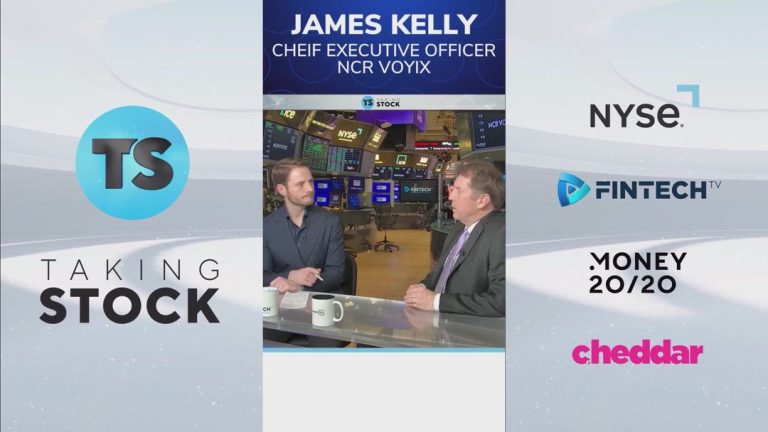
In a recent episode of “Taking Stock,” James Kelly, the CEO of NCR Voyix, shared insights into his experiences and the company’s transformation, focusing on the importance of modernization in the ever-evolving tech landscape. Kelly, who has a noteworthy history with public offerings, notably rang the bell at the New York Stock Exchange (NYSE) during NCR’s 100th anniversary, signifying a rich legacy of innovation in the retail and restaurant technology sector.

NCR Voyix aims to redefine customer experience for retailers and restaurants in a rapidly changing market. With a focus on delivering real-time data and innovative solutions, the company seeks to simplify operations for its top clients and modernize previously monolithic applications that hinder agility. The company’s journey has not only involved internal transformations but also a significant split from its ATM business—a strategic move intended to concentrate efforts on sectors poised for growth in the digital age.

During the interview, Kelly emphasized the foundational values that have propelled NCR through nearly a century of operations. He pointed out a guiding principle inscribed in the company’s headquarters: “Treat every customer as if it’s their only customer.” This ethos reflects NCR’s long-standing commitment to customer satisfaction and has become an integral part of the company culture, transcending multiple leadership regimes.

As NCR Voyix looks toward the future, Kelly revealed their ambitious plan to launch ten new products aimed at addressing modern retail challenges during the upcoming National Retail Federation (NRF) conference. This event will serve as a platform for showcasing cutting-edge technology designed to enhance the customer experience and foster innovation across the retail and restaurant sectors. Given the industry’s historical lag in technological adoption, these advancements represent crucial steps toward efficient, data-driven decision-making.

The integration of modern technology in retail not only boosts operational efficiency but also empowers businesses with access to real-time insights. In a landscape where consumer behaviors shift rapidly, being equipped with real-time data will allow companies to adapt swiftly to market demands. NCR Voyix’s renewed focus on modernization is not just about product launches; it embodies a broader commitment to sustainability in business practices, aligning with the Sustainable Development Goals (SDGs) and the increasing emphasis on responsible entrepreneurship.

Kelly’s acknowledgment of the challenges in the public market underscores a vital aspect of successful entrepreneurship: the necessity of performance. In his words, “you can hype all you want, but in the end you have to put numbers up on the board.” This mantra resonates well in the fast-paced financial landscape, particularly within sectors intertwining finance and advanced technologies like blockchain and AI. NCR Voyix’s strategic focus on delivering tangible results reflects the market’s demand for transparency and accountability, crucial for building investor trust.

Moreover, as NCR Voyix celebrates its legacy while embracing the future, it illustrates a significant lesson for startups and established firms alike: the importance of adaptability and ongoing innovation. By evolving alongside user needs and technological advancements, companies can position themselves favorably in competitive markets. Entrepreneurs across all sectors, especially in finance and technology, can take cues from NCR’s proactive approach to modernization and customer service excellence.

James Kelly’s perspective on innovation at NCR Voyix not only highlights the company’s pivotal role within the tech ecosystem but also underscores the vital intersection of sustainability and financial growth. As the world steers towards greater reliance on data-centric solutions, businesses that prioritize modernization and customer satisfaction stand to thrive, paving the way for a sustainable and tech-driven future.

Nant Global Finance Builds First Fully Integrated Blockchain Capital Markets Platform

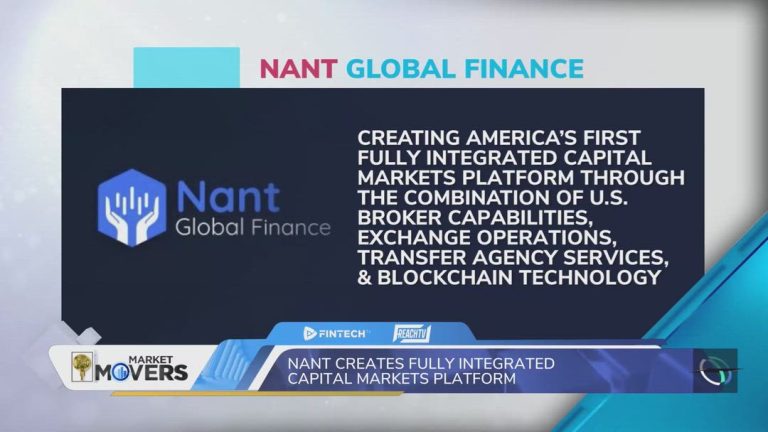
In a groundbreaking move, Nant Global Finance has announced a significant milestone in the evolution of capital markets. This dynamic company is set to create the nation’s first fully integrated capital markets platform that combines U.S. broker-dealer capabilities, exchange operations, transfer agency services, and blockchain technology all under one umbrella. This innovative approach addresses the growing demand for efficiency and transparency in financial services, presenting a unique opportunity for investors and entrepreneurs alike.

As a prominent player in the blockchain-enabled financial services sector, Nant Global Finance strategically brings together three U.S. registered broker-dealers, two U.S. transfer agents, and a global exchange operator. In addition, it harnesses proprietary software, robust blockchain infrastructure, and a comprehensive portfolio of blockchain patents to bolster its offerings. This integration is not only a significant leap forward for the company but also sets a strong precedent for the digitization of finance and the tokenization of global securities markets.

Given the rapid advancements in technology, the necessity for a more efficient, transparent, and secure financial environment has never been more pressing. Nant Global Finance is poised to deliver on this pressing need through its state-of-the-art platform that merges conventional finance with cutting-edge blockchain technology. By leveraging blockchain, the company enables secure transactions, instant settlement times, and rigorous compliance with regulatory standards.

This innovative platform aims to enhance transaction speed, reduce costs associated with trade settlements, and increase overall accessibility to a broader range of investors. With its commitment to creating a digitized tokenized future, Nant Global Finance is not just observing the evolution of capital markets; it’s actively participating in shaping it.

In a notable strategic partnership, Nant Global Finance will benefit from marketing support by the Los Angeles Times Media Group. This collaboration will leverage its connection with the New York Stock Exchange for floor-based broadcasting, which is crucial for promoting their launch. This marketing synergy empowers Nant Global Finance to enhance visibility and credibility in an increasingly competitive landscape.

Moreover, the company has recently acquired full ownership of Globe Holdings, a significant move that extends its reach and capabilities within the financial services domain. The acquisition of a digital offering and agreements with Arkonis Capital further solidifies its standing as a forward-thinking entity in capital market solutions.

One of the key tenets of Nant Global Finance’s operation is its relentless commitment to full compliance with regulated capital markets. In a world where trust and security are paramount, the company embraces transparency and emphasizes adhering to all necessary regulatory requirements. This commitment ensures that investors can engage with the platform confidently, knowing their transactions are secure and compliant with established standards.

The advent of blockchain technology has significantly altered the landscape of financial services, and companies like Nant Global Finance are leading the charge towards a more progressive and integrated approach. By bringing together a plethora of services and expertise, they are not just enhancing the current state of capital markets but effectively pioneering a new era where technology and finance coexist harmoniously.With the convergence of traditional finance structures and groundbreaking blockchain innovations, the future of investing looks incredibly promising. As the company moves forward with its mission, stakeholders should keep a close watch on this evolution as it underscores the transformative power of technology in reshaping our financial systems.

Nant Global Finance Launches Blockchain Platform for Regulated Securities

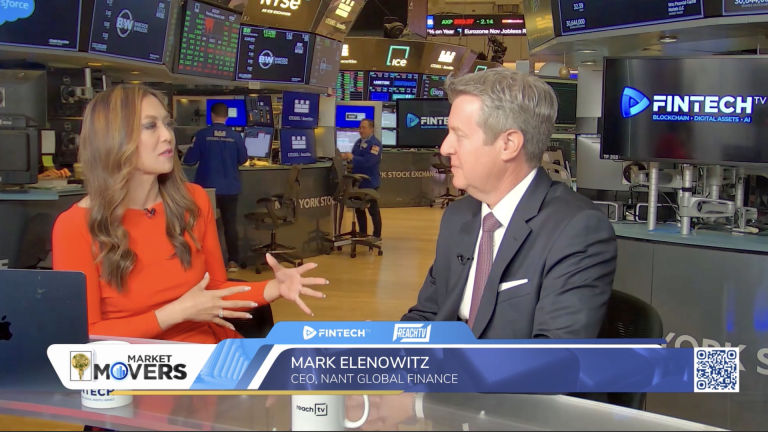
Welcome to a new era of capital markets defined by innovation and compliance in the world of finance. The recent unveiling of the nation’s first fully integrated blockchain-enabled capital markets platform is making headlines. This revolutionary platform promises to modernize how securities are traded and managed while adhering to regulations within a mature financial landscape. The visionary behind this transformative initiative is Mark Elenowitz, the CEO of Nant Global Finance, who shared insightful details of this development in a discussion at the New York Stock Exchange.

At the heart of this monumental disruption in capital markets is Nant Global Finance, which emerged from the merger of several regulated entities, including three broker-dealers, two U.S. transfer agents, and a state-of-the-art blockchain software technology firm holding 64 blockchain patents. This consolidation underscores the commitment to efficiency in ever-evolving financial markets. Unlike cryptocurrencies, the new platform focuses on tokenizing established securities listed on major exchanges like the NYSE and NASDAQ.

The platform aims to provide investors with an unprecedented trading experience by enabling instant settlements and enhanced transparency. Elenowitz emphasizes that “the future of capital markets is going to change,” and with this platform, investors can expect a more streamlined and accessible trading environment.

One of the significant advantages of this blockchain-centric marketplace is its commitment to transparency. Elenowitz explained the current opaque nature of traditional trading platforms, underscoring issues such as hidden fees and market manipulation often seen with popular trading apps. Digital securities traded on the platform will be documented on the blockchain, offering complete visibility and real-time data on all transactions. Investors will benefit from a transparent trading process where they can see the best bids and offers, leading to improved price transparency and execution.

In addition, the innovative platform boasts a T+0 instantaneous settlement feature. This means that once a trade is executed, it settles immediately rather than the traditional T+1 model, giving investors rapid access to their investment funds and enhancing liquidity in the market. With more efficient transactions, both investors and issuers stand to gain significantly under this new paradigm.

Navigating the complexities of blockchain implementation in a heavily regulated space poses unique challenges, and Elenowitz highlights the balance achieved between innovation and regulatory compliance. His extensive experience in investment banking and relationships with regulators like the SEC and FINRA position Nant Global Finance to operate within the existing financial framework while pushing the boundaries of what’s possible with blockchain technology.

The merger involves a skilled team, including technologists and executives with deep roots in traditional finance. This proficient blend of talents ensures that the platform not only innovates but does so in a way that expands upon the existing structures of Wall Street without trying to overturn them entirely. By enhancing the existing systems rather than attempting to replace them, Nant Global Finance sets itself apart from competitors pursuing a more radical approach to blockchain technology.

As we peer into the future of capital markets, it’s evident that the integration of blockchain technology will be a game-changer. Not only has NASDAQ announced plans to tokenize its marketplace, but Nant Global Finance aims to become the first digital securities marketplace that enables smooth transitions from traditional to digital securities. This capability aims to revolutionize the trading landscape, providing an efficient and competitive environment where investors can comfortably navigate both digital and traditional assets.

As regulatory approvals are anticipated in the coming months, the launch of this blockchain-centric capital markets platform becomes not just a possibility, but a herald of significant evolution in finance, technology, and investment opportunities. By marrying traditional financial practices with cutting-edge blockchain innovations, Elenowitz and his team at Nant Global Finance are redefining the norms of investing while maintaining a solid commitment to compliance and investor protection.

In conclusion, Nant Global Finance’s integration of technology into capital markets is set to provide unparalleled transparency, speed, and efficiency—ushering in a new era for both investors and issuers. The future looks brighter as we await the full realization of this ambitious project.

Arrived Opens Real Estate Investing With $100 Fractional Shares

0

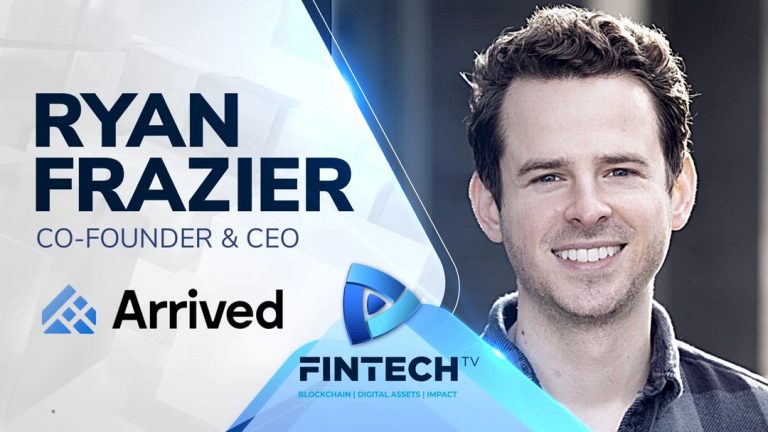
Ryan Frazier, co-founder and CEO of Arrived, recently joined FintechTV anchor J.D. Durkin for a conversation at the New York Stock Exchange focused on reshaping how individuals invest in real estate. Arrived offers a platform that allows investors to buy and sell fractional shares of residential real estate with minimum investments as low as $100, opening the door to a wider range of participants. The discussion explored longstanding barriers to entry in real estate and how Arrived is working to make property investing more accessible.

Real estate has historically played a central role in long-term wealth creation, yet high upfront capital requirements, specialized knowledge, and complex transaction processes have kept many prospective investors on the sidelines. Arrived aims to address these obstacles by offering a streamlined online marketplace where users can browse curated properties and invest in shares with a process designed to feel as intuitive as online shopping.

Frazier explained that Arrived’s core mission is to modernize real estate investing by bringing it fully into the digital era. The platform has already gained significant traction, surpassing 850,000 user sign-ups and enabling more than $300 million in investments across approximately 500 individual properties. Investors are able to choose properties based on criteria that matter to them, rather than relying solely on traditional real estate funds or real estate investment trusts.

Arrived’s strategy places a strong emphasis on local market fundamentals, particularly population growth and housing demand. By targeting cities where supply and demand dynamics remain favorable, the platform seeks to offer investment opportunities with attractive long-term potential. This data-driven, localized approach stands apart from broader market narratives that often overlook regional nuances within the housing sector.

By lowering the barrier to entry, Arrived allows individuals to align real estate investing with their personal financial situations. Investors can begin with as little as $100 and gradually build exposure through dollar-cost averaging, avoiding the challenge of saving for a large down payment. Frazier noted that traditional real estate transactions can be both intimidating and time-intensive, whereas Arrived reduces the process to a straightforward digital experience.

The platform has also introduced a secondary trading marketplace, adding liquidity to an asset class traditionally known for long holding periods. This feature enables investors to buy and sell property shares without the lengthy timelines typically associated with real estate sales. The added flexibility is particularly relevant in an environment marked by fluctuating interest rates and shifting consumer sentiment.

With close attention to macroeconomic conditions and their localized effects on housing markets, Arrived is positioning itself for continued expansion. The company aims to adapt alongside changes in the real estate landscape, reinforcing its role as a technology-driven alternative for property investing. As the platform continues to evolve, its share-trading capabilities may appeal to investors seeking diversification without committing capital for extended periods.

Overall, Frazier’s vision for Arrived represents a notable shift in how real estate investing can function in a digital economy. By broadening access and emphasizing data-backed decision-making, Arrived is helping redefine participation in one of the most important asset classes. As more investors look for flexible, technology-enabled ways to diversify their portfolios, Arrived is emerging as a key player in the transformation of real estate investment.

Jobs Data Lifts Wall Street as Markets Weigh Rates, Earnings, and Oil Risks

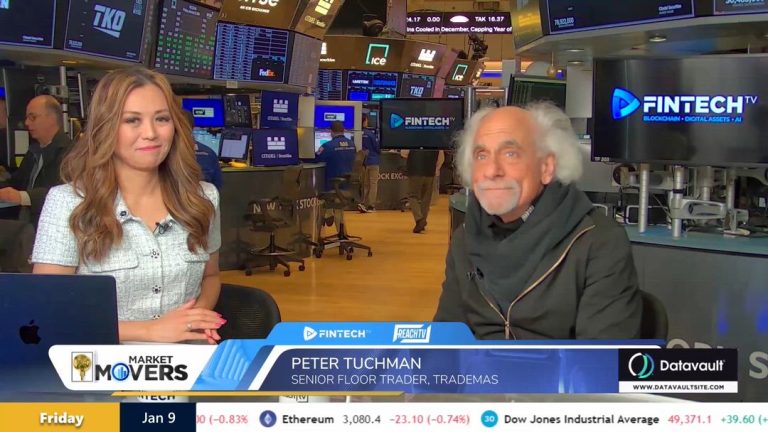
In the ever-evolving landscape of finance and economics, market insights often hinge on key indicators like employment data and inflation rates. The recent discussion revolves around the latest jobs report that has sparked interest ahead of the market opening this Friday morning. Wall Street’s anticipation of a higher open is driven by this report, with significant implications for the Dow, Nasdaq, and S&P 500 indices. Peter Tuchman, a seasoned floor trader, sheds light on how these economic factors interplay with investor sentiment and market dynamics.

Tuchman pointed out that although non-farm payrolls came in lower than expected, the positive news was the decrease in the unemployment rate to 4.4%. This decline is pivotal, especially as it suggests a strong economy and has implications for the Federal Reserve’s monetary policy. The recent data indicates that the strong economic indicators might mitigate the expected interest rate cuts, with a current 95% chance of rates remaining unchanged. This sentiment echoes the cautious optimism prevalent in the financial sector, hinting that investors might be overlooking potential rate cuts amidst fears over a resurgent economy.

As we are only at the early days of January, Tuchman noted the historical significance of this month. January often sets the tone for the rest of the year in the financial markets. A positive start typically translates into a favorable year for investors, while a negative trend can result in bearish outcomes. However, Tuchman warns that recent trends have been inconsistent and, therefore, seasonality might not be a reliable predictor for the upcoming months.

Earnings reports are a key driver for market performance. With the onset of earnings season, insights from major banks will shape market expectations. Last year’s performance, especially from blockbuster companies like Palantir and Nvidia, established a high benchmark for revenues. Tuchman anticipates that the forthcoming earnings reports will be crucial in determining whether the market will ascend or face challenges.

Another layer to this complex story is the geopolitical landscape, particularly concerning oil prices. The recent incursion into Venezuela, one of the world’s leading oil producers, may have significant ramifications not just for U.S. foreign policy but also for global oil prices and inflation. As Tuchman articulated, the interplay between oil prices and inflation is critical; lower oil prices can ease inflationary pressures and boost consumer sentiment, creating a favorable environment for economic growth.

The U.S. economy’s strength hinges on various factors, including employment, inflation, and geopolitical dynamics. With oil prices projected to influence inflation positively, there exists potential for economic sustainability. The market’s resilience is often tested by external shocks, and as investors navigate these uncertainties, it becomes evident that understanding the underlying economic indicators is paramount.

The discourse inevitably leads to the broader implications for cryptocurrencies, particularly Bitcoin and the burgeoning landscape of blockchain technology. Despite recent volatility, the potential for digital currencies to fit within the dialogue of sustainable finance and entrepreneurship remains a topic of interest. Investors and institutions are increasingly considering how these innovative technologies can further support financial inclusion and overall economic resilience—tying back to the Sustainable Development Goals (SDGs).

As we move forward, keeping a finger on the pulse of these economic indicators and geopolitical developments will be essential for stakeholders across sectors. From traditional finance on Wall Street to the burgeoning world of cryptocurrency and sustainable investment, the overarching aim remains clear: to create robust frameworks for a thriving economy that is conducive to growth, resilience, and inclusivity. In this environment, narratives around finance and innovation must converge to detail the pathways toward achieving sustainable economic progress.

In conclusion, the intersection of robust economic data, earnings expectations, and geopolitical dynamics will continue to shape market performance in the coming weeks. Stakeholders must remain vigilant, as the prospects for a strong economy hinge on various interrelated factors, including inflation rates and overall consumer confidence. The dialogue surrounding these themes remains vital as we look toward a promising year in economic growth and innovation in finance.

Senate Crypto Bill Heads to Markup as Regulators Clash Over SEC vs CFTC Power

Senate committees are preparing for markup hearings on a major market structure bill scheduled for next Thursday, setting the stage for a critical debate over the future of digital asset regulation in the United States. The discussions center on the Senate Banking Committee’s oversight of matters involving the Securities and Exchange Commission and the Senate committee with jurisdiction over the Commodity Futures Trading Commission. While momentum is building, the bill faces several obstacles, particularly around whether the CFTC has sufficient resources, how compliance obligations would be enforced, and how securities should be defined in the context of digital assets. The crypto industry had hoped market structure legislation would advance alongside the GENIUS Act last year, but tensions persist, especially between traditional banks and crypto firms, as exchanges reopen and revisit policies around payable interest.

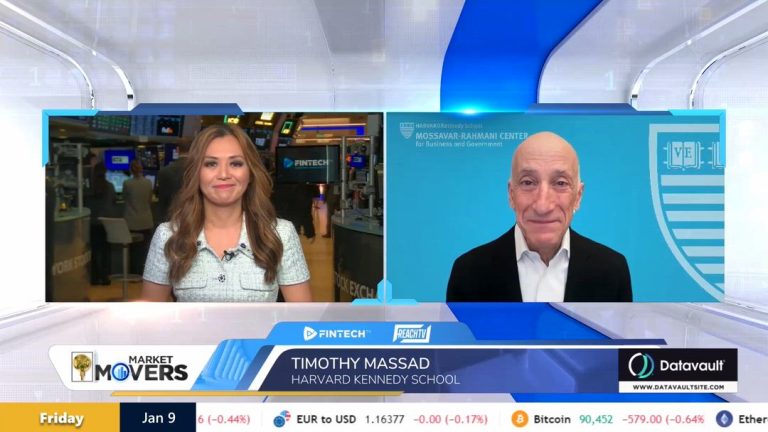
To examine these developments, FintechTV anchor Remy Blaire spoke with Timothy Massad, director of the Digital Assets Policy Project at the Harvard Kennedy School. Massad outlined two central objectives of the upcoming hearings: clarifying whether a digital token should be classified as a security or a commodity, and determining appropriate regulatory standards for crypto trading platforms such as Coinbase. He noted that reaching agreement on these issues has been difficult, as some Democrats worry that providing clarity could unintentionally promote certain technologies in ways that weaken long-standing securities regulations. Those concerns center on the risk of regulatory arbitrage, where firms exploit gaps between oversight regimes.

Massad also raised questions about whether current regulatory proposals adequately address the realities of retail crypto markets. He explained that platforms like Coinbase are regulated in a manner similar to futures markets, which were originally designed for institutional participants, not retail investors. According to Massad, a durable framework would require robust, high-quality disclosures, an area he suggested remains underdeveloped in the proposed legislation. Beyond technical considerations, he noted that political dynamics also play a role, including concerns over potential conflicts of interest tied to high-profile crypto involvement connected to the President’s family.

The discussion then turned to the GENIUS Act, which places restrictions on stablecoin issuers by prohibiting them from paying interest on stablecoins, which are traditionally viewed as payment instruments. Massad pointed out that uncertainty remains over whether third-party platforms, including exchanges, could offer yield or interest tied to stablecoins. This ambiguity has heightened concerns among banks, which argue that insufficient regulation of stablecoin issuers could threaten financial stability and prompt depositor flight. From their perspective, any entity accepting deposits and offering interest should be subject to bank-like regulatory standards to ensure a level competitive landscape.

Massad also addressed leadership changes at the CFTC, noting the recent confirmation of Mike Selig, a move welcomed by much of the crypto industry. However, he cautioned that Selig faces significant challenges, particularly as the agency has lost experienced staff while simultaneously taking on expanded responsibilities in prediction markets and crypto oversight. Massad emphasized that traditional futures markets must not be neglected, as they remain vital to farmers, energy producers, and other participants who rely on them for price stability and risk management.

Looking toward 2026, Massad offered a cautiously optimistic outlook for digital assets policy. If market structure legislation advances, he said, the industry could undergo meaningful change. At the same time, the continued rollout of the GENIUS Act will shape the regulatory environment and influence future reforms. Massad stressed the importance of building a framework that not only accommodates cryptocurrency but also encourages the development of practical, socially beneficial applications.

Overall, the ongoing debate over crypto regulation reflects a pivotal moment for the financial system, as lawmakers seek to balance innovation with consumer protection and market integrity. As the Senate prepares to address these issues, industry participants remain engaged but watchful, recognizing that the decisions made in the coming months could define the trajectory of digital assets, blockchain technology, and financial innovation for years to come.

Main Street Research Bets on AI to Sustain Market Momentum in 2026

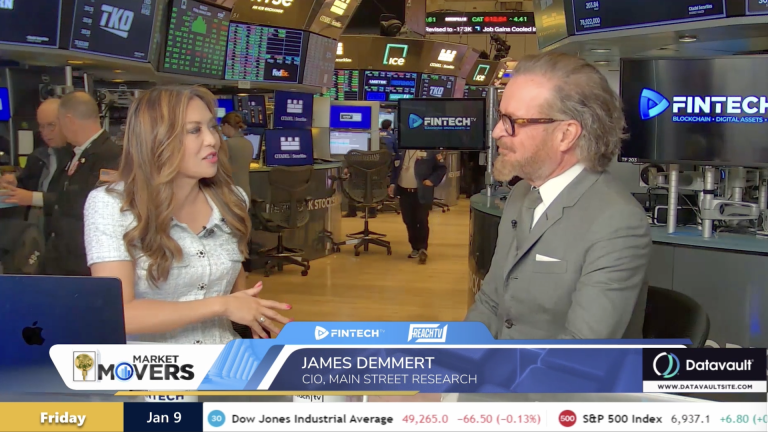
The US stock market began the new year with optimism, buoyed by a mixed jobs report that revealed a stabilizing labor market. In a recent discussion, James Demmert, the chief investment officer of Main Street Research, shared valuable insights into market trends and the macroeconomic landscape as we transition toward 2026. His perspective sheds light on significant opportunities for investors while navigating the complexities of the current economic climate.

The S&P 500 has shown remarkable resilience, trading at roughly 22 times earnings after a robust 16% gain last year. This marks the third consecutive year of double-digit returns, but historical patterns indicate that election years in particular, often yield challenges for investors. Notably, the index’s records earlier this week reflect an ongoing recovery, underscoring the strength of underlying economic indicators. Demmert emphasized that a lower-than-expected non-farm payroll number, coupled with a decreasing unemployment rate, reinforces that the economy remains on solid footing.

As Demmert explained, one of the critical drivers behind current earnings growth is productivity enhancement fueled by artificial intelligence (AI). The productivity growth rate has surged to an impressive 4.9%, a stark increase from the historical average of around 2% over the past five years. This acceleration positions the S&P 500 for an estimated 15% growth in earnings this year, a significant uptick compared to traditional expectations.

While optimism persists, Demmert urged investors to be strategic about where to allocate their resources. Currently, consumer sentiment appears to be leaning negative, suggesting potential pitfalls in sectors such as consumer discretionary and energy due to market saturation. Instead, Demmert advocates for a greater focus on technology and telecommunications, as well as previously undervalued sectors like industrials and healthcare. He believes that these areas are poised for substantial growth as the economy continues to rebound.

With 2026 looming as a midterm election year, investors should brace for potential volatility. Demmert highlighted how political maneuvers and policies, such as recent announcements from the Trump administration regarding private housing, could disrupt various market segments. Understanding the historical context around election years can help investors remain vigilant and adaptable in response to these shifts.

As a global investment manager, Demmert shared his insights on overseas equity markets. He noted that valuations outside the US are appealingly low, with many foreign markets trading at approximately 50% of the valuations seen in the S&P 500. This could drive a dynamic transition for US investors seeking to diversify their portfolios. With anticipated momentum in international equities, opportunities in companies with robust balance sheets—such as HSBC, Siemens, and AstraZeneca—are worth considering.

As AI continues to redefine productivity and operational processes, Demmert encourages professionals to embrace this technology to enhance their effectiveness in the workplace. Acknowledging the concerns around job displacement, he advises individuals to leverage AI as a means to augment their productivity rather than resist it. This proactive approach is pivotal for personal development and overall economic health.

Demmert’s insights prompt investors to adopt a measured approach in the face of both opportunities and challenges in the market. As we advance through 2026, maintaining vigilance and adaptability will be key to navigating economic uncertainties. Stakeholders must balance their portfolios with a keen eye on sectors leading growth, both domestically and globally, while embracing technological advancements that promise to shape the future of work.

In summary, the conversation underscores the importance of informed decision-making in an environment characterized by change and innovation. Investors are encouraged to look beyond the immediate challenges and recognize the potential for growth fueled by AI and productivity advancements.

GraniteShares Sees Strong 2026 Start as Rates Fall and Retail Chases Yield

0

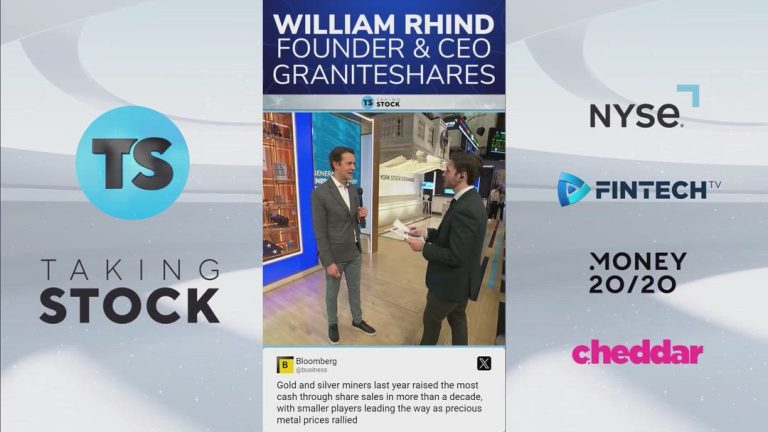
William Rhind, the founder and CEO of GraniteShares, recently shared insights on the evolving market landscape, particularly as we step into 2026. With an impressive track record in the world of finance and investments, Rhind is well-positioned to discuss the undercurrents driving the markets today. His perspective sheds light on significant trends affecting equities, commodities, and the ongoing shifts in retail investor behavior, especially within the realms of cryptocurrency, sustainability, and technology.

The market has seen a strong start to 2026, with equity performance exceeding expectations—a continuation from the robust finish to 2025. The catalyst for this momentum includes impressive GDP figures released late last year, placing confidence in growth and stability. Coupled with benign inflation and decreasing interest rates, companies are maintaining solid performance metrics, which have fostered a bullish sentiment among investors.

A key event on the horizon is the FOMC meeting set for January 20, where the Federal Reserve will make pivotal decisions regarding interest rates. Historically, such decisions have profound implications for financial markets, including the cryptocurrency and sustainability sectors. Rhind expects the Fed to remain data-driven, opting to keep rates on hold in response to mixed employment figures while evaluating the current economic health. This careful approach reflects the delicate balance financial policymakers must maintain, as it impacts not only traditional markets but also newer alternatives like bitcoin and blockchain technology.

As the conversation progressed, Rhind took a closer look at precious metals, drawing attention to gold and silver, which have reached all-time highs recently. With a global landscape that includes geopolitical tensions—such as the situation in Venezuela—investors are increasingly turning to commodities as safe havens. The transition towards electrification and the burgeoning demand for AI technology mean that the markets for industrial metals are also expected to flourish. Investors with a forward-looking stance will find a multitude of opportunities, particularly in sectors that align with Sustainable Development Goals (SDGs) and responsible investing principles.

Rhind highlighted that retail investors are actively engaging with GraniteShares’ offerings. There is a notable appetite for leveraged ETFs, particularly those focused on leading tech companies like Nvidia and Tesla. Furthermore, as interest rates decline, the quest for yield becomes even more significant, prompting investors to explore income-generating options. GraniteShares’ yield boost range, which offers attractive solutions for investors looking to maximize returns, has garnered considerable interest. This trend illustrates a broader movement among retail investors seeking stability and growth within their portfolios.

The intersecting dynamics of technology and investment strategy prompt a shift in investor focus towards the semiconductor and AI sectors. As agencies leverage these technologies to disrupt traditional industries, there’s a growing recognition that technological innovation is a primary driver for capital markets. Coupled with the increasing interest in sustainable investments, the importance of aligning financial goals with environmental and societal impact cannot be understated.

In summary, William Rhind’s insights provide a comprehensive overview of the current market trends, emphasizing strong performance in equities and precious metals while recognizing the critical shifts in retail investor preferences. As the landscape continues to evolve, informed decisions aligned with technological advancements and sustainable practices will be paramount for navigating the complexities of today’s financial world. This not only reflects an entrepreneurial spirit but signifies the growing importance of integrating finance, technology, and sustainability to foster a more resilient and impactful investment environment.

In conclusion, the ongoing dialogue surrounding cryptocurrencies, impact investing, and the transformative nature of blockchain and AI technologies presents an exciting frontier for investors. A keen understanding of these elements will be essential as the world continues to evolve into a more interconnected and purpose-driven landscape.

Babcock and Wilcox Bets Big on AI Driven Power Demand

0

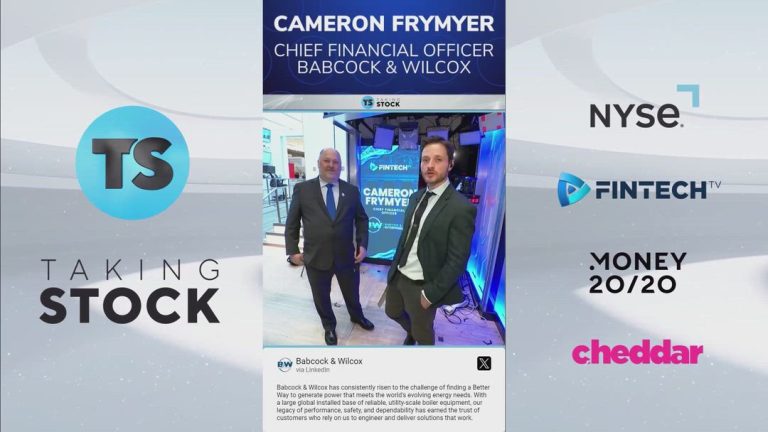
The world of energy generation is evolving rapidly, fueled by the increasing demand for power from a variety of sectors, especially data centers and artificial intelligence (AI). Cameron Frymyer, the chief financial officer of Babcock and Wilcox, recently spoke with FintechTV’s J.D. Durkin to discuss the company’s pivotal role in this transition, especially following his momentous occasion of ringing the closing bell on Wall Street for the first time.

As a seasoned player in the power sector, Babcock and Wilcox specializes in generating steam for energy production. The company is strategically positioned to meet the surging energy demands associated with modern technology, particularly in the realm of data centers, which are increasingly reliant on high-capacity energy to operate effectively. During our conversation, Frymyer shared insights into the firm’s ambitious objectives for the upcoming years, highlighting their recent projects aimed at providing 1.2 gigawatts of energy through partnerships with significant entities like Applied Digital.

Looking back at 2025, Frymyer highlighted the challenges the company faced with a balance sheet that reflected approximately $380 million in debt due in 2026. However, through strategic asset sales and careful financial planning, Babcock and Wilcox successfully reduced their debt by about $250 million and deferred an additional $100 million to 2030. This financial restructuring not only strengthened the company’s balance sheet but also positioned them as a robust and responsive provider in the power generation market.

In the face of unprecedented demand from AI applications and data centers, Babcock and Wilcox has committed to increasing their service and power generation capabilities. The projected shift towards higher reliance on fossil fuels for energy generation also complements the company’s growth trajectory in providing essential services. Frymyer underscored the importance of adapting to the emerging demands and opportunities within the energy sector, citing AI as a major driver that has significantly reshaped their business landscape over the past year.

The road to developing impactful partnerships is seldom easy, but Frymyer explained that the relationship with Applied Digital has been a culmination of years of collaboration between the two companies. The initiation of projects that leverage Babcock and Wilcox’s ability to provide timely energy solutions has opened avenues for potentially lucrative contracts, with expected revenues of $1.5 billion over three years as they move forward.

As we stride further into a digital and AI-driven future, the focus on sustainability investing continues to rise. Babcock and Wilcox’s efforts align not only with the immediate financial goals but also with broader social goals under the Sustainable Development Goals (SDGs). Their commitment to innovation in power generation helps tackle key challenges faced in the industry, reinforcing their role in the transformation towards sustainable energy solutions coupled with financial viability.

Cameron Frymyer’s insights provide a clear perspective on how Babcock and Wilcox is adapting to the evolving needs of energy generation while positioning itself for future growth. Their experience underscores the importance of strategic innovation in the power sector as it responds to the demands of an increasingly technology-driven world. The firm is set to continue leveraging its unique capabilities to not only meet client needs but to also create lasting impacts on the global energy landscape.

As the intersection between finance, technology, and sustainability continues to deepen, companies like Babcock and Wilcox will be crucial in the journey towards a greener, more efficient future.