[stock-market-ticker symbols=" ^NYA;CRYPTO:BTC;CRYPTO:ETH;CRYPTO:USDT;CRYPTO:USDC;CRYPTO:BNB;CRYPTO:ADA;CRYPTO:XRP;CRYPTO:SOL;CRYPTO:DOGE " stockExchange="NYSENASDAQ" width="100%" transparentbackground=1 palette="financial-light"]

Home Blog Page 15

Powell Investigation Raises Fed Independence Fears as Markets Hit New Highs

The recent criminal investigation involving Federal Reserve Chair Jerome Powell has stirred significant discussion among economists and financial analysts. Following Powell’s disclosure of Justice Department subpoenas regarding his testimony, Wall Street demonstrated resilience, closing at record highs in both the Dow and S&P 500. However, the investigation has raised concerns about the independence of the Federal Reserve and its potential implications for economic policy.

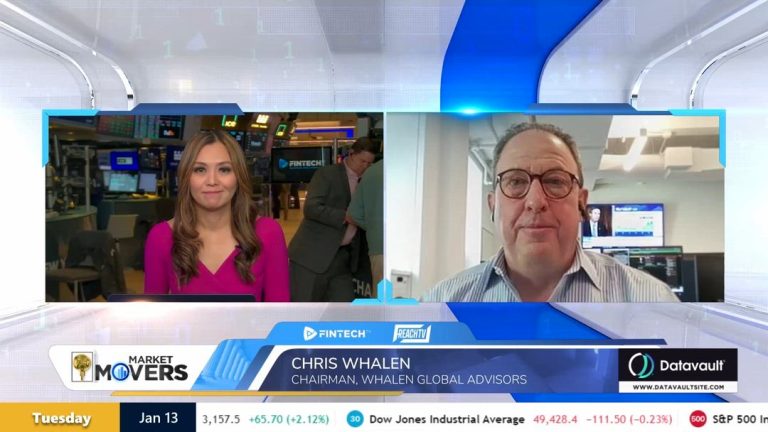
Former Fed officials, including Alan Greenspan, Ben Bernanke, and Janet Yellen, have stepped forward to defend the institution against what they deem an unprecedented political attack. Many in the financial community perceive the inquiry as an attempt by the Trump administration to exert pressure on Powell and influence interest rate decisions. Chris Whalen, chairman of Whalen Global Advisors, shared his insights on the situation during a recent interview, addressing the underlying issues that affect monetary policy and housing.

Whalen expressed concern about how the Trump administration’s approach has personalized the relationship between the Fed and the White House, indicating a potential erosion of confidence in the U.S. financial system. He speculated whether Powell will continue to serve on the Fed board through 2028, suggesting that Powell’s extended term could be politically beneficial. The expert observed that the structure of 14-year terms for Fed governors is designed to promote stability that outlasts any single political administration, particularly as the midterm elections approach.

A major topic of discussion has been the state of the housing market, exacerbated by rising home prices and mortgage rates that have made home ownership increasingly unattainable for many Americans. Trump’s proposal to restrict institutional investors from purchasing single-family homes, alongside government initiatives to buy billions in mortgage bonds, aims to alleviate these pressures. Whalen remains skeptical about these proposals’ viability, pointing out that agencies like Fannie Mae and Freddie Mac do not possess the capital needed to fund such purchases, emphasizing that actual supply-and-demand dynamics are the true culprits behind rising housing costs.

As we delve deeper into these issues, Whalen noted the complexities surrounding institutional investments in residential properties. Despite misconceptions, this segment of the market constitutes a minor fraction of home purchases. The real challenge lies within local zoning laws and the geographical differences in housing supply. While certain regions face oversupply, others continue to grapple with severe shortages, all of which complicates the implementation of effective policy solutions.

Moreover, discussions around credit card interest rates have gained traction as Trump proposed capping rates to help consumers manage their debt. Whalen highlighted the legislative hurdles that would accompany such a move, as it would require Congress to enact such changes, specifically targeting national banks and potentially extending to FDIC-insured institutions. He pointed out the complexity of consumer credit lending, where responsible borrowers often subsidize higher risks from borrowers who default on payments.

In light of the ongoing earnings season, with major banks like JPMorgan releasing their financial results, Whalen emphasized the significance of credit expenses. He noted that although the industry seems to be experiencing relatively benign credit expense trends, the broader political ramifications surrounding consumer credit costs are becoming increasingly difficult to ignore.

Whalen’s insights underscore a critical juncture for US economic policy, balancing the demands of a politically charged environment with the need for steady fiscal governance. As the midterms approach, the focus on credit policies and housing regulations is likely to intensify, potentially affecting various sectors of the economy.

The interplay between political actions, economic policy, and market responses will continue to be scrutinized as stakeholders navigate these turbulent waters. The need for a well-functioning and independent Federal Reserve remains paramount to maintaining stability and confidence in the US financial landscape. The upcoming months will be pivotal in determining how these elements will align, and whether the proposals pitched by the administration will transform into substantive policy changes.
Stocks Hit Records as Earnings Take Center Stage, Powell Drama Fades


The financial landscape is currently experiencing a whirlwind of activity as we dive into the second trading week of 2026. Key indices, including the Dow and S&P 500, have reached new highs, igniting vibrant discussions among investors and analysts alike. However, the backdrop of these record-setting figures is fraught with complexities, from rising inflation figures to the ongoing tension surrounding Federal Reserve Chair Jerome Powell’s leadership.

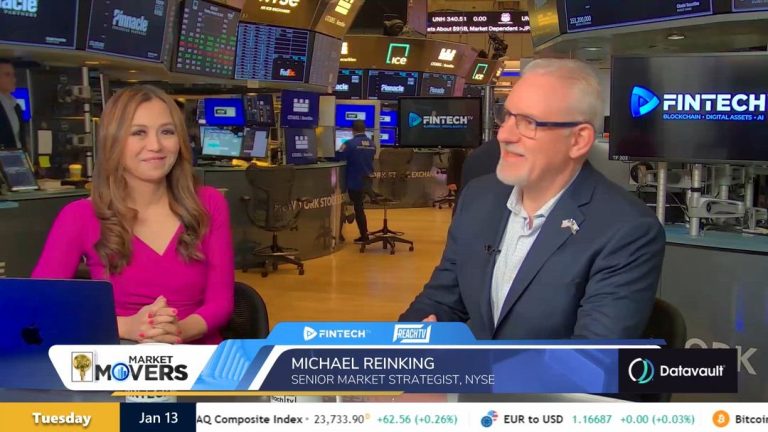
This week on the market analysis segment, Remy Blaire was joined by Michael Reinking, a senior market strategist at the New York Stock Exchange, to delve into these dynamics. The conversation revolved around the seeming paradox of record highs in equities amid rising headlines capturing investors’ attention.

Reinking pointed out that Washington has shown brisk activity as the year commenced, leading to a spurt in volatility at the single-stock level. Yet, broadly speaking, equity markets appear to be on an upward trajectory, buoyed by solid earnings growth expectations. The economic backdrop, characterized by fiscal stimuli, plays a critical role in this bullish sentiment despite the headline risks that loom large.

One of the major stories shaping market sentiment is the bipartisan support for Fed Chair Powell amidst criticisms from various quarters of the government, which seems to reassure investors. Interestingly, despite the concerns surrounding Powell, markets appear to have absorbed these developments without significant fluctuations in Treasury yields, reflecting a more measured investor outlook.

This week’s discussions could not overlook the freshly released job data, primarily the non-farm payrolls report and the unemployment rate, which showed a slight decline, aided by labor participation rates rather than explosive job gains. While the CPI data remained largely in line with expectations, minor fluctuations in the core numbers indicated that markets are keenly awaiting more normalized data trends. Investors are anticipating clearer insights into market expectations regarding Federal Reserve rate cuts, with January now off the table for possible reductions.

Earnings season is also kicking off, with JP Morgan reporting their results earlier this week. Reinking highlighted the bank’s surprising yet somewhat disappointing performance in the investment banking sector, attributing it partly to the aftermath of the government shutdown. However, the overall consumer sentiment reflected optimism, suggesting a steady state in credit markets—an encouraging sign for the broader financial ecosystem.

As Reinking evaluated JP Morgan’s strong numbers against their weakness in investment banking, he stressed the importance of monitoring the overarching market reactions to earnings reports. The market is eager to see how it responds to both positive and negative surprises, especially as several technology companies start releasing their performance data. The anticipation surrounding these earnings is pivotal, as this quarter could redefine investor sentiment beyond just tech firms, particularly towards cyclical sectors.

Looking forward, Reinking expressed a cautious optimism regarding the potential for earnings growth across various segments. With expectations of mid-double-digit growth across market capitalization, the earnings reports—especially from larger financial institutions—will be keenly watched for insights into the upcoming fiscal periods.

The earnings season, intertwined with the impacts of inflation and changes in fiscal policy, sets the stage for potential shifts in market dynamics. Investors will be keeping a close eye on how companies articulate their expectations moving forward, especially in light of external pressures such as inflationary trends and geopolitical uncertainties.

As 2026 unfolds amid evolving economic landscapes, the interplay between investor sentiment, corporate earnings, and governmental actions will undoubtedly continue to shape the financial markets. Analysts like Michael Reinking provide valuable insights into these intricate dynamics, helping investors navigate the complexities that lie ahead. The intersection of finance and politics remains a crucial aspect to evaluate as we delve deeper into the year’s trading environment.

Markets Pull Back as CPI Holds Steady and Earnings Face Key Resistance Levels

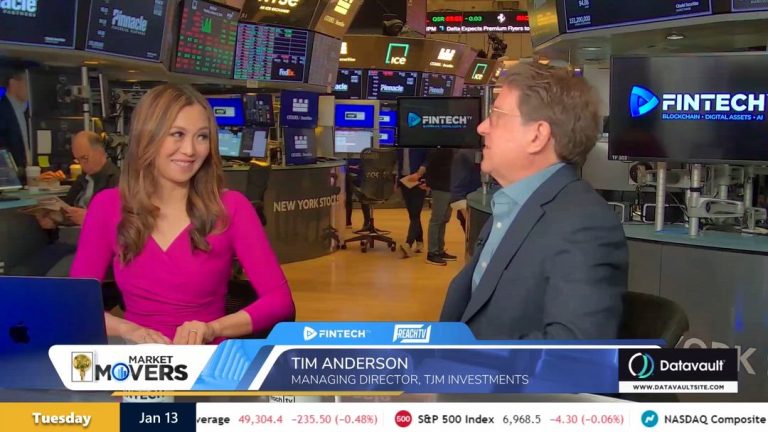
U.S. markets moved lower Tuesday morning, with the Dow Jones Industrial Average slipping by roughly 0.5%. The pullback was led by declines in major components including Visa, JPMorgan, and Merck. Earlier in the session, newly released Consumer Price Index data showed inflation rising 2.7% year over year, a result that came in line with market expectations. Against this backdrop, FintechTV anchor Remy Blaire was joined by Tim Anderson, managing director of TJM Investments, to discuss market dynamics as another earnings season gets underway.

Anderson described current trading conditions as mixed, noting that both the Dow and the S&P 500 have recently posted consecutive record highs. That strength, he explained, has created natural resistance near key psychological thresholds, including the Dow moving above 50,000 and the S&P approaching 7000. According to Anderson, these levels are not simply symbolic milestones but represent meaningful psychological barriers that can influence investor behavior and short-term market direction.

While the latest inflation data suggests continued stability, it also keeps broader questions about the economy’s trajectory firmly in focus. With quarterly earnings reports now rolling in, investors are paying close attention to how companies perform amid shifting fiscal and monetary policy conditions. Anderson expects ongoing economic stimulus to support growth, projecting that GDP could exceed 3% in 2026 and potentially reach the upper end of forecasts near 4%. He tied that outlook closely to improvements in productivity, particularly as artificial intelligence becomes more deeply embedded across industries.

Looking ahead, Anderson emphasized that institutional investors remain focused on future earnings potential rather than recent market performance alone. Even after strong gains in the S&P over the past several years, including 20% in two consecutive years followed by 17% last year, many large investors continue to position for longer-term opportunities. This forward-looking mindset, he noted, suggests that market performance and broader economic indicators may diverge at times, creating selective opportunities for those willing to look beyond headline data.

Interest rate expectations are also playing a role in shaping investor sentiment. Reports indicate that the Federal Reserve may deliver several rate cuts over the course of the year. Combined with favorable tax incentives, this environment could encourage increased capital investment and productivity-enhancing projects. Anderson pointed to the financial sector as one area likely to benefit, particularly as AI adoption improves efficiency and customer service across financial services.

As the discussion turned to sector-specific opportunities, Anderson stressed the importance of targeted analysis. Financials remain a standout, in his view, as AI has the potential to boost productivity without eliminating the human element that remains essential in client-facing roles. At the same time, certain areas of the technology sector continue to offer attractive growth prospects, even as investors remain mindful of the volatility that has historically accompanied sharp price advances.

In closing, Anderson framed the current environment as a balance between Main Street realities and Wall Street expectations. While near-term market fluctuations are likely to persist, he expressed cautious optimism about the broader outlook. With government stimulus still flowing and AI-driven productivity gains accelerating, the conditions are in place for growth across multiple sectors. For investors and analysts alike, staying informed and adaptable will be critical as they navigate an increasingly complex and opportunity-rich market landscape.

Inflation Holds Near Target as Job Growth Slows and Fed Hesitates on Rates

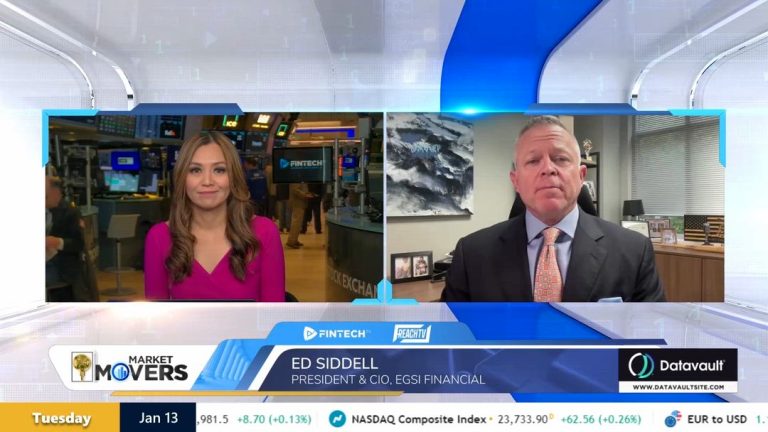
As consumer inflation figures reveal a mixed landscape and the job market shows signs of slow growth, financial experts are taking a closer look at the implications for 2025 and beyond. In a recent discussion, Ed Siddell, president and CIO at EGSI Financial, shared his insights on the current economic climate and expectations for monetary policy from the Federal Reserve.

Recent consumer inflation readings indicate that while the economy is growing, there is a pressing need for caution. The latest data shows that inflation is closely aligned with market expectations, which suggests that efforts to stabilize prices are somewhat effective. Siddell emphasizes the importance of measured economic growth to prevent runaway inflation, which could complicate efforts for interest rate reductions. “We are optimistic, but we have to be cautious depending on what the Feds do,” he stated.

This sentiment is echoed in the recent employment figures, where the unemployment rate stands at a relatively low 4.4%. Yet, the mixed December jobs report indicates a slowdown in employment growth. According to Siddell, “We need to ensure that even as the economy grows, it does so at a sustainable pace.” This cautious optimism is pivotal as the economy navigates through the complexities of inflation and employment trends.

Looking towards 2026, Siddell discusses the implications of monetary policy as it relates to the Federal Reserve. He points out that the Feds seem to be lagging in their responsiveness to economic indicators. “The Feds are a bit behind the curve,” he remarks. This observation indicates that the central bank’s adjustments to interest rates may come too late to avert higher inflation rates.

According to Siddell, wage growth is a crucial component to monitor. If nominal wages can outpace inflation—which is currently pegged at approximately 2.7%—the economy may continue its path of gradual recovery without the need for aggressive rate cuts. “If we can keep pace with inflation, we might not need as significant rate reductions as anticipated,” he explains.

The conversation also highlights the impact of consumer spending and government policies on economic growth. With robust consumer spending statistics for the last quarter of 2024, Siddell emphasizes that tax refunds expected this year could provide a much-needed monetary boost to households. He notes that, “Once people start getting refunds back, that will offer substantial relief.”

Moreover, Siddell comments on the current administration’s proposal to cap credit card interest rates at 10%. While this initiative could benefit consumers by increasing disposable income, it raises concerns about how financial institutions may respond. “This could restrict credit access, potentially stunting economic growth. It is a double-edged sword,” he warns, emphasizing the careful balance required in policy-making.

As the market prepares to open, Siddell’s insights reveal a cautious but hopeful outlook for the economy. The potential consequences of credit regulation, inflation management, and consumer sentiment will significantly influence the financial landscape in the coming months and years. Understanding these dynamics will be essential for investors, entrepreneurs, and policymakers alike.

Affordability Takes Center Stage as Rates Stay Elevated

0

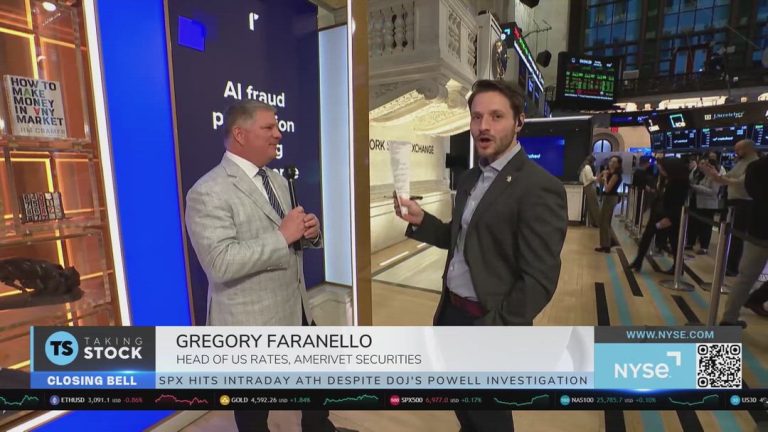
In a recent episode featuring Gregory Faranello, the head of U.S. Rates at AmeriVet Securities, the discussion revolved around the complexities currently shaping the U.S. financial landscape. With his vast expertise in the field, Faranello shared insights on interest rates, market dynamics, and the impact of government policies, highlighting the intersection of finance and socio-economic factors that affect both the markets and everyday consumers.

One of the most pressing topics was the anticipated shift in interest rates under the leadership of Jerome Powell, the current Chair of the Federal Reserve. Faranello conveyed that while many speculate about Powell’s future, he seems likely to complete his term until May. The context of these discussions stems from ongoing tensions between Powell and the current administration, a scenario reminiscent of past Fed Chairs like Ben Bernanke and Janet Yellen. Yet, as Faranello pointed out, these tensions may simply be noise amidst a broader economic trend.

The current economic landscape is heavily influenced by inflationary pressures and growth indicators. According to Faranello, while short-term rates have seen considerable declines, long-term rates remain stubbornly high, still responding to inflation rates that surpass expectations. This disparity poses challenges not only for policymakers but also for consumers who feel the direct effects of such economic shifts.

Diving deeper into financial indicators, Faranello expressed optimism regarding the health of big banks amid the upcoming earnings season. With financial giants like JPMorgan, Goldman Sachs, and Wells Fargo poised to report, there is a notable confidence in their performance fueled by a steeper yield curve, which traditionally benefits large banking institutions. This creates a backdrop of positive economic expectations, reflecting resilience in the U.S. financial sector.

However, the conversation took a thoughtful turn when discussing recent proposals from the government aimed at capping credit card interest rates at 10%. While this initiative appears to prioritize affordability for consumers—particularly ahead of the 2026 midterm elections—it raises questions about the balance between capitalism and government intervention. Faranello articulated that while measures aimed at making life more affordable are necessary, they can clash with free-market principles, potentially creating tensions within the capitalist framework.

The emphasis on affordability as a catchphrase for the current and future political landscape is telling. As Faranello pointed out, affordability is not just a financial term; it represents the underlying pressures faced by many households today. With rising costs and stagnant wages, the public demands creative solutions from their leaders. However, the challenge remains for policymakers to implement these solutions in a way that fosters economic growth without infringing on core capitalist tenets.

As we look ahead, it’s clear that the dialogue surrounding affordability will gain traction, not just within political arenas but across kitchen tables nationwide. The push for more sustainable financial policies resonates with many, intertwining themes of entrepreneurship, blockchain technology, and the growing necessity for impact investing. These elements will continue to shape conversations around financial strategies, including the integration of sustainability and crypto-assets in today’s economy.

Gregory Faranello’s insights underscore the intricate relationship between interest rates, government policy, and consumer finance in the U.S. economy. As we advance into a multifaceted future, discussions about blockchain applications, cryptocurrency’s role in financial sustainability, and overall economic impact investing will be crucial. Stakeholders in the finance sector must remain adaptive and responsive to these dynamics, consistently balancing the dual responsibilities of fostering economic growth while ensuring affordability for all.

Monad Foundation Pushes Stablecoins Into the Core of Global Finance

0


Eunice Giarta, the co-founder of Monad Foundation, recently made her debut on the trading floor, sharing her insights into the evolving landscape of finance through blockchain technology. In a discussion that highlights the intersection of cryptocurrency and mainstream finance, Giarta underscored the significant advancements being made with stablecoins, an asset class that is rapidly gaining traction as a viable form of financial infrastructure.

Founded by a dedicated team aimed at accelerating the growth of the Monad blockchain, the Monad Foundation is at the forefront of this financial evolution. Eunice explained that their focus is on creating an accessible ecosystem for users and developers alike, setting the stage for innovative applications that can benefit a broad audience. As the conversation unfolded, it became clear that the Monad Foundation is not just another entity in the blockchain space; it represents a paradigm shift towards a more integrated financial future.

The emergence of stablecoins as a fundamental element of financial infrastructure is transforming the way transactions are made and recorded. With stablecoin circulation having soared from approximately $250 billion to $300 billion in just a few months, Giarta pointed out the growing recognition of stablecoins as a symbol of the future of finance. Described in BlackRock’s 2026 Global Outlook, this shift signifies a meaningful transition of cryptocurrency from a niche market to an essential component of mainstream finance.

What does this future hold? Giarta envisions a landscape where stablecoins facilitate not only everyday transactions, such as payments and payroll, but also treasury flows. The beauty of stablecoins lies in their potential to operate seamlessly under the hood of various financial applications. Users may engage with these cryptocurrencies without even realizing it, as they help bridge the gap between traditional finance and digital currency, thus promoting accessibility and flexibility.

From a global perspective, the on-chain mechanics of cross-border payments are also evolving. Giarta noted that while there are still challenges in this domain, such as intermediary steps that add complexity and duration to transactions, cryptocurrency, particularly stablecoins, offers standardized solutions that can streamline these processes. By simplifying and enhancing payment systems through a global ledger, the Monad Foundation advocates for cheaper, faster, and more reliable transactions.

This evolution is promising for those interested in sustainability investing, as it allows for more transparent and effective financial practices that align with social development goals (SDGs). By leveraging blockchain technology, organizations can enhance traceability and accountability in finance, contributing to a positive impact on society—a key consideration for every entrepreneur entering this space.

As Giarta’s conversation with J.D. Durkin came to a close, it was evident that the Monad Foundation is poised to play a crucial role in shaping the future of finance. The integration of stablecoins into everyday financial systems not only represents technological advancement but also embodies a vision for a more inclusive and sustainable financial ecosystem. Through innovation and collaboration, Eunice and her team are working towards making blockchain technology a cornerstone of financial infrastructure for the upcoming years, one that is accessible to all.

EDENA Capital Partners Bets Big on Digital Securities to Unlock Emerging Markets

EDENA Capital Partners is revolutionizing the financial landscape in emerging markets by creating government-approved digital securities exchanges. This innovation leverages technology to transform various assets, including real estate, carbon credits, and commodities, into digital securities. Recently, the company secured a significant $100 million investment from GEM Token Fund, a move expected to underpin the launch of these exchanges and facilitate platform development as well as asset acquisitions.

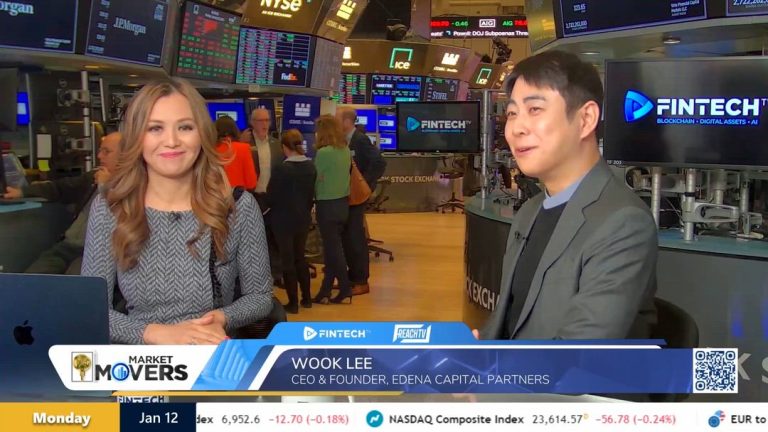
Joining the conversation with Remy Blaire is Wook Lee, the CEO and founder of EDENA Capital Partners, who sheds light on the disruptive potential of digital securities in financial markets across the globe. The focus on emerging markets is particularly intriguing given their unique technological transitions. As Lee explains, regions such as Southeast Asia and Africa have often bypassed traditional computer systems, opting directly for mobile technology. This leapfrogging trend allows for a swift transition to modern financial infrastructures, making them ripe for investment and innovation.

Lee emphasizes the vast potential of these emerging markets, noting that the right technology could position them as leaders in global finance. This perspective is critical, especially in a world where financial networks are evolving rapidly. As digital transformation continues, the ability to facilitate cross-border investments with ease and security becomes paramount. The vision is to change how founders in regions like Africa and India can access capital, reducing reliance on local financial systems and enabling quicker fundraising capabilities.

The conversation also dives deep into the technical essence of building the “rails” of modern finance. According to Lee, the introduction of artificial intelligence (AI) has ushered in a new era that fundamentally alters our capacity to predict technological advancements, especially within finance. Traditional financial institutions may proceed cautiously, yet the demand for innovative solutions continues unabated. EDENA Capital Partners is poised to fill this void by creating secure pathways for investment that align with technological advancement rather than compete with established systems.

Cross-border capital investment and tokenization emerged as critical themes during the discussion. Lee stresses the need for enhanced efficiency in this area. Currently, the processes associated with cross-border investments can be lengthy and fraught with challenges. However, with their robust technological framework that incorporates know-your-customer (KYC) and anti-money laundering (AML) practices, EDENA is on the brink of simplifying these transactions significantly. This capability could allow investors from Korea, for instance, to seamlessly invest in assets like real estate in Egypt, fostering a truly global marketplace.

Compliance and collaboration were also highlighted as key elements in EDENA’s strategy for rapid global expansion. Since their inception in 2020, the company has engaged in partnerships with local authorities and stakeholders to align with regulatory expectations, ensuring a smoother integration of their services in various markets. Lee likens their ambitious mission to that of SpaceX—while initial skepticism may exist, the transformative potential of robust infrastructure can change everything.

As the financial landscape continues to evolve, the intersection of crypto, blockchain, and traditional finance presents opportunities for sustainable investing and socio-economic advancement. The ability to democratize capital access through digital securities platforms could help align financial practices with the Sustainable Development Goals (SDGs), promoting not just financial growth but also social impact.

Lee’s insights into EDENA Capital Partners portray a company that stands at the forefront of a financial revolution. With a clear vision and substantial backing, they are set to create a more interconnected and secure global financial network, particularly for emerging markets. As they continue to innovate in this space, the potential for a more equitable investment landscape becomes increasingly tangible.

Wall Street Volatility Returns as Fed Tensions and Earnings Season Collide

The recent volatility in the U.S. stock market has sparked discussions that have significant ramifications for investors and traders alike. After having reached new highs last week, including a record 6.1% increase in the S&P 500, stock futures opened in the red as uncertainty continues to loom over economic policies and reports.

Federal prosecutors have initiated a criminal investigation into Fed Chair Jerome Powell, which raises concerns amongst market participants about the ongoing relationship between the Federal Reserve and the current administration. This tension is reflective of broader anxieties linked to interest rate policies and their projected trajectory amidst improving economic data.

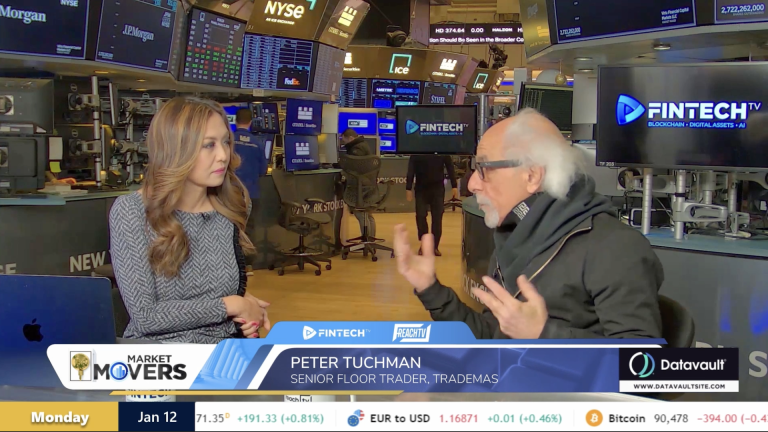
Peter Tuchman, a senior floor trader at TradeMas, provided insights into the current market landscape during an interview at the New York Stock Exchange. He emphasized that January can often present unpredictable swings, particularly as investors navigate the beginning of earnings season. Historically, this month is seen as transitional, where past performance intertwines with newly emerging data.

While the S&P 500 finished strong, other indicators like consumer behavior and inflation data are set to influence trade throughout the week. The upcoming earnings reports from key banks, including JPMorgan, are also pivotal as they can set the tone for future trading activities. Tuchman pointed out that the markets are essentially navigating “blind” without consistent economic insights, which places additional pressure on investors.

The intricacies of interest rates and their strong inverse relationship to market performance have put many analysts in a cautious position. If there’s a continued trend against lowering interest rates, the markets may react negatively as it could lead to higher costs for loans, impacting both consumer spending and corporate investments positively. Tuchman elaborated that this oscillation stems from revisions to recent economic data that may suggest a slowing of intended growth, impeding bullish sentiments.

Amid the market fluctuations, one consistent theme is the importance of earnings as the fundamental driver of stock prices. Tuchman believes that regardless of the surrounding noise—be it political theatrics or geopolitical uncertainties—the core of investment success lies in companies generating profit. Forward guidance from these companies will be instrumental in managing expectations and shaping market trajectories.

There’s an inherent tension in the market with geopolitical events playing out globally, especially regarding oil supply and its economic implications. Tuchman stated that the complexities surrounding the energy sector, particularly in the context of Venezuela, also add layers of uncertainty that can steer market sentiment, suggesting that traders should remain vigilant.

Looking ahead, Tuchman set ambitious price targets, projecting that the S&P 500 could reach 7000 and the Dow could achieve 50,000 in the near term. These figures reflect not only historical resilience but also optimism about the market’s capability to adapt to external pressures and thrive. He noted that over the past year, despite hardships, there have been multiple record highs, signifying the underlying strength of the market.

Therefore, investors are encouraged to stay focused on the economic data expected this week. The interplay of the Fed’s decisions and company earnings will likely dictate the path forward, making it crucial to dissect each report that emerges as the season unfolds. Tuchman’s insights appear to channel a sense of optimism tempered with realism as he and other market participants move into trading activities for the week ahead.

In summary, while the markets face immediate pressures from interest rates and geopolitical challenges, the mechanisms of earnings reports and foundational economic data will play a central role in shaping investor sentiment. As Tuchman highlighted, navigating through the complexities with an analytical mind will remain vital for anyone looking to maximize opportunities in an ever-evolving financial landscape.

Nayax CEO Says Self-Service Payments, Loyalty Are Reshaping Global Commerce

The payments landscape is evolving at an unprecedented pace. Once primarily focused on efficiency, the current environment now features a competition between decentralized and centralized systems, alongside payments being integrated into devices and platforms beyond traditional banks. Payments are becoming the heart of financial services, generating an impressive revenue of approximately $2.5 trillion and facilitating around 3.6 trillion transactions globally. This transformation is particularly evident at events like NRF 2026, where gaming and retail intersect to explore the future of commerce.

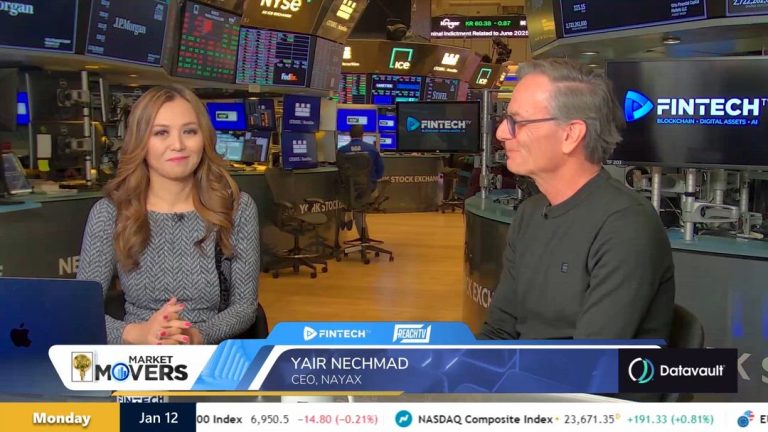
As NRF 2026 kicks off in New York City, Remy Blaire had the pleasure of speaking with Yair Nechmad, the CEO of Nayax, an innovative global commerce enablement payments and loyalty platform. With over 20 years of industry experience, Nechmad’s insights provide a roadmap for emerging trends in payments, particularly in the self-service economy.

According to Nechmad, the transition towards a self-service economy is a major trend driven by consumer demands for reduced friction in payment processes. This “tap in and tap out” approach illustrates a shift toward unattended and cashless payment solutions. Combining these with self-service options is not just a temporary trend; it’s a long-term transformation in how retail, payments, and services are delivered.

In addition to a robust emphasis on loyalty, Nechmad spotlighted the company’s significant initiatives in the electric vehicle (EV) charger market. With over eight years of experience in this space, the integration of fast chargers and slow chargers with payment solutions signifies an important leap in consumer engagement. Nayax is uniquely positioned to deliver a comprehensive solution incorporating mobile app payments and charging stations, showcasing how innovation can drive success within a competitive market.

Nechmad elaborated on the importance of recurring revenue streams for sustaining growth. His company follows a three-pillar strategy, where location-based services, payment solutions, and hardware all converge to create value for customers. Notably, over 50% of their revenue comes from payment solutions, with more than 60-70% categorized as recurring revenue that grows by approximately 30% each year. This robust financial foundation showcases a sustainable business model that leverages innovative solutions to address dynamic market demands.

Nechmad also discussed the macroeconomic challenges of tariffs and their impact on the business landscape. With operations spanning over 120 countries, the company maintains resilience against rising costs primarily due to its diversified revenue streams and global presence. The focus on efficiency and customer-centric solutions is crucial for sustaining competitive advantages in an ever-changing financial ecosystem.

Nechmad concluded, the future of payments will hinge on the combination of payment and loyalty solutions. By creating a seamless consumer experience, companies can not only meet customer needs but also drive long-term business growth. This dual-focus strategy reflects a fundamental shift in consumer behavior, positioning businesses to thrive in an increasingly interconnected world.

As the payments sector continues to evolve, the insights from industry leaders like Yair Nechmad illuminate the strategies that can propel businesses forward. By embracing technological advancements and focusing on sustainability in their operations, companies can navigate the complexities of the modern financial environment. This is not just about making transactions easier; it’s about rethinking how businesses engage with and serve their customers in a digital, sustainable future.

Gitterman: Commodities are Entering a New Super Cycle as Risks Rise

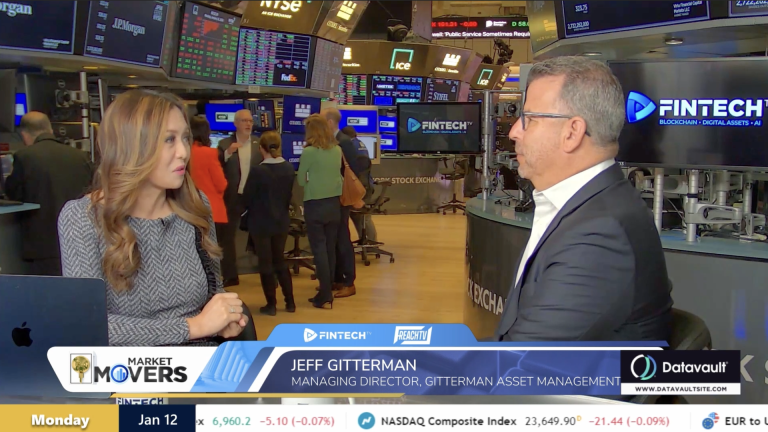
In recent years, commodities have attracted significant attention from investors, with gold and silver reaching record highs. This increased interest comes amid complex global challenges such as the U.S. and Venezuela situation and rising concerns over the Federal Reserve’s actions, particularly following a criminal investigation into its chair, Jerome Powell. Navigating the current commodity cycle may prove to be more intricate than traditional factors of supply and demand that have historically guided this market. In a recent discussion at the New York Stock Exchange, renowned asset management expert Jeff Gitterman shared insights on these evolving dynamics.

Jeff Gitterman, managing partner of a Gitterman Asset Management, emphasized the significant and evolving landscape of commodity investments. According to Gitterman, traditional commodity cycles, often stretching over 25 years, are underpinned by supply-demand fluctuations. However, today’s market is different, influenced by emerging themes like deglobalization, decarbonization, and de-dollarization. These factors contribute not only to price volatility but also to global security issues, reshaping how investors must approach commodities.

Gitterman proposed that the global market is currently entering a new super cycle of commodities, highlighting how ongoing global security challenges compel investors to reconsider the primary price-based evaluations they’ve long relied upon. This perspective marks a shift towards treating commodity accessibility as a strategic necessity rather than a simple market price consideration. This notion invites investors to play a more strategic game, akin to chess rather than checkers.

Throughout his discussion, Gitterman pointed out the divergence between precious metals and other commodities, noting that while metals like gold and silver are experiencing an upswing, oil remains stagnant, largely due to shifting geopolitical landscapes—such as increasing oil supply from Venezuela. As investors navigate this complex marketplace, Gitterman suggests that separating investments between precious metals, agricultural commodities, and energy products becomes imperative.

The discussion further delved into how the electrification trends and demand for various metals are fundamentally changing investment strategies. Notably, the race for artificial intelligence capabilities necessitates the expanded use of metals like copper, silver, platinum, and palladium. In this context, Gitterman highlighted the ongoing tensions with China, which controls a substantial portion of these resources, thereby complicating supply chains and impacting the strategic positioning of the U.S. market.

As Gitterman emphasized, capitalizing on this new commodity landscape requires finesse and a strategic outlook. Investors cannot afford to allocate their resources haphazardly. Instead, they should consider specialized Exchange-Traded Funds (ETFs) that focus on specific commodities rather than the traditional broad baskets. He stressed the importance of consulting with advisors who possess a nuanced understanding of this volatile market, as fluctuations can happen rapidly, even amidst a broader super cycle.

Amid the changing tides, Gitterman remained optimistic, forecasting potential increases in gold prices, suggesting they could reach $5,000 in the near future. However, he warned that volatility is becoming the norm in this marketplace, urging investors to be vigilant and responsive to latest developments rather than adhering strictly to historical trends.

The conversation with Jeff Gitterman highlighted that entering the current commodity market requires a layered approach, combining historical knowledge with an acute awareness of emerging global issues. Investors must adapt to this evolving paradigm where traditional metrics of supply and demand are less relevant, and a fresh focus on global security and strategic resources takes precedence. By staying informed and strategically engaged, investors can uncover invaluable opportunities that lie beyond conventional expectations.