[stock-market-ticker symbols=" ^NYA;CRYPTO:BTC;CRYPTO:ETH;CRYPTO:USDT;CRYPTO:USDC;CRYPTO:BNB;CRYPTO:ADA;CRYPTO:XRP;CRYPTO:SOL;CRYPTO:DOGE " stockExchange="NYSENASDAQ" width="100%" transparentbackground=1 palette="financial-light"]

Home Blog Page 15

Earnings Season Insights: What to Expect from NVIDIA and Retailers”

Remy Blaire discusses the current state of the U.S. stock market with Peter Tuchman, a Senior Floor Trader at TradeMas. As the market opens on a Monday morning, major stock averages are positioned below the flat line, reflecting a shift in investor sentiment following the recent government shutdown. Initially, there was a sense of relief when the shutdown ended, leading to a significant rally of 1,000 points. However, this optimism quickly dissipates as concerns arise over key economic data releases scheduled for the week.

Remy and Peter analyze the market’s reaction to the government reopening and the subsequent sell-off, which Peter attributes to a complex narrative surrounding the tech sector, particularly companies like NVIDIA and Palantir. He highlights the skepticism in mainstream media regarding the viability of AI and questions whether the recent market movements signify a bubble. Peter argues that the tech sector is not solely responsible for the market’s performance, pointing out that major companies like Meta, Google, Microsoft, and Oracle have invested heavily in AI, indicating a broader commitment to the technology.

The conversation shifts to the Federal Reserve’s stance on interest rates, with Peter noting that Fed Chair Jerome Powell has indicated that a rate cut in December is not guaranteed. This uncertainty has led to a 50-50 market outlook on potential rate cuts, prompting many funds to engage in profit-taking as they close their books for the year. Peter emphasizes the importance of understanding these dynamics, suggesting that the recent 8% market sell-off may be more about profit-taking than a definitive market top.

As they look ahead, Remy and Peter discuss the upcoming earnings reports from NVIDIA and several retailers, as well as the September jobs report. Peter expresses his belief that the recent strength in the healthcare and energy sectors may indicate a rotation in market trends rather than a permanent shift. He explains that while some stocks may experience pullbacks, this behavior is typical in a healthy market correction.

Powering the AI Revolution: The Critical Role of Energy in Tech Growth

Remy Blaire is joined by Jeff Gitterman, CEO of Gitterman Asset Management, to discuss the critical relationship between energy availability and the burgeoning field of artificial intelligence (AI). Broadcasting live from the New York Stock Exchange, Remy sets the stage by emphasizing that all digital activity, including AI, cloud computing, and cryptocurrency applications, fundamentally relies on physical electricity generation and grid infrastructure.

Remy and Jeff delve into the alarming statistics surrounding computing power and energy usage. Jeff reveals that while computing power has surged by an astonishing 360,000 percent over the past decade, energy availability has only increased by a mere 1.6 percent. This stark contrast raises significant concerns about the capacity of the current energy grid to support the growing demand for data centers, which are essential for AI and other digital technologies. Jeff highlights that many data centers remain unused due to a lack of secured power and water agreements, particularly in regions like Phoenix, which is already facing water scarcity issues.

The conversation shifts to the sources of energy that will be necessary to sustain this digital revolution. Jeff points out that China is aggressively expanding its energy infrastructure, investing in coal, nuclear, and solar power at an unprecedented rate. In contrast, the U.S. struggles with a grid that is already at maximum capacity. Jeff warns that without the necessary transformers, natural gas turbines, and raw materials like steel and copper, the U.S. is heading toward a crisis where the energy demands of tech companies cannot be met.

Remy also raises concerns about the implications of rising energy costs for American consumers. Jeff notes that energy prices have already doubled or tripled, and the environmental impact of data centers is becoming increasingly troubling, particularly for lower-income communities. As corporations prioritize contracts with data centers, local communities often suffer from increased energy demands and costs.

To address these challenges, Jeff advocates for a systematic rebuilding of the energy grid, likening the current situation to a historical gold rush where miners rushed in without the necessary tools. He argues that instead of pouring money into future tech demands, investments should focus on sustainable infrastructure and renewable energy sources, including battery storage, to ensure a reliable energy supply.

The Market Dynamics: Insights from Eric Criscuolo at NYSE

0

In an insightful discussion with Eric Criscuolo, a market strategist at the New York Stock Exchange, we delve into the current state of the U.S. financial markets. The dialogue touches on various elements, including the impact of Federal Reserve policies, recent market trends, and crucial earnings reports. This analysis offers a comprehensive look at how different sectors perform amid macroeconomic pressures, particularly in the realm of technology and consumer behavior.

The Current Market Surge and Sentiment

As of the latest trading week, the markets experienced an unexpected surge, with a notable rise of over 1.5% on Monday. Eric highlighted a shift in market sentiment, primarily influenced by the cessation of speculation surrounding a government shutdown. This optimism was compounded by gains in technology stocks, particularly the ‘Magnificent Seven’—a group of major tech companies including Google and Nvidia, which demonstrated strong performances, bolstered by positive investor sentiment in artificial intelligence (AI) and broader tech innovation.

A Closer Look at the Tech Giants

The conversation then pivoted to the ‘Magnificent Seven’, with particular emphasis on tech titans like Microsoft, which recently ended its eight-day losing streak, and Nvidia, which is expected to unveil its quarterly results soon. Investors are eyeing these companies closely, as their performance often sets the tone for the overall market direction. Eric noted that while these companies are stabilizing and gaining momentum, the gains in other sectors follow suit, further emphasizing the interconnected nature of tech performance with overall market health.

Understanding Earnings Season and Market Reactions

Regarding earnings reports, Eric conveyed that the current season has seen companies generally beating expectations. However, he also pointed out a troubling trend: despite many corporations surpassing earnings estimates, the stock market has not reacted as positively as one might expect. This reflects a market that is increasingly discerning, as stocks that miss expectations are penalized more harshly than those that exceed them. This indicates that while earnings are strong, the high expectations previously set by analysts may diminish the immediate impact on stock prices.

The Consumer Landscape: Divided and Under Pressure

Moreover, the discussion touched on the duality of the current consumer landscape. Eric pointed out that high-income consumers continue to spend robustly while those in lower-income brackets are increasingly feeling the pressure due to prolonged economic challenges. This disparity raises concerns about overall consumer expenditure, crucial for economic recovery and growth, particularly with inflation and high-interest rates plaguing the economy. It becomes clear that the financial strain on lower-income demographics creates a bifurcated market environment, affecting companies heavily reliant on consumer spending.

The Federal Reserve’s Future Decisions

As the end of the year approaches, the Federal Reserve’s upcoming decisions remain a focal point. Eric noted the divided opinions within the Fed regarding interest rates as more data becomes available. While markets anticipate a potential rate cut, Eric expressed skepticism about the certainty of such an action, particularly in light of the economic uncertainty and upcoming FOMC meetings. Keeping an eye on Fed communications will be vital in understanding future market conditions and consumer sentiments.

Conclusion: Navigating the Complex Landscape

The insights from Eric Criscuolo illustrate the complexity of today’s financial landscape, characterized by a fragile balance between consumer behavior, corporate earnings, and the Federal Reserve’s monetary policy. As investors navigate this environment, a keen understanding of these interwoven factors will be essential for making informed decisions. Whether investing in technologies leveraging blockchain, engaging in sustainable finance practices, or identifying opportunities in AI development, a strategic approach informed by ongoing market analysis promises to be critical in these evolving times.

Bausch + Lomb CEO Rings NYSE Closing Bell After Unveiling Breakthrough R&D Pipeline

0

Brent Saunders, the Chairman and CEO of Bausch + Lomb, recently graced the New York Stock Exchange (NYSE) as he rang the closing bell, symbolizing significant advances in his company’s journey. This moment marked a high point for Bausch + Lomb, as the firm showcased its innovative research and development (R&D) pipeline to investors on a dedicated Investor Day. The event was highly symbolic, marking the culmination of extensive efforts from the Bausch + Lomb team, who worked tirelessly on their three-year financial plans and R&D projects.

This opportunity at the NYSE was more than just a ceremonial act; it demonstrated the depth of talent present at Bausch + Lomb. Rather than focusing solely on his own narrative as a CEO, Saunders emphasized the importance of involving his team, showcasing scientists and commercial leaders responsible for the innovative efforts behind their products. This collaborative approach not only underscores the company’s commitment to transparency but also gives prospective investors a clearer view of the skills and dedication that drive Bausch + Lomb’s success.

In terms of growth opportunities, eye care remains a promising sector, traditionally seeing growth rates of around 5% year-over-year. However, Bausch + Lomb is outperforming these numbers consistently and is recognized as one of the fastest-growing companies in the eye care market. Their diverse product portfolio spans contact lenses, over-the-counter (OTC) products, pharmaceuticals, and surgical equipment, thus addressing a multitude of needs within the eye care community. This expansive approach positions Bausch + Lomb ideally to capitalize on increasing demand.

The heart of Bausch + Lomb’s operational success lies in its relentless pursuit of innovation. With advancements in laser technology and new pharmaceutical breakthroughs, the company focuses on bringing transformative products to market. Saunders highlighted several prominent developments showcased during the Investor Day, including first-of-their-kind treatments for dry eye, ocular pain, and glaucoma—each designed to significantly improve patients’ vision and overall quality of life.

Investment opportunities in eye care are particularly compelling at the moment, particularly in addressing serious conditions, such as blindness and retinal diseases. Bausch + Lomb’s mission is clear: to restore and preserve vision, thereby enhancing the quality of life for individuals affected by vision impairment. This commitment to social impact is in line with the broader Sustainable Development Goals (SDGs), showcasing how enterprises can operate at the intersection of profitability and positive societal impact.

The landscape of eye care is becoming increasingly intertwined with advancements in technology, including blockchain and artificial intelligence (AI), which present new avenues for investment and operational efficiency. As companies leverage these technologies to optimize supply chains, enhance patient care, and improve data management, the potential for growth becomes even more robust.

In conclusion, Brent Saunders’ leadership at Bausch + Lomb not only reflects his commitment to driving the company forward but also illustrates the vast potential within the eye care sector. By highlighting innovative treatments and embracing a culture of collaboration and transparency, Bausch + Lomb is poised to make a substantial impact both financially and socially. As the company continues to pioneer solutions that address critical health issues while fostering economic growth, it remains a compelling player in the broader narrative of sustainable entrepreneurship and investment within the healthcare domain.

Barron’s Analyst: Market Near All-Time Highs Despite VIX Above 16%

0

The financial landscape is ever-evolving, and the recent discussion featuring Jacob Soneshine from Barron’s sheds light on the current market dynamics and consumer behaviors. Jacob provides an insightful analysis into the stock market’s performance, volatility patterns, and the implications of the recent federal government shutdown, highlighting the challenges and opportunities investors face today.

In the latest conversation, Jacob discusses the market’s surprising resilience, noting that despite a backdrop of uncertainty, it remains not far from all-time highs. He highlights that the ongoing volatility, reflected by the VIX hovering above 16%, signifies a wide range of potential outcomes for stock prices. This volatility can create anxiety among investors, suggesting a need for caution as they navigate their portfolios.

One key topic Jacob addresses is the impact of the recent federal government shutdown, which stretched across an unprecedented 43 days. He explains how the resolution of this shutdown provides a much-needed sense of relief for investors, with expectations for economic data to flow more freely once the government resumes operations. Investors observed a positive reaction in the markets in the wake of the shutdown’s end, suggesting that the issue was more of a ‘blip on the radar,’ rather than a significant, long-lasting obstacle.

However, Jacob reinforces that while the government shutdown may be behind us, other concerns loom large. He points out the potential risks emanating from excess data center spending in the technology sector and how private credit might create challenges for the markets if not managed correctly. Investors are advised to keep an eye on these evolving dynamics, as they could influence future market stability.

The conversation transitions to specific stocks, particularly Philip Morris, a name that has recently come into focus. Jacob notes that while this company may not fall under the AI stock category that has been the darling of Wall Street, it represents a significant shift in strategy. Philip Morris is transitioning from traditional cigarette products to smokeless alternatives, which are not only garnering consumer interest but also promise higher profit margins. The growth in sales, albeit in the low single digits, is indicative of a positive adoption curve for these smokeless products.

This shift highlights a crucial trend in sustainability investing, where consumer preferences are gradually leaning towards health-conscious alternatives. Companies like Philip Morris are responding to these demands, aligning their business strategies with the Sustainable Development Goals (SDGs), particularly in relation to health and well-being.

As the market adapts to these changes, the dialogue around impacts of cryptocurrency and blockchain technology remains pertinent. While these innovations offer exciting possibilities within the financial sector, the conversations surrounding them often intertwine with discussions on traditional investments. The intersection of cryptocurrency and established financial structures emphasizes the evolving nature of asset management, investment strategies, and risk assessment.

Entrepreneurship in the crypto space continues to expand, with more businesses looking towards blockchain for sustainable solutions in finance and investment. Incorporating AI into these discussions amplifies the potential for developing smarter, more resilient market strategies that prioritize both profitability and positive societal impacts.

In conclusion, as Jacob Soneshine articulates, navigating the current market landscape requires vigilance and adaptability. Investors must stay informed about ongoing volatility, assess the implications of shifting consumer behaviors, and continue to explore opportunities within innovative sectors such as cryptocurrency and sustainable investing. By doing so, they can position themselves for success in a complex and dynamic financial environment.

In a world where the realms of finance, technology, and sustainability increasingly intersect, understanding these narratives is essential for investors aiming to make informed decisions that not only consider economic gains but also broader societal impacts.

Project 0 Brings Wall Street Prime Brokerage to DeFi—For Everyone

0

Joining us on the show at Fintech TV, we had MacBrennan Peet, the founder of Project 0.

Project 0 is pioneering efforts in decentralized finance (DeFi), providing services that address some of the critical gaps within the space. Their primary offering surrounds the innovation of prime brokerage tailored specifically for DeFi portfolios. In this article, we will explore the challenges faced by the DeFi sector and how Project 0 is working to resolve these issues, enabling a more efficient and effective user experience in the world of cryptocurrency.

The DeFi landscape is characterized by a plethora of applications spanning various markets, including lending, options, derivatives, and more. One of the biggest challenges identified by MacBrennan and his team is capital fragmentation. When users have their capital distributed across several platforms, managing that capital effectively becomes a significant hurdle. For example, if a user has $100 scattered across multiple venues, their ability to leverage that total capital for borrowing purposes becomes restricted. Traditionally, users had to individually approach each venue for borrowing needs. However, Project 0 revolutionizes this process by allowing users to borrow against their entire portfolio in a single, streamlined transaction.

At the core of Project 0’s approach is a sophisticated risk management engine that assess each individual market and asset. This risk engine utilizes an extensive whitelisting process to categorize assets. As an illustration, Bitcoin may present a more favorable risk profile compared to newer, less-established cryptocurrencies. This ensures that users can make informed decisions based on the potential risk associated with their various investments. By adopting a unified margin approach, Project 0 enhances its user experience while minimizing the risks associated with fragmented capital.

The feedback from users indicates a growing appetite for more complex trading strategies within DeFi. As the market continues to evolve, traders are looking for sophisticated exposure opportunities, such as being delta-neutral, allowing them to be long on one venue and short on another simultaneously. This challenging dynamic often leads to a distorted view of risk at individual venues, hindering the ability to leverage positions effectively. Project 0 addresses this by providing a comprehensive view, allowing traders to unlock new borrowing capacities while optimizing their portfolios.

Despite its rapid growth, misconceptions about DeFi and prime brokerage remain prevalent. Traditionally, prime brokerage services have been reserved for elite hedge funds and institutional investors in conventional finance. However, Project 0 is breaking that mold by democratizing access to its services, making them available to all users involved in DeFi. As more individuals turn to multiple venues for transactions, the need for a prime brokerage service becomes crucial. This shift has positioned Project 0 as a leader, achieving recognition as the largest permissionless prime broker in the crypto industry.

Looking ahead, MacBrennan Peet expressed excitement about upcoming projects for 2026. Plans include integrating more markets such as perpetual trading exchanges, expanded lending opportunities, and derivative markets. With these advancements, Project 0 aims to enhance the user experience continually and surpass a half-billion total value locked, demonstrating the platform’s rapid adoption and success in the DeFi space.

In conclusion, Project 0 is evolving the DeFi landscape by providing innovative prime brokerage solutions, addressing critical issues like capital fragmentation and risk management. With an emphasis on accessibility and democratization, the firm is positioned to serve a diverse clientele, embracing the decentralized finance revolution. For those interested in cryptocurrency, financial technology, and sustainable investing, Project 0 represents a pivotal player in the ongoing transformation of the financial landscape.

‘Uptober’ Is Dead—Why Bitcoin’s Rally Season Failed and What It Means for Q4

0

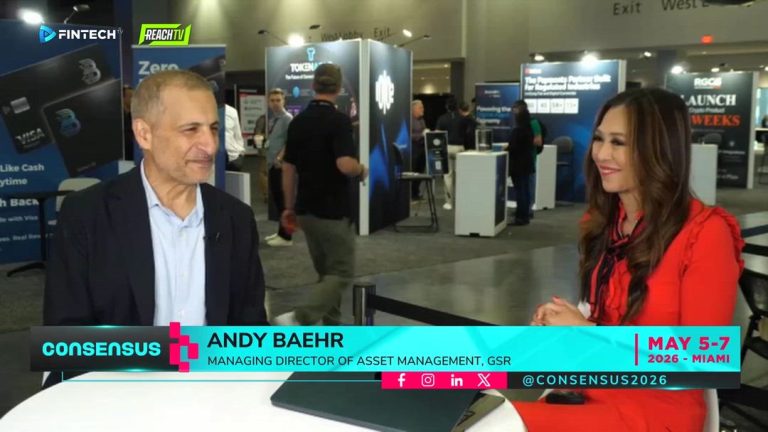
Join us as we dive into the intricate world of cryptocurrency, particularly focusing on Bitcoin’s recent developments. In this insightful discussion, we had the privilege of hosting Andy Baehr, the head of product and research at CoinDesk Index. His deep expertise sheds light on the current volatility in the crypto market and its implications for investors and enthusiasts alike.

Understanding the Current Bitcoin Landscape

At the outset, Andy Baehr pointed out a significant trend in the cryptocurrency market, specifically Bitcoin. As Bitcoin recently fell below the $950 threshold, many investors are left feeling unsettled. Historically, October is known as a period of strength for this cryptocurrency, often referred to as ‘sober October’ by enthusiasts due to its historical performance patterns. However, the current climate has diverged from past trends, with volatility affecting investor confidence and decision-making.

The Factors Influencing Bitcoin’s Performance

Baehr emphasized that Bitcoin lacks a traditional financial structure, such as a PR department or quarterly earnings reports, making its valuation heavily reliant on market sentiment rather than fundamental news. Currently, the market is positioned in a state of uncertainty. Key factors including liquidity, certainty, and the need for a positive catalyst are essential for regaining momentum in both crypto and other risk assets.

Key Drivers for Stability and Growth

Andy aptly noted three critical needs for the current state of Bitcoin and the broader crypto market:
1. Enhanced Liquidity: A more liquid market can help stabilize prices and draw in new investors.

2. Certainty in Regulations: Clearer regulatory frameworks can alleviate fears and uncertainties surrounding the cryptocurrency market.

3. Catalysts for Growth: Positive events or developments can rejuvenate interest and investment in Bitcoin and other cryptocurrencies, encouraging longer-term growth.

Indicators of Market Health

Despite the downturn, Baehr revealed some optimistic signs – for instance, the launch of the first XRP ETF marked a significant milestone with impressive inflows and volumes. Such foundational developments suggest that while the broader environment is tumultuous, the innovation within the sector continues.

Looking Ahead: Q4 and Beyond

As we approach the final quarter of the year, Baehr believes that the cryptocurrency market still presents one of the most promising growth opportunities available. While investors may be focusing on their portfolios and dealing with recent losses, an emphasis on indexing and staying informed on market fundamentals is crucial. Monitoring Bitcoin, stablecoins, and tokenization trends will be vital for navigating potential changes in the market landscape.

The Importance of Diversification in Cryptocurrency

Moreover, Andy Baehrs insights underscore the importance of a diversified approach in cryptocurrency investments. He advocates for utilizing index products that can provide investors with broader exposure to the market without the pressures of trying to time individual investments. This strategy can mitigate risks and help build a resilient portfolio, especially amid the ongoing market fluctuations.

Conclusion

In conclusion, the conversation with Andy Baehr highlighted key aspects of the current cryptocurrency landscape, particularly regarding Bitcoin and its market dynamics. As investors keep a close eye on these developments, it remains essential to understand the underlying factors affecting market behavior and to adapt strategies accordingly. With pro-environment blockchain innovations and sustainable investment practices gaining traction, the future of cryptocurrency and its role in financing and entrepreneurship looks promising, albeit with challenges that call for continuous learning and strategic planning.

Market Insights with Jay Woods of Freedom Capital Markets

0

As the financial landscape continues to evolve, insights from experts like Jay Woods, a CNBC contributor and representative of Freedom Capital Markets, provide essential perspectives for both seasoned investors and newcomers alike. During a recent segment, Woods shared his thoughts on current market trends, the performance of technology stocks, and the anticipated impact of potential Supreme Court rulings on tariffs. In this article, we explore the key takeaways from his discussion, aligning them with the broader contexts of cryptocurrency, AI, sustainability investing, and the Sustainable Development Goals (SDGs).

The Current Market Landscape

Woods opened the conversation by celebrating the recent triumphs of the Philadelphia Eagles, drawing parallels between sports wins and financial market gains. His optimism was palpable as he referred to the S&P 500’s recent upside, noting a critical shift in the market’s breadth. Woods highlighted that while technology stocks, notably Nvidia and Palantir, faced downtimes, overall market conditions appeared to be stabilizing after the uncertainty surrounding a potential government shutdown.

The AI Trade: Cooling or Catching Its Breath?

Artificial Intelligence (AI) has dominated discussions in the investment community for its groundbreaking potential. However, Woods pointed out a cooling off period in the AI trade, hinting at a necessary stabilization phase after an explosive growth period. This cooling was epitomized by Nvidia’s recent 3% drop amid an important earnings announcement and SoftBank’s exiting of their position. The impact of these dynamics on broader market sentiment raises essential questions about future sustainability and ethical investment practices.

Impact of Supreme Court Decisions on Financial Markets

Discussion about the ongoing Supreme Court tariff case introduced a dramatic element to the financial landscape. Woods expressed concern that any unfavorable ruling regarding tariffs could disrupt the current bull market, creating an atmosphere of uncertainty. With the court’s decision expected in the second quarter of next year, investors and businesses alike are left to speculate on its potential ramifications. The uncertainty surrounding tariffs emphasizes the importance of thoughtful, sustainable investing that takes into account not just financial performance but larger economic and ethical implications.

Navigating Through Earnings and Future Outlook

As portfolios brace for upcoming earnings announcements from giants like Disney and Alibaba, Woods recommends a focus on growth potential and innovation capacity. This highlights a staggering shift in investment philosophy where traditional sectors may need to embrace technology and sustainability to remain competitive. For investors interested in Sustainable Development Goals (SDGs), tracking regulations and innovations in sectors like clean energy, fintech, and blockchain becomes paramount.

The Intersection of Cryptocurrency and Traditional Markets

As the conversation shifts towards cryptocurrency and sustainable investing, aligning these assets with broader market trends can reveal exciting opportunities. The growing interest in Bitcoin and other cryptocurrencies indicates a significant pivot in finance, echoing the traditional market’s efforts to adapt to emerging technologies. With a spotlight on ethical investments that prioritize societal impact, the fusion of crypto and traditional finance offers an enticing avenue for investors looking for both growth and sustainability.

Conclusion

Jay Woods of Freedom Capital Markets articulated a firm understanding of the interplay between current market conditions, upcoming challenges, and the evolving landscape of technology investment. As trends in AI and cryptocurrency gain momentum, the importance of aligning investments with Sustainable Development Goals remains critical. By remaining vigilant and adaptive, investors can navigate through uncertainties, ultimately leading towards a more sustainable financial future.

Animoca Brands’ Vision for Blockchain’s Next Chapter

0

Minh Do, the COO at Animoca Brands, recently appeared at the New York Stock Exchange, sharing insights about the intricacies of blockchain technology, digital property rights, and the evolving regulatory landscape in the cryptocurrency market. Animoca Brands, primarily known as a blockchain ecosystem player, began its journey in the gaming industry but has since expanded to include a variety of ventures encompassing NFTs, advisory services, and direct investments in blockchain startups.

In his conversation, Minh Do emphasized the synergy between Animoca’s business model and highlighted the core focus of the company: digital property rights. This term encapsulates the understanding of identity and assets in the digital realm, a topic increasingly relevant as blockchain technology becomes mainstream. Digital property rights are grounded in the notion of personal identity — something all users should have control over instead of being tethered to centralized platforms like Google or Facebook. Minh Do believes that as we progress towards a more digital-focused future, individuals should retain ownership and mobility of their online identities across varying digital environments.

As the landscape of blockchain technology continues to evolve, Minh Do expressed the delicate balance Animoca Brands maintains between developing engaging games and investing in up-and-coming blockchain startups. The company’s subsidiary, Animoca Studios, remains active in the gaming world. However, Minh Do mentioned that the company’s present core focus is on the broader blockchain ecosystem, citing a project they’re spearheading called Mocha Verse. This initiative aims to enhance user identity through a token represented as MOCA, allowing digital identities to transition seamlessly across multiple online platforms.

Regulatory changes have also been a significant topic within discussion, especially given the political landscape in the United States. Minh Do pointed out that the recent shifts in administration have provided a clearer framework for regulations governing cryptocurrencies and NFTs. This shift is considered critical for companies like Animoca Brands, whose operations often navigate the complex arenas of fungible tokens and NFTs. The anticipation of clarity in upcoming legislation speaks volumes about the impact regulations can have on innovation in the blockchain space.

In Europe, the impending Markets in Crypto-Assets (MiCA) legislation is paving the way for compliant tokens in the region. Minh Do mentioned an exciting collaboration with One Football, a leading soccer application in Germany and Europe, where Animoca is set to launch its first MiCA-compliant token. This partnership signifies a growing demand for regulated and secure digital assets while underscoring the potential for substantial development within the industry.

Looking ahead, the growing regulatory clarity on cryptocurrencies and digital assets offers an optimistic outlook for blockchain technology. Minh Do’s insights underline a critical moment for both existing players and new entrants within the sector as they navigate an increasingly structured environment. As various jurisdictions like Asia also adapt and make strides to catch up with regulatory frameworks, it is evident that we are entering a transformative phase for cryptocurrency and blockchain technology.

In conclusion, Animoca Brands exemplifies a forward-thinking approach to blockchain technology, blending innovation with a commitment to ensuring digital property rights for users. As they continue to navigate the complexities of the regulatory landscape, their endeavors promise to positively impact the future of digital identity, sustainability investing, and the broader financial sector. With both regulatory advancements and growing societal interest in cryptocurrencies, the convergence of technology and finance is set to usher in new opportunities for entrepreneurs and investors alike.

Jay Hatfield: Finding Value in Today’s ‘Full but Not Inflated’ Market

0

Jay Hatfield, the CEO of Infrastructure Capital Advisors, recently shared his insights on the volatile financial markets during an engaging discussion. His analysis covered various aspects of market performance, monetary policy, and viewpoints on significant technology stocks. The conversation illuminated his perspective on keeping investors informed amidst fluctuating market conditions.

As the markets navigate back and forth between risk-off and risk-on sentiment, Hatfield noted that these fluctuations are typical, especially following earnings reports, particularly in the tech sector. He expressed optimism about the market’s resilience, citing a target of 7000 for the S&P 500 by the year’s end, underscoring that the bounce from the 50-day moving average positions the market favorably for potential growth.

Hatfield’s assessment of the Federal Reserve’s (Fed) strategy brought to light critical monetary policy dynamics. He indicated that while a rate cut is not on the horizon unless there is a surprisingly weak labor report, he is not overly concerned about the current trajectory of interest rates. He highlighted the fact that even amidst a tech downturn, conservative funds are performing well, reminding investors of the importance of diversity in their investment portfolios.

Focusing on the broader implications of Fed policy, Hatfield pointed out the institution’s three significant challenges. Firstly, he criticized the Fed’s inflation target of 2% as being too low, suggesting a revision to a range between 2% to 3%. Secondly, he emphasized that the measurement of inflation could be misleading due to its reliance on outdated shelter components. Lastly, Hatfield noted the Fed’s forecasting deficiencies, particularly their neglect of monetary supply factors that contribute to inflation. He expressed hope for reforms under a new Fed chair that would address these issues.

When discussing major tech companies, Hatfield recognized that many have already reported their earnings, yet investors are still closely monitoring upcoming results, notably from Nvidia. He articulated that while the market should not be viewed as overly inflated, it is important to acknowledge that valuations are within a full range, particularly at the S&P target level. He remains optimistic about certain tech stocks, including Amazon and Marvell Technology, pointing out their valuation metrics, advocating for a strategic focus on PEG ratios instead of traditional price-to-earnings (PE) ratios.

The conversation with Jay Hatfield reflects the intricacies of navigating today’s market landscape—highlighting the essential balance between caution and opportunity. His insights emphasize the significance of informed decision-making in investments, particularly within the context of blockchain technologies, the rise of cryptocurrency, and the growing movement toward sustainability and impactful finance.

In summary, as the financial world grapples with complex challenges, from changing monetary policies to evolving technology valuations, insights like those of Jay Hatfield are indispensable. They not only inform investors but also bridge the intersecting realms of technology and finance, reinforcing the vital role that strategic investment plays in fostering sustainable growth in an ever-changing economic environment.