[stock-market-ticker symbols=" ^NYA;CRYPTO:BTC;CRYPTO:ETH;CRYPTO:USDT;CRYPTO:USDC;CRYPTO:BNB;CRYPTO:ADA;CRYPTO:XRP;CRYPTO:SOL;CRYPTO:DOGE " stockExchange="NYSENASDAQ" width="100%" transparentbackground=1 palette="financial-light"]

Home Blog Page 143

Navigating the Fed’s Rate Decision: What to Expect from Powell’s Press Conference

“I think he continues to suggest that we’re going to be cautious and they’re going to be data dependent.” – 04:14

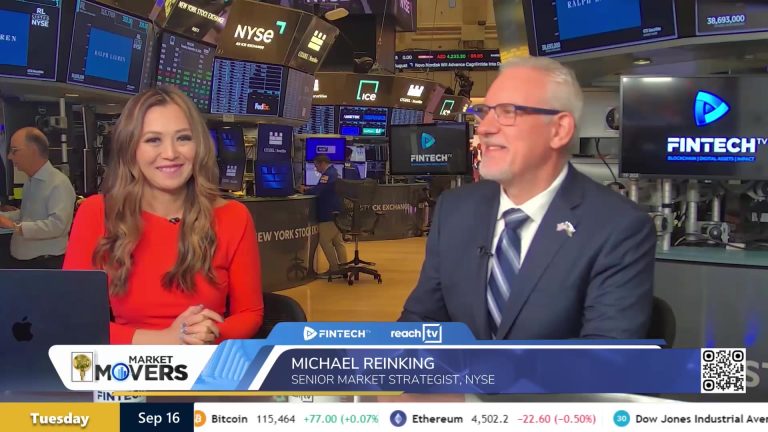
Michael Reinking, Senior Market Strategist at the NYSE, joins Remy Blaire to discuss the latest economic data releases and their implications as the Federal Reserve begins a significant two-day meeting. The S&P 500 has shown resilience, closing nearly half a percent higher and surpassing the 6600 mark. With the Fed’s rate decision anticipated for the following day, Remy discusses the challenges posed by a cooling labor market and persistent inflation.

The pair explore the recent retail sales numbers, which have come in better than expected, suggesting that fears of a sharp economic decline may be unfounded. However, they also note signs of weakness in housing-related sectors, emphasizing that the retail sales figures are not adjusted for inflation. This distinction indicates that some of the strength in retail may be driven by inflation rather than pure demand.

As they look ahead to the Fed’s rate decision, expected to be a 25-basis point cut, Remy and Michael discuss the potential for dissent among Fed officials and the significance of the summary of economic projections. Michael likens the anticipation of the Fed’s decision to a dinner menu, questioning whether the outcome will be a “filet” or a “hamburger” in terms of the Fed’s approach to future rate cuts. They emphasize the importance of Chair Powell’s messaging during the press conference, particularly regarding the Fed’s cautious and data-dependent stance.

The conversation also touches on the volatility in the markets leading up to this pivotal moment, considering how various asset classes may react post-announcement. With options expiration and quarterly index rebalances approaching, they discuss the potential for a “sell the news” response if Powell’s comments do not align with market expectations. Michael highlights the current buyback blackout window for many companies, which could further influence market dynamics.
FinTech Opportunities in Saudi Arabia: Insights from Money20/20

“You could just tell how excited everyone is and how much opportunity there is here.” – 02:43

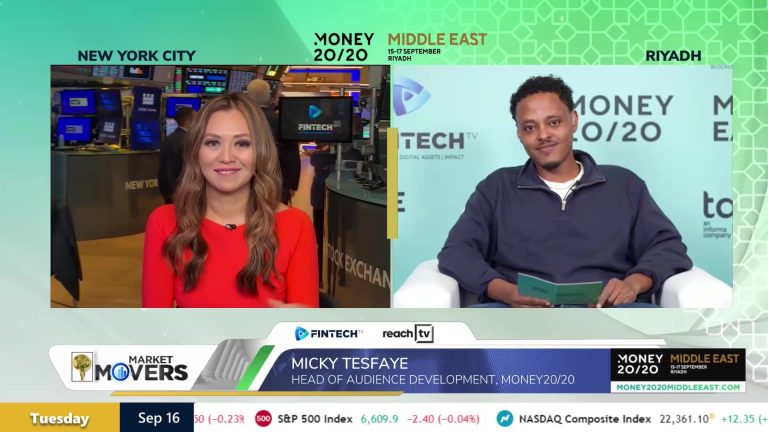
Micky Tesfaye, Head of Audience Development at Money20/20, joins Remy Blaire from Money20/20 Middle East in Riyadh to discuss the significant developments emerging from the Money 2020 Middle East conference. The event serves as a platform to highlight the digital transformation taking place within Saudi Arabia’s economy, featuring leaders from the Saudi Central Bank and the Minister of Finance.

Micky begins by sharing his observations about the sheer scale of activity at the conference, noting that over 451 brands, nearly a thousand investors, and more than 150 startups are represented. This impressive turnout reflects the remarkable growth and investment potential within the region’s fintech landscape.

Remy and Micky discuss the conference’s target audience, which is both global and specifically focused on Saudi Arabia. Micky emphasizes that as the Kingdom becomes increasingly open to business, it is establishing itself as a prime destination for investment in the fintech sector. The event aims to connect international, regional, and domestic players within this evolving ecosystem.

Throughout their conversation, Micky highlights some of the standout moments from the conference, particularly the palpable sense of transformation occurring in Saudi Arabia. He describes the excitement among attendees and exhibitors, all eager to engage with the burgeoning opportunities in the region.

As the discussion comes to a close, Remy asks Micky for his key takeaway from the event. Micky underscores that fintech is now a global phenomenon, with Saudi Arabia experiencing a significant shift towards digital payments, which have reportedly increased to 79% over the past year. This statistic illustrates the rapid changes taking place in the Kingdom and the collaborative opportunities available for those looking to expand their reach in the region.

Watch Taking Stock Live from the NYSE: Weekdays from 3:58PM EST

0

Taking Stock is a daily Closing Bell program produced in collaboration with the New York Stock Exchange, FINTECH.TV, Money20/20, and Cheddar. Broadcast live from the floor of the NYSE, the show delivers market insights as the trading day ends, with exclusive access to traders, executives, and innovators shaping global finance, and features real-time social and viewer interaction.

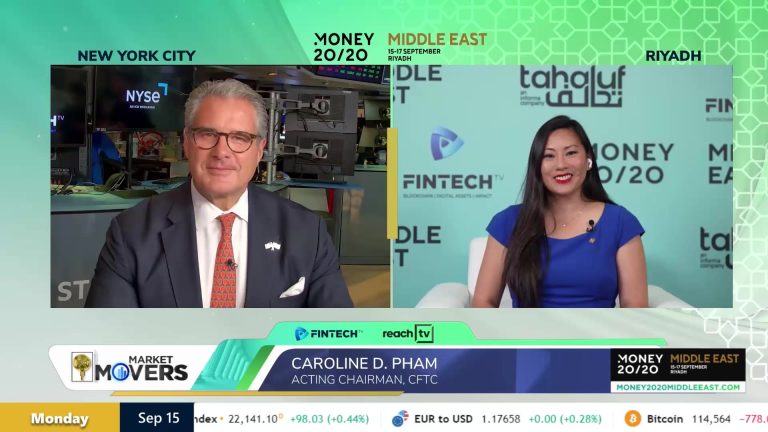
Bridging Borders: CFTC’s Vision for a Global Crypto Landscape

“We have the regulatory clarity. We want to welcome back innovators and entrepreneurs and investors to invest, hire, and build in America.” – 02:27

Caroline Pham, Acting Chairman at the CFTC, joins Remy Blaire & Vince Molinari from Money20/20 Middle East in Riyadh to discuss the monumental gathering in the fintech space, attracting over 45,000 participants, including more than 450 fintech brands, 350 speakers, and 400 investors.

Caroline shared insights into the CFTC’s initiatives, particularly the President’s Working Group on Digital Assets and the recently launched “Crypto Sprint.” This initiative aims to position the U.S. as the global leader in the crypto space by providing regulatory clarity and fostering an environment conducive to innovation and investment.

Caroline emphasized the importance of collaboration between the CFTC and the Securities and Exchange Commission (SEC), highlighting their joint efforts to create a cohesive regulatory framework for digital assets. She announced an upcoming roundtable focused on regulatory harmonization, signaling a new era of cooperation between these two regulatory bodies.

Caroline articulated the administration’s commitment to welcoming innovators and investors back to the U.S. by clarifying the regulatory landscape for digital assets. She discussed the need for U.S. firms that have moved offshore due to regulatory uncertainty to return home, and the steps being taken to facilitate this process.

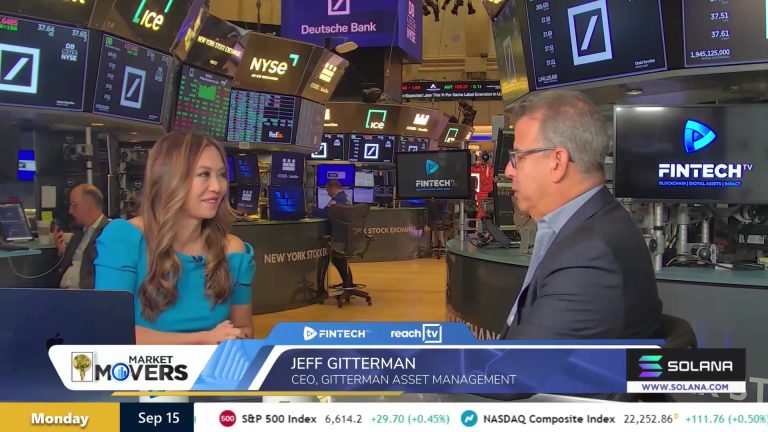
Investing in Resilience: How Every Dollar Can Yield $10 in Climate Benefits

“This first study has put really an economic dollar value on the social and environmental benefits.” – 01:52

Jeff Gitterman, CEO of Gitterman Asset Management, joins Remy Blaire at the New York Stock Exchange to discuss a new report from the World Resources Institute has revealed that we have been undervaluing climate resilience, with findings that every dollar invested in climate adaptation can yield over ten dollars in benefits within a decade.

Jeff emphasizes that previous studies have primarily focused on avoided loss economics—essentially asking if investments in infrastructure, like retaining walls, will save us money during climate events. However, this report takes a broader view by assigning economic value to the social and environmental benefits of such investments.

The pair discuss the real-world implications of these findings, using examples like the devastating storm in Asheville, which caused an estimated $250 billion in damage. Jeff highlights the often-overlooked downstream effects of climate events, such as health impacts and ecosystem disruptions, which can have long-term economic consequences.

As we approach COP30 in Brazil, we explore the concept of the “triple dividend” of resilience, which encompasses economic, social, and environmental benefits. Jeff argues that while mitigation efforts have faltered, particularly in light of rising CO2 emissions, we must pivot towards adaptation and resilience investments. He outlines three key areas for investors to focus on: water resilience, infrastructure resilience, and adaptation resilience, noting that companies in these sectors are experiencing significant growth due to the increasing demand for climate-related solutions.

Day One Highlights: Money20/20 Middle East Unveils FinTech Innovations

“Regulation needs to keep pace with what’s happening in fintech.” – 02:51

Scarlett Sieber, Chief Strategy & Growth Officer at Money20/20, joins Remy Blaire from Money20/20 Middle East to discuss the first day of the event. The agenda focuses on critical topics such as financial inclusion, the role of digital wallets, and the integration of AI and machine learning in the finance sector.

Scarlett shares her excitement about the event, highlighting the impressive attendance figures: 451 brands, nearly 1,000 investors, and over 150 startups from the region and beyond, all contributing to a vibrant atmosphere with around 40,000 attendees. She emphasizes the overarching theme of collaboration, discussing how organizations can seize opportunities during times of volatility to create a meaningful impact in the financial landscape.

Remy and Scarlett delve into what sets this gathering apart from other Money 2020 events held globally, such as those in Bangkok, Las Vegas, and Amsterdam. The Riyadh edition is distinguished by its co-organization with local partners, including Tahalif and FinTech Saudi, as well as support from key government entities like the Saudi Central Bank and the Capital Markets Authority. This collaboration underscores the event’s commitment to partnership and community engagement.

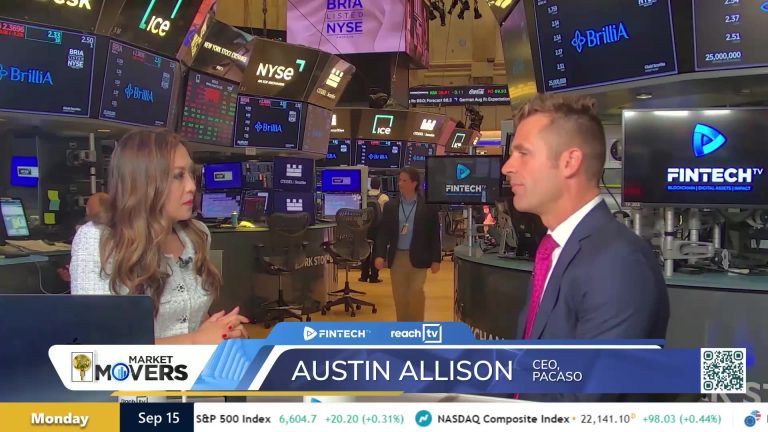
Co-Ownership: A New Path to Luxury Homeownership in a Changing Market

This post was sponsored by Pacaso.

“We enable people to buy more than they would otherwise be able to afford on their own.” – 02:23

Austin Allison, CEO of Pacaso, joins Remy Blaire at the New York Stock Exchange to discuss to explore the current state of the luxury housing market in light of recent changes in mortgage rates. With the average 30-year fixed mortgage rate hovering around 6.6%, we discussed how these rates, influenced by economic factors such as labor market concerns expressed by Federal Reserve Chair Jerome Powell, are impacting homebuyers and homeowners looking to refinance.

Austin provided valuable insights into the housing market, noting that while overall housing sales have remained flat year-over-year, the luxury segment is experiencing a slight uptick in transaction volume and price appreciation. He emphasized Pacaso’s innovative approach to homeownership through co-ownership, which aims to redefine how people access luxury vacation homes. By pooling resources, a small group can afford a beautiful property that would otherwise be out of reach for individual buyers.

The pair delve into the concept of co-ownership, which Austin likened to the introduction of the 30-year mortgage a century ago, designed to make homeownership more accessible. Pacaso operates in around 40 destinations worldwide, allowing buyers to enjoy luxury homes without the hassle of traditional ownership. Austin explained how their model offers a hassle-free experience, managing all aspects of homeownership, akin to the NetJets model in the private aviation sector.

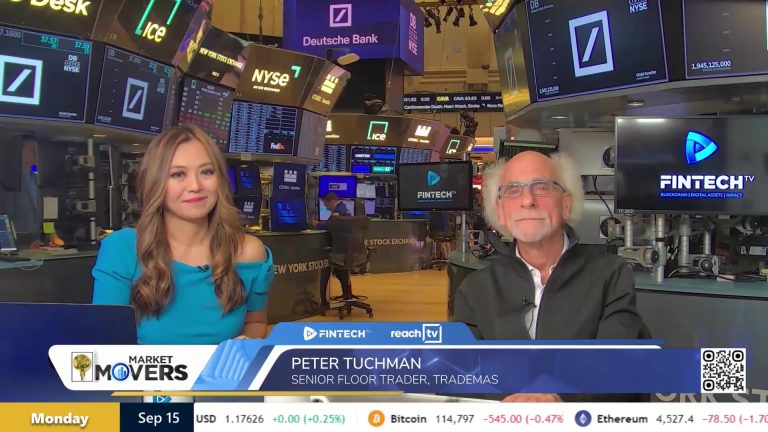
Fed Week Insights: Market Reactions and Predictions Ahead of Rate Cuts

“We know that we’re going to get some kind of a cut on Wednesday.” – 01:14

Peter Tuchman, Senior Floor Trader at TradeMas, joins Remy Blaire to discuss the current state of the U.S. stock market as it approaches a significant week with the Federal Reserve’s anticipated rate decision. 

Peter expresses that the market feels strong, suggesting that the current rally could be a “melt-up” or a short-covering event fueled by anticipation of the Fed’s actions. He notes that historically, the market tends to respond positively during cutting cycles, and he predicts that multiple rate cuts could occur by the end of the year.

As the conversation progresses, Peter raises concerns about emerging signs of economic slowing, which could lead to a hard landing. He emphasizes that while the market is trading at record highs, there is always the potential for a pullback, especially if economic data begins to weaken.

The discussion shifts to Tesla’s recent pre-market performance and Elon Musk’s renewed focus on the company. Peter interprets Musk’s actions as a demonstration of confidence, suggesting that this could positively impact Tesla’s stock, which has faced pressure recently. He advises caution, noting that while buybacks can sometimes present shorting opportunities, in this instance, it may be a favorable time to buy.

Remy and Peter also touch on the ongoing competition for the title of the world’s richest person between Larry Ellison and Elon Musk, as well as the broader implications of the Fed’s decisions on various asset classes. Peter underscores the significance of Jay Powell’s press conference following the rate decision, warning traders to prepare for volatility as the market reacts to the news.

Capital Group bitcoin, Christie’s digital art, Pakistan crypto, Native Markets

0

In this episode of the Coin Street headlines, we dive into the latest developments in the world of cryptocurrency and digital assets. We highlight Capital Group’s impressive growth of its bitcoin-related stocks, skyrocketing from $1 billion to over $6 billion, led by seasoned portfolio manager Mark Casey. The closure of Christie’s digital art department and the impact on NFT trading, which has seen a significant drop in volume. Pakistan’s new initiative to welcome international crypto businesses, allowing major exchanges to apply for licenses under a federal regulatory framework. Native Markets’ successful claim of the USDH ticker for their U.S. dollar stablecoin, following a community vote, and their plans for the Hyperliquid Improvement Proposal. Jane King with the latest from the NYSE.

Pacaso: Revolutionizing Vacation Home Co-Ownership

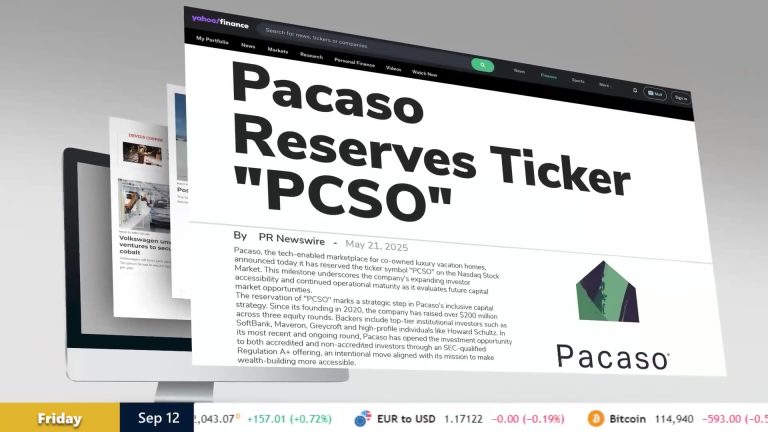
Pacaso, a pioneering company in the vacation home industry that is reshaping the way people invest in luxury properties. Recently, Pacaso made headlines by reserving the NASDAQ ticker PCSO, signaling its ambitions for growth and expansion.

Founded by a former Zillow executive who previously sold his first venture for an impressive $120 million, Picasso is at the forefront of co-ownership in the $1.3 trillion vacation home market. The company has successfully generated over $1 billion in luxury home transactions and service fees, serving more than 2,000 owners in less than five years. This remarkable achievement has resulted in more than $110 million in gross profits, underscoring the effectiveness of their innovative business model.

The video highlights the significant interest from major investment firms that have also backed successful companies like Uber and Venmo, further validating Pacaso’s potential in the real estate sector. Viewers will gain insights into how Picasso’s co-ownership model not only makes luxury vacation homes more accessible but also transforms the traditional approach to property investment.

Disclaimer:

This is a paid advertisement for Pacaso’s Regulation A offering. Please read the offering circular at invest.pacaso.com. Reserving the ticker symbol is not a guarantee that the company will go public. Listing on the Nasdaq is subject to approvals.