[stock-market-ticker symbols=" ^NYA;CRYPTO:BTC;CRYPTO:ETH;CRYPTO:USDT;CRYPTO:USDC;CRYPTO:BNB;CRYPTO:ADA;CRYPTO:XRP;CRYPTO:SOL;CRYPTO:DOGE " stockExchange="NYSENASDAQ" width="100%" transparentbackground=1 palette="financial-light"]

Home Blog Page 98

Rep. Timmons Says U.S. Must Lead as Crypto Market Structure Takes Shape

Discussions surrounding cryptocurrency, digital assets, and blockchain technology have reached a critical inflection point in American politics. With comprehensive legislative frameworks still under development, political leadership continues to shape the trajectory of the crypto industry. The urgency for clear regulation is mounting, particularly as the Senate evaluates two major bills that could define the structure of the U.S. crypto market.

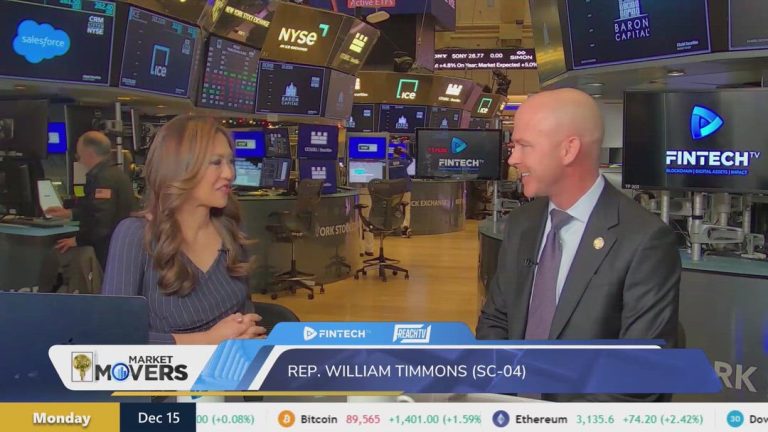
Representative William Timmons, a Republican from South Carolina, recently addressed these developments during a discussion at the New York Stock Exchange. Timmons, who chairs the Military and Foreign Affairs Subcommittee and serves on the House Financial Services Committee, underscored the importance of establishing a regulatory framework that preserves the United States’ position at the center of the global economy. He emphasized that digital technology and blockchain innovation are essential tools for driving future efficiencies across both Main Street and Wall Street.

Timmons described 2025 as a defining year for digital assets, one that demands swift legislative action. He expressed optimism that a new market structure framework could be implemented by the first quarter of next year. The proposed legislation aims to promote innovation while ensuring the U.S. remains a global leader in emerging technologies, including finance, blockchain infrastructure, and sustainability investing.

The conversation also explored the role of cryptocurrency and blockchain in strengthening economic resilience. Timmons highlighted how these technologies can improve efficiency across industries and noted that the speed of congressional action will directly influence the country’s ability to capitalize on future growth opportunities. This urgency is amplified by rising retail investor participation in the crypto market, which has intensified the need for balanced regulations that protect consumers without stifling innovation.

Looking ahead to 2026, Timmons outlined additional legislative priorities, including potential bills addressing non-fungible tokens. He explained that NFT legislation could be layered on top of the proposed market structure, signaling broader acceptance of digital assets and their growing role in wealth creation and investment strategies.

Timmons also addressed the economic potential created by a more balanced regulatory approach. He argued that reducing unnecessary restrictions would allow Americans to pursue entrepreneurship more effectively and framed the current political environment as a period of necessary disruption. In contrast to prior policies, he suggested this approach better aligns with long-term economic opportunity and innovation.

As attention turns toward midterm elections and continued economic recovery, Timmons emphasized the interconnected nature of policy decisions, including trade agreements, tax reform, and inflation control. He stated that lowering inflation and creating favorable investment conditions would drive growth across both Wall Street and Main Street.

Concerns surrounding the possibility of another government shutdown were also discussed. Timmons stressed the importance of bipartisan cooperation to ensure government continuity and economic stability. He noted that operational disruptions create unnecessary obstacles for businesses and households navigating an already complex economic environment.

Overall, the urgency surrounding cryptocurrency and blockchain regulation is increasingly evident. Policymakers like Representative Timmons are playing a central role in shaping the regulatory narrative at a time when technology, finance, and public policy are converging. As innovation accelerates, the decisions made in Washington will have lasting implications for how the United States competes globally and how digital assets are integrated into a sustainable and resilient economic framework.
Equable Shares CEO Rings NYSE Bell as Firm Launches HEDG ETF

0

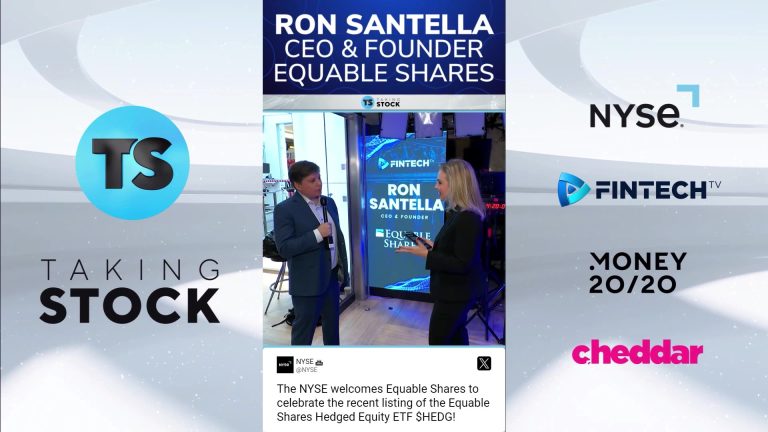
FintechTV recently welcomed Ron Santella, CEO and founder of Equable Shares, a Naples, Florida based firm specializing in hedge strategies, to discuss the launch of the company’s flagship ETF, HEDG. The appearance coincided with a major professional milestone for Santella, who rang the closing bell at the New York Stock Exchange, a ceremonial moment symbolizing the culmination of years of work in the financial markets.

Santella described the occasion as especially meaningful, noting that he was following in the footsteps of his twin brothers, who had previously taken part in the NYSE bell ringing tradition. The moment represented both a personal achievement and a professional validation. Equable Shares, now in its eighth year of operation, has been gaining traction within the investment community, particularly following its transition from a mutual fund structure to an exchange traded fund. The move reflects a broader industry trend favoring ETFs over traditional investment vehicles.

Equable Shares focuses on delivering customized hedging strategies designed for individual investors. Drawing on extensive market experience, the firm aims to balance risk management with long term returns. The HEDG ETF is structured to provide exposure to the S&P 500 while prioritizing risk reduction and volatility control. Santella compared the strategy to homeowners insurance, explaining that just as individuals protect their homes from unforeseen events, investors should consider protecting their portfolios from market disruptions.

The decision to convert from a mutual fund to an ETF was driven by shifting investor preferences. ETFs now hold more than $14 trillion in assets globally, underscoring their growing dominance in the investment landscape. The transition aligns Equable Shares with market demand and reinforces its client focused approach. Investors increasingly seek low volatility solutions, and HEDG is positioned to appeal to those who want S&P 500 exposure without the full impact of market swings.

HEDG primarily targets large cap stocks within the S&P 500 and is designed as a beta oriented investment product. Santella explained that the fund employs a systematic hedging strategy that is recalibrated every 90 days, allowing it to adjust to changing market conditions. This approach may become increasingly relevant as market participants anticipate a shift toward more defensive investment strategies following an extended period of strong equity performance.

The broader market environment has contributed to growing interest in the HEDG ETF. As investors prepare for potential volatility after years of gains, demand for lower risk investment options has intensified. Santella noted rising interest in the fund, reflecting both market caution and a desire for portfolio protection without fully exiting equities.

Looking ahead, Equable Shares plans to build on its early momentum. Since launching on October 13, the ETF has already recorded approximately 20% growth, highlighting its appeal in a complex and uncertain investment climate. Santella also indicated plans to introduce an additional ETF in 2026 that would apply similar hedging strategies to a different index, signaling the firm’s continued commitment to innovation.

In conclusion, Ron Santella’s appearance at the New York Stock Exchange represents more than a ceremonial moment. It reflects Equable Shares’ strategic positioning within the evolving ETF market. With a focus on risk management, client driven solutions, and product innovation, the firm is positioning itself as a meaningful contributor to modern investment strategies. As finance and technology continue to converge, Equable Shares stands poised to play a growing role in shaping portfolio protection strategies aligned with long term market realities and sustainable investing principles.

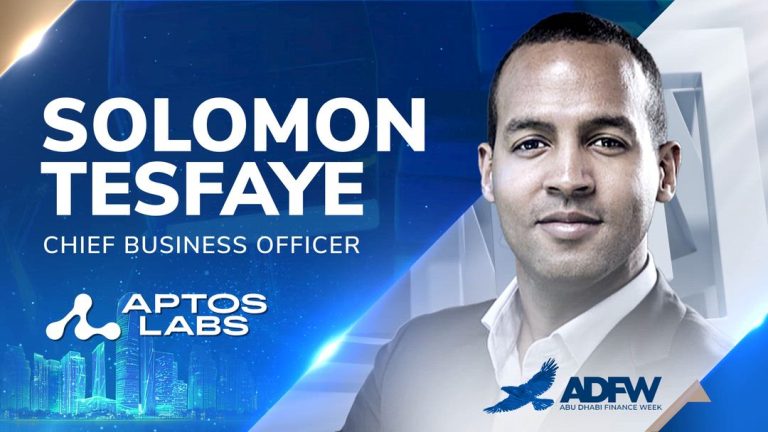
The Power of Blockchain: Insights from Solomon Tesfaye on Aptos’ Impact on Finance

Lawrence Wintermeyer is joined by Solomon Tesfaye, the chief business officer at Aptos Labs to discuss the current landscape of blockchain technology, with a particular focus on Aptos’ strategic initiatives and the evolving trends in the financial sector.

They explore Aptos’ primary focus areas: global trading engines, money movement, and on-chain data management. Solomon highlights the significant shift in the narrative surrounding blockchain, particularly in Abu Dhabi, where the emphasis has moved from skepticism about blockchain’s viability to a more definitive approach towards integrating stablecoins and real-world assets (RWAs) into the financial ecosystem.

Solomon elaborates on the trends he is observing, particularly the integration of stablecoins and RWAs. He notes that the current focus is on money market funds and private credit, with a strong push to bring traditionally liquid assets onto the blockchain. This shift is crucial as it aims to enhance liquidity and create a seamless connection between public markets and on-chain transactions.

They also discuss the institutional space, where tokenized money market funds and collateral eligibility are gaining traction. In contrast, stablecoins continue to dominate the retail environment, proving their utility across various segments. Solomon emphasizes that stablecoins have the strongest product-market fit at this moment, with applications expanding into remittance, microfinance, payroll, and B2B transactions.

As they explore the potential of RWAs, Solomon shares insights on the evolving roadmap for tokenization, particularly in the U.S. market, where discussions around public securities and private security tokenization are ongoing. He points out that while the focus has been on private assets, there is a growing recognition of the need to build liquidity for these assets over time.

One of the most exciting aspects of the conversation was the potential impact of microfinance, especially in regions like sub-Saharan Africa and Southeast Asia. Solomon highlights the work of Pact Foundation, a builder on the Aptos platform, which has successfully put billions of microfinancing loans on-chain. This initiative is particularly transformative for small and medium-sized enterprises (SMEs), allowing them to access loans in real-time and manage the entire loan lifecycle on-chain.

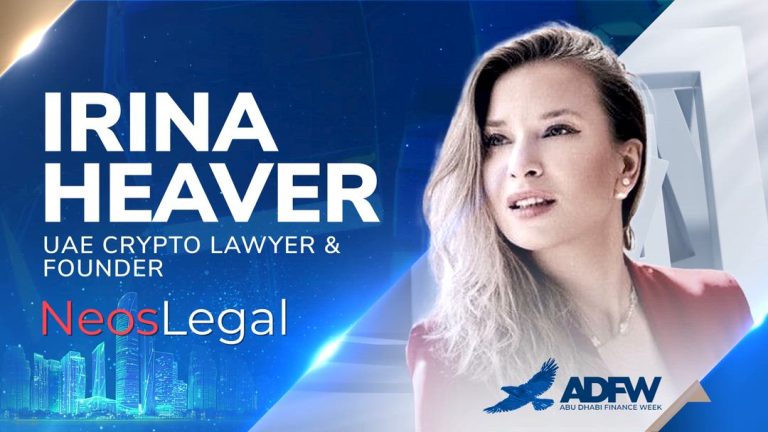
Navigating the Crypto Regulatory Landscape in the UAE: Insights from Irina Heaver

Lawrence Wintermeyer welcomes Irina Heaver, a seasoned crypto lawyer with over 18 years of experience in the region and the founder of NeosLegal, to discuss the dynamic regulatory landscape for cryptocurrency in the United Arab Emirates (UAE), which Irina passionately describes as the number one crypto hub globally.

Irina emphasizes the unique advantages the UAE offers to crypto founders, including a diverse array of regulatory bodies and economic free zones. With five regulators in the country, including the Central Bank and the Securities and Commodities Authority, as well as specialized regulators like the Dubai Virtual Assets Regulatory Authority (VARA) and the Financial Services Regulatory Authority (FSRA) in Abu Dhabi, the UAE provides a rich environment for crypto ventures. She highlights the importance of choosing the right regulatory framework, as missteps can lead to significant penalties, including fines of up to one billion dirhams.

As they delve deeper into the regulatory trends, Irina shares her insights on the increasing tokenization of real-world assets, a trend she believes is gaining momentum. She reflects on the early predictions made in 2018 about the tokenization of various assets, noting that while we are now witnessing this shift, liquidity levels remain low. Additionally, they discuss the anticipated rise in regulatory enforcement against corporate traders and the transformative role of artificial intelligence in trading, hinting at a future where AI could manage investments on behalf of individuals.

Transforming Abu Dhabi’s Financial Landscape: Insights from Fatima Al Hammadi

Patricia Wu, a contributor and special events anchor for Fintech TV, is joined by Fatima Al Hammadi, the Head of the FinTech, Insurance, Digital, and Alternative Assets (FIDA) Cluster, to discuss the recent establishment of the platform, which aims to position Abu Dhabi as a global leader in the financial services sector.

FIDA serves as a comprehensive financial services cluster that integrates various sectors, including FinTech, insurance, digital assets, and alternative investments. Fatima outlines the five strategic segments that FIDA is focusing on: fintech and digital assets, insurance and pensions, asset and wealth management, ESG transition and green financing, and SME financing. Each of these areas is designed to reshape Abu Dhabi’s financial landscape and attract global investors.

They examine how FIDA aligns with Abu Dhabi’s long-term economic vision, which includes ambitious goals to contribute significantly to the GDP, attract substantial investments, and create thousands of jobs by 2045. The initiative aims to create a robust regulatory framework that benefits both local and international stakeholders.

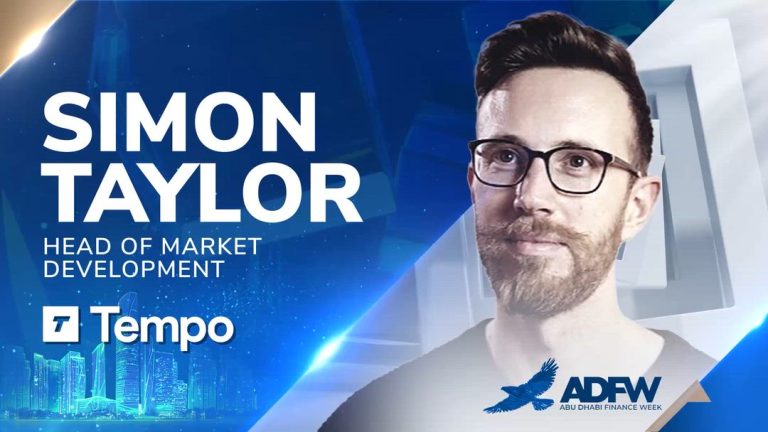
Revolutionizing Payments: An Inside Look at Tempo’s New Blockchain

Lawrence Wintermeyer is joined by Simon Taylor, the Head of Market Development at Tempo, a new layer 1 blockchain incubated by Stripe and Paradigm, specifically designed to enhance payment systems.

Simon explains the core mission of Tempo: to create a blockchain that addresses the unique challenges of payment processing. He highlights that while many blockchains exist, they often fall short in terms of reliability, especially during periods of network congestion. This unreliability can lead to increased fees and potential disruptions in critical payment processes, which is unacceptable for businesses that rely on timely transactions.

One of the standout features of Tempo is its use of stablecoins for transaction fees, ensuring a consistent and low-cost fee structure. This approach mitigates the volatility often associated with cryptocurrencies, making it a more reliable option for payment systems. Simon also discusses the additional capabilities built into Tempo’s transactions, such as memo fields, which facilitate easier reconciliation and compliance for existing payment companies transitioning to the blockchain.

They explore the impressive roster of design partners supporting Tempo, including major financial institutions like Deutsche Bank, Standard Chartered, and UBS, as well as tech companies like OpenAI and DoorDash. These partnerships provide valuable insights and hands-on experience as they test the platform, helping to refine and enhance its offerings.

Looking ahead, Simon shares his vision for Tempo’s future, particularly focusing on stablecoin use cases for enterprises. Key applications include facilitating payouts to contractors in emerging markets and enabling global collections for companies like SpaceX. Additionally, he emphasizes the importance of 24-7 treasury management, which allows businesses to manage liquidity and move funds efficiently across regions.

As they wrap up the discussion, Simon expresses excitement about the upcoming mainnet launch planned for the first half of next year, emphasizing Tempo’s commitment to speed and efficiency in the payments landscape.

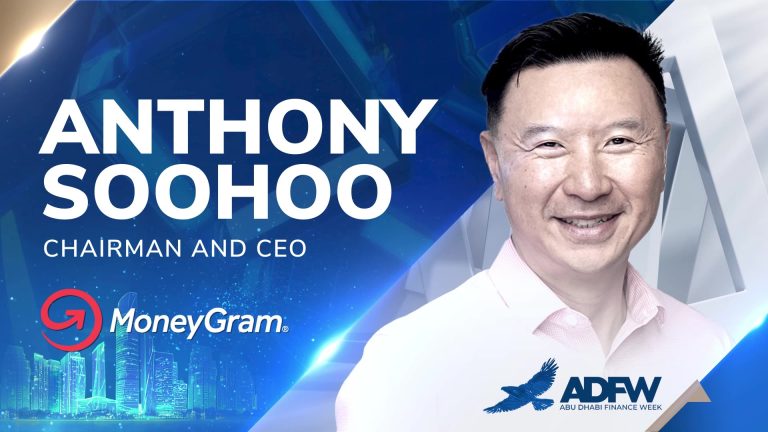
Innovating Financial Transactions: MoneyGram’s Journey into Digital Assets

Patricia Wu, a contributor and special events anchor for Fintech TV, is joined by Anthony Soohoo, the Chairman and CEO of MoneyGram, to discuss his vision for the company and the exciting transformations underway at MoneyGram, which has a rich history spanning 80 years.

Anthony shares insights into the vast reach of MoneyGram, highlighting its operations in over 200 countries and territories, with nearly 500,000 retail locations—more than McDonald’s, Starbucks, and Subway combined. This extensive network, coupled with five billion digital endpoints, positions MoneyGram uniquely in the evolving landscape of financial services.

A significant focus of the conversation centered on innovation, particularly in the realm of digital assets. Anthony discusses the launch of MoneyGram Ramps and a new Stablecoin-powered app, which aims to enhance the consumer experience by allowing users to store value in USDC, a stablecoin pegged to the US dollar. This feature is especially beneficial in regions with currency volatility, providing users with a more stable option for their funds.

They also examine the significance of partnerships in the fintech sector, particularly in the Middle East. Anthony emphasizes that MoneyGram’s approach to partnerships is centered around understanding customer needs and leveraging both their assets and those of their partners to create better services. He articulates a vision of MoneyGram as a platform rather than just a service provider, aiming to facilitate a variety of use cases through collaboration.

Solana ETFs Attract $670M as Investors Bet on Long-Term Blockchain Growth

The cryptocurrency market has long been defined by volatility and rapid shifts in investor sentiment. Recent trends, however, point to a growing and sustained interest in Solana, particularly following the launch of Solana Exchange-Traded Funds (ETFs). This surge in demand signals a notable change in investor behavior and reflects increasing recognition of Solana’s potential within the broader blockchain ecosystem.

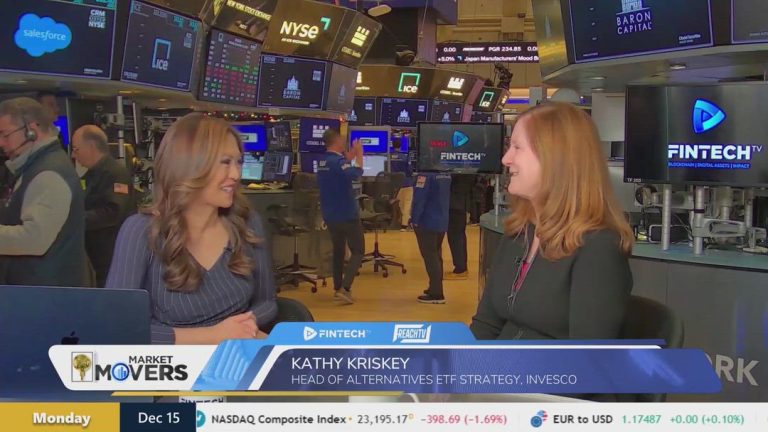
In a recent sit down with Remy Blaire, Kathy Kriskey, head of alternatives ETF strategy at Invesco, discussed the strong investor appetite for Solana ETFs. Despite a broader sell-off across the cryptocurrency market, Solana ETFs have attracted more than $670 million in net inflows. This trend is especially striking given the recent decline in the Solana token’s price from its January highs. The sustained demand suggests investors are looking beyond short-term price pressure and instead focusing on the long-term value of Solana’s blockchain infrastructure.

Kriskey provided insight into why Solana continues to draw interest even amid market turbulence. She described Solana as a “new upstart” within the digital asset space, highlighting its distinguishing characteristics compared with more established networks such as Bitcoin and Ethereum. While Bitcoin is often compared to a dependable two-lane road and Ethereum to a superhighway burdened with tolls and construction, Solana is described as a “bullet train,” emphasizing its speed, scalability, and cost efficiency. This framework positions Solana as a compelling platform for on-chain finance and a wide range of blockchain applications.

The introduction of Solana ETFs, including Invesco’s QSOL, reflects increasing retail and institutional interest in the network. Kriskey noted that discussions with investors consistently reveal enthusiasm for Solana as part of a broader digital asset allocation. Although Solana has experienced sharp price swings, with volatility exceeding 100% over the past year, investors appear willing to allocate a measured portion of their portfolios to the asset. Kriskey emphasized the importance of a disciplined approach, encouraging investors to consider modest exposure to Solana as part of a diversified cryptocurrency strategy.

The demand for Solana ETFs also underscores a broader shift within the investment community, as institutions seek exposure to emerging blockchain technologies beyond Bitcoin and Ethereum. Strong inflows into Solana-focused products suggest growing confidence in its long-term growth potential. This shift is notable in a market historically dominated by legacy crypto assets, signaling that investor attention is beginning to expand toward next-generation blockchain platforms.

Additionally, interest in Solana ETFs may reflect broader confidence in the evolution of blockchain technology itself. As regulatory frameworks continue to take shape and major financial institutions explore ways to integrate digital assets into traditional finance, demand for scalable and efficient blockchain networks is expected to rise. Kriskey’s reference to the SEC’s interest in bringing all of finance on-chain reinforces the view that Solana is well-positioned to play a meaningful role in this transition.

In conclusion, the strong inflows into Solana ETFs highlight growing investor confidence in Solana’s blockchain technology and its long-term prospects. While volatility remains an inherent characteristic of the cryptocurrency market, Solana’s performance, infrastructure advantages, and increasing institutional interest suggest it could become a key player in the future of on-chain finance. For investors navigating an evolving digital asset landscape, Solana represents a compelling opportunity for those prepared to balance risk with long-term potential.

Survey Shows More Americans Turning to Crypto for Gifts and Shopping

A new survey conducted by the National Cryptocurrency Association in partnership with PayPal highlights a meaningful shift in cryptocurrency adoption across the United States, signaling accelerating mainstream acceptance of digital assets. According to the findings, 17% of U.S. adults now prefer receiving cryptocurrency over traditional gift cards during the holiday season. Nearly one quarter of respondents indicated they are either already gifting crypto or considering doing so, reflecting a notable change in consumer attitudes toward digital assets.

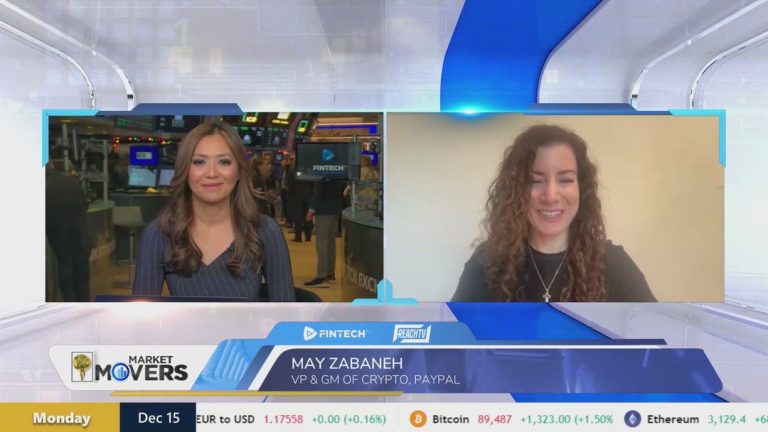
As the holiday shopping season approaches, the survey also reveals that 23% of Americans are likely to use cryptocurrency for purchases. Among existing cryptocurrency holders, adoption rates are even higher, underscoring a growing preference for digital payment methods. During the discussion of the survey results, May Zabaneh, VP and General Manager of Crypto at PayPal, shared insights into the demographic forces driving this trend, particularly among younger consumers.

Younger generations, raised in a digitally native environment, are increasingly comfortable adopting cryptocurrency. Zabaneh explained that early exposure to smartphones, apps, and digital platforms has shaped how younger Americans view emerging financial technologies. In contrast, older generations often require more time and education to become comfortable with new systems, which can contribute to hesitancy toward cryptocurrency adoption.

The appeal of gifting cryptocurrency is also gaining traction as a form of generational wealth transfer. Zabaneh noted that many crypto holders view these assets as supplemental, making them attractive gifts that allow recipients to enter the market without initial financial risk. This perspective aligns with survey data showing consumers are seeking more unique and meaningful gifts, positioning cryptocurrency as an increasingly compelling option during the holidays.

Despite rising interest, concerns about volatility remain a key barrier for many consumers. Zabaneh acknowledged that while cryptocurrencies can experience significant price fluctuations, stablecoins offer a less volatile alternative. She emphasized that cryptocurrency can still be a thoughtful gift when both givers and recipients understand the risks and approach digital assets with appropriate knowledge.

Security and education were also identified as critical challenges to broader adoption. PayPal’s expansion into crypto aims to address these concerns by offering an integrated experience that combines ease of use with educational support. By leveraging a familiar platform, PayPal seeks to reduce uncertainty for new users and provide accessible resources that encourage responsible exploration of digital assets.

The survey further found that 25% of respondents plan to shop using crypto, with sectors such as luxury goods, digital products, and travel showing strong adoption potential. Zabaneh noted that continued merchant acceptance, paired with consumer education, will be essential to sustaining this momentum. As more businesses enable crypto payments, confidence among consumers is expected to grow, further normalizing digital asset usage.

Looking ahead, regulatory developments are expected to play a major role in shaping adoption trends. Zabaneh expressed optimism about the GENIUS Act, viewing it as a meaningful step toward clearer regulatory frameworks for digital assets in the United States. She believes this legislative progress will support innovation, expand use cases, and strengthen trust across the crypto ecosystem.

In conclusion, the National Cryptocurrency Association and PayPal survey reflects a growing acceptance of cryptocurrency as both a gifting option and a payment method, particularly among younger demographics. With continued education, regulatory clarity, and integration into everyday commerce, cryptocurrency adoption is poised to expand further. As the holiday season approaches, digital assets are not only becoming more mainstream but are also reshaping how consumers think about gifting, value transfer, and financial participation.

XBTO Highlights Growing Institutional Demand Beyond Bitcoin ETFs

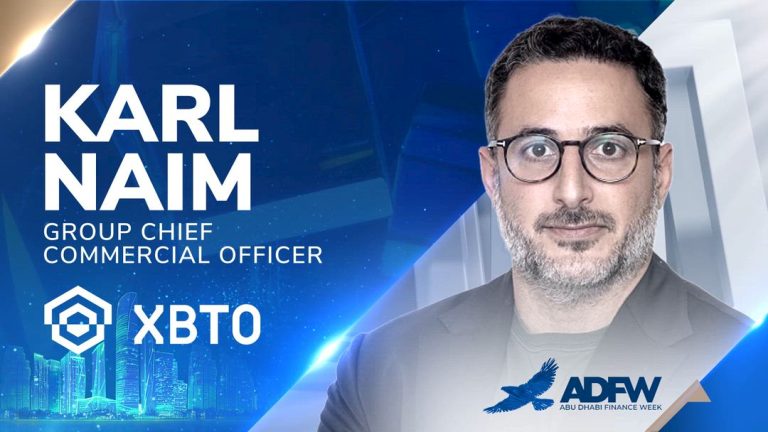
In a rapidly evolving financial landscape, the integration of technology and digital assets has become a focal point for investors and institutions alike. At Abu Dhabi Finance Week, Lawrence Wintermeyer hosted Karl Naim, Chief Commercial Officer of XBTO, for a discussion on the growth and future prospects of digital assets, as well as the role regulatory frameworks play in accelerating adoption. With a strong industry background, XBTO has positioned itself as a digital asset provider since 2015, serving institutional and high-net-worth clients. The conversation explored Naim’s perspective on the current state of digital assets, the trends driving adoption, and the potential disruptors shaping the future of finance.

Founded as a family office, XBTO has evolved into a significant participant in the digital asset market, reflecting a strategic shift toward client-facing operations. Regulated in Bermuda and recently licensed under Abu Dhabi’s Financial Services Regulatory Authority (FSRA), XBTO brings deep experience in helping clients navigate the complexities of digital assets. Its offerings span custody, trading, over-the-counter (OTC) services, brokerage solutions, and hedge fund strategies. This diversified approach underscores XBTO’s commitment to enabling clients to capitalize on the expanding opportunities within the digital asset ecosystem.

According to Naim, the digital asset landscape is undergoing rapid transformation, particularly as institutional adoption gains momentum. A key catalyst has been increasing regulatory clarity in the United States, alongside the introduction of exchange-traded funds (ETFs), including those launched by BlackRock. These products have provided familiar entry points for traditional investors seeking exposure to digital assets such as Bitcoin and beyond.

Despite growing interest, Naim emphasized that the market remains in the early stages of widespread adoption. Institutions are gradually gaining confidence in the infrastructure required to trade and custody cryptocurrencies directly, reducing reliance on traditional wrappers like ETFs. This evolution could unlock greater opportunities for alpha generation within a historically volatile asset class, an area where hedge funds are well positioned. The broader shift from beta-driven exposure to alpha-focused strategies highlights the increasing relevance of digital assets in modern portfolio construction.

Tokenization continues to be a central theme, particularly across private credit and equity markets. While tokenization of real-world assets remains in its infancy, Naim noted that innovative structures are beginning to take shape, especially within real estate. Collaborative initiatives in the UAE aimed at enabling tokenization reflect the region’s proactive approach to integrating blockchain technology into established financial systems.

Discussing hedge fund trends, Naim pointed to the anticipated rise of collateralization using digital assets. He stressed the importance of remaining ahead of regulatory developments, particularly in the UAE, where innovation is advancing more rapidly than in regions such as the United States and Europe. Strong regulatory frameworks, he noted, could serve as a catalyst for deeper institutional participation, ultimately unlocking the full potential of digital assets.

Looking ahead, Naim identified stablecoins as a defining theme for the coming year. With numerous stablecoin options in circulation, determining which infrastructure will prevail remains a key challenge. These discussions reflect broader considerations around stability, trust, and usability within the evolving digital finance ecosystem.

The conversation with Karl Naim of XBTO highlights a dynamic and rapidly maturing digital asset landscape with significant opportunities ahead. As fintech continues to converge with traditional finance, the potential for sustainable and responsible investing is reshaping how institutions and individuals approach portfolio strategy. The transition toward a more inclusive and efficient financial system is well underway, with companies like XBTO playing a pivotal role in shaping the future of cryptocurrency, blockchain technology, and digital finance.