[stock-market-ticker symbols=" ^NYA;CRYPTO:BTC;CRYPTO:ETH;CRYPTO:USDT;CRYPTO:USDC;CRYPTO:BNB;CRYPTO:ADA;CRYPTO:XRP;CRYPTO:SOL;CRYPTO:DOGE " stockExchange="NYSENASDAQ" width="100%" transparentbackground=1 palette="financial-light"]

Home Blog Page 89

TradeAlgo Brings Wall Street AI Tools to Retail Traders

0

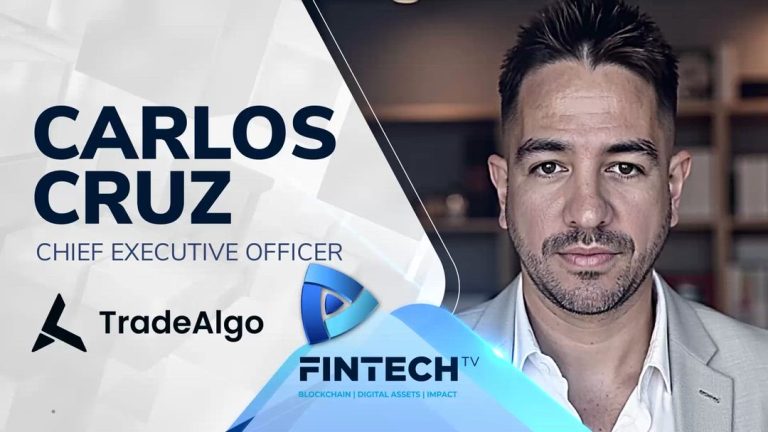
In the ever-evolving financial landscape, the need for accessibility to advanced trading tools has become paramount. At the New York Stock Exchange, Remy Blaire recently sat down with Carlos Cruz, CEO of TradeAlgo, to discuss how his company is revolutionizing retail investing through cutting-edge technology and artificial intelligence.

TradeAlgo is an innovative analytics platform designed to empower retail investors by democratizing access to institutional-grade tools and data. Carlos Cruz explained that the primary mission is to level the playing field, enabling average investors to harness the same technologies that were historically reserved for major financial institutions.

One of the standout features of TradeAlgo is its AI assistant, TradeGPT. This tool allows users to query a wealth of current financial data, providing insights that can greatly enhance trading strategies. Users can take advantage of various tiers of accessibility, making it user-friendly for both beginners and seasoned traders.

What sets TradeGPT apart lies in its underpinning technology. Cruz shared that it leverages a combination of advanced large language models with a proprietary layer of financial data developed over several years. This empowers users to access a vast amount of information, scanning millions of data points per second, thus saving traders valuable time in their research processes.

The mission of TradeAlgo extends beyond simply providing data. Cruz emphasized that the goal is to create a comprehensive analytics platform that delivers actionable insights and trading ideas tailored to the needs of retail investors. The platform has launched several products, including the Wells Series and Midas Link, both of which have demonstrated impressive performance, outperforming the S&P 500 index in recent evaluations.

Looking ahead, TradeAlgo is poised to expand its offerings. Cruz mentioned plans to introduce more sophisticated options trading products utilizing AI capabilities, and they are exploring developments in the Registered Investment Advisor (RIA) space. This would usher in an era of AI-powered wealth management, providing investors with hands-off solutions without compromising on the quality or sophistication of investment strategies.

The conversation with Carlos Cruz underscores a crucial shift in today’s financial environment. As the demand for more inclusive financial services grows, platforms like TradeAlgo are setting a precedent for innovation and accessibility. The integration of AI and high-quality analytics not only enhances trading strategies but also fosters a greater level of confidence among retail investors.

In summary, TradeAlgo is redefining the landscape of retail investing by leveraging advanced technologies to support individual traders. As the fintech industry continues to develop, TradeAlgo stands at the forefront of this revolution, committed to empowering investors and driving sustainable practices in finance.

As more individuals seek to take control of their financial futures, the tools provided by TradeAlgo will undoubtedly play a pivotal role in shaping the next generation of investors. By harnessing the power of blockchain, AI, and financial analytics, retail traders are equipped to navigate the complexities of today’s markets, ultimately driving impactful change and success.

Causeway Reframes Impact Investing as Capital, Not Charity

0

In the world of meaningful investing, financial returns blend harmoniously with positive societal impact. Today, the spotlight is on Newday Impact, a pioneering organization that stands at the forefront of a disruptive financial movement, particularly through its Causeway platform. This innovative platform empowers a new generation of investors who prioritize impact alongside returns.

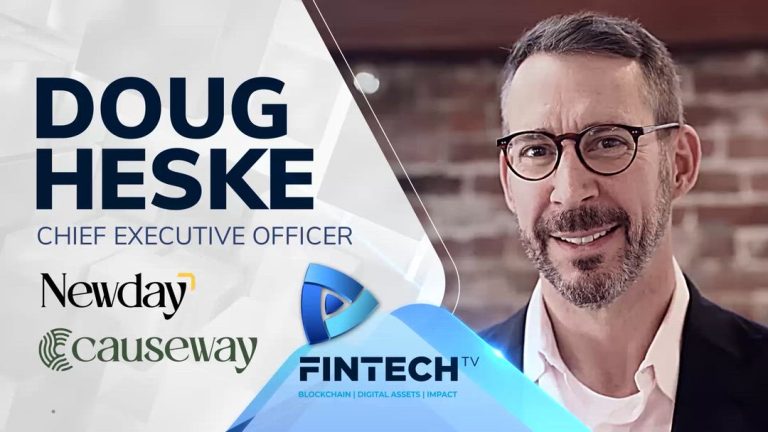
In a recent conversation with Doug Heske, the CEO of Newday Impact, hosted by Remy Blaire on FintechTV, key insights were shared about how Causeway is reshaping the landscape for those looking to invest with purpose. Heske emphasized the platform’s mission to connect individuals, families, and mission-driven organizations to create tangible and lasting change in the world. The growing demand for investments that align with personal values can be linked to societal shifts, where the legacy of generational wealth transfer now incorporates a focus on social responsibility.

The Causeway platform is not just about making donations; it offers a comprehensive approach for users to support vetted nonprofits, back various causes, and invest in portfolios that reflect their values. Over its nine-year history, Newday Impact has built partnerships with more than 55 nonprofit organizations, focusing on six critical pillars of impact: climate action, air and water quality, biodiversity and conservation, regeneration of healthy soils, and human equity. This multifaceted approach reveals the interconnectedness of various global issues and underscores the importance of addressing them collectively.

A fascinating insight shared by Heske was the shift in consumer behavior among younger generations, consisting of millennials, Gen Z, and even Gen X. Representing over 100 million individuals and nearly half of American consumer purchasing power, this demographic is increasingly seeking transparency and accountability in their investments. They are becoming “dangerous consumers,” armed with information that enables them to make informed decisions about the impact of their financial choices. This newfound awareness places a spotlight on the importance of ethical practices and transparency in corporate operations.

Heske also discussed the shortcomings of the Environmental, Social, and Governance (ESG) framework, which has, over the past decade, evolved from a reporting tool to a widely adopted benchmark by major financial institutions. He articulated that while ESG created awareness regarding corporate responsibility, it was never intended as a true investment mechanism. Instead, Newday Impact employs a distinctive approach focusing on three core principles: stakeholder engagement, environmental impact, and ethical governance, aimed at identifying businesses that create not just financial returns but also positive community impacts.

On Giving Tuesday, the timing of Heske’s insights couldn’t be more relevant. He highlighted a remarkable campaign in partnership with the Georgie Badiel Foundation and the Fred Hollows Foundation. The Georgie Badiel Foundation champions clean water, sanitation, and women’s empowerment in West Africa, providing wells and community services that significantly improve livelihoods. Simultaneously, the Fred Hollows Foundation, with a global outreach in over 27 developing countries, focuses on curing avoidable blindness related to cataracts and trachoma.

A critical incentive for this campaign is the offer of up to $10 million in matching donations from a generous donor, effectively doubling the impact of every dollar contributed. This initiative not only amplifies individual donations but also fosters a sense of community involvement by encouraging collective action towards impactful causes.

For those interested in tracking their donations and understanding the real-world impact of their contributions, Causeway provides an accessible platform to explore the deep impact work of its nonprofit partners. As Heske eloquently stated, harnessing the power of informed investment decisions can create remarkable transformations, reinforcing the belief that profit and purpose can indeed coexist.

In summary, Newday Impact’s Causeway platform is redefining the investment landscape, catering to a new breed of socially conscious investors eager to contribute positively to the world. As we witness a seismic shift in how wealth is managed and invested, platforms like Causeway are vital in ensuring that financial markets not only thrive but also contribute to sustainable development goals (SDGs), thereby benefiting both investors and communities. For more information on how to get involved and learn about the impactful initiatives being supported, visit CausewayImpact.com.

XDC Network Pushes Blockchain Into Institutional Finance

0

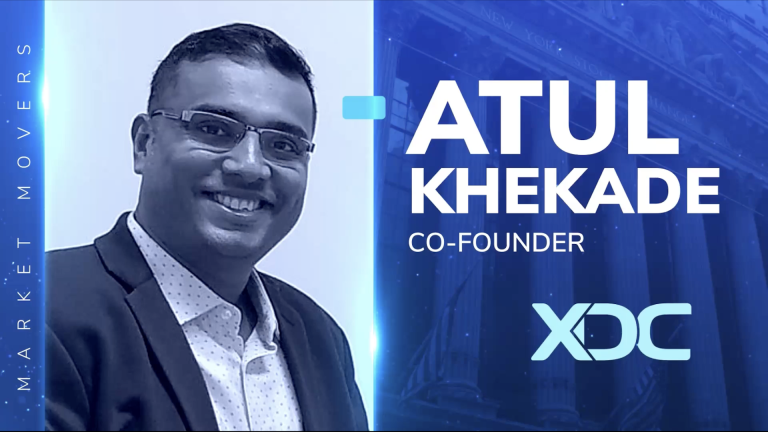
Vince Molinari welcomes Atul Khekade, co-founder of the XDC Network, to FintechTV at the New York Stock Exchange. The conversation explores the disruptive impact of blockchain technology on traditional finance, the unique journey of the XDC Network, and the shifting landscape of cryptocurrency adoption among institutions. As Khekade shares his insights, viewers are presented with a comprehensive understanding of the challenges in the finance industry and the potential solutions that blockchain and decentralized finance (DeFi) can offer.

Khekade begins by discussing his background in banking technology and the pain points he experienced, particularly with slow cross-border payments and cumbersome trade finance processes. Recognizing these inefficiencies, he became inspired to leverage blockchain technology’s transparency and speed, ultimately leading to the birth of the XDC Network. Initial frustrations with traditional banking systems—characterized by outdated infrastructures and excessive paperwork—fueled Khekade’s desire to create a more efficient system for global finance.

The XDC Network, originally named “Exchange Infinite Digital Coin,” evolved through community input to become a symbol of collaboration in the blockchain realm. Khekade highlights how the XDC Network seeks to bridge the gap between traditional finance (TradFi) and decentralized finance (DeFi) by implementing blockchain’s core advantages in real-world asset tokenization and trade finance solutions. These innovations aim to expedite cross-border transactions and empower users with full transparency.

Khekade draws attention to how the adoption of blockchain technology is steadily gaining traction among institutions, primarily due to the growing demand from retail users. As awareness grows, traditional financial institutions are compelled to adapt, reflecting a shift in the power dynamics within the finance ecosystem. This transition signifies a movement towards a more user-centric approach, where customer preferences dictate institutional offerings, a reversal from the traditional model where institutions led the charge with innovation.

At the core of XDC’s strategy lies the principle of interoperability—a crucial factor in connecting traditional finance with blockchain solutions. Khekade emphasizes the importance of compliance, particularly with regulations such as ISO 20022, ensuring that transactions on the XDC Network align with existing regulatory frameworks. By embedding compliance into the network’s infrastructure, XDC can facilitate seamless transitions between traditional and digital finance systems. This focus not only eases the integration for financial institutions but also promotes user trust and security.

Moreover, the XDC Network capitalizes on the power of last-mile connectivity, ensuring that the integration of blockchain into everyday transactions is as smooth as possible. Khekade articulates that success lies in simplifying processes that have traditionally been ruled by complex layers of compliance and procedural barriers. This streamlined approach positions the XDC Network as a robust solution capable of enhancing the efficiency of transaction banking and digital asset management.

As the conversation progresses, Khekade gives an exciting glimpse into the future of XDC. With the increasing interest from top financial institutions and corporations, partnerships that capitalize on the transformative potential of blockchain are on the horizon. Khekade notes that XDC’s journey has been built on trust and belief in the technology, and the growing recognition from major players reinforces their mission to deliver impactful solutions in finance.

Looking ahead to 2026 and beyond, Khekade hints at significant developments that aim to enhance the XDC Network’s visibility in the global market, including expansions in the United States. He emphasizes that the current regulatory environment is becoming increasingly favorable, creating a conducive landscape for technological advancements. The proactive stance of governments towards digital assets suggests a promising future for blockchain technology’s integration into mainstream finance.

In a compelling conclusion, Khekade encapsulates the state of blockchain adoption with an analogy of a rocket taking off. The groundwork laid over the years has positioned blockchain technology on the cusp of a significant breakthrough. As both institutions and consumers begin to embrace cryptocurrency, the XDC Network stands poised to lead the charge in unlocking blockchain’s full potential in enhancing global financial systems.

Stocks Close 2025 on a Bull Run as Earnings Set the Tone for 2026

Markets have opened for trading on the final trading day of 2025, marking the third consecutive year of a bull market. Analysts on Wall Street are optimistic, projecting stocks to experience a 25% boost in their performance once again. In the previous year, the expansion of price-to-earnings multiples contributed significantly to the S&P 500’s impressive returns. Analysts speculate that in 2026, another year of double-digit gains is likely, contingent on companies justifying their current high valuations through sustained earnings growth.

In this insightful discussion, Jonathan Dane, the founder and CEO of Defiant Capital Group, provides a recap of the year and a forward-looking perspective for the coming year. He emphasizes that 2025’s market performance diverged from the previous year, which saw substantial multiple expansions fueled by investor enthusiasm around technology and AI. In 2025, the upward trajectory was primarily driven by real earnings growth, solidifying the market’s resilience.

Dane reflects on the significance of maintaining a long-term investment strategy. He shares his philosophy succinctly: “time in the market, not timing the market.” This approach resonated with investors—those who remained engaged with their investments throughout the volatility of 2025 were rewarded with substantial gains. As Dane prepares to address the upcoming year, he expresses optimism that the S&P 500 can continue its performance, supported by robust cash flows from fundamentally sound companies.

However, his outlook for the cryptocurrency sector, particularly bitcoin, is more cautious than enthusiastic. The conversation delves into the potential implications of the recent sharp sell-offs in crypto assets, which have raised concern among investors. Dane affirms that while bitcoin remains a viable investment—having been part of his portfolio for clients—he encourages caution due to the asset’s alignment with tech stocks and its significant declines over the past years.

The interview highlights the challenge of distinguishing between worthwhile investments and fleeting trends in an environment filled with “shiny objects” vying for investor attention. Dane underscores the need for investors to have a rationale behind their investment decisions, warning them against being swept away by media hype.

Turning towards the future, Dane identifies areas of concern he believes average investors should pay attention to in 2026. Specifically, he emphasizes the potential risk associated with yield investments, particularly given upcoming changes in Fed leadership and the overall economic landscape. He urges investors not to chase yield through overly risky assets but instead to consider safer options like bonds and treasury bills to ensure stability in their portfolios.

Dane’s current investment thesis is characterized by a blend of caution and optimism. While many analysts display varying degrees of bullishness heading into 2026, Dane provides an astute observation about market dynamics, noting the tendency for analysts to echo one another rather than embrace independent perspectives. His stance is constructive, highlighting fundamental company performance as pivotal for anticipated market growth in the coming year.

Overall, this engaging dialogue serves as a testament to Jonathan Dane’s commitment to guiding his clients through the complexities of investing, especially amidst the shifting tides of economic uncertainty. As we approach 2026, his insights beckon investors to prioritize informed decision-making, prudent risk management, and a long-term approach to wealth generation.

In a rapidly evolving financial landscape where blockchain technology, cryptocurrency, and AI continue to reshape the investment terrain, maintaining a well-thought-out strategy backed by sound fundamentals becomes increasingly critical for success. Dane’s expertise, coupled with a candid analysis of the market, provides a well-rounded perspective that resonates particularly well with the challenges and opportunities facing forward-thinking investors today.

Markets have opened for trading on the final trading day of 2025, marking the third consecutive year of a bull market. Analysts on Wall Street are optimistic, projecting stocks to experience a 25% boost in their performance once again. In the previous year, the expansion of price-to-earnings multiples contributed significantly to the S&P 500’s impressive returns. Analysts speculate that in 2026, another year of double-digit gains is likely, contingent on companies justifying their current high valuations through sustained earnings growth.

In this insightful discussion, Jonathan Dane, the founder and CEO of Defiant Capital Group, provides a recap of the year and a forward-looking perspective for the coming year. He emphasizes that 2025’s market performance diverged from the previous year, which saw substantial multiple expansions fueled by investor enthusiasm around technology and AI. In 2025, the upward trajectory was primarily driven by real earnings growth, solidifying the market’s resilience.

Dane reflects on the significance of maintaining a long-term investment strategy. He shares his philosophy succinctly: “time in the market, not timing the market.” This approach resonated with investors—those who remained engaged with their investments throughout the volatility of 2025 were rewarded with substantial gains. As Dane prepares to address the upcoming year, he expresses optimism that the S&P 500 can continue its performance, supported by robust cash flows from fundamentally sound companies.

However, his outlook for the cryptocurrency sector, particularly bitcoin, is more cautious than enthusiastic. The conversation delves into the potential implications of the recent sharp sell-offs in crypto assets, which have raised concern among investors. Dane affirms that while bitcoin remains a viable investment—having been part of his portfolio for clients—he encourages caution due to the asset’s alignment with tech stocks and its significant declines over the past years.

The interview highlights the challenge of distinguishing between worthwhile investments and fleeting trends in an environment filled with “shiny objects” vying for investor attention. Dane underscores the need for investors to have a rationale behind their investment decisions, warning them against being swept away by media hype.

Turning towards the future, Dane identifies areas of concern he believes average investors should pay attention to in 2026. Specifically, he emphasizes the potential risk associated with yield investments, particularly given upcoming changes in Fed leadership and the overall economic landscape. He urges investors not to chase yield through overly risky assets but instead to consider safer options like bonds and treasury bills to ensure stability in their portfolios.

Dane’s current investment thesis is characterized by a blend of caution and optimism. While many analysts display varying degrees of bullishness heading into 2026, Dane provides an astute observation about market dynamics, noting the tendency for analysts to echo one another rather than embrace independent perspectives. His stance is constructive, highlighting fundamental company performance as pivotal for anticipated market growth in the coming year.

Overall, this engaging dialogue serves as a testament to Jonathan Dane’s commitment to guiding his clients through the complexities of investing, especially amidst the shifting tides of economic uncertainty. As we approach 2026, his insights beckon investors to prioritize informed decision-making, prudent risk management, and a long-term approach to wealth generation.

In a rapidly evolving financial landscape where blockchain technology, cryptocurrency, and AI continue to reshape the investment terrain, maintaining a well-thought-out strategy backed by sound fundamentals becomes increasingly critical for success. Dane’s expertise, coupled with a candid analysis of the market, provides a well-rounded perspective that resonates particularly well with the challenges and opportunities facing forward-thinking investors today.

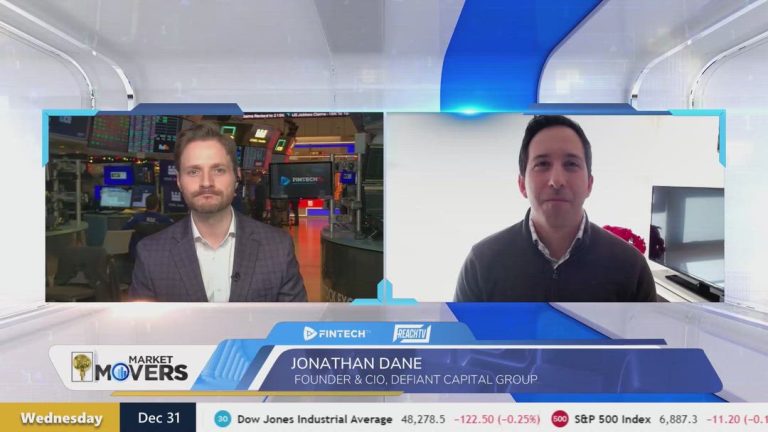
Markets have opened for trading on the final trading day of 2025, marking the third consecutive year of a bull market. Analysts on Wall Street are optimistic, projecting stocks to experience a 25% boost in their performance once again. In the previous year, the expansion of price-to-earnings multiples contributed significantly to the S&P 500’s impressive returns. Analysts speculate that in 2026, another year of double-digit gains is likely, contingent on companies justifying their current high valuations through sustained earnings growth.

In this insightful discussion, Jonathan Dane, the founder and CEO of Defiant Capital Group, provides a recap of the year and a forward-looking perspective for the coming year. He emphasizes that 2025’s market performance diverged from the previous year, which saw substantial multiple expansions fueled by investor enthusiasm around technology and AI. In 2025, the upward trajectory was primarily driven by real earnings growth, solidifying the market’s resilience.

Dane reflects on the significance of maintaining a long-term investment strategy. He shares his philosophy succinctly: “time in the market, not timing the market.” This approach resonated with investors—those who remained engaged with their investments throughout the volatility of 2025 were rewarded with substantial gains. As Dane prepares to address the upcoming year, he expresses optimism that the S&P 500 can continue its performance, supported by robust cash flows from fundamentally sound companies.

However, his outlook for the cryptocurrency sector, particularly bitcoin, is more cautious than enthusiastic. The conversation delves into the potential implications of the recent sharp sell-offs in crypto assets, which have raised concern among investors. Dane affirms that while bitcoin remains a viable investment—having been part of his portfolio for clients—he encourages caution due to the asset’s alignment with tech stocks and its significant declines over the past years.

The interview highlights the challenge of distinguishing between worthwhile investments and fleeting trends in an environment filled with “shiny objects” vying for investor attention. Dane underscores the need for investors to have a rationale behind their investment decisions, warning them against being swept away by media hype.

Turning towards the future, Dane identifies areas of concern he believes average investors should pay attention to in 2026. Specifically, he emphasizes the potential risk associated with yield investments, particularly given upcoming changes in Fed leadership and the overall economic landscape. He urges investors not to chase yield through overly risky assets but instead to consider safer options like bonds and treasury bills to ensure stability in their portfolios.

Dane’s current investment thesis is characterized by a blend of caution and optimism. While many analysts display varying degrees of bullishness heading into 2026, Dane provides an astute observation about market dynamics, noting the tendency for analysts to echo one another rather than embrace independent perspectives. His stance is constructive, highlighting fundamental company performance as pivotal for anticipated market growth in the coming year.

Overall, this engaging dialogue serves as a testament to Jonathan Dane’s commitment to guiding his clients through the complexities of investing, especially amidst the shifting tides of economic uncertainty. As we approach 2026, his insights beckon investors to prioritize informed decision-making, prudent risk management, and a long-term approach to wealth generation.

In a rapidly evolving financial landscape where blockchain technology, cryptocurrency, and AI continue to reshape the investment terrain, maintaining a well-thought-out strategy backed by sound fundamentals becomes increasingly critical for success. Dane’s expertise, coupled with a candid analysis of the market, provides a well-rounded perspective that resonates particularly well with the challenges and opportunities facing forward-thinking investors today.
Crypto Lending Hits Record High as DeFi Outpaces CeFi, Surviving Market Shock

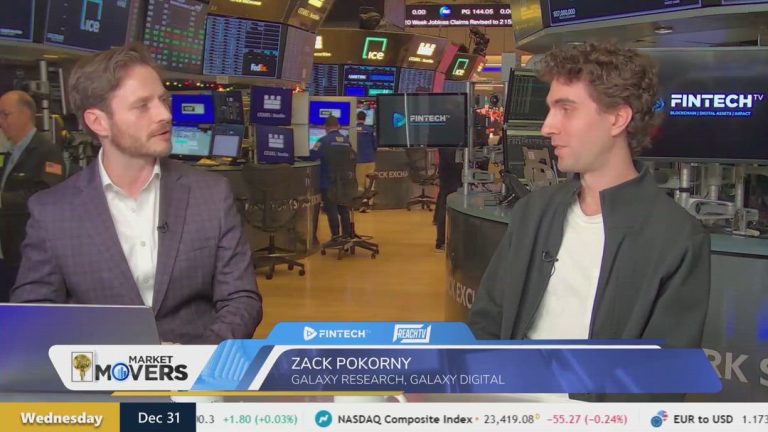
According to recent analysis from Galaxy Research, the realm of crypto collateralized lending has witnessed a remarkable surge, hitting a record high by the end of the third quarter of 2023. This trend signifies an increasing number of borrowers leveraging their crypto assets as collateral to secure loans. Overall, there was a staggering 38.5% increase in the sector, amounting to approximately $20.5 billion—a total of $73.6 billion.

The timing of this growth coincided with significant market events, particularly the infamous October 10th liquidation event that shook the crypto landscape. Just days after this record achievement, mass liquidations forced by falling collateral values and a subsequent downturn in market prices were observed. Zack Pokorny from Galaxy Digital’s research team shared insights at the New York Stock Exchange, shedding light on the dynamics of this turbulent period in the crypto lending ecosystem.

Q3 2023 emerged as a monumental period for crypto collateralized lending, where decentralized finance (DeFi) reflected an extraordinary growth of 50%. This surge was largely driven by the adoption of new synthetic assets, including Pendle PTs, and innovative carry trade arbitrage strategies. While traditional collateral types such as Bitcoin and Ethereum have historically dominated lending, the emergence of more sustainable collateral types offers a fresh perspective on lending practices.

Within the realm of centralized finance (CeFi), the activity was also notable, with around $24 to $25 billion in outstanding loans recorded. Despite the challenges in tracking precise figures in centralized lending due to closed-source applications, the overall patterns indicate increased transparency and robust practices among CeFi lenders, highlighting a shift from un-collateralized to over-collateralized lending practices.

Pokorny addressed the implications of the liquidation event on October 10th, emphasizing its unexpected nature despite evident signs of mismatched incentives and poor risk management. The day revealed the vulnerabilities in the crypto lending landscape, particularly regarding leveraged positions. While there was significant liquidation activity in futures markets, the collateralized lending space exhibited more resilience, with far fewer liquidations than anticipated.

The contrast between DeFi and CeFi lending environments is particularly striking. While CeFi lenders predominantly focused on major cryptocurrencies, DeFi lending platforms showcased a wide array of collateral types, including synthetic yield-bearing assets. This flexibility exemplifies DeFi’s nimbleness in adapting to market demands, reflecting ongoing evolution in the lending landscape that could redefine financial strategies.

As the industry evolves, speculation arises around the impact of event contracts and prediction markets, which have garnered attention in on-chain discussions. Pokorny articulated expectations for these markets, suggesting that they could evolve into critical hedging instruments within DeFi. The transition involves moving beyond probabilistic tokens to directly influence market positions, potentially impacting assets like Bitcoin based on real-world events, thereby shaping new investment strategies.

Crypto lending remains at the forefront as an essential topic for 2024 and beyond. The introduction of vaults and the integration of institutional operations with on-chain economies could redefine lending mechanics, yielding novel strategies and interest rates influenced by blockchain technology. Investors and entrepreneurs in the crypto and finance sectors should closely monitor these developments, as they will likely shape the future landscape of digital finance.

In conclusion, the record growth in crypto collateralized lending signals a paradigm shift within the financial landscape, bringing both opportunities and challenges. Understanding these dynamics provides valuable insights for investors navigating this complex arena. As crypto continues to evolve in line with sustainability investing, creative financial solutions, and an increasingly interconnected global economy, stakeholders must remain vigilant and adaptable to thrive in this transformative environment.

Crypto Infrastructure Surged in 2025 as Markets Ignored the Progress

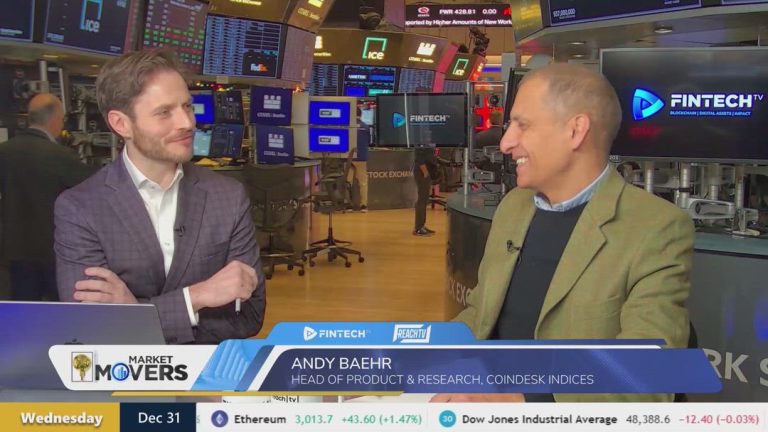
In the shifting landscape of cryptocurrency, 2025 stands out as a significant year marked by incredible advancements in regulatory frameworks and a surge in adoption across various sectors. Despite these advancements, the major cryptocurrencies are poised to finish the year lower, leaving investors and analysts scratching their heads. In a recent discussion, Andy Baehr, head of product and research for CoinDesk Indices, shared insightful perspectives on the current state of the crypto market and ongoing legislative developments.

Throughout 2025, various catalysts emerged that appeared to set the stage for a bullish market, including the introduction of new SEC leadership, the establishment of strategic crypto reserves, and the allowance of digital assets in retirement accounts. Yet, the anticipated price rally failed to materialize in the fourth quarter, as investors faced a lack of upward momentum. “Crypto seems to move in quarters,” Baehr noted, urging both seasoned and new investors to consider the current prices of Bitcoin and Ethereum as opportunities rather than setbacks.

The conversation also touched upon the implications of the landmark GENIUS Act, a legislation that allows stablecoin issuers to function effectively in the U.S. financial system. According to Baehr, this statute sets the groundwork for companies like Circle, which has emerged as a key player in the stablecoin space, holding a crucial market position as the second largest stablecoin issuer after Tether. The GENIUS Act also facilitates more significant yield-sharing opportunities for users, allowing them to see tangible benefits from their stablecoins instead of merely storing value.

However, challenges remain as traditional banks continue to push back against these changes. With banks opposing competitive rewards offered by crypto exchanges, the debate surrounding regulatory clarity and the future of stablecoins is likely to intensify. Baehr emphasized the necessity of advancing further legislation, particularly pushing for the Clarity Act, which would help establish a more robust regulatory structure for cryptocurrencies.

Among the breaking developments in the cryptocurrency realm, Zcash has notably surged—demonstrating a remarkable 800% increase during the fourth quarter alone. This coin, specializing in semi-private transactions, took many by surprise, especially as broader market sentiments leaned bearish. Baehr highlighted the unique characteristics of Zcash, which operates both as a public and semi-private token. With increasing regulatory acceptance of such semi-privacy features in cryptocurrencies, Zcash’s rise signifies a growing appetite for versatile digital assets amid a shifting narrative on privacy and disclosure.

The discussions echoed a broader sentiment of cautious optimism in the cryptocurrency space, particularly with signs of renewed interest from lawmakers and a push towards making the United States the global capital of cryptocurrency. Baehr expressed belief in the growing integration of cryptocurrency within traditional finance, facilitated by favorable regulations from the CFTC and SEC, providing a necessary layer of legitimacy.

The outlook for 2026 suggests that despite the hurdles faced in 2025, particularly in the fourth quarter, the foundational elements for adoption and growth remain intact. The trends seen in 2025, combined with increasing public awareness of cryptocurrencies, continue to pave the way for the industry’s evolution. Investors are encouraged to keep a close watch on legislative movements and macroeconomic trends, which will inevitably shape the direction of the cryptocurrency market in the coming years.

As we move forward into a new year, it remains crucial for investors, regulators, and innovators in the financial technology space to unite their efforts toward fostering a clear regulatory environment that balances innovation with security and consumer protection. The continued development of stablecoins, the rise of privacy-enhancing cryptocurrencies like Zcash, and thorough legislative groundwork will undoubtedly play pivotal roles in shaping the future of finance, entrepreneurship, and sustainability investing.

In summary, as cryptocurrency enters the new terrain of 2026, the lessons learned in 2025 regarding adaptability, resilience, and continuous legislative progress will serve as guiding principles. Through these efforts, the aspirations of crypto advocates and traditional finance can converge, leading to a more innovative and inclusive financial landscape.

Markets Defy Thin Trading as Wall Street Closes 2025 at Record Highs

0

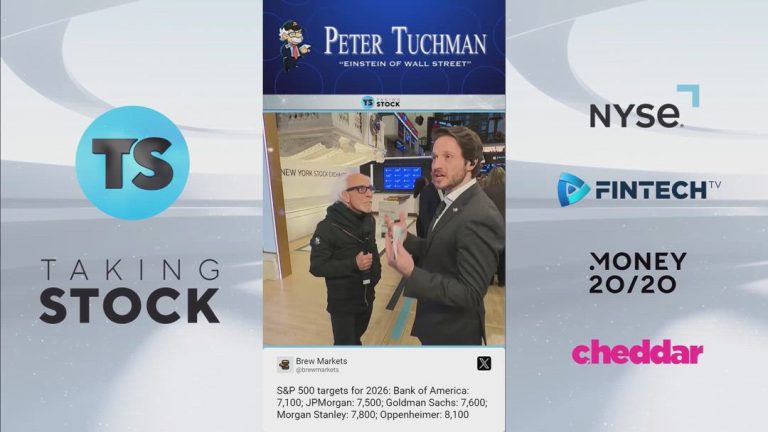
On a recent segment featuring prominent Wall Street figure, Peter Tuchman, insights were shared regarding the state of the financial markets as they approach the year’s end. The discussion illuminated the market’s resilience despite low trading volumes, dispelling notions of weakness while highlighting record highs across major indices.

Tuchman, often referred to as the “Einstein of Wall Street,” asserted that the market is actually thriving, closing the year with a remarkable performance. With the Dow Jones rising by 24%, S&P by 17%, and the Nasdaq showing an impressive 25% growth, it was clear that these figures countered any idea of a weak market. Furthermore, precious metals saw astonishing gains, with silver up by 1,000% and gold rising by 1,400%, marking a robust finish for investors.

As the market wraps up a prosperous year, the conversation turned to economic indicators. The Federal Reserve’s small interest rate cuts were discussed, showcasing a degree of dissent among its members, indicating an underlying strength in the economy. The notion that the economy does not require further cuts supports the view that growth is becoming increasingly stable, creating a favorable backdrop for the markets heading into the new year.

Looking ahead, expectations for 2026 appear bright, with anticipated fiscal stimulus from legislation and a more dovish Federal Reserve possibly setting the stage for a tech-driven market resurgence. The idea is that investors are strategically positioning themselves for a prosperous January, buoyed by favorable policy changes and economic recovery signals. The discussion illustrated how expert analysis suggests optimism for sectors like technology and renewable energy, which are increasingly intertwined with sustainability trends.

In addition to the market analysis, the conversation touched upon a cherished New Year’s Eve tradition known as “Wait Till the Sun Shines, Nelly.” This event symbolizes community resilience and reflects on the journey of the market through difficult times. With a legacy stretching over a century, this ritual is an emblem of hope and perseverance shared among Wall Street’s veterans, fostering a sense of continuity and nostalgia.

The tradition holds special meaning as it honors those who have contributed significantly to Wall Street history, reinforcing the idea that while market fluctuations are inevitable, the human spirit’s resilience is unwavering. The celebration not only serves to commemorate past achievements but also inspires confidence in future possibilities.

As the financial landscape evolves, the insights shared by Wall Street’s elite reveal a multifaceted picture of opportunity and challenge. With sustainable investing, cryptocurrency developments, and a strong entrepreneurial spirit at the forefront, the markets seem poised for growth. By embracing both tradition and innovation, the community offers a compelling narrative about the potential for success in the coming year and beyond.

The reflections and forecasts presented serve as a reminder that despite uncertainties, the finance world remains an arena where resilience and optimism can prevail—an essential story that continues to inspire investors and entrepreneurs alike.

How a 50-Year Investment Firm Is Pairing Market Gains With Global Social Impact

0

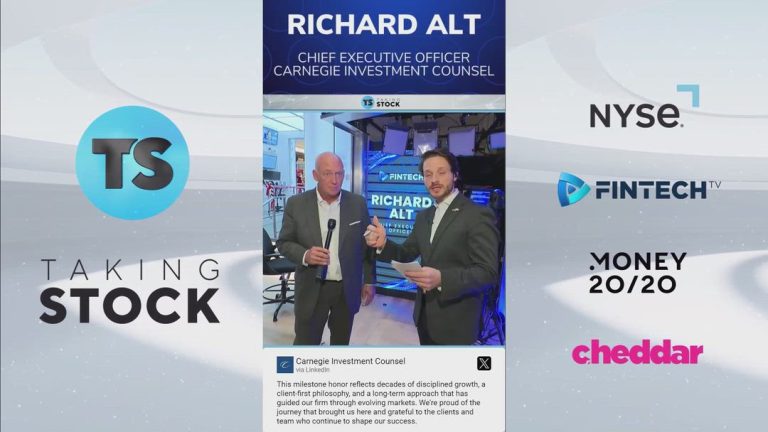
As the world moves into a new era of investment strategies, the role of financial leaders is more prominent than ever. In a recent discussion, Richard Alt, CEO of Carnegie Investment Council, shared insights into the firm’s journey, their investment philosophy, and their commitment to social impact through organizations like the Malala Fund. Carnegie Investment Council, a fee-only, independent, and 100% employee-owned firm, is celebrating its 50th anniversary, a milestone that speaks volumes about their growth and sustainability in the financial landscape.

Richard Alt described his experience ringing the closing bell of the global financial markets as overwhelming yet thrilling. For Carnegie, a Midwest-based investment advisor, this moment is emblematic of their commitment to participating actively in the heartbeat of capitalism. The company entered 2025 with cautious optimism, anticipating a challenging year following two consecutive years of over 20% gains. Surprisingly, they are on the verge of achieving another 20% gain, thanks to strategic acquisitions and solid investment decisions.

Carnegie Investment Council’s growth trajectory is impressive. Founded by Prescott Ball and Turben in 1974, the firm has grown from managing less than $200 million to an impressive $7.5 billion under Alt’s leadership. This growth has been supported by two recent acquisitions in strategic locations such as Stanford and Orlando, signaling the firm’s commitment to expanding its influence in the investment sector. Alt’s partnership approach, fostering a culture where every employee shares in the success of the firm, plays a pivotal role in this growth.

The fundamental philosophy at Carnegie is centered around being fiduciary registered investment advisers. This means that their primary focus is on making investment decisions that benefit clients without the distractions of selling products, thus avoiding any conflicts of interest. By embracing a fee-only model, Carnegie ensures transparency and builds trust with its clients, which is particularly vital in sectors like finance where ethical practices are increasingly under scrutiny.

A significant part of Carnegie’s mission includes giving back to the community, particularly through their long-standing relationship with the Malala Fund. The organization focuses on advocating for the education of young women across nine countries worldwide. Recognizing that half of the global population consists of women, Alt emphasizes that societies flourish when women are granted educational and economic rights.

Richard Alt asserts that the case for investing in women’s education is not only a matter of social justice but also an economic imperative. Educating young girls opens doors to greater economic freedom and contributes to a more vibrant, cultured society. This aligns with Carnegie’s values as they strive to make a meaningful social impact alongside financial growth.

As we advance into 2025, the financial landscape continues to evolve, driven by innovative technologies such as blockchain and AI. Entrepreneurs and investors alike must remain attentive to emerging trends in sustainability investing and socially responsible finance. The insights shared by Richard Alt remind us that successful investment strategies can go hand-in-hand with initiatives that prioritize societal well-being.

In conclusion, Carnegie Investment Council under Richard Alt’s stewardship provides a model for how modern investment firms can successfully marry growth with ethical responsibility. Their emphasis on fiduciary duty, client-centric strategies, and commitment to social impact exemplifies how financial institutions can contribute to sustainable development goals (SDGs). As investors navigate the complexities of today’s market, there is a powerful lesson to be learned: success should be measured not just in profits, but in the positive impact made on society.

GENIUS Act Ignites Clash Between Banks and Crypto as Stablecoin Rules Take Shape


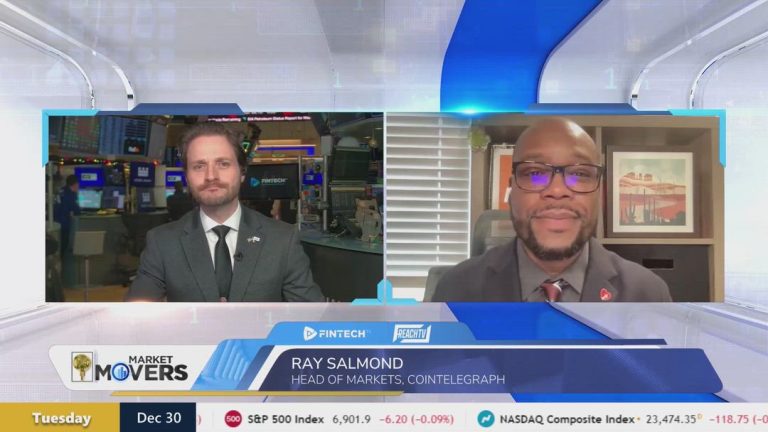
One of the most significant developments in 2025 for the crypto industry was undoubtedly the passage of the GENIUS Act, a critical piece of legislation emerging from Congress. This act established a regulatory framework for stablecoins, although it restricted banks from offering interest to stablecoin holders. The environment has ignited a major conflict between traditional banking institutions and crypto exchanges, such as Coinbase and Kraken. As a prominent figure in the crypto space, Ray Salmond, the head of markets for Cointelegraph, provided insightful analysis on this emerging landscape and its implications for the future of cryptocurrency and finance.

The recent exchanges between industry leaders highlight the core of the debate; Brian Armstrong, CEO of Coinbase, declared on social media that any attempt to reopen the GENIUS Act would be a “red line issue” for his company. This strong stance illustrates the intense competition emerging from traditional finance as banks resist the implications of the new legislation. Armstrong’s argument centers on the notion that stablecoins should not be allowed to offer yields, as that undermines the fundamental functions of traditional banking. However, Salmond reflects a different perspective, indicating that the legislation has already been finalized, and revisiting it at this point may set a negative precedent for the future of cryptocurrency regulation.

Salmond points out that crypto’s primary need is for clarity and a straightforward regulatory framework that fosters confidence in deploying capital within the industry. This clarity is crucial for both traditional financial institutions and blockchain companies, as they navigate the evolving landscape of cryptocurrency, stablecoins, and the legislation governing them. Furthermore, the argument that permitting stablecoins to provide yields could endanger community banks appears to be tenuous. Historical context shows that banks offered negligible interest rates to depositors during prolonged quantitative easing while reaping substantial yields on their treasury investments.

The discourse surrounding these developments also sheds light on the wider climate of the financial markets. Heading into a midterm election year, members of Congress may not want to engage deeply in these regulatory battles, favoring a focus on re-election campaigns instead. Nevertheless, Salmond suggests that the legislative direction may ultimately favor the crypto industry in 2026, aligning with political mandates and lobbying efforts from influential figures, including former president Trump. The current Republican majority appears to lean toward progressive attitudes concerning technology and finance, potentially swaying legislation in favor of crypto ventures like Coinbase and other exchange platforms.

Despite these positive legislative movements, the crypto market has seen a disappointing end to 2025, with Bitcoin prices reflecting weakness compared to traditional markets. With potential declines of about 6% for Bitcoin, the S&P 500 and Dow Jones are set to see notable gains, leaving cryptocurrencies like Bitcoin in a challenging position. However, Salmond emphasizes the importance of examining the broader context. He notes that while Bitcoin has faced recent price declines, the adoption of spot Bitcoin ETFs has absorbed $113 billion in net assets, and the asset’s price experienced substantial growth—from $68,000 at the year’s beginning to $126,000 by October.

This year has witnessed a structural win for Bitcoin, demonstrating that market liquidity has increased, and ownership is becoming more diversified. A shift in capital towards longer-term holders has taken place, moving away from speculative investors drawn to rapid price fluctuations. However, there are several external factors contributing to the current bearish sentiment, including global economic uncertainty, inflation concerns, and geopolitical tensions involving Russia and China. Such factors contribute to the overall skepticism in the markets, but Salmond notes that this environment can also present opportunities for savvy investors willing to navigate the complexities.

As we reflect on the tumultuous journey of cryptocurrency in 2025, it is clear that the landscape is evolving. The future will depend on how both banking institutions and cryptocurrency platforms evolve amidst new regulations and market dynamics. The insights provided by Ray Salmond illuminate the strategic shifts occurring within the crypto industry and the wider financial markets, suggesting that while challenges remain, so do significant opportunities for participants willing to adapt.

AI Replaces Seasonal Workers as Retail Cuts Hiring by 30 Percent

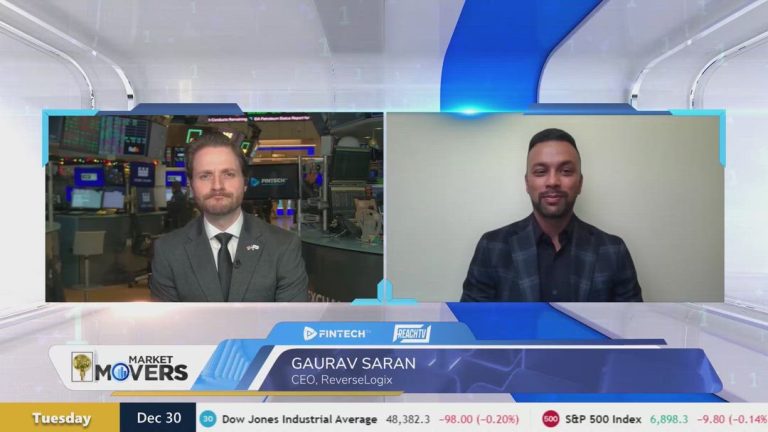
In the rapidly evolving landscape of technology and labor, the impact of artificial intelligence (AI) has become markedly pronounced, particularly since 2025. As organizations increasingly deploy AI agents for various tasks—ranging from customer support and scheduling to inventory management—one of the most notable effects has been the significant reduction in hiring needs for seasonal workers, with estimates suggesting cuts of up to 30%. This emergence of AI as part of the seasonal workforce marks a critical shift in labor dynamics, particularly in industries that traditionally relied on temporary staffing during peak seasons. Joining us to discuss this transformation is Gaurav Saran, the CEO of ReverseLogix, a company at the forefront of leveraging AI in retail logistics.

During the conversation, Saran shed light on how AI is revolutionizing the returns processing landscape, particularly during peak return seasons. In 2022, the returns industry witnessed an astonishing $840 billion worth of products returned, with January being recognized as the peak return month. Traditionally, retailers have dealt with this surge in returns by hiring armies of seasonal workers—a costly and often inefficient solution fraught with training requirements and potential errors. However, with the advent of AI, these mundane tasks—like inspecting, grading, and reintegrating products—can now be handled efficiently, resulting in productivity improvements of 2 to 3 times that of previous methods.

Saran elaborated on the sectors ripe for disruption by AI beyond retail. He emphasized that any industry dealing with the physical movement of products, particularly those that require consistent returns processing, stands to benefit from integrating AI functionalities. Instead of relying solely on human labor for the nitty-gritty of inspecting and grading returned goods, AI can deliver comprehensive insights on product life cycles, identifying trends in product returns, and even predicting potential fraud. The implications of this shift extend well beyond immediate operational efficiencies; businesses embracing AI can realize an uptick of 20 to 30% in productivity and profitability across diverse sectors.

As we explored the new labor model emerging from the growing reliance on AI, Saran noted a distinct transition towards analytical roles, where human workers may need to manage and interpret the outputs generated by AI systems rather than performing routine tasks. This shift represents a broader trend in the labor market, moving away from physical labor towards strategic roles focused on analysis and AI moderation. Furthermore, the reduced need for temporary seasonal positions, especially in regions where such roles have been a staple, poses a challenge that businesses must navigate thoughtfully.

The conversation took a strategic turn as we discussed the implications for companies integrating AI. It became clear that adopting AI is no longer a luxury but a necessity for maintaining competitive advantage in today’s market. Retailers and other sectors that neglect to embrace this technology may find themselves lagging behind as consumers become accustomed to the efficiency, accuracy, and responsiveness that AI can provide. However, with this rapid advancement comes the need for careful implementation. Saran cautioned that companies must ensure that their AI systems are properly adapted to their unique operational contexts to avoid potential errors that could impact performance.

Reflecting on the future, Saran predicted that by the end of 2026, we would see even more profound effects of AI on the workforce. With the returns industry projected to exceed $1 trillion in costs, the implications of AI will stretch beyond consumer interactions into business-to-business (B2B) scenarios as well. As AI continues to evolve, the conversation will trend towards its integration not just in retail but across multiple sectors, creating a diverse landscape of AI applications.

The discussion with Gaurav Saran presents a compelling vision for the future of AI in labor markets. As industries recognize the potential of AI agents to streamline operations, improve profitability, and reshape workforce dynamics, the conversation surrounding AI’s role will only grow in importance. Companies that invest in advanced AI technologies—while remaining mindful of the challenges and adjustments needed—are likely to position themselves favorably in an increasingly competitive landscape.

As we stand on the threshold of significant labor market disruptions driven by artificial intelligence, it’s crucial for entrepreneurs, businesses, and investors to grasp the strategic implications of AI adoption. The alignment between technology and sustainability—particularly in the context of sustainable development goals (SDGs)—is a pivotal aspect for organizations aiming to stay ahead in a landscape that is as competitive as it is transformative.