[stock-market-ticker symbols=" ^NYA;CRYPTO:BTC;CRYPTO:ETH;CRYPTO:USDT;CRYPTO:USDC;CRYPTO:BNB;CRYPTO:ADA;CRYPTO:XRP;CRYPTO:SOL;CRYPTO:DOGE " stockExchange="NYSENASDAQ" width="100%" transparentbackground=1 palette="financial-light"]

Home Blog Page 60

High Stakes Diplomacy: Trump, Putin, and Zelensky’s Summit Showdown

“The European Union hasn’t stepped up. In fact, the European Union is inadvertently funding the war by buying lots of Russian gas.” – 02:08

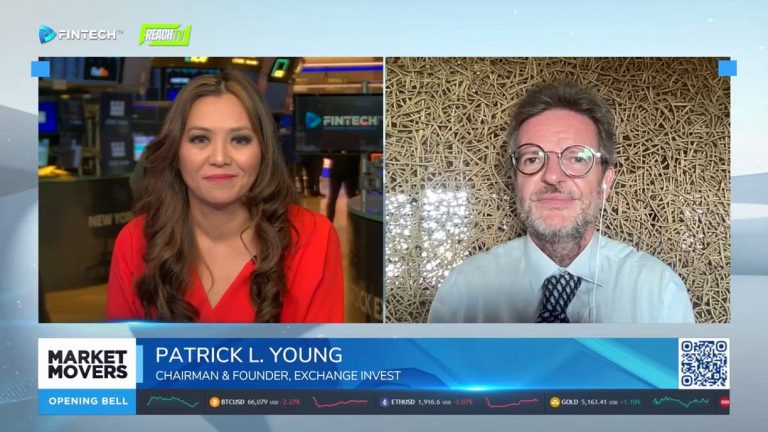
Patrick L. Young, Chairman and Founder of Exchange Invest, joins Remy Blaire to discuss the high-stakes geopolitical landscape following President Trump’s recent summit with Russian President Vladimir Putin in Alaska. Despite the full pageantry of the meeting, it concluded without any significant breakthroughs, leaving Trump to prepare for a crucial meeting with Ukrainian President Volodymyr Zelensky in Washington, D.C. on Monday. Zelensky’s recent travels to Brussels to engage with European leaders highlight the ongoing efforts to solidify support against Russia’s aggressive maneuvers.

Patrick emphasizes the perceived irrelevance of the European Union in this context, arguing that the real power dynamics lie between Trump and Putin. He points out the hypocrisy of the EU’s position, particularly in light of its continued purchase of Russian gas, which he believes inadvertently funds the conflict.

As the pair discuss the potential for a trilateral meeting involving Trump, Putin, and Zelensky, Patrick expresses skepticism, citing the challenges Zelensky would face in being in the same room as Putin. He suggests that neither party would gain anything from such a meeting in the short to medium term.

Retail Resilience: What to Expect from Walmart and Other Giants This Earnings Season

“To the extent that Powell delivers, you know, some cold water on the market, small caps can be a little more interest rate sensitive.” – 06:57

Chris Versace, CIO of Tematica Research, joins Remy Blaire to discuss the latest developments in the U.S. retail sector and the broader economic landscape as we approach a pivotal week for earnings reports and Federal Reserve commentary. 

The pair break down the recent rise in U.S. retail sales for July, which reflects a broad-based gain despite economists expressing caution due to a softening jobs market and weakening consumer sentiment. Chris highlights the acceleration of underlying inflation, particularly driven by services, and the modest rise in goods prices, which has eased some concerns about tariff-driven price spikes.

As Chris looks ahead, all eyes are on the upcoming earnings reports from major retailers, including Walmart, Home Depot, Target, TJX, and Ross Stores. Chris emphasizes Walmart’s impressive performance this year, outpacing not only its rivals but also some of the largest tech companies.

FEMA’s Future: The Impact of Flood Insurance Cuts on Homeowners and Municipalities

“It’s like a Jenga game… the main block that’s holding everything up has been FEMA.” – 01:08

Jeff Gitterman, CEO of Gitterman Asset Management, joins Remy Blaire to discuss the report released by First Street, a climate risk research organization, which sheds light on alarming issues surrounding FEMA and the National Flood Insurance Program. The report reveals that nearly 13 million properties are at high risk of flooding, with a significant portion—about 10 million—being outside the officially designated high-risk flood zones. This situation raises concerns about the adequacy of insurance coverage for these properties, as many are either underinsured or completely uninsured.

Jeff breaks down the implications of potential cuts or the elimination of FEMA, which could severely undermine national resilience to flooding. Jeff likens the current state of flood risk management to a precarious game of Jenga, where FEMA serves as a crucial block supporting the entire structure. With recent announcements from the administration indicating a pullback on FEMA’s operations, the pair explore the cascading risks that could affect homeowners, banks, and municipalities alike.

The pair also touches on the role of the insurance industry in this landscape. Jeff argues for a radical overhaul of how homeowners insurance is structured, advocating for state-level adjustments to premiums based on risk and incentivizing homeowners to implement resilience measures. He points out that private insurers currently cover only a small fraction of flood risk, and without FEMA’s backing, many homes could become uninsurable.

Wall Street hires, Circle sales, Grok insight, Citi crypto

0

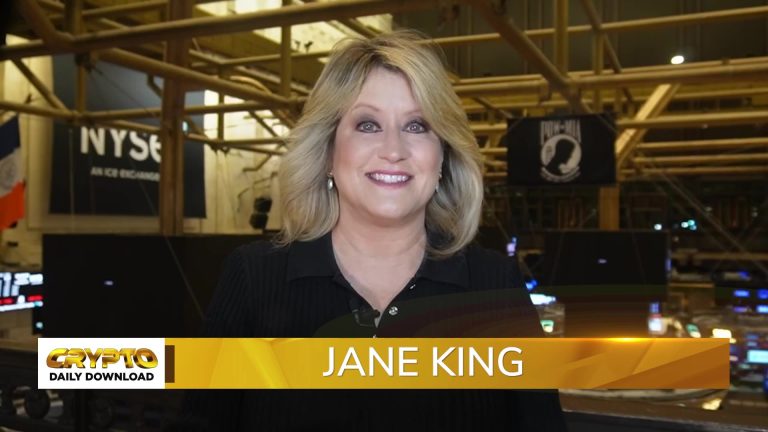
In this episode of Coinstreet headlines, we dive into the latest developments in the cryptocurrency world. Traditional financial giants like Charles Schwab and Fidelity are expanding into crypto, with Schwab hiring for key positions in crypto trading and on-chain experiences. We discuss Circle’s recent stock sale and its impressive market performance, as well as JPMorgan Chase’s role in facilitating this move.

Additionally, we explore how traders are utilizing Grok to analyze real-time sentiment in crypto trading, tracking trends and price movements in various tokens. Lastly, we highlight Citigroup’s exploration of cryptocurrency custody and payment services, focusing on stablecoin-backed assets. Jane King with the latest from the NYSE.

Blake Harris on What Successful People Do Before Trouble Hits

0

Blake Harris, attorney and founder of Blake Harris Law, has established his firm as the number one asset protection law firm in the United States, specializing in offshore strategies designed to safeguard wealth. In today’s environment, where America is considered the most litigious country in the world, protecting one’s assets has never been more crucial. With lawsuits and claims at an all-time high, Blake Harris provides his clients with proven legal structures that secure their hard-earned wealth against frivolous claims, creditors, and unforeseen threats. Through innovative offshore trusts and customized protection plans, he ensures his clients can preserve their financial legacy, maintain privacy, and achieve peace of mind knowing their assets are shielded.

Navigating Economic Signals: The Fed’s Next Move and Consumer Trends

“These backward-looking data points shouldn’t derail what I think need to be aggressive rate cuts.” – 01:16

Evelio Silvera, Co-Founder of Bull Street Media, joins the latest economic data and its implications for the market and the Federal Reserve.

The discussion begins by examining the recent retail sales report and the surprising rise in the Producer Price Index (PPI), which increased by 0.9% month-over-month—marking the largest annual gain since February. Evilio emphasizes that while these backward-looking data points are significant, they should not deter the Fed from implementing aggressive rate cuts, which he believes are necessary to prevent a deeper economic slowdown. He points out that the market is currently pricing in a 100% chance of a rate cut in September, indicating a strong expectation for monetary easing.

As we moved on to consumer behavior, the pair discuss the impact of rising prices on American consumers, particularly as we approach the holiday season. The Port of Los Angeles recently broke a century-old record due to an import surge driven by tariff threats, leading to inventory stockpiling. Evelio warns that this surge is not indicative of sustainable growth but rather a temporary response to tariffs, which could lead to margin pressures for companies as excess inventory accumulates.

Finally, Evelio addresses the retail sector’s performance, particularly in light of disappointing Q2 sales numbers from companies like Kava, Home Depot, and Nike. Evelio points out a bifurcated consumer landscape where premium brands are thriving while mainstream retailers struggle. He notes that consumers are becoming increasingly selective, opting to invest in experiences and home improvements rather than routine expenditures like dining out.

ETH Season vs. Altcoin Season: What’s Driving the Crypto Market?

“Despite the initial shock, the administration’s pro-crypto stance is still clear.” – 01:08

Ray Salmond, Head of Markets at Cointelegraph, joins Remy Blaire to discuss the current state of the cryptocurrency market, focusing on Bitcoin and Ethereum.

The discussion begins by addressing Bitcoin’s recent performance, which saw it reach an all-time high of over $124,000 before experiencing a pullback. This fluctuation was influenced by unexpected Producer Price Index (PPI) numbers and comments from Treasury Secretary Scott Bessent regarding the U.S. government’s plans for Bitcoin acquisitions. Initially, Bessent indicated that there would be no further purchases for the strategic reserve, but he later clarified that the administration remains committed to exploring budget-neutral pathways for acquiring more Bitcoin. Ray elaborates on the various funding options being considered, including the use of seized Bitcoin, tariff revenues, and even the potential for Bitcoin mining at federal levels.

Ray explains the ongoing debate between “alt season” and “ETH season,” highlighting the significant growth in the market cap of altcoins, which has risen from $700 billion to nearly $1.1 trillion. He attributes this growth to favorable regulatory developments, including the Genius Act and SEC clarity on decentralized finance (DeFi) and stablecoins. Ray emphasizes the positive impact these developments have had on DeFi tokens and the overall decentralized finance landscape.

Bitcoin’s Perfect Storm: Record Highs and Institutional Demand

“There was a huge shift in November of last year, getting an administration that is much more positive on Bitcoin.” – 03:40

John Haar, Managing Director at Swan Bitcoin, joins Remy Blaire to discuss recent surge in Bitcoin prices.

Jon explains that the recent price fluctuations are typical for Bitcoin, but he believes the underlying thesis supporting its value remains intact. He discusses the concept of dollar debasement, emphasizing that the increase in Bitcoin’s price reflects the declining purchasing power of the dollar, driven by factors such as central bank policies, government deficit spending, and commercial bank activities.

on highlights the positive stance towards Bitcoin from the current administration, contrasting it with previous attitudes. He notes the appointment of a “crypto czar” in the White House and the government’s commitment to finding budget-neutral ways to accumulate Bitcoin, which has bolstered institutional interest in the asset.

Jon elaborates on the growing trend of institutional investment in Bitcoin, mentioning that major entities, including Harvard University, have begun to allocate substantial funds into Bitcoin ETFs. He points out that Bitcoin’s volatility has decreased since the launch of these ETFs, indicating a growing acceptance of Bitcoin as a legitimate asset class.

Revolutionizing Travel: Swyper’s Eco Card Replaces Paper Vouchers

“With these cards, Swiper are really hoping to eradicate the need for paper vouchers entirely, which are typically very time consuming to process and issue.” – 01:12

Polly Jean Harrison, Features Editor at the Fintech Times, joins Remy Blaire to discuss the latest developments in the FinTech sector, particularly focusing on sustainability and innovation.

Polly introduces us to Swyper, a UK-based travel fintech that has launched an industry-first fully sustainable eco card. This innovative solution aims to replace the traditional single-use paper and plastic vouchers that are not only wasteful but also cumbersome to process. The new Swyper MasterCard welfare cards allow airline ground staff to instantly distribute payments for food and beverages during flight delays, streamlining the process while ensuring compliance and security. Made from leftover construction timber and sourced from a zero landfill mill, these eco cards are fully recyclable, biodegradable, and compostable, offering a more environmentally friendly alternative to paper vouchers.

Decoding Economic Data: Inflation, Retail Sales, and Fed Rate Expectations

“We had not seen the impact of tariffs yet, but they are real.” – 02:14

Peter Tuchman, Senior Floor Trader at TradeMas, joins Remy Blaire at the New York Stock Exchange to discuss the July Consumer Price Index (CPI) report, which revealed a slight uptick in inflation, albeit less than anticipated. This data has sparked a rally on Wall Street, instilling renewed confidence among investors regarding a potential Federal Reserve rate cut.

Peter shares his insights on the current market dynamics, emphasizing the complexity of the economic landscape. He notes that while we are seeing some disappointing job numbers and a slight increase in unemployment, the overall economic picture is not dire. Instead, he suggests that we are experiencing a scenario where “bad news is good news,” as the market reacts to the implications of tariffs and inflation.

Peter elaborates on the impact of tariffs on consumer prices and inflation, highlighting the Fed’s role in managing these economic challenges. He discusses the delicate balance the Fed must strike in its decision-making, particularly in light of the recent economic data.