[stock-market-ticker symbols=" ^NYA;CRYPTO:BTC;CRYPTO:ETH;CRYPTO:USDT;CRYPTO:USDC;CRYPTO:BNB;CRYPTO:ADA;CRYPTO:XRP;CRYPTO:SOL;CRYPTO:DOGE " stockExchange="NYSENASDAQ" width="100%" transparentbackground=1 palette="financial-light"]

Home Blog Page 56

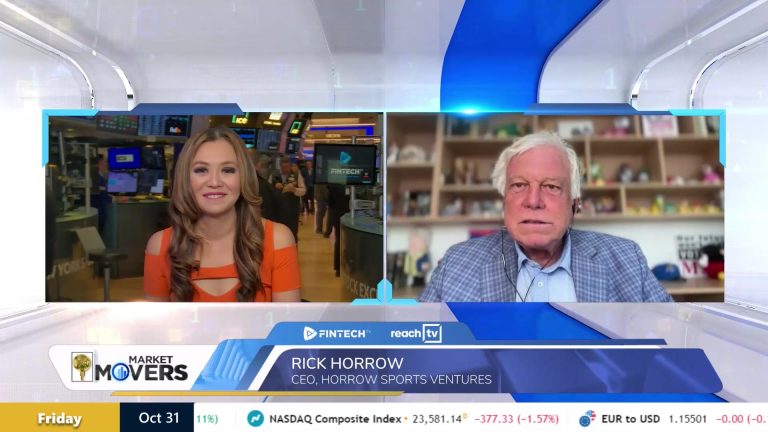
This Week in Sports Business: LSU Coaching & MLB Expansion with Rick Horrow

In this episode, Rick Horrow, CEO of Horrow Sports Ventures, dives into the unfolding drama surrounding LSU’s athletic director, Scott Woodward, and the implications of Louisiana Governor Jeff Landry’s intervention in the hiring of the next football coach. With a staggering $53 million buyout for former coach Brian Kelly, we discuss the financial ramifications for the school and taxpayers, as well as the unusual involvement of the governor in what is typically a university decision.

The pair also discuss recent news from Major League Baseball, where the World Series is nearing its conclusion, with the Toronto Blue Jays leading the Dodgers. Baseball Commissioner Rob Manfred expresses optimism about potential expansion in Canada, highlighting the demand for more teams and the strategic benefits of including Canadian cities like Montreal and Vancouver.

Additionally, we touch on the serious situation involving Portland Trail Blazers coach Chauncey Billups, who has been indicted in a mafia-backed poker scheme. We discuss the implications of this indictment on the integrity of sports betting, especially in light of the growing influence of gaming revenue in sports.

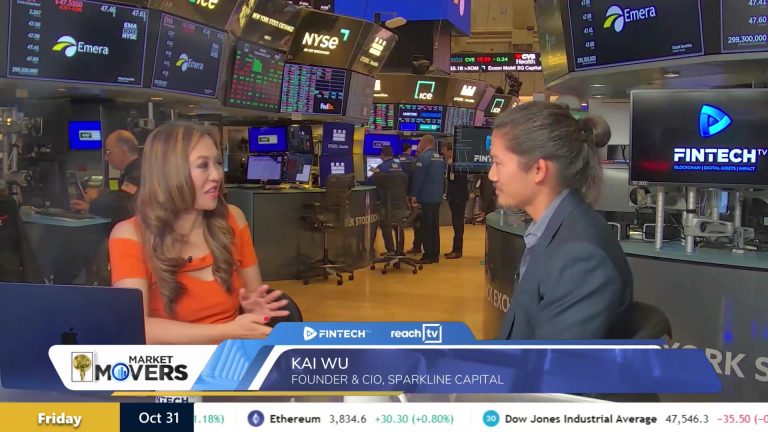
Navigating the AI Boom: Insights from Kai Wu on Investment Strategies

Kai Wu, founder and CIO of Sparkline Capital discusses the current investing landscape in AI infrastructure as recent earnings reports from giants like Meta and Microsoft indicate a shift in investor sentiment. While large capital investments can lead to overcompetition and poor stock performance, Kai suggests that smaller AI players with lower costs may present more attractive opportunities.

We explore the historical context of previous investment booms, such as the railroad expansion and the dot-com era, highlighting the risks of overbuilding and the potential for significant losses when demand doesn’t meet expectations. Wu emphasizes the importance of understanding the AI value chain and suggests that investors might benefit from focusing on companies that can effectively leverage AI technology rather than those heavily investing in its development.

As we look ahead, we discuss key innovations and trends in AI, particularly the integration of these technologies into enterprise workflows. Wu also shares his thoughts on the winners and challenges in the AI space, noting the existential risks faced by major tech firms as they compete in this rapidly evolving landscape.

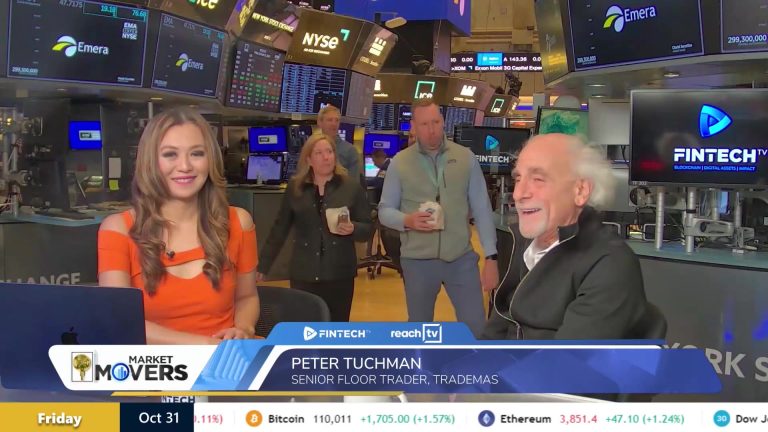
Navigating Mixed Signals: Insights from Big Tech Earnings and Fed Decisions

Peter Tuchman, Senior Floor Trader at Trademas, shares his insights on the mixed earnings reports from major tech companies like Meta, Microsoft, Amazon, and Apple.

We discuss the market’s reaction to earnings from the past week, with Amazon and Apple seeing gains while Meta faced a significant drop. Tuchman highlights the baffling nature of the week, particularly with the ongoing government shutdown affecting economic data and the anticipation surrounding the Federal Reserve’s decisions on interest rates.

We also touch on the recent meeting between President Trump and China’s Xi Jinping, which has brought some positive sentiment to the market. Looking ahead, Peter shares his thoughts on the potential for a year-end rally, suggesting that the market could continue to rise, with targets of Dow 50,000 and S&P 7,000 in sight.

AFD Bitcoin, Solana staking, Solana ETF, Visa stablecoins

0

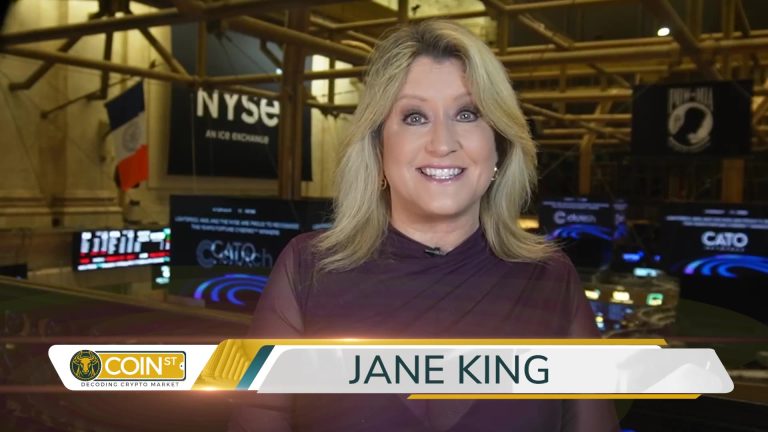
In this episode of Coin Street headlines, we dive into the latest developments in the world of cryptocurrency and blockchain technology. Headlines Covered: The German parliament is set to review a motion from the Alternative for Germany (AfD) party, advocating for bitcoin to be recognized as a unique decentralized digital asset. Bitwise has launched a staking exchange-traded fund (ETF) on the New York Stock Exchange, achieving over $56 million in trading volume on its first day. We discuss the implications of this new product and what it means for investors. Grayscale Investments has also entered the Solana ETF space, launching its own staking-enabled ETF backed by $103 million in seed capital, expanding investor choices in the market. Visa is making strides in the crypto space by rolling out support for four stablecoins across different blockchains, reflecting the growing momentum in the stablecoin market. Jane King with the latest from the NYSE.

From Setback to Strength: Lessons in Leadership and Ethics with David Stryzewski

0

David Stryzewski, CEO of Sound Planning Group, joins Remy Blaire at Money20/20 USA in Las Vegas to discuss the often-overlooked aspect of business success: personal setbacks. David shares his harrowing experience from 2013, when he recommended an alternative investment to eight families, only to find out that the organization behind it was under investigation by the SEC.

As David recounts the unfolding events, he describes the shock and devastation he felt when he learned that the funds meant for his clients were unavailable for transfer. Faced with the potential loss of their investments, he reflects on the critical decision he made to step into the shoes of his clients. David emphasizes that his commitment to them transcended his role as a financial advisor; it was rooted in his values as a Christian and a leader. He takes on the financial burden himself, demonstrating integrity and compassion in a challenging situation.

Throughout the conversation, David discusses the key lessons he learned from this experience. He acknowledges that while hindsight offers clarity, one can only act on the knowledge available at the time. He highlights the importance of sincerity and ethical behavior, which ultimately led to personal and professional growth. Despite the challenges he faced, David’s firm thrived, and he achieved recognition as the number one independent financial advisor in America in 2018 and 2019.

As the discussion shifts to the role of technology in finance, particularly artificial intelligence, David expresses concerns about the potential for fraud and abuse in an increasingly digital landscape. He stresses the importance of ethical considerations in AI development and the need for robust training and awareness among financial professionals and their clients. The conversation also touches on the implications of borderless payments and the necessity of knowing your client (KYC) and knowing your business (KYB) to effectively combat fraud.

David’s insights into the evolving financial landscape, combined with his personal story of resilience, provide a powerful reminder of the importance of ethics, diligence, and compassion in business.

Fed Rate Cuts and Market Reactions: Insights from Gabriela Berrospi

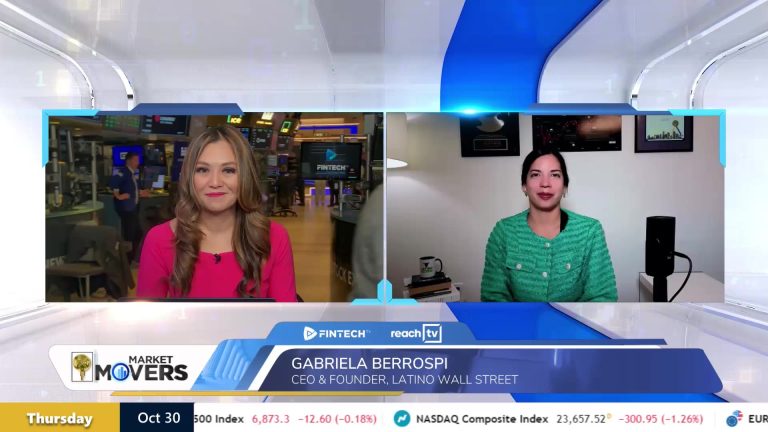
Remy Blaire engages in a compelling discussion with Gabriela Berrospi, the CEO and Founder of Latino Wall Street. The segment centers around the recent developments in the financial markets, particularly the Federal Reserve’s decision to cut interest rates for the second consecutive month after maintaining them for nine months.

Remy begins by highlighting the context of the Fed’s 25 basis point rate cut and the reactions from the market. Gabriela notes that the cut was widely anticipated, with a probability exceeding 95% leading up to the meeting. However, the real surprise comes from Jerome Powell’s press conference, where he casts doubt on the likelihood of a December rate cut. This uncertainty spooks the markets, as Gabriela explains that the probability of a December cut dropped significantly after Powell’s comments, leading to increased volatility.

The conversation then shifts to the recent earnings reports from major tech companies, particularly the MAG7 names, including Google, Microsoft, and Meta. Gabriela points out that while these companies are heavily investing in AI and data centers, this aggressive spending is starting to impact their stock performance negatively. Despite strong revenue figures, the focus on future earnings and spending forecasts becomes crucial for investors. Google stands out with a notable surge in its stock price following better-than-expected earnings, while Meta’s significant EPS miss raises concerns about its financial outlook.

As the discussion progresses, Remy and Gabriela explore stock milestones, including the recent record highs for the Dow, Nasdaq, and S&P 500, as well as significant valuations for companies like Apple and Nvidia. Gabriela shares her price target for Nvidia, which recently reached the $200 mark, and discusses the psychological effects of such milestones on stock performance. She emphasizes the importance of breaking through key levels in the S&P 500, particularly the 7,000 mark, and the necessity for positive earnings reports as the year comes to a close.

Engineering the Capital Network: Insights from Abu Dhabi Finance Week 2025

0

Remy Blaire welcomes Emmanuel Givanakis, the CEO of the Financial Services Regulatory Authority at ADGM. The discussion centers around the upcoming Abu Dhabi Finance Week (ADFW) 2025, which is recognized as the MENA region’s leading business and investment summit.

Remy introduces the significance of ADFW 2025, highlighting that it will bring together global leaders, market experts, policymakers, and investors from over 100 countries. The event spans four dynamic days and features five flagship forums along with more than 60 curated events aimed at unlocking opportunities, fostering partnerships, and accelerating economic growth. This year’s theme, “Engineering the Capital Network,” focuses on the creation of innovative financial systems that leverage technology, particularly artificial intelligence (AI), and adapt to the shifting landscape of global capital flows.

Emmanuel shares that ADFW 2025 is set to be larger and more impactful than previous editions, with over 300 speakers and leaders managing assets totaling up to $60 trillion—nearly half of the world’s GDP. Remy inquires about the key themes expected to emerge from the event, and Emmanuel outlines that discussions will revolve around global economic macro themes, asset management, private markets, and the growing trend of tokenization. He emphasizes the movement towards greater digitization of financial services and the necessity for global collaboration to enhance capital efficiency.

As the conversation progresses, Remy asks Emmanuel to highlight specific areas that will be in the spotlight during the event. Emmanuel mentions infrastructure investment, energy transition, and AI, particularly on the designated tech day of the summit. He also discusses the fourth edition of the Global Regulators Summit, which will focus on private credit and private markets, stressing the importance of regulatory engagement in these rapidly evolving sectors.

Remy then prompts Emmanuel to elaborate on the significant regulatory developments introduced by ADGM in the past year. Emmanuel details the introduction of a new cybercrime framework, enhancements to the virtual asset crypto framework, and initiatives surrounding stablecoins and fund reporting. He underscores ADGM’s commitment to innovation and the need to keep pace with industry advancements.

Innovating Against Overdose: Collin Gage’s ARMR Sciences on the Future of Synthetic Drug Defense

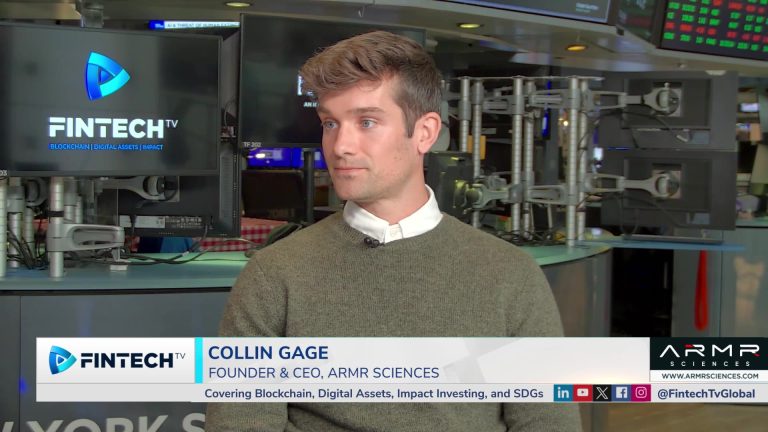
Jane King engages in a compelling discussion with Collin Gage, the Founder and CEO of ARMR Sciences, about the escalating threat of synthetic opioids, particularly fentanyl. The conversation begins with Jane highlighting the alarming statistics surrounding fentanyl, noting that just one kilogram can potentially kill up to 500,000 people. Collin emphasizes that this crisis has evolved from a public health issue into a national security threat, with the potential to devastate entire cities.

Collin explains that ARMR Sciences is at the forefront of addressing this crisis with their innovative immunotherapy platform designed to neutralize synthetic drugs. Their flagship product, Armr-100, aims to train the body’s immune system to recognize and block fentanyl before it can cause harm. He elaborates on the science behind Armr-100, describing how it elicits an immune response that produces protective antibodies, effectively creating a biological shield against fentanyl and preventing it from attacking the brain.

“Our goal is to really create new, preventative, long-lasting countermeasures for these drug threats.” – 01:38

The discussion takes a poignant turn as Collin addresses the risks faced by first responders, who are often exposed to fentanyl without adequate protection. He draws a parallel to the past, when first responders lacked bulletproof vests, underscoring the urgent need for modern defenses against these new synthetic drug threats.

“We need to arm our first responders, our military, to the best of our ability.” – 02:54

Collin also shares insights into the support ARMR Sciences has received from the Department of Defense, which has funded much of their early-stage research. He reveals that their product has shown promising results, blocking up to 98% of fentanyl from reaching the brain and completely negating its addictive and analgesic effects. This is particularly significant for individuals struggling with opioid use disorder, as it provides them with a safer path to recovery.

As the segment concludes, Collin discusses ARMR Sciences’ plans for an initial public offering (IPO) in the near future, with a reserved stock ticker symbol, ARMR. He encourages listeners to stay tuned for updates on their progress as they continue their vital work in combating the fentanyl crisis.

This content is brought to you by ARMR Sciences.

October’s Crypto Conundrum: Market Pullbacks and Institutional Momentum

“Powell’s remarks yesterday sent a jitter through the system.” – 01:03

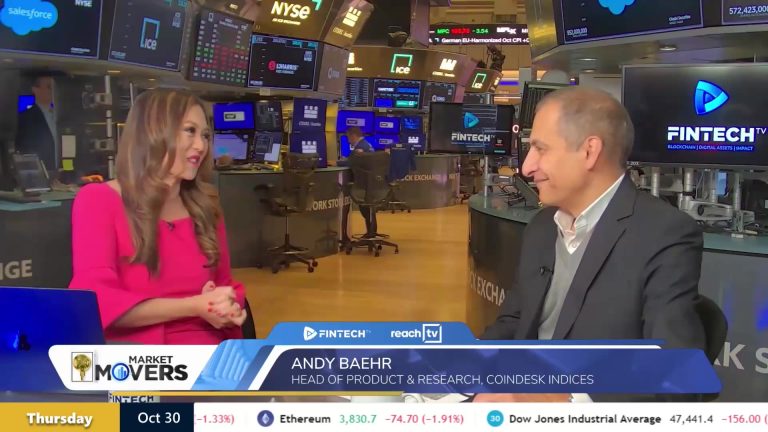
Andy Baehr, Head of Product & Research at Coindesk Indices, discusses the current state of the cryptocurrency market as October 2023 comes to a close. The segment opens with a reflection on the recent pullback of major cryptocurrencies following the Federal Reserve’s latest meeting, highlighting the disappointing performance of the market throughout the month. Retail traders are particularly affected, with many engaging in leveraged positions and facing liquidation events.

The ongoing U.S. government shutdown is identified as a significant factor contributing to the stalled regulatory progress in the crypto space. Andy notes that the market is still recovering from a deleveraging event that occurred on October 10th, indicating a need for a catalyst to stabilize and regain momentum.

As the conversation progresses, Andy shifts focus to the recent launches of exchange-traded funds (ETFs), particularly those related to Solana. He explains the importance of these developments for investors and provides insights into Solana’s unique features as a layer one blockchain. Andy compares Solana to Ethereum, emphasizing its faster and cheaper transaction capabilities, as well as its U.S.-centric foundation that is eager for business.

The discussion also covers the recent partnerships Solana has formed, including an announcement with Western Union for a stablecoin, positioning it as a competitive player in the blockchain ecosystem. Andy elaborates on the growing trend of launching stablecoins on Solana and the advantages it offers over Ethereum’s layer two networks.

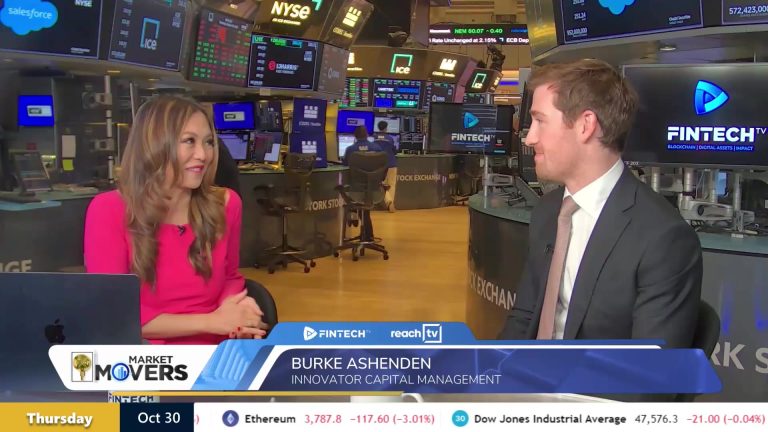
The ETF Boom: Exploring Record Inflows and Innovations in 2025

“There are actually more active ETFs now listed than passive ETFs, which is astounding.” – 01:35

Remy Blaire engages in a compelling discussion with Burke Ashenden, the VP of Capital Markets and Institutional Strategy at Innovator Capital Management. The segment focuses on the remarkable growth and evolution of Exchange-Traded Funds (ETFs) in the current financial landscape.

Remy begins by highlighting recent developments in the ETF space, including Grayscale’s celebration of its new multi-token crypto fund and Bitwise’s launch of a Solana staking ETF. She notes that ETFs are on track for another record-breaking year, with expectations of over $1 trillion in new inflows, following a historic performance in 2022. Burke emphasizes that this year has been a “juggernaut” for ETFs, coining the term “triple crown” to describe the record flows, launches, and trading volumes.

As the conversation unfolds, Burke explains the significant shift towards active ETFs, which now account for one-third of flows, a stark increase from previous years when they represented only a small percentage. He discusses the emergence of options-based and derivative-based ETFs, such as buffer ETFs, which are gaining traction in the market. This evolution reflects a broader penetration of ETFs into various market segments, moving beyond their traditional role as low-cost passive investment vehicles.

Remy and Burke also explore the increasing interest from institutional investors, including pensions and endowments, who are reevaluating their investment strategies. Burke points out that these institutions are now looking to ETFs for their liquidity and cost-effectiveness, especially in a turbulent political environment. He explains that many institutions are seeking to replace expensive hedge fund strategies with more accessible ETF options that still provide risk management.

The discussion shifts to the intersection of ETFs and digital assets, where Burke notes a significant change in institutional attitudes towards cryptocurrencies. He highlights that institutions are now more willing to invest in crypto ETFs, allocating a small percentage of their risk budgets to assets like Bitcoin. Burke emphasizes the importance of managing volatility in these investments and suggests that buffer ETFs can serve as a protective measure.