[stock-market-ticker symbols=" ^NYA;CRYPTO:BTC;CRYPTO:ETH;CRYPTO:USDT;CRYPTO:USDC;CRYPTO:BNB;CRYPTO:ADA;CRYPTO:XRP;CRYPTO:SOL;CRYPTO:DOGE " stockExchange="NYSENASDAQ" width="100%" transparentbackground=1 palette="financial-light"]

Home Blog Page 53

Democratizing Investment: The Launch of Robinhood Ventures Fund

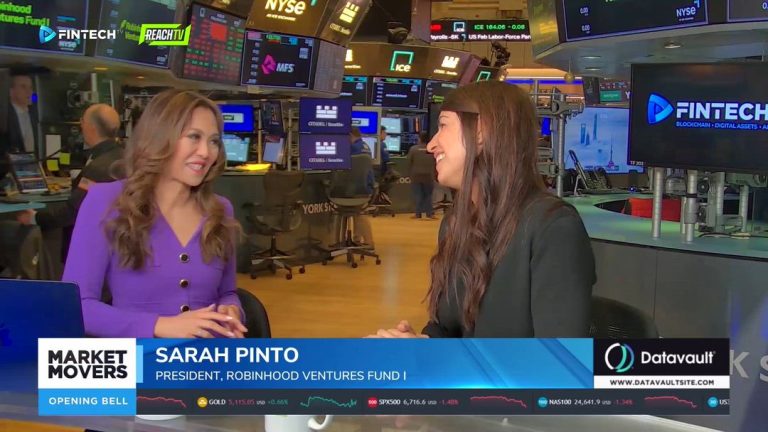
Sarah Pinto, the President of Robinhood Ventures, joins Remy Blaire to discuss how the fund is revolutionizing access to private markets. This $1 billion closed-end fund is a groundbreaking opportunity for retail investors, providing them access to high-profile late-stage pre-IPO companies like RAMP, Stripe and Databricks—assets that have traditionally been reserved for institutional investors.

Sarah highlights the fund’s unique features, including the absence of accreditation requirements, no investment minimums, daily trading capabilities, and competitive fees, making it more accessible than ever for individual investors. We discuss the importance of democratizing access to private markets and how this fund aligns with Robinhood’s mission to innovate within the financial landscape.

As we approach the opening of RVI, Sarah shares insights on the positive feedback from retail investors eager to own shares in companies they admire, as well as interest from institutional investors. While she couldn’t disclose specific portfolio names, she mentions that the fund aims to include some of the most innovative companies across various sectors, including AI, space exploration, and fintech.
Job Losses and Market Reactions: Analyzing the February Jobs Report

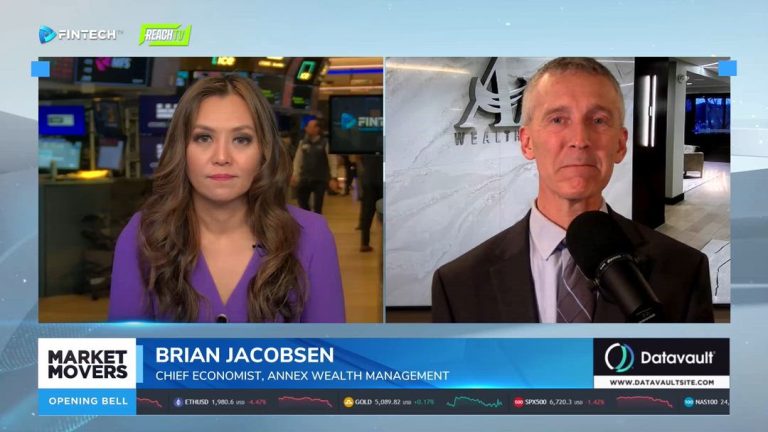
Brian Jacobsen, Chief Economist for Annex Wealth Management, joins Remy Blaire to provide insights into the jobs report and its implications for the economy. We dive into the current state of the U.S. markets, which are experiencing a significant downturn, with major indices like the Dow, Nasdaq, and S&P 500 all down by at least 1.4%. This decline follows a disappointing February jobs report, revealing a loss of 92,000 non-farm payroll jobs and an increase in the unemployment rate to 4.4%.

He emphasizes that the report is concerning, especially with recent layoffs from major companies like Block, Morgan Stanley, and Oracle. Brian explains that while some layoffs may be due to overhiring during the pandemic, others could be linked to advancements in artificial intelligence and automation.

We also discuss the broader market reaction, which has been volatile, and how the ongoing conflict in the Middle East is contributing to market uncertainty. Brian notes that the potential for a regime change in Iran could influence market stability moving forward.

Additionally, we touch on the impact of the partial government shutdown on the travel industry, particularly with rising oil prices and security concerns affecting consumer behavior. Finally, we explore the intertwined issues of volatility in the software and private credit sectors, where fears about profitability are leading to indiscriminate selling in the equity market.

Supply Shock: How Geopolitical Tensions are Impacting Global Oil Markets

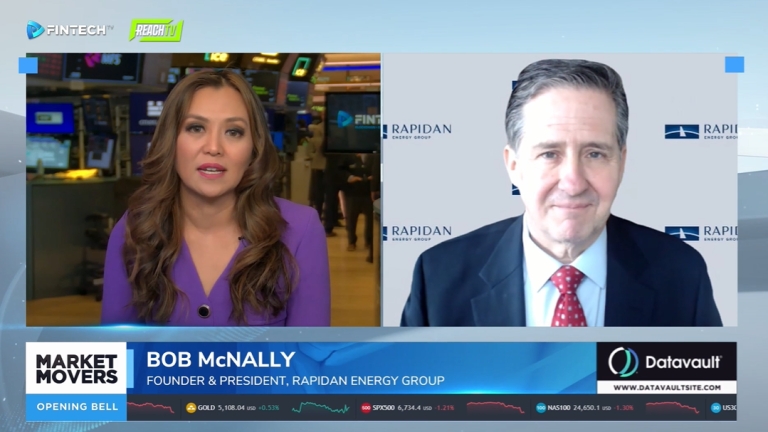
Bob McNally, founder and president of Rapidan Energy Group, joins Remy Blaire to discuss the current state of the oil markets amidst escalating tensions in the Middle East. Following a weaker than expected nonfarm payrolls report, we observed a significant rally in oil prices, with West Texas Intermediate crude oil reaching its highest level since 2024 and marking its biggest one-day jump since 2020.

He highlights a shift in market sentiment from complacency to anxiety regarding the security of the Strait of Hormuz, a critical chokepoint for global oil supply. The U.S. Treasury’s recent decision to grant India a 30-day waiver to purchase Russian oil stranded at sea is also examined, as it complicates Washington’s broader sanctions strategy against Moscow.

We explore the military implications of securing the Strait of Hormuz and the challenges posed by Iran’s military capabilities. Bob emphasizes that the global oil market is already experiencing a severe supply shock, with no sufficient cushion to offset the loss of oil flowing through Hormuz.

Additionally, we touch on the recent announcement from the White House regarding the scrapping of a 2024 mandate for oil and gas companies, and the potential impact of Venezuelan oil resuming flows to the U.S. However, Bob stresses that the situation in the Middle East, particularly the potential closure of Hormuz, overshadows these developments.

Empowering Women in Leadership: Insights from Georgie Dickins

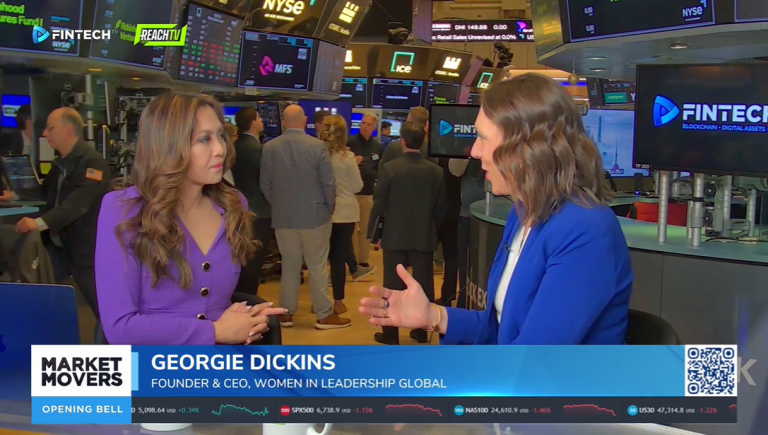
Georgie Dickins, founder and CEO of Women in Leadership Global, joins Remy Blaire to share valuable insights on the challenges and opportunities women face in leadership roles today, particularly in the financial services sector.

Georgie highlights that while women hold over 30 percent of leadership positions globally, progress has been slow, especially in the U.S., where representation in senior leadership has dropped. However, there is a positive trend: Fortune 500 women CEOs increased by 11 percent last year. Despite these gains, nearly two-thirds of female leaders report experiencing bias, which has prompted organizations like the United Nations and Women in Leadership Global to take action towards creating more equitable capital markets.

We delve into the genesis of Women in Leadership Global, which aims to support women by fostering a community that addresses the human side of leadership. Georgie emphasizes the importance of creating a diverse leadership table and the need for organizations to follow through on their commitments to equity.

As we discuss the theme of this year’s International Women’s Day, “Gift to Gain,” Georgie explains how small acts of kindness and support can significantly impact someone’s career trajectory. We also touch on the challenges female leaders face in today’s fast-paced and volatile environment, where constant change and stakeholder demands can be overwhelming.

Georgie provides practical strategies for leaders to remain effective, such as setting aside dedicated time for strategic thinking amid the noise of daily demands. She also stresses the importance of surrounding oneself with a strong leadership team to navigate rapid industry changes.

Navigating Volatility: Global Markets and the Shift to International Equities

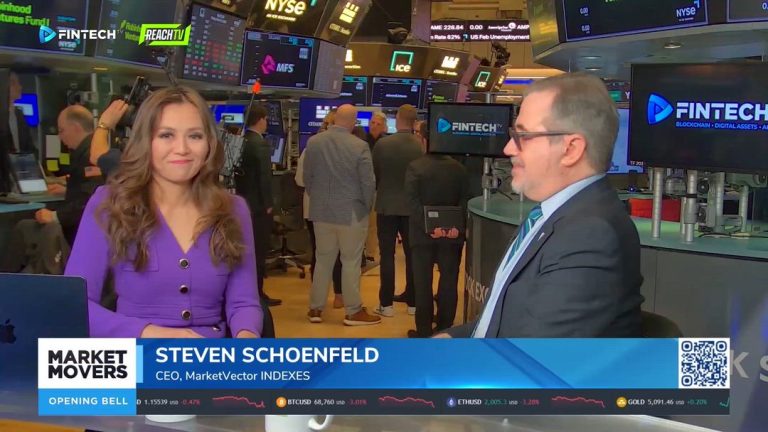
Steven Schoenfeld, CEO of MarketVector Indexes, joins Remy Blaire to provide valuable insights into the shifting landscape of investments. We dive into the current state of global equity markets following a robust 2025, which has now transitioned into a volatile 2026.

We begin by discussing the recent U.S. jobs report, which revealed a surprising pullback in nonfarm payrolls and an increase in the unemployment rate to 4.4%. Steven expresses concerns about potential stagflation, particularly given the impact of rising oil prices on the economy. He notes that while U.S. stock futures were in the red, there might be more opportunities for investors looking overseas, particularly in international equities and emerging markets.

As we explore the implications of escalating tensions in the Middle East for inflation and energy prices, Steven highlights that countries heavily reliant on Middle Eastern oil, such as China and Europe, would be affected first. However, he points out that Brazil, being energy-independent, shows promise.

We also discuss the role of the U.S. dollar, which has unexpectedly strengthened amid the crisis, and the outlook for precious metals such as gold, which has experienced rapid fluctuations but is currently in a consolidation phase.

In discussing sectors within the S&P 500, Steven notes the ongoing “SaaS apocalypse” and the need for investors to diversify beyond high-flying tech stocks. He emphasizes the importance of hard assets and consumer non-discretionary sectors in a potential stagflation environment.

Finally, we examine the bond markets and the implications of the Federal Reserve’s policies, particularly in light of the upcoming midterm elections and the anticipated appointment of Kevin Warsh as the new Fed Chairman. Stephen expresses confidence in Warsh’s ability to navigate the economic landscape despite political pressures.

55ip: Revolutionizing Wealth Management with Tax-Smart Personalization at Scale

0

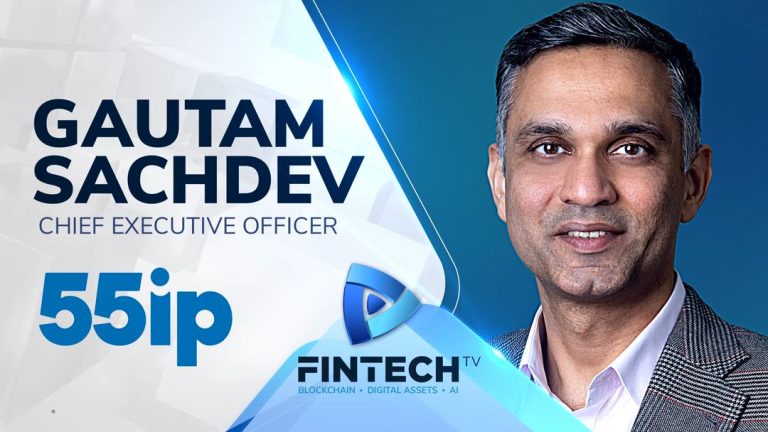
Gautam Sachdev, the CEO of 55ip, joins Remy Blaire to discuss how the tax-smart investment management platform is transforming the way advisors manage client accounts. From ongoing tax-loss harvesting and automated rebalancing to tax-smart withdrawals, 55ip helps advisors deliver personalized, tax-efficient portfolios at scale.

They discuss how 55ip supports model portfolios, SMAs and UMAs to increase adoption and eliminate tax frictions, the launch of Transition Services to help advisors retain nearly all client assets during account moves, the growth of the company’s SaaS offerings, providing flexible solutions “for them,” “with them,” or DIY via APIs and insights into the future of tax management, including householding capabilities and expanded investment choices.

With a decade of innovation and 5 years under JPMorgan Asset Management, they discuss how 55ip continues to work with some of the largest asset managers, custodians, and wealth management firms in the industry—helping advisors scale their business while keeping client portfolios tax-efficient.

Wells Fargo Strategist on Oil Prices, Market Volatility, and Fed Rate Cuts

0

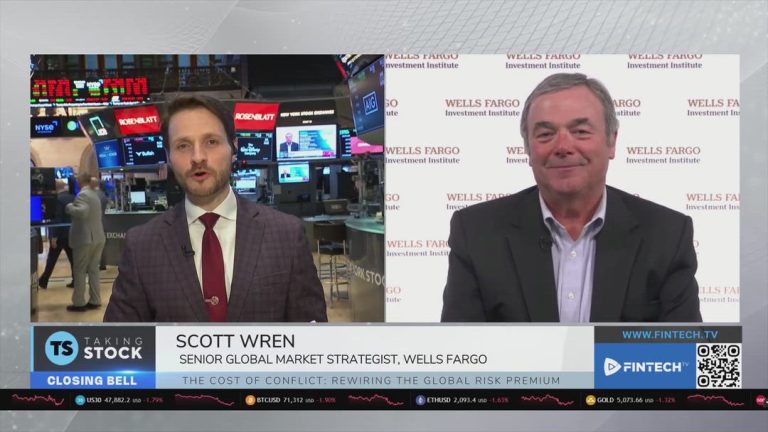
Scott Wren, Senior Global Market Strategist at Wells Fargo, joined the broadcast via Zoom to discuss the recent volatility across financial markets and what investors should be watching next. Reflecting on the sharp swings seen in recent days, Wren noted that while the day-to-day movements in the market had been unpredictable, it was surprising that the S&P 500 remained relatively close to its record highs despite global uncertainty. He explained that much of the recent turbulence had been driven by concerns around oil supply and tensions surrounding the Strait of Hormuz, emphasizing that markets were closely tied to movements in energy prices.

During the discussion, Wren addressed the surge in oil prices, with both West Texas Intermediate and Brent Crude trading above $80 per barrel. While some analysts had speculated that oil could reach $100 if disruptions worsened, Wren said that scenario was not his base case. Instead, he suggested that if transportation through the Strait of Hormuz normalized and geopolitical tensions eased, oil prices could quickly fall by several dollars. He added that his outlook for WTI by the end of the year remained closer to $70 per barrel.

Stablecoins, Banks, and the Political Fight Shaping Crypto Regulation

0

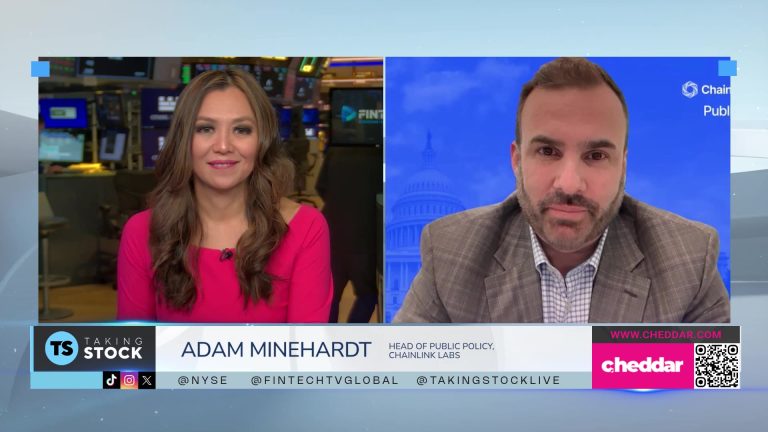
The debate over the future of money intensified as political leaders, traditional banks, and crypto firms clashed over the role of yield-bearing stablecoins in the financial system. Following public support for crypto companies from President Donald Trump, tensions grew between Wall Street banks and the digital asset industry, with the issue becoming a major obstacle for the proposed Clarity Act (U.S. crypto legislation proposal) in Congress. Major banks, including JPMorgan Chase and Bank of America, warned that allowing stablecoins to offer yield could pull trillions of dollars in deposits away from the traditional banking system, further complicating negotiations on Capitol Hill.

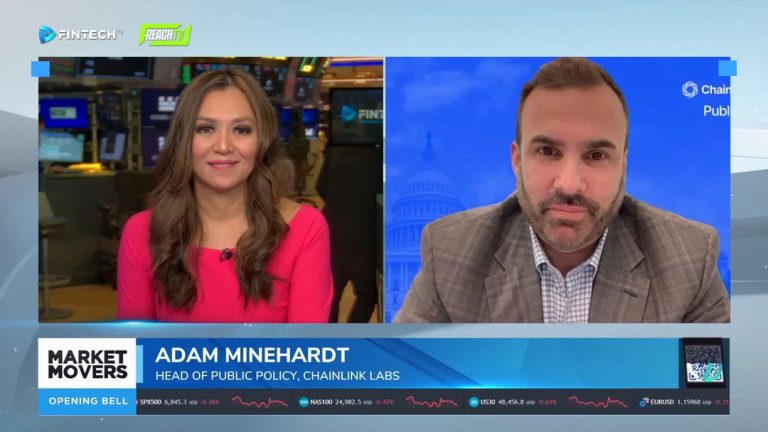
In this interview, Adam Minehardt, Head of Public Policy at Chainlink Labs, broke down the political gridlock surrounding the legislation and shared insights into the ongoing battle between banks and crypto exchanges over stablecoin rewards. He explained that despite the complex politics, the overall sentiment in Congress remained cautiously optimistic, with growing momentum among lawmakers to reach a compromise. However, the key sticking point continued to center on whether stablecoin issuers and exchanges should be allowed to provide yield or rewards to users, an issue strongly opposed by powerful community bank lobbies.

Navigating the Crypto Landscape: The Clarity Act and Its Implications

In this episode of Market Movers, we dive into the high-stakes battle between traditional banks and crypto firms over the future of money. Adam Minehardt, Head of Public Policy for Chainlink Labs, joins Remy Blaire to discuss the latest developments surrounding the Clarity Act and its implications for the crypto industry.

Adam shares insights on the current political climate in Washington, D.C., the challenges of establishing a legal framework for crypto, and the potential compromises needed to bridge the gap between traditional finance and the crypto community. With banks warning of significant deposit losses due to yield-bearing stablecoins, the conversation explores the urgency of legislative action and the risks of heavy regulation in the future.

We also touch on the cultural ties of crypto investors and the potential convergence of crypto and traditional finance. Adam’s extensive experience on Capitol Hill provides a unique perspective on the evolving landscape of crypto regulation and the importance of bipartisan support.

Harnessing AI: Transforming the Consumer Packaged Goods Landscape

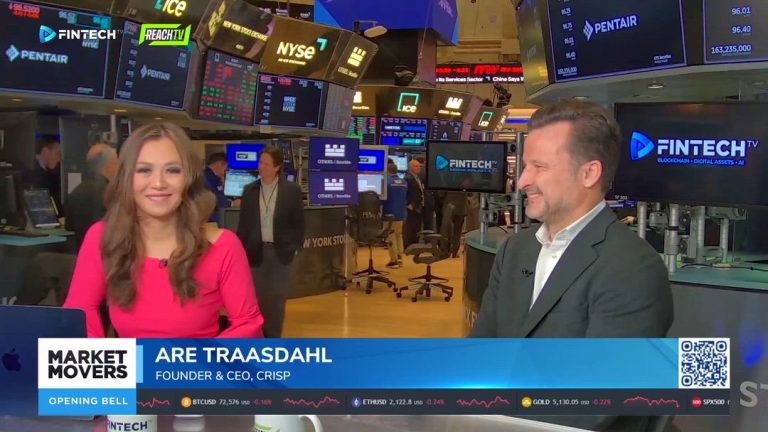
Are Traasdahl, founder and CEO of Crisp, joins Remy Blaire to discuss the developments within the consumer packaged goods (CPG) sector, which has seen a significant uptick of over 12% this year. We discuss how major companies like Procter & Gamble and PepsiCo are leveraging artificial intelligence (AI) to enhance their operations, particularly in supply chain visibility and inventory management.

He highlights the shift from merely collecting data to taking actionable steps using AI, which allows companies to optimize product availability, assortment, and pricing on a larger scale.

Are emphasizes the complexity of the industry, where large corporations manage numerous brands and products across various markets. He notes that those who embrace AI will thrive, while those who resist may face dire consequences. We also touch on the impact of external factors, such as local events and weather, on consumer demand, and how AI can help navigate these challenges.

As we look ahead to the summer months, Are points out the importance of accurate inventory management to enhance the consumer experience, especially as we approach key holidays and events. For consumers trying to manage their budgets, he reassures them that many retailers are offering high-quality products at lower prices, thanks to improved supply chain efficiencies.