[stock-market-ticker symbols=" ^NYA;CRYPTO:BTC;CRYPTO:ETH;CRYPTO:USDT;CRYPTO:USDC;CRYPTO:BNB;CRYPTO:ADA;CRYPTO:XRP;CRYPTO:SOL;CRYPTO:DOGE " stockExchange="NYSENASDAQ" width="100%" transparentbackground=1 palette="financial-light"]

Home Blog Page 48

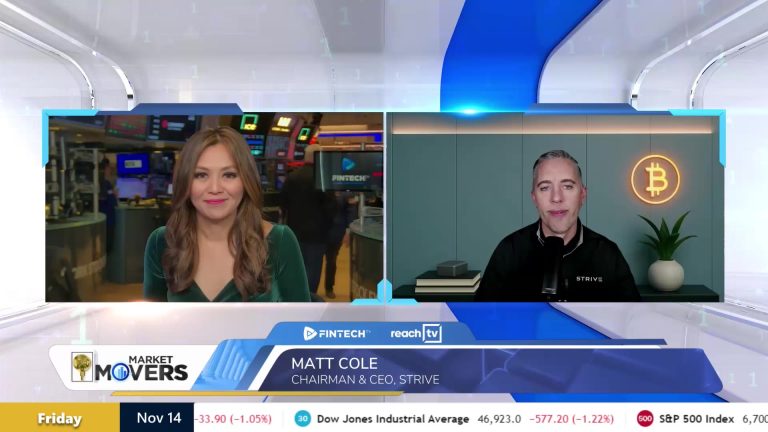
Bitcoin’s Volatility: Insights from Strive CEO Matt Cole

Remy Blaire engages in a compelling discussion with Matt Cole, the Chairman and CEO of Strive, as they explore the current state of the cryptocurrency market, particularly focusing on Bitcoin. The segment opens with a market overview, noting that Bitcoin has recently pulled back below the $100,000 level, with fluctuations around $96,000. Remy highlights the volatility not only in crypto but also in equity markets, setting the stage for a deeper analysis.

Matt shares his insights on Bitcoin as a long-duration asset, emphasizing that it has never experienced a negative return over any four-year period in its history. He describes the current price dip as a “buy the dip” opportunity for Bitcoin enthusiasts, reinforcing the long-term positive outlook for the asset. The conversation shifts to Strive’s recent strategic move to accumulate more Bitcoin, with Matt revealing that the company has added 1,567 Bitcoin at an average price above $103,000, bringing their total holdings to 7,525 Bitcoin.

Remy prompts Matt to elaborate on Strive’s unique approach to amplification through perpetual preferred equity, contrasting it with other digital treasury companies that rely on debt. Matt explains that this strategy enables Strive to avoid margin calls and maintain unencumbered Bitcoin holdings, providing a more resilient structure in the face of market downturns.

As the conversation progresses, Matt shares his thoughts on the regulatory landscape for digital assets, noting that recent developments, including the end of the longest U.S. government shutdown, have cleared some uncertainty. He expresses optimism about Bitcoin’s future, particularly as the market moves into an era increasingly influenced by AI, which he believes will drive growth in the coming years.

Stablecoins and Real-World Assets: The Future of Finance in 2026

Remy Blaire engages in a thought-provoking discussion with Samantha Bohbot, Partner and Chief Growth Officer at RockawayX. The conversation centers around the current state and future trajectory of decentralized finance (DeFi) and its growing significance in the global financial system.

Remy opens the segment by referencing insights from Robinhood’s crypto general manager, who asserts that crypto is becoming the backbone of the financial infrastructure. Samantha elaborates on this by highlighting the remarkable growth of DeFi, which has evolved to include tokenized real-world assets, stablecoins, and yield-bearing instruments. She notes that decentralized exchanges have seen a substantial increase in spot volume, rising from 5% two years ago to 29% this year, indicating a significant shift in investor behavior.

As the discussion progresses, Samantha shares RockawayX’s perspective on DeFi, emphasizing the importance of having a diverse range of appealing products available for investors. She explains that the ability to put meaningful capital to work on blockchain ecosystems is crucial for attracting investment and that the variety of products is expanding, which is a positive sign for the market.

The conversation then shifts to the state of private markets in the crypto space. Samantha describes a mixed environment where, despite strong Q3 earnings, there is a prevailing sense of caution among investors. She discusses the challenges faced by founders in securing funding and the crowded nature of many deals. However, she also points out a silver lining with an increase in IPOs and OTC deals, as investors look to capitalize on opportunities in established companies like Kraken and Ripple.

Remy and Samantha delve into the current market volatility affecting all asset classes, including equities and commodities. Samantha describes the situation as a “weird limbo,” where optimism from strong earnings is countered by fears stemming from recent market events and economic uncertainties. She emphasizes that this uncertainty creates a sense of paralysis among investors, making it difficult for them to make confident decisions.

Navigating the AI Landscape: Consumer Trust and Technology Adoption

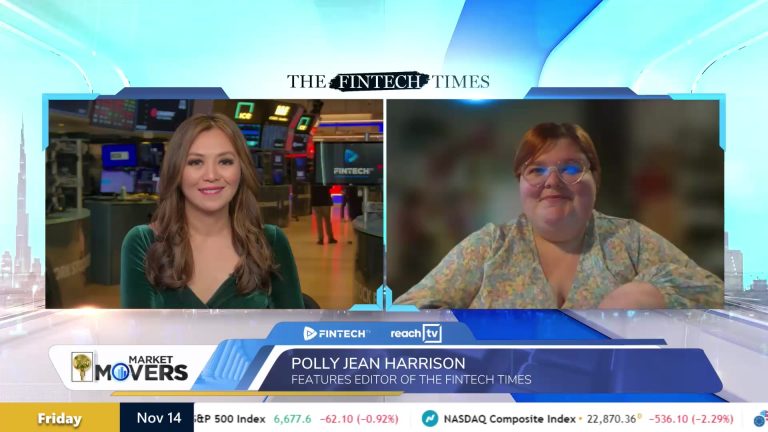
Remy Blaire welcomes Polly Jean Harrison, the Features Editor of the FinTech Times, to discuss the latest headlines from Europe and the Middle East. The conversation begins with an exciting partnership between Starling Bank and Small Business Britain, aimed at empowering women entrepreneurs across the UK. Polly explains that this year-long initiative will feature events, research, and a new free online training program called “Female Founder Fundamentals,” set to launch in early 2026. The program is designed to provide female founders with the skills, network, and confidence needed to grow their businesses, especially in light of recent statistics showing a decline in women-led SMEs in the UK.

Polly highlights that recent UK government research indicates that women lead only 14% of SME employers, despite making up around 30% of solo entrepreneurs. This partnership seeks to address the need for greater support for female founders, with the goal of increasing the number of women leading SMEs to 30% by 2030. Polly expresses her excitement about the initiative, which will include online masterclasses and peer learning opportunities focused on building confidence, growth, and financial skills.

The discussion then shifts to a report from PXP, revealing a high level of consumer caution regarding AI shopping tools. Polly shares that about 37% of consumers are hesitant to use AI technologies, particularly as the holiday shopping season approaches. She notes that consumer willingness to engage with AI varies significantly depending on the application, with shoppers being selective about surrendering control to automated systems. While some consumers are open to features like personalized product recommendations and price prediction tools, interest in advanced in-store technologies, such as AI chat assistants and virtual try-on kiosks, is notably lower.

Old School vs. New Tech: How Traditional Sectors Are Winning Right Now

0


Michael Reinking, a senior market strategist at the New York Stock Exchange, recently provided insights into the current market landscape, focusing on price actions, investor sentiment, and the ongoing implications of macroeconomic trends. With extensive experience and expertise in financial markets, Michael’s perspective is invaluable, especially in the context of the fluctuating dynamics that characterize today’s investment environment.


During the discussion, Michael noted a noticeable tension in the market, with fluctuations between positive and negative territories. This indecisiveness highlights the growing complexity of current market conditions. Over the past few weeks, speculation around artificial intelligence (AI) has intensified, leading to a mixture of optimism and caution among investors. Notably, some segments within the AI field have experienced a pullback, suggesting that while there are promising advancements, market sentiment remains cautious.


Michael emphasized that the overall market trend has shifted towards favoring more traditional sectors such as healthcare and financials, which have shown robust performance and propelled major indices like the Dow Jones Industrial Average upward. Companies like Goldman Sachs, Wells Fargo, and Bank of America reached new all-time highs, illustrating the resilience of these sectors amidst uncertainty.


As the conversation evolved, the looming threat of a federal government shutdown emerged as a critical factor impacting investor sentiment. After 43 days of uncertainty, the potential resolution of this crisis opens up discussions around economic data release. However, Michael pointed out that the unpredictability of when key economic indicators, such as the Consumer Price Index (CPI) and Producer Price Index (PPI), will be available creates a significant void in analysis and decision-making. Such a scenario could translate into heightened market volatility as investors react to any unexpected news.


Looking ahead, Michael discussed the upcoming Federal Reserve meeting in December, where any data released from November may suggest a more supportive environment for possible rate cuts. Yet, the sentiment among Fed members is fragmented, with some indicating a cautious approach to reducing interest rates, thus implying a “shallow” rate-cutting cycle.


Michael observed that during this earnings season, companies have reported double-digit earnings growth, particularly among financial firms. Despite recent sideways trading, these positive results may indicate robust underlying performance and set the stage for future market resilience. The strong showing in the financial sector contributes significantly to overall market robustness, presenting an optimistic but cautiously measured outlook for investors.


The discussion highlighted the persistent interest in AI, as companies continue to invest heavily in this sector. However, as market responses to AI announcements appear to be diminishing, investors are now focusing on the sustainability and financial viability of these technology advancements. Circular financing—where companies rely on continuous inflows of capital to sustain operations—forms a crucial part of this evaluation, raising questions about long-term profitability and market stability.


In conclusion, Michael Reinking’s insights uncover the intricate balance of anticipation and uncertainty that currently defines the financial landscape. The interplay between traditional sectors and cutting-edge technology investment will play a vital role in shaping market trends moving forward. As financial experts and investors navigate this evolving environment, staying informed on both macroeconomic indicators and sector-specific performances will be essential for strategic investment planning.


Engaging with insights like Michael’s not only enhances understanding of market mechanics but also empowers investors to make informed decisions in a landscape characterized by rapid change. As we continue to witness the interplay between emerging technologies such as AI and traditional finance, the potential for transformative impacts on global markets remains significant. Investors should remain vigilant and adaptable to these trends as they unfold, ensuring they harness every opportunity for growth in an increasingly complex economic climate.

Driving Economic Growth: The Impact of Tahaluf’s Flagship Events on Saudi Arabia’s Vision 2030

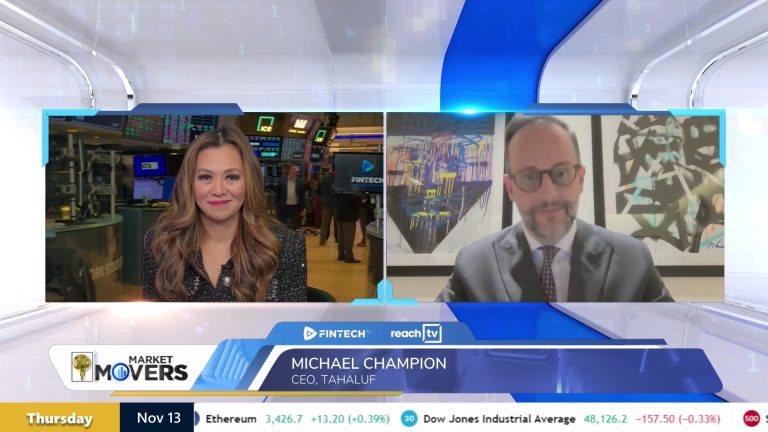
On this episode, we explore the remarkable journey of Tahaluf, a Riyadh-based joint venture that is rapidly establishing itself as a global leader in the events industry. With partnerships involving Informa, the Saudi Federation for Cybersecurity Programming and Drones, and the Events Investment Fund, Tahaluf is playing a pivotal role in driving Saudi Arabia’s Vision 2030 transformation. In just three years, the company has launched 21 event brands, including major events like Leap, DeepFest, Cityscape Global, and Black Hat MEA, positioning Saudi Arabia as a premier destination for international investors and business events.

Michael Champion, shares insights into how flagship events are attracting global investors and fostering confidence in the kingdom’s economic transformation. With events like Leap drawing over 200,000 attendees and thousands of investors, the capital inflow into Saudi Arabia is becoming increasingly significant. Cityscape Global, recognized as the world’s largest real estate event, exemplifies this trend, attracting institutional investors who are keen to engage with the financing of major Giga projects in the region.

The economic impact of Tahaluf’s events is substantial, with a conservative estimate of $17.6 billion generated over the past three years. This figure highlights the importance of mega events in driving GDP growth, job creation, and foreign investment inflows. For instance, Cityscape Global recorded $5.1 billion in transactions during its last edition, showcasing the vibrant real estate market and the potential for further growth in the sector.

As Saudi Arabia continues its diversification journey beyond oil, Tahaluf’s model of strategic event creation aligns perfectly with the nation’s broader goals. By focusing on sectors deemed strategic by the government, Tahaluf is not only enhancing its own portfolio but also contributing to the development of a global events hub in the kingdom. With a growing appetite for face-to-face interactions and the emergence of homegrown events like Leap, the future of the events industry in the Middle East looks promising, with exciting opportunities on the horizon.

The Cannabis Industry’s Growth Trajectory: What Investors Need to Know

The cannabis industry is rapidly growing in the U.S. and is projected to reach around $45 billion in revenue this year. With recent discussions around the potential declassification of marijuana from a Schedule 1 to a Schedule 3 drug, investor interest in cannabis stocks is on the rise. On this episode, Henry Miller, Managing Director for Polaris Capital Group, shares his expertise on the current state of the cannabis market and what it means for investors.

Henry explains the varying dynamics of the cannabis sector across different states, emphasizing the importance of state-level legalization processes. He discusses the initial frenzy of activity and competition as new markets open up, followed by a period of steady growth. For those considering investing in cannabis, Henry highlights the significance of understanding the fundamentals of the businesses involved and cautions against getting caught up in the hype of perpetual growth.

As we approach the end of 2025, Henry also shares his outlook for the cannabis industry heading into 2026. He anticipates a seasonal bump in sales during the holidays and expresses excitement about the potential for consolidation within the industry. With discounted valuations presenting a unique buying opportunity, this episode is a must-watch for anyone interested in the future of cannabis investing.

The Math Behind the Money: How Gauntlet Protects $42 Billion in DeFi Assets

0

Transforming Finance: A Deep Dive with John Morrow of Gauntlet

As the world embraces the digital age, financial technologies are rapidly evolving, presenting both opportunities and challenges. John Morrow, co-founder and COO of Gauntlet, exemplifies this evolution through his commitment to decentralized finance (DeFi) and blockchain technology. His insights on the future of finance provide a compelling narrative for entrepreneurs and investors in the crypto space, emphasizing the disruptive potential of these technologies.

Who is John Morrow?

John Morrow is an influential figure in the cryptocurrency landscape, with a wealth of experience in financial modeling and automated trading systems. Gauntlet, founded by Morrow and his team, specializes in developing cutting-edge financial modeling software for DeFi, making a significant impact in a sector that currently manages $42 billion in assets. With automated trading vaults holding approximately $2 billion, Gauntlet stands as a critical player in the rising tide of decentralized finance.

The Disruption Story: DeFi and Blockchain

Morrow highlights how DeFi represents the future of finance, offering unprecedented speed, transparency, and accessibility. As traditional financial systems grapple with inefficiencies, the advantages provided by blockchain technology are becoming increasingly evident. With leaders like Larry Fink advocating for the tokenization of assets, Morrow sees the potential for a shift in the financial landscape that prioritizes innovation and consumer empowerment.

Addressing Challenges and Building Trust

For the promising realm of DeFi to reach its full potential, Morrow identifies two crucial areas that need improvement: regulatory clarity and a proven track record. Regulatory frameworks are essential for legitimizing the crypto market and encouraging traditional finance participants to embrace DeFi fully. Recent announcements from regulators aim to provide this clarity, indicating a supportive shift from governmental bodies towards innovation in the crypto space.

The Journey of DeFi: From Toddler to Teenager

Morrow likens the current state of DeFi to that of a teenager—maturing and learning from past experiences. After a tumultuous history marked by high-profile failures and volatile market reactions, the industry is advancing towards stability and is slowly earning the trust of investors. Success stories, like that of Solana, which grew its DeFi assets from $2 to $10 billion, demonstrate the shift towards more significant and reliable market participation.

Implications for the Future of Finance

The implications of this evolution extend well beyond the immediate financial sector. Morrow believes that as DeFi matures and traditional assets flow into the blockchain ecosystem, the landscape will witness more productive capital movement. This transformation will alleviate the speculative nature that has often characterized crypto investments, allowing for better risk management and real returns.

Conclusion: Embracing the Future of Finance

In conclusion, John Morrow’s insights provide a roadmap for understanding how decentralized finance and blockchain technology can transform traditional financial practices. By focusing on regulatory clarity and building trust, we may witness a pivotal shift towards a more inclusive financial ecosystem. Entrepreneurs venturing into the realms of crypto, sustainability investing, and financial technology are poised to leverage these advancements for substantial impact. As we progress, the integration of AI and sustainable practices alongside robust financial models will define the next chapter of finance.

The Richness of Kindness: Insights from America’s Happiness Doctor

Remy Blaire welcomes Dr. Elia Gourgouris, the President of Kindness Factor International and known as America’s Happiness Doctor. The segment coincides with Kindness Week, a global initiative that encourages acts of kindness to improve communities and individual well-being.

Remy begins by discussing the origins of Kindness Week, which started in 1997 as a single day of kindness and has since expanded into a week-long celebration. She introduces Dr. Gourgouris, who shares his personal journey of becoming a kindness advocate, rooted in a lesson from his grandfather in Greece. His grandfather taught him that to be the richest man in the world, one must do something good for someone else every day. This foundational lesson shapes Dr. Gourgouris’s understanding of kindness as a transformative force.

Dr. Gourgouris elaborates on the neuroscience behind kindness, explaining how performing acts of kindness releases chemicals in the brain that promote happiness for both the giver and the receiver. He emphasizes that kindness is not merely about being nice; it is about love in action and being aware of the needs of those around us. He encourages listeners to commit to daily acts of kindness, which can lead to profound personal and communal transformations.

As the conversation shifts to the corporate world, Remy asks Dr. Gourgouris how kindness impacts finances and workplace culture. He explains that organizations that foster a culture of kindness see numerous benefits, including healthier employees, increased creativity, and reduced turnover. Happy employees become brand ambassadors, promoting the company culture and attracting talent without the need for extensive marketing efforts.

Remy and Dr. Gourgouris also address the challenges faced by individuals in toxic work environments. Dr. Gourgouris advises listeners to focus on what they can control, particularly their attitudes and relationships. He introduces the concept of HOT conversations—Honest, Open, and Transparent discussions—as a way to address toxicity and promote a healthier workplace culture.

Throughout the segment, Dr. Gourgouris encourages listeners to engage in deliberate, mindful acts of kindness, urging them to shift their focus from negativity to positivity. He highlights the importance of recognizing one’s sphere of influence and using it to spread kindness and positivity.

Finally, the discussion touches on the concept of toxic positivity, with Dr. Gourgouris clarifying that genuine positivity acknowledges challenges while navigating them with gratitude and love. He stresses the importance of self-care as a prerequisite for being able to help others effectively.

The Impact of AI on Real Estate: Trends and Predictions for 2026

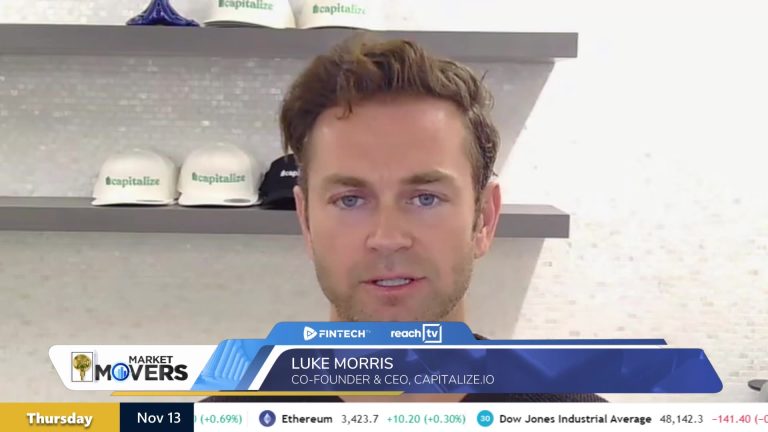
Remy Blaire engages in a thought-provoking discussion with Luke Morris, Co-Founder and CEO of Capitalize.io, about the significant impact of artificial intelligence (AI) on the real estate sector. The conversation begins with an exploration of how AI is set to transform the traditionally illiquid asset class of real estate, which typically requires 30 to 90 days to close transactions. Luke emphasizes that AI will enhance liquidity by increasing confidence, speed, and trust in underwriting processes, ultimately leading to higher transaction volumes and reduced closing times.

As the discussion progresses, Remy prompts Luke to elaborate on the structural shifts in real estate demand driven by AI. Luke highlights the growing need for data centers and the pressures facing office spaces, suggesting that a reduction in the number of employees at certain companies will impact demand for office real estate. Despite these challenges, he reassures listeners that real estate remains a robust asset class, with people continuing to seek out experiences in retail environments.

Looking ahead to 2026, Luke predicts a significant recycling of assets across various sectors, including office, industrial, and multifamily properties. He foresees a necessary adjustment in rents and purchase prices to attract tenants back to urban centers like New York and San Francisco. This anticipated market reset presents a unique opportunity for buyers, especially in light of economic indicators suggesting a slowing economy.

How CredCore is Using AI to Fix a $5 Trillion Problem in Finance

0

When “Almost Right” Isn’t Good Enough

Imagine you’re applying for a student loan, and the bank’s computer system makes a tiny error in calculating your credit score. That small mistake could mean the difference between getting approved or rejected, or paying 5% interest versus 15%. In the world of credit and loans, there’s no room for “close enough.”

That’s the problem Saumil Annegiri and his team at CredCore are solving. During a recent interview with Fintech TV at Money 2020 USA in Las Vegas, Nevada, Saumil explained how his company is using artificial intelligence to bring absolute precision to the massive $5 trillion global credit market. And when we say massive, we mean it—this market includes everything from your credit card to massive loans between corporations.

What Exactly Is CredCore?

CredCore sits at the intersection of two powerful forces: credit and technology. As co-CEO and co-founder, Saumil Annegiri leads a company that’s trying to solve some of the biggest problems in how the world handles lending and borrowing money.

The credit market is enormous and complex. It includes both public credit (like bonds that anyone can buy) and private credit (like specialized loans between companies). Within this huge system, there are countless opportunities for errors, hidden risks, and inefficiencies. That’s where CredCore comes in.

Three Main Goals:

  1. Automate tedious processes: Much of credit analysis still involves humans manually reviewing documents and data—work that’s time-consuming and prone to human error.
  2. Identify hidden risks: Sometimes dangerous financial problems are lurking in places people don’t think to look. AI can spot patterns and red flags that humans might miss.
  3. Manage investments more effectively: By processing huge amounts of data quickly and accurately, CredCore helps investors make smarter decisions about where to put their money.

The “Almost Right” Problem

One of the most memorable things Saumil said during the interview perfectly captures why CredCore’s work matters: “Almost right is almost always wrong in credit.”

Think about what that means. In many areas of life, being “close enough” works fine. If you estimate that your school is 2 miles away when it’s actually 2.1 miles, no big deal. But in credit and finance, small errors can have huge consequences.

Here’s Why Precision Matters:

For individuals: A tiny error in your credit report could wrongly label you as high-risk, making it harder to get approved for loans, apartments, or even some jobs.

For companies: If a business gets a loan based on slightly incorrect data, they might borrow more than they can actually afford to pay back, leading to bankruptcy.

For investors: Making investment decisions based on “almost accurate” information could mean losing millions of dollars.

For the financial system: When lots of slightly wrong decisions pile up across the entire economy, it can contribute to major problems like the 2008 financial crisis.

This is why CredCore doesn’t just build AI and let it run wild. They’ve built something more sophisticated.

The Secret Sauce: Human Experts + AI

Here’s where CredCore does something really smart. Many tech companies believe AI can solve everything on its own. CredCore takes a different approach.

They employ domain experts—people who have spent years working in debt and credit and really understand how it all works. These experts work alongside the AI, training it and checking its work. It’s like having an experienced teacher guide a very smart but inexperienced student.

This combination ensures that CredCore’s AI models produce precise outcomes, not just pretty close ones. And here’s the best part for their clients: CredCore takes on the responsibility of making sure everything is accurate. Their clients don’t have to spend time and resources validating the AI’s work or making adjustments—CredCore handles all of that.

This isn’t just a nice extra feature. In the world of finance, where mistakes can cost millions, this oversight is absolutely essential. It’s what separates CredCore from other AI companies that might prioritize speed over accuracy.

Following the Money: CredCore’s Series A Funding

Saumil also shared some exciting news during the interview: CredCore recently completed their Series A funding round. For those unfamiliar with startup terminology, this is typically the first major round of investment a young company receives after proving their initial concept works.

What makes CredCore’s funding particularly interesting is who invested and why.

A Unique Mix of Investors:

Traditional Venture Capitalists: Companies like Inspired Capital and Avataar Ventures brought financial capital—the money CredCore needs to grow and hire more people.

Strategic Partners from Credit: CredCore also attracted investors who are major players in the credit industry itself, including Fitch Ratings, one of the biggest credit rating agencies in the world.

This second group is especially important. These aren’t just investors writing checks—they’re industry experts who can provide mentorship and insider knowledge about where the credit market is heading. It’s like getting both funding for your business and a advisory council of experienced professionals who want you to succeed.

This diverse mix of investors positions CredCore perfectly for their next phase of growth. They have the money to scale up, plus the guidance to make smart strategic decisions.

Why AI in Credit Matters Right Now

You might be wondering: why is this happening now? Why is AI suddenly becoming so important in finance?

Several trends are converging to make this the perfect moment for companies like CredCore:

Data explosion: Financial institutions now have access to massive amounts of data about borrowers, markets, and economic trends. Humans can’t possibly analyze it all quickly enough, but AI can.

Demand for speed: In today’s fast-moving economy, investors and lenders need answers in hours, not weeks. AI can process information exponentially faster than human analysts.

Complexity increase: Financial products and markets have become incredibly complicated. The old methods of analysis often can’t keep up with modern complexity.

Risk of another crisis: After the 2008 financial crisis, everyone in finance became more aware of how hidden risks can bring down entire economies. Better tools for identifying these risks are desperately needed.

Ethical investing growth: More investors want to know that their money is going to responsible, sustainable businesses. AI can help analyze companies across many more criteria than just profit.

The Bigger Picture: Sustainable and Responsible Finance

CredCore’s work connects to something bigger than just making credit analysis more efficient. Their technology supports what’s called “sustainable development goals” (SDGs)—a global framework for addressing major world challenges.

Here’s how that works:

When investors have better tools to analyze companies accurately, they can more easily identify businesses that are both profitable andresponsible. This means money can flow toward companies that:

  • Treat their workers fairly
  • Minimize environmental damage
  • Contribute positively to their communities
  • Operate transparently and ethically

By making it easier to evaluate these factors, CredCore helps support the growing movement toward impact investing—putting money where it can do good while still generating returns.

This matters because the global financial system has enormous power to shape the world. When $5 trillion in credit is allocated more thoughtfully and accurately, it can drive meaningful positive change.

What This Means for Different Groups

For students and young professionals: As AI transforms finance, new career opportunities are emerging that combine technology skills with financial knowledge. Understanding both domains will be increasingly valuable.

For borrowers: Better credit analysis could mean fairer treatment—getting approved when you deserve it, and getting accurate interest rates based on real risk, not errors or bias.

For investors: More precise analysis means better investment decisions, whether you’re investing for retirement or managing billions for a large institution.

For entrepreneurs: If you’re thinking about starting a business that needs funding, AI-powered credit analysis could mean faster decisions and potentially better terms if your business plan is solid.

For society: A more accurate, efficient credit system means money flows to where it can do the most good, supporting economic growth and stability.

Lessons from CredCore’s Approach

CredCore’s story offers several valuable lessons for anyone interested in technology, business, or finance:

Precision matters more than speed: In some industries, being fast isn’t enough if you’re not accurate. Knowing when precision is non-negotiable is crucial.

Combine AI with human expertise: The most powerful solutions often come from blending technology with domain knowledge, not replacing one with the other.

Choose your investors wisely: Money is important, but smart money (investors who also bring expertise and connections) is even more valuable.

Solve real problems: CredCore isn’t chasing trends—they’re addressing actual pain points in a massive market. That’s a solid foundation for a business.

Build trust through oversight: In industries where stakes are high, taking responsibility for accuracy builds credibility and differentiates you from competitors.

Looking Ahead: The Future of Credit and AI

As blockchain technology, AI, and sustainable investing continue to evolve, companies like CredCore are at the forefront of a major transformation in finance. The credit market isn’t going away—if anything, it’s growing. But how that market operates is changing dramatically.

We’re moving toward a world where:

  • Credit decisions are made faster and more accurately
  • Hidden risks are identified before they become crises
  • Investment capital flows more efficiently to deserving businesses
  • Technology handles the tedious work while humans focus on strategy and judgment
  • Financial systems are more transparent and accountable

CredCore exemplifies the kind of forward-thinking company that thrives in this environment. They’re not trying to replace the credit industry—they’re making it work better.

For high school students thinking about future careers, this is worth paying attention to. The intersection of technology and finance is creating entirely new job categories and opportunities. Whether you’re interested in computer science, economics, business, or mathematics, understanding how these fields come together will be increasingly important.

The question Saumil Annegiri and CredCore are answering is simple but profound: In a $5 trillion market where precision is everything, how do we harness the power of AI while ensuring absolute accuracy? Their answer—combining cutting-edge technology with deep human expertise and taking full responsibility for the results—might just be the blueprint for the future of financial technology.

And in a world where “almost right” really is “almost always wrong,” that precision could make all the difference.