[stock-market-ticker symbols=" ^NYA;CRYPTO:BTC;CRYPTO:ETH;CRYPTO:USDT;CRYPTO:USDC;CRYPTO:BNB;CRYPTO:ADA;CRYPTO:XRP;CRYPTO:SOL;CRYPTO:DOGE " stockExchange="NYSENASDAQ" width="100%" transparentbackground=1 palette="financial-light"]

Home Blog Page 41

The Fed’s Dilemma: Rate Cuts and Market Reactions

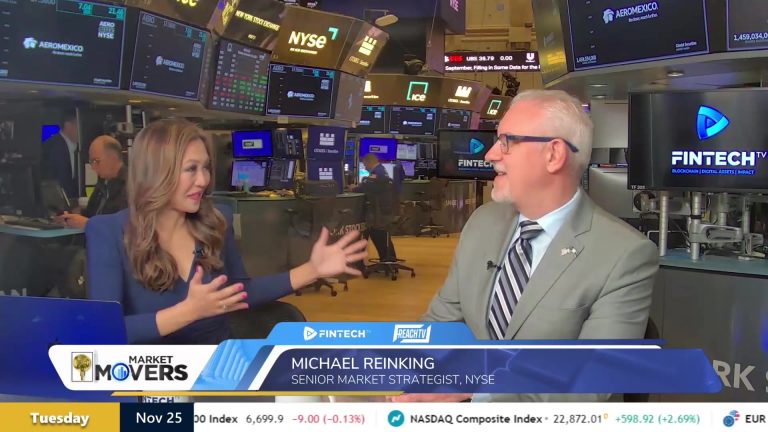
Remy Blaire is joined by Michael Reinking, Senior Market Strategist at the NYSE, to discuss the latest economic data and its implications for the upcoming Federal Reserve meeting in December. As the final stretch of November approaches, Remy notes that trading volumes are expected to decline, potentially leading to increased market volatility due to a lack of significant catalysts.

The conversation begins with an analysis of the current market conditions, where stock futures show a mixed performance. Michael highlights the recent volatility in the markets, which has been largely influenced by varying expectations regarding Federal Reserve rate cuts. He explains that earlier in the week, several Fed officials expressed hawkish views against rate cuts, but a pivotal shift occurred when New York Fed President John Williams, a key member of the Fed’s inner circle, voiced his support for further rate cuts. This statement has significantly altered market expectations, raising the odds of a 25 basis point rate cut in December to approximately 85%.

As they look ahead to the December Fed meeting, Remy and Michael discuss the importance of upcoming economic data releases and the Fed’s speech scheduled before the Thanksgiving holiday. Michael emphasizes that this speech will provide valuable insights into the Fed’s sentiment and potential messaging strategies, particularly the distinction between a “dovish hold” and a “hawkish cut.” He suggests that a dovish hold may be easier to communicate, although it might not elicit a positive response from equity markets.

The discussion also shifts to the competitive landscape in the technology sector, focusing on the rivalry between NVIDIA and Alphabet (Google) in the artificial intelligence space. Michael points out that Alphabet’s new offerings are beginning to challenge NVIDIA’s stronghold, indicating a maturation of the industry and the emergence of more competitors.

Turkey Day Touchdowns: The NFL’s Revenue Surge and College Football Rivalries

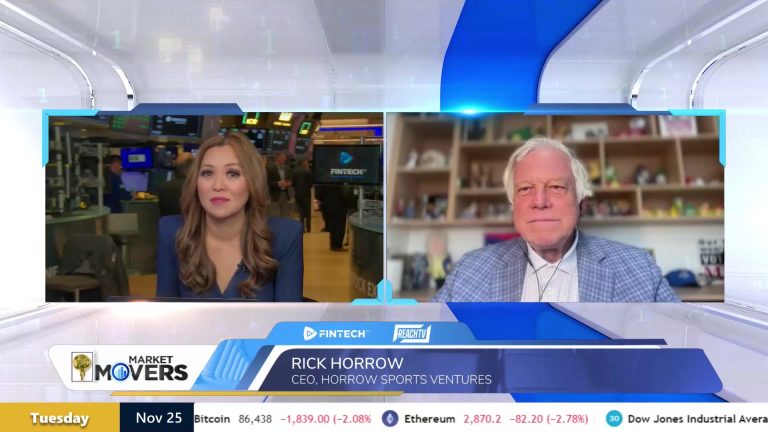
Remy Blaire is joined by Rick Horrow, CEO of Horrow Sports Ventures, to discuss the intersection of Thanksgiving and the world of sports, particularly focusing on football. With Thanksgiving just around the corner, Remy expresses gratitude for the year’s stock market performance and the thrilling matchups that await fans.

The conversation begins with Remy highlighting the excitement surrounding the NFL, where Rick shares impressive statistics about the league’s financial success. He notes that last year’s total revenue reached approximately $24 billion, bolstered by lucrative sponsorships and a staggering $111 billion TV contract. Rick emphasizes the NFL’s viewership numbers, particularly during Thanksgiving week, where games attract between 24 to 34 million viewers, making it a prime time for family gatherings and football.

As the discussion shifts to college football, Remy reflects on the previous year’s rivalry week, which was marked by intense confrontations and playoff implications. Rick shares his insights on the upcoming matchups, especially the Iron Bowl, where Alabama may need a victory over Auburn to secure a playoff spot. He also addresses the evolving landscape of college football, including the anticipated expansion of the playoff system and the financial implications of NIL (Name, Image, Likeness) deals, which are expected to reach $3 billion this year.

Crypto Taxation: Urgent Calls for Clarity Before Year-End

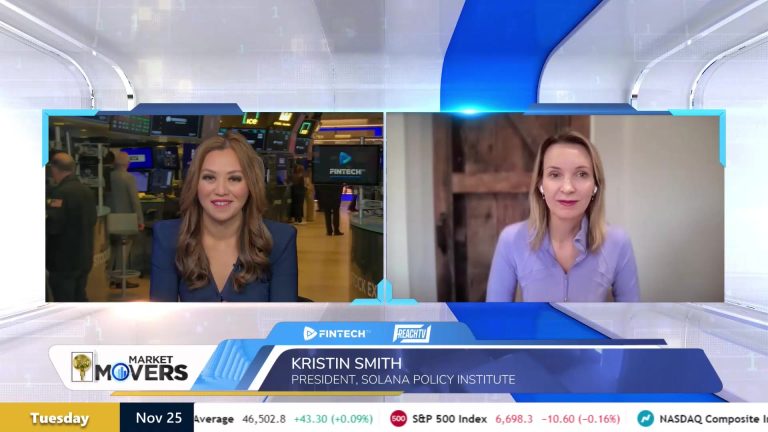
Remy Blaire engages in a timely discussion with Kristin Smith, the President of the Solana Policy Institute, as the Thanksgiving holiday approaches and the 2026 tax season looms on the horizon. The conversation begins with an exploration of how tax laws and investor behaviors, particularly the practice of tax-loss harvesting, can impact the economy during this critical time of year.

Kristin shares insights into a recent initiative where the Solana Policy Institute, alongside over 65 leading crypto organizations, sent a joint letter to the Trump administration. This letter outlines actions that federal agencies can take to provide clarity on cryptocurrency taxation and developer protections before the end of the year. Kristin emphasizes the importance of this roadmap, which details necessary steps for Congress, banking regulators, securities markets, and the IRS to take in order to foster a more favorable environment for the crypto industry in the U.S.

The discussion shifts to the confusion surrounding tax structures, particularly in relation to mining and staking activities within the crypto space. Kristin highlights the potential risks of unclear tax guidelines, noting that without proper structures, the U.S. could lose its competitive edge compared to other countries. She expresses hope that the administration can act on these issues, especially since the IRS has the authority to provide guidance without needing Congressional approval.

Remy and Kristin delve deeper into the specific clarity that developers and builders need to remain competitive in the American blockchain landscape. Kristin explains that, for example, rewards generated from staking on the Solana blockchain are currently treated as income, which can create tax burdens that force individuals to sell their tokens prematurely. She advocates for these rewards to be classified as newly created property, allowing for taxation upon sale rather than at the moment of creation. This change would align crypto taxation more closely with the treatment of agricultural products, providing much-needed relief for stakeholders in the industry.

Inside the Fight Against International Fraud: Insights from TRM Labs

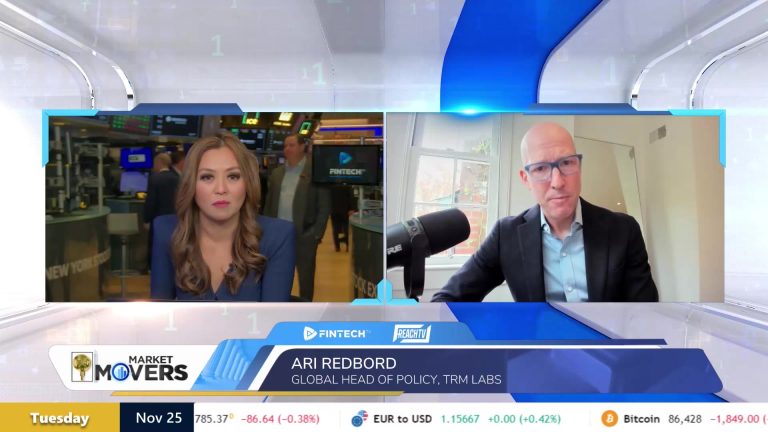
Remy is joined by Ari Redbord, the Global Head of Policy at TRM Labs, to provide insights into the scale of the problem. Ari reveals that approximately $53 billion in scams and fraud have been reported within the crypto ecosystem since 2023, with the actual figure likely much higher due to underreporting, as only about 15% of victims report their experiences.

Ari emphasizes a significant shift in the U.S. government’s approach to these scams, highlighting that they are now being treated as national security threats rather than just law enforcement issues. He discusses the recent actions taken by the Department of Justice, including a historic $14 billion forfeiture against the Prince Group, a Cambodian organization involved in these scams. This case serves as a prime example of the collaborative efforts between various government agencies, including the Department of Justice and the U.S. Treasury, as well as international partners like the UK, to combat this issue.

Remy and Ari also explore the challenges of coordinating efforts among different agencies and the necessity of engaging countries where these scams are prevalent, such as Cambodia, Laos, Myanmar, and China. Ari points out that while the U.S. is making significant strides, the complicity of local governments in these regions poses a substantial obstacle to effective enforcement.

As the holiday season approaches—a time when scams are particularly rampant—Remy inquires about the speed at which the strike force can freeze crypto funds once a scam is identified. Ari explains the rapid movement of cryptocurrency and the need for law enforcement and blockchain analytics companies to keep pace with scammers. He introduces the Beacon Network, a public-private initiative designed to disrupt these scams by enabling faster action against fraudulent transactions.

XRP ETF, Japan crypto, Revolut valuation, Galaxy prediction markets?

0

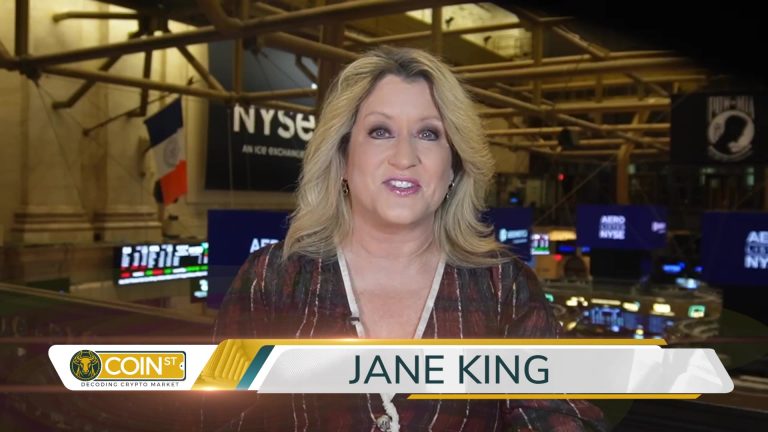
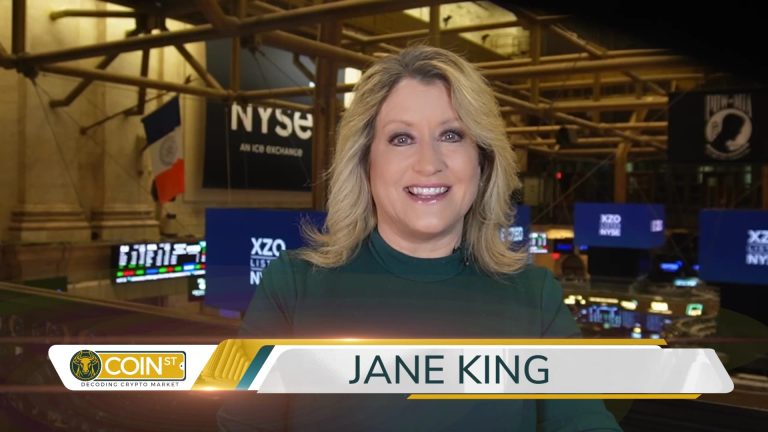
In this episode of the Coin Street headlines, we dive into the latest headlines shaping the cryptocurrency and fintech landscape. Franklin Templeton has launched an exchange-traded fund (ETF) tracking the XRP token on NYSE Arca, trading under the ticker XRPZ. This debut coincides with the launch of the Grayscale XRP Trust ETF and follows similar offerings from Bitwise Asset Management and Canary Capital. XRP saw an impressive 8% increase in value yesterday. In Japan, the Financial Services Agency (FSA) is implementing new regulations requiring cryptocurrency exchanges to maintain liability reserves to protect against hacks and unforeseen events. This move aims to enhance user compensation methods in the wake of recent security breaches. Revolut, the fintech giant, has completed a share sale valuing the company at $75 billion, solidifying its position among the world’s most valuable fintechs. This marks the fifth liquidity event for employees through its share program. Lastly, Mike Novogratz’s Galaxy Digital is in talks with Polymarket and Kalshi to become a liquidity provider, enhancing market-making on their platforms to improve trading reliability. Jane King with the latest from the NYSE.

Windrose Technology Unveils Vision for All-Electric Heavy-Duty Trucking

0

The recent gathering on the floor of the New York Stock Exchange for International Day brought together notable leaders and executives who are pushing for growth opportunities in the realm of investment and collaboration. One such leader is Charles Yu, the head of global strategic partnerships at Windrose Technology, who shared insights into innovation and the future of heavy-duty electric trucking.

Windrose Technology is carving out a niche in tackling climate change by focusing on the development of all-electric heavy-duty trucks. Charles Yu emphasized that the company aims to replace traditional diesel trucks, contributing significantly to the reduction of carbon emissions. With a presence in twenty countries across five continents, Windrose is poised to engage in initiatives that have global implications, making this event an ideal platform for raising awareness about their mission.

In a world where climate change looms large, this innovative approach by Windrose Technology stands as a beacon of hope. By designing an electric truck from the ground up, as opposed to modifying existing diesel models, the company has the potential to revolutionize the transportation sector. Yu compared their innovation to the transformational changes wrought by Apple in the phone industry and Tesla in passenger cars, implying that Windrose could similarly redefine commercial heavy-duty trucking. This is particularly critical in an era where sustainable investing is gaining traction, and businesses are increasingly scrutinizing their environmental impact.

Partnerships play a crucial role in the success of Windrose Technology. Yu noted the difficulties associated with developing a superior electric truck that outperforms diesel vehicles in price and performance. He highlighted that the journey cannot be navigated alone; collaboration with stakeholders across the supply chain, customer base, and investment community is essential. This insight underscores the growing trend in the entrepreneurial landscape where strategic partnerships are vital for driving innovations that meet the growing demand for sustainable alternatives.

Traditionally, established Original Equipment Manufacturers (OEMs) have struggled with the transition to electric heavy-duty trucking. Yu pointed out that the challenges faced by these longstanding companies stem from their attempts to retrofit existing diesel trucks rather than designing an entirely new product. Windrose Technology, on the other hand, approaches the problem differently, leveraging cutting-edge technology and a fresh perspective to create an electric truck tailored for modern needs, thus inviting interest from investors focused on sustainable equity.

As Windrose prepares to unveil its electric truck, the challenge lies in convincing skeptics of its feasibility and capability. Yu expressed a desire to foster partnerships at the International Day event, emphasizing the importance of building relationships that could bolster Windrose’s venture. The company is seeking collaborators who can support and share in their vision of a sustainable future on the roads.

The discussion surrounding Windrose Technology encapsulates the wider narrative of sustainability within the finance and entrepreneurial sectors. With investors increasingly inclined towards companies that prioritize environmental, social, and governance (ESG) criteria, initiatives like Windrose’s electric heavy-duty trucks are not just beneficial for the environment but can also translate into attractive financial propositions. The opportunity for impact investing in the burgeoning electric vehicle marketplace is ripe, and companies like Windrose are on the forefront of this transformation.

In conclusion, as the electric vehicle market continues to evolve, companies that pave the way for sustainable, innovative technologies will play a pivotal role in shaping the future. The insights shared by Charles Yu at the NYSE’s International Day underlines the significance of community and collaboration in overcoming the challenges posed by climate change. Windrose Technology not only stands as an exemplar in the realm of sustainable entrepreneurship but also signals a shift towards a more responsible and conscious approach to investing in the future of mobility.

Fireblocks Trust CEO Explains Stability, Tokenization, and the Future of Crypto

0


Adam Levine, CEO of Fireblocks Trust Company, recently joined the show to discuss the current volatility in digital assets and provide insights into the state of the cryptocurrency market. With the market experiencing fluctuations, especially in the wake of recent financial uncertainties, Levine emphasized that security and robust solutions remain the core focus of Fireblocks Trust Company.

In a time when digital asset prices have seen notable declines, audiences are eager to understand the factors behind such volatility. Levine pointed out that the uncertainty regarding interest rates and the behavior of various investors contribute significantly to market fluctuations. However, regardless of these changes, Fireblocks maintains a steady commitment to ensuring the safety and security of clients’ assets.

The dialogue pivoted towards the importance of client communication during periods of market unrest. “Clients are often worried and have many inquiries about market performance,” Levine elaborated. Having a consistent operational focus, he reiterated, is essential to reassure clients that the security measures in place remain unchanged despite market volatility. “We power our clients with the necessary support, regardless of Bitcoin’s movement,” he noted, signifying a key aspect of Fireblocks’ business model: consistent security standards amidst market changes.

Levine also reflected on the cyclical nature of the cryptocurrency market, suggesting that the past weeks have not aligned with traditional expectations. October and November are typically robust months for cryptocurrencies, but unforeseen factors have influenced recent performance. While there is a personal belief at Fireblocks that Bitcoin’s long-term trajectory is positive, Levine emphasized the importance of not speculating on price movements but focusing instead on the inherent value and utility of different digital assets.

The discussion also touched on client interests, especially concerning tokenization and stablecoins. “Clients seek guidance on how to best navigate this evolving market,” Levine mentioned. Issues of safety and stability remain paramount, and clients are particularly concerned about which stablecoins can maintain their value during turbulent times. Fireblocks Trust provides reassurance through stringent collateral management and account control agreements, ensuring both security and reliability in a fluctuating market environment.

Transitioning into the topic of digital asset custody, Levine stated that the landscape has matured significantly, particularly in the United States. There are now more providers available, with Fireblocks Trust stepping in to support various entities, including corporate treasuries and ETFs, as they explore the world of digital assets. “Expectations for security and standards are high, similar to those in traditional finance,” he emphasized, highlighting that certifications and audits are essential requirements for today’s crypto investors.

Looking ahead, Levine identified two primary drivers that could influence the broader conversation surrounding tokenization. The first involves the increasing interest in real-world assets (RWAs) being tokenized, offering a bridge from traditional finance to more innovative, blockchain-based solutions. The second factor that excites Levine is the growing institutional interest in digital assets. Institutions are now more focused on leveraging their crypto assets for returns while balancing risk profiles, which signifies a noticeable shift in the market dynamics.

In conclusion, Adam Levine’s insights underscore the vital role that security, transparency, and continuous improvement play in navigating the unpredictable nature of digital assets. As we enter a new era of investment where blockchain technology and tokenization become more integrated with traditional frameworks, the drive towards sustainable investing and responsible asset management will likely shape the future of finance.

Importance of Cryptocurrency and Tokenization in Modern Finance:

The discussion with Levine emphasizes the pivotal role of cryptocurrencies, blockchain technology, and tokenization in redefining investment strategies. As financial landscapes evolve, it’s critical for investors and institutions to adopt informed, strategic approaches while prioritizing sustainability and security. By leveraging new technologies and advocating for responsible investing, entities like Fireblocks Trust Company are at the forefront of this transformation, enhancing trust in digital finance.

Crypto Treasuries, Crypto bottom?, AG campaign?, Trump wealth

0

In this episode of Coin Street headlines, we dive into the latest headlines affecting the cryptocurrency market. Join us as we discuss the growing calls for a boycott of JP Morgan from Bitcoin supporters, sparked by MSCI’s potential exclusion of crypto-treasury companies from stock indexes. We examine the implications of this move and its potential impact on the broader cryptocurrency market. Macro economist Lyn Alden shares her insights on the current market cycle, suggesting that it may last longer than anticipated, driven by macroeconomic factors rather than the traditional four-year cycle. We also touch on Khurram Dara’s potential bid to challenge New York Attorney General Letitia James, who has been accused of engaging in “lawfare” against the crypto industry. Lastly, we examine how the recent crypto crash has affected the Trump family’s net worth, including the decline in value of a Trump-branded meme coin and Eric Trump’s Bitcoin mining venture. Jane King with the latest from the NYSE.

Market Volatility: Navigating the Impact of Interest Rates and AI Earnings

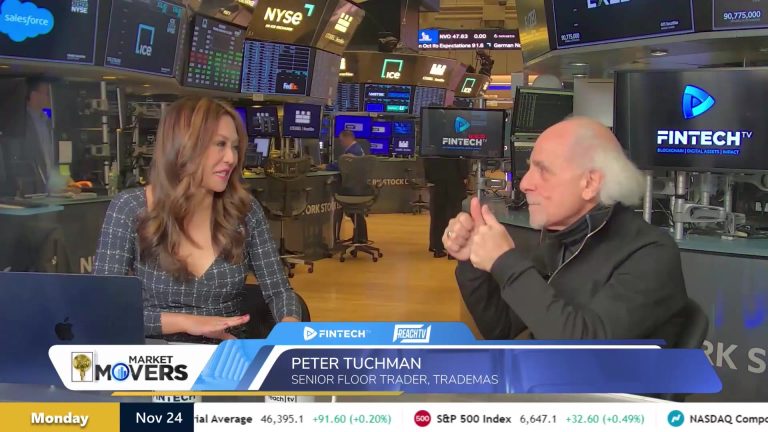
Remy Blair is joined by Peter Tuchman, Senior Floor Trader at TradeMas. Peter shares his perspective on the market’s volatility, particularly in light of the MSCI quarterly rebalance occurring this week. He explains that the market’s recent turmoil was exacerbated by the earnings report from Palantir, which led to fears of an AI bubble. Peter emphasizes that the market’s primary concern is now centered around interest rates and the likelihood of cuts from the Federal Reserve.

Peter reveals that the probability of an interest rate cut has surged to 79%, contributing to a relief rally in the market. He anticipates that the MSCI rebalance will have a significant impact on trading, especially given the recent fluctuations in stock performance. Remy and Peter also discuss the VIX, which, despite a slight decrease, remains elevated, indicating ongoing uncertainty in the market.

As they look ahead to the rest of the week, Peter underscores the importance of retail earnings, particularly with Black Friday approaching. He expresses optimism about the retail sector’s performance, suggesting that a strong consumer base could lead to a robust holiday season. Peter humorously shares his personal aspirations for the market, mentioning his manifestation of a 50,000 Dow and 7,000 S&P, complete with printed hats.

Empowering Veterans: The Mission of Five Stones Fight Club

0

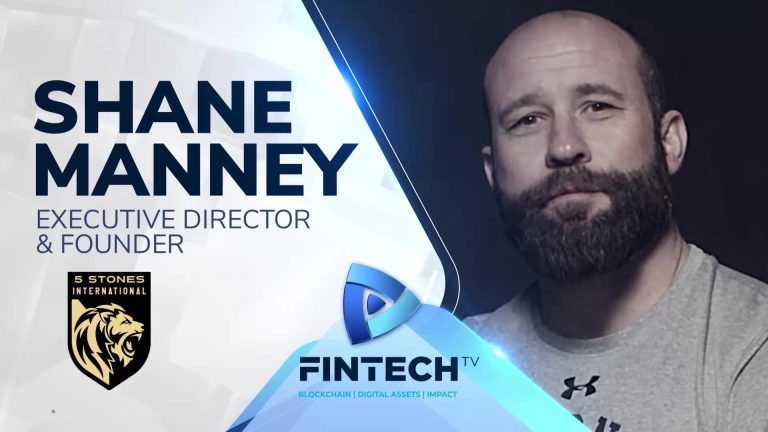
Join us for a special Veterans Day edition of FintechTV as Remy Blair sits down with Shane Manney, Executive Director and Founder of Five Stones Fight Club. Manney shares how his mixed martial arts–based sports ministry is transforming the lives of veterans by restoring purpose, building community, and creating a path toward healing through boxing, wrestling, and jiu-jitsu.

Manney reflects on the origins of Five Stones Fight Club and its expanding global mission, from installing solar panels in Kurdistan, Iraq, to engaging in counter-trafficking initiatives and humanitarian efforts. Through both its local gym community and its international projects, Five Stones helps veterans rediscover their sense of mission, reintegrate into civilian life, and contribute to meaningful change around the world. The gym directly supports Five Stones International, which leads solar installations in underserved regions, provides counter-trafficking education, and deploys disaster-relief support across the U.S.

To learn more or get involved, visit fivestonesfightclub.org or fivestonesinternational.com.