[stock-market-ticker symbols=" ^NYA;CRYPTO:BTC;CRYPTO:ETH;CRYPTO:USDT;CRYPTO:USDC;CRYPTO:BNB;CRYPTO:ADA;CRYPTO:XRP;CRYPTO:SOL;CRYPTO:DOGE " stockExchange="NYSENASDAQ" width="100%" transparentbackground=1 palette="financial-light"]

Home Blog Page 4

Crystal Foote: Why Holiday Branding Is Embracing Chaos and Authenticity

This holiday season, brand campaigns are evolving to reflect a more authentic portrayal of festive moments, steering away from the overly polished scenes we’re accustomed to. As nostalgia continues to reign supreme, brands are increasingly embracing chaos, messiness, and genuine human experiences that resonate more deeply with consumers. In an insightful discussion at the New York Stock Exchange, Crystal Foote, the founder and head of partnerships at Digital Culture Group, shared her perspective on how businesses can connect with their audiences during this pivotal shopping period.

With record-breaking sales numbers during the holiday weekend, Crystal emphasized the importance of authenticity in brand messaging. According to her, brands must take the time to understand their core consumers and speak to them in a way that resonates personally. She noted that in a world where every dollar counts, consumers are looking for brands that can enhance their lives and offer convenience, especially at this time of year.

The data reflects a shift in consumer behavior, with a reported need for brands to align more closely with the needs and realities of their customers. For Crystal, this means understanding what small actions or offerings can help consumers feel supported amidst their holiday shopping chaos. She pointed out that Thanksgiving, Black Friday, Small Business Saturday, and Cyber Monday open a plethora of opportunities for brands to make meaningful connections.

One of the key insights Crystal shared was the vital role small, community-rooted businesses play in this cultural landscape. Citing that these establishments are responsible for over 50% of employment in the country, she stressed the importance of supporting local businesses alongside larger retailers. Crystal’s argument is that small businesses are often the innovators within their communities, engaged in crafting products and services that reflect local values and needs.

As the conversation turned to cultural intelligence, Crystal highlighted the differences in sales and engagement strategies between small businesses and large retailers. She explained that small businesses focus on creating handcrafted, locally sourced items, which avoids many issues that arise from overseas production and tariffs. Crystal argued that shopping locally not only benefits the community but also supports entrepreneurs striving to provide for their families.

With the hosting backdrop of the New York Stock Exchange, Crystal underscored that all businesses—irrespective of size—are navigated by various external forces that affect their profitability. Tariffs and economic downturns certainly play a role, but there is also immense potential for growth and community support. For viewers looking to support local brands during this holiday season, Crystal’s advice extends to looking at nonprofit organizations that also require support. She shared a powerful example of a campaign run for Toys for Tots, which resulted in providing gifts for 12 million children across the country due to effective marketing efforts.

Crystal concluded with a call to action for shoppers this holiday season. She believes consumers must explore options beyond just larger retail giants, but also embrace the spirit of giving by supporting nonprofits and small businesses alike. The landscape of holiday shopping is shifting, and now more than ever, there are ample opportunities to make a positive impact.

Ric Edelman Weighs In on Crypto Volatility and College Costs


In December, the crypto landscape looks to Bitcoin, a major player that has recently seen fluctuations impacting investor sentiment. Following a sharp decline to around $80,000, Bitcoin has attempted to stabilize near the $86,000 mark. Despite potential catalysts like a stock upgrade, ETF rebounds, and possible interest rate cuts from the Federal Reserve, confusion reigns in the market. Financial expert Ric Edelman, the founder of the Digital Assets Council of Financial Professionals (DACFP), provides insights into the current state of Bitcoin and its implications for investors.

At the onset of this high-stakes month, Bitcoin’s volatility has left many investors scratching their heads. A sudden 6% drop on Sunday occurred with no clear triggers, signaling a trend of profit-taking and deleveraging that has been consistent for the past month and a half. According to Edelman, this situation reflects a natural phase in market cycles. He reassures potential investors that these fluctuations do not predict long-term negative trends.

Edelman emphasizes the importance of portfolio management during December, a time when year-end tax planning becomes crucial. Many investors may be liquidating positions to capitalize on capital gains before potential tax law changes next year. This strategy highlights an opportunity for new investors to buy into Bitcoin at a relatively lower price.

As the landscape of cryptocurrency continues to evolve, Edelman observes that the historical four-year cycle associated with Bitcoin is losing relevance. Institutional investors are now playing a larger role in the market, prioritizing long-term holdings which provide financial stability, consequently diminishing the likelihood of dramatic price drops. This shift may offer a floor under Bitcoin’s value, which could lead to significant price appreciation in the future.

Beyond the crypto discussion, Edelman is also promoting his new book, “The Truth About College,” during his latest book tour. With rising college costs, he aims to address parents’ concerns about whether a college degree still represents a sound investment. His insights are timely; more students face challenging decisions, as college can sometimes lead to financial burdens that outweigh the benefits.

Edelman reflects on the current state of higher education, noting the high dropout rates and the need for serious conversations between parents and their children. He urges parents to engage their kids with practical questions about education pathways, including the relevance of their chosen majors and the financial viability of their education.

For those who have begun college but did not finish, Edelman encourages pursuing that degree, highlighting that many states now offer free degrees or employers willing to cover tuition costs. Advances in online education make it easier than ever to complete a degree on one’s own schedule, turning previous investments of time and money into tangible qualifications.

Ric Edelman’s insights into the cryptocurrency market and the changing landscape of higher education provide beneficial guidance for both crypto investors and parents contemplating college for their children. His emphasis on long-term thinking and careful planning reflects a broader trend towards more informed decision-making in both finance and education sectors.

In conclusion, as Bitcoin navigates through turbulence this December, investors are advised to remain level-headed and consider the broader implications of economic trends while also staying informed about educational opportunities for the next generation. Ultimately, both markets face rapid evolution, creating new avenues for success in financial and academic endeavors.

Are Traasdahl Breaks Down How AI Is Reshaping Holiday Shopping


During this holiday season, the shopping landscape has undergone a significant transformation. With more consumers opting for online purchases over traditional in-store shopping, particularly during major sales events like Black Friday and Cyber Monday, brands are forced to adapt to meet these changing shopping behaviors. For Consumer Packaged Goods (CPG) brands, the challenges are multifaceted as they grapple with navigating unpredictable demand, competitive pricing, and the risk of stock outages.

To shed light on how artificial intelligence (AI) and data tools are playing a pivotal role in helping brands make informed decisions in real-time, Remy Blaire had the pleasure of speaking with Are Traasdahl, the founder and CEO of CRISP, an AI-powered commerce intelligence platform. His insights into the current retail landscape, especially in light of shifting consumer behaviors and rising prices, proved invaluable.

According to Traasdahl, this year has been particularly challenging for CPG brands, largely due to a combination of tariff changes and increased consumer prices. Despite these hurdles, he noted that there remains remarkable resilience in the economy alongside strong performance indicators. The brands that thrive are those embracing technology and data-driven approaches to stay agile amidst uncertainty.

AI, he highlighted, is transforming the retail landscape, especially as we look ahead to 2025 and beyond. A significant point of discussion was the integration of AI into consumer shopping experiences, especially concerning new innovations from OpenAI. Should chatbots like ChatGPT begin incorporating shopping capabilities or ads within conversations, it could drastically reshape how consumers interact with and purchase products. Such advancements could give retailers, particularly Walmart, a competitive edge, as it has established a close relationship with OpenAI, in comparison to Amazon.

For CPG brands, staying competitive while avoiding stock outages is crucial. Traasdahl provided the example of ZURU, an impressive toy company based in Australia boasting $2 billion in sales, which successfully employs AI and data to precisely gauge demand at local storefronts, track shelf availability, monitor daily pricing, and manage advertising efforts. The need for all aspects of supply chain and marketing to operate cohesively has never been greater.

Traasdahl’s experience in tech spans over 25 years, and he remarked that the speed of AI adoption in recent months has been unlike anything he’s seen before. Companies are not waiting months to implement AI solutions; they are diving in headfirst, increasingly motivated by evolving consumer behaviors and the necessity to invest in future-proof strategies.

For consumers seeking to navigate the current retail environment intelligently, especially during Cyber Monday, Traasdahl believes that AI shopping agents represent a significant trend. These agents promise to personalize shopping experiences and save consumers both time and money by identifying the best deals available. Notably, the surge in AI-driven traffic to shopping sites this holiday season indicates that consumers are beginning to see the benefits of this technology.

As we turn our gaze to 2026, Traasdahl discussed the implications of vertical AI, emphasizing its potential to revolutionize various industries, including retail and healthcare. He defines vertical AI as a deep, specialized understanding of an industry, suggesting that solutions tailored to specific market landscapes will be critical for retailers, manufacturers, and distributors in managing increasingly complex ecosystems.

In conclusion, the holiday retail environment this year is more complex than ever, and CPG brands must leverage AI and data to navigate unpredictability successfully. As consumers adjust to new shopping paradigms, the integration of advanced technologies will not only benefit retailers but will also enhance the overall shopping experience for consumers. As we embrace these advances, it’s clear that AI will play an integral role in shaping the future of retail.

Major Wittenberg: Why Giving Matters More Than Ever This Season

0

Joining Fintech on this special Thanksgiving eve is Major Philip Wittenberg from the Salvation Army, alongside Shieldy. They recently rang the closing bell at the New York Stock Exchange, marking a beautiful tradition during the holiday season. This ceremony is not just a ceremonial act but a significant call to action for generosity, emphasizing the spirit of Thanksgiving and the importance of giving back to the community.

The ringing of the bell is a poignant reminder of the vital work the Salvation Army does for those in need, particularly in New York City, where their initiatives have a profound impact. Major Wittenberg shared a heartfelt account of handing out 200 Thanksgiving meals in Astoria, Queens. This personal story highlights the hands-on approach the Salvation Army takes to serve the community, ensuring that those in need receive support and nourishment during festive seasons. As Major Wittenberg pointed out, the Salvation Army distributed thousands of Thanksgiving meals across the metropolitan area in the days leading up to the holiday, showcasing their widespread commitment to service.

While the efforts of the Salvation Army are laudable, Major Wittenberg also addressed the increasing challenges that nonprofits face regarding fundraising. The shift to a cashless society presents obstacles, as traditional methods like using red kettles on street corners become less effective. As they adapt to these changes, corporate partnerships play an essential role in the Salvation Army’s fundraising strategy. By collaborating with corporate entities, they aim to innovate how they gather resources, ensuring that their support for the community continues to thrive.

Moreover, the importance of corporate partnerships cannot be overstated. They allow the Salvation Army to expand its reach and maximize the impact of their efforts. As organizations look to support worthy causes, they help facilitate smoother fundraising processes, enabling the Salvation Army to continue its mission that dates back to the 1880s in New York. The synergy between corporate support and charitable endeavors is crucial in these challenging times.

For those looking to support the Salvation Army this holiday season, Major Wittenberg encourages individuals to visit salvationarmyusa.org. There, people can explore various opportunities to give and volunteer year-round, particularly during Christmas and the days after Thanksgiving. The call to action extends beyond the holiday, inviting individuals to contribute to a legacy of giving that has persisted for over 130 years.

Integrating themes of community service, social responsibility, and the impact of generosity, the conversation with Major Wittenberg serves as a powerful reminder of the importance of giving back. In an age where digital currency and cashless transactions are on the rise, the challenge of maintaining generosity in society compels organizations like the Salvation Army to find innovative solutions. This resonates with entrepreneurs and businesses focusing on impact investing and sustainability.

Hardika Singh Highlights Holiday Retail Momentum and AI Market Shifts

0

Hardika Singh is an economic strategist at Fundstrat, where she provides insights into the macroeconomic landscape and market dynamics. She recently spoke with JD to share her perspectives on recent retail earnings and the competitive landscape between tech giants Google and Nvidia.

During the discussion, Singh highlighted the resilience of consumers despite facing economic uncertainties such as tariffs and fluctuating market conditions. The retail sector is showing signs of strength, particularly ahead of the Black Friday holiday, with companies like Urban Outfitters projecting a positive fourth-quarter outlook and Best Buy offering considerable deals. Singh emphasized that despite lagging behind the S&P 500, retail stocks are making a necessary comeback, indicating healthy consumer spending patterns.

Interestingly, Singh pointed out a disparity between consumer sentiment and spending behavior. While consumer sentiment surveys show a generally sour outlook, spending remains robust, particularly among higher and middle-income consumers. This group is capitalizing on current deals, showcasing a divergence where lower-income consumers are holding back due to financial constraints. This observation raises important questions about the current economic climate and whether the Fed will alter its rate strategy based on inconsistent economic data.

The discussion then shifted to the competition between Google and Nvidia, with Singh noting that the tech landscape is akin to a game of musical chairs—where both giants are vying for dominance. Interestingly, while Alphabet is one of Nvidia’s largest customers, the market appears to favor Nvidia’s versatile GPUs over Google’s specialized chips. Singh speculated that the future advancements in AI technology would likely rest on Nvidia’s robust graphical processing units, that are adaptable for various applications.

Singh also addressed the growing optimism surrounding Google’s Gemini 3, especially when compared to existing AI solutions like ChatGPT. Marc Benioff of Salesforce expressed his enthusiasm after testing Gemini 3 and noted its competitiveness. Singh herself prefers Gemini for her writing, citing its potential to disrupt the market by encouraging consumers to explore alternatives, which is beneficial for fostering innovation in AI.

In conclusion, Hardika Singh’s insights not only shed light on current economic conditions affecting the retail sector but also contextualize the competitive dynamics between major players in the tech industry. As we approach the holiday season and navigate an evolving economic landscape, her perspectives illuminate the duality of consumer confidence and spending, alongside the disruptive forces at play within the realm of artificial intelligence and financial technology. These trends offer a promising glimpse into the intersection of economics, technology, and the future of innovation.

Sarah Foster Breaks Down Holiday Inflation and Shopper Behavior

0

This holiday season, consumers face unique challenges as pricing pressures complicate traditional celebrations. In a recent interview with Sarah Foster, an economic analyst at Bankrate, key insights regarding the costs associated with Thanksgiving and holiday shopping were shared, providing a clearer picture of what consumers can expect.

As consumers prepare for Thanksgiving, the primary concern centers around the cost of the feast. Foster highlights that the price of turkey, a staple of holiday dinners, has seen improvements compared to last year, with reports from various sources indicating different inflation trends. Wells Fargo suggests a decrease in Thanksgiving inflation, while Deloitte states prices remain flat. However, the overall Consumer Price Index (CPI) data indicates that while turkey and ham prices are better, side dishes and desserts may be pricier this year. Given that many people consider desserts to be the highlight of Thanksgiving meals, this news could dampen spirits.

The complexity of gathering reliable economic data, particularly with the recent government shutdown, adds to the uncertainty surrounding holiday pricing. Foster points out that businesses are employing strategic pricing approaches, lowering prices for items with consistent demand while raising costs for goods sensitive to price changes. This tactic reflects the necessity for businesses to adapt quickly to fluctuating economic conditions, particularly in the lead-up to the holiday season.

Amid rising prices, an intriguing pattern emerges regarding consumer sentiment. According to Foster, despite feeling financially strained, Americans tend to spend more during the holiday season. The National Retail Federation anticipates a solid shopping season, reflecting a disconnect between consumer perceptions of the economy and their spending behaviors. It’s crucial to note that even as inflation slows, consumers are still facing a cumulative price increase of approximately 25% since the onset of the pandemic.

As 2024 approaches, Foster warns that consumers may begin to pull back on spending as economic pressures mount, particularly in regard to job security and wage stagnation. A growing portion of individuals are considering credit cards for holiday expenditures, highlighting the financial strain many are experiencing. This presents a significant challenge for retailers who must manage inventory levels against consumer demand, particularly in an increasingly competitive market.

For consumers navigating these pricing pressures, Foster emphasizes the importance of early holiday shopping. Inventory shortages, which led to significant discounts in previous years, may not be replicated this season. Therefore, consumers are encouraged to compare prices and seize early deals to secure the best value. This proactive approach can alleviate financial stress and enhance holiday enjoyment.

The insights provided by Sarah Foster not only shed light on the immediate challenges consumers face but also reflect broader trends in the economy, encompassing elements of cryptocurrency, sustainable finance, and the ongoing evolution of purchasing behaviors in an inflationary environment. As we move toward the future, understanding these dynamics will be crucial for making informed financial decisions, whether in retail, investment strategies, or daily expenditures.

This holiday season presents a complex landscape for consumers and retailers alike, necessitating vigilance and adaptability in the face of economic fluctuations. Engaging with these current trends will enable better preparation and response strategies, ensuring a more fulfilling holiday experience despite potential financial constraints. As we embrace the season of giving, the focus on smart spending and strategic planning will be imperative for navigating the economic challenges ahead.

Strategy stock, Polymarket approval, Klarna stablecoin, U.S. Bancorp stablecoin

0

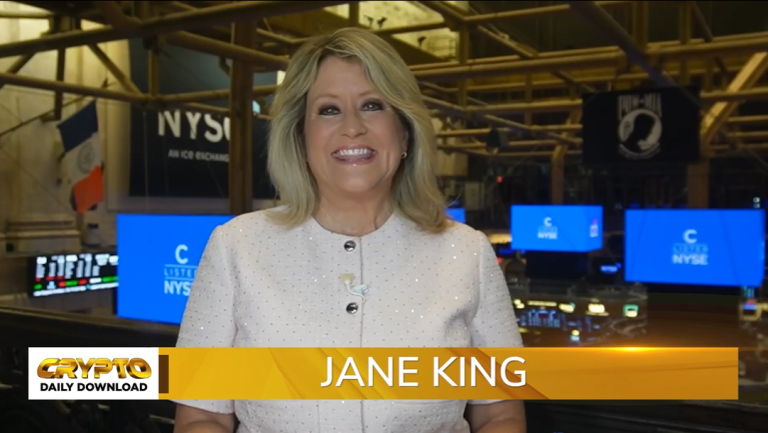
In this episode of Coin Street headlines, we dive into the latest headlines shaping the cryptocurrency landscape. Join us as we discuss: Michael Saylor’s Bitcoin Bet: Despite a significant drop in share price, Saylor remains confident in his Bitcoin strategy, which continues to outperform major tech stocks. We explore how Polymarket has received the green light to operate a U.S. trading platform, paving the way for new opportunities in the trading space. Discover how Klarna has become the first digital bank to issue a stablecoin on Tempo, a new Layer 1 blockchain developed by Stripe and Paradigm. Learn about U.S. Bancorp’s initiatives in the digital asset space, including their work on stablecoins and the potential for cheaper cross-border transfers. Jane King with the latest from the NYSE.

Consumer Sentiment and Holiday Sales: What to Expect This Season

Remy is joined by Brian Jacobson, Chief Economic Strategist at Annex Wealth Management. Brian discusses the mixed economic data that has emerged recently, including a modest increase in retail sales and signs of labor market softness. He emphasizes that while the Fed is divided, the balance of evidence leans more toward a rate cut rather than a pause.

As the holiday season approaches, Remy and Brian examine consumer sentiment, which has turned increasingly negative according to the latest Conference Board data. Despite expectations for U.S. holiday sales to surpass $1 trillion for the first time, Brian points out that this figure represents only a modest growth rate of three to four percent compared to last year. He highlights that consumers are becoming more selective in their holiday spending, focusing on fewer gifts while still seeking bargains.

The conversation then shifts to the stock market, where the S&P 500 has seen a significant gain of about 14% this year. Remy notes the historical trend of a “Santa Claus rally” during the last few trading sessions of the year and the first two of the new year. Brian shares insights on this phenomenon, suggesting that as long as the Fed does not disrupt the market with unexpected decisions, there could be positive momentum heading into the new year.

Finally, Remy and Brian address the relationship between the stock market and the broader economy, particularly in light of the recent AI investment boom. Brian explains that while the stock market is heavily influenced by AI developments, the overall economy is not as dependent on this sector. He provides a compelling analysis of how shifts in the AI landscape could impact market dynamics without necessarily jeopardizing economic stability.

AI Showdown: Alphabet vs. NVIDIA in the Tech Landscape

Remy Blaire is joined by Larry Tentarelli, the Chief Technical Strategist at Blue Chip Daily Trend Report, to discuss the current state of the stock market as Thanksgiving approaches. The episode begins with a focus on the S&P 500, which has fully rebounded from a recent sell-off following NVIDIA’s earnings report. Remy notes that all sectors of the S&P 500 are in positive territory, with communications, services, IT, and utilities leading the gains.

Remy and Larry delve into the S&P 500’s performance, highlighting that the index is currently trading above its 50, 100, and 200-day moving averages. Larry shares his insights on the market momentum, pointing out a significant reversal in stock performance, with 88% of S&P 500 stocks rising on Friday and 84% the following day. He expresses confidence that the lows for this pullback may be behind us, estimating a 75 to 80% chance of sustained upward movement.

The conversation shifts to Alphabet, Google’s parent company, which is experiencing a surge due to its advancements in artificial intelligence (AI). In contrast, NVIDIA faces challenges amid concerns about increased competition. Larry emphasizes the importance of owning both companies, as they are leaders in the AI space. He notes that while NVIDIA has seen a pullback, Alphabet has reached new all-time highs, indicating a significant shift in the AI landscape.

As they discuss the ongoing negotiations between Google and Meta regarding tensor processing units (TPUs), Larry suggests that this is more of an adjustment in the market rather than a complete shift in dominance. He maintains that NVIDIA remains a core leader in the AI hardware race.

With the Thanksgiving holiday approaching, Remy and Larry also touch on the rising expectations for a Federal Reserve rate cut in December, with probabilities now above 82%. Larry discusses the delicate balance the Fed must maintain between political pressures and economic realities, especially given the delayed data influencing their decisions.

The Fed’s December Decision: What Economic Indicators Are Telling Us

Remy Blaire is joined by Matt Orton, Chief Market Strategist at Raymond James Investment Management, to discuss the evolving landscape of the AI trade and broader market dynamics.

The conversation begins with a focus on NVIDIA, which recently reported impressive third-quarter earnings, achieving record data center revenue exceeding $51 billion. Despite this success, NVIDIA’s stock has seen a 7% decline over the past month. Remy and Matt explore the reasons behind this fluctuation, particularly in light of Alphabet’s recent advancements in AI, including its custom tensor processing units (TPUs) that are emerging as serious competitors to NVIDIA’s GPUs. Matt emphasizes the strong demand for artificial intelligence and suggests that the market can accommodate multiple winners, especially with increased competition from companies like Alphabet.

As they broaden the discussion, Remy highlights the significant year-to-date gains in major U.S. stock averages, largely driven by the AI trade. Matt shares his perspective on international markets, identifying Japan and India as compelling investment opportunities. He notes that Japan’s focus on AI and robotics positions it well for growth, while India, despite its recent underperformance, boasts strong GDP growth and a growing middle class that could enhance market strength in the future.

The segment also addresses concerns about market breadth, with Matt expressing that weak breadth among mega-cap stocks poses a risk to the overall market. However, he points out a positive rotation into sectors like healthcare, which could indicate a more sustainable recovery. The discussion shifts to the upcoming Federal Reserve meeting, where they analyze the implications of potential rate cuts and the importance of monitoring job growth and inflation data.