[stock-market-ticker symbols=" ^NYA;CRYPTO:BTC;CRYPTO:ETH;CRYPTO:USDT;CRYPTO:USDC;CRYPTO:BNB;CRYPTO:ADA;CRYPTO:XRP;CRYPTO:SOL;CRYPTO:DOGE " stockExchange="NYSENASDAQ" width="100%" transparentbackground=1 palette="financial-light"]

Home Blog Page 31

Ethereum Emerges as the Leading Blockchain for Institutional Adoption

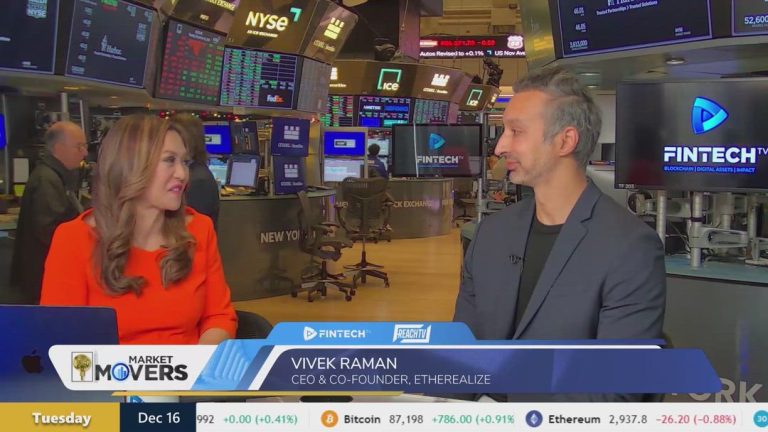
As 2026 approaches, the financial landscape is undergoing a significant transformation driven by the accelerating adoption of blockchain technology, with Ethereum emerging as a central force. Vivek Raman, CEO and co-founder of Etherealize, outlined how Ethereum’s growing role in institutional finance signals a deeper shift in how global financial systems are evolving. The convergence of traditional finance and cryptocurrency is no longer a speculative trend but a structural change reshaping the future of financial transactions.

A key theme from the discussion is Ethereum’s emergence as the most widely used institutional blockchain. Following the passage of the GENIUS Act, banks, asset managers, and fintech firms have increasingly turned to Ethereum and its Layer 2 networks to issue stablecoins and tokenize financial instruments. This regulatory milestone has accelerated the movement of traditional financial products on-chain, positioning Ethereum as foundational infrastructure for modern finance.

Recent examples underscore this momentum. JP Morgan’s tokenization of a money market fund and Fidelity’s initiatives to tokenize financial products highlight how major institutions are actively leveraging Ethereum’s capabilities. These developments are not only improving operational efficiency but also expanding access to liquidity and investment opportunities. Tokenization allows financial assets to be traded more seamlessly, improving transparency, settlement speed, and market participation.

While institutional adoption is a critical driver, the implications for retail investors are equally significant. According to Raman, Ethereum is increasingly operating as invisible infrastructure, similar to how the internet functions today. Retail users may interact with platforms like Robinhood without direct awareness that Ethereum’s blockchain is facilitating those transactions. This behind-the-scenes integration enables faster settlement, lower transaction costs, and continuous market access.

Ethereum’s growing presence also has the potential to significantly enhance the retail investor experience. By abstracting the complexity of blockchain technology, Ethereum enables broader access to financial products that were previously limited to institutional participants. This democratization aligns with the broader push toward financial inclusion, allowing individuals from a wide range of backgrounds to engage with global markets and participate in wealth creation.

Another emerging frontier discussed is the intersection of artificial intelligence and blockchain technology. AI agents are increasingly becoming users of secure, programmable blockchains like Ethereum, particularly in environments where traditional banking infrastructure is unavailable. Ethereum enables these agents to conduct programmatic payments and execute transactions autonomously, unlocking new operational efficiencies and use cases.

This convergence could pave the way for autonomous financial systems where AI manages transactions, investments, and risk analysis without direct human involvement. The potential improvements in efficiency, cost reduction, and reliability could fundamentally alter how financial services are delivered.

As Ethereum adoption accelerates, regulatory clarity remains a critical factor. Raman emphasized that while stablecoin legislation has provided meaningful momentum, additional regulatory frameworks such as the proposed Clarity Act could further unlock innovation. Clear and supportive regulation would likely encourage broader institutional participation, strengthening the overall financial ecosystem.

Ethereum’s role as a foundational layer for this transformation positions ETH as an increasingly important asset. As more institutions adopt Ethereum-based infrastructure, demand for the network and its native token is expected to rise, potentially setting the stage for a breakout period in 2026 and beyond.

Ultimately, Ethereum’s evolution represents more than technological progress. It reflects a fundamental rethinking of how financial systems operate. The convergence of traditional finance, blockchain technology, and artificial intelligence is creating new opportunities for both institutional and retail participants. As these developments continue to unfold, Ethereum appears poised to play a central role in building a more efficient, accessible, and inclusive global financial system.
From Stablecoins to Tokenized Assets, How XDC Networks Is Digitizing Finance

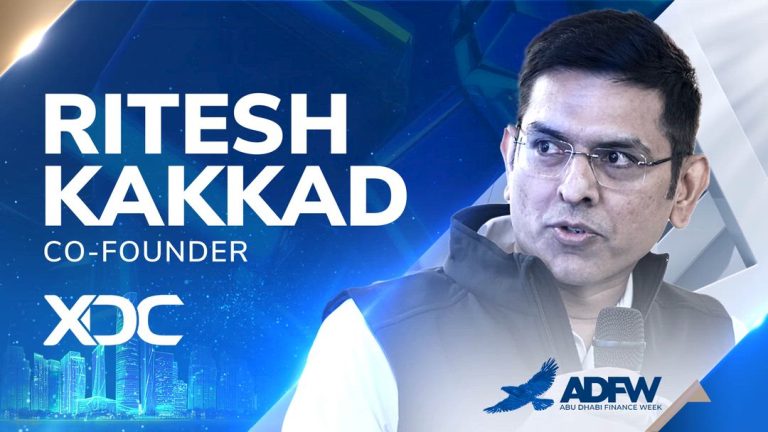
In the evolving landscape of finance and technology, the convergence of innovation and disruption continues to reshape how capital moves across global markets. During Abu Dhabi Finance Week, Lawrence Wintermeyer of FintechTV spoke with Ritesh Kakkad, founder of XDC Networks, about the company’s role in modernizing financial infrastructure and digitizing traditionally complex financial processes.

XDC Networks provides specialized infrastructure designed to digitize credit markets and invoice financing. Kakkad explained that while the first major wave of fintech focused on digitizing money itself, the industry has since progressed toward making money programmable. This evolution enables the tokenization of real-world assets, including commodities such as gold and silver, as well as financial instruments like bonds. By extending this capability to invoices and credit, XDC Networks is helping modernize segments of finance that have long relied on manual and paper-based systems.

Two major trends emerged from the discussion regarding the direction of the financial ecosystem. First, Kakkad emphasized the growing role of stablecoins as a settlement layer for both digital and real-world assets. As global commerce increasingly depends on faster and more reliable cross-border transactions, stablecoins are becoming a foundational component of modern financial infrastructure. Second, the tokenization of real-world assets is opening new pathways for ownership, liquidity, and investment access that were previously difficult to achieve.

Kakkad also highlighted the regulatory environment fostered by the Abu Dhabi Global Market (ADGM), which has positioned itself as a leader in digital asset regulation since 2019. He noted that clear regulatory frameworks are essential for building trust, encouraging innovation, and supporting sustainable growth within the fintech sector. ADGM’s focus on transparency and digitization has helped attract a global community of investors, entrepreneurs, and financial institutions looking to operate within a well-defined regulatory structure.

The energy at Abu Dhabi Finance Week reflected broader shifts underway in the global financial system. Kakkad pointed to discussions centered on digital transformation, remittances, and cross-border payments, underscoring the importance of international collaboration. These conversations highlighted how financial infrastructure is increasingly being redesigned to support seamless movement of money and assets across jurisdictions.

As blockchain technology, cryptocurrency, and sustainability investing continue to evolve, leaders like Ritesh Kakkad and platforms such as XDC Networks demonstrate how targeted innovation can drive meaningful change. By prioritizing the digitization of real-world assets and the adoption of stablecoins, XDC Networks is contributing to a more accessible, programmable, and efficient financial system. These efforts align with broader objectives, including the United Nations Sustainable Development Goals, by promoting transparency, inclusion, and efficiency in global finance.

The insights shared at Abu Dhabi Finance Week reinforce how asset tokenization and blockchain infrastructure are redefining financial markets. As these technologies mature, they are creating new opportunities for entrepreneurs and investors while guiding the financial industry toward a more inclusive and sustainable future.

Why Consumer Spending Is Holding Steady Despite Economic Pressure

0

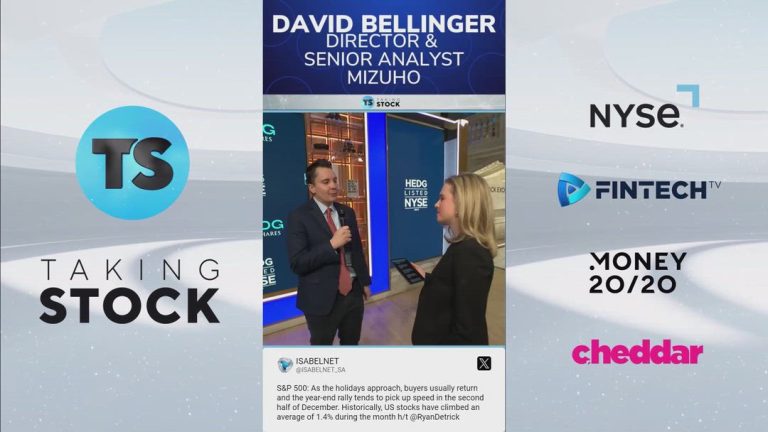
In today’s rapidly shifting economic environment, understanding consumer behavior has become increasingly important for businesses, investors, and policymakers. David Bellinger, director and senior analyst at Mizuho, offered valuable insight into the current state of consumer spending, revealing an economy defined by stability tempered with caution. His analysis highlights how inflation, broader economic pressures, and seasonal patterns are shaping spending decisions across households.

Central to the discussion was the observation that consumer spending remains relatively stable, but confidence is far from unwavering. As the holiday season approaches, traditionally a period of heightened retail activity, consumers appear cautiously optimistic rather than exuberant. Bellinger noted that many households are continuing to spend, yet they are doing so with increased deliberation. This reflects a broader mindset in which consumers remain engaged in the economy while closely monitoring their personal financial health.

Inflation continues to play a defining role in shaping purchasing behavior. Rising prices have prompted many consumers to reassess priorities, leading to more selective spending decisions. According to Bellinger, households are increasingly focused on value, seeking discounts and favoring essential purchases over discretionary or luxury items. This shift underscores the complexity of consumer behavior in an environment where costs remain elevated. For businesses, adapting to this reality means aligning offerings with value-driven expectations rather than relying on impulse-driven demand.

The conversation also explored how economic pressures influence overall consumer confidence. Factors such as job security, wage growth, and perceptions of economic stability continue to weigh on household decision-making. Bellinger emphasized that even as certain indicators point toward economic resilience, lingering uncertainty encourages restraint. This tension is especially relevant during the holiday season, when spending traditionally accelerates but may now reflect a more measured approach.

The interaction between cautious optimism and financial discipline creates a nuanced consumer landscape. Shoppers are not retreating entirely, but they are navigating purchases with heightened awareness. This environment presents both challenges and opportunities for businesses attempting to engage consumers who are willing to spend, but only when value and necessity align.

In summary, consumer spending today reflects a careful balance between stability and restraint. As the holiday season approaches, households appear resilient but mindful, adjusting behavior in response to inflation and broader economic pressures. The insights shared by David Bellinger highlight the importance of closely monitoring these trends. While spending remains intact, it is increasingly shaped by caution, reinforcing the need for businesses and investors to remain adaptive in an economic climate defined by uncertainty and evolving consumer priorities.

Blockchain Breakthrough: Stablecoin 2.0 Sets Stage for Major Financial Shift


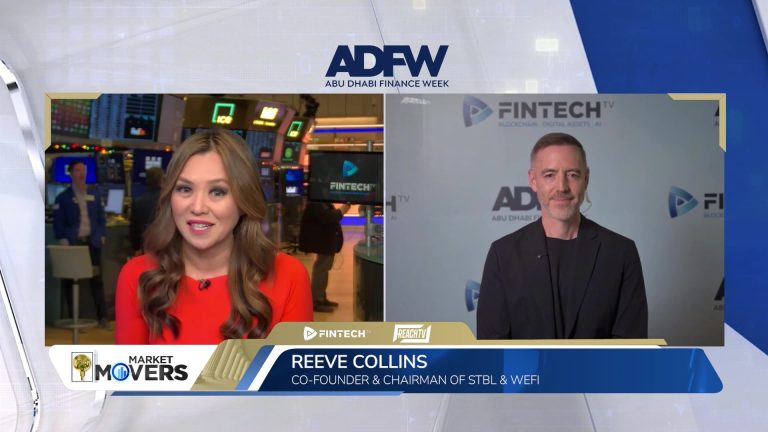
In the rapidly evolving world of cryptocurrency and blockchain technology, few innovations are generating as much interest as the introduction of Stablecoin 2.0. Spearheaded by Reeve Collins, co-founder and chairman of STBL and WeFi, this next generation approach to stablecoins has the potential to disrupt the financial ecosystem by transforming real-world assets (RWAs) into digital currencies.

In a recent interview at Abu Dhabi Finance Week, Collins explained how Stablecoin 2.0 is designed to address the limitations of first-generation stablecoins while introducing a more community driven financial model. “It’s the evolution of the stablecoin,” Collins said, noting that although the first wave of stablecoins improved the instant movement of money, the industry has since recognized the importance of keeping collateral on-chain.

At the center of Stablecoin 2.0 is a two-part system that divides the traditional stablecoin into separate components: the Universal Stablecoin Token (USST) and the Yield Token (YLD). The USST represents the principal amount deposited by users and can move seamlessly across decentralized finance (DeFi) platforms. The YLD acts as a tokenized income stream, giving users access to the yield generated from their deposits. This structure adds a level of regulatory compliance with frameworks like the Genius Act in the U.S. while allowing users to benefit from earnings without complicating their transactions.

Collins emphasized how new technologies are removing barriers that once existed within centralized financial institutions. Highlighting the promise of decentralized finance, he stated that “the promise of Web3 is that the community, the people who put the money into the system, are the ones that should reap the rewards.” Through this model, approximately 80% of revenue generated returns directly to users rather than being absorbed by centralized entities.

Tokenization represents a significant shift in how financial assets are perceived and utilized. By bringing RWAs such as government bonds and money market funds onto the blockchain, Collins believes the financial ecosystem can operate more efficiently and scale more effectively. This shift enhances accessibility and encourages broader participation, accelerating the adoption of digital currencies across global markets.

When asked about the potential for mainstream adoption of stablecoins and tokenized assets, Collins pointed to the evolving regulatory landscape as a crucial catalyst. “Once the regulations get finalized, you’ll see big players getting involved,” he shared. As traditional institutions warm to blockchain technology, stablecoins are expected to become integrated into everyday financial operations, strengthening the overall system.

Stablecoin 2.0 reflects a broader vision where technology enhances financial inclusion. According to Collins, future banking and financial systems may feature large organizations issuing their own currencies, giving them greater control over their ecosystems, consumer data, and revenue streams while also rewarding users for participating in the network.

“You can see similar models emerging within banking Web3 banking and on-chain banking,” Collins said. This approach marks a shift in power from centralized institutions to individual users and underscores the importance of community engagement in financial systems.

As the financial world stands on the threshold of this next phase, fueled by advancements in cryptocurrency, AI, and blockchain, the goal of creating a more equitable and sustainable financial landscape feels increasingly attainable. With pioneers like Reeve Collins driving innovation, the path toward mainstream adoption of stablecoins and tokenized assets grows clearer.

In conclusion, Stablecoin 2.0 is more than a technical upgrade. It represents a transformative movement redefining how value, capital, and community participation operate within modern finance. The future is headed toward a decentralized economy where users play an active role and have a meaningful stake in the systems that shape their financial lives.

Bitcoin Resilience at $87K Highlights Maturing Crypto Market in 2025

Bitcoin has shown notable resilience in recent weeks, climbing back to the $87,000 level as broader market sentiment continues to evolve. Entering 2025, cryptocurrency is increasingly viewed less as a speculative trade and more as a strategic asset embraced by governments, corporations, and institutional investors. This shift has accelerated significantly over the past year, marking an important turning point for Bitcoin and the digital asset market as a whole.

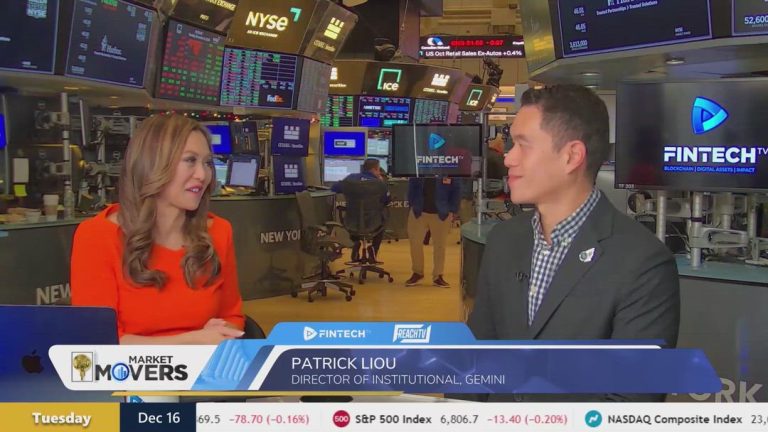
To unpack these developments, Remy Blaire spoke with Patrick Liou, director of institutional at Gemini, who shared insights into how market structure, adoption, and investor behavior are changing. One central theme of the discussion focused on Bitcoin’s long-standing four-year cycle narrative and whether it still applies in today’s more mature digital asset environment.

Liou explained that as the market looks toward year-end and beyond, Bitcoin’s ecosystem is showing clear signs of expansion and diversification. The growth of institutional investment products, improved fiat-to-crypto access, and reduced volatility all point to a more stable market structure. According to Liou, these developments may ultimately weaken the predictive power of the traditional four-year cycle that has historically guided investor expectations.

Despite Bitcoin’s recent rebound, Liou acknowledged that 2025 has been marked by volatility across asset classes, including equities and commodities. While Bitcoin is projected to finish the year with negative returns, he characterized the current phase as a period of consolidation rather than decline. This consolidation, he suggested, could lay the foundation for renewed growth as structural adoption continues to deepen.

Digital asset treasury companies were another focal point of the conversation. Liou noted that these firms experienced rapid growth during the first half of 2025, driven largely by significant allocations to Bitcoin and Ethereum. However, the market is beginning to reach saturation. Going forward, these companies will need to demonstrate more than balance sheet exposure, proving their ability to innovate through financial engineering, capital markets strategies, and differentiated business models.

Looking ahead to 2026, Liou emphasized that political engagement around cryptocurrency is expected to intensify. As midterm elections approach, both political parties are increasingly acknowledging the importance of digital assets. Unlike prior years, when crypto policy often divided lawmakers, bipartisan efforts are now emerging in the Senate aimed at advancing regulatory frameworks that could directly shape the industry’s future.

A key theme from the discussion was Bitcoin’s evolving identity as “digital gold.” Liou described Bitcoin as a superior store of value compared to traditional gold due to its portability, divisibility, and liquidity. He suggested that sovereign nations may eventually reallocate portions of their gold reserves into Bitcoin as part of broader diversification strategies and efforts to reduce reliance on the US dollar.

Gemini’s recent push into prediction markets was also highlighted as a notable innovation. After securing CFTC licensing, Gemini introduced a platform allowing users to make outcome-based predictions while hedging market exposure. Liou believes the full impact of prediction markets will become clearer in 2026, with crypto-driven platforms leading broader adoption.

As the digital asset landscape continues to evolve, Liou’s insights reflect a market moving toward maturity rather than speculation. Institutional participation, political engagement, and financial innovation are reshaping Bitcoin’s role within the global financial system.

In conclusion, Bitcoin’s recovery to $87,000, combined with shifting investor behavior and regulatory momentum, underscores a crypto market undergoing structural transformation. As governments, institutions, and technology firms increasingly integrate digital assets into long-term strategies, Bitcoin is positioning itself as a core component of the modern financial ecosystem rather than a fringe asset class.

Climate Risk Data Is Changing How Investors View Real Estate

The recent removal of a climate risk feature by Zillow, the nation’s largest real estate listing website, has sparked an intense debate over how climate transparency should intersect with housing markets. The tool ranked more than one million homes based on exposure to extreme weather risks, including flooding, wildfires, heat stress, and air quality concerns. Its removal followed backlash from real estate agents and homeowners who questioned the accuracy of the data and its potential impact on home values and sales.

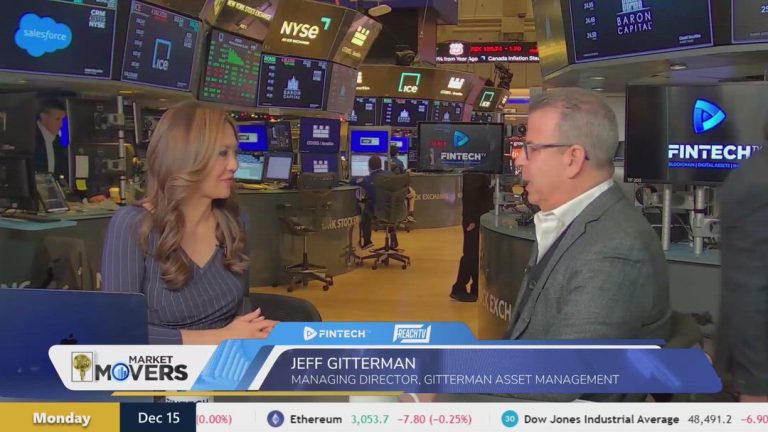
To better understand the implications of Zillow’s decision, Jeff Gitterman, managing director of Gitterman Asset Management, shared his perspective on how climate risk data is reshaping real estate and investor decision making. Gitterman pointed to pressure from the California Multilisting Organization (CMLS), which requested the feature be taken down over concerns it could materially affect property transactions. Data cited by CMLS showed that homes identified as having significant flood risk experienced an 8% decline in value compared to lower risk properties.

Gitterman noted that the controversy highlights a broader tension between historical data and forward looking climate science. While some stakeholders argue that past weather patterns suggest certain properties are safe, First Street, a leading climate risk data provider, relies on advanced modeling that factors in evolving climate conditions. According to Gitterman, First Street’s data is widely used by banks and insurance companies and is considered among the most credible sources available, particularly given the limitations of outdated FEMA flood maps.

The reliance on legacy mapping tools continues to complicate real estate decision making. Gitterman emphasized the need for more sophisticated models, including artificial intelligence driven forecasting, to better assess future climate exposure. He also pointed to resources such as Probable Futures, which provides free climate risk maps and forward looking parameters to help homeowners and buyers understand potential threats.

Despite improvements in climate modeling, Gitterman cautioned that no dataset can provide absolute certainty. He advised buyers to conduct thorough due diligence by reviewing multiple data sources, understanding local floodplain conditions, and examining historical climate trends. He also highlighted that homeowners can reduce exposure and insurance costs through preventative upgrades and resilience focused property improvements.

Recent years have underscored how rapidly climate risks are changing. Gitterman cited Asheville, North Carolina, as an example of an area not historically associated with catastrophic flooding, yet recently devastated by extreme rainfall events. He also referenced New York City, where aging infrastructure is increasingly overwhelmed by flash floods driven by intense storms. These developments signal a shifting risk profile for many communities previously considered safe.

Gitterman warned that the real estate market may face ongoing friction between sellers seeking to maximize prices and buyers who are becoming more climate aware. He compared the current environment to the lead up to the 2008 housing crisis, when poorly understood risks embedded in financial products contributed to widespread market instability. As climate conscious buyers demand greater transparency, this tension is likely to intensify.

For prospective homebuyers, Gitterman stressed the importance of evaluating FEMA risk maps, reviewing property elevation data, and understanding long term insurance implications. Purchasing in high risk areas may lead to sharply rising premiums or reduced insurance availability as climate impacts worsen. These considerations are becoming essential components of financial planning in real estate.

In conclusion, the debate surrounding Zillow’s climate risk feature reflects a broader reckoning within the housing market. As climate data becomes more sophisticated and widely available, homeowners and buyers must take a proactive approach. By leveraging credible tools and conducting comprehensive research, individuals can protect their investments while contributing to a more resilient and transparent real estate market in an increasingly uncertain climate future.

WisdomTree Brings Money Market Funds On-Chain With Tokenized Yield

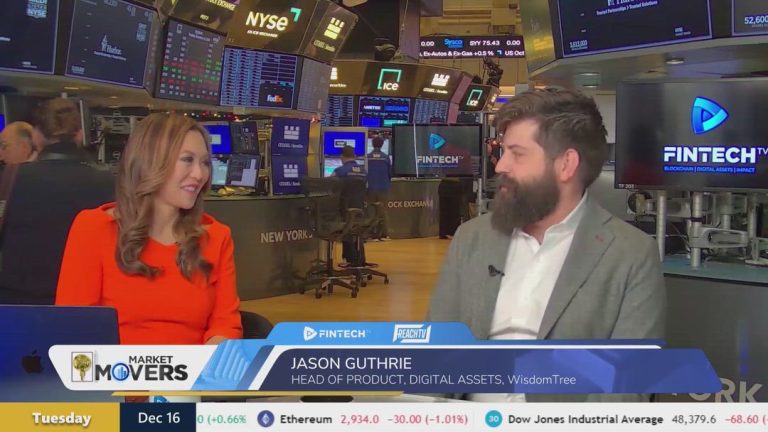
In a rapidly changing financial landscape, the rise of tokenized money market funds is emerging as a pivotal shift in how digital assets and traditional finance converge. Jason Guthrie, head of product for digital assets at WisdomTree, joined a live discussion at the New York Stock Exchange to outline how these products are reshaping access to yield and redefining financial infrastructure.

Tokenized money market funds are structured to provide access to risk-free yields within a blockchain-native environment. Guthrie explained that interest in these products accelerated following high-profile crypto bankruptcies such as FTX and Celsius, which exposed the risks tied to opaque yield generation strategies. Tokenization, he noted, represents more than a new product category. It reflects a broader shift toward transparency, accessibility, and trust in financial markets.

By leveraging familiar regulatory structures like the 40 Act framework already used for ETFs, WisdomTree is able to bring money market funds on-chain while maintaining compliance and broad accessibility. Guthrie emphasized that while the crypto industry has often drawn sharp distinctions between institutional and retail investors, WisdomTree is focused on creating products that democratize access to high-quality financial tools.

According to Guthrie, bringing institutional-grade strategies onto the blockchain delivers meaningful advantages for all participants. The firm does not view investment strategies as strictly institutional or retail. Instead, the objective is inclusivity. Tokenization reduces transaction friction, accelerates settlement, and opens access to financial products traditionally reserved for large institutions, benefiting investors across the spectrum.

Liquidity is a central pillar of tokenization’s value proposition. Guthrie explained that internet-native market infrastructure allows investors greater control over their financial lives. Lower barriers to entry, improved cross-border remittances, and reduced settlement times are key outcomes of this model. With near-instant settlement capabilities, tokenized funds support an emerging era of “instant finance,” aligning with modern consumer and investor expectations.

The discussion also explored the evolving relationship between traditional finance and decentralized finance. Guthrie highlighted the need for flexible workflows that serve different user profiles. Retail investors tend to prefer intuitive fintech-style platforms, while institutional participants require robust compliance and control systems. WisdomTree’s strategy focuses on building tokenized products that integrate seamlessly across both environments, fostering a more unified financial ecosystem.

Looking toward 2026 and beyond, Guthrie expects continued innovation in bringing financial logistics on-chain. Improved collateral management and operational efficiencies are among the most promising developments. The ability to post and recall collateral quickly could significantly reduce capital requirements, unlocking new liquidity across markets. These advancements position tokenization as a catalyst for long-term structural change in finance.

As the financial system undergoes digital transformation, tokenized money market funds demonstrate how blockchain technology can complement established investment frameworks. Guthrie emphasized that inclusivity and democratization remain central goals, ensuring that emerging financial technologies benefit a broad range of participants. As adoption accelerates, tokenization is poised to reshape yield generation, liquidity management, and sustainable investing across both traditional and digital asset markets.

NYSE Strategist Breaks Down Fed Rate Cut and Market Rotation

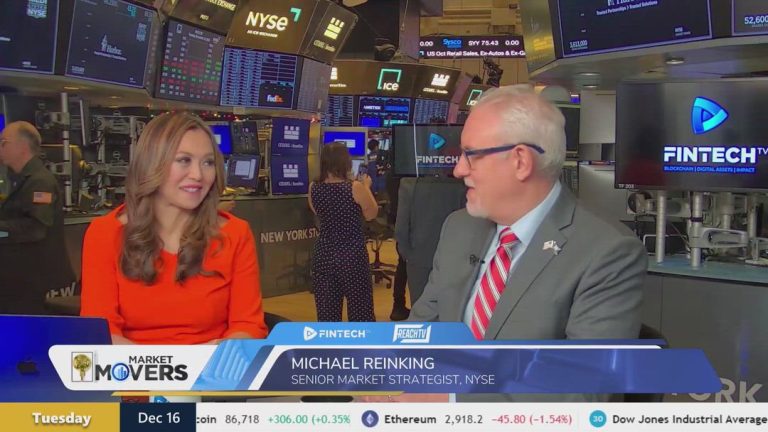
The interview examines recent economic developments in the United States, with a focus on Federal Reserve actions and their implications for the stock market. The discussion features Michael Reinking, senior market strategist for the New York Stock Exchange, who offers perspective on how these policy shifts are influencing investor behavior and broader market trends.

Recent economic data includes a Federal Reserve rate cut of 25 basis points, alongside an unexpected announcement that the Fed will purchase approximately $40 billion in Treasury bills each month through April. Reinking emphasizes that labor market data remains complex. While October recorded a decline of 105,000 jobs, largely driven by federal job cuts, the private sector showed resilience, posting job growth of more than 50,000 in both October and November.

The unemployment rate rose to 4.6% in November, though Reinking stressed that this increase does not reflect economic deterioration. Instead, it coincided with higher labor force participation. Inflation remains a concern, but pay data has stayed stable, suggesting wage growth is unlikely to intensify inflation pressures ahead of upcoming economic releases. Although retail sales headlines appeared weak, a closer look at the control group revealed a strong 0.8% increase, exceeding expectations.

Reinking then turned to the broader market rotation currently underway. As expectations around Federal Reserve policy shift in a more dovish direction, investment patterns are adjusting accordingly. Concerns within the artificial intelligence trade have begun drawing capital away from other sectors, a dynamic Reinking described as ‘fracturing’ within that market segment. Heightened scrutiny around debt financing and profitability, particularly among major technology firms, has prompted traders to rotate toward more stable areas of the market.

Seasonality is also influencing market behavior. Reinking noted that year-end often brings tax loss selling and mean reversion strategies into focus, which can impact trading dynamics as investors reposition portfolios heading into the new year. Throughout the conversation, a bullish tone emerged regarding the S&P 500, supported by expectations for solid corporate earnings extending into 2024, along with continued fiscal and monetary policy support.

The discussion concluded with Reinking’s outlook on precious metals. He attributed part of their recent strength to a weakening US dollar and growing discussion around dedollarization. While maintaining a constructive stance on the sector, he cautioned that the pace of recent gains may not be sustainable over the long term.

Overall, Reinking’s insights capture the interplay between economic data, investor sentiment, and market performance. As the year draws to a close, market participants continue navigating an environment shaped by monetary policy decisions, inflation trends, and evolving investment narratives, underscoring the importance of disciplined and strategic investment planning.

Rep. Timmons Says U.S. Must Lead as Crypto Market Structure Takes Shape

Discussions surrounding cryptocurrency, digital assets, and blockchain technology have reached a critical inflection point in American politics. With comprehensive legislative frameworks still under development, political leadership continues to shape the trajectory of the crypto industry. The urgency for clear regulation is mounting, particularly as the Senate evaluates two major bills that could define the structure of the U.S. crypto market.

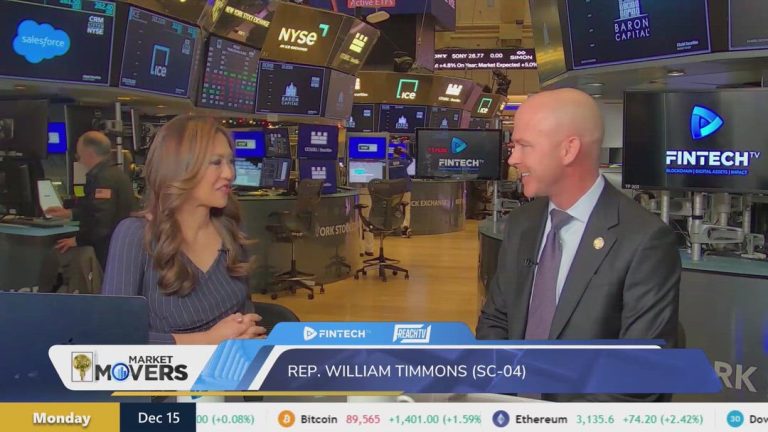
Representative William Timmons, a Republican from South Carolina, recently addressed these developments during a discussion at the New York Stock Exchange. Timmons, who chairs the Military and Foreign Affairs Subcommittee and serves on the House Financial Services Committee, underscored the importance of establishing a regulatory framework that preserves the United States’ position at the center of the global economy. He emphasized that digital technology and blockchain innovation are essential tools for driving future efficiencies across both Main Street and Wall Street.

Timmons described 2025 as a defining year for digital assets, one that demands swift legislative action. He expressed optimism that a new market structure framework could be implemented by the first quarter of next year. The proposed legislation aims to promote innovation while ensuring the U.S. remains a global leader in emerging technologies, including finance, blockchain infrastructure, and sustainability investing.

The conversation also explored the role of cryptocurrency and blockchain in strengthening economic resilience. Timmons highlighted how these technologies can improve efficiency across industries and noted that the speed of congressional action will directly influence the country’s ability to capitalize on future growth opportunities. This urgency is amplified by rising retail investor participation in the crypto market, which has intensified the need for balanced regulations that protect consumers without stifling innovation.

Looking ahead to 2026, Timmons outlined additional legislative priorities, including potential bills addressing non-fungible tokens. He explained that NFT legislation could be layered on top of the proposed market structure, signaling broader acceptance of digital assets and their growing role in wealth creation and investment strategies.

Timmons also addressed the economic potential created by a more balanced regulatory approach. He argued that reducing unnecessary restrictions would allow Americans to pursue entrepreneurship more effectively and framed the current political environment as a period of necessary disruption. In contrast to prior policies, he suggested this approach better aligns with long-term economic opportunity and innovation.

As attention turns toward midterm elections and continued economic recovery, Timmons emphasized the interconnected nature of policy decisions, including trade agreements, tax reform, and inflation control. He stated that lowering inflation and creating favorable investment conditions would drive growth across both Wall Street and Main Street.

Concerns surrounding the possibility of another government shutdown were also discussed. Timmons stressed the importance of bipartisan cooperation to ensure government continuity and economic stability. He noted that operational disruptions create unnecessary obstacles for businesses and households navigating an already complex economic environment.

Overall, the urgency surrounding cryptocurrency and blockchain regulation is increasingly evident. Policymakers like Representative Timmons are playing a central role in shaping the regulatory narrative at a time when technology, finance, and public policy are converging. As innovation accelerates, the decisions made in Washington will have lasting implications for how the United States competes globally and how digital assets are integrated into a sustainable and resilient economic framework.

Equable Shares CEO Rings NYSE Bell as Firm Launches HEDG ETF

0

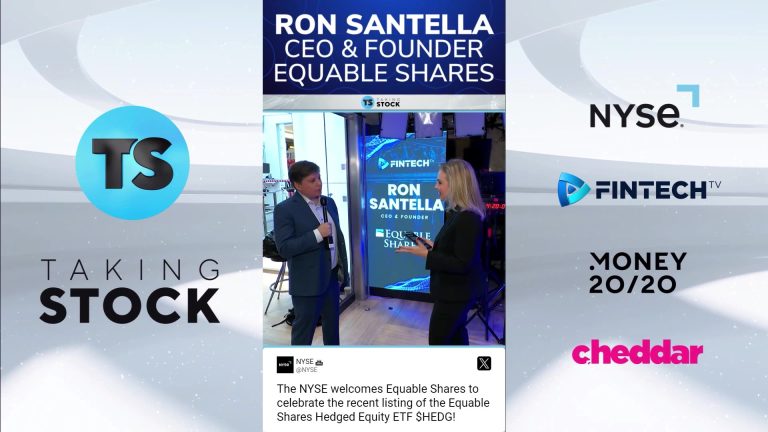
FintechTV recently welcomed Ron Santella, CEO and founder of Equable Shares, a Naples, Florida based firm specializing in hedge strategies, to discuss the launch of the company’s flagship ETF, HEDG. The appearance coincided with a major professional milestone for Santella, who rang the closing bell at the New York Stock Exchange, a ceremonial moment symbolizing the culmination of years of work in the financial markets.

Santella described the occasion as especially meaningful, noting that he was following in the footsteps of his twin brothers, who had previously taken part in the NYSE bell ringing tradition. The moment represented both a personal achievement and a professional validation. Equable Shares, now in its eighth year of operation, has been gaining traction within the investment community, particularly following its transition from a mutual fund structure to an exchange traded fund. The move reflects a broader industry trend favoring ETFs over traditional investment vehicles.

Equable Shares focuses on delivering customized hedging strategies designed for individual investors. Drawing on extensive market experience, the firm aims to balance risk management with long term returns. The HEDG ETF is structured to provide exposure to the S&P 500 while prioritizing risk reduction and volatility control. Santella compared the strategy to homeowners insurance, explaining that just as individuals protect their homes from unforeseen events, investors should consider protecting their portfolios from market disruptions.

The decision to convert from a mutual fund to an ETF was driven by shifting investor preferences. ETFs now hold more than $14 trillion in assets globally, underscoring their growing dominance in the investment landscape. The transition aligns Equable Shares with market demand and reinforces its client focused approach. Investors increasingly seek low volatility solutions, and HEDG is positioned to appeal to those who want S&P 500 exposure without the full impact of market swings.

HEDG primarily targets large cap stocks within the S&P 500 and is designed as a beta oriented investment product. Santella explained that the fund employs a systematic hedging strategy that is recalibrated every 90 days, allowing it to adjust to changing market conditions. This approach may become increasingly relevant as market participants anticipate a shift toward more defensive investment strategies following an extended period of strong equity performance.

The broader market environment has contributed to growing interest in the HEDG ETF. As investors prepare for potential volatility after years of gains, demand for lower risk investment options has intensified. Santella noted rising interest in the fund, reflecting both market caution and a desire for portfolio protection without fully exiting equities.

Looking ahead, Equable Shares plans to build on its early momentum. Since launching on October 13, the ETF has already recorded approximately 20% growth, highlighting its appeal in a complex and uncertain investment climate. Santella also indicated plans to introduce an additional ETF in 2026 that would apply similar hedging strategies to a different index, signaling the firm’s continued commitment to innovation.

In conclusion, Ron Santella’s appearance at the New York Stock Exchange represents more than a ceremonial moment. It reflects Equable Shares’ strategic positioning within the evolving ETF market. With a focus on risk management, client driven solutions, and product innovation, the firm is positioning itself as a meaningful contributor to modern investment strategies. As finance and technology continue to converge, Equable Shares stands poised to play a growing role in shaping portfolio protection strategies aligned with long term market realities and sustainable investing principles.