[stock-market-ticker symbols=" ^NYA;CRYPTO:BTC;CRYPTO:ETH;CRYPTO:USDT;CRYPTO:USDC;CRYPTO:BNB;CRYPTO:ADA;CRYPTO:XRP;CRYPTO:SOL;CRYPTO:DOGE " stockExchange="NYSENASDAQ" width="100%" transparentbackground=1 palette="financial-light"]

Home Blog Page 28

Behind the Scenes at Augusta: Merchandise, Media Partnerships and The Unique Experience of the Masters

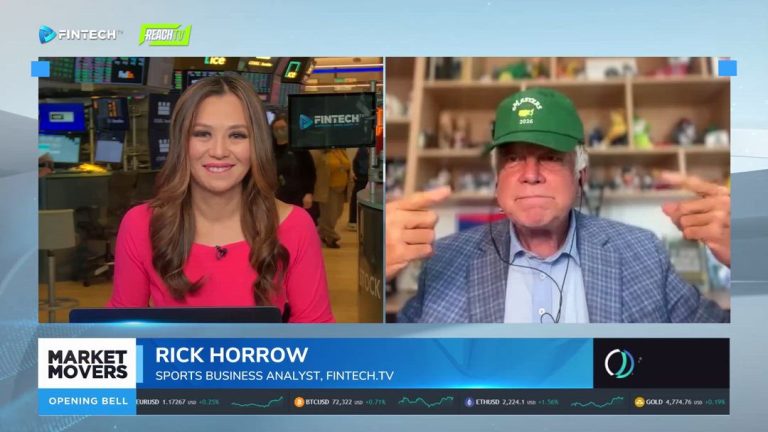
In this episode of Market Movers, we dive into the excitement surrounding the 2026 Masters Tournament at Augusta National. Defending champion Rory McIlroy is tied for the lead, with Bryson DeChambeau facing the risk of missing the cut. We discuss the unique atmosphere at Augusta, particularly the surprisingly low prices at the concession stands, which have become a hot topic among fans.

Rick Horrow, a Sports Business Analyst at FINTECH.TV, joins Remy Blaire to share insights on the key storylines of the tournament, including the high demand for Masters merchandise, like the popular gnomes priced at $150. Rick highlights the economic impact of the Masters, which generates around $150 million and attracts approximately 250,000 visitors each year.

We also touch on the recent addition of Amazon Prime Video as a media partner, expanding coverage of the event. Finally, we shift gears to discuss the Department of Justice’s investigation into the NFL’s subscription pricing, exploring the implications for consumers and the evolving landscape of sports broadcasting.
Economic Implications of the U.S.-Iran Ceasefire: A Deep Dive with Michele Schneider

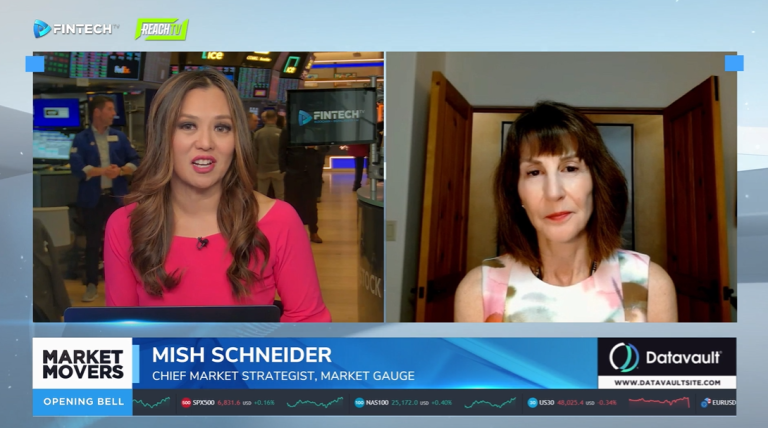
Michele Schneider, Chief Market Strategist at Market Gauge, joins Remy Blaire to discuss the current macroeconomic landscape, particularly in light of a fragile ceasefire involving the U.S., Israel, and Iran.

Michele highlights that while the market was showing signs of stabilization before the negotiations, we may be entering a trading range reminiscent of historical geopolitical events. He points out that the S&P could face resistance around 7,000, with potential dips towards 6,000 due to ongoing issues like the Iranian conflict, rising oil prices, and vulnerabilities in the U.S. economy.

We also examine recent labor data, noting that while nonfarm payrolls have increased and unemployment is down, wage growth remains stagnant. Michele suggests that the Federal Reserve might keep rates higher for longer, especially given the fragility of the labor market and the impact of rising oil prices.

The discussion then shifts to the agricultural sector, which is facing challenges due to a global fertilizer supply crunch and potential drought conditions. Michele recommends keeping an eye on agricultural ETFs as a potential investment opportunity.

We also touch on rising mortgage rates and their impact on the housing market, as well as the risks associated with private credit. Michele emphasizes the importance of monitoring the bond market and the consumer sector, as the Fed navigates a complex economic environment.

In terms of currency, we discuss the implications of the U.S. dollar’s performance and the potential threat to the petrodollar system, especially in light of discussions around pricing oil in yuan or cryptocurrencies. Mish advises watching the dollar closely, as its decline could have significant global repercussions.

Finally, we explore the role of cryptocurrencies, particularly Bitcoin, in the current economic climate. Michele notes that Bitcoin has shown resilience and could serve as a hedge against inflation and fiat currency concerns.

Privacy in Blockchain: The Key to Traditional Finance’s On-Chain Adoption

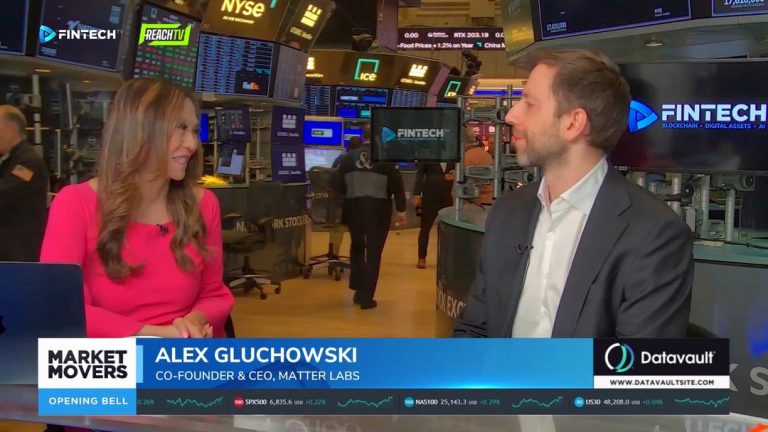
Alex Gluchowski, co-founder and CEO of Matter Labs, joins Remy Blaire to discuss the ongoing battle over the future of money, particularly focusing on the regulatory landscape surrounding stablecoins and tokenized bank deposits.

We explore the key differences between stablecoins and tokenized deposits, highlighting that while both utilize blockchain technology, they are treated differently from a legal perspective. Stablecoins are considered bearing instruments, whereas tokenized deposits represent actual bank balances and come with FDIC insurance.

Alex shares insights on the importance of privacy technology in bridging the gap between traditional finance (TradFi) and decentralized finance (DeFi). He emphasizes that privacy is a significant concern for banks, which cannot disclose their transaction flows publicly. This is where Zero Knowledge Proofs come into play, enabling banks to operate securely on blockchain networks.

We also discuss Matter Labs’ recent partnership with BitGo, which provides banks with a comprehensive solution for tokenization and regulated custody. Alex mentions their new privacy technology, Prividium, which is already available and gaining traction among institutions.

Markets on Edge: Inflation, Oil Prices and Middle East Tensions Drive Volatility

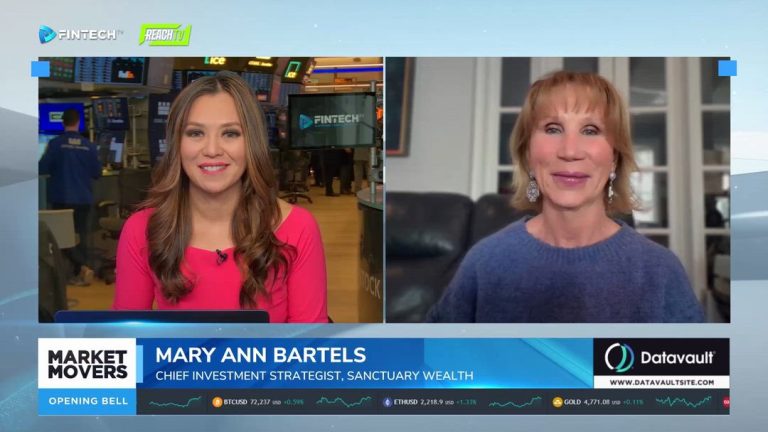
In this episode of Market Movers, we dive into the current state of the markets following recent inflation figures and geopolitical tensions, particularly in the Middle East. Mary Ann Bartels, Chief Investment Strategist at Sanctuary Wealth, joins Remy Blaire to discuss the implications of these developments.

We analyze how the markets are responding to the latest inflation data, which, while expected, could pose challenges if trends continue. Mary Ann remains bullish on the S&P 500, setting a year-end target of 7,500, but cautions that volatility is likely to persist, especially with rising crude oil prices due to ongoing tensions in the Strait of Hormuz.

Mary Ann highlights that, despite elevated oil prices, consumer spending remains strong, supported by wage growth and tax refunds. This resilience in consumer behavior is a positive sign for the economy, although she notes that higher energy costs could eventually impact businesses negatively.

As we approach earnings season, particularly with banks reporting soon, we discuss the importance of listening to corporate leaders regarding the effects of rising energy prices on their operations.

We also touch on the fixed income market, where Mary Ann expresses a cautious stance, favoring shorter-duration bonds and emphasizing the importance of quality investments. She believes that equities will offer better long-term returns compared to fixed income.

In terms of sector performance, we explore opportunities within the S&P 500, noting that while energy is currently leading, technology—especially semiconductors—remains a key area of interest. Mary Ann also points out potential in metals and industrials, particularly in infrastructure and defense sectors.

Finally, we discuss the cryptocurrency market, with Bitcoin showing some gains. Mary Ann acknowledges the volatility in crypto but suggests that for high-risk investors, including a portion of crypto in their portfolios could be beneficial in the long run.

U.S. Bank on AI, Fintech Partnerships & the Future of Banking

0

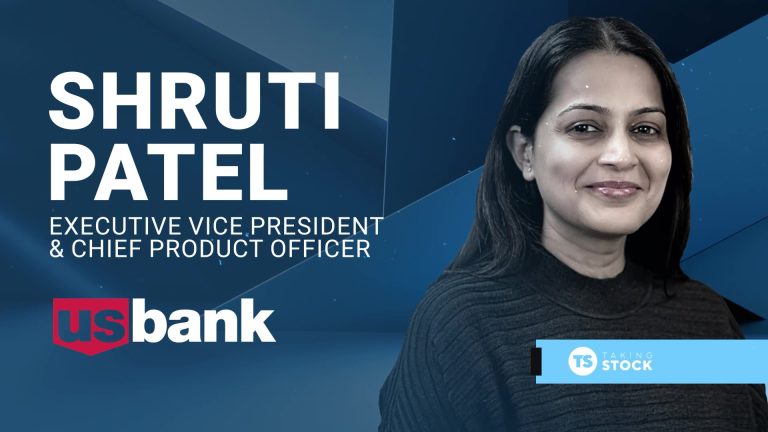
In this conversation, Scarlett Sieber speaks with Shruti Patel, Executive Vice President and Chief Product Officer at U.S. Bank, about how one of the largest financial institutions is driving innovation through strategic partnerships, digital transformation, and customer-first product development. They discuss U.S. Bank’s award-winning partnership with Greenlight, which earned the Grand Prix in the partnerships category, and how it is helping families teach children financial literacy by enabling smarter spending, budgeting, and money management tools.

Shruti explains that partnerships with fintech companies are central to U.S. Bank’s strategy, allowing the bank to bring innovative solutions to market faster and at scale. She highlights how Greenlight addresses a key customer need helping parents raise financially responsible children, while also driving strong engagement across the bank’s consumer base. The discussion also explores major trends shaping the banking industry today, including the growing role of AI in fraud detection, underwriting, and customer service, as well as the emerging potential of stablecoins and tokenized deposits in modern financial infrastructure.

How Kids Can Learn Money, Crypto & Investing Early 

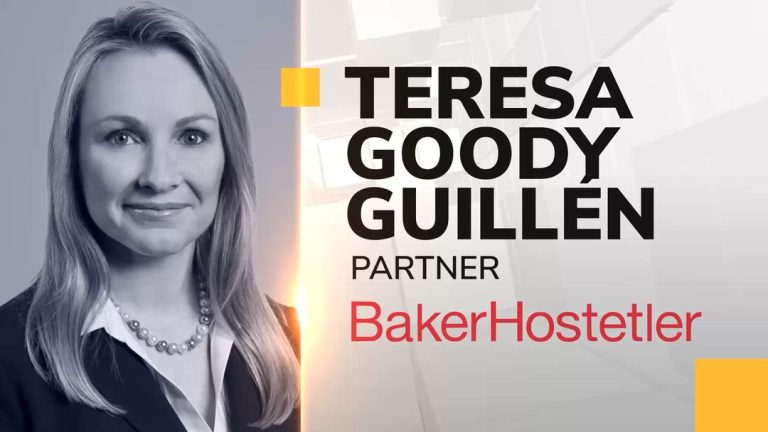
In this episode, Dalia D’Agostino speaks with Teresa Goody Guillén, partner at BakerHostetler and a highly respected crypto lawyer, to explore how kids and beginners can better understand money, technology, and financial literacy in an increasingly digital world. Dalia shares her mission of teaching financial education to kids through her YouTube channel, and together they dive into practical advice on learning, focus, and building strong money habits from an early age.

Teresa explains how she stays focused when reading complex legal and technical documents by identifying clear goals, breaking problems into smaller questions, and building patience like a “mental muscle” that improves with practice. She also shares tips for improving reading and comprehension skills, emphasizing the importance of writing things down, engaging actively with information, and developing consistency over time to strengthen understanding.

The conversation also explores how to keep up with fast-changing technologies like crypto and Web3. Teresa highlights the importance of understanding fundamentals, following reliable thought leaders, and staying curious rather than chasing every new trend. She stresses that while the digital world is evolving quickly, having strong foundational knowledge makes it easier to identify what truly matters.

The Smartest Money Lessons Every Kid Should Learn

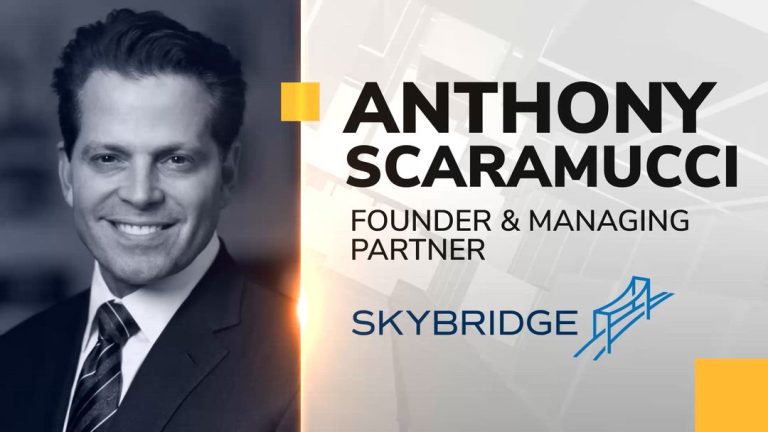
Financial literacy starts early, and in this special FINTECH.TV interview, Anthony Scaramucci, founder and managing partner of SkyBridge Capital, sits down with young host Dalia D’Agostino to share practical money lessons for the next generation. From his own experience starting in the stock market as a teenager, Scaramucci emphasizes the importance of simply getting started, whether it’s saving small amounts consistently or investing in broad market funds like the S&P 500 and letting time and compounding do the heavy lifting.

Throughout the conversation, Scaramucci breaks down complex financial concepts into simple, relatable ideas for kids, including the power of compounding through examples like the “magic penny” and lessons from The Richest Man in Babylon. He also shares personal insights on teaching value through hobbies like collecting, avoiding common investing mistakes such as selling too early, and balancing spending, saving, and investing. Whether it’s buying stocks, exploring digital assets like Bitcoin, or understanding ownership through companies like The Walt Disney Company, this interview offers a powerful and accessible roadmap for young investors looking to build smart money habits early.

Crypto vs Banks: The Stablecoin Battle Heats Up

0

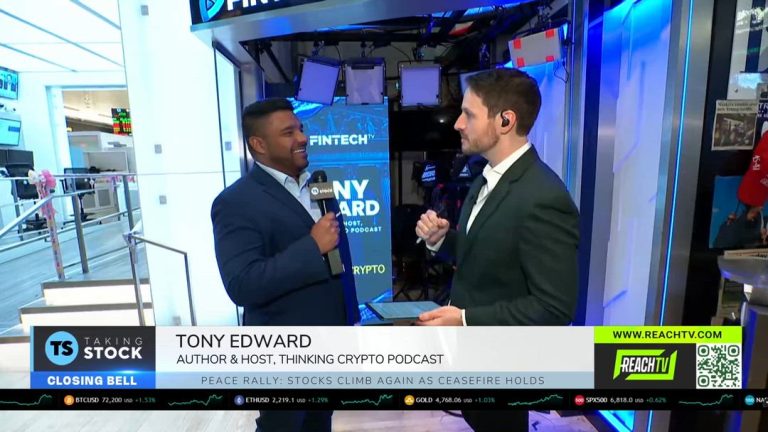
Crypto markets are back in focus as institutional adoption accelerates and regulatory battles heat up in Washington. In this interview, Thinking Crypto podcast host Tony Edward breaks down the significance of Morgan Stanley launching its Bitcoin ETF, highlighting the firm’s massive advisor network and the potential to bring substantial new capital into the crypto space. He also dives into the growing trend of Wall Street embracing crypto through ETFs, tokenization, and broader digital asset integration.

The conversation also explores the ongoing debate around stablecoins and regulation, including the implications of the proposed Clarity Act and why banks are pushing back against yield-bearing crypto products. Tony shares his outlook on Bitcoin, noting a recent relief rally tied to easing geopolitical tensions but warning of potential volatility ahead. From institutional flows to policy shifts, this discussion unpacks the key catalysts shaping the next phase of the crypto market.

Stocks Climb as Geopolitics Weighs on Mood

0

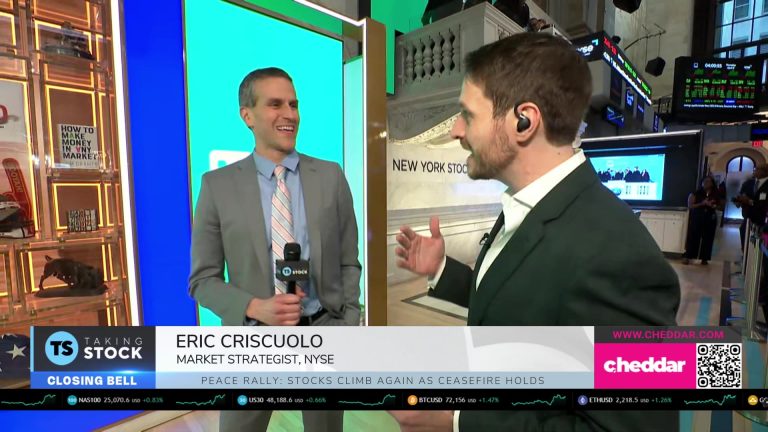
Stocks are extending their winning streak, with both the S&P 500 and Nasdaq logging a seventh straight day of gains even as overall market sentiment feels far more cautious. Speaking from the New York Stock Exchange, market strategist Eric Criscuolo explains why geopolitical tensions, particularly ongoing conflict headlines, are weighing on investor psychology despite the rally. He highlights how markets are reacting less to fear-driven narratives and more to the potential for de-escalation, with recent price action signaling optimism around a possible ceasefire and reduced disruptions to global trade routes.

The discussion also turns to what’s next for investors as attention shifts toward key economic data, including CPI, which could offer the first real look at inflation pressures following the Iran conflict. Criscuolo breaks down the interplay between rising goods inflation, easing housing costs, and the Federal Reserve’s 2% target, while also touching on volatility in tech. As AI-driven momentum continues to favor semiconductors over software with names like Snowflake and Cloudflare taking hits the conversation explores whether upcoming earnings could shift the narrative.

Investing in Stability: How Listed Infrastructure Outperforms in Turbulent Times

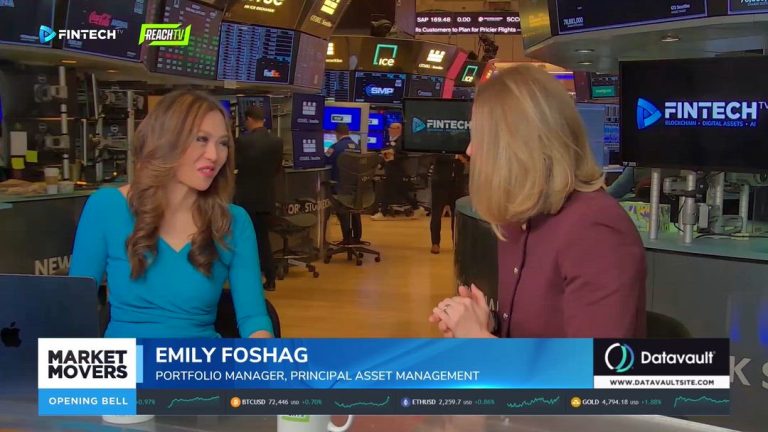
Emily Foshag, a Portfolio Manager at Principal Asset Management Equity Team, joins Remy Blaire to dive into the complexities of the 2026 economic landscape, marked by uneven economic signals and geopolitical tensions, particularly the ongoing Iran war. As investors seek stability, we explore the standout performance of global listed infrastructure, which has outperformed global equities by over 15% during the stagflation years of 2022.

We discuss how listed infrastructure serves as a ballast in volatile times, thanks to its regulated and contracted cash flow streams. Emily highlights the significant growth in regulated utilities, driven by factors such as AI power demand, electrification, and energy transition.

We also touch on the impact of geopolitical events on LNG export infrastructure and the increasing demand for U.S. LNG exports due to the conflict in the Middle East. Additionally, we explore the rising demand for energy from data centers, particularly in relation to artificial intelligence, and how select utilities are well-positioned to benefit from this trend.

Finally, we discuss the transportation sector, specifically railroads, noting a more positive outlook compared to 12-18 months ago, driven by potential M&A opportunities and positive manufacturing data.