[stock-market-ticker symbols=" ^NYA;CRYPTO:BTC;CRYPTO:ETH;CRYPTO:USDT;CRYPTO:USDC;CRYPTO:BNB;CRYPTO:ADA;CRYPTO:XRP;CRYPTO:SOL;CRYPTO:DOGE " stockExchange="NYSENASDAQ" width="100%" transparentbackground=1 palette="financial-light"]

Home Blog Page 192

Citi Ventures: Pioneering the next generation of financial innovation

0

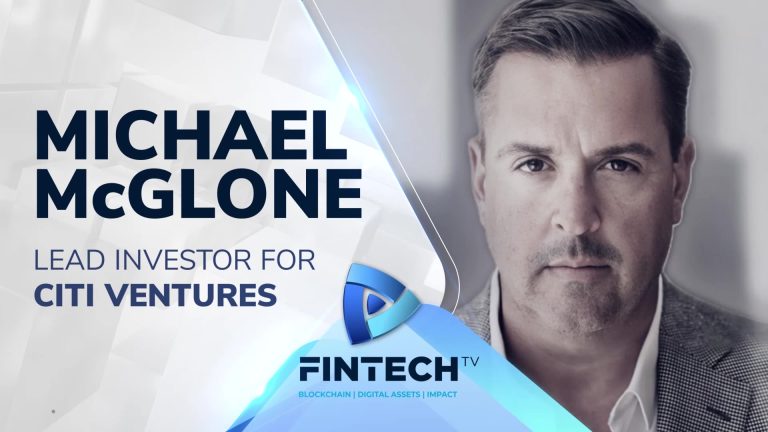
In the bustling world of venture capital and fintech, innovation is the kingpin driving evolution in banking and finance. Michael McGlone, the lead investor for City Ventures sheds light on the transformative investments City Ventures has made to reshape the financial landscape.

With over 18 years of experience at Citi and 15 years specifically with City Ventures, McGlone outlined his team’s objective: to identify and invest in fintech startups that are redefining the financial ecosystem. As the financial sector faces the pressures of rapid technological advancements and changing consumer expectations, McGlone emphasized that City Ventures is at the forefront of these changes by investing in companies with compelling business models and innovative products.

McGlone detailed several recent investments that underscore City Ventures’ commitment to innovation:

  • Tomo: A digital mortgage modernization platform that simplifies the application process by allowing applicants to directly link their bank accounts, eliminating the need to upload documents.
  • Finmo: A treasury and operations platform designed for mid-sized companies, simplifying cross-border payments and enhancing operational efficiency.
  • Jump: This advanced technology improves the efficiency of financial advisors by utilizing AI agents to automate administrative tasks, allowing them to focus more on client relationships.

These investments highlight City Ventures’ strategic focus on integrating Artificial Intelligence (AI) to improve productivity and enhance service delivery. AI is indeed a significant theme, yet McGlone brought attention to emerging technologies that promise to revolutionize the financial services sector—namely, Web3 technologies.

Web3 represents the next evolution of the internet, relying heavily on decentralized systems and blockchain technology. According to McGlone, the potential impact of Web3 on financial services is profound. He noted that cities view these technologies as opportunities for better risk management and improved productivity, enabling them to respond more quickly and efficiently to client needs.

During the conversation, McGlone pointed out specific areas of interest within Web 3 that City Ventures is exploring:

  • Security and Privacy: Innovations aimed at enhancing KYC (Know Your Customer) processes and ensuring data security are pivotal in today’s digital age.
  • Blockchain for Enterprises: Turnkey solutions that leverage blockchain technology to manage risk are gaining traction, signaling the technology’s versatile application in finance.
  • Smart Contract Technologies: With vulnerabilities being a significant concern, tools are emerging to scan and enhance the safety and reliability of smart contracts.

McGlone’s insights provide a roadmap for startups interested in entering the fintech space. His key takeaway for co-founders and entrepreneurs is the wealth of resources available through City Ventures. McGlone stressed the importance of networking and taking advantage of the support offered by seasoned investors. He encouraged startups to make connections, whether at conferences, meetings, or casual coffee chats.

For those navigating the world of cryptocurrency, impact investing, or the broader fintech ecosystem, understanding these trends is crucial. As disruptions continue to unfold, entities like City Ventures will be vital in supporting the next generation of financial innovation, ultimately paving the way for a more efficient, inclusive, and technology-driven financial world.
Mesh Connect’s role in transforming the financial ecosystem

0

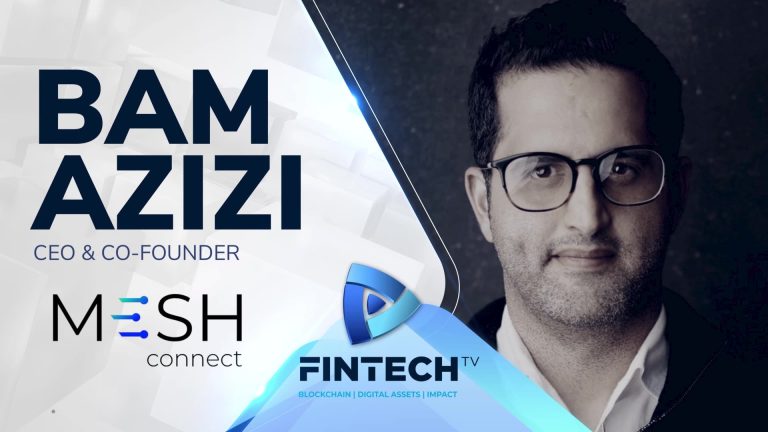
Bam Azizi, CEO & Co‑Founder of Mesh Connect, discusses how Mesh Connect is pioneering a global crypto payments network to enable real-time, stablecoin-based transactions. Azizi explains how Mesh’s infrastructure connects exchanges, wallets, and payment platforms, laying the groundwork for crypto to be used for everyday transactions like a cup of coffee. This conversation explores the challenges of fragmented payment landscapes and how Mesh’s innovative infrastructure is empowering mainstream adoption of tokenized assets globally.

The road ahead for Hivemapper | Ariel Seidman on decentralized mapping

0

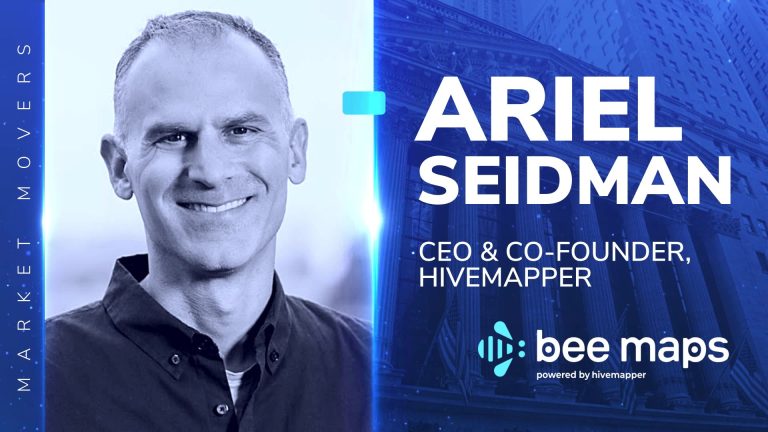
Ariel Seidman, CEO and Co-Founder of HiveMapper, discusses how Bee Maps is redefining the future of mapping for autonomous vehicles through a decentralized, user-driven model. Learn how HiveMapper is building scalable, real-time mapping infrastructure that challenges traditional systems.

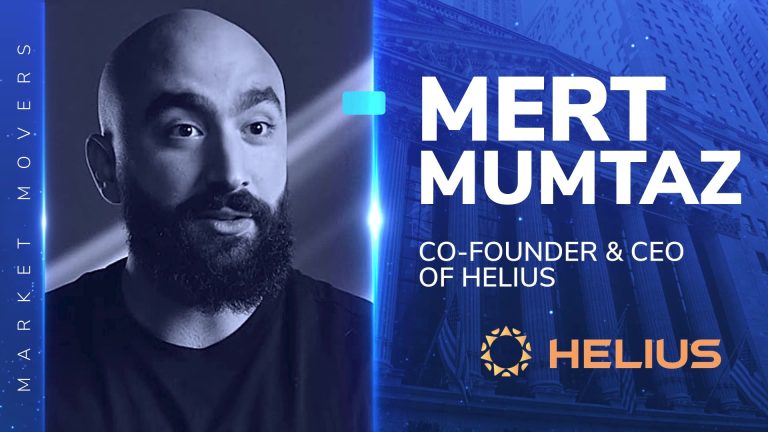
Decoding the next wave of regulations| Mert Mumtaz on crypto’s path forward

0

Mert Mumtaz, CEO & Co-Founder of Helius, shares sharp insights into the evolving landscape of digital asset regulation and what it means for the future of blockchain innovation. From developer infrastructure to compliance readiness, Mumtaz breaks down the intersection of policy and progress.

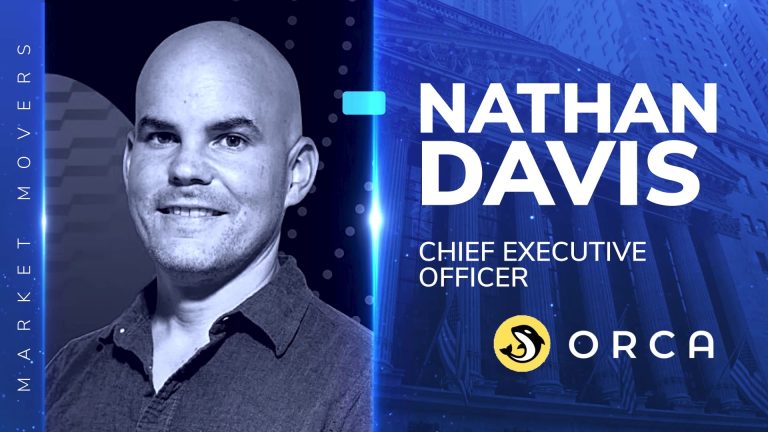
Orca CEO Nathan Davis on the future of DEXs and RWAs on Solana

0

Nathan Davis, CEO of Orca, shares his vision for the next phase of decentralized finance, focusing on the role of real-world assets (RWAs) and the evolution of decentralized exchanges (DEXs) on Solana. This conversation explores how Orca is building user-first infrastructure and why Solana is positioned to support scalable, secure DeFi innovation.

Binance dismissal, Gamestop bitcoin, Projects canceled, OpenSea upgrade

0

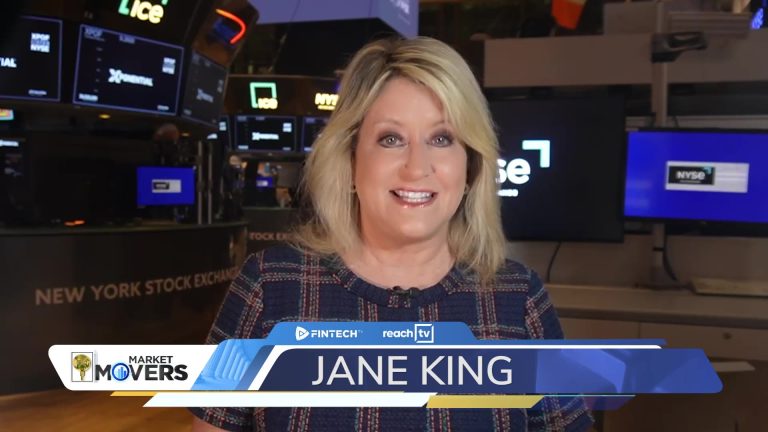
SEC drops lawsuit against Binance. Gamestop adds more bitcoin to its bottom line. $14 billion in clean energy projects are canceled, and, OpenSea upgrades platform, will launch token. Jane King with the latest from the NYSE.

Pharma Under Pressure: Tariffs, Supply Chains, and Innovation Challenges

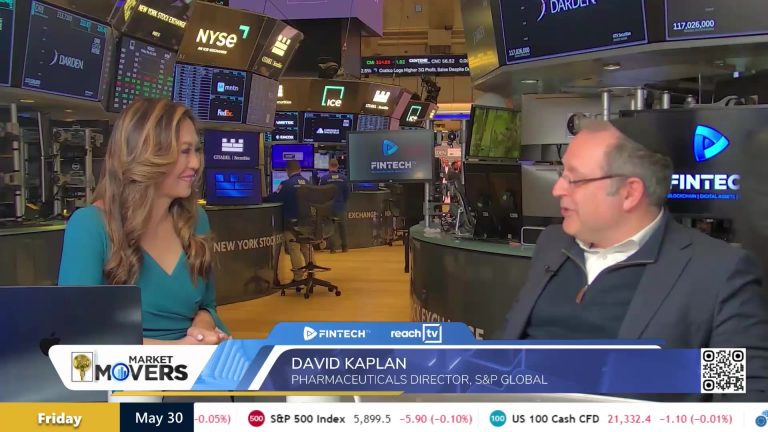
Remy Blaire is joined by David Kaplan, Pharmaceuticals Director at S&P Global, to dive into the ongoing legal battles surrounding the Trump administration’s tariff authority, particularly in relation to the pharmaceutical industry. The Court of International Trade recently ruled that Trump’s tariffs, including those on foreign-made pharmaceuticals, are illegal, prompting the Justice Department to appeal.

May Market Madness: Navigating Tariff Turbulence and Tech Triumphs

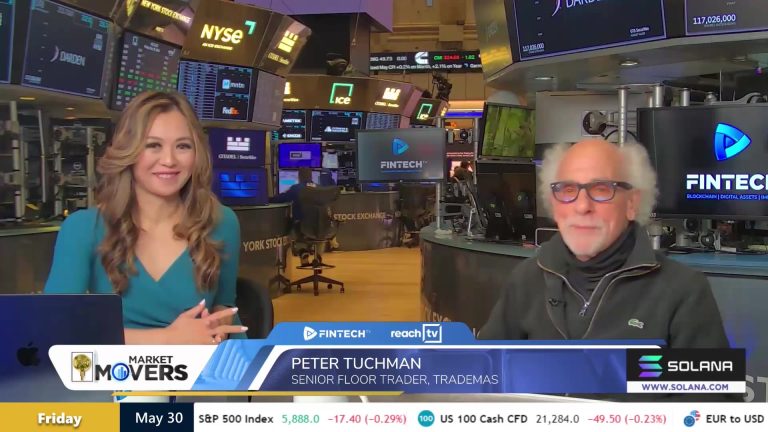
Peter Tuchman, a Senior Floor Trader at TradeMas, joins Remy Blaire at the New York Stock Exchange to dive into the significant market movements as we wrap up the month of May. The pair discuss NVIDIA’s impressive performance, with shares rising over 3% following strong earnings and a surge in AI sales, despite a tumultuous day for investors due to ongoing tariff disputes related to President Trump’s policies.

Gatorade Extends Its Legacy: The NBA Partnership and the Future of Sports Sponsorship

In this segment, the pair dive into some significant financial moves involving Circle, the stablecoin issuer, which recently announced its listing on the New York Stock Exchange. We discuss the exciting new AI commerce platform led by former Circle executive Sean Neville, backed by none other than Tom Brady, who is making a notable $18 million investment. Rick Horrow, CEO of Horrow Sports Ventures, joins Remy Blaire to unpack the implications of Brady’s involvement, especially in light of his previous experience with the FTX collapse.

Tariff Turmoil: What Recent Court Rulings Mean for the U.S. Economy

In this segment, the pair dive into the current state of the U.S. economy and the implications of recent court rulings on tariffs. A federal court has indicated that most of Trump’s tariffs may be illegal, but an appeals court has temporarily paused that ruling, keeping the tariffs in place for now. They also discuss the latest economic data, including April’s PCE, which is the Fed’s preferred inflation measure, showing cooler-than-expected results.

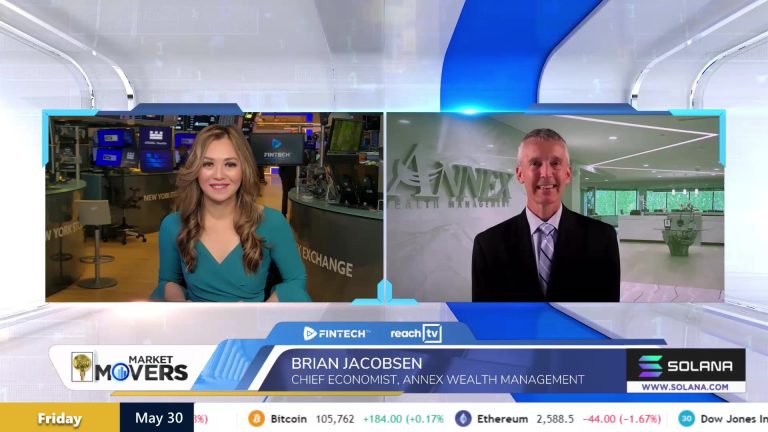
Joining Remy Blaire is Brian Jacobsen, Chief Economist at Annex Wealth Management, who shares his insights on the market’s resilience despite recent volatility. He suggests that the data could lead to a rate cut by the Fed sooner than anticipated, as income growth is slowing and spending patterns are shifting back towards services.