[stock-market-ticker symbols=" ^NYA;CRYPTO:BTC;CRYPTO:ETH;CRYPTO:USDT;CRYPTO:USDC;CRYPTO:BNB;CRYPTO:ADA;CRYPTO:XRP;CRYPTO:SOL;CRYPTO:DOGE " stockExchange="NYSENASDAQ" width="100%" transparentbackground=1 palette="financial-light"]

Home Blog Page 18

ICMEC Launches Global Alert App to Find Missing Children Faster

0

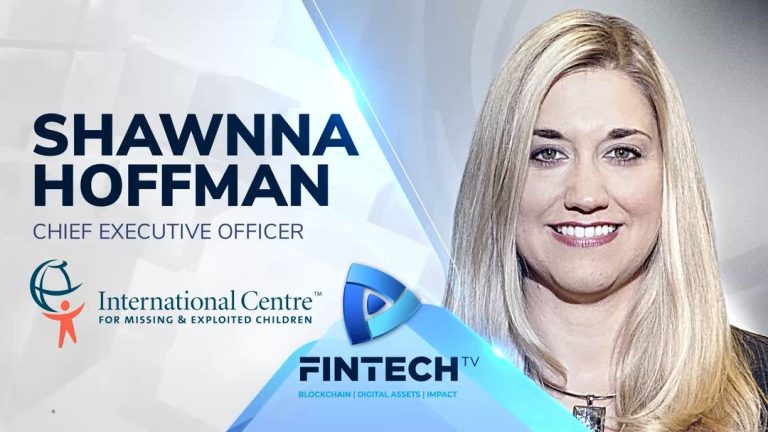
Every year, an estimated 8 million children go missing globally, a staggering figure that underscores the urgent need for initiatives aimed at child safety. Recently, Shawnna Hoffman, the CEO of the International Center for Missing and Exploited Children (ICMEC), emphasized the power of technology in combating child exploitation during her appearance at the New York Stock Exchange and the United Nations General Assembly. With advanced tools and global collaboration, the ICMEC is set to make significant strides in finding and protecting these vulnerable children.

One of the key developments presented was the upcoming launch of the Global Missing Children Alert—an app designed to streamline the process of reporting missing children. When a child goes missing, parents can upload their child’s image and pertinent details directly into the system. This information is instantly transmitted to local law enforcement, who can respond quickly using geolocation technology.

The application not only verifies the missing child’s status but also sends alerts to nearby users within a 5 to 10-mile radius, ensuring that communities can mobilize quickly to aid in recovery efforts. This approach leverages AI-driven facial detection technology that focuses solely on locating missing children, thereby maintaining privacy and avoiding intrusive surveillance.

Hoffman highlights that the digital world has transformed how children interact with society but has also created new vulnerabilities. Unlike traditional borders, the digital landscape knows no boundaries, complicating efforts to track and recover missing children. By utilizing interconnected technologies, nations can collaborate more effectively, bridging gaps that traffickers often exploit.

Hoffman’s recent meeting with the Pope at the Vatican further emphasizes the need for collective action in child protection efforts. At the meeting, technology leaders from companies like OpenAI and Microsoft joined ICMEC to discuss a declaration focused on child dignity online. Their goal is to foster a united front against exploitation, urging nations to move past political barriers and prioritize the safety of children.

Despite advancements in technology, the challenge remains immense. Hoffman notes that larger issues, such as the rise of scam centers where kidnapped individuals are held, pose serious risks. Awareness of these centers and the support of local governments is crucial to dismantling these operations. As victims of trafficking are apprehended and held in these institutions, urgent intervention is needed to rescue them and provide safe refuge.

Technology alone cannot solve the issue; public involvement and community vigilance are essential. Hoffman encourages individuals to use their devices actively in the search for missing children. Simple acts, such as looking around your immediate area, can make significant differences in the outcomes of these cases. Raising awareness and fostering nonjudgmental attitudes toward families affected by child exploitation can potentially catalyze more community support and contributions to recovery efforts.

As we look toward the future, Hoffman’s committed focus on finding and protecting children through advanced technologies and international cooperation cannot be understated. The innovation seen in the Global Missing Children Alert is just one example of how we can harness technology to aid in safeguarding the most vulnerable members of our society.

In a world increasingly defined by digital engagement, everyone—parents, guardians, technology leaders, and lawmakers—must unite in this cause to secure each child’s rights and dignity. With ongoing efforts to raise awareness and implement new tools for protection, there is a real opportunity to change lives, restore hope, and reunite families.

For those wishing to contribute to this critical cause, consider getting involved with organizations like the International Center for Missing and Exploited Children or local child advocacy groups. Your participation, regardless of scale, can make a monumental difference in the lives of countless families facing the heartbreak of a missing child.
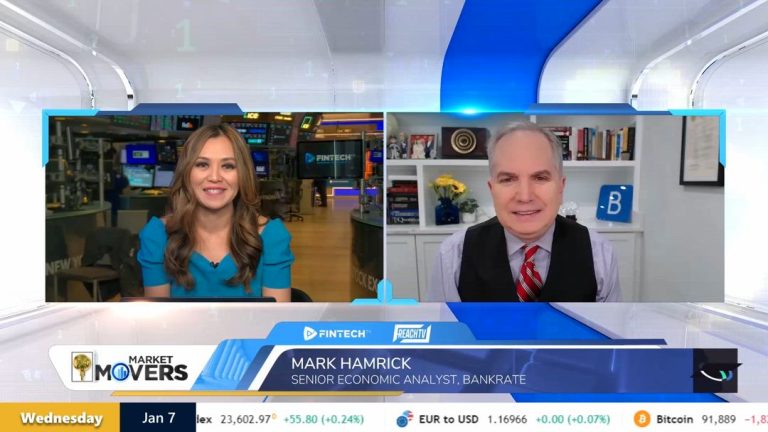
Bankrate Flags Weakest Hiring Since 2020 After Soft ADP Report

This morning’s ADP employment report showed that the private sector added 41,000 jobs in December, coming in slightly below expectations. Additional labor market data is scheduled for release later this week, with jobless claims due Thursday and the closely watched December jobs report set for Friday. The broader context remains notable: the unemployment rate climbed to 4.6% in November, the highest level in four years, after beginning 2025 at 4%. Total hiring over the course of the year marked the slowest pace since the pandemic, underscoring a labor market that continues to cool.

Attention is also turning toward the Federal Reserve’s upcoming meeting next month as investors assess incoming economic data. Current market forecasts indicate a relatively low probability of a rate cut in January, estimated at approximately 17%.

To unpack the latest employment data and broader economic implications, FintechTV anchor Remy Blaire spoke with Mark Hamrick, senior economic analyst at Bankrate.

Hamrick outlined his primary focus areas ahead of the December jobs report, noting that fourth-quarter data was complicated by the federal government shutdown that began October 1, which disrupted the collection of key statistical information. He cautioned that December employment figures may still reflect distortions tied to seasonal hiring patterns. Even so, Hamrick emphasized that the broader trend of subdued hiring is unlikely to change meaningfully regardless of the upcoming report.

He added that once December payroll data is finalized, it will confirm that hiring activity in the United States has fallen to its weakest level since 2020, signaling a material shift in labor market momentum.

Looking ahead to the new year, Hamrick addressed the potential impact of tax cuts included in the recent budget legislation. He noted that higher disposable income resulting from federal income tax refunds could provide some economic support, while also acknowledging that such measures contribute to elevated national debt levels.

On monetary policy, Hamrick highlighted the Federal Reserve’s current position, explaining that while lower short-term interest rates may offer some economic tailwinds, they are unlikely to spur excessive consumer spending. The Fed, he noted, remains focused on limiting the fallout from a softening labor market, though interest rate reductions alone may not deliver immediate relief.

The conversation also touched on upcoming leadership changes at the Federal Reserve, with Chair Jerome Powellexpected to step down in May. Hamrick suggested that a leadership transition could open the door to a more dovish policy stance but stressed that maintaining the Fed’s political independence is essential to preserving its credibility.

As the discussion concluded, Hamrick shared insights into consumer sentiment amid persistent economic uncertainty. According to a recent survey, respondents exhibited what he described as a K-shaped outlook for 2026: roughly one-third expect their financial situation to worsen, one-third anticipate improvement, and one-third foresee little change. Notably, this level of pessimism represents the weakest sentiment recorded since the survey began in 2018.

Hamrick noted that debt reduction remains the top financial priority for many Americans, particularly as a significant share of households continue to live paycheck to paycheck. He advocated for a balanced strategy that includes paying down debt while also maintaining emergency savings and continuing retirement contributions.

As 2026 begins, the intersection of employment trends, fiscal policy, and monetary decisions is poised to shape the financial reality for households across the country. Hamrick’s insights highlight the importance of strategic financial planning and disciplined decision-making as Americans navigate an evolving and uncertain economic landscape.

In summary, Hamrick emphasized that the labor market faces meaningful challenges heading into the new year, with federal policy actions and upcoming Federal Reserve decisions likely to play a central role in determining the trajectory of economic recovery. Staying informed and proactive, he noted, will be critical as individuals and institutions alike adapt to the complexities of 2026.

OranjeBTC Sees Bitcoin Poised to Catch Up After Lagging in 2025


The financial landscape is continuously shaped by macroeconomic shifts and the emergence of alternative assets, such as cryptocurrencies. Recent developments indicate a productive start to 2026 for alternative assets. The Dow Jones Industrial Average recently experienced its most robust Santa Claus rally in four years, showing a rise of approximately 1.1% over the last five trading days of last year and the first two this year. In contrast, the S&P 500 has not mirrored this upward momentum, slightly deviating from the positive trend seen elsewhere in the market. Against this backdrop, cryptocurrencies, particularly Bitcoin, saw an initial positive surge but experienced a retreat shortly after, though it remains up by more than 4% year-to-date.

The ongoing geopolitical tensions, notably the U.S. seizure of Maduro, are pushing risks to the forefront of market considerations. However, the narrative around cryptocurrency this year heavily leans on institutional adoption, as firms prepare to roll out new services catering to digital assets. These developments signal a critical shift where cryptocurrencies may soon play a more significant role in the traditional financial portfolio, marking a significant disruption in investment strategies.

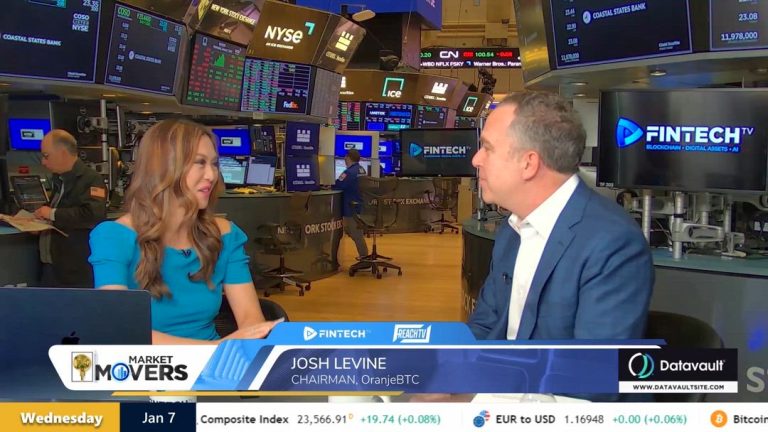
In a discussion on the outlook for cryptocurrency, financial expert Josh Levine, chairman of OranjeBTC, shared insights about the current macroeconomic environment and its implications for alternate markets. Highlighting positive growth expectations and an accommodating Federal Reserve, Levine suggested that alternative assets, including cryptocurrencies, are in a favorable position. He noted that a “reflation trade” is revealing itself through elevated yield curves and rising metals prices, which further supports ownership of these alternative assets.

When asked about Bitcoin’s performance vis-à-vis other assets, Levine acknowledged that Bitcoin underperformed in 2025 relative to equities and precious metals. However, he outlined an optimistic outlook for the new year, pointing to several factors that indicate resilience and potential for recovery. Despite a 6% decline in 2025, the cryptocurrency sector is drawing a wave of institutional interest, with Bitcoin ETFs alone, for instance, experiencing growth to over $120 billion. This burgeoning adoption symbolizes a shift from speculative trading to investment vehicles anticipated to drive Bitcoin prices higher.

Moreover, the regulatory framework for cryptocurrencies is evolving, enabling traditional banks and brokerage firms to offer new investment opportunities. Pending legislation, such as the GENIUS Act and the Clarity Act, will further facilitate this integration, enhancing investor confidence in Bitcoin and enabling broader participation from traditional finance sectors.

As geopolitical uncertainties loom large, Levine also explored the role of Bitcoin in international markets facing hyperinflation, such as Venezuela, Argentina, and Turkey. He posited that Bitcoin serves not only as a diversifying asset for wealth preservation but also offers a safeguard for citizens grappling with unstable currencies. This perspective aligns with the growing recognition of Bitcoin as a form of protection against inflation induced by geopolitical crises.

Addressing the volatile nature of asset prices, Levine acknowledged that market shocks often result in immediate sell-offs, as seen during the COVID-19 pandemic. Investors commonly flee to cash, temporarily undermining Bitcoin’s perceived utility as a risk diversifier. However, he stressed that the long-term trend remains constructive, suggesting that as the macroeconomic environment stabilizes, Bitcoin’s true value will become evident once again.

Levine concluded by discussing Bitcoin price predictions. While he refrained from providing a specific target, he referenced estimates from various experts in the industry, emphasizing a median range of around $150,000 over the long term. This projection is largely supported by the anticipated growth in institutional adoption, including through new ETF structures that will likely facilitate broader participation in the cryptocurrency market.

As we embark on 2026, the convergence of macroeconomic conditions, institutional adoption of cryptocurrencies, and geopolitical developments collectively paint an optimistic yet cautious landscape for investors. For those involved in entrepreneurship, finance, blockchain, and sustainability investing, keeping an eye on these dynamics may present opportunities to leverage the evolving financial ecosystem. Coins like Bitcoin, while facing temporary setbacks, have the potential to not only survive but thrive amid uncertainty, making them critical components of modern financial strategies.

Kaiko Data Shows Bitcoin Maturing as Volatility Stabilizes

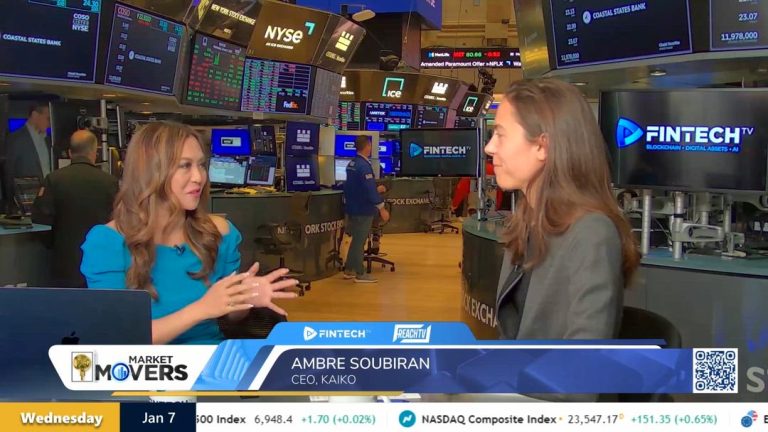
Bitcoin is currently at a pivotal juncture, navigating between traditional cyclical patterns and a rapidly maturing market landscape. As we enter 2026, the cryptocurrency sector, particularly Bitcoin, is undergoing notable developments influenced by recent macroeconomic conditions and a more sophisticated derivatives market. With year-end seasonality historically impacting price movements, the contemporary data indicates shifts in investor confidence and positioning. In this context, we delve deeper into the insights shared by Ambre Soubiran, the CEO of Kaiko, who discusses market performance, volatility metrics, and future trends in the cryptocurrency space.

The recent year has illustrated a significant disparity between the performance of traditional assets and cryptocurrencies, with Bitcoin experiencing particular underperformance. As Soubiran points out, the first half of the year was characterized by institutional growth, with Exchange-Traded Funds (ETFs) and other factors putting pressure on prices, leading to a substantial rise in Bitcoin valuations. However, in the second half, the market experienced a correction, yet the overall market conditions improved, demonstrating the growing maturity of the crypto ecosystem.

The improvement in execution conditions across exchanges is particularly noteworthy. Kaiko’s data reflects deeper order books, tighter spreads, and a healthier trading environment, which signals that the crypto market has matured significantly. Soubiran emphasizes how institutions now view cryptocurrency as a legitimate component of asset allocation strategies. This evolving perception is crucial for the long-term viability of Bitcoin and other digital assets in the financial landscape.

When discussing volatility metrics, Bitcoin’s realized volatility averaged around 35% last year, which Soubiran describes as acceptable within the risk frameworks of institutional investors. This statistic underscores Bitcoin’s transformation into an investable asset class, drawing interest from various institutional players who are increasingly engaging with crypto assets.

A key trend highlighted in the conversation is the rise of stablecoins, which have transitioned from mere trading infrastructure to an essential settlement layer both on-chain and off-chain. The growth of stablecoin utilization indicates a maturation within the industry and the necessity for robust tools that facilitate crypto transactions and hedging strategies. Furthermore, the increasing prominence of perpetual futures contracts illustrates the evolution of trading instruments within the market. Notably, these contracts are also extending their reach into other asset classes, signifying a broader acceptance and integration of cryptocurrency trading methods across traditional finance.

Market confidence remains a critical focus, with both spot and derivatives volume indicating a stable path forward. The insight shared by Soubiran reflects a healthy liquidity level within the crypto markets, enabling them to absorb shocks that may arise due to unforeseen events, such as the cascading liquidation witnessed on October 10th. The swift rebound of the market post-event reinforced the resilience of crypto assets, setting a solid foundation for the new year ahead.

Looking ahead into 2026, Soubiran expresses optimism regarding sustained institutional interest in the cryptocurrency space. She foresees that investments via debt instruments or ETFs will continue to create upward pressure on Bitcoin prices. This structural investment from institutions signifies a paradigm shift in how digital assets are perceived and treated, reinforcing their legitimacy within the broader financial framework.

Additionally, Soubiran brings to light the emerging trend of tokenization. Financial institutions are increasingly exploring how blockchain technology can enhance capital market applications. This aspect represents one of the most riveting developments in the crypto world, indicating that the integration of blockchain into various financial structures is just beginning to unfold.

Lastly, the discussion turns to the role of altcoins versus major cryptocurrencies. Soubiran posits that while numerous altcoins currently exist, a natural consolidation is likely, with many networks potentially facing obsolescence. She stresses the necessity for purpose-built chains that cater to specific institutional needs, such as privacy compliance and efficient capital market operations. As the market continues to evolve, the focus will likely shift toward networks that can efficiently support real financial applications.

In conclusion, as we embark on 2026, the insights provided by Ambre Soubiran serve as a valuable compass for navigating the intricate landscape of cryptocurrency. The growing institutional acceptance of Bitcoin and other digital assets, coupled with advancements in trading technologies and the robust development of the stablecoin ecosystem, positions the cryptocurrency market for a transformative year ahead. Stakeholders and investors should remain vigilant in monitoring these trends, as they will undoubtedly define the next chapter of cryptocurrencies, blockchain, and sustainable investing.

Liquid Collective Scales Institutional Staking After Galaxy Deal

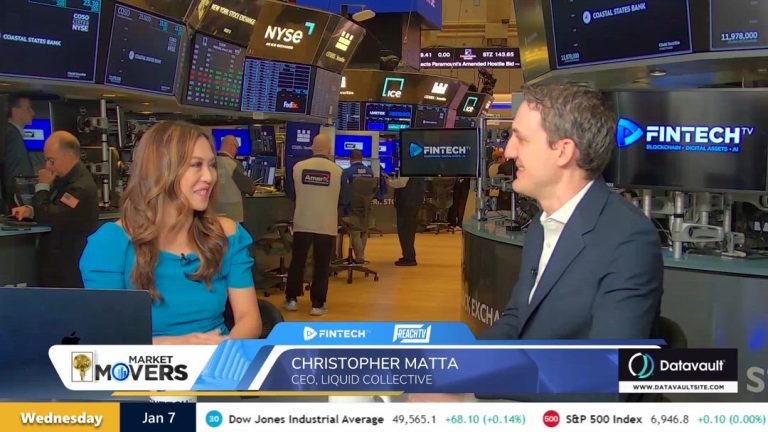
In the ever-evolving world of cryptocurrency and blockchain technology, Liquid Collective is making strides with its innovative approach to liquid staking. Recently, Christopher Matta, CEO of Liquid Collective, shared insights at the New York Stock Exchange regarding the company’s initiatives following Galaxy Digital’s acquisition of staking software firm Alluvial Finance. This merger not only strengthens Liquid Collective’s infrastructure but also highlights the growing significance of liquid staking in the institutional investment space.

Liquid staking allows users to earn rewards on their staked assets while obtaining tokenized versions of these assets for trading or DeFi activities. This capability has garnered attention, particularly within institutional environments where efficiency and liquidity are crucial. Liquid Collective, launched in 2023, has already tripled its assets to approximately $1 billion, due in part to its differentiated offering and market demand for regulated solutions in staking.

According to Matta, the pivotal growth period began in 2025 when regulated institutional solutions started gaining traction. This shift saw ETF issuers and treasury companies enter the liquid staking arena, creating a demand for a neutral and standardized approach to staking across various platforms. While Galaxy and Liquid Collective function separately, Galaxy’s involvement as a development service provider is pivotal in enhancing product offerings.

Institutional adoption of liquid staking has accelerated, mainly due to changes in regulations and the increasing need for liquidity solutions. Matta noted that by 2025, the landscape saw ETF issuers stake assets worth billions. However, traditional staking often posed liquidity challenges due to associated withdrawal times, which could extend up to 40 days. Liquid staking resolves these challenges by allowing institutions to liquidate staked assets efficiently, thus facilitating timely redemptions.

Major institutions and assets, including ETF issuers such as Grayscale and various treasury companies, require sophisticated staking infrastructure. The ability to post assets as collateral and engage in various trades means higher returns for investors, which is crucial for the growth of the institutional crypto space. As retail interests also evolve, platforms like Coinbase are developing their staking solutions to better cater to user demands for liquidity and immediacy.

As Liquid Collective continues to grow, its roadmap focuses on expanding influence across the stakeholder spectrum. The group aims to attract influential institutions like BlackRock and Fidelity to participate in the collective governance of liquid staking protocols. According to Matta, having leading firms in the ecosystem strengthens its role as a neutral standard, which could significantly enhance institutional participation in staking activities.

The institutional demand for liquid staking is poised for further growth, especially as regulatory clarity improves. With the SEC’s recent guidance that liquid staking tokens are not classified as securities, a new wave of institutional engagement can be anticipated. This clarity empowers asset managers and ETF issuers to innovate without regulatory hesitations, opening doors to numerous possibilities.

Matta expressed optimism about new legislation surrounding market infrastructure, indicating that advancements in regulation could streamline operations for cryptocurrency firms. As Liquid Collective continues its journey, the hope is for a more defined interaction between the SEC and CFTC with the burgeoning crypto ecosystem. With more than 100 ETFs anticipated to launch in the coming year, the stage is set for transformative changes in how liquid staking and institutional investment coexist.

In conclusion, Liquid Collective represents a significant development in the realms of cryptocurrency and blockchain, particularly for institutional investors. By enhancing liquidity and resolving staking challenges, the collective is set to reshape investment strategies in the blockchain landscape. Armed with regulatory clarity and innovative partnerships, Liquid Collective is poised for growth, establishing itself as a central figure in the ongoing evolution of finance and entrepreneurship in the crypto space.

Gemini Expands Asia Push as Institutions Drive Crypto Adoption

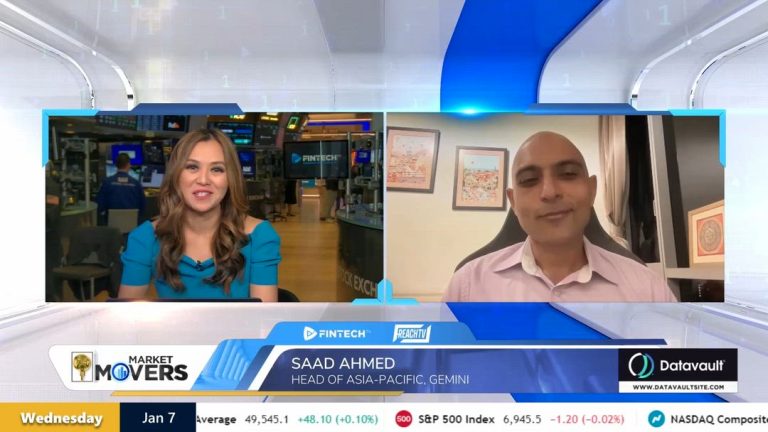
The landscape of cryptocurrency is evolving, moving beyond mere price fluctuations to a more nuanced understanding of its health through on-chain activity and stablecoin usage. Recent discussions featuring Saad Ahmed, the head of Asia Pacific for Gemini shed light on the institutional adoption of digital assets, emphasizing how confidence is growing within Asia.

The overarching theme in the cryptocurrency sector as we move into 2025 is the unprecedented institutional adoption of digital assets. Once a realm dominated by retail speculation, institutional players such as asset managers, hedge funds, and family offices are increasingly allocating resources to this innovative asset class. Ahmed remarked that this transition is now observable in the market dynamics, reflected in reduced volatility compared to prior cycles where significant drawdowns of 60-70% were commonplace.

The dialogue turned to the unique characteristics of institutional crypto adoption in the Asia Pacific region compared to the United States and Europe. The count of family offices in Asia has been a key driver of adoption compared to the hedge fund-dominated landscape of the U.S. This demographic shift suggests an emerging trend where younger generations are more inclined to invest in digital assets, leading to a robust growth trajectory for the sector.

As a leader in the cryptocurrency exchange market, Gemini is taking strategic steps to deepen its presence in the Asia Pacific region. The firm’s recent expansion into Australia marks a significant milestone, supplemented by a commitment to building local teams. The emphasis on localizing products is paramount, with initiatives focused on enhancing customer experiences tailored to regional specifics. For example, the establishment of a trading desk in Singapore aims to cater to local trading hours, ultimately reinforcing community engagement and operational agility.

Ahmed expressed the importance of understanding the unique regulatory and cultural dimensions of each market within Asia, unlike Europe, where a singular regulatory framework spans multiple countries. This regional complexity entails adapting product offerings to meet distinctive needs, from Know Your Customer (KYC) processes to customer onboarding experiences. Each market presents unique opportunities and challenges, emphasizing the need for careful investment and resource allocation.

As we anticipate a transformative 2025 for cryptocurrency, institutions like Gemini are at the forefront of this evolution. With Asia Pacific emerging as a hotbed for cryptocurrency adoption, the focus on localization, understanding diverse markets, and fostering engagement with institutional investors positions Gemini uniquely to capture growth opportunities in the years to come. The discussion signals an optimistic outlook for the industry, shaped by institutional confidence and adaptive strategies that herald a new era for digital assets.

In summary, as the world progresses towards a more decentralized financial future, initiatives aimed at sustainable investment, blockchain technology, and cryptocurrency will serve as foundational elements in achieving various Sustainable Development Goals (SDGs) while assuring stability and growth within global finance.

Abu Dhabi Launches First Solana Validator in Middle East Push

0


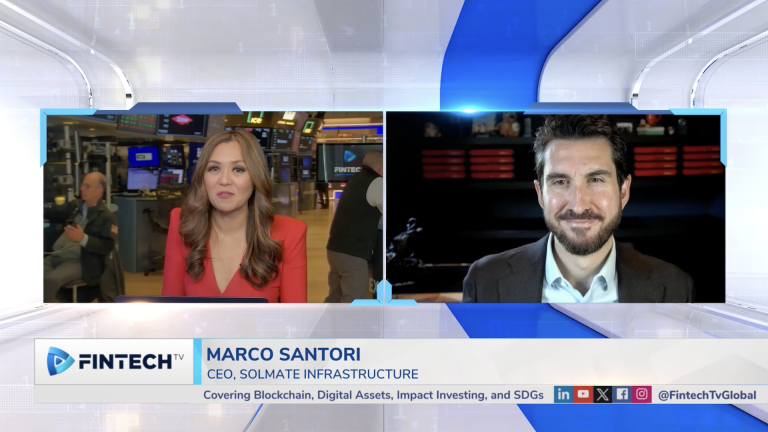
Welcome to an exciting era of blockchain innovation as we delve into the remarkable developments being driven by Solmate Infrastructure, a pioneering crypto firm headquartered in Abu Dhabi, UAE. In an engaging discussion on FintechTV, CEO Marco Santori shed light on the groundbreaking achievements and future of the firm, which has launched the UAE’s first bare metal Solana validator, setting the stage for the region’s burgeoning blockchain landscape.

Solmate Infrastructure aims to enhance Solana’s presence throughout the Middle East by establishing its first validator in collaboration with RockawayX. This move not only signifies a step forward in the acceptance of decentralized finance (DeFi) in the region but also positions Abu Dhabi as a global hub for blockchain infrastructure. Santori highlighted an influential quote embedded in the first transaction validated by the UAE: “The future belongs to those who can imagine it, design it, and execute it.” This philosophy underlies Solmate’s mission, focusing on architecting the future of finance through innovative technology.

An essential distinction that Santori elaborated on is Solmate’s deviation from conventional treasury management strategies. While many crypto firms function merely as capital markets, often acquiring cryptocurrencies through stock sales, Solmate Infrastructure is making a pronounced shift by developing tangible hardware. This strategy facilitates not just the accumulation of Solana (SOL) but enables operational advantages such as co-location services for blockchain developers, which allow them to optimize their own hardware alongside Solmate’s advanced infrastructure. Such pioneering steps redefine the expectations of how crypto firms can operate—transforming from passive money managers to active participants in developing the blockchain ecosystem.

An integral aspect of Solmate’s operations is its “infrastructure flywheel.” Santori explained how the firm channels the capital generated from its validator services back into acquiring more SOL, thereby amplifying their validator’s efficiency. This virtuous circle allows Solmate to validate transactions faster, catering to the increasing demand from developers who require reliable and swift access to blockchain services. As more SOL is staked, the company enhances its service offerings and reinforces its position as a go-to entity for those exploring the benefits of Solana.

Why Solana? Santori asserts that Solana outperforms Ethereum and Bitcoin in multiple dimensions. Its reputation as the fastest and most utilized blockchain resonates with developers eager for high-throughput finance solutions. Moreover, Solana’s ability to generate native yield—something that Bitcoin lacks—positions it as a superior treasury asset. With a minimum yield of 6%, Solana offers the combined benefits of volatility and growth potential, attracting a growing demographic of developers who are increasingly choosing Solana for their projects.

The anticipated revenue streams from Solmate’s strategic expansion into infrastructure go beyond standard treasury management. Unlike traditional firms that rely on third-party managers to administer their assets, Solmate’s innovative hardware allows for diversified revenue opportunities. By offering Software as a Service (SaaS) on top of their blockchain validation services, they are creating a model reminiscent of Wall Street—akin to a citadel for crypto. This operational framework enables hedge funds and traders to optimize their transactions with minimized latency, thus maximizing their profitability.

Moving forward, Solmate Infrastructure not only aims to replicate proven financial models on the blockchain but is also setting a precedent for how crypto firms can engage in infrastructure development. As the world gravitates towards more decentralized and efficient means of financial management, the advancements introduced by Solmate Infrastructure pave the way for a future where the lines between technology and finance continually blur.

In conclusion, Solmate Infrastructure stands at the forefront of the burgeoning Solana ecosystem in the Middle East. With innovative strategies, commitment to infrastructure, and a focus on operational efficiencies, Solmate is positioned to play a pivotal role in the evolution of decentralized finance. As they continue to entrench themselves within the blockchain landscape, their journey serves as a case study for other firms looking to thrive in the ever-evolving crypto market.

Wall Street Bets on Live Sports With New Public Market Fund

0

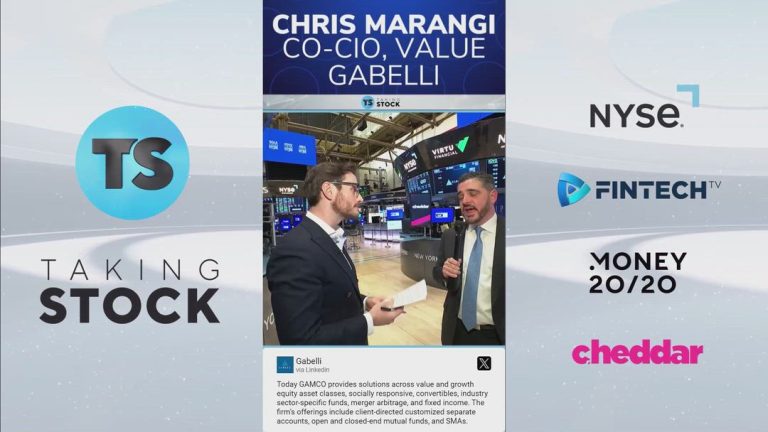
In an era dominated by technological advancements and evolving entertainment landscapes, Chris Marangi, the co-chief investment officer of value at Gabelli, is taking a bold step into the future of sports investment with a new fund that focuses on sports and live events. Marangi recently made headlines by ringing the closing bell on Wall Street, marking an important milestone in his new venture, Gabelli Opportunities and Live Sports (ticker symbol: GOLS).

At Gabelli, Marangi is spearheading an investment fund specifically tailored towards public sports assets, a concept deemed revolutionary in the current financial landscape. Unlike previous years, a variety of public sports teams, leagues, and media partners are now available, providing unique opportunities for investors to capitalize on this burgeoning market. From iconic teams like Manchester United to sports promoters and venue owners, GOLS encapsulates a diverse portfolio that embraces the robust profitability and growth potential found within the sports sector.

Marangi emphasizes that sports continue to hold a unique position within the media ecosystem. Despite the fragmentation experienced in media distribution, live sports events remain the linchpin driving viewer engagement, boasting an impressive performance track record. Notably, seven out of the top ten television programs featured last year were sports-related—an indicator of the enduring appeal of sports content in attracting audiences. Big tech companies, including Apple, Netflix, and Amazon, have also recognized this trend, actively bidding on sports broadcasting rights and further validating the significant market potential in this sector.

What sets Gabelli’s approach apart is Marangi’s focus on the value proposition of sports franchises. Over the past twelve years, sports teams have shown an incredible capacity for value appreciation, outperforming the S&P 500 with compound annual growth rates of approximately 15%. This growth stems from the intrinsic characteristics of sports businesses: rarity, strong pricing power, low capital intensity, and recurring revenue streams—qualities that investors covet for long-term stability and profitability.

With his extensive experience on Wall Street, Marangi offers a forward-looking perspective for investors in 2026. Despite headwinds such as rising interest rates and geopolitical uncertainties, he remains optimistic about the resilience of the American economy and sees opportunities for value-focused investments. He notes that while stocks may seem expensive overall, there are still pockets of value, particularly among smaller-cap stocks that can yield substantial returns.

Artificial Intelligence (AI) is another significant trend influencing investment strategies. Marangi acknowledges that AI represents a transformative force in business operations, yet cautions that the market may experience volatility akin to past events. He highlights the importance of diversification, particularly for investors gravitating toward highly publicized AI stocks. In an interesting perspective, Marangi views investments in traditional sports franchises like the Atlanta Braves as a counterbalance to the AI trend—an asset class that remains irreplaceable with technology.

Chris Marangi’s insights underline the significant shifts occurring in investment paradigms, particularly in the realms of sports and technological innovation. As the co-CIO of Value at Gabelli, he is advocating for a shift toward investments that are not only financially sound but also aligned with the viewing preferences of modern audiences. The nexus of sports, media, and emerging technologies opens a landscape ripe for entrepreneurship and sustainable investing, presenting myriad opportunities for those willing to explore this dynamic market.

Crypto bill, Bitcoin prediction, Saylor losses, Ledger breach

0

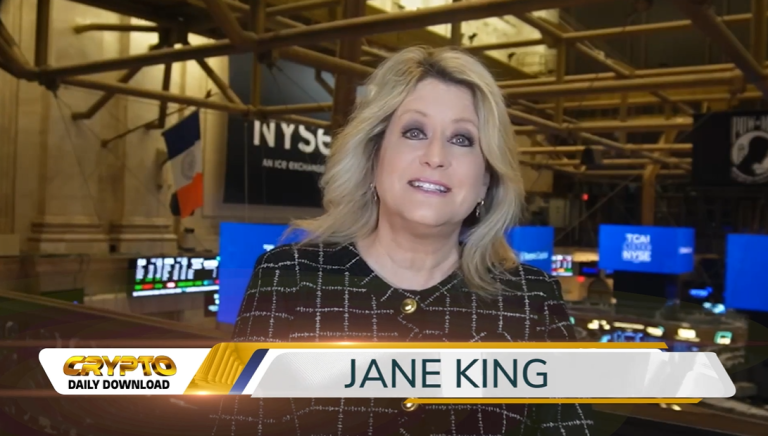
U.S. crypto market bill could be delayed. Strategy CEO Michael Saylor facing unrealized losses after accounting change. Fundstrat’s Tom Lee predicts new high for Bitcoin January 2026 and crypto wallet Ledger faces data breach. Jane King with the latest from the NYSE.

Jane King with the latest from the NYSE.

Fed Split and Weak Rate Cut Odds Put Jobs Data in the Spotlight

The world of finance is rapidly evolving, especially as we approach the anticipated January Federal Reserve (Fed) meeting. With the odds for a 25 basis point rate cut lingering below 20%, currently just over 16%, significant discussions are ongoing regarding the economic outlook. The December Fed minutes have revealed a division among central bank officials, emphasizing the necessity for more data before any decisions are made. While eight officials foresee two rate cuts this year, seven predict no cuts at all. As we await the December jobs report, the financial landscape is poised for critical analysis and forecasting.

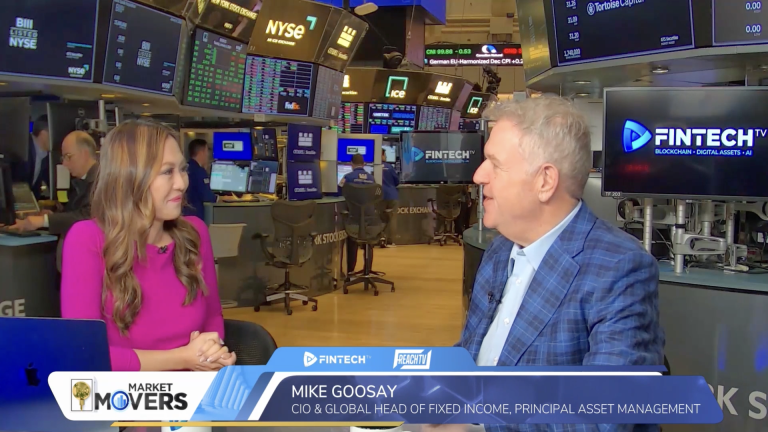
Joining the conversation is Mike Goosay, chief investment officer and global head of fixed income at Principal Asset Management. With his seasoned experience, Goosay provides insight into the current market conditions and Fed outlook for 2026. The year has started positively for broader markets, but rising uncertainty about Chairman Powell’s impending departure adds a layer of complexity to the Fed’s policy path. With signs indicating the overall economy is stable—if not robust—Goosay emphasizes that a focus on employment and job growth is becoming critical. He posits that the Fed may need to lower rates further to arrive at a neutral policy rate closer to 2.75%-3%, enabling a recalibration based on actual economic performance.

The macroeconomic landscape also reveals a slowdown in growth entering 2026, albeit not at a recessionary level. Goosay highlights various indicators, including ISM reports and consumer sentiment surveys, illustrating diverse consumer confidence levels. The interplay of tariffs and geopolitical tensions, such as those involving Venezuela and Ukraine, complicates the forecast, potentially affecting consumer confidence in the coming year. However, he asserts that the underlying economic trend remains stable, and there is no imminent cliff for the economy.

As we delve deeper into fixed-income markets—particularly high-yield and investment-grade bonds—Goosay discusses key factors influencing investment strategies. The strength of corporate health is a significant determinant of credit market dynamics. Presently, many companies show positive fiscal health, making them capable of sustaining their debt. He notes that tighter spreads in the market are justified by this improved quality of corporate fundamentals.

Among various investment options, municipal bonds have emerged as a notable area of interest. Following uncertainties in 2025 about maintaining tax-free income from municipal bonds, the outlook has stabilized. Their attractive tax advantages and a steeper yield curve position them favorably for investors. This presents a compelling opportunity, particularly as tax-conscious investors explore options for parking funds.

Goosay expands the discussion to include emerging markets, emphasizing that these regions should not be viewed as a homogeneous group. He cautions against oversimplifying the complexities of emerging economies, which often entail distinct risks and opportunities. Currently, emerging markets are outperforming in the fixed-income asset class, seeing currency appreciation and competent debt performance tied to improving commodity prices and stable lower inflation conditions. Continued low interest rates positively impact these economies, which face substantial debt burdens. For investors considering emerging markets, Goosay recommends approaching them through a total return lens rather than merely acquiring emerging market debt.

As investors navigate the intersection of economic indicators, market sentiment, and geopolitical developments, the insights offered by Mike Goosay underline crucial factors shaping investment strategies for 2026 and beyond. The conversations surrounding the role of the Fed, corporate bond health, and emerging market dynamics highlight a nuanced understanding of the evolving financial landscape. Investors are encouraged to remain vigilant yet optimistic as they assess opportunities amid market fluctuations.

In conclusion, the upcoming January Fed meeting and the accompanying economic reports will undoubtedly play a pivotal role in shaping the finance landscape moving forward. With seasoned experts guiding the narrative, individuals looking to optimize their investment strategies in a complex economic environment are advised to stay informed on these critical factors.