[stock-market-ticker symbols=" ^NYA;CRYPTO:BTC;CRYPTO:ETH;CRYPTO:USDT;CRYPTO:USDC;CRYPTO:BNB;CRYPTO:ADA;CRYPTO:XRP;CRYPTO:SOL;CRYPTO:DOGE " stockExchange="NYSENASDAQ" width="100%" transparentbackground=1 palette="financial-light"]

Home Blog Page 13

Bitcoin ETFs, Cloudflare outage, Yellow Card, Coinbase expansion? 

0

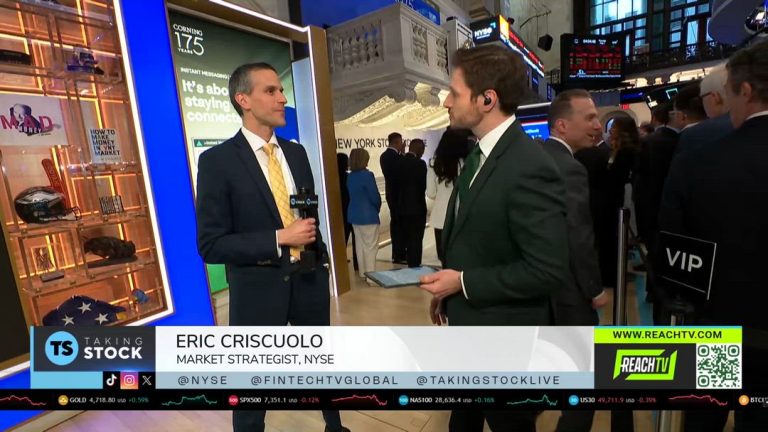
In this episode of Coin Street headlines, we dive into the latest headlines impacting the cryptocurrency market. We discuss how Bitcoin’s recent decline has affected U.S. spot Bitcoin ETF investors, with the average cost basis now sitting at $89,600. Learn about the recent disruptions caused by Cloudflare that impacted access to numerous cryptocurrency websites and social media platforms, including Coinbase and Kraken. Chris Maurice, the founder of Yellow Card, shares insights on how African nations are leading the way in stablecoin adoption as global trade shifts away from the U.S. dollar. We explore Coinbase’s plans to launch a prediction market platform, backed by Kalshi, as revealed by tech researcher Jane Manchun Wong. Jane King with the latest from the NYSE.

From Baku to the World: Sea breeze’s Expansion Plans and Foreign Investor Interest

0

Vince Molinari welcomes Ena Kameliya Melikova, the Sales and Investment Director at Sea Breeze to discuss about the project, a massive development located in Baku, Azerbaijan, which spans over 1,700 hectares and features a 22-kilometer seaside area.

Designed as a “city within a city,” it offers a mixed-use development that includes residential and commercial spaces, as well as various amenities for year-round living. With over 35,000 residents already, the project aims to accommodate more than half a million people. Anna highlights the extensive infrastructure, including over 60 restaurants and plans for luxury hotels and branded residences, such as Cipriani and Hilton.

They discuss the diversity of investment opportunities available at Sea Breeze, catering to both local and foreign investors. Anna emphasizes the potential for passive income through rental properties, with attractive returns and a management company to handle services. The project is also attracting interest from major developers in the CIS and GCC regions, with plans for expansion into countries like Cyprus, Uzbekistan, Montenegro, and Turkey.

Market Uncertainty: Navigating the AI Bubble and Upcoming Earnings

Remy welcomes Matt Cheslock, an Equity Trader at Virtu Financial. As they discuss the market dynamics, Matt emphasizes the significance of the upcoming earnings report from NVIDIA, a major player in the tech sector. He notes that the potential for a tech-focused sell-off coincides with the end of the year, a time when many fund managers are light on cash and may need to sell appreciated stocks to rebalance their portfolios.

The conversation shifts to the delayed September jobs report and the implications of recent ADP data, which indicates that private sector job losses are moderating. Matt points out the uncertainty surrounding the Federal Reserve’s decisions leading up to their December meeting, suggesting that this uncertainty could create trading opportunities. He advises listeners to consider raising cash and being prepared to reinvest in stocks that may be undervalued.

As they explore sector performance, Remy and Matt discuss the recent gains in healthcare and energy. Matt cautions that it may be too late to capitalize on healthcare as a value play, while also noting the importance of being early in identifying market trends. He expresses optimism about the potential for a more vibrant IPO market in 2026, especially if the government shutdown is resolved.

Bevin Wirzba: Driving Energy Infrastructure Investment at South Bow

0

In an electrifying moment at the New York Stock Exchange, Bevin Wirzba, the Chief Executive Officer of South Bow, had the honor of ringing the closing bell—a symbolic gesture that marks the end of the trading day and celebrates significant milestones for companies. With just over a year in operation, South Bow has made remarkable strides in the energy sector, particularly through its strategic focus on critical energy infrastructure that bridges the gap between Canadian oil production and U.S. refining capacity.

South Bow: An Overview

Founded as a spin-out from TC Energy, South Bow launched its IPO on October 8, 2022. The company is strategically positioned in North America’s energy landscape, managing vital oil pipelines that transport crude oil from Canada down to the Gulf Coast and into the Midwest. With a robust infrastructure that has been in operation for over 15 years, South Bow plays a key role in ensuring energy security for both nations and is poised for long-term growth. According to Wirzba, the collective effort of the South Bow team, both in the field and at the corporate level, has driven the company’s rapid evolution and readiness for future challenges.

Challenges and Opportunities in the Energy Sector

The energy sector is fraught with challenges, particularly in navigating regulatory frameworks across different countries. Wirzba highlighted the complexities of managing operations within Canada and the U.S., where disparate regulatory environments can pose obstacles. However, he also noted a positive shift in energy policy dialogues between the two nations—a factor that can significantly ease these challenges. This renewed focus on constructive communication underscores a favorable environment for growth and collaboration in the energy industry.

Performance and Future Outlook

Wirzba proudly pointed out that South Bow has outperformed broader market indices, seeing stock price increases of 16-17% since the beginning of the year, highlighting the company’s strategic execution and commitment to shareholder value. Consistency has been key, as evidenced by their meticulous approach to achieving milestones laid out in their growth plan. This methodical progress inspires confidence among investors and contributes to a solid shareholder base.

Looking Ahead

As South Bow continues to navigate the evolving landscape of energy infrastructure, Wirzba emphasized the company’s focus on operational optimization and customer value. By capitalizing on the established infrastructure and fostering relationships with both oil producers and refiners, South Bow is well-positioned to thrive in the rapidly changing energy sector. The outlook for 2026 appears ambitious yet attainable, as the company shifts from its developmental phase into a robust operational entity focusing on growth and return on investment.

Conclusion

Bevin Wirzba’s leadership at South Bow represents a significant force in the North American energy infrastructure landscape. As discussions surrounding energy security, regulations, and sustainable practices continue to evolve, South Bow’s strategic positioning and commitment to value creation for shareholders will undoubtedly shape the future of energy investment. With a foundation built on resilience and a forward-thinking mindset, South Bow is not just participating in the energy market; it is poised to lead it. The company’s dedication to bridging supply and demand, particularly in a landscape increasingly interested in sustainability and responsible investment, aligns with growing trends in blockchain and cryptocurrency technology, further spotlighting the intersection of finance and eco-conscious innovation.

Jose Torres Breaks Down Market Volatility, AI Valuations, and Investor Outlook

0

Jose Torres, Senior Economist at Interactive Brokers, shared his insights on the current state of the markets, addressing concerns such as AI valuations and economic indicators in a discussion with JD. He provided a comprehensive overview of market trends and investor behavior, painting a picture of a volatile yet potentially opportunistic financial environment.

Torres began by discussing the recent fluctuations in major market indexes, noting that while the S&P 500 faced a drawdown of about 5%, buyers returned to the market, indicating a risk-off behavior. This suggests that despite the chaos, there’s still a semblance of confidence among investors. He pointed out the buying trends in safer assets like treasuries, gold, and silver, particularly as the volatility index (VIX) climbed above 25 for the first time in months. This defensive posture highlights the increasing wariness among investors regarding market stability.

A key highlight from the discussion was the anticipation surrounding Nvidia’s upcoming earnings report. Torres expressed optimism that CEO Jensen Huang could provide reassuring updates that would bolster the outlook for AI investments. Given the considerable amount of capital that has flowed into AI technologies, the market is keenly awaiting positive indicators to affirm that these investments will yield significant profits.

As Torres emphasized, the potential for Nvidia’s earnings to exceed expectations could trigger a “Santa Claus rally” as investors look for any signs of recovery in a year that has otherwise shown resilience, with the S&P up approximately 12% year-to-date. He pointed out that despite the traditional seasonality of September and October posing challenges to market performance, there remains cautious optimism about an upturn if anticipated earnings and economic data align positively.

When discussing the employment sector, Torres referenced that the latest figures seem to indicate weakness, which could further complicate the Federal Reserve’s monetary policy. With inflation remaining elevated, there’s an ongoing strain on speculative assets, including cryptocurrency and stocks from the Russell 2000 index. He emphasized that these asset classes rely heavily on favorable interest rate cuts to sustain upward momentum.

Torres also addressed the retail sector, which is crucial for gauging consumer health. He expressed a degree of pessimism based on recent forecasts from major retailers like Home Depot, reflecting concerns about middle and lower-income consumers who are increasingly stretched by high prices and rising interest rates. In contrast, affluent consumers appear to be bolstering the economy, albeit their spending habits may also be affected by broader market corrections.

The implications of a potential government shutdown, the longest in U.S. history, were also discussed. Torres projected a bleaker outlook for GDP in Q4, estimating it could hit only 0.8%. As the S&P 500 navigates unclear territory, protracted market conditions could force a reevaluation of spending habits among wealthier consumers, thereby impacting overall economic dynamics.

In summary, the dialogue between Torres and JD encapsulated the volatility of the current financial landscape. While there are opportunities for growth amid apprehension regarding valuations and economic health, investors are treading carefully. The upcoming earnings reports, particularly from AI leaders like Nvidia, coupled with retail earnings, will illuminate the market’s path forward. Torres’ insights serve as a reminder that while there may be disruption, there also exists an environment ripe for strategic investment—particularly in areas aligned with sustainability and technological advancement.

The Intersection of AI, Crypto, and Impact Investing:

As breaks in the market become evident and sectors like AI continue to attract substantial financial interest, the role of cryptocurrencies and blockchain expands. The potential disruptive impact of standalone technologies, alongside the pursuit of Sustainable Development Goals (SDGs), frames the future of fintech and investing. Businesses working to leverage these technologies, drive innovative solutions, and contribute positively to society underscore the importance of sustainable investing strategies as a credible venture for forward-thinking entrepreneurs.

In conclusion, as we navigate this challenging economic landscape, embracing innovation and strategic investment that addresses global concerns will be essential. The insights from experts like Jose Torres offer a guiding light for navigating potential disruptions in both traditional and emerging markets.

Bitcoin Volatility: Understanding Market Fluctuations

Remy Blaire welcomes Adam Morgan McCarthy, a Senior Research Analyst at Kaiko, to discuss the latest developments in the Canton Network and the current state of the cryptocurrency market.

Remy begins by introducing the Canton Network, which is designed to assist institutions in coordinating workflows while maintaining data privacy. Adam explains that the network utilizes permissioned domains and demo contracts to ensure transactions are private, traceable, and reliable. He highlights the significant progress made since 2022, with partners in Europe, Hong Kong, and the Middle East transitioning from pilot programs to regular digital bond transactions, achieving faster and more reliable outcomes than traditional systems.

Adam shares his long-term perspective on the Canton Network, noting that it has received substantial buy-in from major financial institutions over the past three years. He emphasizes that the project focused on building a strong community and network effects before launching its token, which has led to increased user engagement and rewards based on settlements, redemptions, and collateral movements. The recent launch of Canton Coin has generated considerable trading activity, particularly on platforms like Binance, where a pre-market perpetual futures product saw unprecedented volumes.

As the conversation shifts to the broader cryptocurrency market, Remy and Adam discuss the recent decline in Bitcoin prices, which have fallen below the $90,000 mark. Adam attributes this downturn to several factors, including the Federal Reserve’s monetary policy, the increased correlation between Bitcoin and equities, and concerns regarding systemic risks posed by AI market valuations. He notes that the current market environment is challenging, especially as liquidity is expected to dry up during the holiday season, potentially leading to outflows from ETFs.

Adam concludes by outlining the headwinds facing Bitcoin, including the implications of upcoming U.S. elections and the uncertainty surrounding inflation and interest rates. Remy thanks Adam for sharing his insights, providing listeners with a comprehensive understanding of the evolving landscape of cryptocurrency and the factors influencing market dynamics.

Job Losses and Consumer Sentiment: Analyzing Key Economic Indicators

Remy Blaire welcomes Mark Hamrick, Senior Analyst at Bankrate, to discuss the recent conclusion of the government shutdown and its implications for the U.S. economy. With the government now funded through January 30th, the conversation centers around the potential impact of this temporary resolution and the likelihood of future shutdowns.

Remy and Mark delve into the latest economic data, particularly focusing on the job market. They examine the figures released by ADP, which indicate that the U.S. shed an average of 2,500 private sector jobs in the four weeks ending November 1st. Mark notes that this trend suggests a slowdown in job losses, contrasting with the previous four-week period that averaged about 14,250 weekly job losses. As they anticipate the upcoming jobs report, Mark predicts that it will reflect a similar pattern to August’s data, with an expected addition of around 40,000 to 50,000 jobs necessary to maintain the unemployment rate.

The discussion shifts to the Federal Reserve’s upcoming meeting in December, which is the final one for 2025. Remy highlights the significance of the FOMC minutes set to be released soon and how they may influence the chances of a rate cut. Mark shares that the current odds of a December rate cut are approximately 50.4 percent, emphasizing the importance of closely monitoring economic data in light of recent disruptions caused by the government shutdown.

Mark expresses concern over the political landscape, describing the government’s tendency to “kick the can down the road” rather than addressing long-term solutions. He articulates the potential for another government shutdown and the detrimental effects it has on public trust and government effectiveness.

Finally, Remy and Mark explore the role of the Federal Reserve in the current economic climate. Mark reflects on the central bank’s data-dependent approach and the mixed opinions among officials regarding interest rate adjustments. He suggests that while another quarter-point cut may not significantly alter the economic landscape, understanding the trajectory of the economy is crucial for future decision-making.

Bridging the Gap: How Reinsurance is Going On-Chain with Bitcoin

Remy Blaire welcomes Stephen Stonberg, the CEO and Co-Founder of Tabit, to discuss the innovative convergence of cryptocurrency and the reinsurance industry. As markets face sharp sell-offs and the CMC Crypto Fear and Greed Index indicates extreme fear, Remy and Stephen explore the opportunities that still exist within blockchain and tokenization, particularly in the realm of reinsurance.

Stephen begins by explaining the stability of the reinsurance industry, which is largely unaffected by market volatility. He highlights that reinsurance relies on actuarial studies and historical data, resulting in stable cash flows that make it an attractive investment option, even during turbulent times in the equity and crypto markets.

The conversation shifts to how Tabit is pioneering the use of Bitcoin as a regulatory capital asset in the insurance sector. Stephen elaborates on the concept of putting the reinsurance balance sheet on-chain, effectively bridging the gap between traditional finance (TradFi) and the crypto world. He emphasizes that the reinsurance industry requires capital, and long-term Bitcoin holders can benefit from this innovative approach by utilizing their assets in a way that generates returns.

Remy and Stephen discuss the various risks associated with reinsurance, noting that these can be tailored based on individual risk appetites. Stephen outlines the different segments within the reinsurance market, including life insurance and property and casualty insurance, and how investors can approach these segments depending on their goals.

As the segment progresses, Stephen shares insights on how Tabit plans to scale its operations. He mentions that the company has its own capital and is in discussions with institutional holders of Bitcoin who are looking for ways to leverage their assets without increasing risk through additional leverage or options.

Earnings Season and Economic Indicators: What to Watch This Week

Remy welcomes Michael Reinking, Senior Market Strategist at the New York Stock Exchange, to discuss the recent market movements. Michael explains that the S&P 500 has recently broken below its 50-day moving average for the first time since April, indicating a challenging environment for the markets. He emphasizes that this technical breakdown has led to increased downward momentum, making the markets susceptible to further declines. Michael identifies critical support levels to watch, including the 6700 level and the 6550 level, which are essential for market recovery.

The conversation shifts to the upcoming earnings reports from major companies, including NVIDIA and Walmart. Remy and Michael discuss the implications of these earnings on market sentiment, particularly in light of disappointing results from Home Depot, which indicated weaker-than-expected demand in Q3. Michael expresses cautious optimism regarding NVIDIA, suggesting that the lowered expectations may lead to a positive surprise, while also emphasizing the importance of price action following the earnings release.

As they look ahead to the December Federal Reserve meeting, Remy and Michael analyze the market’s current pricing, which suggests a near 50% chance of a rate cut. Michael anticipates potential dissent within the Fed, regardless of the decision made, and discusses the possibility of a “hawkish cut” that could temper expectations for future rate cuts.

Despite the recent sell-off, Remy reminds listeners that year-to-date gains remain strong at approximately 12%. Michael highlights the ongoing rotation into the healthcare sector and the challenges faced by financials, noting that the market has been moving sideways for several months. He points out that the current environment is complicated by options expiration and the upcoming holiday season, which may influence trading strategies as the year comes to a close.

Bitcoin drop, Value erased, Strategy purchase, Crypto outflows

0

In this episode of Coin Street headlines, we dive into the latest developments in the cryptocurrency market as bitcoin experiences a significant slide, falling below $92,000. We also discuss the impact on fintech stocks, including Coinbase and Robinhood, which have seen notable declines. With a staggering $600 billion wiped from the market since October, we examine the theories behind this sell-off, including the four-year halving cycle and concerns over AI-related overspending. Additionally, we highlight the recent $835 million purchase of nearly 8,200 Bitcoin by the company behind the largest bitcoin treasury, signaling a renewed interest in the cryptocurrency. Finally, we cover the largest weekly outflows from crypto investment products since February, totaling $2 billion, and what this means for the future of crypto. Jane King with the latest from the NYSE.